Low-Histamine Diet for MCAS: Foods to Eat and Foods to Avoid
March 10, 2026
MCASlow histamine diethistamine intolerance
Share:
Disclaimer: The information provided here is for educational purposes only and is not intended as medical advice. It should not be used to diagnose, treat, cure, or prevent any medical condition. Instead, use it as a starting point for discussion with your healthcare provider. Always consult with a qualified healthcare provider before starting any new medication, supplement, device, or making changes to your health regimen.
For many individuals living with complex chronic conditions, the simple act of eating a meal can feel like navigating a minefield. You might sit down to a seemingly healthy dinner of grilled salmon, spinach, and avocado, only to find yourself battling severe brain fog, a racing heart, abdominal cramping, or sudden hives just an hour later. If you are living with mast cell activation syndrome (MCAS) or histamine intolerance, these unpredictable and often debilitating reactions are not in your head—they are the result of profound immune dysregulation. When your mast cells are hyper-reactive, the foods you consume can either act as a soothing balm or a potent trigger for systemic inflammation.
Managing MCAS requires a multifaceted approach, but one of the most powerful and immediate tools at your disposal is the low-histamine diet. Because we cannot always control environmental triggers like weather changes, pollen, or unavoidable stress, taking control of our dietary intake offers a tangible way to reduce the overall burden on our immune system. This comprehensive guide will explore the biological science behind histamine, break down the exact foods to eat and avoid using the gold-standard SIGHI guidelines, and provide actionable, step-by-step strategies for implementing a low-histamine diet without falling into the dangerous trap of long-term over-restriction.
TL;DR
A low-histamine diet helps manage MCAS by reducing your body's overall histamine burden and preventing symptom flares.
Use the SIGHI list to temporarily eliminate high-histamine foods, liberators, and DAO blockers to establish a baseline.
Always eat fresh foods and avoid leftovers, as histamine levels rise rapidly in stored proteins.
Reintroduce foods systematically to find your unique triggers and avoid the dangers of long-term nutritional over-restriction.
Why a Low-Histamine Diet Matters for MCAS
The Histamine Bucket Analogy
To understand why a low-histamine diet is so critical for managing MCAS, it is helpful to visualize your body’s tolerance as a "histamine bucket." Throughout the day, various factors add liquid to this bucket. Your body naturally produces its own histamine to regulate wakefulness, stomach acid, and immune responses. On top of that, environmental allergens, stress hormones, infections, and high-histamine foods all pour more histamine into the bucket. In a healthy individual, specialized enzymes constantly drain the bucket, keeping the liquid level manageable. However, in patients with MCAS, the mast cells are constantly degranulating and flooding the bucket, while the enzymatic "drain" may be sluggish or impaired.
When the bucket inevitably overflows, the excess histamine spills into your bloodstream and binds to receptors throughout your body, triggering a cascade of severe symptoms. This overflow is what causes the classic signs of immune dysregulation, such as flushing, tachycardia (an abnormally fast heart rate), gastrointestinal distress, and profound sensory sensitivity. By adopting a low-histamine diet, you are essentially stopping one of the major faucets pouring into the bucket. While the diet does not cure the underlying hyper-reactivity of your mast cells, it significantly lowers the baseline level of histamine in your system, giving your body the breathing room it needs to process and clear the existing inflammation.
Taking Control of Your Triggers
Living with a condition like MCAS often brings a profound sense of powerlessness. Symptoms can fluctuate wildly from day to day, and triggers can seem entirely random. One day you might tolerate a certain food perfectly well, and the next day that same food sends you into a severe flare-up. This unpredictability occurs because your reaction depends on how full your histamine bucket is at that specific moment. If you are already dealing with a viral infection, poor sleep, or high pollen counts, your bucket is nearly full; adding a high-histamine food will push it over the edge. By strictly controlling your dietary histamine intake, you remove a massive variable from this complex equation.
Implementing a low-histamine diet is not about permanent deprivation; rather, it is a strategic diagnostic and therapeutic tool. By temporarily eliminating high-histamine foods, histamine liberators, and enzyme blockers, you can establish a calm baseline. Once this baseline is achieved, you can begin to systematically reintroduce foods to identify your true, individualized triggers. This process shifts you from a state of reactive anxiety to a state of proactive management. It empowers you to make informed decisions about your diet, allowing you to enjoy meals without the constant fear of an impending crash or severe gastrointestinal issues.
Validating the Dietary Struggle
It is crucial to acknowledge just how challenging and emotionally taxing dietary changes can be for patients with complex chronic illnesses. Food is deeply tied to our culture, our social lives, and our sense of comfort. When you are already exhausted from battling debilitating fatigue and chronic pain, the prospect of overhauling your diet, reading every ingredient label, and cooking all your meals from scratch can feel entirely overwhelming. Many patients describe a profound sense of grief and isolation when they realize they can no longer enjoy their favorite foods or easily dine out with friends and family.
Furthermore, the medical trauma associated with food reactions is very real. When eating frequently leads to pain, nausea, or terrifying allergic-type reactions, it is natural to develop severe anxiety around food. This anxiety itself can trigger mast cell degranulation, creating a vicious cycle where the fear of a reaction actually causes the reaction. If you are feeling overwhelmed by the prospect of a low-histamine diet, know that your feelings are completely valid. The goal of this guide is to break the process down into manageable, actionable steps, providing you with the knowledge and tools to navigate this transition as smoothly and safely as possible.
The Science Behind Histamine, MCAS, and Diet
Mast Cells and the Degranulation Process
To effectively manage your diet, you must first understand the underlying biology of your condition. Mast cells are tissue-resident white blood cells that act as the immune system's frontline sentinels. They are strategically located at the boundaries between your body and the outside world, including your skin, respiratory tract, and the lining of your gastrointestinal system. Inside these mast cells are hundreds of tiny sacs, or granules, filled with potent chemical mediators, the most famous of which is histamine. When a mast cell detects a threat—such as a virus, a toxin, or an allergen—it undergoes a process called degranulation, rapidly releasing these chemicals into the surrounding tissue to orchestrate an inflammatory response.
In a healthy immune system, this process is tightly regulated and highly specific. However, in MCAS, the mast cells become pathologically hyper-reactive. They develop a lowered activation threshold, meaning they degranulate in response to benign stimuli like temperature changes, emotional stress, or normal food proteins. Once released, histamine travels through the bloodstream and binds to four distinct types of histamine receptors (H1, H2, H3, and H4) located on cells throughout the body. Binding to H1 receptors in the skin and lungs causes hives and wheezing; binding to H2 receptors in the gut causes excess stomach acid and cramping; and binding to H3 receptors in the brain contributes to severe neurological symptoms like brain fog and migraines.
The Crucial Role of DAO and HNMT Enzymes
Because histamine is so potent, the body has evolved specific enzymatic pathways to break it down and clear it from the system once its job is done. The primary enzyme responsible for degrading extracellular histamine—including the histamine you ingest through your diet—is Diamine Oxidase (DAO). DAO is predominantly produced by the enterocytes, the cells that line your small intestine. When you eat a histamine-rich food, the DAO in your gut is supposed to neutralize the histamine before it can be absorbed into your bloodstream. However, if your gut lining is damaged by chronic inflammation, dysbiosis, or conditions like Small Intestinal Bacterial Overgrowth (SIBO), your DAO production plummets, leaving you highly vulnerable to dietary histamine.
The second major enzyme is Histamine N-methyltransferase (HNMT), which operates intracellularly, primarily in the brain, liver, and kidneys. HNMT is responsible for breaking down the histamine that functions as a neurotransmitter in your central nervous system. This enzyme is entirely dependent on your body's methylation cycle. If you have genetic mutations like MTHFR, or if you are deficient in crucial B-vitamins, your HNMT function may be severely compromised. When both DAO and HNMT are overwhelmed or underperforming, the "histamine bucket" overflows rapidly. This is why supporting your body with appropriate nutrients, as discussed in our Autoimmunity and Immune Dysregulation in Long COVID guide, is just as important as avoiding dietary triggers.
Liberators and Blockers: Beyond High-Histamine Foods
One of the most confusing aspects of the low-histamine diet is that it is not just about avoiding foods that contain high levels of histamine. You must also navigate two other categories of problematic foods: histamine liberators and DAO blockers. Histamine liberators are foods that may contain very little actual histamine, but they contain specific chemical compounds that directly trigger your mast cells to degranulate and release their own stored histamine. Classic examples of liberators include citrus fruits, strawberries, tomatoes, and even certain food additives and artificial dyes. Eating these foods is akin to poking a sleeping bear; they agitate your already hyper-reactive mast cells.
DAO blockers, on the other hand, are foods and beverages that actively inhibit the function of the Diamine Oxidase enzyme in your gut. When you consume a DAO blocker, you are essentially plugging the drain of your histamine bucket. Alcohol—particularly red wine and beer—is notorious for this, as it is both high in histamine and a potent DAO inhibitor. Other common DAO blockers include black tea, green tea, and certain energy drinks. Understanding these three distinct categories—high-histamine foods, liberators, and blockers—is essential for successfully implementing the diet and achieving meaningful symptom relief.
How to Implement a Low-Histamine Diet: Step by Step
Navigating the SIGHI List and Elimination Phase
The most effective way to implement a low-histamine diet is to follow a structured elimination phase using a highly reliable food list. Because histamine levels in food vary wildly based on ripeness, storage, and processing, many online lists are contradictory and confusing. The gold standard in the medical community is the Swiss Interest Group Histamine Intolerance (SIGHI) list. The SIGHI list categorizes foods on a strict 0 to 3 scale: 0 indicates foods that are generally well-tolerated, 1 indicates foods that are mildly problematic and should be eaten sparingly, 2 indicates incompatible foods that cause significant symptoms, and 3 indicates highly incompatible foods that must be strictly avoided.
During the initial elimination phase, which typically lasts 4 to 6 weeks, your goal is to consume only foods rated as a "0" on the SIGHI list. This strict adherence is necessary to clear the backlog of histamine in your system and calm your hyper-reactive mast cells. It is highly recommended to keep a detailed food and symptom journal during this phase. You should track exactly what you eat, how it was prepared, and any symptoms you experience over the following 48 hours. This data will be invaluable when you transition to the reintroduction phase, as it will help you and your healthcare provider identify clear patterns in your immune dysregulation.
The Leftover Rule and Safe Cooking Methods
In the world of MCAS, how you handle and prepare your food is just as critical as what you choose to eat. Histamine is a biogenic amine that is created when bacteria break down the amino acid histidine, which is present in almost all proteins. This means that histamine levels increase rapidly as food ages, even when it is stored in the refrigerator. The golden rule of the low-histamine diet is the Leftover Rule: never eat meat or protein that has been sitting in the fridge. All meals should be cooked fresh, and any leftovers must be portioned into airtight containers and frozen immediately. When you are ready to eat them, thaw them rapidly in the microwave or under cold running water, rather than letting them sit in the fridge overnight.
Cooking methods also profoundly impact the histamine content of your meals. A pivotal 2017 study published in the Annals of Dermatology demonstrated that grilling and frying significantly increase histamine levels in foods, sometimes up to 2.5-fold. Conversely, boiling either had little influence or actually decreased the histamine levels. For patients with severe MCAS, using an Instant Pot or pressure cooker is highly recommended. These devices cook food incredibly fast, minimizing the amount of time the food spends in the temperature "danger zone" where histamine-producing bacteria thrive.
What to Eat: Building a Low-Histamine Plate
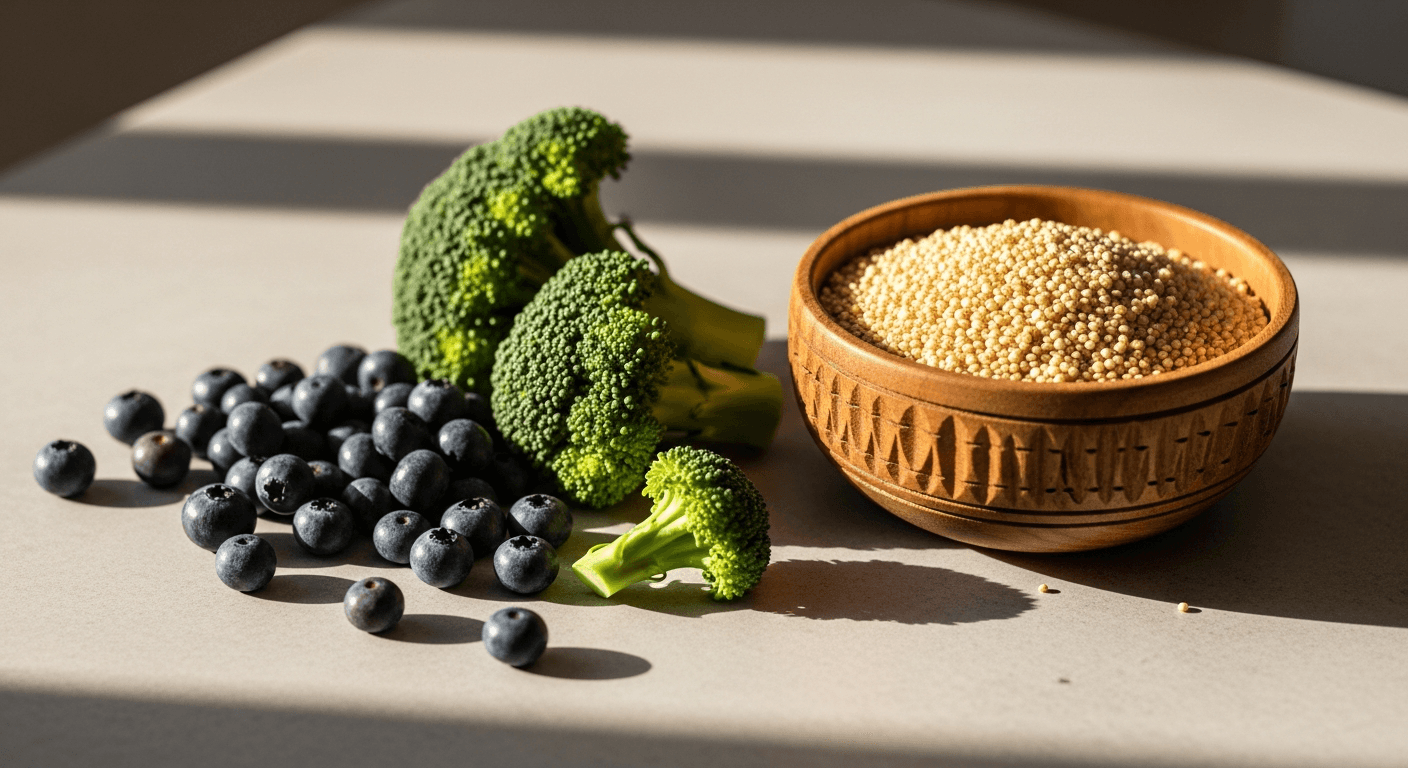
While the elimination phase can feel restrictive, there are still plenty of nutrient-dense, delicious foods you can enjoy. Your plate should be built around incredibly fresh, whole ingredients. For protein, focus on fresh chicken, turkey, and quail eggs. If you consume fish, it must be freshly caught or flash-frozen immediately upon being caught (often labeled as "frozen at sea"). Standard chicken eggs are tolerated by most, though the egg whites can act as mild liberators for a small subset of highly sensitive patients. For carbohydrates, gluten-free grains are generally the safest bet, including rice, quinoa, millet, and potatoes.
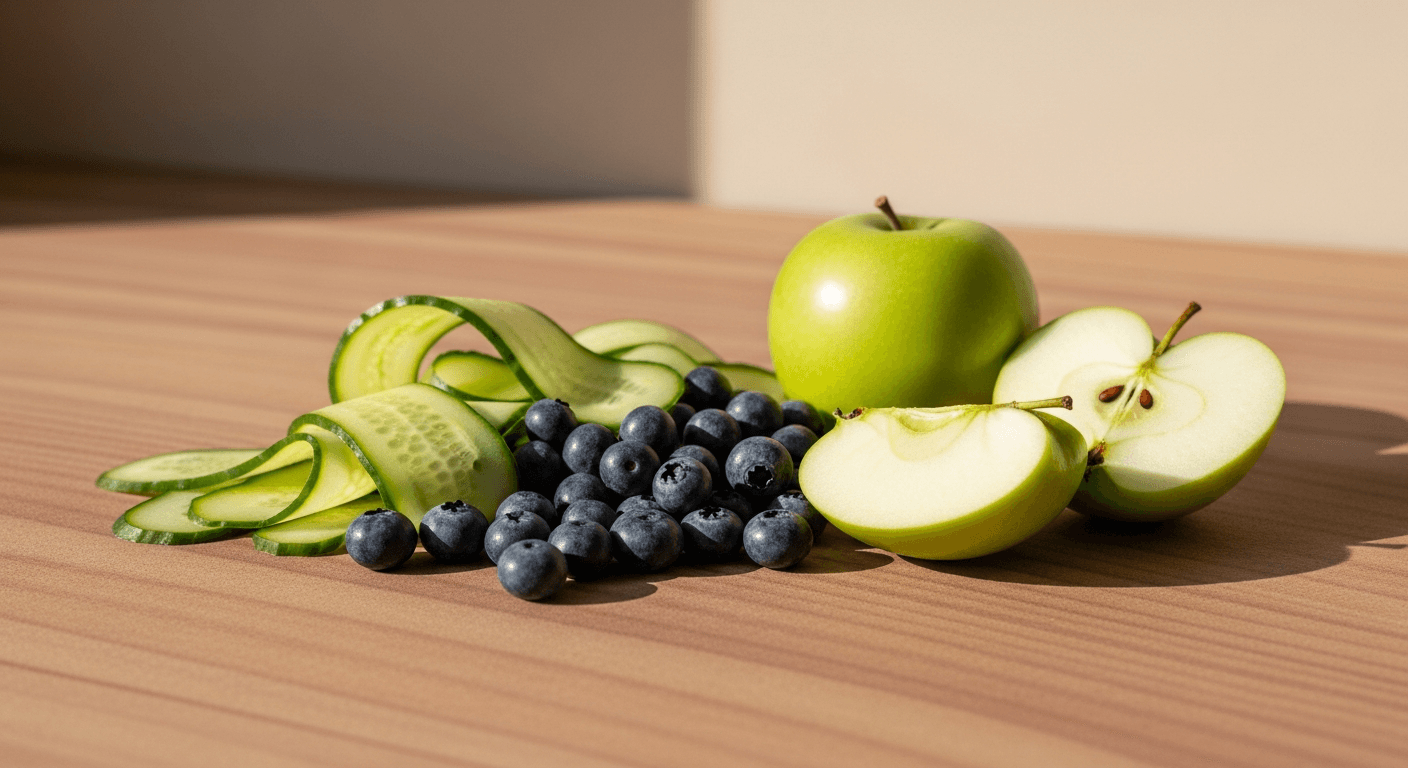
Vegetables should make up a large portion of your diet. Safe, low-histamine vegetables (SIGHI 0) include broccoli, cauliflower, asparagus, zucchini, sweet potatoes, carrots, and onions. Interestingly, onions and cauliflower contain natural compounds that can actually help stabilize mast cells. For fruits, stick to apples, blueberries, cherries, mangoes, peaches, and coconuts. Healthy fats are crucial for cellular health; safe options include fresh olive oil, coconut oil, fresh butter or ghee, and macadamia nuts. By combining these safe ingredients, you can create nourishing, anti-inflammatory meals that support your body's healing process.
What to Avoid: The High-Histamine Culprits
During the elimination phase, you must strictly avoid all foods rated 2 or 3 on the SIGHI list, as well as known liberators and DAO blockers. The most potent triggers are aged, cured, and processed proteins. This includes all deli meats, bacon, salami, sausages, and aged cheeses like cheddar, parmesan, and blue cheese. You must also avoid all canned, dried, or smoked fish, such as canned tuna or anchovies, as these contain massive amounts of accumulated histamine. Fermented foods, while often touted for gut health, are absolute poison for an overflowing histamine bucket. You must strictly avoid sauerkraut, kimchi, pickles, kombucha, kefir, soy sauce, and most vinegars.
You must also eliminate specific fruits and vegetables that act as potent histamine liberators. This includes tomatoes and all tomato products, spinach, eggplant, avocados, citrus fruits, strawberries, bananas, and pineapple. Certain nuts and legumes, particularly walnuts, cashews, peanuts, lentils, and soybeans, should also be avoided. Finally, you must eliminate DAO blockers, which means strictly avoiding all alcohol, black tea, green tea, and energy drinks. While this list is extensive, remembering that this strict avoidance is temporary can help make the process feel more manageable.
Common Mistakes and Pitfalls
The Danger of Extreme Over-Restriction
One of the most dangerous pitfalls in managing MCAS is falling into the trap of extreme, long-term dietary over-restriction. When patients experience profound relief from eliminating high-histamine foods, they often develop a fear of eating anything outside their small "safe" list. Over time, as their mast cells react to stress or environmental triggers, they may mistakenly blame their remaining safe foods and restrict their diet even further. This leads to a dangerous boom-bust cycle. Severe, prolonged restriction inevitably leads to clinical malnutrition, depriving the body of the exact vitamins, minerals, and amino acids required to stabilize mast cells and repair damaged tissues.
Furthermore, extreme restriction starves your gut microbiome. Your gastrointestinal tract relies on a diverse array of dietary fibers to feed beneficial bacteria. When you cut out vast swaths of fruits, vegetables, and complex carbohydrates, you cause a collapse in microbiome diversity. Certain beneficial bacteria, such as Bifidobacterium longum, actually help degrade histamine and downregulate H1 receptors in the gut. If you starve these good bacteria, opportunistic, histamine-producing bacteria will proliferate in their place. This dysbiosis fundamentally worsens your MCAS over time, making your mast cells even more reactive and your safe food list even smaller. This is why the diet must be viewed as a temporary tool, not a permanent lifestyle.
The "Healthy Food" Trap
Another common mistake is assuming that universally praised "health foods" are safe for everyone. In the general wellness space, foods like spinach, avocados, bone broth, and fermented foods are heavily promoted for their anti-inflammatory and gut-healing properties. However, for a patient with MCAS, these foods are highly problematic. Spinach and avocados are potent histamine liberators, capable of triggering severe degranulation. Fermented foods like kombucha and kefir are essentially liquid histamine, teeming with the exact biogenic amines your body is struggling to clear.
Bone broth is a particularly deceptive trap. While it is rich in collagen and amino acids that support gut lining repair, the long, slow simmering process required to make bone broth allows massive amounts of histamine to develop. Many MCAS patients experience severe flare-ups after consuming bone broth, mistakenly believing they are experiencing a "healing crisis" or "die-off" reaction, when in reality, they are simply overflowing their histamine bucket. If you want the benefits of bone broth without the histamine, you must use a pressure cooker to make meat broth rapidly, rather than simmering bones for 24 hours.
Forgetting Essential Enzyme Cofactors
A critical oversight many patients make is eliminating high-histamine foods without actively replacing the nutrients required for their body's natural histamine-clearing enzymes to function. The Diamine Oxidase (DAO) enzyme does not work in a vacuum; its enzymatic function strictly requires specific micronutrient cofactors. The most important of these are Vitamin C, Vitamin B6, Copper, and Magnesium. If your highly restricted diet is deficient in these essential nutrients, your body will lose its natural ability to produce DAO, meaning you will become even more sensitive to the tiny amounts of histamine left in your diet.
Supplementing with these cofactors can be a game-changer for many patients. For instance, Vitamin C is not only a crucial DAO cofactor but also a potent natural mast cell stabilizer. As detailed in our Vitamin C Supplement Guide, high-quality Vitamin C can help manage oxidative stress and reduce the severity of allergic-type reactions. Ensuring you have adequate levels of these cofactors, either through careful meal planning or targeted supplementation under medical supervision, is essential for keeping your enzymatic pathways functioning optimally while you navigate the dietary restrictions.
Tools, Apps, and Resources
The Official SIGHI Guidelines
When navigating a low-histamine diet, your most valuable resource is the official SIGHI food compatibility list. Rather than relying on random blog posts or Pinterest infographics, which often contain conflicting information, you should download the official PDF from the Swiss Interest Group Histamine Intolerance website. Keep a printed copy in your kitchen and a digital copy on your phone for easy reference while grocery shopping. The SIGHI list is meticulously researched and regularly updated, providing the most accurate 0-to-3 rating system available for histamine content, liberators, and DAO blockers.
Digital Symptom and Diet Trackers
Because MCAS symptoms can be delayed by up to 48 hours after eating a trigger food, relying on your memory to identify patterns is nearly impossible. Utilizing a digital symptom tracker is essential for successful dietary management. Apps like Bearable or Cara Care allow you to log your meals, track your specific symptoms (like brain fog, hives, or GI distress), and monitor your sleep and stress levels all in one place. Over time, these apps can generate data visualizations that highlight hidden correlations, helping you and your healthcare provider pinpoint exactly which foods or environmental factors are filling your histamine bucket.
Targeted Supplements and Probiotics
In addition to dietary changes, targeted supplements can provide significant support. Exogenous DAO enzyme supplements, derived from porcine kidney extract, can be taken 15-20 minutes before meals to help break down dietary histamine in the gut. Furthermore, specific natural compounds can help stabilize mast cells. For example, Bromelain has been shown to help manage inflammation and modulate immune responses. However, you must be incredibly careful with probiotics. Many commercial probiotics contain histamine-producing strains like Lactobacillus casei or Lactobacillus bulgaricus. Instead, look for targeted formulas containing histamine-degrading strains, such as those discussed in our Probiotic G.I. Supplement Guide, which support gut barrier function without triggering mast cells.
What Research Shows
Clinical Efficacy of Dietary Elimination
The medical community's understanding of MCAS and dietary interventions has expanded significantly in recent years. The 2025 American Gastroenterological Association (AGA) Clinical Practice Update officially recognizes the utility of low-histamine diets for patients with MCAS and hypermobile Ehlers-Danlos syndrome (hEDS). The AGA guidelines stress that the diet should be utilized as a strategic 4-to-6-week elimination trial to identify specific triggers, rather than a permanent lifestyle, to prevent long-term nutritional deficits. This official recognition validates what patients have reported for years: that dietary modification is a powerful, evidence-based tool for managing severe gastrointestinal and systemic symptoms.
Alongside dietary elimination, recent clinical literature, including a case series evaluating patients with Mast Cell Activation Syndrome, demonstrates that comprehensive mast-cell-directed treatments can lead to significant clinical improvements. The study highlighted that patients suffering from severe neuropsychiatric symptoms experienced relief when their mast cell activation was properly managed. These clinical findings underscore the profound impact that targeted mast cell therapies and reducing histamine burden can have on systemic and neurological inflammation.
How Cooking Methods Alter Histamine Levels
Research has also shed light on the critical importance of food preparation in managing histamine levels. A landmark 2017 study published in the Annals of Dermatology systematically evaluated how different cooking methods influenced the histamine content of various foods. The researchers discovered that grilling and frying foods significantly increased their histamine levels, with fried vegetables showing up to a 2.5-fold increase in biogenic amines. This occurs because high-heat, dry cooking methods accelerate the bacterial breakdown of amino acids.
Conversely, the study found that boiling foods either had no significant influence on histamine levels or actually decreased them. The water-based cooking method, especially when done rapidly, prevents the rapid multiplication of histamine-producing bacteria. This research provides a vital, evidence-based framework for MCAS patients, proving that adopting safe cooking methods—like boiling, steaming, or using a pressure cooker—is just as important as selecting the right ingredients from the SIGHI list.
The Genetic and Overlap Connections
Recent mechanistic research has also illuminated the genetic underpinnings that connect MCAS, dietary intolerance, and overlapping conditions like Postural Orthostatic Tachycardia Syndrome (POTS). Researchers have identified that a duplication of the α-tryptase–encoding sequence in the TPSAB1 gene causes Hereditary Alpha-Tryptasemia (HαT). This genetic mutation leads to elevated basal serum tryptase and hyper-reactive mast cells, providing a clear biological link for the highly common clinical triad of MCAS, POTS, and Ehlers-Danlos Syndrome (EDS).
Furthermore, research into the AOC1 gene, which encodes the DAO enzyme, has shown that specific Single Nucleotide Polymorphisms (SNPs) can drastically reduce a patient's natural ability to clear dietary histamine. A 2019 randomized, double-blind trial by Izquierdo-Casas et al. demonstrated that supplementing with DAO enzyme significantly reduced the duration and frequency of headaches in patients with these genetic deficiencies. Understanding these genetic factors helps explain why some patients require strict dietary management while others can tolerate a broader range of foods, emphasizing the need for highly personalized medical care.
The Path Forward
The Art of Systematic Food Reintroduction
The ultimate goal of the low-histamine diet is not to eat as few foods as possible, but to achieve the maximum dietary diversity your body can safely tolerate. Once you have completed the 4-to-6-week elimination phase and achieved a noticeable reduction in your baseline symptoms, you must begin the critical phase of food reintroduction. This process requires patience and precision. You should reintroduce only one new food at a time, starting with items rated as a "1" on the SIGHI list. Begin with a very small portion—such as a single slice of avocado or half a strawberry—and monitor your body's response over the next 48 hours.
If you experience no symptoms, you can gradually increase the portion size over the next few days. If you do experience a flare-up, log the reaction in your symptom tracker, remove the food from your diet, and wait for your baseline to stabilize before testing the next food. This systematic approach allows you to map the exact size and shape of your personal histamine bucket. You may discover that you can tolerate certain liberators perfectly well, but cannot handle aged cheeses. You may also find that your tolerance fluctuates based on your stress levels or hormonal cycle. This nuanced understanding is the key to long-term, sustainable dietary management.
Embracing a Holistic Management Strategy
While the low-histamine diet is a profoundly powerful tool, it is essential to remember that it is only one piece of the MCAS management puzzle. You cannot out-diet a nervous system that is stuck in a chronic state of fight-or-flight, nor can you out-diet continuous exposure to environmental triggers like hidden mold. True healing requires a holistic, multi-system approach. This means prioritizing nervous system regulation, optimizing your sleep architecture, managing your stress load, and addressing any underlying gut infections or dysbiosis that may be suppressing your natural DAO production.
It also means utilizing appropriate medical interventions when necessary. Many patients require a combination of H1 and H2 antihistamines, mast cell stabilizers (like Ketotifen or Cromolyn Sodium), and targeted supplements to fully regain their quality of life. For instance, exploring immune-modulating supplements like Olive Leaf Extract or gut-supporting protocols like MegaMarine can provide the foundational support your body needs to heal. Diet is a crucial lever, but it works best when pulled in tandem with comprehensive medical and lifestyle strategies.
Partnering with RTHM for Comprehensive Care
Navigating the complexities of MCAS, histamine intolerance, and dietary reintroduction is not something you should have to do alone. The sheer volume of information, combined with the unpredictability of the symptoms, can be overwhelming for even the most proactive patients. Working with a healthcare provider who truly understands the nuances of mast cell disorders is essential for safely implementing these strategies, avoiding the pitfalls of malnutrition, and developing a personalized treatment plan that addresses the root causes of your immune dysregulation.
At RTHM, our clinical team specializes in the diagnosis and comprehensive management of complex chronic conditions like Long COVID, MCAS, POTS, and ME/CFS. We understand that your symptoms are real, valid, and deeply interconnected. If you are struggling to manage your food triggers or feel trapped in a cycle of severe dietary restriction, we are here to help. Explore RTHM's comprehensive care options to learn how our specialized providers can support you in expanding your diet, stabilizing your mast cells, and reclaiming your quality of life. Always consult with a healthcare provider before starting or stopping any significant dietary protocol or supplement regimen.
Sources
American Academy of Allergy, Asthma & Immunology (AAAAI). "Mast Cell Activation Syndrome (MCAS)." https://www.aaaai.org/conditions-treatments/related-conditions/mcas
Afrin, L. B., et al. (2024). "Mast cell activation syndrome: Current understanding and research needs." Journal of Allergy and Clinical Immunology. https://www.jacionline.org/article/S0091-6749(24)00511-2/fulltext
Weinstock, L. B., et al. (2023). "Neuropsychiatric Manifestations of Mast Cell Activation Syndrome and Response to Mast-Cell-Directed Treatment: A Case Series." Journal of Personalized Medicine. https://www.ncbi.nlm.nih.gov/pmc/articles/PMC10672129/
Swiss Interest Group Histamine Intolerance (SIGHI). "SIGHI-Leaflet Histamine Elimination Diet." https://www.histaminintoleranz.ch/en/introduction.html
Chung, B. Y., et al. (2017). "Effect of Different Cooking Methods on Histamine Levels in Selected Foods." Annals of Dermatology.
Izquierdo-Casas, J., et al. (2019). "Diamine oxidase (DAO) supplement reduces headache in episodic migraine patients with DAO deficiency: A randomized double-blind trial." Clinical Nutrition.
American Gastroenterological Association (AGA). (2025). "Clinical Practice Update on Management of Mast Cell Activation Syndrome and Hypermobile Ehlers-Danlos Syndrome."
Rupa Health. "A Functional Medicine Approach to Mast Cell Activation Syndrome." https://www.rupahealth.com/post/a-functional-medicine-approach-to-mast-cell-activation-syndrome