Can Probiotic G.I. Support Gut Barrier Function and Alleviate Long COVID Symptoms?
March 5, 2026
Probiotic G.I.Gut HealthLong COVID
Share:
Disclaimer: The information provided here is for educational purposes only and is not intended as medical advice. It should not be used to diagnose, treat, cure, or prevent any medical condition. Instead, use it as a starting point for discussion with your healthcare provider. Always consult with a qualified healthcare provider before starting any new medication, supplement, device, or making changes to your health regimen.
The gastrointestinal tract is often referred to as the body's "second brain," and for individuals living with complex chronic conditions like Long COVID, myalgic encephalomyelitis/chronic fatigue syndrome (ME/CFS), dysautonomia, and mast cell activation syndrome (MCAS), this connection is profoundly real. Many patients find themselves battling a bewildering array of symptoms—from debilitating brain fog and profound fatigue to unpredictable heart rates and severe food intolerances—without realizing that the root of their systemic inflammation may lie in the gut. When the delicate balance of the gut microbiome is disrupted by viral infections, chronic stress, or immune dysfunction, it can trigger a cascade of systemic issues that perpetuate chronic illness.
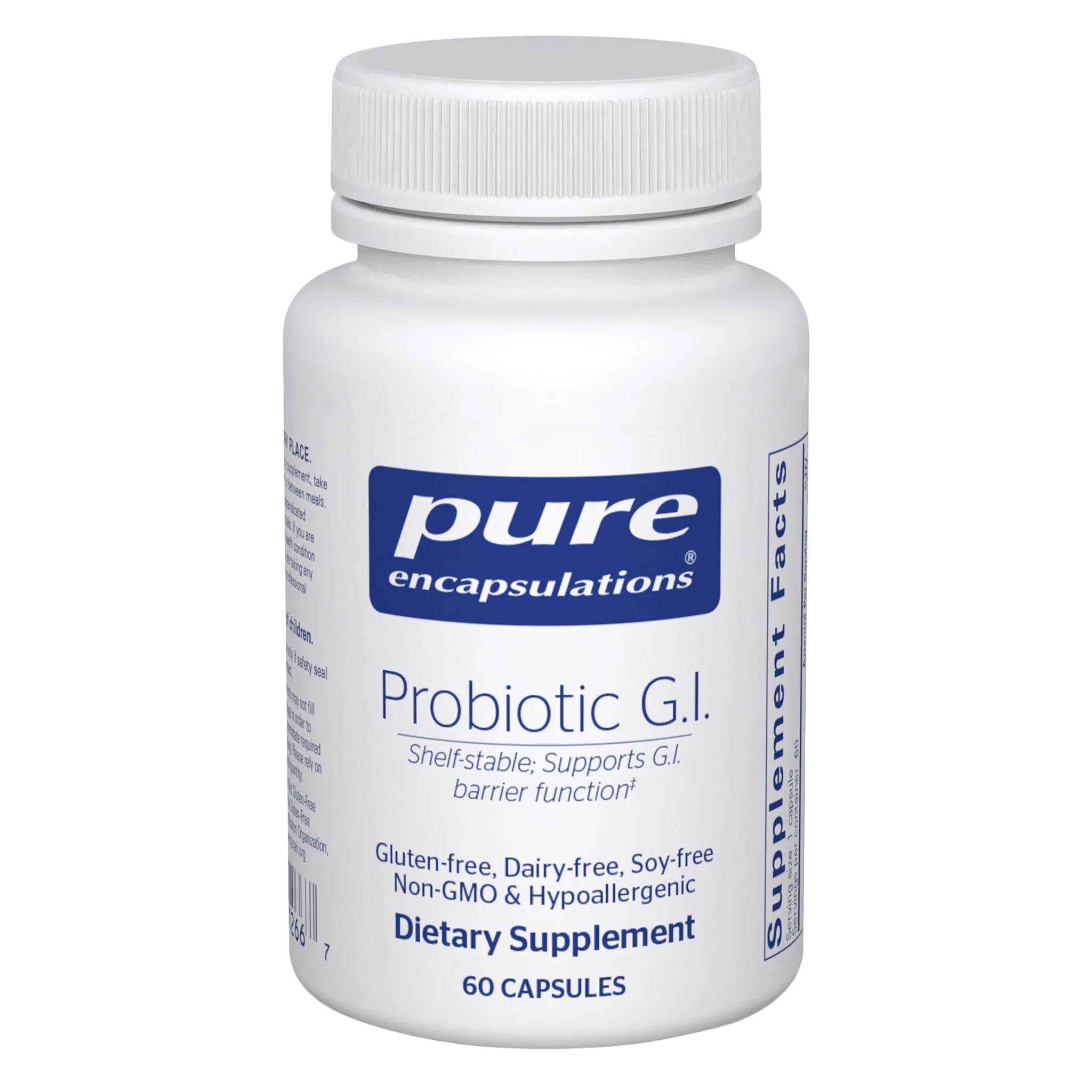
Understanding the intricate relationship between the gut microbiome, the intestinal barrier, and the immune system is a crucial step in managing these complex conditions. Probiotic G.I. by Pure Encapsulations is a targeted, shelf-stable probiotic blend designed specifically to support the gut-associated lymphoid tissue (GALT), promote healthy barrier function, and modulate the immune response within the gastrointestinal tract. By delivering 10 billion CFU of heavily researched keystone bacterial strains, this formulation aims to address the foundational dysbiosis and "leaky gut" dynamics that often drive systemic inflammation in chronic illness.
TL;DR
Gut health is deeply connected to chronic conditions like Long COVID, ME/CFS, and MCAS.
Probiotic G.I. delivers 10 billion CFU of targeted strains to support the gut barrier.
Rebuilding the gut microbiome may help manage brain fog, fatigue, and systemic inflammation.
Pair probiotics with a tailored diet and comprehensive care plan for best results.
What is Probiotic G.I.?
The Gut Microbiome Ecosystem
To understand the profound impact of a targeted probiotic blend, we must first look at the natural function of the gut microbiome in a healthy body. The human gastrointestinal tract is home to trillions of microorganisms, including bacteria, viruses, fungi, and archaea, which collectively form a complex, dynamic ecosystem. In a state of health, this microbiome is highly diverse and dominated by beneficial, symbiotic bacteria that perform essential physiological functions. These microbes are not merely passive residents; they are active participants in human metabolism, synthesizing essential vitamins (like Vitamin K and B vitamins), breaking down complex, indigestible dietary fibers, and producing vital metabolic byproducts.
One of the most critical byproducts of bacterial fermentation is the production of short-chain fatty acids (SCFAs), such as butyrate, acetate, and propionate. Research indicates that these SCFAs serve as the primary energy source for colonocytes (the cells lining the colon) and play a foundational role in maintaining the structural integrity of the intestinal barrier. Furthermore, a healthy, diverse microbiome acts as a physical and chemical shield against pathogenic invaders. Beneficial bacteria compete for nutrients and attachment sites on the intestinal wall, a process known as competitive exclusion, and secrete antimicrobial peptides called bacteriocins that actively neutralize harmful microbes before they can establish an infection.
The Gut-Associated Lymphoid Tissue (GALT)
The true power of the gut microbiome lies in its intimate relationship with the immune system, specifically the gut-associated lymphoid tissue (GALT). The GALT is the largest mass of lymphoid tissue in the human body, housing an estimated 70% to 80% of the body's entire immune cell population, including T cells, B cells, macrophages, and dendritic cells. Situated just beneath the single-cell layer of the intestinal epithelium, the GALT acts as the immune system's primary surveillance headquarters. Its job is incredibly complex: it must constantly sample the contents of the gut lumen, mounting aggressive immune responses against dangerous pathogens while simultaneously maintaining strict immune tolerance toward harmless dietary antigens and beneficial commensal bacteria.
This delicate balancing act is mediated through constant biochemical crosstalk between the gut bacteria and the GALT. Beneficial microbes interact with pattern recognition receptors, such as Toll-like receptors (TLRs), located on the surface of intestinal epithelial cells and immune cells. Studies have shown that these interactions dictate the localized production of cytokines—small signaling proteins that orchestrate the immune response. When the microbiome is healthy, it signals the GALT to produce anti-inflammatory cytokines (like Interleukin-10 and TGF-β) and promotes the expansion of Regulatory T cells (Tregs), which keep the immune system calm and help reduce inappropriate, systemic inflammation.
The Role of Keystone Bacterial Strains
Within this vast ecosystem, certain bacterial species act as "keystone" strains, meaning their presence is disproportionately crucial for maintaining the stability and health of the entire microbiome. The Lactobacillus and Bifidobacterium genera are two of the most heavily researched keystone groups. Lactobacillus species primarily colonize the small intestine, where they produce lactic acid, creating an acidic environment that inhibits the growth of pathogens. They are heavily involved in modulating the localized immune response and supporting the integrity of the tight junctions that seal the spaces between intestinal cells.
Conversely, Bifidobacterium species are predominantly found in the large intestine (colon) and are master fermenters of complex carbohydrates. They are prolific producers of acetate, which cross-feeds other beneficial bacteria to produce butyrate. Clinical literature demonstrates that Bifidobacteria are essential for regulating the mucosal immune system, stimulating the production of secretory Immunoglobulin A (sIgA)—an antibody that acts as the first line of defense in the mucosal lining—and helping to protect the gut barrier from breakdown. When these keystone strains are depleted, the entire structural and immunological integrity of the gastrointestinal tract is compromised.
How Chronic Illness Impacts the Gut Microbiome
Viral Persistence and Dysbiosis in Long COVID
In complex chronic illnesses like Long COVID, the intricate relationship between the gut microbiome and the immune system becomes severely dysregulated. Recent clinical trials have revealed that a synbiotic drug containing Bifidobacterium and soluble fibers can relieve multiple symptoms of long COVID, highlighting the impact of profound and persistent alterations in the gut microbiome, a state known as dysbiosis. The virus can directly infect intestinal epithelial cells via the ACE2 receptor, triggering localized inflammation that decimates populations of beneficial, SCFA-producing bacteria like Bifidobacterium and Faecalibacterium prausnitzii. This depletion allows opportunistic, pro-inflammatory bacteria to overgrow.
This dysbiosis is not merely a temporary side effect; it is increasingly viewed as a primary driver of the Gastrointestinal Symptoms Seen with Long COVID. Without sufficient SCFAs to nourish the intestinal lining, the tight junction proteins that seal the gut barrier begin to degrade, leading to increased intestinal permeability, commonly known as "leaky gut." This compromised barrier allows viral antigens, undigested proteins, and bacterial endotoxins—specifically lipopolysaccharides (LPS) from the cell walls of Gram-negative bacteria—to leak into the GALT and the systemic bloodstream. The immune system, constantly bombarded by these leaked molecules, remains locked in a state of chronic, systemic inflammation, driving symptoms like profound fatigue, neuroinflammation (brain fog), and immune exhaustion.
The "Leaky Gut" and ME/CFS
The pathophysiology of myalgic encephalomyelitis/chronic fatigue syndrome (ME/CFS) shares striking similarities with the gut-immune dysfunction seen in Long COVID. For decades, researchers have noted that ME/CFS often begins following a severe viral or bacterial infection, which acts as the initial trigger for microbiome disruption. Research has demonstrated that patients with ME/CFS frequently exhibit significantly elevated serum antibodies (IgA and IgM) against the LPS of commensal gut bacteria. This provides measurable, biomarker-driven proof that bacteria and their toxins are escaping the gut and entering systemic circulation.
When LPS infiltrates the bloodstream, it binds to Toll-like receptor 4 (TLR4) on immune cells, triggering a massive release of pro-inflammatory cytokines, including Interleukin-1β (IL-1β), Interleukin-6 (IL-6), and Tumor Necrosis Factor-alpha (TNF-α). These cytokines can cross the blood-brain barrier, activating microglial cells in the brain and causing profound neuroinflammation. This gut-brain axis disruption is a primary mechanism behind the debilitating post-exertional malaise (PEM), cognitive dysfunction, and sensory overload that define ME/CFS. The loss of beneficial bacteria essentially removes the body's natural "brakes" on systemic inflammation.
Mast Cell Activation and the Gut Barrier
Mast cell activation syndrome (MCAS) is another condition deeply intertwined with GALT dysfunction and intestinal permeability. Mast cells are the "first responders" of the innate immune system, heavily concentrated at the environmental interfaces of the body, particularly within the mucosal linings of the gastrointestinal tract. In a healthy gut, mast cells help defend against parasites and regulate blood flow. However, in MCAS, these cells become hyper-reactive and inappropriately degranulate, releasing a flood of inflammatory mediators like histamine, tryptase, and prostaglandins.
The relationship between MCAS and leaky gut is a vicious, self-perpetuating cycle. Research indicates that when the gut barrier is compromised, the influx of undigested food particles and bacterial endotoxins directly binds to receptors on mast cells in the GALT, chronically triggering their activation. The resulting release of histamine and other mediators directly damages the intestinal epithelium further, widening the tight junctions and worsening the leaky gut. Because mast cell mediators enter the bloodstream, a gut-triggered MCAS flare can manifest systemically, causing brain fog, rapid heart rate, flushing, hives, and severe visceral hypersensitivity that is often misdiagnosed as simple irritable bowel syndrome (IBS).
Dysautonomia and the Vagus Nerve
Dysautonomia, including postural orthostatic tachycardia syndrome (POTS), frequently co-occurs with Long COVID, ME/CFS, and MCAS, and its connection to the gut lies heavily in the vagus nerve. The vagus nerve is the primary neural highway of the gut-brain axis, transmitting signals from the GALT directly to the brainstem. It is responsible for regulating the parasympathetic ("rest and digest") nervous system, controlling heart rate, blood pressure, and gastrointestinal motility.
When a leaky gut causes a constant stream of systemic inflammation and LPS translocation, the vagus nerve itself can become inflamed, a condition sometimes referred to as vagal neuropathy. This neuro-immune crosstalk failure impairs vagal tone, leading to the erratic heart rates, blood pooling, and dizziness characteristic of dysautonomia. Furthermore, because the autonomic nervous system controls gut motility, dysautonomia often results in delayed gastric emptying (gastroparesis) or altered intestinal transit times. This dysmotility allows bacteria to overgrow in the small intestine (SIBO), where they ferment food prematurely, produce excess gas, and further damage the intestinal wall, exacerbating the systemic inflammatory loop.
Probiotic G.I.: Supporting Gut Barrier and Immune Function
Rebuilding Tight Junctions and the Epithelial Barrier
Probiotic G.I. is specifically formulated to interrupt the vicious cycles of leaky gut and systemic inflammation by delivering 10 billion CFU of targeted Lactobacillus, Bifidobacterium, and Streptococcus strains. At the cellular level, one of the primary mechanisms by which these beneficial bacteria operate is the direct fortification of the intestinal epithelial barrier. The single layer of cells lining the gut is held together by complex protein structures called tight junctions, primarily composed of proteins like claudins, occludins, and zonula occludens-1 (ZO-1). In chronic illness, inflammatory cytokines degrade these proteins, causing the barrier to become permeable.
Specific strains in this blend, such as Lactobacillus acidophilus (La-14) and Bifidobacterium bifidum (Bb-06), actively reverse this degradation. High-throughput screening studies have demonstrated that L. acidophilus attaches to the apical membrane of intestinal epithelial cells and interacts with the Toll-like receptor 2 (TLR-2) complex. This interaction triggers an intracellular signaling cascade that rapidly upregulates the transcription and expression of ZO-1 and occludin, physically tightening the spaces between cells. Similarly, B. bifidum has been shown to restore gut barrier permeability by normalizing the transcription levels of tight junction proteins that were degraded by inflammation, with a particularly strong restorative effect on claudin-4. By sealing these junctions, the probiotic blend helps halt the translocation of bacterial endotoxins (LPS) into the bloodstream, cutting off the primary fuel source for systemic neuroinflammation.
Modulating GALT Cytokine Production
Beyond physical barrier repair, the strains in Probiotic G.I. exert profound immunomodulatory effects directly within the gut-associated lymphoid tissue (GALT). In conditions like MCAS and ME/CFS, the GALT is often skewed toward a hyper-reactive, pro-inflammatory Th2 or Th17 immune response. The probiotic strains interact with dendritic cells and macrophages in the GALT to shift this balance back toward a state of immune tolerance. For instance, Bifidobacterium lactis (Bl-04) is known for its ability to interact with human dendritic cells, leading to the targeted release of Interleukin-10 (IL-10). IL-10 is a potent anti-inflammatory cytokine that directly supports the survival and proliferation of Regulatory T cells (Tregs), which are essential for calming overactive mast cells and suppressing autoimmune cross-reactivity.
Furthermore, Lactobacillus salivarius (Ls-33) and Lactobacillus casei (Lc-11) actively downregulate the secretion of tissue-damaging pro-inflammatory cytokines. In vivo models of intestinal inflammation have shown that administration of L. salivarius drastically reduces the localized production of TNF-α, IL-12, and IFN-γ in response to pathogenic challenges, while maintaining the secretion of essential immunoregulatory cytokines like TGF-β. By modulating the local production of cytokines in the G.I. epithelium, these strains help quiet the chronic immune alarm that drives the systemic symptoms of Long COVID and ME/CFS. This localized calming effect in the GALT translates to reduced systemic inflammation, as fewer inflammatory messengers are released into the bloodstream to cross the blood-brain barrier.
Short-Chain Fatty Acids and Mucosal Healing
Another critical mechanism of action for Probiotic G.I. is the production of metabolic byproducts that actively heal the intestinal mucosa. The Bifidobacterium strains in the blend are master fermenters, breaking down dietary fibers to produce short-chain fatty acids (SCFAs) like acetate. This acetate is then utilized by other commensal bacteria to produce butyrate. Butyrate is not only the primary energy source for colonocytes, but it also acts as an epigenetic regulator, inhibiting histone deacetylases (HDACs) to suppress inflammatory gene expression within the gut lining. Clinical research confirms that restoring SCFA production is vital for maintaining the thick mucosal layer that physically separates gut bacteria from the epithelial cells.
Additionally, Streptococcus thermophilus (St-21) contributes uniquely to mucosal healing through the production of exopolysaccharides (EPS). Studies utilizing intestinal monolayer models have revealed that the EPS produced by S. thermophilus directly protects intestinal barrier integrity from pathogenic disruptions and alleviates pro-inflammatory responses. Furthermore, research suggests that specific metabolites produced by S. thermophilus can cross the intestinal barrier to support healthy cytokine production and immune function systemically. Together, these strains work synergistically to rebuild the physical mucus layer, nourish the epithelial cells, and create a localized environment that favors immune tolerance over chronic inflammation.
Symptoms Probiotic G.I. May Help Manage
While Probiotic G.I. primarily targets the gastrointestinal tract, its ability to heal the gut barrier and modulate systemic inflammation means it may help manage a wide range of interconnected symptoms:
Gastrointestinal Distress: By restoring beneficial flora, rebuilding the mucosal layer, and downregulating localized inflammation, it may help alleviate bloating, irregular bowel movements, visceral hypersensitivity, and the abdominal discomfort frequently seen in Long COVID and dysautonomia.
Brain Fog and Cognitive Dysfunction: By sealing the tight junctions and halting the leakage of bacterial endotoxins (LPS) into the bloodstream, the probiotic blend reduces the systemic inflammatory cytokines that cross the blood-brain barrier, potentially alleviating neuroinflammation and improving mental clarity.
Fatigue and Post-Exertional Malaise (PEM): Chronic immune activation in the GALT drains cellular energy reserves. By shifting the immune system toward a state of tolerance (increasing Tregs and IL-10), the body expends less energy fighting localized gut inflammation, which may help raise the baseline threshold for exertion in ME/CFS patients.
Mast Cell Hyper-Reactivity: By repairing the "leaky gut" barrier, fewer undigested proteins and PAMPs reach the GALT to trigger mast cell degranulation. This reduction in localized histamine release can help stabilize systemic MCAS symptoms, including flushing, hives, and food sensitivities.
Autonomic Dysregulation: By reducing the chronic stream of inflammatory signaling from the gut to the brain, targeted probiotics help lower inflammation along the vagus nerve. Improving vagal tone is a critical step in managing the erratic heart rates and blood pressure fluctuations associated with POTS and dysautonomia.
Practical Considerations: Forms, Dosing, and Absorption
Understanding CFU Counts and Shelf Stability
When incorporating a probiotic into a chronic illness management plan, understanding the formulation and viability of the bacteria is crucial. Probiotic G.I. delivers 10 billion Colony Forming Units (CFU) per capsule. While some products boast massive CFU counts (50 billion or more), clinical efficacy is not solely dependent on sheer numbers; it is heavily dependent on the specific strains used and their ability to survive the harsh environment of the gastrointestinal tract. The 10 billion CFU dose in this blend provides a targeted, clinically relevant amount of heavily researched keystone strains without overwhelming a potentially sensitive or dysbiotic gut, which can sometimes trigger initial Herxheimer-like reactions (temporary symptom exacerbation due to microbial die-off) in patients with severe ME/CFS or MCAS.
One of the significant practical advantages of Probiotic G.I. is its shelf-stable formula. Many high-quality probiotics require strict refrigeration to maintain bacterial viability, which can be challenging for patients dealing with the severe fatigue of Long COVID or those who travel frequently. Pure Encapsulations utilizes advanced manufacturing and freeze-drying techniques to ensure that the bacteria remain dormant but viable at room temperature. However, it is important to note the manufacturer's warning: while shelf-stable, refrigeration may prolong product viability, and the product is best when consumed within 90 days after opening to ensure maximum potency.
Optimal Timing and Absorption Strategies
To maximize the survival of the probiotic strains as they pass through the highly acidic environment of the stomach, timing is important. The suggested use is to take 1 capsule one to two times daily, with or between meals. Taking probiotics with a meal, particularly one containing some healthy fats and complex carbohydrates, can help buffer stomach acid and provide immediate prebiotic nourishment (fibers) for the bacteria once they reach the intestines. For patients with severe dysmotility or gastroparesis (common in dysautonomia), taking the capsule with a smaller, easily digestible meal may be preferable to ensure it moves efficiently through the upper GI tract.
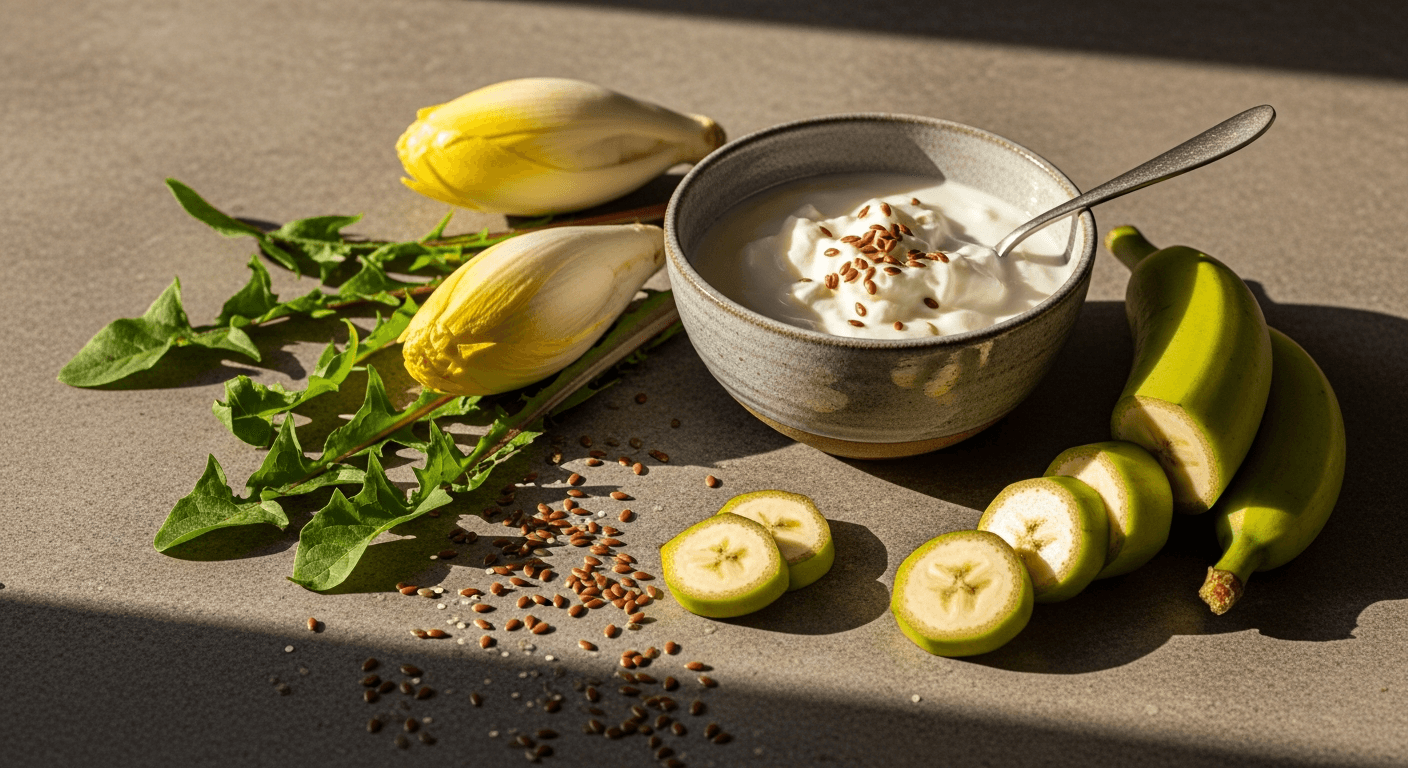
Because these strains rely on fermentation to thrive and produce healing short-chain fatty acids, their efficacy is significantly enhanced when paired with a diet rich in diverse, tolerated plant fibers (prebiotics). However, for patients with MCAS or severe SIBO who may react poorly to high-FODMAP foods or sudden increases in fiber, it is crucial to introduce dietary changes slowly and work with a healthcare provider to find tolerated prebiotic sources, such as partially hydrolyzed guar gum (PHGG) or specific low-histamine vegetables.
Potential Interactions and Contraindications
Probiotics are generally considered safe and well-tolerated, but there are important clinical considerations. If you are currently taking antibiotics for an acute infection or for SIBO management, it is generally recommended to space your probiotic dose at least 2 to 4 hours away from the antibiotic to prevent the medication from neutralizing the beneficial bacteria. If you are dealing with severe dysbiosis, you might also consider if A.C. Formula II Support Gut Health and Alleviate Long COVID Brain Fog is an appropriate complementary therapy to discuss with your provider.
Furthermore, while probiotics are designed to modulate the immune system, individuals who are severely immunocompromised (e.g., undergoing active chemotherapy or taking heavy immunosuppressant biologic drugs) should consult their physician before introducing live bacterial supplements, as there is a theoretical risk of opportunistic infection, though this is exceedingly rare with standard Lactobacillus and Bifidobacterium strains. Patients with severe MCAS should also monitor their symptoms when starting any new probiotic. While the strains in Probiotic G.I. are chosen for their immune-balancing and barrier-repairing properties, the gut microbiome is highly individualized. Some patients may experience temporary bloating, gas, or changes in bowel habits during the first few weeks as the microbial ecosystem shifts and begins to crowd out opportunistic bacteria. Starting with a lower dose (e.g., one capsule daily) and gradually increasing as tolerated is often a prudent approach for sensitive individuals.
Follow the Science
Synbiotics and Long COVID Recovery
The scientific understanding of how probiotics impact complex chronic illnesses has expanded dramatically in recent years, particularly in the wake of the COVID-19 pandemic. A landmark 2023 randomized, double-blind, placebo-controlled trial published in The Lancet Infectious Diseases (the RECOVERY/SIM01 trial) provided robust evidence for microbiome modulation in Long COVID. Researchers administered a synbiotic formulation containing specific Bifidobacterium strains to 463 adult Long COVID patients for six months. The results were striking: compared to the placebo group, the probiotic group showed a 62% relative improvement in difficulty concentrating, a 56% improvement in memory loss, a 47% improvement in fatigue, and a 30% improvement in gastrointestinal upset. Fecal analysis confirmed that the intervention successfully increased the abundance of SCFA-producing bacteria and directly correlated specific bacterial increases with symptom relief.
These findings underscore the reality of the gut-brain axis in chronic illness. The significant improvements in cognitive symptoms ("brain fog") and severe fatigue highlight that healing the gut barrier and restoring keystone bacterial populations can have profound downstream effects on neuroinflammation and systemic energy production. The trial also emphasized that restoring the microbiome is a gradual process; short-term interventions often fail to produce lasting results, whereas long-term adherence (e.g., 6 months) allows the beneficial bacteria to establish a stable, resilient ecosystem that can continuously suppress systemic inflammation.
Restoring the Gut-Lung Axis
Further supporting these findings, a late-2024 pilot study conducted by CBmed and the Medical University of Graz focused on survivors of severe COVID-19 experiencing persistent disruptions 10+ months after acute infection. The researchers investigated the "gut-lung axis," administering a 6-month course of targeted probiotics. The intervention successfully increased microbial diversity in the gut, significantly improved patient quality of life, reduced overall fatigue, and notably lowered specific systemic inflammatory markers. The researchers concluded that targeted probiotic therapy is a vital tool for restoring systemic immune function following severe viral infections, validating the approach of managing systemic symptoms via the gastrointestinal tract.
Evidence for Barrier Repair in Chronic Inflammation
The specific mechanisms of the strains found in Probiotic G.I. are also heavily supported by in vivo and in vitro research. For example, studies published in Gastroenterology have demonstrated that Lactobacillus acidophilus induces a massive, near-doubling enhancement of intestinal epithelial tight junction integrity in a TLR-2 dependent manner, successfully helping to manage colitis and spikes in intestinal permeability in animal models. Similarly, research on Bifidobacterium bifidum has shown its unique capacity to regulate the structural organization of colonic mucin, actively rebuilding the protective mucus layer and helping to reduce the translocation of luminal endotoxins into systemic circulation. These mechanistic studies provide the biological plausibility for why patients with leaky-gut-driven conditions like ME/CFS and MCAS often experience systemic symptom relief when utilizing targeted probiotic therapies.
The Path Forward
A Foundational Step in Healing
Living with conditions like Long COVID, ME/CFS, dysautonomia, and MCAS can often feel like fighting a battle on multiple fronts. The interconnected nature of these illnesses—where a flare in gut symptoms can trigger brain fog, which in turn exacerbates fatigue and autonomic dysfunction—can be overwhelming. However, understanding that these symptoms share a common physiological root in the gut microbiome and the GALT offers a tangible, actionable path forward. Healing the gut barrier is not an overnight fix, but it is a foundational step in calming the systemic immune alarm that drives chronic illness.
Comprehensive Care and Symptom Tracking
It is important to remember that supplements are most effective when utilized as part of a comprehensive, holistic management strategy. For those looking to comprehensively address their microbiome, exploring how a Gut-Brain Reset Help Manage Long COVID and ME/CFS Symptoms can provide additional strategies. Probiotic G.I. works best when combined with careful symptom tracking, pacing to manage post-exertional malaise, nervous system regulation techniques to support vagal tone, and a diet tailored to your specific tolerances and nutritional needs. We encourage you to work closely with a dysautonomia or ME/CFS-literate healthcare provider who can help you integrate targeted microbiome support into your broader treatment protocol, monitor your progress, and adjust dosages as your gut ecosystem begins to heal and stabilize.
Disclaimer: The information provided in this blog is for educational purposes only and is not intended as medical advice. Always consult with a qualified healthcare provider before starting any new supplement, especially if you have a complex chronic condition, are immunocompromised, or are taking prescription medications.