March 5, 2026

Disclaimer: The information provided here is for educational purposes only and is not intended as medical advice. It should not be used to diagnose, treat, cure, or prevent any medical condition. Instead, use it as a starting point for discussion with your healthcare provider. Always consult with a qualified healthcare provider before starting any new medication, supplement, device, or making changes to your health regimen.
Months or even years after a mild viral infection, many individuals find themselves battling a bewildering array of symptoms—crushing fatigue, brain fog, post-exertional malaise (PEM), and unpredictable allergic reactions. For patients navigating the complex realities of Long COVID, myalgic encephalomyelitis/chronic fatigue syndrome (ME/CFS), mast cell activation syndrome (MCAS), and dysautonomia, standard medical tests often return "normal" results, leaving them without answers or effective treatments. However, emerging research into the vascular and immune underpinnings of these conditions has revealed a hidden driver of chronic symptoms: persistent systemic inflammation and the formation of microscopic, hard-to-dissolve blood clots.
As researchers and clinicians search for ways to dismantle these complex disease mechanisms, they are increasingly turning to targeted enzymatic therapies. One of the most promising natural compounds in this arena is Bromelain, a highly potent proteolytic enzyme extracted from the stem of the pineapple plant. While traditionally known for its ability to aid digestion, modern clinical science has uncovered bromelain’s profound ability to modulate the immune system, break down rogue blood clots, and suppress inflammatory pathways at the cellular level. In this comprehensive guide, we will explore the deep biochemistry of bromelain, how it interacts with the unique pathophysiology of Long COVID and MCAS, and how it can be utilized as a powerful tool in a chronic illness management protocol.
Bromelain is not a single compound, but rather a complex, naturally occurring mixture of proteolytic enzymes (specifically thiol endopeptidases) and other bioactive constituents, including phosphatases, glucosidases, peroxidases, and protease inhibitors. Extracted primarily from the stem and fruit of the pineapple plant (Ananas comosus), bromelain has been utilized in traditional and clinical medicine for decades due to its potent therapeutic properties. At its core, bromelain functions as a protease—an enzyme that catalyzes the breakdown of complex protein molecules into smaller, more manageable peptide chains and individual amino acids. This proteolytic action is fundamental to its role in the human body, but its effects extend far beyond simple dietary protein digestion.
At the cellular level, bromelain exerts profound immunomodulatory effects by directly interacting with the surfaces of immune cells. Research published in the journal MDPI demonstrates that bromelain proteolytically cleaves specific cell surface adhesion molecules, such as CD44 and CD62 (L-selectin). These adhesion molecules act like molecular Velcro, allowing white blood cells (leukocytes) to stick to the inner linings of blood vessels and migrate into tissues to trigger inflammation. By physically shearing off these receptors, bromelain inhibits leukocyte rolling and adhesion, effectively halting the migration of inflammatory cells to sites of tissue damage or immune hyperactivity. Furthermore, bromelain reduces the expression of CD25, a prominent marker of T-cell activation, thereby raising the activation threshold of the immune system and dampening the hyperactive immune responses often seen in autoimmune and post-viral conditions.
Beyond its general protein-cleaving abilities, bromelain is highly regarded in the medical community as a potent fibrinolytic agent. Fibrinolysis is the body's natural biochemical process for breaking down fibrin, the tough, mesh-like protein that forms the structural scaffolding of blood clots. In a healthy physiological state, blood clotting (coagulation) and clot breakdown (fibrinolysis) exist in a delicate, perfectly balanced equilibrium. However, when chronic inflammation or viral infections disrupt this balance, the body can enter a hypercoagulable state, leading to the excessive formation of clots that resist natural degradation. Bromelain intervenes in this disrupted system through several distinct enzymatic pathways.
First, bromelain powerfully stimulates the conversion of plasminogen into plasmin. Plasmin is the primary endogenous enzyme responsible for slicing through fibrin networks, degrading them into smaller, soluble fragments known as fibrin degradation products (FDPs), which can then be safely cleared by the body's macrophage cells. According to a comprehensive review in Alternative Medicine Review, bromelain also actively inhibits the synthesis of new fibrin by restricting the generation of intermediate clotting factors. Studies have shown that bromelain limits the production of Factor X and prothrombin, thereby cutting off both the intrinsic and extrinsic coagulation cascades before a clot can fully form. Additionally, it prevents blood platelets from clumping together (platelet aggregation) by inhibiting the cellular signals stimulated by ADP and epinephrine, significantly reducing the overall risk of pathological thrombus formation.
The third major pillar of bromelain's mechanism of action involves the suppression of the kallikrein-kinin system, a heavily regulated biochemical cascade that plays a central role in acute inflammation, vascular permeability, and pain signaling. When tissues are injured or exposed to severe inflammatory triggers, the kinin system generates potent biological mediators known as kinins. The most notable of these is bradykinin, a peptide that causes blood vessels to dilate and become leaky, leading to localized edema (swelling) and the stimulation of nociceptors (pain-sensing nerve endings). This pathway is a primary driver of the deep, aching joint and muscle pain experienced by many patients with chronic inflammatory conditions.
Bromelain asserts a strong analgesic (pain-relieving) and antiedematous (swelling-reducing) effect by actively dismantling the kinin production line. It selectively and dose-dependently down-regulates and depletes high-molecular-weight (HMW) plasma kininogen, the precursor protein required to synthesize bradykinin. By starving the system of this crucial precursor, bromelain severely limits the localized production of bradykinin at the site of tissue injury or systemic inflammation. Because bradykinin is one of the primary chemical triggers for pain receptors, the halted production of this peptide results in a direct, significant reduction in pain signaling to the brain. This mechanism makes bromelain a highly effective, natural alternative to non-steroidal anti-inflammatory drugs (NSAIDs) for managing musculoskeletal discomfort.
To understand why a proteolytic enzyme like bromelain is highly relevant to chronic illness, we must first examine the profound vascular and immune disruptions caused by conditions like Long COVID and ME/CFS. One of the most groundbreaking discoveries in post-acute infection research is the identification of fibrin amyloid microclots. Pioneering research by Professor Resia Pretorius and Professor Douglas Kell has revealed that during a SARS-CoV-2 infection, the viral spike protein interacts directly with fibrinogen in the bloodstream. This interaction causes the normal fibrin proteins to misfold into an abnormal, highly dense "amyloid-like" structure. Unlike standard blood clots, which the body can easily dissolve, these amyloid microclots are highly resistant to the body's natural fibrinolysis processes.
These microscopic, stubborn clots circulate in the bloodstream and become lodged in the body's smallest blood vessels—the capillaries. When capillaries are blocked, red blood cells cannot deliver adequate oxygen and nutrients to surrounding tissues, creating a state of localized cellular starvation known as ischemia-reperfusion injury. Furthermore, these microclots trap highly inflammatory molecules, such as $\alpha$-2 antiplasmin, which continuously irritate the endothelial lining of the blood vessels, causing widespread endothelialitis. This persistent vascular inflammation and cellular oxygen deprivation provide a direct, physiological explanation for the hallmark symptoms of Long COVID and ME/CFS, including crushing physical fatigue, severe brain fog, muscle weakness, and the debilitating crashes known as post-exertional malaise (PEM).
In parallel to vascular clotting issues, many patients with Long COVID, ME/CFS, and dysautonomia develop secondary immune dysregulation, most notably mast cell activation syndrome (MCAS). Mast cells are the sentinels of the immune system, stationed throughout the body's tissues, particularly in the gastrointestinal tract, respiratory system, and skin. In a healthy body, they release chemical mediators like histamine only when necessary to fight off parasites or heal wounds. However, in MCAS, these cells become hypersensitive and structurally unstable, degranulating (spilling their inflammatory contents) inappropriately in response to everyday triggers like foods, temperature changes, stress, and physical exertion.
The gastrointestinal tract is heavily impacted by MCAS. When the digestive system is compromised by chronic inflammation or autonomic nervous system dysfunction (common in dysautonomia), the stomach and pancreas may fail to produce adequate digestive enzymes. As a result, large, complex dietary proteins remain undigested as they move through the gut. If the gut lining is overly permeable (often referred to as "leaky gut"), these large protein macromolecules can pass into the bloodstream. The hyper-vigilant immune system identifies these undigested proteins as foreign antigens, triggering massive mast cell degranulation and a systemic histamine cascade. This vicious cycle of poor digestion, intestinal permeability, and mast cell activation drives severe gastrointestinal distress, systemic allergic reactions, and widespread inflammation.
The intersection of microclotting and mast cell activation creates a perfect storm of systemic dysfunction. In ME/CFS and Long COVID, the persistent presence of viral remnants, such as the SARS-CoV-2 spike protein, continuously provokes the immune system. This chronic provocation keeps the NF-$\kappa$B signaling pathway permanently switched "on," flooding the body with pro-inflammatory cytokines like IL-1$\beta$, IL-6, and TNF-$\alpha$. This cytokine storm further damages the endothelial lining of the blood vessels, promoting more microclot formation and further restricting blood flow.
As the microcirculation fails, the mitochondria—the energy-producing powerhouses within our cells—are starved of the oxygen they need to generate adenosine triphosphate (ATP). Without ATP, the body simply cannot produce enough energy to sustain basic physical or cognitive functions. When a patient attempts to push through this fatigue, the oxygen-starved cells switch to anaerobic metabolism, rapidly producing lactic acid and causing severe muscle pain and exhaustion. Breaking this cycle requires therapeutic interventions that can simultaneously dissolve the physical blockages (microclots), calm the hyperactive immune cells (mast cells), and shut down the runaway inflammatory signaling pathways.
Given the complex pathophysiology of Long COVID and ME/CFS, Bromelain has emerged as a critical therapeutic tool due to its ability to address multiple disease mechanisms simultaneously. Its most prominent application in chronic illness management is its role in dismantling fibrin amyloid microclots. Because these anomalous clots are highly resistant to the body's endogenous plasmin, introducing a powerful, exogenous proteolytic enzyme like bromelain can provide the biochemical force necessary to break them apart. When absorbed systemically into the bloodstream, bromelain directly cleaves the tough $\beta$-sheet protein bonds that hold the amyloid microclots together.
Recent pharmacological studies and clinical approaches suggest that bromelain not only degrades the fibrin structures but also possesses the unique ability to proteolytically cleave the SARS-CoV-2 spike protein itself. By breaking down the spike protein, bromelain neutralizes the primary trigger that causes the fibrinogen to misfold in the first place. Furthermore, by clearing the microvascular blockages, bromelain helps restore normal capillary blood flow, allowing oxygen and vital nutrients to finally reach the starved mitochondria. This restoration of microcirculation is essential for alleviating the deep tissue hypoxia that drives brain fog, muscle weakness, and post-exertional malaise.
For patients battling the unpredictable allergic reactions and gastrointestinal distress of MCAS, bromelain offers a dual-action approach. When taken with meals, bromelain acts locally in the stomach and intestines as a powerful digestive aid. It efficiently breaks down large dietary proteins into small, harmless peptides and amino acids. By ensuring complete protein digestion, bromelain prevents large antigenic macromolecules from entering the bloodstream and triggering the immune system. This significantly reduces the metabolic strain on the gastrointestinal tract, alleviating symptoms like bloating, cramping, and diarrhea while lowering the overall antigenic load on the body's mast cells.
Beyond digestion, bromelain exerts a direct stabilizing effect on mast cells. Research indicates that bromelain prevents the degranulation of mast cells by stabilizing their cellular membranes and inhibiting the intracellular signaling pathways that trigger the release of histamine. It is important to note the "Pineapple Paradox" here: while fresh pineapple is a known histamine liberator and is generally avoided on MCAS diets, high-quality bromelain extracts derived from the pineapple stem do not contain these histamine-triggering compounds. Therefore, isolated bromelain supplements provide the anti-inflammatory and mast-cell-stabilizing benefits without provoking an allergic response. Additionally, bromelain acts as a mucolytic, helping to break down thick respiratory mucus and reduce the nasal congestion often associated with histamine intolerance.
Bromelain's ability to quench systemic inflammation is driven by its profound impact on cellular signaling pathways. In conditions characterized by chronic immune activation, the NF-$\kappa$B pathway acts as the master switch for inflammatory gene expression. Studies have demonstrated that bromelain directly downregulates the NF-$\kappa$B and MAPKs signaling pathways, effectively turning off the production of highly inflammatory cytokines such as IL-1$\beta$, IL-6, and TNF-$\alpha$. By silencing this cytokine storm, bromelain helps resolve the widespread endothelialitis that damages blood vessels and drives autonomic nervous system dysfunction.
Furthermore, bromelain modulates the arachidonic acid pathway, which is responsible for producing prostaglandins—lipid compounds that mediate inflammation and pain. By inhibiting the expression of the Cyclooxygenase-2 (COX-2) enzyme, bromelain significantly reduces the synthesis of pro-inflammatory prostaglandin E2 (PGE2) and thromboxane A2. This mechanism is nearly identical to how pharmaceutical NSAIDs (like ibuprofen or celecoxib) operate, but without the severe gastrointestinal toxicity often associated with long-term NSAID use. By simultaneously reducing bradykinin production and inhibiting COX-2, bromelain provides comprehensive relief for the joint pain, muscle aches, and musculoskeletal discomfort that frequently plague patients with Long COVID and ME/CFS.
Based on its diverse mechanisms of action—ranging from fibrinolysis and proteolytic cleavage to mast cell stabilization and COX-2 inhibition—bromelain may help manage a wide array of symptoms associated with complex chronic conditions:
Severe Fatigue and PEM: By breaking down fibrin amyloid microclots, bromelain helps restore capillary blood flow and oxygen delivery to starved tissues, supporting mitochondrial energy production and reducing the severity of post-exertional crashes.
Brain Fog and Cognitive Dysfunction: Clearing microvascular blockages in the brain's capillary networks may improve cerebral blood flow, alleviating the neuroinflammation and hypoxia that drive cognitive impairment.
Joint and Muscle Pain: By depleting kininogen, inhibiting bradykinin production, and downregulating the COX-2 pathway, bromelain acts as a potent natural analgesic, reducing musculoskeletal discomfort without the gastrointestinal side effects of NSAIDs.
Digestive Distress (Bloating, Cramping): When taken with meals, bromelain's proteolytic action ensures the complete breakdown of dietary proteins, easing the metabolic burden on the gut and reducing symptoms of maldigestion common in dysautonomia.
Histamine Reactions and Allergies: By stabilizing mast cell membranes and preventing the release of histamine, bromelain helps mitigate the unpredictable allergic responses, flushing, and itching associated with MCAS.
Respiratory Congestion: Bromelain's mucolytic and anti-edematous properties help thin thick mucus and reduce swelling in the nasal passages and respiratory tract, improving breathing for those with chronic sinus or lung inflammation.
Vascular Inflammation (Endothelialitis): By downregulating the NF-$\kappa$B signaling pathway and reducing pro-inflammatory cytokines (IL-6, TNF-$\alpha$), bromelain helps soothe the inflamed linings of blood vessels, supporting overall cardiovascular health.
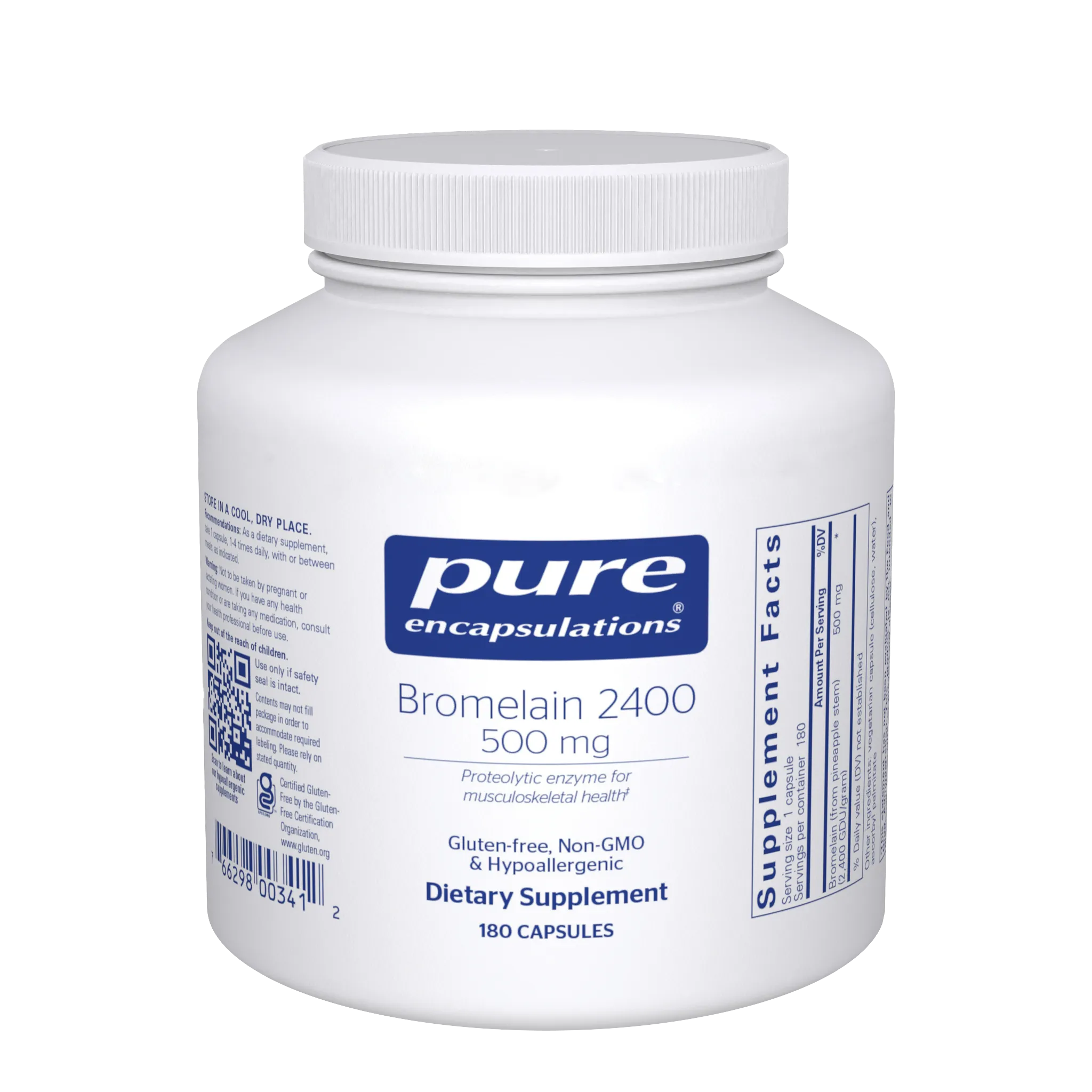
When selecting a bromelain supplement, understanding how its potency is measured is critical for achieving therapeutic results. Unlike standard vitamins or minerals, which are measured simply by weight in milligrams (mg), the effectiveness of an enzyme is determined by its bioactivity. For bromelain, this activity is most commonly expressed in Gelatin Digesting Units (GDU) per gram. One GDU is scientifically defined as the amount of enzyme required to liberate 1 mg of amino nitrogen from a standard gelatin solution after 20 minutes of digestion at 45°C. High-quality, clinical-grade supplements, such as Bromelain 2400 500 mg, feature a high potency of 2,400 GDU/gram. If a supplement label only lists milligrams without specifying the GDU or MCU (Milk Clotting Units), it is impossible to verify its actual enzymatic strength, and it may lack the power necessary to break down stubborn microclots or effectively modulate inflammation.
Bromelain is unique among proteolytic enzymes because it is highly stable and efficiently absorbed in the human gastrointestinal tract. Pharmacokinetic studies indicate that approximately 40% of orally ingested bromelain is absorbed across the gut epithelium into the bloodstream in an intact, functionally active form. Once in the blood, it binds to specific antiproteinases (like alpha-2-macroglobulin) that protect the enzyme from being rapidly degraded, allowing it to circulate and exert its systemic fibrinolytic and anti-inflammatory effects. It typically reaches its peak concentration in the blood within about one hour of ingestion.
The therapeutic outcome of bromelain supplementation is entirely dependent on when it is taken in relation to meals. This is a crucial distinction that patients must understand to achieve their specific health goals. If your primary goal is to improve digestion, reduce gastrointestinal bloating, and prevent large proteins from triggering mast cells, bromelain should be taken with meals. In this scenario, the enzyme remains in the stomach and intestines, utilizing its proteolytic power to break down the dietary proteins you just consumed.
Conversely, if your goal is to target systemic issues—such as dissolving fibrin amyloid microclots, reducing joint pain, clearing spike proteins, or lowering systemic inflammation—bromelain must be taken on an empty stomach (typically at least one hour before or two hours after eating). When taken without food, there are no dietary proteins in the stomach to distract the enzyme. This allows the intact bromelain to be absorbed directly into the bloodstream, where it can navigate to inflamed tissues, modulate the kinin system, and perform its vital clot-busting functions. For systemic support, standard functional medicine protocols often suggest taking 500 mg (at 2400 GDU/g) one to four times daily between meals, though dosages should always be individualized.
While bromelain is generally recognized as safe (GRAS) and well-tolerated, its potent biological activity means it must be used with caution, particularly regarding its impact on blood coagulation. Because bromelain actively breaks down fibrin, inhibits prothrombin, and reduces platelet aggregation, it acts as a natural blood thinner. Therefore, it carries a significant risk of bleeding if combined with pharmaceutical anticoagulants or antiplatelet drugs. Patients taking medications such as Warfarin (Coumadin), Clopidogrel (Plavix), Eliquis, Heparin, or even high-dose Aspirin and NSAIDs must strictly avoid bromelain unless heavily monitored by a physician. Additionally, bromelain supplementation must be discontinued at least two weeks prior to any scheduled surgery or dental procedure.
Bromelain also exhibits notable interactions with certain antibiotics. Clinical data shows that bromelain significantly enhances the absorption and tissue permeability of antibiotics, particularly tetracyclines (like minocycline) and amoxicillin. While this can increase the efficacy of the medication, it also raises the risk of dose-dependent side effects. Common, mild side effects of bromelain itself include gastrointestinal upset, nausea, or diarrhea, particularly at higher doses. Finally, because bromelain is derived from pineapple, it can trigger allergic reactions in individuals with pineapple allergies, and cross-reactivity may occur in those allergic to latex, wheat, celery, papain, or certain pollens. It is contraindicated for pregnant or lactating women due to a lack of safety data and its potential to stimulate uterine contractions.
The scientific understanding of Long COVID has advanced rapidly, with fibrin amyloid microclots emerging as a central pathological feature. In a landmark 2022 study published in the Biochemical Journal, researchers demonstrated that the SARS-CoV-2 spike protein directly induces the formation of anomalous, degradation-resistant amyloid fibrin microclots. The study confirmed that these clots trap inflammatory molecules and block microcapillaries, driving the hypoxia and fatigue seen in Long COVID and ME/CFS. To combat this, clinical approaches have increasingly focused on fibrinolytic enzymes. A 2023 clinical protocol published in Cureus outlined a "Base Spike Detoxification" regimen utilizing Bromelain (approx. 500 mg/day) alongside Nattokinase and Curcumin. The authors noted that this combination effectively degrades the spike protein, dissolves the stubborn microclots, and modulates the resulting tissue inflammation, offering a biologically plausible pathway to symptom resolution.
Further supporting this approach, a preprint study investigating triple anticoagulant therapy for Long COVID found that targeting fibrin amyloid microclots and platelet hyperactivation led to significant symptom resolution in a cohort of 91 patients. While that specific study utilized pharmaceutical anticoagulants, it validated the underlying theory: dismantling microclots and normalizing clotting physiology is critical for reversing endothelialitis and restoring cellular oxygen transport. Bromelain, with its proven ability to inhibit Factor X, degrade fibrinogen, and activate plasmin, serves as a powerful natural alternative or complement to these pharmaceutical approaches, particularly for patients who cannot tolerate heavy prescription blood thinners.
Beyond its vascular applications, bromelain has a long history of clinical efficacy in managing severe inflammation and musculoskeletal pain. A notable clinical trial involving 103 patients with knee osteoarthritis compared the efficacy of a bromelain-based enzyme therapy (combined with trypsin and rutin) against the pharmaceutical NSAID diclofenac. The results demonstrated that after six weeks of treatment, the bromelain group experienced a significant and identical reduction in pain and joint inflammation as the diclofenac group. This establishes bromelain as a highly effective, natural alternative for managing the deep joint and muscle pain often reported by patients with chronic fatigue and autoimmune conditions, without the severe gastrointestinal risks associated with long-term NSAID use.
In the context of Mast Cell Activation Syndrome (MCAS), bromelain is rarely studied or utilized in isolation; its true power is unlocked when paired with other flavonoids, most notably Quercetin. Quercetin is widely recognized as one of the most potent natural mast cell stabilizers, but it suffers from notoriously poor oral bioavailability. Research highlights that bromelain significantly enhances the gastrointestinal absorption of quercetin, allowing it to reach therapeutic levels in the bloodstream. Together, this synergistic pairing amplifies the downregulation of pro-inflammatory cytokines (IL-1$\beta$ and TNF-$\alpha$), stabilizes mast cell membranes to prevent histamine degranulation, and provides robust protection against the systemic allergic reactions that characterize MCAS and histamine intolerance.
Living with complex chronic conditions like Long COVID, ME/CFS, MCAS, and dysautonomia is an arduous journey, often marked by invisible symptoms and a lack of clear medical answers. The discovery of fibrin amyloid microclots and the profound impact of mast cell dysregulation have finally provided physiological validation for the debilitating fatigue, brain fog, and pain that so many patients endure. Understanding that your symptoms are driven by tangible biochemical processes—not anxiety or deconditioning—is a crucial first step toward reclaiming your health. While there is no single miracle cure for these intricate illnesses, targeted therapies that address the root causes of vascular inflammation and immune hyperactivity offer a realistic path toward improved quality of life.
Bromelain represents a powerful, multi-faceted tool in this management strategy. By actively dismantling stubborn microclots, breaking down lingering viral proteins, stabilizing hyperactive mast cells, and suppressing the kinin pain pathways, it addresses several core mechanisms of chronic illness simultaneously. However, supplements are most effective when integrated into a comprehensive, holistic care plan. Combining high-potency systemic enzymes with strict symptom tracking, aggressive pacing to avoid post-exertional malaise, dietary modifications to reduce histamine load, and the guidance of a knowledgeable medical team is the most effective way to navigate the complexities of recovery.
If you are struggling with the symptoms of microclotting, systemic inflammation, or digestive dysfunction, high-potency bromelain may be a valuable addition to your protocol. Always consult with your healthcare provider before starting any new supplement, especially if you are taking blood-thinning medications or antibiotics, to ensure it is safe and appropriate for your specific clinical picture.
Exploring the Therapeutic Potential of Bromelain: Applications, Benefits, and Mechanisms (MDPI)
Clinical Approach to Post-acute Sequelae After COVID-19 Infection and Vaccination (Cureus)
Bromelain a Potential Bioactive Compound: A Comprehensive Overview (PMC)
Recent Advances and Insights into Bromelain Processing, Pharmacokinetics and Therapeutic Uses (MDPI)
Treatment of Long COVID symptoms with triple anticoagulant therapy (Europe PMC)