Can Vitamin C Help Manage Fatigue and Oxidative Stress in Long COVID and ME/CFS?
March 6, 2026
Vitamin CAscorbic AcidLong COVID
Share:
Disclaimer: The information provided here is for educational purposes only and is not intended as medical advice. It should not be used to diagnose, treat, cure, or prevent any medical condition. Instead, use it as a starting point for discussion with your healthcare provider. Always consult with a qualified healthcare provider before starting any new medication, supplement, device, or making changes to your health regimen.
Months or even years after recovering from an initial viral infection, many people find themselves fighting a daily, exhausting battle against debilitating symptoms. Whether you have been diagnosed with Long COVID, myalgic encephalomyelitis/chronic fatigue syndrome (ME/CFS), dysautonomia, or mast cell activation syndrome (MCAS), the reality of living with a complex chronic illness is profoundly challenging. You might experience profound exhaustion that worsens after minor exertion, a racing heart when you simply stand up, unpredictable allergic reactions to foods you used to tolerate, or a thick "brain fog" that makes concentrating nearly impossible. When standard medical tests come back "normal," it can be incredibly frustrating to convey just how much your quality of life has been altered. Yet, these invisible symptoms are rooted in very real, measurable physiological disruptions at the cellular level.
In the search for validating answers and effective management strategies, medical researchers are increasingly focusing on the foundational biochemistry of the human body. One of the most critical areas of investigation is the role of severe oxidative stress and systemic inflammation in driving these chronic conditions. To combat this relentless cellular damage, the body relies heavily on its antioxidant defense systems. At the very center of this defense network is a familiar but often underestimated nutrient: Vitamin C (Ascorbic Acid). While most people associate Vitamin C with fighting off the common cold during winter months, its role in the human body extends far beyond basic immune support. From stabilizing hyperactive mast cells to restoring damaged blood vessels and fueling mitochondrial energy production, high-dose Vitamin C has emerged as a compelling, science-backed tool in the comprehensive management of complex chronic illnesses.
TL;DR
Vitamin C is a potent antioxidant that helps combat oxidative stress and vascular damage in chronic illnesses.
It supports mitochondrial energy production, which may help manage profound fatigue and post-exertional malaise.
Research suggests Vitamin C acts as a natural antihistamine by detoxifying histamine and lowering systemic levels.
High-dose or liposomal forms can bypass intestinal absorption limits to achieve therapeutic blood concentrations.
What is Vitamin C (Ascorbic Acid)?
The Evolutionary Quirk of Human Vitamin C
Vitamin C, scientifically known as ascorbic acid, is an essential, water-soluble micronutrient and a highly potent biomolecule involved in hundreds of critical biochemical processes. Interestingly, most mammals, reptiles, and birds can synthesize their own Vitamin C in their liver or kidneys from simple blood glucose. However, humans, along with other primates and guinea pigs, lost this ability millions of years ago due to a genetic mutation that deactivated the enzyme L-gulono-1,4-lactone oxidase. Because we cannot manufacture this vital molecule endogenously, we are entirely dependent on dietary intake or supplementation to survive. Without it, the body's structural integrity literally collapses, a fatal condition historically known as scurvy.
At its most fundamental level, the mechanism of action for ascorbic acid relies on its role as a highly effective electron donor, or reducing agent. Because it has an exceptionally low standard one-electron reduction potential, it readily and eagerly donates electrons to various enzymatic and non-enzymatic reactions throughout the body. When Vitamin C donates an electron to neutralize a dangerous free radical, it temporarily becomes an ascorbate free radical itself. However, unlike destructive free radicals, this ascorbate radical is relatively stable and harmless. It is then rapidly recycled back into active ascorbic acid by cellular enzymes, such as thioredoxin reductase, utilizing other antioxidants like glutathione in a continuous, synergistic loop of cellular protection.
The Engine of Collagen Synthesis
One of the most critical, non-negotiable roles of Vitamin C is its function as an enzymatic cofactor in the biosynthesis of collagen. Collagen is the most abundant structural protein in the human body, forming the vital scaffolding for our skin, blood vessels, cartilage, bones, and gut lining. To create strong, functional collagen, the body must twist individual protein strands into a rigid, stable triple-helix structure. This twisting process requires the addition of hydroxyl groups to the amino acids proline and lysine, a reaction catalyzed by three specific enzymes: prolyl 4-hydroxylase, prolyl 3-hydroxylase, and lysyl hydroxylase.
These hydroxylase enzymes rely on an iron atom at their catalytic center to function. During the collagen-building reaction, this iron atom is oxidized from a usable Fe2+ state to an unusable Fe3+ state. If the iron remains oxidized, the enzyme stops working, collagen production halts, and tissues begin to break down. Vitamin C intervenes by donating an electron to reduce the iron back to its active Fe2+ state, instantly reactivating the enzyme. This continuous supply of Vitamin C ensures that blood vessels remain elastic, joints remain cushioned, and the delicate endothelial lining of the cardiovascular system maintains its structural integrity.
Fueling the Immune System
Beyond structural support, Vitamin C is a cornerstone of a healthy, responsive immune system. It significantly impacts both the innate (immediate) and adaptive (targeted) branches of human immunity. When a pathogen enters the body, white blood cells called neutrophils and macrophages are the first responders. These immune cells actively pump Vitamin C into their interior, accumulating concentrations up to 50 to 100 times higher than the levels found in the surrounding blood plasma. This massive accumulation serves a dual purpose: it enhances the cells' ability to track down and engulf pathogens (phagocytosis), and it protects the immune cells from the toxic, oxidative weapons they deploy to destroy the invaders.
Furthermore, Vitamin C promotes the healthy, programmed death (apoptosis) of spent immune cells and facilitates their clearance by macrophages. This cleanup process is absolutely vital for helping to prevent excessive inflammation and tissue damage after an infection has been cleared. In the adaptive immune system, research demonstrates that Vitamin C accumulates in B-lymphocytes and T-lymphocytes, stimulating their differentiation, proliferation, and ability to generate specific antibodies. By regulating these complex immunological pathways, ascorbic acid ensures that the immune response is both robust enough to fight off threats and controlled enough to prevent chronic, systemic inflammation.
How Chronic Illness Impacts Antioxidant Defenses
The Oxidative Stress Cascade in Long COVID
To understand why Vitamin C is so relevant to chronic illness, we must first examine how conditions like Long COVID disrupt the body's natural homeostasis. When the SARS-CoV-2 virus infects the body, it triggers a massive immune response characterized by the release of pro-inflammatory cytokines and reactive oxygen species (ROS). While this "oxidative burst" is necessary to clear the acute infection, in Long COVID, this oxidative stress fails to resolve. The persistent overproduction of free radicals overwhelms and depletes the body's endogenous antioxidant reserves, including Vitamin C and glutathione. This state of unyielding oxidative stress is a primary driver of the lingering symptoms that plague COVID long-haulers.
One of the most devastating consequences of this unchecked oxidative stress is endothelial dysfunction. The endothelium is the delicate, single-cell layer lining the inside of all blood vessels. SARS-CoV-2 notoriously binds to ACE2 receptors located on these endothelial cells, causing direct viral damage and severe inflammation (endotheliitis). This damage impairs the endothelium's ability to produce Nitric Oxide (NO), a crucial signaling molecule responsible for vasodilation (widening of blood vessels). When Nitric Oxide production drops, blood vessels constrict, microcirculation is impaired, and tissues throughout the body—including the brain and muscles—are starved of oxygen and vital nutrients, leading directly to profound fatigue and cognitive dysfunction. If you are wondering What Causes Long COVID?, this persistent vascular damage is a leading theory among researchers.
Mitochondrial Dysfunction in ME/CFS
Myalgic encephalomyelitis/chronic fatigue syndrome (ME/CFS) shares a strikingly similar pathophysiology with Long COVID, particularly regarding cellular energy failure. ME/CFS is heavily characterized by severe mitochondrial dysfunction. The mitochondria are the "powerhouses" of the cell, responsible for generating adenosine triphosphate (ATP), the chemical energy currency required for every bodily function. In ME/CFS, the delicate electron transport chain within the mitochondria is frequently damaged by high levels of reactive oxygen species and reactive nitrogen species. This redox imbalance physically damages the mitochondrial membranes through a process called lipid peroxidation.
As the mitochondria become damaged and inefficient, they produce less ATP and leak even more free radicals, creating a vicious, self-perpetuating cycle of energy depletion and oxidative damage. This cellular energy crisis is the biological root of post-exertional malaise (PEM), the hallmark symptom of ME/CFS where even minor physical or cognitive exertion triggers a disproportionate and debilitating crash. The body simply cannot generate the energy required to meet the demands of daily life, and the depleted antioxidant systems cannot buffer the resulting metabolic fallout. This overlap in mitochondrial impairment is exactly why researchers are investigating Can Long COVID Trigger ME/CFS? Unraveling the Connection.
Mast Cell Hyperactivity and Histamine Overload
Another critical piece of the chronic illness puzzle is the dysregulation of the immune system, specifically involving mast cells. Mast cell activation syndrome (MCAS) is a condition where mast cells—the white blood cells responsible for allergic responses—become hyper-responsive and unstable. In a healthy body, mast cells release chemical mediators like histamine only when encountering a genuine threat, such as a parasite or a severe allergen. However, in MCAS, these cells inappropriately degranulate (burst open) in response to harmless triggers like temperature changes, specific foods, stress, or even mild physical exertion.
This inappropriate degranulation floods the bloodstream with massive amounts of histamine and inflammatory cytokines, causing a wide array of systemic symptoms ranging from skin flushing and hives to severe gastrointestinal distress, tachycardia, and brain fog. Crucially, clinical research indicates that oxidative stress and high levels of free radicals act as direct triggers for mast cell degranulation. When the body is depleted of antioxidants like Vitamin C due to a chronic viral infection or ongoing inflammation, mast cells lose their stabilizing protection, becoming increasingly trigger-happy and perpetuating a chronic state of histamine overload and allergic reactivity.
Vitamin C: Supporting Endothelial Health, Energy, and Mast Cells
Restoring Endothelial Function and Blood Flow
When navigating the complexities of chronic illness, supplementation aims to interrupt the vicious cycles of inflammation and cellular dysfunction. Vitamin C steps into this role as a multi-targeted therapeutic agent. In the context of Long COVID and dysautonomia, its most profound impact is on vascular health. By acting as a potent scavenger of reactive oxygen species, high-dose Vitamin C neutralizes the free radicals that constantly assault the endothelial lining. This antioxidant protection halts the ongoing damage to the blood vessels, allowing the endothelium to begin repairing itself.
More importantly, Vitamin C plays a direct role in restoring the bioavailability of Nitric Oxide (NO). It does this by stabilizing tetrahydrobiopterin (BH4), a crucial cofactor required by the enzyme endothelial nitric oxide synthase (eNOS) to produce Nitric Oxide. When Vitamin C is combined with L-arginine—the amino acid precursor to Nitric Oxide—the two compounds work synergistically to dramatically improve endothelial function. Clinical trials have demonstrated that this combination promotes vasodilation, improves microcirculation, and ensures that oxygen-rich blood can once again reach starved tissues in the brain and muscles, thereby alleviating the heavy, leaden fatigue associated with vascular impairment.
Boosting Mitochondrial Energy via Carnitine
For patients battling the profound exhaustion of ME/CFS and Long COVID, Vitamin C offers critical support for mitochondrial energy production. While its antioxidant properties protect the delicate mitochondrial membranes from lipid peroxidation, Vitamin C also plays a mandatory mechanistic role in the synthesis of carnitine. Carnitine is an amino acid derivative that acts as a cellular shuttle; it is absolutely required to transport long-chain fatty acids across the inner mitochondrial membrane. Once inside the mitochondria, these fatty acids are oxidized to generate massive amounts of ATP.
Without adequate Vitamin C, the enzymatic pathways that synthesize carnitine grind to a halt. This leaves the mitochondria starved of their primary fuel source, resulting in severe muscle weakness, profound fatigue, and an inability to recover from exertion. By replenishing Vitamin C levels, patients can support endogenous carnitine production, thereby optimizing the transport of fatty acids into the mitochondria and helping to restore the cellular energy reserves necessary to combat post-exertional malaise (PEM). This mitochondrial support is a key component of What Drugs Are Used for COVID Long Haulers? and related functional medicine protocols.
Acting as a Natural Mast Cell Stabilizer
For individuals managing MCAS or severe histamine intolerance, Vitamin C functions as a foundational, natural antihistamine and mast cell stabilizer. Unlike over-the-counter antihistamine medications (H1 or H2 blockers) that merely block histamine from binding to its receptors, Vitamin C actively influences the production and breakdown of histamine in the body. First, it inhibits the activity of histidine decarboxylase, the primary enzyme responsible for synthesizing new histamine. By slowing down this enzyme, Vitamin C directly reduces the total volume of histamine the body manufactures.
Secondly, Vitamin C is a crucial cofactor for Diamine Oxidase (DAO), the predominant enzyme responsible for metabolizing and breaking down extracellular histamine, particularly in the gastrointestinal tract. By enhancing DAO activity, Vitamin C helps the body efficiently clear excess histamine before it can trigger systemic symptoms. Finally, historical and modern studies confirm that adequate levels of Vitamin C help depress blood histamine levels by detoxifying histamine in vivo, reducing the overall burden of inflammatory mediators.

Symptoms Vitamin C May Help Manage
Targeting Fatigue and Energy Crashes
Because Vitamin C operates on multiple foundational biological pathways—from mitochondrial energy production to vascular repair—it can help manage a wide array of debilitating symptoms associated with complex chronic illnesses. If you are tracking What Are the Symptoms of Long COVID?, you will likely recognize many of the issues that this powerful antioxidant targets.
Profound Fatigue: By supporting the synthesis of carnitine, Vitamin C ensures that fatty acids can enter the mitochondria to be burned for ATP (energy), directly combating cellular exhaustion.
Post-Exertional Malaise (PEM): As a potent antioxidant, Vitamin C neutralizes the massive surge of reactive oxygen species generated during physical or cognitive exertion, helping to buffer the metabolic fallout that triggers severe crashes in ME/CFS patients.
Muscle Weakness and Aching: By improving microcirculation and endothelial function, Vitamin C helps deliver oxygen and clear lactic acid from muscle tissues, reducing the heavy, aching sensation common in chronic fatigue conditions.
Addressing Vascular and Allergic Symptoms
The vascular and immunological benefits of Vitamin C make it particularly useful for managing the unpredictable symptoms of dysautonomia and mast cell activation syndrome.
Brain Fog and Cognitive Dysfunction: By restoring Nitric Oxide bioavailability and promoting vasodilation, Vitamin C improves cerebral blood flow, ensuring the brain receives the oxygen and nutrients necessary for clear thinking and memory retrieval.
Histamine Intolerance and Food Sensitivities: As a cofactor for the DAO enzyme, Vitamin C accelerates the breakdown of dietary histamine in the gut, reducing bloating, nausea, and allergic-type reactions after eating.
Skin Flushing and Hives: By inhibiting histidine decarboxylase and stabilizing mast cell membranes, Vitamin C lowers systemic histamine levels, reducing the frequency and severity of dermatological MCAS flares.
Supporting Structural and Detoxification Pathways
Vitamin C's role in collagen synthesis and liver function provides systemic support for tissues that are often degraded by chronic inflammation.
Joint Pain and Connective Tissue Laxity: By acting as a mandatory cofactor for prolyl hydroxylase, Vitamin C ensures the continuous production of strong, stable collagen, which is vital for cushioning joints and supporting hypermobile connective tissues (often seen in patients with comorbid Ehlers-Danlos Syndrome).
Chemical Sensitivities: Vitamin C plays a crucial role in Phase I liver detoxification and helps increase intracellular levels of glutathione, the body's master antioxidant necessary for Phase II detoxification, aiding in the clearance of environmental toxins and heavy metals.
Slow Wound Healing: By promoting collagen cross-linking and downregulating enzymes that degrade the extracellular matrix, Vitamin C accelerates the repair of damaged skin and mucosal tissues.
Practical Considerations: Forms, Dosing, and Absorption
Understanding the Transporter Bottleneck
When considering Vitamin C supplementation, understanding its unique pharmacokinetics is absolutely essential for achieving therapeutic results. The absorption of oral Vitamin C is highly complex and non-linear. When you swallow a standard ascorbic acid capsule, the vitamin must be actively transported across the intestinal lining into the bloodstream by specific sodium-dependent transporters known as SVCT1. This creates a significant biological bottleneck. At low single doses (up to 200 mg), these transporters are highly efficient, and nearly 100% of the vitamin is absorbed.
However, as the oral dose increases above 500 mg, the SVCT1 transporters quickly become saturated. Pharmacokinetic studies by the NIH have demonstrated that because of this transporter saturation, the maximum achievable concentration of Vitamin C in blood plasma via standard oral dosing is strictly capped at approximately 220 µmol/L. Even if you consume massive oral doses of standard ascorbic acid, your blood levels will not exceed this ceiling, and the excess, unabsorbed vitamin will simply remain in your gastrointestinal tract or be rapidly excreted by the kidneys, which have a strict threshold for reabsorption.
The Phenomenon of Bowel Tolerance
This intestinal bottleneck leads to a well-documented clinical phenomenon known as "bowel tolerance." When high doses of oral Vitamin C exceed the absorption capacity of the SVCT1 transporters, the unabsorbed ascorbic acid travels down into the lower intestine. Because Vitamin C is highly water-soluble, it acts as an osmotic agent, drawing water from the surrounding intestinal tissues into the bowel. This sudden influx of water results in loose stools or osmotic diarrhea. The point at which this gastrointestinal distress occurs is your individual bowel tolerance limit.
Fascinatingly, a person's bowel tolerance is not static; it is highly dynamic and heavily influenced by their current state of health. Clinical observations pioneered by researchers like Dr. Robert F. Cathcart revealed that while a healthy individual might reach bowel tolerance at just 5 to 10 grams of divided oral Vitamin C per day, a person suffering from a severe viral infection or acute oxidative stress might tolerate 50 to 100 grams per day without experiencing diarrhea. The body's physiological demand for the electron-donating power of Vitamin C drastically upregulates intestinal absorption during times of severe illness, allowing for much higher therapeutic dosing.
Choosing the Right Form: Ascorbic Acid vs. Liposomal
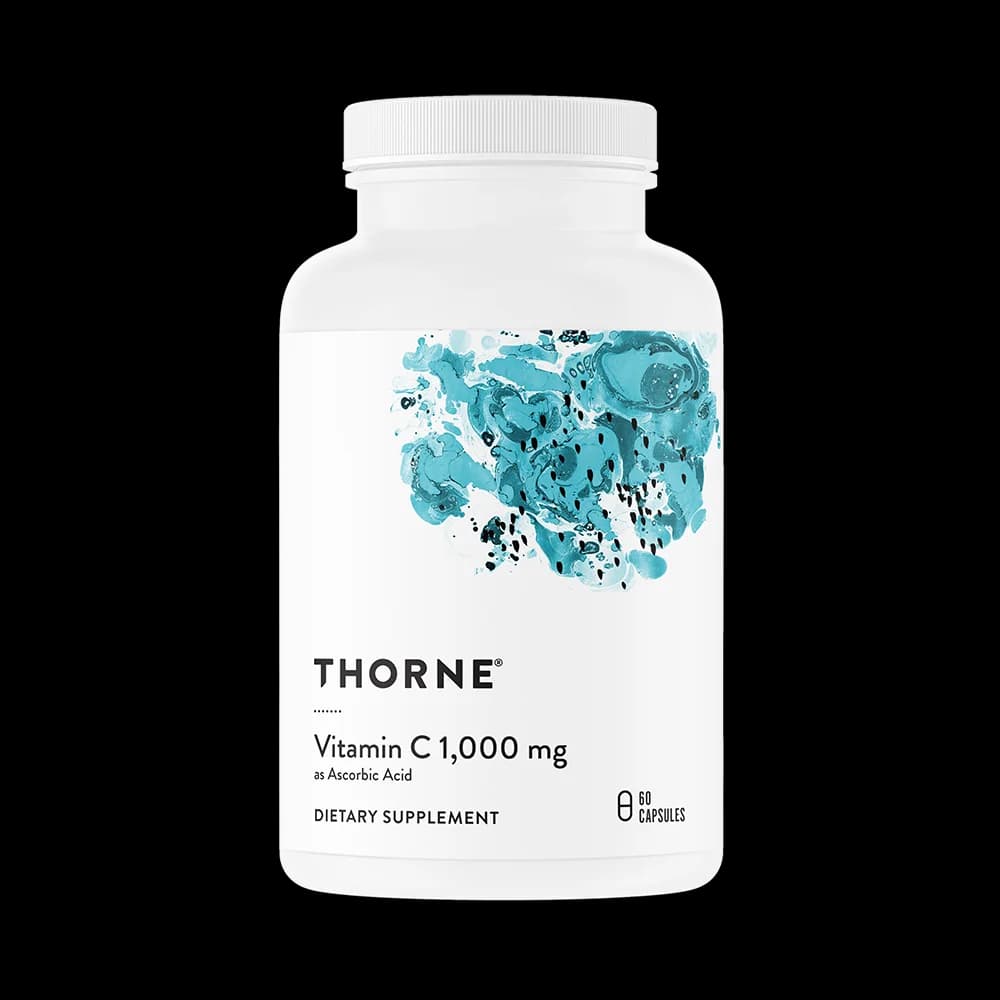
Because Vitamin C has a very short half-life in the bloodstream (approximately 2 hours), therapeutic protocols often require taking smaller, divided doses frequently throughout the day to maintain steady plasma levels. Thorne’s Ascorbic Acid provides a high-quality, pure 1,000 mg dose that is third-party tested for contaminants. For patients with MCAS, it is crucial to source Vitamin C that is not derived from citrus, as citrus fruits are known "histamine liberators" that can trigger mast cell degranulation despite the beneficial Vitamin C they contain. Pure ascorbic acid synthesized from non-citrus sources (like tapioca) is generally well-tolerated.
To bypass the SVCT1 transporter bottleneck entirely, some practitioners recommend Liposomal Vitamin C. In these formulations, the ascorbic acid is encapsulated within microscopic lipid (fat) bi-layers. This allows the vitamin to be absorbed via the lymphatic system, bypassing the saturated intestinal transporters and significantly raising the blood plasma ceiling without triggering osmotic diarrhea. Furthermore, in clinical settings, functional medicine doctors often utilize Intravenous (IV) Vitamin C for severe ME/CFS or Long COVID crashes, as IV administration bypasses the gut entirely, achieving pharmacological plasma concentrations up to 70 times higher than oral dosing to rapidly quench systemic oxidative stress.

Follow the Science
Clinical Trials in Long COVID
The therapeutic potential of Vitamin C is supported by a robust and growing body of scientific literature, particularly in the context of post-viral syndromes. One of the most compelling areas of recent research involves the synergistic combination of Vitamin C and L-arginine for managing Long COVID. A definitive single-blind randomized controlled trial published in the journal Nutrients in 2022 investigated adults suffering from persistent Long COVID fatigue. The researchers administered a combination of 1.66g of L-arginine and 500mg of liposomal Vitamin C twice daily for 28 days. The results were striking: the treated group showed significant improvements in endothelial function (measured via Flow-Mediated Dilation) and increased their 6-minute walk distance by an average of 30 meters. Most notably, after 28 days, persistent fatigue was reported by only 8.7% of the treated participants, compared to a staggering 80.1% in the placebo group.
These findings were further validated by the large-scale LINCOLN Survey, a nationwide multicenter study involving 1,390 patients with Long COVID. The patients were divided into groups receiving either the L-arginine and Vitamin C combination or standard multivitamins for 30 days. The group receiving the targeted Vitamin C therapy showed significantly lower scores in Long COVID symptom severity, particularly in their subjective perception of physical effort and respiratory distress. This large-scale data strongly supports the hypothesis that addressing endothelial dysfunction and oxidative stress with targeted antioxidants can dramatically improve the quality of life for COVID long-haulers, offering hopeful answers for those wondering How Long Does Long COVID Last?.
Evidence in ME/CFS and Fatigue
In the realm of myalgic encephalomyelitis/chronic fatigue syndrome (ME/CFS), research frequently focuses on the ability of high-dose Vitamin C to combat severe redox imbalances. A comprehensive 2021 systematic review published in Nutrients analyzed nine clinical studies involving over 700 participants to evaluate the efficacy of Intravenous (IV) Vitamin C on fatigue. The review found that the majority of controlled trials and observational studies demonstrated a significant decrease in fatigue scores, alongside measurable improvements in sleep quality, concentration, and depressive symptoms. By bypassing the gut and delivering supraphysiological doses of ascorbic acid directly into the bloodstream, IV therapy can rapidly neutralize the reactive oxygen species that damage mitochondrial membranes, providing profound, albeit sometimes temporary, relief from post-exertional malaise.
Research on Histamine and MCAS
The relationship between Vitamin C and histamine regulation is equally well-documented. A landmark 1992 study by Johnston et al. demonstrated that blood histamine levels were depressed by 38% following Vitamin C supplementation, indicating that Vitamin C may help detoxify histamine in vivo. More recently, a study by Hagel et al. (2013) evaluated the administration of 7.5 grams of intravenous Vitamin C in patients suffering from allergic and respiratory symptoms. The researchers recorded a statistically significant reduction in serum histamine levels following the infusion, confirming Vitamin C's potent role as a natural antihistamine and mast cell stabilizer. These clinical observations underscore why Vitamin C remains a foundational component of MCAS management protocols worldwide.
The Path Forward
Integrating Vitamin C into Your Protocol
Living with a complex chronic condition like Long COVID, ME/CFS, dysautonomia, or MCAS often feels like navigating a maze without a map. It is completely valid to feel overwhelmed by the sheer number of symptoms you manage daily and the lack of straightforward answers from traditional medical avenues. While there is no single "magic pill" that cures these intricate, multi-system disorders, understanding the underlying biochemistry of your symptoms empowers you to make targeted, science-backed decisions about your care. Vitamin C is not a cure-all, but as the clinical evidence demonstrates, it is a powerful, foundational tool that addresses the root causes of oxidative stress, endothelial damage, and immune dysregulation.
Tracking Your Progress
When incorporating a new supplement like Thorne's Ascorbic Acid into your regimen, patience and careful observation are key. Because Vitamin C works at the cellular level to repair tissues, synthesize collagen, and stabilize mast cells, it may take several weeks of consistent, divided daily dosing to notice a tangible shift in your baseline energy levels or allergic reactivity. We highly recommend keeping a detailed daily symptom journal. Track your fatigue levels, the frequency of your post-exertional crashes, your cognitive clarity, and any allergic or vascular symptoms. This data is invaluable; it allows you and your healthcare provider to objectively evaluate whether the supplement is effectively supporting your unique physiological needs and whether your dosage needs to be adjusted based on your personal bowel tolerance.
Next Steps for Your Health
At RTHM, we understand that true healing requires a comprehensive, multi-disciplinary approach. Supplements are most effective when integrated into a broader management strategy that includes aggressive resting, strict pacing to avoid PEM, nervous system regulation, and personalized medical guidance. You do not have to figure this out alone. If you are ready to support your immune function, protect your vascular health, and combat oxidative stress, Explore Vitamin C. As always, please consult with your healthcare practitioner before starting any new supplement, especially if you have a history of kidney stones, are pregnant, or are navigating the complexities of severe mast cell activation syndrome.