Can Olive Leaf Extract Support Immune Balance in Long COVID and ME/CFS?
March 5, 2026
Olive Leaf ExtractLong COVIDME/CFS
Share:
Disclaimer: The information provided here is for educational purposes only and is not intended as medical advice. It should not be used to diagnose, treat, cure, or prevent any medical condition. Instead, use it as a starting point for discussion with your healthcare provider. Always consult with a qualified healthcare provider before starting any new medication, supplement, device, or making changes to your health regimen.
Months or even years after an acute viral infection, many individuals find themselves trapped in a relentless cycle of debilitating symptoms. If you are living with Long COVID, myalgic encephalomyelitis/chronic fatigue syndrome (ME/CFS), or mast cell activation syndrome (MCAS), you likely know this reality all too well. You might experience profound exhaustion that worsens after minor exertion, a persistent "brain fog" that makes concentrating nearly impossible, or sudden gastrointestinal distress that seems to have no clear trigger. Often, these symptoms are accompanied by a feeling that your immune system is simultaneously exhausted and overactive—catching every passing bug while constantly attacking your own body.
In the search for validating answers and effective management strategies, functional medicine and researchers have increasingly turned their attention to natural compounds that can modulate the immune system without overstimulating it. One such compound with a rich history and a growing body of clinical evidence is olive leaf extract. While extra virgin olive oil is widely celebrated for its health benefits, the leaves of the olive tree contain a highly concentrated profile of potent polyphenols and bioflavonoids. In this comprehensive guide, we will explore the science behind olive leaf extract, focusing on its primary active ingredient, oleuropein, and how it may help address the viral persistence, gut dysbiosis, and immune dysregulation at the heart of complex chronic illnesses.
What is Olive Leaf Extract?
The Mediterranean olive tree, scientifically known as Olea europaea, is remarkably resilient. It thrives in harsh, arid climates and can live for centuries, defending itself against a constant barrage of bacteria, fungi, parasites, and insects. The secret to the olive tree's robust defense system lies in the eutrophic compounds it produces, particularly within its leaves. For over 150 years, olive leaf extract has been utilized in traditional and herbal medicine to combat fevers, infections, and inflammatory conditions. However, modern scientific analysis has allowed us to isolate and understand the specific molecular components that give the olive leaf its profound therapeutic properties.
While the olive fruit and its oil are famous staples of the Mediterranean diet, the leaves contain significantly higher concentrations of phenolic compounds. These polyphenols are secondary metabolites that plants produce to protect themselves from environmental stress and pathogens. When extracted and standardized, these compounds offer a powerful, natural way to support human cellular health, providing robust antioxidant protection and fostering a balanced internal environment without harming beneficial microflora.
The primary active nutrient in olive leaf extract is oleuropein, a complex phenolic glucoside structurally classified as a secoiridoid. Oleuropein is the compound responsible for the bitter taste of raw olives and is the most abundant phenolic compound found in the olive leaf. At a molecular level, oleuropein acts as a powerful antioxidant and immunomodulator. When consumed, it undergoes enzymatic breakdown in the human digestive tract, converting into highly bioavailable metabolites, most notably hydroxytyrosol.
Hydroxytyrosol is widely considered one of the most potent natural antioxidants discovered to date. It has a remarkable ability to scavenge free radicals, neutralize reactive oxygen species (ROS), and protect cellular membranes from oxidative damage. Together, oleuropein and hydroxytyrosol orchestrate a "multi-target" approach to health, interacting with various enzymatic pathways, cellular receptors, and genetic transcription factors to downregulate inflammation and support immune surveillance.
A high-quality olive leaf extract does not rely on oleuropein alone; it also contains a synergistic matrix of bioflavonoids, specifically luteolin, rutin, and hesperidin. Flavonoids are a diverse group of phytonutrients found in plants that are renowned for their anti-inflammatory and vascular-protective properties. In the context of olive leaf extract, these bioflavonoids work in concert with oleuropein to significantly enhance its natural biological activity.
Luteolin is a potent flavone that has gained immense attention for its ability to cross the blood-brain barrier and act as a neuroprotective agent. Rutin is heavily researched for its capacity to support vascular integrity and prevent endothelial inflammation, which is crucial for maintaining healthy blood flow. Hesperidin, commonly found in citrus, provides robust immunomodulatory effects and has been shown to interact directly with cellular receptors involved in viral entry. Together, this complex of oleuropein and bioflavonoids creates a comprehensive defense system for the body's cells.
How Chronic Illness Impacts the Immune System and Gut
To understand why olive leaf extract is relevant for complex chronic conditions, we must first examine the underlying pathophysiology of these illnesses. A leading theory behind both Long COVID and ME/CFS is the concept of viral persistence. In Long COVID, research suggests that reservoirs of the SARS-CoV-2 virus, or its lingering spike proteins, may remain hidden in the gut, tissues, or nervous system long after the acute infection has passed. Similarly, ME/CFS is often triggered by viral infections, and symptoms are frequently linked to the reactivation of latent viruses, such as Epstein-Barr Virus (EBV) or human herpesvirus 6 (HHV-6). You can learn more about these mechanisms in our article on What Causes Long COVID?.
This persistent viral presence places an enormous, unyielding burden on the immune system. Over time, the constant demand to fight off these hidden reservoirs leads to a state of immune exhaustion. Specifically, studies have identified a pronounced dysfunction in CD8+ T-cells in both ME/CFS and Long COVID patients. CD8+ T-cells are the "cytotoxic" immune cells responsible for destroying virally infected cells. When they become exhausted, they produce fewer protective cytokines like interferon-gamma (IFN-γ), allowing the viral reservoirs to persist and perpetuating a vicious cycle of chronic fatigue and systemic illness.
The impact of chronic illness extends far beyond the immune system, profoundly affecting the gastrointestinal tract. The gut microbiome—the trillions of bacteria, viruses, and fungi residing in our intestines—plays a critical role in regulating metabolism, producing neurotransmitters, and training the immune system. In conditions like Long COVID and ME/CFS, patients frequently suffer from severe gut dysbiosis, which is a pathological imbalance between beneficial and harmful microbes.
Viral infections and chronic inflammation can decimate populations of keystone beneficial bacteria, such as Bifidobacterium and Akkermansia muciniphila. Without these protective microbes, opportunistic pathogens can overgrow, leading to the degradation of the intestinal mucosal barrier. This results in increased intestinal permeability, commonly known as "leaky gut." When the gut lining is compromised, endotoxins and undigested food particles leak into the bloodstream, triggering a systemic inflammatory response that can exacerbate fatigue, joint pain, and cognitive dysfunction.
Another critical piece of the chronic illness puzzle is the dysregulation of mast cells. Mast cells are the first responders of the immune system, packed with inflammatory mediators like histamine, tryptase, and cytokines. In a healthy body, they release these chemicals in measured doses to protect against injury or infection. However, in Mast Cell Activation Syndrome (MCAS), these cells become hyper-sensitized and degranulate inappropriately, flooding the body with inflammation.
Recent research indicates that the SARS-CoV-2 spike protein can directly stimulate mast cells by binding to Toll-like receptor 4 (TLR-4). This interaction triggers an aggressive release of pro-inflammatory cytokines, including Interleukin-1β (IL-1β) and Interleukin-6 (IL-6), driving the hyperinflammation seen in Long COVID. Because mast cells are located near nerve endings and blood vessels, their constant activation heavily contributes to the neuroinflammation, "brain fog," and autonomic nervous system dysfunction (dysautonomia) that so many patients experience.
Olive Leaf Extract: Supporting Immune Balance and Gut Health
Olive leaf extract offers a multifaceted approach to supporting the body through the complexities of chronic illness. One of its most significant benefits is its direct antimicrobial and antiviral action. Oleuropein and its metabolite, hydroxytyrosol, have been shown to interfere with the replication cycles of various pathogens. For instance, computational molecular docking studies suggest that oleuropein exhibits a strong binding affinity to the main protease enzymes of certain viruses, effectively blocking their ability to replicate and spread within the host.
Furthermore, oleuropein acts directly on bacterial pathogens by promoting the breakdown of their cell walls and damaging their cellular membranes. Importantly, unlike broad-spectrum pharmaceutical antibiotics that eradicate both good and bad bacteria, olive leaf extract demonstrates a selective antimicrobial action. It targets pathogenic overgrowth, such as Helicobacter pylori or Salmonella spp., while preserving and even nurturing the beneficial microflora essential for a healthy gut environment.
Rather than simply "boosting" the immune system—which could be disastrous for someone dealing with autoimmunity and immune dysregulation—olive leaf extract acts as a sophisticated immunomodulator. Research demonstrates that oleuropein can stimulate the production and activity of absolute numbers of Natural Killer (NK) cells and CD8+ cytotoxic T-cells. By supporting these specific cell lines, oleuropein helps equip the immune system with the tools it needs to clear out persistent viral reservoirs and infected cells.
Simultaneously, oleuropein exerts profound anti-inflammatory effects to prevent the immune system from overreacting. It has been shown to actively inhibit the nuclear factor kappa B (NF-kB) signaling pathway, which is the master switch for inflammation in the body. By downregulating NF-kB, oleuropein reduces the secretion of pro-inflammatory cytokines like Tumor Necrosis Factor-alpha (TNF-α). Additionally, studies have shown that oleuropein dose-dependently induces the generation of Regulatory T-cells (Tregs), which are vital for suppressing autoimmune responses and promoting immune tolerance.
The relationship between olive leaf extract and the gut microbiome is bi-directional and highly synergistic. While gut microbes are required to ferment and break down oleuropein into bioavailable hydroxytyrosol, the polyphenols in the extract act as a potent prebiotic fuel for the lower digestive tract. Recent studies have shown that the administration of olive leaf extract significantly increases the abundance of health-promoting bacteria, particularly Lactobacillus, Bifidobacterium, and Akkermansia.
As these beneficial bacteria ferment the olive polyphenols, they produce vital metabolic byproducts known as Short-Chain Fatty Acids (SCFAs), with butyrate being the most prominent. Butyrate is essential for providing energy to the cells lining the colon and for reducing intestinal inflammation. By increasing SCFA production, olive leaf extract helps reinforce the tight junctions of the intestinal barrier, effectively combating "leaky gut" and preventing endotoxins from entering the systemic circulation.
The inclusion of the bioflavonoids luteolin, rutin, and hesperidin in the olive leaf extract formula provides a critical layer of support for patients dealing with MCAS and neuroinflammation. These flavonoids act as potent, natural mast cell stabilizers. By blocking calcium channels and inhibiting specific enzymatic pathways, they prevent mast cells from degranulating and releasing massive amounts of histamine and inflammatory cytokines into the surrounding tissues.
Luteolin, in particular, is a standout compound for neurological support. Because it can efficiently cross the blood-brain barrier, luteolin directly mitigates neuroinflammation by suppressing the activation of both mast cells and microglia (the brain's resident immune cells) in the central nervous system. Rutin complements this by protecting the endothelial cells lining the blood vessels from spike-protein-induced damage, while hesperidin provides systemic immunomodulation. Together, these flavonoids help calm the autonomic nervous system and reduce the severity of allergic and inflammatory responses.
Symptoms Olive Leaf Extract May Help Manage
Because olive leaf extract and its accompanying bioflavonoids operate on multiple physiological pathways—antiviral, anti-inflammatory, microbiome-modulating, and mast cell-stabilizing—they can help manage a wide array of symptoms associated with complex chronic illnesses. Here are the primary symptoms this supplement targets:
Post-Exertional Malaise (PEM) and Severe Fatigue: By supporting CD8+ T-cell function and helping the body clear persistent viral reservoirs, oleuropein may reduce the chronic infectious burden that drains cellular energy reserves, potentially raising the threshold for PEM crashes.
Brain Fog and Cognitive Dysfunction: The neuroprotective properties of luteolin, combined with oleuropein's ability to block TLR-4 activation and reduce neuroinflammation, can help clear the cognitive haze, improve focus, and alleviate sensory overload.
Gastrointestinal Distress: Through its prebiotic actions, olive leaf extract promotes the growth of beneficial bacteria and increases the production of butyrate. This helps heal the intestinal lining, reducing symptoms of leaky gut, bloating, and unpredictable bowel habits.
Frequent Infections and Immune Susceptibility: By increasing the absolute numbers and activity of Natural Killer (NK) cells and cytotoxic T-cells, the extract provides robust support for the innate immune system, helping patients fend off opportunistic infections.
MCAS Flare-ups and Allergic Reactions: The synergistic blend of luteolin, rutin, and hesperidin acts to stabilize mast cells, reducing the systemic release of histamine. This can help manage sudden flushing, heart palpitations, hives, and food sensitivities associated with mast cell overactivation.
Joint and Muscle Pain: By inhibiting the NF-kB pathway and lowering systemic levels of pro-inflammatory cytokines like TNF-α and IL-6, the potent antioxidant capacity of hydroxytyrosol helps alleviate chronic, widespread inflammatory pain.
Practical Considerations: Forms, Dosing, and Absorption
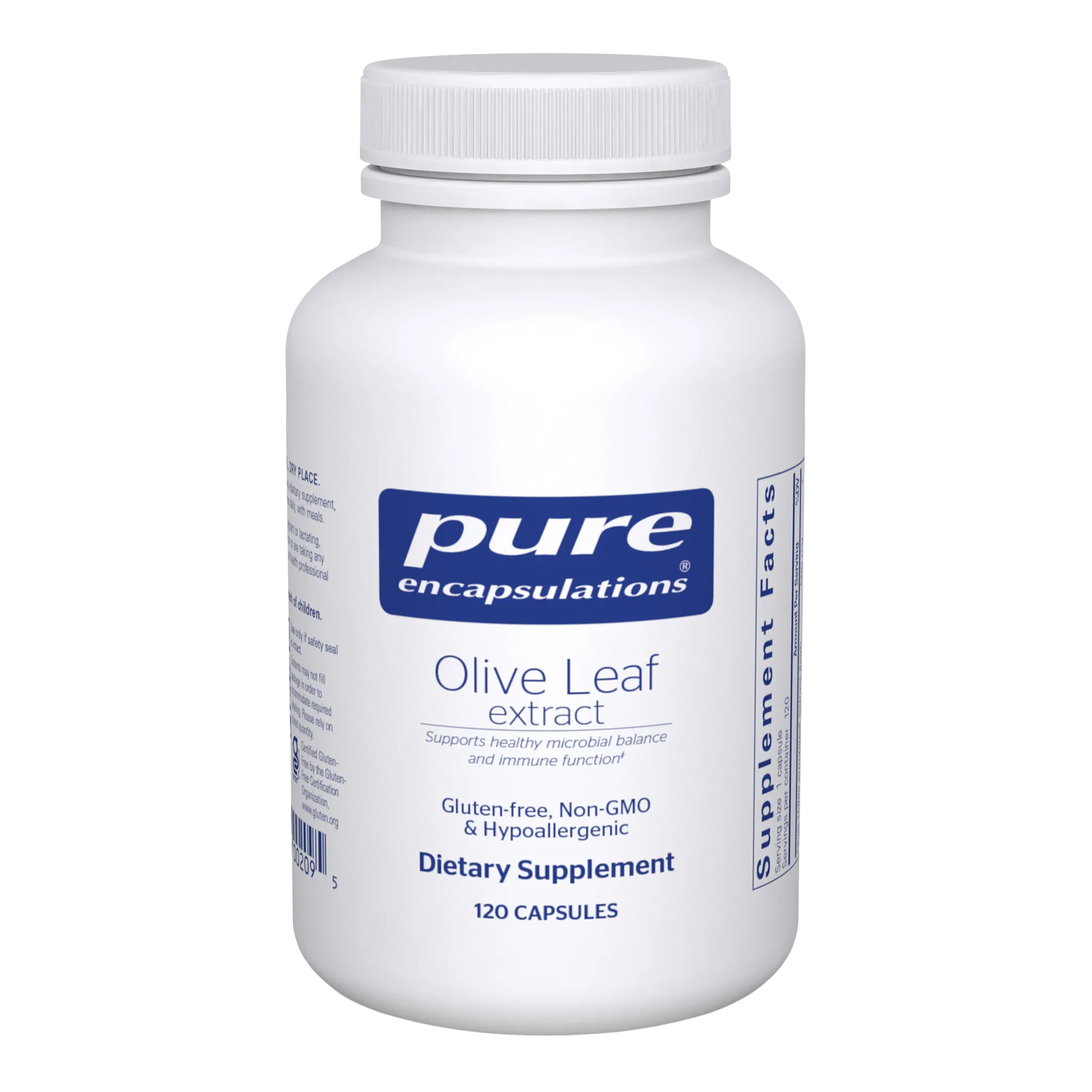
When considering an olive leaf extract supplement, the quality and formulation are paramount. The Pure Encapsulations formula is standardized to contain 15% oleuropein. Standardization is a critical manufacturing process that ensures every single capsule contains a precise, consistent, and clinically relevant dose of the active bioactive compound. Without standardization, the amount of oleuropein in a raw herbal powder can vary wildly depending on the soil, climate, and harvesting time of the olive leaves, leading to unpredictable therapeutic results.
Bioavailability—the proportion of the nutrient that actually enters circulation and has an active effect—is another vital consideration. Raw oleuropein is a large, complex molecule that is not easily absorbed intact. It relies heavily on a healthy gut microbiome to be fermented and cleaved into its highly absorbable, antioxidant-rich metabolite, hydroxytyrosol. Therefore, taking olive leaf extract alongside a meal, particularly one containing healthy fats, can stimulate digestion and potentially enhance the absorption and metabolic conversion of these phenolic compounds.
The suggested use for this dietary supplement is 1 capsule, 1 to 2 times daily with meals, or as directed by a healthcare professional. Each capsule provides 500 mg of the standardized extract. However, for individuals with Long COVID, ME/CFS, or severe dysbiosis, "start low and go slow" is a crucial guiding principle. Because olive leaf extract has potent antimicrobial and antiviral properties, introducing it too quickly can trigger a Jarisch-Herxheimer reaction, commonly known as "die-off."
A Herxheimer reaction occurs when pathogens (bacteria, viruses, or fungi) are destroyed rapidly, releasing endotoxins and viral fragments into the bloodstream faster than the body's detoxification pathways can clear them. This sudden influx of toxins triggers an acute immune response and a spike in inflammatory cytokines, which can temporarily exacerbate fatigue, brain fog, muscle aches, and flu-like symptoms. To minimize this risk, many functional medicine practitioners recommend starting with a fraction of the dose and gradually titrating up over several weeks, allowing the body time to clear the debris.
While olive leaf extract is generally well-tolerated and provides natural protection without suppressing immune system function, it does have physiological effects that require careful consideration, particularly regarding medication interactions. Olive leaf extract is known for its mild hypotensive (blood pressure-lowering) properties. It acts as a natural vasodilator, helping to relax blood vessels. While this is beneficial for cardiovascular health, individuals taking prescription antihypertensive medications should monitor their blood pressure closely, as the combination could lead to excessively low blood pressure (hypotension).
Additionally, oleuropein has been shown to influence glucose metabolism and may have mild hypoglycemic (blood sugar-lowering) effects. Patients taking insulin or oral diabetic medications should consult their healthcare provider and monitor their blood glucose levels to prevent hypoglycemia. As always, pregnant or nursing women, and individuals with complex chronic conditions, should thoroughly discuss any new supplement with their medical team to ensure it aligns with their comprehensive treatment plan.
Follow the Science
The scientific community is actively investigating the therapeutic potential of olive polyphenols for post-viral fatigue and immune dysfunction. A notable observational study evaluated the effects of a supplement containing hydroxytyrosol (the primary metabolite of oleuropein) on patients recovering from COVID-19, finding that the intervention significantly improved perceived chronic fatigue in patients suffering from post-COVID syndrome, highlighting the compound's ability to restore cellular energy and mitigate post-viral exhaustion.
Furthermore, research into the immunological mechanisms of ME/CFS and Long COVID has identified CD8+ T-cell dysfunction as a key driver of symptoms. In a retrospective case series, patients treated with multi-ingredient antioxidant and anti-pathogen agents showed parallel increases in CD8+ cytokine production and a mean 54% reduction in self-reported symptom severity over 3 to 15 months. Given oleuropein's documented ability to increase absolute numbers of CD8+ T-cells and act as a broad-spectrum anti-pathogen, these findings strongly support its clinical relevance for post-viral recovery.
The profound impact of olive leaf extract on the gut microbiome is well-documented in recent literature. A landmark study investigated the effects of olive leaf extract on diet-induced dysbiosis and endothelial dysfunction. The researchers found that the extract effectively counteracted dysbiosis by increasing the populations of beneficial Bacteroidia and Akkermansia. Strikingly, when researchers performed a Fecal Microbiota Transplant (FMT) using feces from the extract-treated subjects, the transplant alone prevented the development of systemic inflammation in recipient subjects, proving that the extract's benefits are heavily mediated by its ability to rescue the microbiome.
In the realm of autoimmunity, in vitro studies using human peripheral blood mononuclear cells (PBMCs) have demonstrated oleuropein's powerful immunomodulatory capacity. When CD4+ T-cells from patients with autoimmune conditions were treated with oleuropein, researchers observed a dose-dependent increase in Regulatory T-cells (Tregs) and an elevation in anti-inflammatory cytokines like IL-10 and TGF-β. This confirms oleuropein's ability to help restore immune tolerance and calm the hyperactive immune responses characteristic of complex chronic illnesses.
The bioflavonoids included in this extract, particularly luteolin, have been the subject of extensive research regarding their ability to combat neuroinflammation and stabilize mast cells. Groundbreaking research led by experts in neuro-immune medicine has shown that luteolin is exceptionally potent at inhibiting mediator release from cultured human mast cells, often outperforming standard pharmaceutical stabilizers.
Clinical studies evaluating the combination of luteolin and other anti-inflammatory lipids for Long COVID patients have reported significant improvements in patient-reported symptoms, particularly regarding pain, fatigue, "brain fog," and anosmia (loss of smell). By utilizing natural compounds to manage immune dysregulation, researchers are paving the way for targeted, well-tolerated therapies that address the root causes of neuroinflammation without the heavy side-effect profiles of traditional immunosuppressants.
The Path Forward
Living with Long COVID, ME/CFS, dysautonomia, or MCAS is a profoundly challenging journey. The unpredictable nature of these illnesses—where a good day can suddenly be followed by a severe crash—requires immense resilience and patience. It is important to validate that your symptoms are real, they are rooted in complex physiological mechanisms like viral persistence and neuroinflammation, and you are not alone in navigating this landscape. While the medical community continues to search for definitive cures, understanding the underlying biology empowers you to make informed decisions about your care.
Supplements like olive leaf extract offer a promising, science-backed tool to help modulate the immune system, restore gut health, and stabilize overactive mast cells. However, it is crucial to remember that no single supplement is a magic bullet. True management of complex chronic illness requires a comprehensive, multi-disciplinary approach. This includes meticulous pacing to avoid post-exertional malaise, symptom tracking to identify triggers, dietary modifications to support the microbiome, and ongoing collaboration with a knowledgeable medical team. You can read more about the clinical approach in our guide on How Does a Doctor Diagnose Long COVID?.
If you are struggling with chronic fatigue, frequent infections, gut dysbiosis, or signs of immune overactivation, olive leaf extract may be a valuable addition to your management toolkit. By providing standardized oleuropein alongside synergistic bioflavonoids, this formula is designed to offer natural protection and foster a balanced internal environment.
Disclaimer: This blog is for educational purposes only and does not constitute medical advice. Always consult with your healthcare provider before starting any new supplement, especially if you are taking prescription medications, have a complex chronic condition, or are pregnant or nursing.
Sources
Effects of the Olive-Derived Polyphenol Oleuropein on Human Health (PMC)
Olive Leaf Extracts Act as Modulators of the Human Immune Response (PubMed)
Olive leaf extract (OLE) reduces mast cell-mediated allergic inflammation (PubMed)
In Vitro Fecal Fermentation of Phenolic Leaf Extracts (MDPI)
Patient-Reported Treatment Outcomes in ME/CFS and Long COVID (medRxiv)