Supplements for Long COVID Recovery: What the Evidence Shows
March 9, 2026
long covidsupplementsbrain fog

Share:
Disclaimer: The information provided here is for educational purposes only and is not intended as medical advice. It should not be used to diagnose, treat, cure, or prevent any medical condition. Instead, use it as a starting point for discussion with your healthcare provider. Always consult with a qualified healthcare provider before starting any new medication, supplement, device, or making changes to your health regimen.
Months after recovering from the initial SARS-CoV-2 infection, many people still fight debilitating, unpredictable symptoms with what we call Long COVID. For these individuals, the acute respiratory phase of the virus may have passed, but it has been replaced by a complex, multi-systemic condition that profoundly alters daily life. Patients frequently describe waking up feeling as though they have run a marathon, battling a profound physical exhaustion that rest does not relieve. They navigate a thick, disorienting mental cloudiness known as "brain fog," which makes simple tasks like reading an email or remembering a grocery list feel monumental. Perhaps most frustrating is post-exertional malaise (PEM), a hallmark symptom where even minor physical or cognitive exertion triggers a severe, delayed crash in baseline functioning. Living with these invisible, complex illnesses can be incredibly isolating, especially when standard medical tests often return "normal" results, leaving patients feeling dismissed and desperate for validating, science-backed answers.
In the wake of the COVID-19 pandemic, a new and urgent health concern has emerged, prompting researchers worldwide to investigate the underlying biological mechanisms of post-viral syndromes. What the scientific community is discovering is that Long COVID is not merely a lingering psychological fatigue, but a deeply rooted physiological crisis involving mitochondrial dysfunction, persistent neuroinflammation, and severe immune dysregulation. As our understanding of these cellular mechanisms deepens, so does our ability to explore targeted interventions. Nutritional supplementation has emerged as a critical pillar in managing these complex symptoms, moving far beyond general wellness advice into the realm of evidence-based, mechanistic therapeutics. This comprehensive guide explores the clinical evidence behind specific supplements, detailing how targeted nutrients may help repair cellular energy pathways, calm hyperactive immune responses, and ultimately improve the quality of life for those navigating Long COVID recovery.
TL;DR
Long COVID involves cellular energy deficits and immune dysregulation, not just psychological fatigue.
Targeted supplements like CoQ10 and NAC may help support mitochondrial function and energy levels.
Research suggests Omega-3s and curcumin may help reduce neuroinflammation and clear brain fog.
Always consult a healthcare provider to tailor dosages and avoid drug-nutrient interactions.
The Nutritional Challenge of Long COVID
The Invisible Toll of Post-Viral Illness
Living with Long COVID, also known as Post-Acute Sequelae of SARS-CoV-2 infection (PASC), presents a profound and often invisible nutritional challenge. When the body encounters a severe viral pathogen, it mounts a massive immune response that requires an extraordinary amount of metabolic energy and raw nutritional materials. For many patients, the virus triggers a prolonged state of physiological stress that does not simply turn off once the acute infection clears. This sustained immune activation acts like a slow, continuous drain on the body's essential nutrient reserves, leaving patients severely depleted of the vitamins, minerals, and antioxidants required for basic cellular function.
The frustration of this nutritional deficit is compounded by the fact that standard dietary intake is rarely sufficient to correct it. Many patients report that despite eating a balanced, nutrient-dense diet, they continue to experience the crushing weight of post-exertional malaise (PEM) and systemic inflammation. This occurs because the biological mechanisms that absorb, transport, and utilize nutrients are often compromised by the virus itself. For example, recent clinical studies highlight that SARS-CoV-2 can alter gut permeability and disrupt the microbiome, severely impairing the body's ability to extract vital nutrients from food. Consequently, patients are caught in a vicious cycle: their bodies desperately need specific nutrients to repair cellular damage, but the very nature of their illness prevents them from acquiring and utilizing these nutrients effectively through diet alone.
How Viral Infection Depletes Cellular Reserves
To understand why specific supplements are necessary, we must examine how the SARS-CoV-2 virus interacts with our cellular machinery. One of the primary targets of the virus is the mitochondria, the microscopic powerhouses responsible for generating the vast majority of our cellular energy. Emerging research indicates that the virus can physically alter mitochondrial structure, causing them to swell and lose their internal integrity. This viral hijacking disrupts the electron transport chain, the complex series of enzymatic reactions that produce ATP. When this system breaks down, energy production plummets, directly resulting in the profound, unyielding fatigue that characterizes Long COVID and related conditions like myalgic encephalomyelitis/chronic fatigue syndrome (ME/CFS).
Furthermore, this mitochondrial dysfunction creates a dangerous byproduct: a massive surge in reactive oxygen species (ROS). Under normal circumstances, the body neutralizes these free radicals using endogenous antioxidants like glutathione and Coenzyme Q10 (CoQ10). However, the sheer volume of oxidative stress generated during and after a COVID-19 infection rapidly depletes these natural reserves. Clinical reviews published in 2024 demonstrate that Long COVID patients frequently exhibit critically low levels of these essential antioxidants. Without sufficient CoQ10 and glutathione to neutralize the ROS, the free radicals begin to damage surrounding cellular structures, including DNA, proteins, and lipid membranes. This oxidative damage further impairs mitochondrial function, creating a self-perpetuating loop of energy failure and cellular destruction.
The Cycle of Inflammation and Energy Deficits
The intersection of severe nutritional depletion and chronic inflammation creates a complex web of symptoms that affect nearly every system in the body. When cellular energy (ATP) is low, the body prioritizes essential survival functions, such as keeping the heart beating and the lungs breathing, at the expense of secondary functions like higher-order cognitive processing and muscle recovery. This biological triage explains why patients experience severe brain fog and why physical exertion leads to debilitating crashes. The brain, which consumes roughly 20% of the body's energy despite being only 2% of its weight, is particularly vulnerable to these energy deficits. When mitochondrial function is impaired, neurons simply do not have the fuel required to fire efficiently, leading to memory lapses, poor concentration, and mental fatigue.
Simultaneously, the unmitigated oxidative stress and chronic inflammation directly impact the vascular system. Proteomic profiling of Long COVID patients often reveals endothelial dysfunction—damage to the inner lining of blood vessels. This damage impairs blood flow and oxygen delivery to tissues, further exacerbating the cellular energy crisis. In conditions like postural orthostatic tachycardia syndrome (POTS) and dysautonomia, which frequently co-occur with Long COVID, this vascular distress contributes to symptoms like rapid heartbeat, dizziness, and blood pooling. Breaking this cycle requires a strategic, multi-faceted approach to nutritional intervention. By systematically restoring mitochondrial cofactors and neutralizing oxidative stress with high-dose antioxidants, patients can begin to rebuild their cellular foundation.
Key Nutrients: What They Are and Why They Matter
Mitochondrial Defenders: CoQ10 and NAC
At the heart of the cellular energy crisis in Long COVID lies the dysfunction of the mitochondria, making targeted support for these organelles a primary focus of nutritional therapy. Coenzyme Q10 (CoQ10) is a fat-soluble, vitamin-like compound that is absolutely essential for the production of ATP. It acts as a critical electron shuttle within the mitochondrial electron transport chain, moving electrons between protein complexes to generate the energy currency that powers every cell in the body. Beyond its role in energy production, CoQ10 is also a potent lipid-phase antioxidant. It protects the delicate mitochondrial membranes from the oxidative damage caused by the reactive oxygen species (ROS) generated during viral infections. When CoQ10 levels are depleted, as research suggests is common in post-viral syndromes, the entire energy production line grinds to a halt, resulting in profound, unyielding fatigue.
N-Acetylcysteine (NAC) works synergistically with CoQ10 to protect and restore mitochondrial function, though through a different mechanism. NAC is an amino acid derivative that serves as a direct precursor to glutathione, the body's "master antioxidant." Glutathione is primarily responsible for neutralizing intracellular oxidative stress and detoxifying harmful compounds. During a severe immune response, glutathione stores are rapidly exhausted, leaving cells vulnerable to severe damage. By supplying the body with NAC, we provide the rate-limiting building block needed to synthesize new glutathione. Clinical studies have shown that replenishing glutathione via NAC supplementation can significantly reduce systemic oxidative stress, protect the ACE2 receptors targeted by SARS-CoV-2, and mitigate the cellular damage driving post-exertional malaise (PEM).
Brain Protectors: Omega-3 Fatty Acids and Curcumin
Neuroinflammation is a primary driver of the cognitive dysfunction, or "brain fog," that so many Long COVID patients experience. Omega-3 polyunsaturated fatty acids, specifically Eicosapentaenoic Acid (EPA) and Docosahexaenoic Acid (DHA), are critical structural components of healthy neuronal membranes. They ensure that brain cells remain fluid and capable of efficient neurotransmitter signaling. More importantly, EPA and DHA are the direct precursors to Specialized Pro-resolving Mediators (SPMs). These powerful signaling molecules actively instruct the immune system to stand down, resolving inflammatory "cytokine storms" and promoting tissue repair. Research indicates that Omega-3s can physically displace pro-inflammatory Omega-6 fatty acids from cell membranes, effectively starving systemic inflammation at the molecular level and calming the hyperactive microglial cells in the brain.
Curcumin, the primary bioactive polyphenol found in turmeric, offers another potent mechanism for combating neuroinflammation. Unlike many supplements, high-quality, bioavailable forms of curcumin can cross the blood-brain barrier, allowing it to exert its effects directly within the central nervous system. Curcumin acts as a powerful immunomodulator, significantly decreasing the production of pro-inflammatory cytokines such as IL-1β, IL-6, and TNF-α, which are frequently elevated in Long COVID. By lowering the concentration of these inflammatory markers, particularly in the hippocampus, curcumin helps protect the neural pathways responsible for memory formation, focus, and emotional regulation. Ongoing clinical trials are actively investigating its ability to clear mental cloudiness and support cognitive recovery.
Immune and Autonomic Regulators: Vitamin D3 and Magnesium
Systemic immune dysregulation and autonomic nervous system dysfunction are hallmark features of Long COVID, and both are heavily influenced by Vitamin D3 and Magnesium. Vitamin D3 is not merely a vitamin; it functions as a potent steroid hormone that regulates the expression of hundreds of genes, particularly those involved in immune function. It plays a crucial role in shifting the immune system from a hyper-inflammatory, tissue-damaging state (Th1 response) to a balanced, tolerogenic state (Th2 response). By downregulating the production of inflammatory cytokines and supporting the function of regulatory T-cells, Vitamin D3 helps to calm the chronic, low-grade inflammation that drives many Long COVID symptoms. Observational studies have consistently linked low Vitamin D levels with an increased risk of developing severe, persistent post-viral symptoms.
However, the clinical efficacy of Vitamin D3 is intrinsically tied to Magnesium. Magnesium is an essential mineral involved in over 300 enzymatic reactions in the body, including the regulation of muscle and nerve function, blood glucose control, and blood pressure. Crucially, Magnesium is the fundamental catalyst required for the liver and kidneys to convert inactive Vitamin D into its active, usable form (calcitriol). Furthermore, the binding of active Vitamin D to cellular receptors is a strictly magnesium-dependent process. If a patient is deficient in Magnesium—a common occurrence due to the metabolic demands of chronic illness—supplementing with high doses of Vitamin D can actually exacerbate the magnesium depletion, potentially worsening symptoms like muscle cramps, palpitations, and anxiety.
What the Research Shows
Clinical Trials on Mitochondrial Restoration
The theoretical benefits of mitochondrial support have increasingly been validated by rigorous clinical research focusing on Long COVID and related post-viral syndromes. In recent years, scientists have moved beyond observational data to conduct targeted trials evaluating the efficacy of compounds like CoQ10 and NAC. A landmark study frequently cited in 2024 medical reviews evaluated 116 Long COVID patients who were administered a daily combination of 200 mg of CoQ10 and 200 mg of Alpha Lipoic Acid (ALA) for two months. The results were striking: 53.5% of the treated patients achieved a complete response on the Fatigue Severity Scale, indicating a total resolution of their severe fatigue, compared to merely 3.5% in the untreated control group. This data strongly supports the hypothesis that restoring mitochondrial electron transport may help alleviate post-viral exhaustion.
Similarly, the clinical evidence for N-Acetylcysteine (NAC) has grown substantially. A recent prospective, multi-center, randomized, double-blind, placebo-controlled trial investigated the long-term effects of oral NAC on Long COVID patients up to six months post-discharge. The multivariate analysis published in medRxiv demonstrated that the group receiving NAC experienced a significantly more rapid and continuous decrease in their St. George's Respiratory Questionnaire (SGRQ) scores. These patients showed accelerated recovery in daily activity levels, respiratory function, and overall health-related quality of life compared to those taking a placebo. The researchers concluded that NAC's ability to persistently rebuild intracellular glutathione was critical for neutralizing the ongoing oxidative damage driving the patients' symptoms.
Evidence for Reversing Neuroinflammation and Brain Fog
Addressing the cognitive dysfunction associated with Long COVID requires interventions capable of modulating neuroinflammation, and clinical trials are beginning to quantify the impact of specific nutrients on these symptoms. A compelling double-blind, randomized-controlled trial published in 2022 evaluated the use of high-dose Omega-3 supplementation in healthcare workers suffering from Long COVID. Participants consumed 2,100 mg of combined EPA and DHA daily for 12 weeks. While the researchers noted that 12 weeks was insufficient to completely resolve subjective physical exhaustion, the objective biomarker data was profound. The critical Arachidonic Acid to EPA (AA:EPA) ratio—a primary marker of systemic and neuro-inflammation—dropped dramatically from 23.1 to 11.8, indicating a massive reduction in the molecular drivers of brain fog.
Curcumin is also demonstrating significant clinical utility in post-viral recovery protocols. The VITAMIC BIOSEN® study, an open-label, single-arm trial involving 60 Long COVID patients, evaluated a specialized nano-formulated supplement combining curcumin, Vitamin C, and Boswellia serrata. The study specifically targeted the "encephalo-hepato-pulmonary axis" and successfully demonstrated beneficial effects in terms of both clinical symptom reduction and the lowering of immuno-inflammatory biomarkers. Patients reported notable improvements in mental clarity and a reduction in the severity of their daily cognitive fatigue, aligning with preclinical data showing curcumin's ability to suppress microglial activation in the brain.
The Synergistic Impact of Combined Protocols
One of the most crucial insights emerging from recent Long COVID research is the importance of synergistic, multi-nutrient protocols over monotherapy. Because the condition involves complex, multi-system dysregulation, targeting a single pathway is rarely sufficient for comprehensive recovery. A powerful example of this synergy is found in the relationship between Vitamin D and Magnesium. A 2023 cross-sectional study evaluating 125 adults with Long COVID found that patients suffering from a combined deficiency of both magnesium and Vitamin D had a significantly higher number of debilitating clinical manifestations. The adjusted odds ratio revealed that this dual deficiency acted as a 3.1x symptom multiplier, drastically increasing the severity of fatigue, memory loss, and myalgia compared to patients with normal levels.
This observational data has been directly translated into interventional success. An open-label randomized, controlled clinical trial published in Magnesium Research in 2024 specifically investigated whether supplementing both nutrients could alleviate Long COVID-induced depressive symptoms and fatigue. The intervention group received 1300 mg of magnesium chloride plus 4000 IU of Vitamin D daily, while the control group received only Vitamin D. By the end of the four-month trial, an impressive 73.2% of subjects taking both nutrients reached remission of their symptoms, compared to only 34.5% in the Vitamin D-only group. This statistically significant difference highlights the absolute necessity of providing the body with all the required cofactors to facilitate biochemical repair.
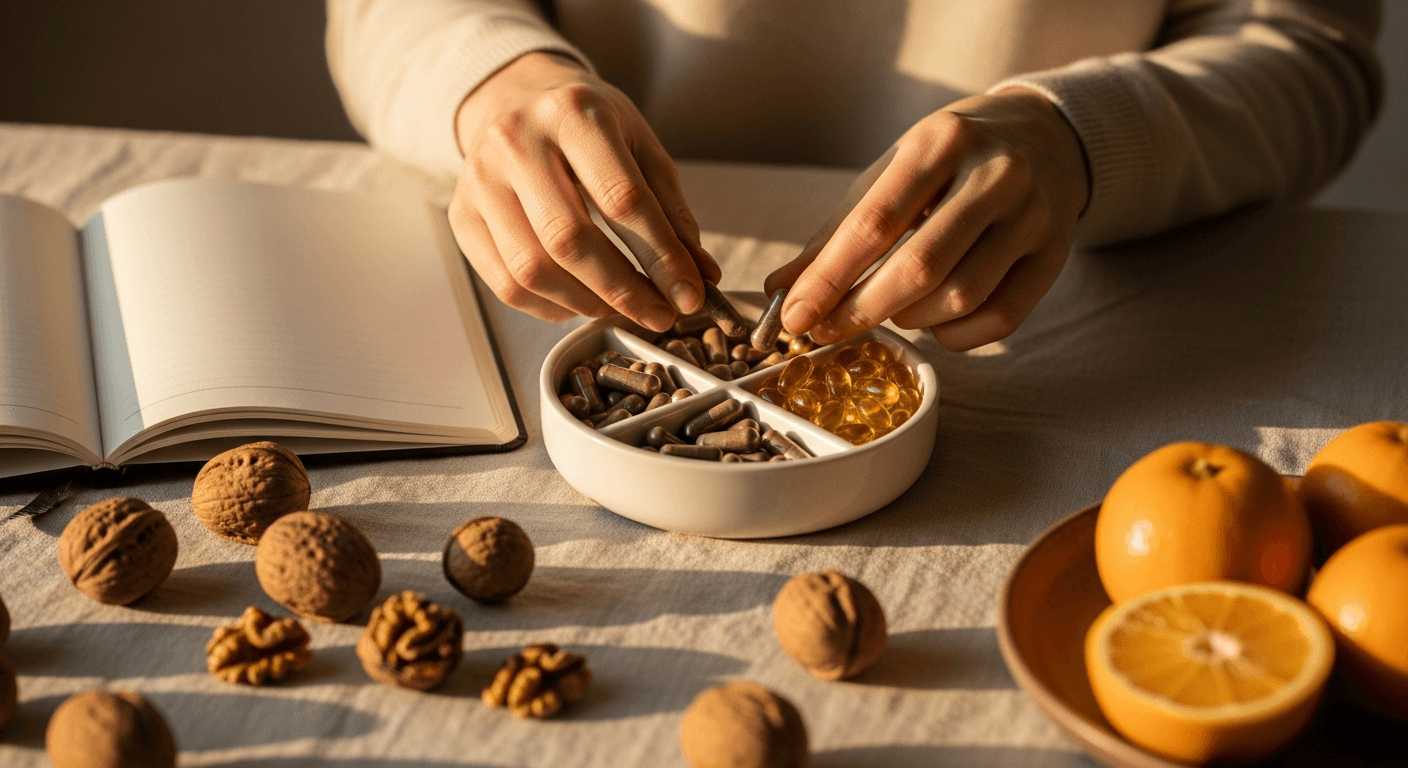
Supplements: What Evidence Supports
Protocols for Cellular Energy and PEM
When building a supplement protocol to address the profound fatigue and post-exertional malaise (PEM) of Long COVID, the focus must remain on restoring mitochondrial function and mitigating oxidative stress. Coenzyme Q10 is a foundational element of this approach. For patients struggling with severe energy deficits, the ubiquinol form of CoQ10 is often preferred, as it is the active, antioxidant state that the body can utilize immediately without requiring enzymatic conversion. Clinical protocols frequently suggest starting with doses around 100 mg to 200 mg daily, taken with a meal containing healthy fats to maximize absorption. To understand more about how this vital nutrient supports cellular respiration and combats post-viral fatigue, Can CoQ10 Support Energy Levels for Long COVID and ME/CFS Patients? provides an in-depth review of its mechanisms and clinical applications.
To complement the energy-producing effects of CoQ10, N-Acetylcysteine (NAC) is widely utilized to rebuild depleted glutathione stores and neutralize the reactive oxygen species that damage cellular structures. NAC is particularly beneficial for Long COVID patients who also experience lingering respiratory symptoms or persistent mucus production, as it acts as a potent mucolytic agent. Evidence-based protocols often utilize doses ranging from 600 mg to 1200 mg daily, typically divided into two doses. Because NAC can occasionally cause mild gastrointestinal upset, it is advisable to take it with food and start at a lower dose to assess tolerance. For a comprehensive look at how NAC protects tissues from oxidative damage, explore Can NAC (N-Acetyl-l-Cysteine) Support Detoxification and Respiratory Health in Long COVID and ME/CFS?.
Interventions for Cognitive Function and Brain Fog
Targeting the neuroinflammation that drives Long COVID brain fog requires supplements capable of crossing the blood-brain barrier and modulating immune activity within the central nervous system. High-quality Omega-3 fatty acids are essential for this process. When selecting an Omega-3 supplement, the ratio and concentration of EPA and DHA are critical; clinical trials demonstrating cognitive benefits often utilize combined doses of 1000 mg to 2000 mg daily. Formulations that prioritize purity and bioavailability, such as those found in Can O.N.E. Omega Help Clear Brain Fog and Support Heart Rate Variability in Long COVID and POTS?, ensure that the body receives the necessary precursors to generate inflammation-resolving signaling molecules.
Curcumin is another powerful tool for clearing mental cloudiness, provided it is formulated for maximum absorption. Standard turmeric powder has very low bioavailability, meaning little of the active curcumin reaches the bloodstream, let alone the brain. Therefore, evidence-based protocols utilize enhanced formulations, such as liposomal curcumin, nano-encapsulated variants, or curcumin paired with piperine (black pepper extract), which can increase absorption by up to 2000%. For patients looking to integrate this potent immunomodulator into their routine, Can Curcumin Support Brain Fog and Inflammation in Long COVID and ME/CFS? offers detailed guidance on selecting the right formulation and dosage to effectively calm hyperactive microglial cells. For comprehensive cognitive support, combination formulas that blend several neuro-protective ingredients can be highly effective. To explore how these synergistic blends can help lift the heavy mental fatigue associated with post-viral syndromes, What Is “Brain Fog” and Cognitive Dysfunction in Long COVID? provides essential context.
Regulating the Immune and Nervous Systems
Restoring balance to a dysregulated immune system and calming an overactive autonomic nervous system are critical steps in Long COVID recovery. Magnesium is arguably the most important mineral for achieving this dual objective. However, the form of magnesium matters immensely. Magnesium oxide, commonly found in inexpensive supplements, is poorly absorbed and often causes digestive distress. Conversely, Magnesium Glycinate is highly bioavailable and particularly gentle on the stomach. The glycine amino acid attached to the magnesium also acts as an inhibitory neurotransmitter, providing additional calming effects for the nervous system, which is highly beneficial for patients experiencing POTS, anxiety, or sleep disturbances. For a deep dive into dosing and benefits, see Can Magnesium Glycinate Support Energy and Calm the Nervous System in Long COVID and POTS?.
Vitamin D3 must be paired with this magnesium foundation to effectively modulate the immune response. Because Long COVID patients often exhibit severe deficiencies, standard over-the-counter doses (like 400 IU) are rarely sufficient to correct the deficit and achieve therapeutic blood levels (ideally between 40-60 ng/mL). Under medical supervision, patients may require higher daily doses or short-term, high-dose prescription protocols to rapidly replenish their stores and downregulate inflammatory cytokine production. To understand the clinical rationale behind these higher doses and how they support immune tolerance, Can Vitamin D3 50,000 IU Support Energy and Immune Function in Long COVID and ME/CFS? provides a thorough, evidence-based overview.
Food Sources and Dietary Strategies
Building a Foundation with Anti-Inflammatory Foods
While targeted supplementation is often necessary to correct severe cellular deficits in Long COVID, these interventions are most effective when built upon a foundation of nutrient-dense, anti-inflammatory nutrition. The foods we consume daily provide the complex matrix of cofactors, enzymes, and trace minerals that help supplements absorb and function optimally. Clinical research consistently points to the Mediterranean diet—or variations of it—as the most effective dietary pattern for managing chronic inflammation. This approach emphasizes whole, unprocessed foods that naturally modulate the immune system and support gut health, which is crucial given the high prevalence of gastrointestinal disruption in post-viral syndromes.
A core component of an anti-inflammatory diet is the abundant intake of colorful vegetables and low-glycemic fruits. These plant foods are rich in phytonutrients, flavonoids, and natural antioxidants like Vitamin C and quercetin, which work synergistically to scavenge reactive oxygen species and protect endothelial function. Leafy greens (like spinach, kale, and Swiss chard), berries, and cruciferous vegetables should form the bulk of daily meals. Additionally, prioritizing high-quality, lean proteins—such as pasture-raised poultry, wild-caught fish, and legumes—provides the essential amino acids required for tissue repair, immune cell production, and the synthesis of neurotransmitters that regulate mood and cognitive function.
Sourcing Mitochondrial and Brain Nutrients Naturally
Many of the key nutrients identified in Long COVID research can be sourced, at least in part, through strategic dietary choices. For instance, to support mitochondrial function naturally, patients can incorporate foods rich in Coenzyme Q10 and the precursors for glutathione. Organ meats, particularly beef heart and liver, are among the most concentrated natural sources of CoQ10, though smaller amounts can also be found in fatty fish, lentils, and broccoli. To boost endogenous glutathione production, consuming sulfur-rich foods is essential. Garlic, onions, and cruciferous vegetables provide the necessary sulfur compounds, while high-quality whey protein or bone broth can supply the amino acids (like cysteine) required for its synthesis.
For neurological support and the reduction of brain fog, prioritizing dietary sources of Omega-3 fatty acids is critical. Cold-water, wild-caught fatty fish such as wild Alaskan salmon, mackerel, sardines, and anchovies (often remembered by the acronym SMASH) are excellent sources of highly bioavailable EPA and DHA. Consuming these fish two to three times a week can significantly improve the Omega-3 index in cell membranes. For plant-based support, walnuts, chia seeds, and flaxseeds provide Alpha-Linolenic Acid (ALA), though it is important to note that the body's conversion of ALA to the active EPA and DHA forms is highly inefficient, often necessitating direct supplementation.
The Limitations of Diet in Severe Depletion
While a whole-food, anti-inflammatory diet is a non-negotiable pillar of long-term health, it is crucial to acknowledge its limitations in the context of severe post-viral illness. When a patient is battling Long COVID, their cellular demand for specific nutrients—like CoQ10, NAC, and Magnesium—often vastly exceeds what can realistically be consumed and absorbed through food alone. For example, to achieve the 200 mg of CoQ10 frequently used in clinical trials to combat severe fatigue, a patient would need to consume several pounds of beef heart daily, which is neither practical nor advisable.
Furthermore, the gastrointestinal symptoms and altered gut permeability (often referred to as "leaky gut") frequently seen in Long COVID can severely impair nutrient absorption. Even if a patient consumes a perfectly balanced, nutrient-dense meal, chronic inflammation in the digestive tract may prevent the successful extraction and transport of those vital vitamins and minerals into the bloodstream. This malabsorption creates a scenario where patients can be simultaneously well-fed and severely malnourished at the cellular level. Therefore, diet and supplementation should not be viewed as an either/or proposition, but rather as two halves of a comprehensive healing strategy.

Practical Considerations
Maximizing Absorption and Bioavailability
The effectiveness of any Long COVID supplement protocol depends entirely on the body's ability to absorb and utilize the nutrients provided. Bioavailability—the proportion of a substance that successfully enters circulation and has an active effect—varies wildly between different supplement forms. For fat-soluble nutrients like CoQ10, Vitamin D3, Vitamin K2, and Omega-3 fatty acids, absorption is heavily dependent on the presence of dietary fat. Taking these supplements on an empty stomach can result in the vast majority of the active compounds being excreted without ever reaching the bloodstream. To maximize their clinical benefit, these nutrients should always be consumed alongside a meal containing healthy fats, such as avocado, olive oil, or nuts.
Conversely, certain water-soluble nutrients and amino acids require different timing strategies. Amino acid precursors like N-Acetylcysteine (NAC) are often best absorbed when taken on an empty stomach, typically 30 minutes before or two hours after a meal, to prevent them from competing with other dietary proteins for absorption pathways in the gut. However, because NAC can occasionally cause mild gastrointestinal irritation, patients with sensitive stomachs may need to compromise and take it with a light carbohydrate snack. Understanding these specific absorption dynamics ensures that the financial and physical investment in supplementation yields the highest possible therapeutic return.
Navigating Drug-Nutrient Interactions
When integrating supplements into a Long COVID management plan, it is absolutely critical to navigate potential interactions with existing prescription medications. Many natural compounds exert powerful physiological effects that can either amplify or inhibit the action of pharmaceutical drugs. For example, Omega-3 fatty acids, Curcumin, and Vitamin K2 all influence blood coagulation pathways. If a patient is currently taking prescription blood thinners (anticoagulants like Warfarin or Eliquis) or antiplatelet medications to manage the micro-clotting risks associated with Long COVID, adding high doses of these supplements can significantly increase the risk of bleeding or bruising.
Similarly, supplements that modulate the immune system or alter liver enzyme function can impact medication metabolism. St. John's Wort, while not typically used for Long COVID, is a classic example of a supplement that accelerates the breakdown of numerous medications, rendering them ineffective. Even seemingly benign supplements like high-dose Magnesium can interact with certain classes of antibiotics (like tetracyclines and fluoroquinolones) or blood pressure medications, potentially causing dangerous drops in blood pressure for patients already struggling with dysautonomia or POTS. Because of these complex interactions, consulting a healthcare provider before starting or stopping any treatment is a hard requirement.
Pacing Your Supplement Introduction
For patients with Long COVID, ME/CFS, or Mast Cell Activation Syndrome (MCAS), the nervous and immune systems are often highly reactive and easily overwhelmed. Introducing multiple new supplements simultaneously can trigger symptom flares, allergic reactions, or severe gastrointestinal distress, making it impossible to identify which specific compound caused the adverse reaction. Therefore, the golden rule of implementing a new supplement protocol is to "start low and go slow." This methodical approach prioritizes patient safety and provides clear data on how the body is responding to each individual intervention.
Practically, this means introducing only one new supplement at a time, starting at a fraction of the recommended clinical dose. For example, if a protocol calls for 200 mg of CoQ10, a patient might begin with just 50 mg daily for the first week. If no adverse reactions occur, the dose can be slowly titrated up over several weeks until the target therapeutic level is reached. Once the first supplement is successfully integrated and tolerated, the next nutrient (such as Magnesium Glycinate or NAC) can be introduced using the same cautious, step-wise method. By maintaining realistic expectations and tracking progress objectively, patients can safely build a robust nutritional foundation.
The Path Forward
Embracing a Comprehensive, Patient-Centric Approach
Navigating the complexities of Long COVID requires immense patience, resilience, and a willingness to explore evidence-based strategies that address the root causes of the illness. The profound fatigue, cognitive dysfunction, and immune dysregulation experienced by so many are not insurmountable mysteries; they are the clinical manifestations of cellular energy deficits, unmitigated oxidative stress, and persistent neuroinflammation. By understanding the biological rationale behind targeted nutritional therapy, patients can transition from feeling helpless to actively participating in their cellular rehabilitation. Supplements like CoQ10, NAC, Omega-3s, Curcumin, Vitamin D3, and Magnesium offer powerful, mechanistic tools to help restart stalled mitochondrial engines, calm hyperactive immune responses, and clear the heavy fog that obscures daily life. However, it is vital to remember that there are no quick fixes or universal miracle cures for complex chronic conditions. Healing is rarely a linear process, and a supplement protocol is just one piece of a comprehensive management strategy that must also include aggressive rest, meticulous pacing, and nervous system regulation.
Taking the Next Steps in Your Recovery
The journey toward improved quality of life requires a highly personalized approach, respecting the unique biochemical needs and sensitivities of each individual. Above all, this journey should never be undertaken alone. Always consult with a qualified healthcare provider before initiating any new supplement regimen to ensure safety, avoid drug interactions, and tailor dosages to your specific clinical presentation. If you are ready to explore how targeted, high-quality nutritional support can fit into your Long COVID management plan, finding bioavailable, rigorously tested formulations is critical for achieving the clinical benefits discussed in this guide.
Sources
Bland, J. S. (2024). Mechanisms of long COVID and the path toward therapeutics. Cell, 187(9), 222-225. https://www.sciencedirect.com/science/article/pii/S0092867424008869
Cardinali, D. P., et al. (2022). Possible Application of Melatonin in Long COVID. Biomolecules, 12(11), 1646. https://pmc.ncbi.nlm.nih.gov/articles/PMC9687267/
Guerrero-Romero, F., et al. (2023). Hypomagnesemia and 25-hydroxyvitamin D deficiency in patients with long COVID. Magnesium Research, 36(4), 125-132. https://pubmed.ncbi.nlm.nih.gov/38321855/
Herrera-Pérez, M., et al. (2024). Combined oral supplementation with magnesium plus vitamin D alleviates mild to moderate depressive symptoms related to long-COVID. Magnesium Research. https://pubmed.ncbi.nlm.nih.gov/39846976/
Higgins, K., et al. (2024). A Comprehensive Scoping Review on Diet and Nutrition in Relation to Long COVID-19 Symptoms and Recovery. Nutrients, 16(5), 723. https://www.mdpi.com/2072-6643/16/5/723
Mickael, M. E., et al. (2023). Brain Leukocytes as the Potential Therapeutic Target for Post-COVID-19 Brain Fog. Neuroimmunomodulation. https://pubmed.ncbi.nlm.nih.gov/36952147/
National Institutes of Health. (2024). Evaluation of a Quercetin/Curcumin-Based Supplement for Mild to Moderate Long COVID-19. ClinicalTrials.gov, NCT06974058. https://clinicaltrials.gov/study/NCT06974058
Peluso, M. J., et al. (2024). Multidisciplinary collaborative guidance on the assessment and treatment of patients with Long COVID: A compendium statement. PM&R, 16(5), 14-53. https://doi.org/10.1002/pmrj.13397
Pizzorno, J. (2024). Beyond Antivirals: Alternative Therapies for Long COVID. Integrative Medicine: A Clinician's Journal. https://www.ncbi.nlm.nih.gov/pmc/articles/PMC10860361/
Pretorius, E., et al. (2022). Long COVID and long chain fatty acids: Psychoneuroimmunity implication of omega-3 LCFAs. Prostaglandins, Leukotrienes and Essential Fatty Acids. https://www.ncbi.nlm.nih.gov/pmc/articles/PMC9189146/
Vernon, S. D., et al. (2025). REGAIN: a randomized controlled clinical trial of oxaloacetate for improving the symptoms of long COVID. Frontiers in Neuroscience. https://www.frontiersin.org/journals/neuroscience/articles/10.3389/fnins.2025.1627462/full
Wood, E., et al. (2024). Novel biomarkers of mitochondrial dysfunction in Long COVID patients. Scientific Reports. https://pubmed.ncbi.nlm.nih.gov/39495479/
Zheng, Y., et al. (2024). Long-term N-Acetylcysteine Treatment Accelerates Improvement in Patient-Reported Outcomes for COVID-19 Patients: A Randomized, Double-Blind, Placebo-Controlled Trial. medRxiv. https://www.medrxiv.org/content/10.1101/2024.01.25.24301764v1