Can CoQ10 Support Energy Levels for Long COVID and ME/CFS Patients?
March 3, 2026
CoQ10Long COVIDME/CFS
Share:
Disclaimer: The information provided here is for educational purposes only and is not intended as medical advice. It should not be used to diagnose, treat, cure, or prevent any medical condition. Instead, use it as a starting point for discussion with your healthcare provider. Always consult with a qualified healthcare provider before starting any new medication, supplement, device, or making changes to your health regimen.
Months or even years after a viral infection, many individuals find themselves trapped in a body that no longer feels like their own. The profound, crushing exhaustion experienced by those living with Long COVID, myalgic encephalomyelitis/chronic fatigue syndrome (ME/CFS), and dysautonomia is frequently misunderstood by the general public and even some medical professionals. This is not simply being "tired" after a long day; it is a fundamental, physiological crisis occurring at the deepest microscopic levels of the human body. When you experience post-exertional malaise (PEM)—a severe exacerbation of symptoms following minimal physical or cognitive effort—your cells are literally running out of the energy required to sustain basic biological functions.
In the search for answers and validating treatments, medical researchers have increasingly focused on the health of our mitochondria, the microscopic powerhouses inside our cells. As we learn more about how post-viral conditions disrupt these vital energy factories, targeted nutritional interventions have moved to the forefront of clinical research. Among the most rigorously studied of these interventions is Coenzyme Q10 (CoQ10). This vital molecule is not a stimulant or a quick fix; it is a foundational component of human biology that facilitates the very creation of cellular energy. In this comprehensive guide, we will explore the intricate biochemistry of CoQ10, how chronic illness disrupts its function, and what the latest clinical trials reveal about its potential to support recovery for patients navigating complex chronic conditions.
TL;DR
CoQ10 is a vital molecule that supports cellular energy production and acts as a potent antioxidant.
Chronic conditions like Long COVID and ME/CFS can deplete CoQ10, worsening fatigue and autonomic symptoms.
Supplementing CoQ10 may help manage post-exertional malaise, brain fog, and cardiovascular issues like POTS.
For best absorption, take CoQ10 with healthy fats early in the day to avoid sleep disturbances.
What is CoQ10?
The Molecular Bridge of Cellular Energy
To understand how Coenzyme Q10 (CoQ10) works, we must first look inside the mitochondria. These double-membraned organelles are responsible for generating almost all the energy required by the human body. CoQ10, also known scientifically as ubiquinone, is a highly lipophilic (fat-soluble) molecule that resides primarily within the inner mitochondrial membrane. Structurally, it consists of a benzoquinone ring attached to a long, ten-unit isoprenoid tail, which allows it to anchor itself and move freely within the fatty, hydrophobic core of the mitochondrial membrane. Unlike many other vitamins and nutrients that simply assist in chemical reactions, CoQ10 acts as a literal, physical bridge. It is an indispensable mobile electron carrier that connects the breakdown of the food we eat to the generation of usable cellular energy. According to research published in the International Journal of Health Sciences and Research, without sufficient CoQ10, the entire process of cellular respiration grinds to a halt.
CoQ10's core mechanism revolves around its unique ability to carry up to two electrons at a time. To accomplish this, it continuously cycles between three distinct redox (reduction-oxidation) states. In its fully oxidized state, it is known as ubiquinone, waiting to accept electrons. When it accepts a single electron, it becomes a partially reduced, semi-oxidized free radical intermediate known as ubisemiquinone. Finally, when it accepts a second electron and two protons, it becomes ubiquinol, the fully reduced, active state. This rapid, continuous cycling between states is what allows CoQ10 to shuttle high-energy electrons down the mitochondrial assembly line, a process that is absolutely essential for human survival.
The Electron Transport Chain and ATP Production
The mitochondrial assembly line is known as the electron transport chain (ETC), a series of large protein complexes (numbered I through IV) embedded in the inner mitochondrial membrane. During oxidative phosphorylation, CoQ10 acts as the central electron acceptor. It receives high-energy electrons from Complex I (NADH dehydrogenase) and Complex II (succinate dehydrogenase), which process the metabolic byproducts of the carbohydrates and fats we consume. Think of Complex I and II as workers unloading raw materials, and CoQ10 as the specialized forklift that transports these materials to the next stage of production. Once CoQ10 is reduced to ubiquinol, it shuttles these electrons through the dense membrane to Complex III (cytochrome bc1 complex).
The sheer scale of this microscopic operation is staggering. The human body requires an immense amount of energy to function, producing approximately 70 kilograms of adenosine triphosphate (ATP)—the primary energy currency of the cell—every single day. To meet this massive demand with only about 2 grams of total body CoQ10, each individual CoQ10 molecule must undergo approximately 5,000 redox cycles per hour, as detailed in recent biochemical overviews. If this electron transport chain is compromised, the body cannot produce enough ATP, leading to the profound, systemic exhaustion that characterizes many chronic illnesses.
The Q-Cycle and Proton Pumping
The transfer of electrons from CoQ10 to Complex III occurs via a highly sophisticated mechanism known as the Q-cycle. This cycle is fundamental for creating the proton gradient necessary for energy production. When ubiquinol binds to Complex III, it undergoes a bifurcated electron transfer. It is oxidized, transferring one electron to a protein called cytochrome c, and sending another electron across the membrane to reduce a different molecule of ubiquinone. Most importantly, as electrons are stripped from ubiquinol during this cycle, protons (hydrogen ions) are forcefully pumped from the mitochondrial matrix into the intermembrane space. This creates a powerful electrochemical and pH gradient across the membrane, much like water pooling behind a hydroelectric dam.
This trapped potential energy is the key to life. The protons flow back into the mitochondrial matrix through an enzyme called ATP Synthase (Complex V). The kinetic energy of this proton flow physically drives the mechanical rotation of ATP Synthase, which facilitates the phosphorylation of adenosine diphosphate (ADP) into ATP. Research published by the NIH highlights that any disruption to the Q-cycle or the availability of CoQ10 immediately diminishes this proton motive force, resulting in a catastrophic drop in cellular energy production.
A Potent Lipid-Soluble Antioxidant
Beyond its role as an energy carrier, CoQ10 serves a second, equally critical function: it is one of the body's most potent lipid-soluble antioxidants. While the electron transport chain is essential, it is also a dangerous process. Electrons naturally leak from the chain, reacting with oxygen to form highly reactive and damaging molecules known as reactive oxygen species (ROS) or free radicals. Because CoQ10 resides directly within the lipid membrane where these free radicals are generated, it is perfectly positioned to neutralize them. By donating electrons to these unstable molecules, CoQ10 prevents lipid peroxidation—the oxidative degradation of cellular membranes. This dual role makes CoQ10 a unique and irreplaceable guardian of cellular integrity, protecting the very structures it helps to power.
How Long COVID and ME/CFS Impact Mitochondrial Function
Viral Hijacking and Mitochondrial Dysfunction
The connection between viral infections and long-term chronic illness is an area of intense scientific investigation. We now understand that viruses, including SARS-CoV-2, do not merely damage tissues during the acute phase of infection; they can fundamentally alter cellular metabolism. To replicate, viruses require massive amounts of energy. They often "hijack" the host cell's mitochondria, forcing these organelles to prioritize viral replication over normal cellular functions. Recent studies on Long COVID patients have identified significant mitochondrial dysfunction, characterized by structural abnormalities such as swollen mitochondria with disrupted cristae. This structural damage impairs the electron transport chain, drastically reducing the efficiency of ATP production and leaving the patient in a state of chronic energy deficit.
Furthermore, research has shown that viral infections can disrupt mitochondrial dynamics—the delicate balance between mitochondrial fusion (joining together to share resources) and fission (dividing to isolate damage). When this balance is lost, cells accumulate damaged, inefficient mitochondria. Studies have also found reduced levels of circulating cell-free mitochondrial DNA (ccf-mtDNA) in Long COVID patients, suggesting that the body's natural process of recycling damaged mitochondria (mitophagy) is severely impaired. This means patients are left relying on broken energy factories that cannot meet the demands of daily life. To understand more about how these viral mechanisms trigger long-term symptoms, you can read our detailed guide on what causes Long COVID.
The Vicious Cycle of Oxidative Stress and ROS
When mitochondria are damaged by viral infection or chronic inflammation, the electron transport chain becomes "leaky." Instead of smoothly passing electrons down the line to create ATP, electrons escape and prematurely react with oxygen, creating a massive surge in reactive oxygen species (ROS). This creates a vicious, self-perpetuating cycle of oxidative stress. The excess ROS directly attack the inner mitochondrial membrane, damaging the delicate lipid structures and the protein complexes of the electron transport chain. This damage causes even more electrons to leak, generating even more ROS.
In a healthy body, the natural pool of CoQ10 would neutralize these free radicals. However, in conditions like ME/CFS and Long COVID, the sheer volume of oxidative stress rapidly depletes the body's CoQ10 reserves. A landmark 2009 study by Maes et al. demonstrated a significant deficiency of CoQ10 in patients with ME/CFS, directly linking this depletion to increased fatigue, autonomic dysfunction, and neurocognitive symptoms. When CoQ10 is depleted, the body loses both its primary antioxidant defense and its ability to shuttle electrons, leading to a catastrophic collapse of cellular bioenergetics.
Reverse Electron Transport (RET) and Cellular Stalling
One of the most damaging consequences of mitochondrial dysfunction in chronic illness is a phenomenon known as reverse electron transport (RET). Under normal conditions, electrons flow forward from Complex I and II, through CoQ10, to Complex III. However, when the mitochondrial membrane is highly stressed, or when the CoQ10 pool becomes excessively saturated in its reduced form without an outlet, the forward flow of the electron transport chain can stall. This forces electrons to flow backward into Complex I, reducing NAD+ back to NADH.
This backward flow is highly pathological. RET causes severe mitochondrial oxidative stress and generates massive amounts of superoxide radicals. These radicals can trigger systemic inflammatory pathways, contributing to the widespread neuroinflammation and immune dysregulation seen in mast cell activation syndrome (MCAS) and Long COVID. The cellular stalling caused by RET explains why patients often feel as though they have "hit a wall" physically and cognitively; their cells are literally unable to push energy production forward.
The Systemic Impact of ATP Depletion
The microscopic failure of the electron transport chain manifests as devastating macroscopic symptoms. When ATP production drops, the tissues that require the most energy—specifically the brain, heart, and skeletal muscles—are the first to suffer. This systemic ATP depletion is the physiological driver behind post-exertional malaise (PEM), the hallmark symptom of ME/CFS. When a patient with ME/CFS attempts physical or cognitive exertion, their damaged mitochondria cannot scale up ATP production to meet the demand. Instead, the cells are forced into anaerobic metabolism, producing lactic acid and further depleting cellular reserves, leading to a "crash" that can last for days or weeks.
This energy crisis also deeply impacts the autonomic nervous system, which controls involuntary functions like heart rate and blood pressure. The brainstem and cardiovascular system require constant, high-level ATP to maintain autonomic stability. When energy is scarce, patients develop dysautonomia and postural orthostatic tachycardia syndrome (POTS), experiencing rapid heart rates, dizziness, and blood pooling upon standing. The interconnected nature of these conditions highlights why understanding mitochondrial health is so vital. You can explore this overlap further in our article on whether Long COVID can trigger ME/CFS.
CoQ10: Supporting Cellular Energy and Cardiovascular Health
Restoring the Electron Transport Chain
When patients with complex chronic illnesses supplement with CoQ10, the primary therapeutic goal is to restore the integrity and function of the electron transport chain. By providing the body with an exogenous source of this vital molecule, supplementation aims to replenish the depleted pools within the inner mitochondrial membrane. Once absorbed and transported to the mitochondria, CoQ10 inserts itself back into the lipid bilayer, resuming its role as the mobile electron carrier. This effectively "unclogs" the stalled electron transport chain, allowing electrons to flow smoothly from Complex I and II to Complex III once again.
This restoration of forward electron flow has profound downstream effects. By re-establishing the Q-cycle, CoQ10 allows the mitochondria to resume pumping protons into the intermembrane space, rebuilding the proton motive force required by ATP Synthase. As the electrochemical gradient is restored, the cells can transition away from inefficient, lactic-acid-producing anaerobic metabolism and return to robust oxidative phosphorylation. This increase in systemic ATP production provides the skeletal muscles, heart, and brain with the raw energy currency they desperately need to function, directly addressing the physiological root of severe fatigue and exercise intolerance.
Neutralizing Free Radicals and Reducing Inflammation
Beyond energy production, CoQ10 supplementation provides a massive boost to the body's antioxidant defenses. In its reduced form (ubiquinol), CoQ10 acts as a potent scavenger of lipid peroxyl radicals. By donating electrons to these unstable molecules, CoQ10 neutralizes the reactive oxygen species (ROS) that are actively damaging the mitochondrial membranes in patients with Long COVID and ME/CFS. This halts the vicious cycle of oxidative stress, protecting the delicate protein complexes of the electron transport chain from further degradation and allowing the mitochondria to begin repairing themselves.
This antioxidant action also has significant anti-inflammatory benefits. High levels of ROS trigger intracellular signaling pathways that promote the release of pro-inflammatory cytokines, such as TNF-alpha and Interleukin-6 (IL-6). These circulating inflammatory markers are heavily implicated in the "sickness behavior" and profound brain fog experienced by patients. Clinical meta-analyses have shown that CoQ10 supplementation can significantly reduce plasma levels of these systemic inflammatory markers. By lowering the overall inflammatory burden, CoQ10 helps to calm the hyperactive immune responses often seen in post-viral syndromes, providing a more stable internal environment for recovery.
Supporting Endothelial Function and Blood Flow
Cardiovascular health is a major concern for patients with dysautonomia and POTS, who frequently struggle with poor vascular tone and blood pooling in the lower extremities. CoQ10 plays a critical role in maintaining endothelial function—the health of the inner lining of the blood vessels. The endothelium is responsible for producing nitric oxide, a molecule that signals the blood vessels to dilate and constrict appropriately. Oxidative stress rapidly destroys nitric oxide, leading to endothelial dysfunction and poor blood flow regulation.
By neutralizing oxidative stress within the blood vessels, CoQ10 preserves nitric oxide bioavailability. This allows the blood vessels to respond more effectively to the autonomic nervous system's commands. For a patient with POTS, improved endothelial function means the blood vessels in the legs can constrict more efficiently upon standing, reducing the orthostatic blood pooling that triggers tachycardia and dizziness. Cardiovascular research has consistently demonstrated CoQ10's ability to support healthy blood pressure regulation and arterial flexibility, making it a valuable tool for managing the vascular components of dysautonomia.
Synergistic Support for the Autonomic Nervous System
The autonomic nervous system (ANS) acts as the body's master control center for involuntary functions. In conditions like Long COVID and ME/CFS, the ANS is often locked in a state of chronic "fight or flight" (sympathetic overactivation), struggling to maintain homeostasis amidst systemic inflammation and energy deficits. The brainstem, which houses the major autonomic control centers, is highly sensitive to both oxidative stress and ATP depletion. When the brainstem is starved of energy, autonomic signaling becomes erratic, leading to the unpredictable heart rates, temperature dysregulation, and gastrointestinal issues common in these conditions.
CoQ10 supports the ANS by addressing these root stressors. By improving ATP delivery to the neurological tissues and clearing neuroinflammatory free radicals, CoQ10 helps stabilize the brainstem's signaling capabilities. Furthermore, because the heart muscle itself is incredibly dense with mitochondria, CoQ10 provides direct metabolic support to the cardiac tissue, helping it cope with the stress of chronic tachycardia. This dual support of both the neurological control centers and the cardiovascular end-organs provides a comprehensive, synergistic approach to managing dysautonomia. For more context on how these conditions are evaluated, consider reading about how a doctor diagnoses Long COVID.
Symptoms CoQ10 May Help Manage
Core Energy and Cognitive Symptoms
Profound Fatigue: By restoring the electron transport chain and increasing systemic ATP production, CoQ10 directly addresses the cellular energy deficit that causes debilitating, unrefreshing fatigue.
Post-Exertional Malaise (PEM): CoQ10 helps increase the mitochondria's capacity to handle physical and cognitive stress, potentially raising the threshold before cells are forced into anaerobic metabolism, thereby reducing the severity of crashes.
Brain Fog and Cognitive Dysfunction: By reducing neuroinflammation and oxidative stress in the brain, and improving ATP delivery to neurons, CoQ10 supports clearer thinking, better memory retrieval, and improved focus.
Cardiovascular and Autonomic Symptoms
Orthostatic Intolerance (Dizziness upon standing): CoQ10 preserves nitric oxide bioavailability, improving endothelial function and vascular tone, which helps prevent the blood pooling that causes dizziness and pre-syncope in POTS patients.
Palpitations and Tachycardia: By providing direct metabolic support to the heart muscle and reducing systemic inflammation, CoQ10 helps stabilize cardiac tissue and may reduce the frequency of autonomic-driven heart rate spikes.
Exercise Intolerance: By improving skeletal muscle bioenergetics and reducing lactic acid buildup, CoQ10 can help patients engage in gentle, paced activities with less physiological strain.
Musculoskeletal and Systemic Symptoms
Muscle Weakness and Myalgia: Skeletal muscles are highly dependent on mitochondrial ATP; replenishing CoQ10 helps restore muscle strength and reduces the oxidative damage that contributes to chronic muscle pain.
Poor Sleep Quality: While CoQ10 should be taken early in the day to avoid insomnia, restoring overall autonomic balance and reducing nocturnal sympathetic overactivation can indirectly support deeper, more restorative sleep cycles over time.
Practical Considerations: Forms, Dosing, and Absorption
Ubiquinone vs. Ubiquinol: Understanding the Forms
When selecting a CoQ10 supplement, patients are often faced with a choice between two primary forms: ubiquinone and ubiquinol. Ubiquinone is the fully oxidized form and is the most common, stable, and cost-effective version found in standard supplements. Ubiquinol is the fully reduced, active antioxidant form. In a healthy, young body, ubiquinone is easily absorbed and rapidly converted into ubiquinol by specific cellular enzymes. However, clinical data indicates that the body's ability to perform this conversion declines significantly with age (typically starting around age 40), chronic stress, and complex metabolic conditions like ME/CFS and Long COVID.
Because patients with chronic illness are already dealing with massive oxidative stress and enzymatic dysfunction, their bodies may struggle to convert standard ubiquinone efficiently. For this reason, many functional medicine practitioners recommend the ubiquinol form for older adults or those with severe chronic illness, as it bypasses the need for enzymatic conversion and often achieves higher blood plasma concentrations. Interestingly, research on CoQ10 highlights its protective effects against acute cellular damage, such as in kidney injury, emphasizing its role as a potent antioxidant. The choice often comes down to individual digestive efficiency and budget.
Overcoming the Bioavailability Barrier
CoQ10 is notoriously difficult for the human body to absorb. This poor bioavailability is due to two main factors: its large molecular weight (over 860 Daltons) and its highly lipophilic (fat-soluble) nature. In its raw state, CoQ10 forms large, dense crystals at body temperature. The human digestive tract cannot absorb these crystals; they must be completely dissolved into single molecules. If the crystals do not dissolve in the stomach and intestines, the CoQ10 will simply pass through the digestive tract and be excreted as waste, providing zero therapeutic benefit.
Because it is fat-soluble, CoQ10 absolutely requires the presence of dietary fats to stimulate the release of bile from the gallbladder. Bile acids facilitate the formation of micelles—tiny lipid clusters that encapsulate the CoQ10 molecules and transport them to the intestinal wall for absorption. Taking CoQ10 on an empty stomach results in extremely poor absorption. To maximize efficacy, patients must take their CoQ10 supplement alongside a meal containing healthy fats, such as eggs, avocados, olive oil, or fatty fish. Additionally, formulations suspended in oil-based softgels or utilizing advanced lipid-delivery systems generally vastly outperform dry-powder capsules.
Optimal Dosing Strategies and Timing
Finding the right dosage and timing is crucial for managing chronic illness symptoms effectively. In clinical trials for conditions like ME/CFS, dysautonomia, and heart failure, effective dosages typically range from 100 mg to 300 mg per day, though some severe cases may require up to 500 mg under medical supervision. Because intestinal absorption of CoQ10 is a facilitated passive diffusion process, the absorption pathways can easily become saturated. Therefore, if a higher daily dose is recommended, it is highly advisable to split the dose (e.g., 100 mg with breakfast and 100 mg with lunch) rather than taking it all at once, which significantly increases total daily absorption.
Timing is equally important due to CoQ10's pharmacokinetics. Once absorbed, CoQ10 travels slowly through the lymphatic system before entering the bloodstream, meaning peak blood concentrations do not occur until 6 to 8 hours after ingestion. Furthermore, CoQ10 has a remarkably long biological half-life of approximately 21 to 33 hours. Because its primary function is to boost cellular energy (ATP) production, taking CoQ10 in the late afternoon or evening is highly associated with insomnia and sleep disturbances. Patients are strongly advised to take their doses in the morning or early afternoon to align with the body's natural circadian energy rhythms.
Safety, Contraindications, and Drug Interactions
CoQ10 boasts an excellent safety profile and is generally very well-tolerated, even at high doses. The most commonly reported side effects are mild and transient, typically involving gastrointestinal discomfort, nausea, or mild diarrhea, which can often be mitigated by splitting the dose or changing the formulation. However, because CoQ10 is a biologically active molecule, it can interact with certain medications. It is structurally similar to Vitamin K, meaning it may mildly interact with blood-thinning medications like warfarin, potentially altering their efficacy.
Crucially, patients taking statin medications for high cholesterol should be aware of a significant interaction. Statins work by inhibiting the HMG-CoA reductase enzyme, which is responsible for cholesterol synthesis. However, this exact same enzymatic pathway is also responsible for the body's natural synthesis of CoQ10. Therefore, statin medications inherently and significantly deplete the body's natural CoQ10 levels, which can lead to statin-induced myopathy (muscle pain and weakness). Medical literature demonstrates that ME/CFS patients already suffer from significant CoQ10 depletion, making them potentially more vulnerable to statin-induced muscle pain. Always consult with a healthcare provider before adding CoQ10 to your regimen, especially if you are on prescription medications.
Follow the Science
CoQ10 in Long COVID Clinical Trials
The intersection of Long COVID and mitochondrial dysfunction has become a major focus of clinical research in recent years. As researchers seek targeted metabolic therapies, CoQ10 has been put to the test in several rigorous trials, including investigations into the combination of CoQ10 and Alpha-Lipoic Acid (ALA) for chronic COVID syndrome. Early findings suggest this combination may offer profound potential when used synergistically to address fatigue.
However, the science also highlights the complexity of these conditions. Furthermore, recent research has focused on identifying novel biomarkers of mitochondrial dysfunction in Long COVID patients. This highlights the complexity of these conditions and provides a crucial clinical takeaway: CoQ10 alone may not be a "magic bullet" for the multi-systemic nature of Long COVID, but it can be highly effective when combined with other mitochondrial antioxidants. For more information on the expected timeline of recovery, see our article on how long Long COVID lasts.
Evidence for ME/CFS and Post-Viral Fatigue
Because ME/CFS research predates the COVID-19 pandemic, the clinical data regarding CoQ10 in this population is more mature and extensive. The foundational understanding of this relationship was established by Maes et al. in 2009, who proved that ME/CFS patients have significantly lower plasma CoQ10 levels than healthy controls, and that these depleted levels directly correlate with the severity of fatigue, autonomic dysfunction, and cognitive impairment. This established CoQ10 deficiency as a core pathophysiological feature of the illness, rather than just an incidental finding.
Recent reviews in Translational Medicine have explored potential therapeutic approaches targeting gut health and metabolism in ME/CFS, noting that combination therapies often yield the best outcomes. Clinical trials supplementing CoQ10 (typically 200 mg/day) alongside NADH (20 mg/day) or Selenium have repeatedly demonstrated statistically significant improvements in fatigue perception, sleep quality, and overall health-related quality of life over 8 to 12 weeks. These studies validate the approach of using CoQ10 as a foundational element of a broader metabolic repair protocol for ME/CFS.
Cardiovascular and Dysautonomia Research
CoQ10 is one of the most rigorously studied supplements in the field of cardiology, and this data is highly relevant for patients with dysautonomia and POTS. The landmark Q-SYMBIO trial, a massive 2-year double-blind randomized controlled trial involving 420 patients, demonstrated that 300 mg of CoQ10 daily reduced Major Adverse Cardiac Events by 42% and significantly reduced cardiovascular mortality. While POTS patients do not typically have heart failure, this robust data proves CoQ10's profound ability to protect and support stressed cardiac muscle tissue, which is vital for patients experiencing chronic tachycardia.
Specific to dysautonomia, functional medicine experts highlight CoQ10 as a natural remedy for POTS. While patients do not typically have heart failure, CoQ10 offers a targeted mechanism for supporting the cardiovascular system and managing the dizziness and blood pooling that plague dysautonomia patients.
The Importance of Combination Therapies
The overarching theme across all recent scientific literature is that chronic, multi-systemic illnesses require multi-faceted solutions. CoQ10 is a powerful tool, but it operates within a complex biochemical web. If a patient is deficient in the B-vitamins required for the Krebs cycle, or lacks the amino acids needed to transport fatty acids into the mitochondria (like L-carnitine), supplementing CoQ10 alone may yield limited results. The science strongly advocates for a holistic, functional medicine approach where CoQ10 is utilized as a core pillar alongside other targeted nutrients, dietary interventions, and lifestyle modifications to achieve meaningful clinical improvements.
The Path Forward
Validating the Invisible Struggle
Living with a complex chronic condition like Long COVID, ME/CFS, or dysautonomia is an incredibly challenging journey, often made harder by the invisible nature of the symptoms. When standard blood tests return "normal" results, it can be deeply frustrating to try and explain the profound, debilitating fatigue and cognitive dysfunction you experience daily. We want to validate your experience: your symptoms are real, they are physiological, and they are rooted in complex biochemical disruptions at the cellular level. The energy crisis you feel is not a lack of willpower; it is a documented failure of mitochondrial bioenergetics. Understanding the mechanisms behind your symptoms, such as the depletion of CoQ10 and the stalling of the electron transport chain, is the first step toward reclaiming your health.
A Comprehensive Approach to Healing
While the science behind CoQ10 is highly promising, it is important to approach supplementation with realistic expectations. There is no single miracle cure for conditions as complex as Long COVID or ME/CFS. CoQ10 is a powerful tool designed to support and rebuild your cellular foundation, but it works best when integrated into a comprehensive, holistic management strategy. This means combining targeted nutritional support with radical rest, meticulous symptom tracking, and strict pacing to avoid triggering post-exertional malaise. By supporting your mitochondria while simultaneously reducing the energetic demands placed upon them, you create an environment where true cellular healing can begin. You can learn more about managing daily life in our guide on how to live with long-term COVID.
Next Steps on Your Journey
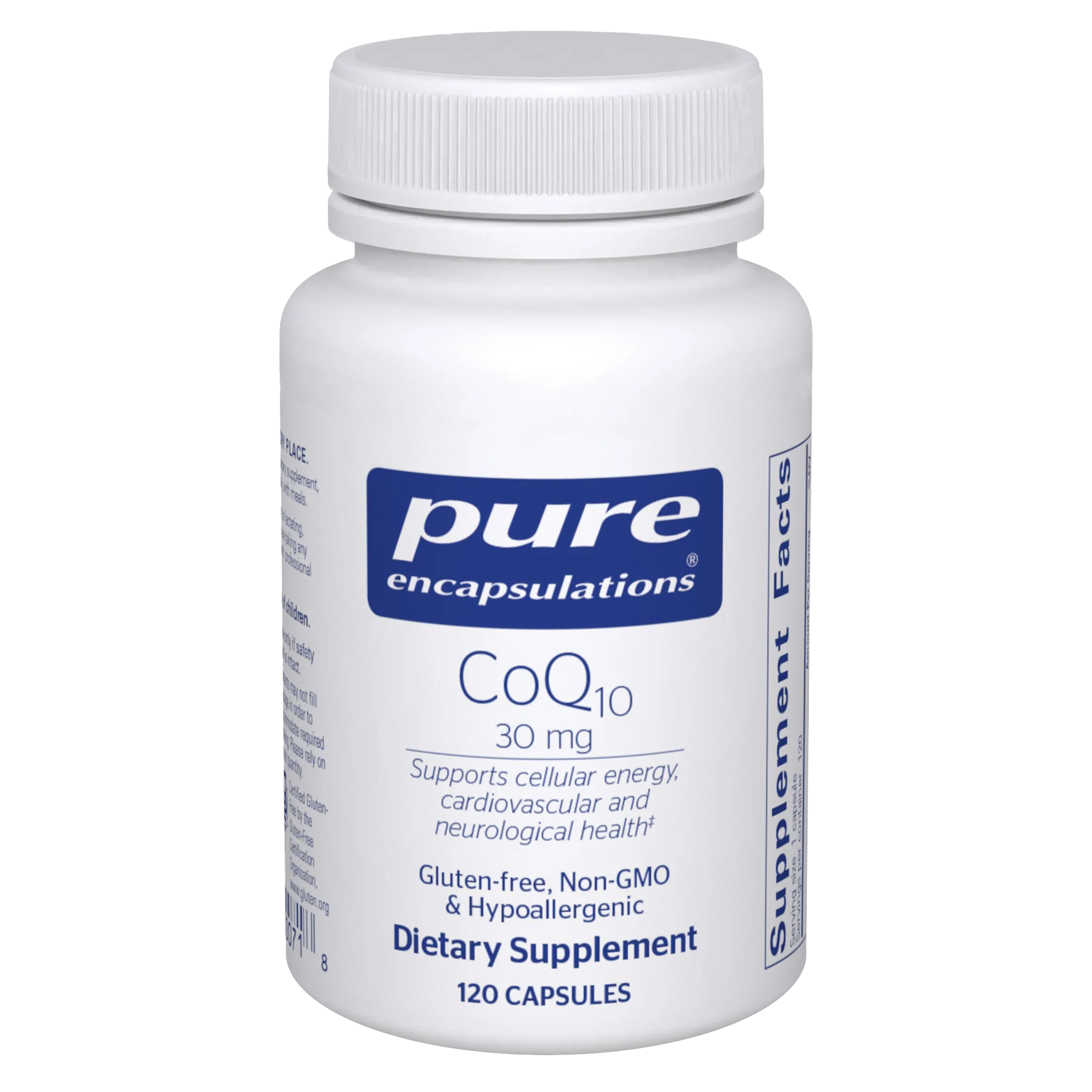
As you navigate your path forward, finding high-quality, bioavailable supplements is crucial. The Pure Encapsulations CoQ10 formula is designed to provide robust support for cellular energy production, cardiovascular health, and antioxidant defense without unnecessary fillers or allergens. Always remember to consult with your primary care physician or a functional medicine specialist before introducing new supplements to your routine, especially to ensure there are no interactions with your current medications and to determine the optimal dosage for your unique physiology. With the right tools, knowledge, and support, managing complex chronic illness is possible, and a better quality of life is within reach.
Sources
MDPI Antioxidants: Coenzyme Q10 Analogues: Benefits and Challenges for Therapeutics
NIH: The Ubiquinone-Ubiquinol Redox Cycle and Its Clinical Consequences
PubMed: Novel biomarkers of mitochondrial dysfunction in Long COVID patients
PubMed: Coenzyme Q10 deficiency in myalgic encephalomyelitis/chronic fatigue syndrome (ME/CFS)
Physiology.org: Mitochondrial dysfunction and oxidative stress in chronic disease
Cochrane Library: Cardiovascular benefits of Coenzyme Q10 supplementation
NIH: Pharmacokinetics and Bioavailability of Different CoQ10 Formulations