March 6, 2026

Disclaimer: The information provided here is for educational purposes only and is not intended as medical advice. It should not be used to diagnose, treat, cure, or prevent any medical condition. Instead, use it as a starting point for discussion with your healthcare provider. Always consult with a qualified healthcare provider before starting any new medication, supplement, device, or making changes to your health regimen.
Months after recovering from the initial SARS-CoV-2 infection, many people still fight debilitating symptoms with what we call Long COVID. But what is it that allows some people to recover within a couple of weeks while others suffer from long-term symptoms for months or even years? For patients navigating the complex, unpredictable realities of Long COVID, myalgic encephalomyelitis/chronic fatigue syndrome (ME/CFS), and dysautonomia, finding the root cause of profound exhaustion and immune dysfunction often feels like an impossible puzzle. You might be meticulously tracking your symptoms, pacing your activities to avoid post-exertional malaise (PEM), and still waking up feeling entirely drained, frustrated by a medical system that often lacks clear answers.
In the search for validating, science-backed management strategies, researchers are increasingly turning their attention to foundational hormones and nutrients that govern our cellular health. One of the most critical, yet frequently misunderstood, compounds is Vitamin D. Far more than just a simple vitamin required for bone health, Vitamin D is a potent steroid hormone that acts as a master regulator of the immune system. When levels fall too low—a common occurrence in chronic illness—it can trigger a cascade of systemic failures, from autonomic nervous system misfiring to mast cell hyperactivity. In this comprehensive guide, we will explore the intricate biochemistry of Vitamin D3, how high-dose weekly supplementation works, and why correcting deficiencies may be a crucial step in managing the complex symptoms of chronic invisible illnesses.
Vitamin D3, scientifically known as cholecalciferol, is widely recognized by the general public for its essential role in calcium homeostasis and maintaining bone health. However, in recent decades, advanced genomic research has completely redefined our understanding of this compound. It is not merely a vitamin in the traditional sense, but rather a potent, fat-soluble pro-hormone that exerts profound, pleiotropic effects across the entire human body. Through its biologically active form, Vitamin D acts as a master regulator of the human genome, directly influencing the transcription of over 200 distinct genes. This represents roughly five percent of the entire human protein-encoding genome, explaining why its systemic impact is so vast and why deficiency can lead to catastrophic health consequences.
The genes regulated by Vitamin D govern a staggering array of physiological processes, ranging from cellular proliferation and differentiation to apoptosis (programmed cell death) and oxidative stress management. By binding to specific DNA sequences known as Vitamin D Response Elements (VDREs) located in the promoter regions of target genes, it can either upregulate or downregulate cellular activity based on the body's immediate needs. This genomic mechanism is particularly crucial for individuals living with complex chronic conditions, as these regulated genes are heavily intertwined with both innate and adaptive immune responses. When the body lacks adequate Vitamin D, the genetic instructions required to maintain immune tolerance and cellular repair are essentially silenced, leaving the system vulnerable to chronic inflammation and dysfunction.
Beyond its genomic actions, Vitamin D also exerts rapid, "non-genomic" effects by binding to specialized membrane receptors on the surface of cells. This binding instantly triggers intracellular second-messenger signaling cascades, such as the MAPK and cAMP pathways, which alter intracellular calcium channels and modify immediate cellular behavior. This dual mechanism of action—both slow, long-term genetic regulation and rapid, immediate cellular signaling—makes Vitamin D an incredibly versatile and powerful hormone. Understanding this foundational biology is essential for patients asking what causes Long COVID, as the loss of this genetic regulation plays a significant role in the persistent immune dysregulation seen in the condition.
To truly understand how Vitamin D3 operates within the body, we must trace its complex metabolic activation pathway. When you ingest a supplement like Vitamin D3 50,000 IU, or synthesize it in your skin via UVB radiation, it enters the bloodstream in an inactive state. It is first transported to the liver, where it undergoes its initial hydroxylation process, catalyzed by specific hepatic enzymes. This converts the cholecalciferol into 25-hydroxyvitamin D, also known as calcidiol. Calcidiol is the major circulating form of the vitamin and is the specific biomarker that doctors measure when you request a standard Vitamin D blood test to check for deficiency.
However, calcidiol is still not the biologically active hormone. To exert its powerful systemic effects, it must travel through the bloodstream to the kidneys, where a second, critical enzymatic conversion takes place. Here, the enzyme 1-alpha-hydroxylase (CYP27B1) converts calcidiol into 1,25-dihydroxyvitamin D3, known clinically as calcitriol. Calcitriol is the true, biologically active steroid hormone form of Vitamin D. It functions much like other major steroid hormones in the body, such as cortisol or estrogen, by entering the cell nucleus and binding directly to the intracellular Vitamin D Receptor (VDR), which is a member of the nuclear receptor superfamily.
Once calcitriol binds to the VDR, the receptor undergoes a significant conformational change and pairs—or heterodimerizes—with another receptor called the Retinoid X Receptor (RXR). It is this combined VDR-RXR complex that physically translocates into the cell nucleus to bind to the DNA and initiate gene transcription. Crucially, recent research has discovered that the kidneys are not the only organs capable of this final activation step. Immune cells, including macrophages and dendritic cells, also possess the CYP27B1 enzyme, meaning they can locally synthesize active calcitriol on demand when they encounter a pathogen or inflammatory trigger. This localized activation is a game-changer for understanding how the immune system defends itself at the cellular level.
The relationship between Vitamin D and the immune system is perhaps its most critical function for patients battling chronic illness. Immune cells across the board—including monocytes, macrophages, dendritic cells, T lymphocytes, and B lymphocytes—both express the Vitamin D Receptor and possess the enzymatic machinery to activate the hormone. In the innate immune system, which serves as the body's rapid first line of defense, Vitamin D promotes the differentiation of monocytes into mature, pathogen-fighting macrophages. When a macrophage encounters a viral or bacterial threat, it rapidly increases its own expression of VDR and localized Vitamin D, triggering the release of endogenous antimicrobial peptides like cathelicidin and defensins, which physically puncture and destroy invading pathogens.
While Vitamin D powerfully stimulates the innate immune system to fight acute infections, it simultaneously acts as a profound immunomodulator and immunosuppressant for the adaptive immune system. This dual action is vital for preventing the immune system from overreacting and attacking the body's own healthy tissues—a phenomenon frequently observed in autoimmune conditions and Long COVID. Calcitriol actively inhibits the proliferation of effector T cells, specifically suppressing the Th1 and Th17 inflammatory pathways, which are major drivers of systemic tissue inflammation. By putting the brakes on these aggressive immune pathways, Vitamin D helps prevent the relentless cytokine storms that leave chronic illness patients feeling perpetually poisoned and exhausted.
Furthermore, Vitamin D actively promotes the development and function of Regulatory T cells (Tregs) and Th2 cells. Regulatory T cells act as the ultimate peacekeepers of the immune system, inducing self-tolerance and signaling to other immune cells that the battle is over and it is time to stand down. It also inhibits the differentiation of B cells into plasma cells, thereby reducing the excessive production of autoantibodies that can mistakenly target the nervous system or vascular tissue. For patients wondering how can you live with long-term COVID, restoring this delicate balance between immune defense and immune tolerance through adequate Vitamin D levels is a foundational step in calming systemic inflammation and reclaiming quality of life.
When the body is subjected to a severe viral infection, such as SARS-CoV-2, the immune system rapidly consumes available nutritional resources to mount a defense. Vitamin D is heavily depleted during this acute phase because immune cells rapidly convert circulating calcidiol into active calcitriol to produce antimicrobial peptides and manage the inflammatory response. In many patients who go on to develop Long COVID, this initial depletion is never fully corrected, leading to a state of chronic hypovitaminosis D. Without adequate Vitamin D to act as an immunomodulator, the immune system loses its ability to downregulate the inflammatory response, trapping the patient in a perpetual state of immune hyperactivation.
This persistent immune dysregulation is characterized by a "cytokine storm" or chronic low-grade inflammation, where pro-inflammatory cytokines like IL-6, TNF-alpha, and IFN-gamma remain elevated long after the initial virus has been cleared. Because Vitamin D normally suppresses the genes responsible for producing these inflammatory chemicals, its absence allows the inflammation to run unchecked. This systemic inflammation damages endothelial cells (the lining of blood vessels), impairs mitochondrial function, and crosses the blood-brain barrier to trigger neuroinflammation. This vicious cycle of inflammation and nutrient depletion is a core driver of the debilitating brain fog, severe fatigue, and post-exertional malaise (PEM) that define ME/CFS and Long COVID.
Moreover, the chronic stress placed on the body by these conditions further exacerbates the deficiency. Patients dealing with severe fatigue and orthostatic intolerance often spend significant amounts of time indoors, drastically reducing their natural synthesis of Vitamin D from sunlight. Additionally, the gastrointestinal distress frequently associated with these conditions can impair the absorption of fat-soluble vitamins from the diet. This creates a compounding problem where the body desperately needs more Vitamin D to calm the immune system, but is simultaneously unable to acquire or absorb it effectively, highlighting the necessity of targeted, high-dose supplementation strategies.
Another critical factor in how chronic illness impacts Vitamin D levels involves the body's metabolic and fat storage systems. Vitamin D is highly lipophilic, meaning it is readily absorbed and stored in fat (adipose) tissue. In individuals dealing with metabolic dysfunction, weight gain, or obesity—which can often occur secondary to the severe physical deconditioning and inability to exercise seen in ME/CFS—Vitamin D becomes sequestered in the subcutaneous fat. This phenomenon is known clinically as the "adipose sink," where the fat tissue essentially traps the vitamin, preventing it from circulating in the bloodstream where it is needed by the immune and nervous systems.
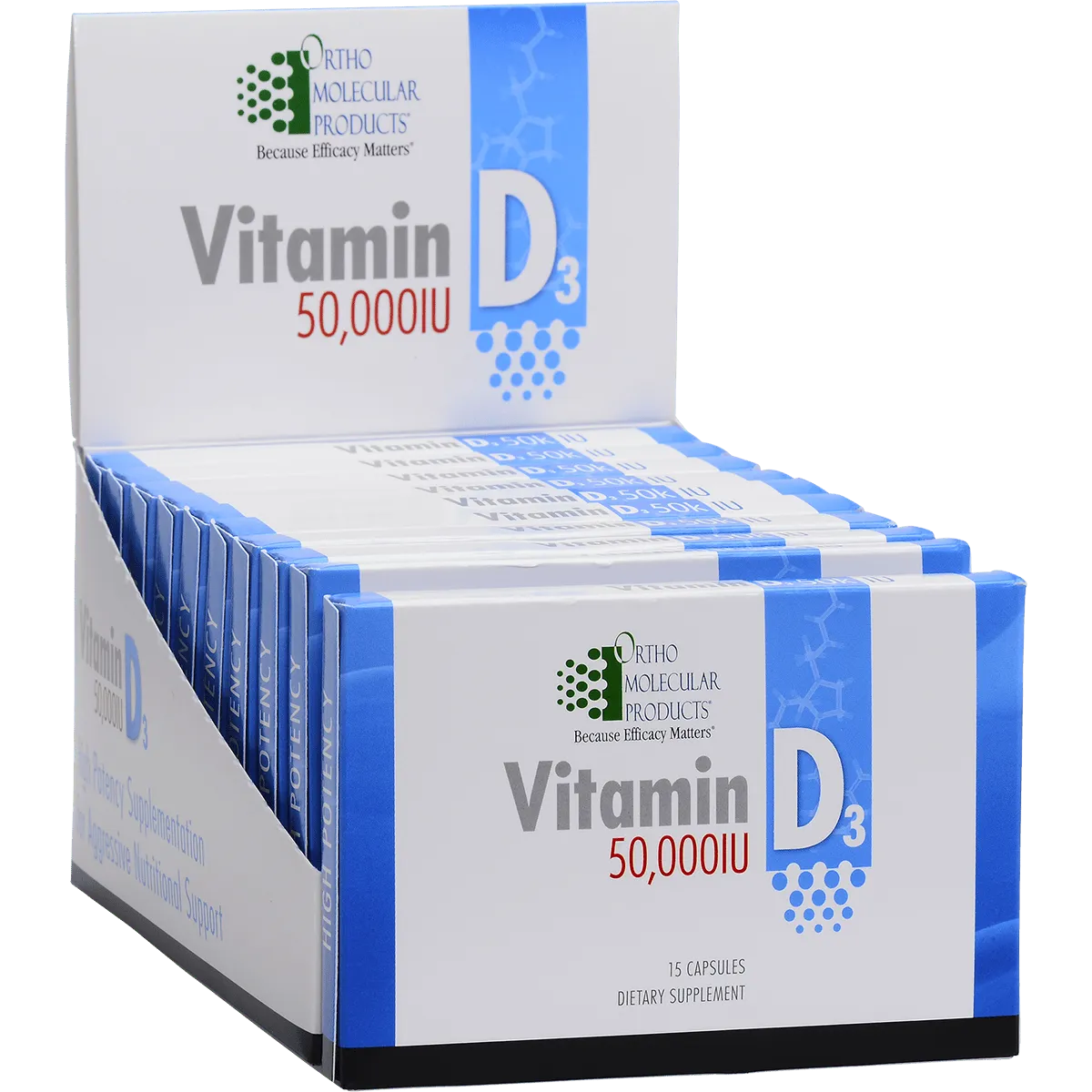
Because of this adipose sink effect, patients with higher body fat percentages often require significantly higher doses of Vitamin D to achieve the same serum blood levels as those with lower body fat. The standard daily doses found in over-the-counter multivitamins are frequently insufficient to overcome this sequestration. This is where a high-dose formulation like Vitamin D3 50,000 IU becomes clinically relevant, as it provides a substantial enough bolus to saturate the fat stores and allow the excess to remain in circulation. Understanding this pharmacokinetic reality is essential for patients who feel frustrated that their standard, low-dose supplements are failing to move the needle on their lab results.
Furthermore, chronic inflammation itself alters how the body metabolizes Vitamin D. Inflammatory cytokines can upregulate the expression of the CYP24A1 enzyme, which is responsible for degrading active calcitriol into inactive metabolites. This means that even if a patient has adequate circulating calcidiol, their inflamed body may be prematurely breaking down the active hormone before it can exert its protective effects. This metabolic dysfunction highlights why managing Long COVID and ME/CFS requires a comprehensive approach that addresses both the nutritional deficiency and the underlying inflammatory drivers simultaneously.
For patients living with dysautonomia and Postural Orthostatic Tachycardia Syndrome (POTS), the relationship with Vitamin D is particularly complex and fascinating. Dysautonomia is characterized by the dysfunction of the autonomic nervous system, leading to symptoms like rapid heartbeat, dizziness, and blood pooling upon standing. Recent clinical research has uncovered a unique anomaly in some POTS patients regarding how they process Vitamin D. While standard blood tests measuring 25-hydroxyvitamin D (calcidiol) may appear perfectly normal, some of these patients exhibit a severe deficiency in the active hormone form, 1,25-dihydroxyvitamin D3 (calcitriol).
This phenomenon, often referred to as a "1-alpha hydroxylation defect," indicates that the kidneys or local tissues are failing to convert the inactive vitamin into its active, neuro-protective form. A documented case study in BMJ Case Reports highlighted a POTS patient with normal standard Vitamin D levels but severely low calcitriol. When treated with the active hormone, her severe orthostatic tachycardia went into complete remission. This suggests that for some dysautonomia patients, the autonomic misfiring is directly linked to a localized lack of active Vitamin D at the cellular level, which is required for proper nerve signaling and cardiovascular regulation.
Active Vitamin D plays a crucial role in regulating the enzymes that produce catecholamines, such as the conversion of norepinephrine to epinephrine. When this process is disrupted by a lack of calcitriol, norepinephrine levels can remain inappropriately high, driving the exaggerated sympathetic "fight or flight" response and rapid heart rate seen in POTS. For patients asking how does a doctor diagnose Long COVID and its associated dysautonomia, understanding that standard lab tests might miss this deeper metabolic defect is empowering information that can guide more nuanced conversations with specialists.
One of the most profound, yet under-discussed, benefits of Vitamin D3 supplementation in the context of chronic illness is its role as a potent mast cell stabilizer. Mast Cell Activation Syndrome (MCAS) is a frequent comorbidity of Long COVID and ME/CFS, characterized by hypersensitive mast cells that inappropriately degranulate, releasing a flood of histamine and inflammatory mediators into the body. This cascade triggers systemic symptoms ranging from severe brain fog and gastrointestinal distress to hives and sudden drops in blood pressure. Vitamin D directly intervenes in this chaotic process because mast cells are heavily populated with Vitamin D Receptors (VDRs).
When active Vitamin D binds to these receptors on the mast cell surface, it triggers a cascade of intracellular events that actively suppress IgE-dependent degranulation. At a molecular level, research demonstrates that Vitamin D blocks the activation of specific non-receptor tyrosine kinases, such as Lyn and Syk, which are the very enzymes responsible for initiating the release of histamine. By inhibiting these kinases, Vitamin D essentially acts as a biochemical lock, keeping the mast cell stable and preventing the inappropriate release of inflammatory chemicals, even in the presence of known triggers.
Furthermore, Vitamin D actively downregulates the genetic expression of pro-inflammatory cytokines within the mast cell itself. It destabilizes the mRNA required to produce inflammatory mediators like IL-6 and TNF-alpha, while simultaneously promoting the release of anti-inflammatory cytokines like IL-10. In a Vitamin D-deficient environment, mast cells become so hyperactive that they can degranulate spontaneously, without any allergen present. By restoring adequate Vitamin D levels with a high-dose weekly formulation, patients can provide their immune system with the necessary signaling molecules to calm this hyper-reactivity, significantly reducing the systemic histamine burden that drives so many debilitating symptoms.
Beyond its immune-modulating capabilities, Vitamin D3 plays a critical role in supporting the autonomic nervous system and cardiovascular health, making it highly relevant for patients managing POTS and dysautonomia. The autonomic nervous system relies on precise mineral balances—specifically calcium and magnesium—to conduct nerve impulses and regulate the contraction of smooth muscle tissue in the blood vessels. Vitamin D is the primary hormone responsible for ensuring the gastrointestinal absorption of these vital minerals. Without adequate Vitamin D, the body cannot maintain the calcium gradients required for proper vascular constriction, leading to the blood pooling in the lower extremities that triggers POTS episodes.
Moreover, Vitamin D acts as a central neuroactive substance that helps modulate the delicate balance between the sympathetic (fight or flight) and parasympathetic (rest and digest) branches of the autonomic nervous system. Low levels of active Vitamin D have been clinically associated with the suppression of resting cardiac parasympathetic activity, meaning the heart loses its ability to calm down and regulate its rhythm effectively. By replenishing Vitamin D stores, supplementation helps restore this autonomic tone, improving baroreflex sensitivity—the mechanism by which the body adjusts heart rate in response to changes in blood pressure upon standing.
Clinical observations have shown that correcting Vitamin D deficiencies in patients with orthostatic intolerance can lead to measurable improvements in their ability to remain upright without experiencing severe tachycardia or presyncope. While it is not a standalone cure, providing the nervous system with the foundational pro-hormone it requires to regulate neurotransmitter synthesis and vascular tone is a critical component of a comprehensive dysautonomia management plan. This systemic support helps explain why addressing nutritional deficiencies is often a primary focus when exploring whether Long COVID can trigger ME/CFS and its overlapping autonomic dysfunctions.
The profound, crushing fatigue experienced by patients with Long COVID and ME/CFS is not merely a sensation of being tired; it is a fundamental failure of cellular energy production, often rooted in mitochondrial dysfunction. Mitochondria are the powerhouses of our cells, responsible for generating adenosine triphosphate (ATP), the energy currency of the body. Vitamin D plays a surprising and vital role in maintaining mitochondrial health and efficiency. The Vitamin D Receptor (VDR) is present within the mitochondria themselves, and active calcitriol is required to regulate the expression of mitochondrial genes involved in the electron transport chain and oxidative phosphorylation.
When Vitamin D levels are deficient, mitochondrial respiration is impaired, leading to a decrease in ATP production and an increase in the generation of damaging reactive oxygen species (ROS). This cellular energy deficit manifests clinically as severe muscle weakness, heavy limbs, and the hallmark symptom of post-exertional malaise (PEM), where even minor physical or cognitive exertion leads to a disproportionate and prolonged crash. By providing a high-dose weekly boost of Vitamin D3, patients can support the restoration of mitochondrial respiratory function, enhancing the efficiency of ATP production and reducing the oxidative stress that damages muscle tissue.
Furthermore, Vitamin D is essential for maintaining musculoskeletal strength and integrity. It regulates the absorption of calcium and phosphate from the gastrointestinal tract, which are critical minerals for bone density and muscle contraction. In chronic illness, where patients may be bedbound or highly inactive due to severe fatigue, the risk of bone demineralization and muscle atrophy is significantly elevated. Supplementing with a robust dose of Vitamin D3 helps protect against this physical decline, ensuring that the muscles have the necessary intracellular calcium to function optimally, thereby supporting overall physical resilience and mobility during the long journey of recovery.
While Vitamin D3 is not a cure-all, optimizing levels through targeted supplementation can help manage and alleviate several specific symptoms associated with complex chronic illnesses. Here is how it targets key issues:
Profound Fatigue and PEM: By supporting mitochondrial function and ATP production at the cellular level, Vitamin D helps improve baseline energy and may reduce the severity of post-exertional malaise (PEM) crashes following minor exertion.
Brain Fog and Cognitive Dysfunction: Vitamin D reduces neuroinflammation by suppressing pro-inflammatory cytokines that cross the blood-brain barrier, helping to clear the cognitive clouding and memory issues common in Long COVID.
Orthostatic Tachycardia (Rapid Heart Rate): By supporting autonomic nervous system balance and regulating the enzymes involved in catecholamine production, Vitamin D can help stabilize the exaggerated heart rate responses seen in POTS.
Muscle Weakness and Heavy Limbs: Vitamin D regulates intracellular calcium levels required for proper muscle contraction, helping to alleviate the sensation of physical heaviness and profound muscle weakness.
Allergic-Type Reactions and Hives: As a potent mast cell stabilizer, Vitamin D suppresses the inappropriate release of histamine and other inflammatory mediators, reducing the frequency of MCAS-driven systemic reactions.
Bone and Joint Pain: By ensuring adequate absorption of calcium and phosphate, Vitamin D maintains bone density and reduces the deep, aching musculoskeletal pain frequently reported by patients with ME/CFS.
Immune Hyper-reactivity: By promoting the development of Regulatory T cells (Tregs), Vitamin D helps induce immune tolerance, calming the autoimmune-like responses and chronic inflammation that drive systemic symptoms.
Sleep Disturbances: Vitamin D receptors are present in the brain regions that regulate the sleep-wake cycle; correcting deficiencies can help support more restorative, regulated sleep patterns.
When dealing with severe Vitamin D deficiency, standard over-the-counter daily doses (such as 1,000 to 2,000 IU) are often woefully inadequate for achieving rapid clinical correction, especially in patients with chronic inflammation or malabsorption issues. This is where the specific pharmacokinetics of a 50,000 IU weekly dosing regimen become highly valuable. Vitamin D3 (cholecalciferol) has a long biological half-life of approximately 15 to 20 days in the bloodstream. Because the 7-day dosing interval of a weekly capsule is significantly shorter than this half-life, the vitamin safely and steadily accumulates in the system without causing drastic, dangerous spikes in blood serum levels.
Clinical pharmacokinetic studies have demonstrated that administering 50,000 IU weekly is an incredibly effective "loading dose" strategy. In trials comparing daily versus weekly high-dose regimens, the weekly 50,000 IU dose successfully raised mean 25(OH)D plasma levels from severely deficient baselines to optimal therapeutic ranges (above 30-40 ng/mL) within 8 to 12 weeks. Crucially, this weekly administration provides excellent systemic exposure while avoiding the extreme metabolic spikes associated with massive, single-bolus doses (e.g., 300,000 IU at once), which can actually trigger the body to prematurely degrade the vitamin.
It is important to emphasize that Vitamin D3 50,000 IU is designed as a targeted, short-term correction tool, not a permanent daily supplement. The suggested use of one capsule per week provides a substantial boost to saturate depleted fat stores and rapidly raise circulating levels. Once optimal blood levels are achieved—typically confirmed via a follow-up blood test after 6 to 8 weeks of use—patients generally transition to a lower, daily maintenance dose to sustain their progress. Always consult your healthcare provider to determine the exact duration of your high-dose loading phase based on your specific lab results.
Because Vitamin D is a fat-soluble pro-hormone, its bioavailability and absorption are heavily dependent on how it is consumed. If taken on an empty stomach, a significant portion of the 50,000 IU dose may pass through the gastrointestinal tract unabsorbed, wasting the therapeutic potential of the supplement. To maximize absorption, it is absolutely critical to take your weekly capsule alongside a meal that contains a substantial amount of healthy dietary fats. The presence of fat in the digestive tract stimulates the release of bile acids, which incorporate the Vitamin D into microscopic droplets called micelles, allowing it to be efficiently absorbed by the intestinal lining.
Furthermore, the specific form of the vitamin matters immensely. The ortho molecular formulation utilizes Vitamin D3 (Cholecalciferol) rather than Vitamin D2 (Ergocalciferol). Extensive research has proven that Vitamin D3 is approximately 87% more potent than D2 in raising and maintaining serum 25(OH)D concentrations. Vitamin D3 is the exact molecular form naturally synthesized by human skin when exposed to sunlight, making it far more biologically active and readily utilized by the body's cellular receptors. When choosing a high-dose supplement, ensuring it is the D3 form is non-negotiable for clinical efficacy.
For patients with MCAS or severe gastrointestinal dysmotility (common in dysautonomia), absorption can still be a challenge even with dietary fat. In these cases, it is important to monitor symptoms and lab work closely. If oral supplementation fails to raise blood levels after a dedicated 8-week trial, it may indicate severe malabsorption or an underlying gut pathology that requires further medical investigation. However, for the vast majority of patients, taking the D3 capsule once a week with a robust, fat-containing meal (such as avocados, olive oil, or fatty fish) is sufficient to ensure excellent bioavailability.
While Vitamin D3 is generally highly safe and well-tolerated, high-dose supplementation requires respect and clinical awareness. The primary risk associated with excessive Vitamin D intake is hypercalcemia—a condition where calcium levels in the blood become dangerously high, potentially leading to kidney stones, vascular calcification, and cardiac arrhythmias. However, true Vitamin D toxicity is rare and typically only occurs when patients consume massive daily doses (exceeding 40,000 to 100,000 IU every single day) for several months. A weekly dose of 50,000 IU equates to roughly 7,142 IU per day, which is well within the safe upper limits for short-term clinical correction.
To further mitigate risks and optimize the biological action of Vitamin D, it is highly recommended to consider synergistic co-factors, specifically Vitamin K2 and Magnesium. Vitamin D's job is to pull calcium from the diet into the bloodstream; Vitamin K2's job is to direct that calcium away from the soft tissues and arteries, and deposit it safely into the bones and teeth. Supplementing high-dose D3 without adequate K2 can theoretically increase the risk of arterial calcification over time. Similarly, magnesium is a required co-factor for the enzymatic conversion of inactive Vitamin D into its active, hormone form. If you are severely magnesium deficient, your body cannot properly utilize the Vitamin D you are taking.
Patients should always have their baseline 25-hydroxyvitamin D levels tested before initiating a 50,000 IU weekly regimen, and should re-test after 8 to 12 weeks to monitor progress and prevent over-accumulation. Individuals with pre-existing hypercalcemia, hyperparathyroidism, or certain granulomatous diseases (like sarcoidosis, which can cause the body to over-produce active calcitriol) should avoid high-dose Vitamin D unless strictly supervised by a specialist. Partnering with a knowledgeable provider ensures that your supplementation is both safe and tailored to your unique biochemical needs.
The potential of Vitamin D to treat the debilitating symptoms of Long COVID, particularly profound fatigue, has moved from theoretical observation to rigorous clinical testing. In July 2024, a pivotal double-blind, randomized, placebo-controlled trial published by Charoenporn et al. investigated the effects of high-dose Vitamin D supplementation on Long COVID patients. The study involved 80 patients suffering from post-COVID fatigue and neuropsychiatric symptoms. The treatment group received a high dose of 60,000 IU of Vitamin D weekly for 8 weeks, while the control group received a placebo.
The results were highly encouraging. The group receiving the weekly high-dose Vitamin D demonstrated statistically significant improvements in their overall fatigue scores (measured by the Chalder Fatigue Questionnaire), as well as noticeable reductions in anxiety and improvements in cognitive function compared to the placebo group. This trial provided concrete, gold-standard evidence that rapidly correcting Vitamin D deficiency with a high-dose weekly regimen can directly alleviate some of the most stubborn and life-altering symptoms of Long COVID.
Further supporting this, data from a late 2024/early 2025 open-label multicenter trial investigating Vitamin D in patients who developed ME/CFS features post-COVID showed remarkable outcomes. Patients with baseline insufficiency who received active Vitamin D therapy alongside comprehensive management guidance saw massive symptom reductions. Strikingly, at the 12-week mark, a significant portion of the intervention group no longer met the diagnostic criteria for ME/CFS, highlighting the profound impact that restoring this genetic master regulator can have on systemic recovery.
Before the recent RCTs, large-scale observational studies established the foundational link between Vitamin D status and chronic illness severity. A 2023 prospective cohort study published in the European Journal of Cardiovascular Medicine followed 350 adult patients for six months post-COVID. The researchers found that patients who were Vitamin D deficient at baseline had a 2.15x higher likelihood of experiencing persistent, severe fatigue compared to those with sufficient levels. This robust observational data underscores that Vitamin D is not just a bystander in chronic illness, but a critical factor in determining long-term symptom severity.
In the realm of dysautonomia, research into Vitamin D's role in Postural Orthostatic Tachycardia Syndrome (POTS) is evolving rapidly. While studies debate whether POTS patients have a higher overall rate of standard deficiency compared to the general public, the clinical focus has shifted to how these patients utilize the vitamin. Small, targeted studies have shown that administering Vitamin D to deficient teenagers with orthostatic intolerance resulted in a ~15-minute increase in the time they could tolerate a head-up tilt test, alongside improved baroreflex sensitivity and heart rate variability.
The discovery of the "calcitriol anomaly"—where POTS patients possess normal inactive Vitamin D but severely low active hormone levels—has opened new avenues for targeted treatment. This research validates the experiences of many dysautonomia patients who feel that standard medical tests are missing the root cause of their autonomic misfiring, and emphasizes the need for comprehensive, functional hormone evaluations in complex chronic cases.
The scientific literature robustly supports Vitamin D's role as a potent mast cell stabilizer, providing a clear mechanistic rationale for its use in managing Mast Cell Activation Syndrome (MCAS). Cellular models and research studies have consistently demonstrated that Vitamin D3 suppresses IgE-dependent mast cell activation. By binding to the VDRs on the mast cell surface, Vitamin D significantly curtails the degranulation process, halting the release of histamine and pro-inflammatory cytokines at the source.
Furthermore, studies involving sensitized animal models have shown that those receiving a Vitamin D-supplemented diet exhibit notably decreased levels of serum histamine after being exposed to a known antigen, compared to subjects with lower Vitamin D levels. This in-vivo evidence confirms that adequate Vitamin D is essential for maintaining a calm, regulated immune response and preventing the hypersensitive allergic cascades that plague MCAS patients.
Collectively, this body of research paints a clear picture: Vitamin D is a foundational immunomodulator. Whether it is suppressing the Th1/Th17 inflammatory pathways in Long COVID, restoring autonomic tone in POTS, or stabilizing hyperactive mast cells, correcting deficiencies with a high-dose weekly formulation is a science-backed strategy for addressing the complex, overlapping mechanisms of chronic invisible illnesses.
Living with Long COVID, ME/CFS, dysautonomia, or MCAS is a daily exercise in resilience. The profound fatigue, unpredictable autonomic swings, and systemic inflammation can make recovery feel like an insurmountable mountain. It is important to validate that these conditions are incredibly complex, and there is no single "magic pill" that will instantly resolve all symptoms. However, understanding the deep, systemic role of foundational pro-hormones like Vitamin D provides a tangible, science-backed avenue for regaining control over your cellular health.
Vitamin D3 50,000 IU is not just a simple vitamin supplement; it is a targeted clinical tool designed to rapidly correct deficiencies and restore the genetic instructions your immune system desperately needs to function properly. By stabilizing mast cells, supporting mitochondrial energy production, and calming the relentless cytokine storms, high-dose weekly Vitamin D supplementation serves as a critical, foundational piece of a comprehensive management strategy. When combined with careful symptom tracking, pacing, and holistic care, it can help shift your body from a state of chronic alarm back toward a state of balance and healing.
Because Vitamin D3 50,000 IU is a high-dose formulation intended for short-term correction rather than long-term daily use, it is essential to partner closely with your healthcare provider. Before starting, request a comprehensive blood panel to check your baseline 25-hydroxyvitamin D levels, and discuss whether testing your active 1,25-dihydroxyvitamin D (calcitriol) levels might be appropriate given your specific autonomic symptoms. Your provider can help you determine the optimal duration for your weekly loading dose and guide your transition to a safe, daily maintenance dose once your levels are optimized.
If you are ready to address foundational nutritional deficiencies and support your immune and autonomic systems, discuss this high-dose formulation with your care team. Taking proactive steps to restore your cellular health is a powerful way to advocate for your recovery and improve your daily quality of life.