Can Curcumin Support Brain Fog and Inflammation in Long COVID and ME/CFS?
March 5, 2026
CurcuminLong COVIDME/CFS
Share:
Disclaimer: The information provided here is for educational purposes only and is not intended as medical advice. It should not be used to diagnose, treat, cure, or prevent any medical condition. Instead, use it as a starting point for discussion with your healthcare provider. Always consult with a qualified healthcare provider before starting any new medication, supplement, device, or making changes to your health regimen.
Months or even years after recovering from an initial viral infection, many people still fight debilitating, unpredictable symptoms with what we call Long COVID or myalgic encephalomyelitis/chronic fatigue syndrome (ME/CFS). If you are living with these complex chronic conditions, you are likely intimately familiar with the profound exhaustion, the heavy cognitive impairment often referred to as "brain fog," and the persistent joint pain that can make simply getting through the day feel like an insurmountable mountain. It is a deeply frustrating reality when standard medical tests return "normal," yet your body feels entirely different than it once did. But what is driving these lingering symptoms at a microscopic level? Emerging research points heavily toward a state of persistent, systemic inflammation and severe oxidative stress that disrupts how your cells produce energy and communicate.
In the search for validating, science-backed management strategies, one natural compound has garnered significant attention from the medical research community: Curcumin. Long celebrated in traditional medicine, modern clinical trials are now uncovering exactly how this powerful polyphenol interacts with our most fundamental biological pathways. By targeting the root molecular drivers of inflammation and cellular dysfunction, specialized formulations like Curcumin C3 Complex® are showing promise in helping patients manage the neuroinflammation, musculoskeletal discomfort, and systemic fatigue associated with post-viral syndromes and dysautonomia. In this comprehensive guide, we will explore the intricate biochemistry of curcumin, how it combats the vicious cycles of chronic illness, and what the latest clinical evidence says about its role in your recovery toolkit.
What is Curcumin?
The Golden Spice and Its Bioactive Core
Curcumin is the primary bioactive polyphenol found in the rhizome of turmeric (Curcuma longa), a plant belonging to the ginger family. While turmeric has been utilized for centuries in Ayurvedic and traditional Chinese medicine for its healing properties, modern pharmacological science has isolated curcumin as the specific molecular engine driving these benefits. Polyphenols are a category of plant compounds that naturally defend against environmental stressors, and when consumed by humans, they interact with our cellular signaling pathways to exert profound physiological effects. However, raw turmeric root contains only about 2% to 5% curcumin by weight, which is why clinical research relies on highly concentrated, standardized extracts to achieve therapeutic outcomes.
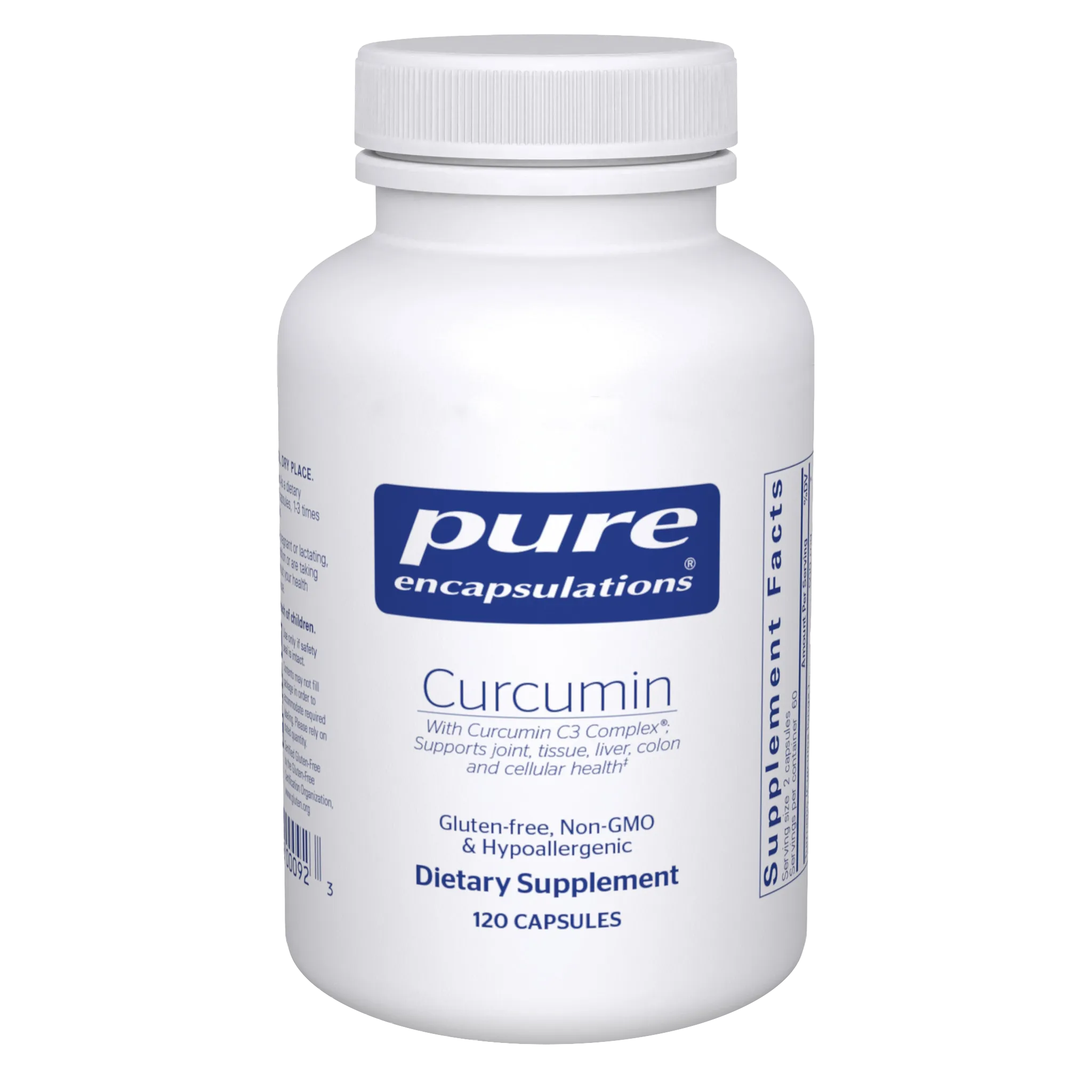
The most extensively researched formulation of this compound is Curcumin C3 Complex®, a patented extract standardized to contain 95% curcuminoids. This specific complex does not just isolate a single molecule; it preserves the natural ratio of three critical curcuminoids: curcumin, desmethoxycurcumin, and bisdesmethoxycurcumin. Research indicates that these three compounds work synergistically, providing a more robust and stable biological response than isolated curcumin alone. By utilizing a standardized complex, researchers and clinicians can ensure a consistent, potent dose that reliably interacts with the body's intricate biochemical networks to support joint, tissue, liver, and cellular health.
The Molecular Machinery: NF-κB and Inflammation
To understand how curcumin supports the body, we must look at its primary mechanism of action: the modulation of the Nuclear factor-kappa B (NF-κB) signaling pathway. NF-κB is a critical protein complex that acts as the "master regulator" or command center of the body's inflammatory response. In a healthy, resting cell, NF-κB is kept inactive in the cellular fluid (cytoplasm) by binding to an inhibitor protein called IκB. When a cell is exposed to stress, viruses, or toxins, an enzyme called IκB kinase (IKK) destroys this inhibitor, allowing NF-κB to travel into the cell nucleus and trigger the massive production of inflammatory chemicals.
Curcumin acts as a powerful molecular brake on this entire process. According to recent molecular studies, curcumin effectively suppresses the NF-κB pathway by inhibiting the activation of the IKK enzyme. Because the inhibitor protein is never destroyed, the NF-κB complex remains trapped in the cytoplasm and cannot enter the nucleus. By preventing this nuclear translocation, curcumin effectively shuts down the genetic transcription of a vast array of pro-inflammatory cytokines, including Tumor Necrosis Factor-alpha (TNF-α), Interleukin-1 beta (IL-1β), and Interleukin-6 (IL-6). This mechanism is fundamental to how curcumin helps calm the systemic, runaway inflammation often seen in complex chronic illnesses.
The Antioxidant Command Center: The Nrf2 Pathway
Beyond its direct anti-inflammatory actions, curcumin is a formidable defender against oxidative stress, a state where highly reactive molecules called free radicals outnumber the body's natural antioxidant defenses. These free radicals, or reactive oxygen species (ROS), cause severe damage to cellular membranes, proteins, and DNA—a process known as lipid peroxidation. Chemically, curcumin is structured in a way that allows it to act as a direct scavenger of these free radicals. It physically neutralizes reactive oxygen and nitrogen species, halting the chain reaction of cellular damage before it can compromise tissue integrity.
However, curcumin's most profound antioxidant effect is indirect, achieved through the activation of the Keap1-Nrf2/ARE signaling pathway. Nrf2 is a transcription factor that controls the body's endogenous (internal) antioxidant production. Research demonstrates that curcumin breaks the bond between Nrf2 and its inhibitor, allowing Nrf2 to enter the nucleus and bind to Antioxidant Response Elements (ARE). This dramatically upregulates the body's production of its own master antioxidant enzymes, such as Superoxide Dismutase (SOD), Catalase, and Heme Oxygenase-1 (HO-1). By boosting these internal defenses, curcumin provides long-lasting, sustainable protection against the oxidative damage that drives chronic fatigue and cellular aging.
How Chronic Illness Impacts the Body's Systems
The Cytokine Storm and Persistent Immune Activation
In healthy individuals, the immune system mounts a temporary, highly coordinated inflammatory response to clear an infection and then gracefully returns to a baseline state of rest. However, in conditions like Long COVID, ME/CFS, and mast cell activation syndrome (MCAS), this "off switch" fails. The body becomes trapped in a state of persistent immune hyperactivation. Viral remnants, latent viral reactivations, or dysregulated immune cells continue to trigger the NF-κB pathway, resulting in a continuous, low-grade "cytokine storm." This relentless flood of inflammatory messengers keeps the body in a perpetual state of high alert, draining metabolic resources and causing widespread tissue distress.
This persistent inflammation creates a vicious cycle that exacerbates other chronic conditions. For instance, in MCAS, immune cells called mast cells become overly sensitive and inappropriately release cascades of histamine and other inflammatory mediators. The constant presence of circulating cytokines further destabilizes these mast cells, leading to unpredictable, systemic allergic-type reactions. This ongoing immune battle is a primary driver of the profound, debilitating exhaustion that patients experience, as the body redirects massive amounts of cellular energy away from daily functioning and toward an endless, unnecessary immune war.
Oxidative Stress and Mitochondrial Dysfunction
The relentless inflammation seen in post-viral syndromes has a catastrophic impact on the mitochondria, the microscopic powerhouses responsible for generating adenosine triphosphate (ATP), the energy currency of our cells. When cells are bathed in inflammatory cytokines, the mitochondria become damaged and inefficient. Instead of producing clean energy, these struggling mitochondria begin to leak massive amounts of reactive oxygen species (ROS), leading to severe intracellular oxidative stress. This mitochondrial dysfunction is a core physiological mechanism behind post-exertional malaise (PEM), where even minor physical or cognitive exertion leads to a disproportionate and debilitating crash in energy levels.
Furthermore, this oxidative stress heavily impacts the cardiovascular and autonomic nervous systems. The endothelial cells lining our blood vessels are highly sensitive to ROS damage. When these cells are compromised, it impairs blood flow and vascular tone, contributing directly to the symptoms of dysautonomia and Postural Orthostatic Tachycardia Syndrome (POTS). The inability to efficiently deliver oxygen-rich blood to the brain and muscles during upright posture further starves the tissues of the energy they desperately need, compounding the feelings of weakness, dizziness, and rapid heart rate.
Neuroinflammation and the Blood-Brain Barrier
Perhaps one of the most distressing impacts of chronic illness is the manifestation of cognitive dysfunction, commonly referred to as "brain fog." Clinical research on Long COVID and ME/CFS indicates that this is not a psychological symptom, but a physiological reality driven by neuroinflammation. Systemic inflammatory cytokines can cross or disrupt the blood-brain barrier (BBB), a highly selective membrane designed to protect the central nervous system. Once inside, these cytokines activate microglia, the resident immune cells of the brain.
When microglia become chronically activated, they release their own localized inflammatory chemicals, creating a state of focal neuroinflammation. This hostile environment disrupts neuronal communication, slows down neurotransmitter synthesis, and impairs the brain's ability to process information efficiently. Patients experience this as severe memory deficits, an inability to concentrate, word-finding difficulties, and a feeling of mental wading through molasses. To learn more about the specific mechanisms of cognitive impairment, you can read our detailed guide on What Is “Brain Fog” and Cognitive Dysfunction in Long COVID?.
Curcumin: Supporting Cellular Health and Inflammation Resolution
Modulating the Inflammatory Cascade (COX-2 and LOX)
Curcumin offers a multi-targeted approach to resolving the deep-seated inflammation that characterizes complex chronic illnesses. Beyond its master regulation of the NF-κB pathway, curcumin directly inhibits two crucial inflammatory enzymes: Cyclooxygenase-2 (COX-2) and 5-lipoxygenase (5-LOX). These enzymes are responsible for converting arachidonic acid (a fatty acid in cell membranes) into highly inflammatory prostaglandins and leukotrienes. Prostaglandins are the primary culprits behind joint pain, swelling, and fever, while leukotrienes drive allergic responses and tissue inflammation.
Standard non-steroidal anti-inflammatory drugs (NSAIDs) typically target only the COX enzymes, which can lead to severe gastrointestinal side effects and mucosal damage over time. Curcumin, however, acts as a dual-inhibitor. Studies highlight that by simultaneously downregulating both COX-2 and 5-LOX pathways, curcumin provides a broad-spectrum reduction in inflammatory mediators without the harsh stomach irritation associated with prolonged NSAID use. This makes it an incredibly valuable tool for managing the daily, persistent musculoskeletal pain and joint stiffness frequently reported by patients with Long COVID and ME/CFS.
Restoring Mitochondrial Function and Energy
By aggressively neutralizing reactive oxygen species and upregulating the Nrf2 antioxidant pathway, curcumin provides critical support to struggling mitochondria. The electron transport chain, the specific sequence of protein complexes within the mitochondria that generates ATP, is highly vulnerable to oxidative damage. When curcumin scavenges the free radicals bombarding these complexes, it acts like a protective shield, allowing the mitochondria to repair themselves and resume efficient energy production.
This restoration of mitochondrial integrity is essential for combating the crushing fatigue of post-viral syndromes. As the cellular oxidative burden decreases, the body can redirect its resources away from damage control and back toward generating the ATP required for physical movement and cognitive processing. Over time, supporting this fundamental cellular health may help raise a patient's energy baseline and reduce the severity and duration of post-exertional crashes. For additional strategies on supporting energy production, explore our insights on whether Free-Form Amino Acids Support Energy and Brain Fog in Long COVID and ME/CFS.
Supporting Liver Health and Detoxification
The liver is the body's primary filtration and detoxification engine, responsible for clearing out metabolic waste, environmental toxins, and the massive amounts of cellular debris generated by chronic inflammation. Curcumin plays a vital role in maintaining healthy hepatic function by supporting the liver's Phase II detoxification pathways. Specifically, it enhances the processes of glucuronidation and sulfation, where the liver attaches specific molecules to toxins to make them water-soluble and easily excretable from the body.
Furthermore, curcumin's potent antioxidant properties protect the delicate liver cells (hepatocytes) from the very toxins they are trying to process. Clinical trials evaluating liver health have demonstrated that curcumin supplementation can significantly reduce elevated liver enzymes (such as ALT and AST), which are key biomarkers of hepatic stress and inflammation. By ensuring the liver functions optimally, curcumin helps prevent the systemic buildup of inflammatory waste products that can further exacerbate fatigue and brain fog.
Macrophage Activity and Tissue Repair
Macrophages are a type of white blood cell that act as the body's cleanup crew, engulfing and digesting cellular debris, foreign substances, and damaged tissue. In a state of chronic illness, macrophages often become stuck in a pro-inflammatory "M1" phenotype, continuously releasing cytokines that damage surrounding healthy tissue. Curcumin has demonstrated the remarkable ability to help shift these macrophages from the aggressive M1 state to the anti-inflammatory, tissue-repairing "M2" phenotype.
This modulation of macrophage activity is crucial for promoting cellular health and maintaining healthy tissue throughout the body, including the brain, colon, and musculoskeletal system. By encouraging macrophages to stop attacking and start repairing, curcumin helps resolve lingering focal inflammation and supports the regeneration of tissues that have been damaged by months or years of immune hyperactivation. This mechanism is particularly relevant for addressing the widespread tissue pain and organ dysfunction seen in complex chronic conditions.
Symptoms Curcumin May Help Manage
Cognitive Dysfunction and Brain Fog
Curcumin's ability to cross the blood-brain barrier and modulate neuroinflammation makes it a targeted support for cognitive symptoms. By calming the brain's immune cells, it may help alleviate:
Memory Deficits: By reducing microglial activation and lowering the concentration of inflammatory cytokines in the hippocampus, curcumin supports the neuronal pathways responsible for memory formation and recall.
Poor Concentration and Focus: By protecting neuronal mitochondria from oxidative stress, curcumin helps ensure the brain has the steady supply of ATP required for sustained attention and complex problem-solving.
Mental Fatigue: By downregulating systemic inflammation, curcumin prevents the massive drain on metabolic resources, leaving more energy available for cognitive processing and reducing the feeling of mental exhaustion.
Joint Pain and Musculoskeletal Discomfort
The dual-inhibition of inflammatory enzymes makes curcumin highly relevant for the widespread physical pain associated with post-viral syndromes and autoimmune-like presentations. It targets:
Morning Stiffness: By directly inhibiting the COX-2 enzyme and reducing the production of prostaglandin E2, curcumin helps alleviate the severe joint stiffness that often makes waking up and moving difficult.
Joint Swelling and Inflammation: By suppressing the master NF-κB pathway, curcumin halts the downstream production of cytokines that cause fluid accumulation and heat in the joints.
Deep Muscle Aches (Myalgia): By shifting macrophages to a tissue-repairing phenotype, curcumin assists in clearing inflammatory debris from muscle tissues, reducing the persistent, deep-tissue aching common in ME/CFS.
Post-Exertional Malaise (PEM) and Systemic Fatigue
While not a cure for PEM, supporting mitochondrial health and reducing the baseline inflammatory burden can impact how the body handles exertion. Curcumin may assist with:
Crash Severity: By blunting the massive spike in pro-inflammatory cytokines that typically follows physical or cognitive exertion, curcumin may help reduce the depth and severity of a PEM crash.
Baseline Energy Levels: By defending the mitochondrial electron transport chain against reactive oxygen species, curcumin supports more efficient cellular respiration and ATP production, potentially raising the patient's daily energy baseline.
Recovery Time: By upregulating the Nrf2 pathway and boosting endogenous antioxidant enzymes, curcumin equips the body to clear exertion-induced oxidative stress more rapidly, potentially shortening the duration of post-exertional recovery.
Practical Considerations: Forms, Dosing, and Absorption
The Bioavailability Challenge
Despite its profound therapeutic potential, raw curcumin faces a massive pharmacological hurdle: extremely poor oral bioavailability. Curcumin is highly hydrophobic, meaning it does not dissolve well in water, which severely restricts its absorption through the aqueous environment of the gastrointestinal tract. Furthermore, once ingested, standard curcumin undergoes rapid biotransformation. The liver and intestines quickly metabolize it via glucuronidation and sulfation, converting it into pharmacologically inactive metabolites that are rapidly excreted from the body.
Because of this rapid systemic elimination, consuming raw turmeric powder or standard, unformulated curcumin supplements yields virtually undetectable trace amounts of the active compound in the bloodstream. Pharmacokinetic studies have shown that the half-life of raw curcumin is exceptionally short, meaning it simply does not stay in the body long enough to exert its anti-inflammatory or antioxidant effects on distant tissues like the brain or joints. This is why specialized delivery systems are absolutely critical for clinical efficacy.
Curcumin C3 Complex and BioPerine
To overcome this absorption barrier, pharmaceutical researchers developed Curcumin C3 Complex® and paired it with a bio-enhancer known as BioPerine® (a black pepper extract standardized to 95% piperine). Piperine acts as a powerful metabolic inhibitor. Specifically, it temporarily inhibits the hepatic and intestinal glucuronidation processes that normally destroy curcumin. By slowing down the body's natural breakdown mechanism, piperine allows the active curcuminoids to enter and remain in the systemic circulation.
A landmark clinical trial published in Planta Medica demonstrated that pairing Curcumin C3 Complex with BioPerine increased the relative bioavailability (serum concentration) of curcumin in humans by a staggering 2,000% (a 20-fold increase). This combination ensures that the therapeutic compounds actually reach the tissues where they are needed most. When selecting a curcumin supplement, verifying the presence of a standardized extract (like C3 Complex) and a bio-enhancer (like piperine or a liposomal matrix) is the most important factor in determining its potential effectiveness.
Dosing Strategies and Timing
For managing chronic inflammation and supporting cellular health, clinical trials typically utilize dosages ranging from 500 mg to 1,500 mg of enhanced-absorption curcumin daily. Because curcumin is fat-soluble, its absorption is significantly improved when taken alongside a meal that contains healthy fats, such as avocados, olive oil, or nuts. Taking it on an empty stomach may result in suboptimal absorption and potential mild gastrointestinal upset in sensitive individuals.
To maintain consistent blood levels of the active curcuminoids throughout the day, it is often recommended to split the dosage. For example, taking one 500 mg capsule in the morning and another in the evening can provide a steady stream of antioxidant and anti-inflammatory support, rather than a single massive spike. As always, the optimal dose depends on your specific symptom burden and should be determined in consultation with your healthcare provider.
Safety, Contraindications, and Interactions
Curcumin has an excellent safety profile and is generally well-tolerated, even at high doses used in clinical research. However, because it is a biologically active compound, there are important practical considerations. Curcumin possesses mild natural blood-thinning (anti-platelet) properties. Therefore, it should be used with caution and under medical supervision if you are currently taking prescription anticoagulants or antiplatelet medications (like warfarin or clopidogrel), as it may increase the risk of bruising or bleeding.
Additionally, high doses of curcumin can stimulate gallbladder contractions. While this is beneficial for healthy digestion, individuals with gallstones or bile duct obstructions should avoid curcumin supplementation as it can trigger pain or complications. Finally, curcumin has been shown to bind to iron in the gut, potentially inhibiting its absorption. If you struggle with iron-deficiency anemia—a common issue in chronic illness—it is advisable to take curcumin supplements at least two hours apart from iron supplements or iron-rich meals.
Follow the Science
Clinical Evidence in ME/CFS and Fatigue
The scientific community is increasingly investigating curcumin's specific applications for post-viral fatigue and neuroimmune conditions. A notable open-label clinical trial (van Campen et al., 2018) evaluated the effects of curcumin supplementation specifically on patients diagnosed with ME/CFS. In this study, participants were administered 500 mg of an enhanced-absorption curcumin formulation twice daily for a duration of 8 weeks.
The outcomes were highly encouraging. After the 8-week period, researchers observed a statistically significant reduction in total CDC (Centers for Disease Control) fatigue scores, as well as significant improvements in specific ME/CFS symptom severity. The study concluded that curcumin’s potent anti-inflammatory and antioxidant properties successfully alleviated the core symptomatology of ME/CFS, providing clinical validation for its use in managing profound, disease-driven exhaustion.
Research on Cardiometabolic and Liver Health
Curcumin's benefits extend deeply into cardiometabolic and hepatic health, which are often compromised in patients dealing with long-term systemic inflammation. Randomized controlled trials focusing on metabolic syndrome have demonstrated that dosages of 1,000 mg of Curcumin C3 Complex combined with BioPerine significantly reduce high-sensitivity C-reactive protein (hs-CRP), a primary blood marker for systemic inflammation. Furthermore, these trials showed marked reductions in malondialdehyde (MDA), confirming curcumin's ability to lower systemic oxidative stress.
In the realm of liver health, a 2019 randomized controlled trial investigated the C3 Complex in patients with Non-Alcoholic Fatty Liver Disease (NAFLD). Evaluated via hepatic sonography, the treatment group showed a statistically significant reduction in disease severity and marked improvements in elevated liver enzymes (ALT, AST, and ALP) compared to the placebo group. This underscores curcumin's capacity to support the body's natural detoxification systems and maintain healthy hepatic function.
Emerging Data on Post-Viral Syndromes
The advent of the COVID-19 pandemic accelerated research into natural immunomodulators. Multiple clinical trials utilizing enhanced curcumin in acute COVID-19 patients have shown significant decreases in inflammatory biomarkers, resulting in faster resolution of acute symptoms and a reduction in the long-term hyper-inflammatory state that frequently transitions into Long COVID. Studies tracking blood clotting markers found that patients receiving curcumin maintained less severe D-dimer levels, indicating a protective effect on the vascular system.
Currently, ongoing pragmatic clinical trials, such as the Nasafytol® Long COVID Trial, are specifically tracking the real-world impact of combining bioactive curcumin with quercetin. These trials aim to provide robust data on how this synergistic anti-inflammatory approach improves the specific Long COVID symptom burden, with primary endpoints focusing on the reduction of persistent fatigue, brain fog, and joint pain. As the research evolves, curcumin continues to solidify its position as a biologically plausible, evidence-based intervention for post-viral recovery. To understand more about the intersection of these symptoms, read our article on Long COVID and Mental Health.
The Path Forward
Validating the Chronic Illness Experience
Living with Long COVID, ME/CFS, dysautonomia, or MCAS is a profound challenge that tests your physical, mental, and emotional endurance every single day. The invisible nature of these illnesses—where you look fine on the outside but feel completely broken on the inside—can be incredibly isolating. It is deeply validating to understand that your symptoms are not in your head; they are the result of measurable, physiological disruptions at the cellular level. The relentless brain fog, the heavy fatigue, and the joint pain are driven by real biochemical processes like neuroinflammation, oxidative stress, and mitochondrial dysfunction.
Understanding the "why" behind your symptoms is the first step toward reclaiming your quality of life. By identifying the specific molecular pathways that are misfiring—such as the overactive NF-κB pathway or the struggling Nrf2 antioxidant defenses—we can begin to target them with scientifically grounded interventions. You are not broken; your body is simply caught in a vicious cycle of immune hyperactivation, and it needs targeted support to find its way back to baseline.
A Comprehensive Management Strategy
While the clinical evidence supporting curcumin's ability to modulate inflammation and support cellular health is highly promising, it is important to remember that no single supplement is a magic cure for complex chronic conditions. Curcumin should be viewed as one powerful tool within a broader, comprehensive management strategy. True symptom management requires a multi-faceted approach that includes aggressive pacing to avoid post-exertional malaise, meticulous symptom tracking, dietary modifications to support gut health, and nervous system regulation techniques.
Furthermore, navigating the complexities of post-viral syndromes requires professional guidance. Always consult with a healthcare provider who is literate in complex chronic illnesses before adding new supplements to your regimen, especially to ensure there are no contraindications with your current medications or specific health history. Together with your medical team, you can build a personalized protocol that addresses your unique symptom presentation from multiple angles. For more targeted symptom management, you might also discuss whether Lifting Brain Fog with Guanfacine or exploring if Pyridostigmine is Right for You fits into your care plan.
Next Steps
The journey through chronic illness is rarely linear, but armed with an understanding of your own biology and access to high-quality, research-backed tools, you can actively support your body's healing processes. By targeting the root causes of inflammation and oxidative stress with highly bioavailable formulations like Curcumin C3 Complex, you are taking a proactive step toward protecting your cellular health, supporting your mitochondria, and managing the debilitating symptoms of brain fog and fatigue.