Sleep Hygiene for Chronic Illness: A Practical Science-Backed Approach
March 10, 2026
long-covidme-cfssleep-disturbance
Share:
Disclaimer: The information provided here is for educational purposes only and is not intended as medical advice. It should not be used to diagnose, treat, cure, or prevent any medical condition. Instead, use it as a starting point for discussion with your healthcare provider. Always consult with a qualified healthcare provider before starting any new medication, supplement, device, or making changes to your health regimen.
For individuals living with complex, energy-limiting conditions, the quest for restorative sleep can feel like an unwinnable battle. You are exhausted beyond measure, your body aches with a profound heaviness, and your cognitive function is clouded by severe brain fog. Yet, when you finally lie down in the dark, your heart races, your mind spins, and sleep remains entirely out of reach. This paradoxical state of being "tired but wired" is a hallmark experience for millions navigating Long COVID, Myalgic Encephalomyelitis/Chronic Fatigue Syndrome (ME/CFS), Postural Orthostatic Tachycardia Syndrome (POTS), Mast Cell Activation Syndrome (MCAS), and fibromyalgia.
If you have ever sought help for this debilitating insomnia, you have likely been handed a standard "sleep hygiene" checklist: avoid screens before bed, exercise daily to build sleep drive, and never nap during the day. For a healthy person with primary insomnia, these behavioral modifications can be highly effective. However, for someone with a neuroimmune or autonomic condition, this standard advice is not only woefully inadequate—it can be actively harmful. When your sleep disturbances are driven by neuroinflammation, autonomic hyperarousal, and cellular energy failure, you need a fundamentally different approach. This comprehensive guide explores the science behind sleep dysfunction in chronic illness and provides actionable, biologically grounded strategies to help you finally achieve the rest your body desperately needs.
TL;DR
Standard sleep hygiene can harm chronic illness patients; tailored approaches like energy pacing are essential.
Autonomic hyperarousal and neuroinflammation drive the "tired but wired" state in Long COVID and POTS.
Non-Sleep Deep Rest (NSDR) and strict environmental control help manage sensory overload and prevent crashes.
Targeted supplements like melatonin and magnesium may support sleep architecture and autonomic balance.
Why Sleep Hygiene Matters for Chronic Illness
The Crucial Role of Rest in Complex Conditions
In a healthy body, sleep is a dynamic, highly orchestrated biological process essential for cellular repair, memory consolidation, and immune system regulation. During the deep stages of non-rapid eye movement (NREM) sleep, the brain's glymphatic system activates, flushing out neurotoxic waste products that accumulate during waking hours. Simultaneously, the parasympathetic nervous system takes over, allowing the heart rate and blood pressure to drop, which provides the cardiovascular system with a much-needed period of recovery. For individuals living with chronic neuroimmune conditions, these restorative processes are fundamentally broken. Sleep is no longer a guaranteed period of recovery; instead, it often becomes a battleground of fragmented awakenings, night sweats, and unrefreshing rest.
The stakes for improving sleep in these populations are incredibly high. According to resources from the Bateman Horne Center, unrefreshing sleep is a mandatory diagnostic criterion for ME/CFS and a dominant symptom in Long COVID. When restorative sleep is chronically denied, the body remains trapped in a perpetual state of physiological stress. This lack of recovery exacerbates widespread pain, deepens cognitive impairment (brain fog), and radically lowers the threshold for symptom flares. Addressing sleep is not just about feeling less tired the next day; it is a foundational medical necessity for stabilizing the autonomic nervous system and reducing systemic inflammation.
Why Standard Advice Often Fails
Standard sleep hygiene protocols were developed for the general population, primarily targeting behavioral and environmental factors that disrupt sleep, such as poor scheduling, excessive caffeine, or late-night screen time. These protocols operate on the assumption that the patient possesses a healthy, resilient physiology that simply needs to be nudged back into a normal rhythm. However, occupational therapists and chronic illness specialists increasingly recognize that traditional sleep hygiene contains inherent ableism. It assumes a level of physical capacity and metabolic stability that patients with Long COVID, ME/CFS, and POTS simply do not possess.
For example, standard advice heavily promotes daytime aerobic exercise to build a "sleep drive" and ensure the body is physically tired by bedtime. For a patient with ME/CFS or Long COVID, attempting to exercise can trigger a catastrophic metabolic crash. Similarly, the strict prohibition against daytime napping fails to account for the severe cellular energy deficits characteristic of these illnesses. When standard advice is applied without modification, it often leads to frustration, patient-blaming, and a worsening of the underlying disease state.
The Intersection of Sleep and Post-Exertional Malaise (PEM)
To understand why chronic illness requires a unique approach to sleep, one must understand Post-Exertional Malaise (PEM). PEM is a defining feature of ME/CFS and is highly prevalent in Long COVID. It is characterized by a severe, delayed exacerbation of symptoms following even minor physical, cognitive, or emotional exertion. Unlike normal fatigue, a PEM crash involves a systemic failure of aerobic energy production at the cellular level, leading to intense muscle pain, flu-like symptoms, and profound neurological exhaustion.
When patients with PEM are subjected to standard sleep interventions that demand physical exertion or forced wakefulness, the interventions themselves become the trigger for a crash. It is widely understood that pushing through fatigue to adhere to a rigid sleep schedule violates the core management principle of these diseases: energy pacing. Therefore, any effective sleep hygiene strategy for this patient population must be meticulously adapted to protect the individual's limited energy envelope and prevent the onset of PEM.

The Science Behind Sleep Disturbances in Chronic Illness
Autonomic Hyperarousal and the "Tired but Wired" State
One of the most profound drivers of sleep dysfunction in conditions like POTS and Long COVID is dysautonomia—a malfunction of the autonomic nervous system (ANS). The ANS controls involuntary bodily functions, including heart rate, blood pressure, and digestion. In a healthy individual, the ANS seamlessly transitions from the sympathetic "fight-or-flight" state during the day to the parasympathetic "rest-and-digest" state at night. In POTS, this transition is severely impaired. The body is chronically locked in sympathetic overdrive, constantly pumping out adrenaline and norepinephrine to compensate for poor blood circulation and blood pooling in the lower extremities.
This continuous flood of stress hormones creates the agonizing "tired but wired" sensation. Even when the patient is physically exhausted and lying in bed, their nervous system is behaving as if they are actively running from a predator. This autonomic hyperarousal makes it nearly impossible for the brain to initiate the sleep sequence. Furthermore, organizations like PoTS UK provide support for postural tachycardia syndrome, a condition where sudden nocturnal adrenaline spikes can jolt patients awake with a racing heart, palpitations, and intense anxiety, completely shattering their sleep architecture. Understanding why your heart races when you stand up is crucial, as this same autonomic instability directly sabotages your ability to lie down and rest.
Histamine Surges and Night Sweats in MCAS and Fibromyalgia
For patients dealing with Mast Cell Activation Syndrome (MCAS) and fibromyalgia, sleep disturbances frequently manifest as severe night sweats, sudden temperature dysregulation, and widespread pain. Mast cells are immune cells that release inflammatory mediators, such as histamine, interleukins, and tryptase, in response to perceived threats. In MCAS, these cells become highly unstable and degranulate inappropriately. Crucially, mast cells follow a circadian rhythm, and their activity naturally fluctuates at night.
In patients with MCAS, aberrant "histamine dumps" often occur during the early hours of the morning (typically between 2:00 AM and 4:00 AM). Histamine is a potent wake-promoting neurotransmitter in the brain. When a massive release occurs during sleep, it triggers abrupt awakenings, intense flushing, tachycardia, and profound night sweats. Resources like The Fibro Guy provide evidence-based education for fibromyalgia, while experimental models have demonstrated a profound link between mast cell infiltration and the widespread pain seen in fibromyalgia. The inflammatory chemicals released by mast cells directly sensitize peripheral and central pain pathways, creating a vicious cycle where pain disrupts sleep, and poor sleep further lowers the pain threshold.
Circadian Rhythm Disruption and Neuroinflammation
The biological clock that governs our sleep-wake cycle is located in the brain's hypothalamus, specifically in the suprachiasmatic nucleus (SCN). Emerging research indicates that the viral persistence and systemic inflammation associated with Long COVID and ME/CFS can infiltrate the central nervous system, leading to profound neuroinflammation. This neuroinflammation directly impairs the function of the SCN, effectively breaking the body's internal clock and causing severe circadian rhythm disruption.
When the circadian rhythm is desynchronized, the body's hormonal timing is thrown into chaos. Cortisol, which should peak in the morning to provide energy, often peaks late at night, preventing sleep onset. Conversely, melatonin, the hormone responsible for signaling the brain to sleep, is suppressed. This neuroinflammatory state also alters the actual structure of sleep. Studies utilizing photoplethysmography (PPG) to track sleep architecture in Long COVID patients have found a significant reduction in restorative "deep sleep" and an increase in hyper-vigilant, unrefreshing "awake sleep" stages. This explains why patients can sleep for ten hours and still wake up feeling entirely unrefreshed and cognitively impaired.
How to Implement Chronic Illness-Adapted Sleep Hygiene: Step by Step
Aggressive Pacing and Daytime Rest Strategies (NSDR)
The most critical modification to standard sleep hygiene for chronic illness is the integration of aggressive daytime pacing. Standard advice strictly forbids napping to consolidate nighttime sleep. However, for patients with ME/CFS and Long COVID, denying the body rest leads to a severe metabolic crash and autonomic hyperarousal, which ironically causes worse insomnia at night. Instead of avoiding rest, patients must learn to practice structured, high-quality resting throughout the day to stay within their energy envelope.
One of the most effective tools for this is Non-Sleep Deep Rest (NSDR), which includes ancient practices like Yoga Nidra. NSDR involves lying completely still in a dark, quiet room and listening to a guided audio track that directs your attention through a systematic body scan. The goal is not to fall asleep, but to forcefully engage the parasympathetic nervous system, lower the heart rate, and drop the brain into restorative theta and delta wave states. Clinical trial protocols are currently investigating Yoga Nidra as a primary intervention for preventing PEM in post-viral syndromes. By taking 20- to 30-minute NSDR breaks before you feel exhausted, you can prevent the autonomic system from spiraling into the "tired but wired" state that ruins nighttime sleep.
Environmental Microclimate and Sensory Control
For patients with MCAS, dysautonomia, and fibromyalgia, the physical sleep environment must be meticulously controlled to prevent sensory overload and mast cell degranulation. Temperature regulation is paramount. Because autonomic dysfunction impairs the body's ability to regulate its own core temperature, the bedroom should be kept consistently cool—ideally between 60°F and 67°F (15°C to 19°C). This microclimate control helps mitigate the severity of nocturnal histamine dumps and night sweats.
Furthermore, the choice of bedding and sleepwear can significantly impact sleep quality. Patients with MCAS often experience dermatographia and skin sensitivities. Utilizing moisture-wicking, breathable natural fabrics like bamboo or pure cotton can prevent skin irritation and manage excessive sweating. Additionally, using a high-efficiency HEPA air purifier in the bedroom can remove microscopic environmental triggers—such as dust mites, mold spores, and pollen—that might stimulate mast cells and trigger an inflammatory response during the night.
Chronotherapy and Light Management
Because neuroinflammation disrupts the circadian rhythm, patients must actively manage their light exposure to manually regulate their cortisol and melatonin production. This practice, known as chronotherapy, requires strict adherence to light cues. Within 30 to 60 minutes of waking, it is vital to get direct, natural sunlight into your eyes. This morning light exposure clears residual melatonin, triggers a healthy morning cortisol spike, and "starts the timer" for your circadian rhythm, helping you feel naturally tired at night.
Conversely, artificial blue light from screens must be aggressively managed in the evening. Blue light tricks the damaged suprachiasmatic nucleus into believing it is still daytime, entirely halting the production of melatonin. Sleep experts recommend powering down all electronic devices at least 60 to 120 minutes before bedtime. If screen use is unavoidable, wearing specialized blue-light-blocking glasses and transitioning to warm, dim lighting (red or orange hues) in the evening can prevent melatonin suppression and signal the brain to transition into rest mode.
Targeted Supplementation: Melatonin, Magnesium, and 5-HTP
When behavioral and environmental modifications are insufficient, targeted supplementation can provide critical biochemical support. The synergy between Melatonin, Magnesium, and 5-HTP is particularly relevant for this patient population. Magnesium may act as a natural calcium-channel blocker, helping to calm the nervous system, relax muscles, and lower serum cortisol. Other literature suggests that magnesium deficiency may be widespread in post-viral states and correlates with sleep disorders. Exploring magnesium glycinate or magnesium citramate may help support autonomic balance.
5-Hydroxytryptophan (5-HTP) is a direct precursor to serotonin, which is the mandatory building block for melatonin. Viral persistence in Long COVID can block the absorption of tryptophan, starving the body of serotonin and melatonin. Supplementing with 5-HTP may help bypass this broken pathway, supporting central serotonin levels for mood and sleep architecture. Finally, high-dose melatonin is utilized not just to support sleep, but may also act as a neuroprotectant and antioxidant, and specific trials investigate melatonin's ability to help manage complex sleep disturbances and support brain health in Long COVID patients.
Common Mistakes and Pitfalls in Sleep Management
The Danger of Sleep Restriction Therapy (SRT)
One of the most dangerous mistakes a chronic illness patient can make is attempting Sleep Restriction Therapy (SRT). SRT is a core component of Cognitive Behavioral Therapy for Insomnia (CBT-I) and is widely considered the gold standard for primary insomnia. The therapy involves intentionally limiting a patient's time in bed to match their actual time asleep, inducing mild sleep deprivation to build "sleep pressure." For a healthy person, this forces the brain to consolidate sleep into a continuous block.
However, for individuals with ME/CFS and Long COVID, SRT is profoundly harmful. The deliberate sleep deprivation and forced wakefulness act as a massive metabolic stressor. Instead of building healthy sleep pressure, this exertion easily exceeds the patient's energy envelope, triggering a severe PEM crash. Sleep specialists generally exclude patients with chronic fatigue syndrome from SRT trials, noting that the condition can be severely exacerbated by sleep restriction. Attempting SRT can leave a patient bedbound and significantly worsen their baseline illness for weeks or months.
Forcing the "Bed is Only for Sleep" Rule
Another common pitfall is strict adherence to the stimulus control rule: "The bed is only for sleep and sex." Standard advice dictates that if you cannot fall asleep within 20 minutes, you must get out of bed, move to another room, and engage in a quiet activity until you feel sleepy. This is intended to break the psychological association between the bed and wakeful frustration.
For patients suffering from orthostatic intolerance and severe dysautonomia, this rule is disastrous. Forcing a patient with POTS to repeatedly stand up, walk to another room, and sit upright causes their heart rate to spike and triggers a flood of adrenaline and norepinephrine. This orthostatic stress completely shatters any chance of relaxation, ensuring they remain awake for hours. A safer modification is to remain in bed but switch to a low-stimulation, horizontal activity, such as listening to an audiobook, practicing gentle deep breathing, or engaging in a guided NSDR session.
Pushing Through Fatigue to Build "Sleep Drive"
A pervasive and toxic misconception in standard sleep hygiene is the idea that you must "push through" daytime exhaustion to ensure you are tired enough to sleep at night. This advice is rooted in the belief that daytime fatigue is merely a symptom of poor sleep habits that need to be corrected through sheer willpower and increased activity.
In the context of neuroimmune diseases, pushing through fatigue is the exact mechanism that causes disease progression. When a patient ignores their body's demand for rest and continues to exert themselves, they trigger widespread cellular inflammation, mitochondrial failure, and severe autonomic hyperarousal. This state of systemic distress guarantees that when nighttime finally arrives, the nervous system will be too agitated to initiate restorative sleep. True sleep hygiene for chronic illness requires honoring the body's signals and resting before total exhaustion sets in.
Tools, Apps, and Resources for Better Rest
Wearables for Autonomic Tracking
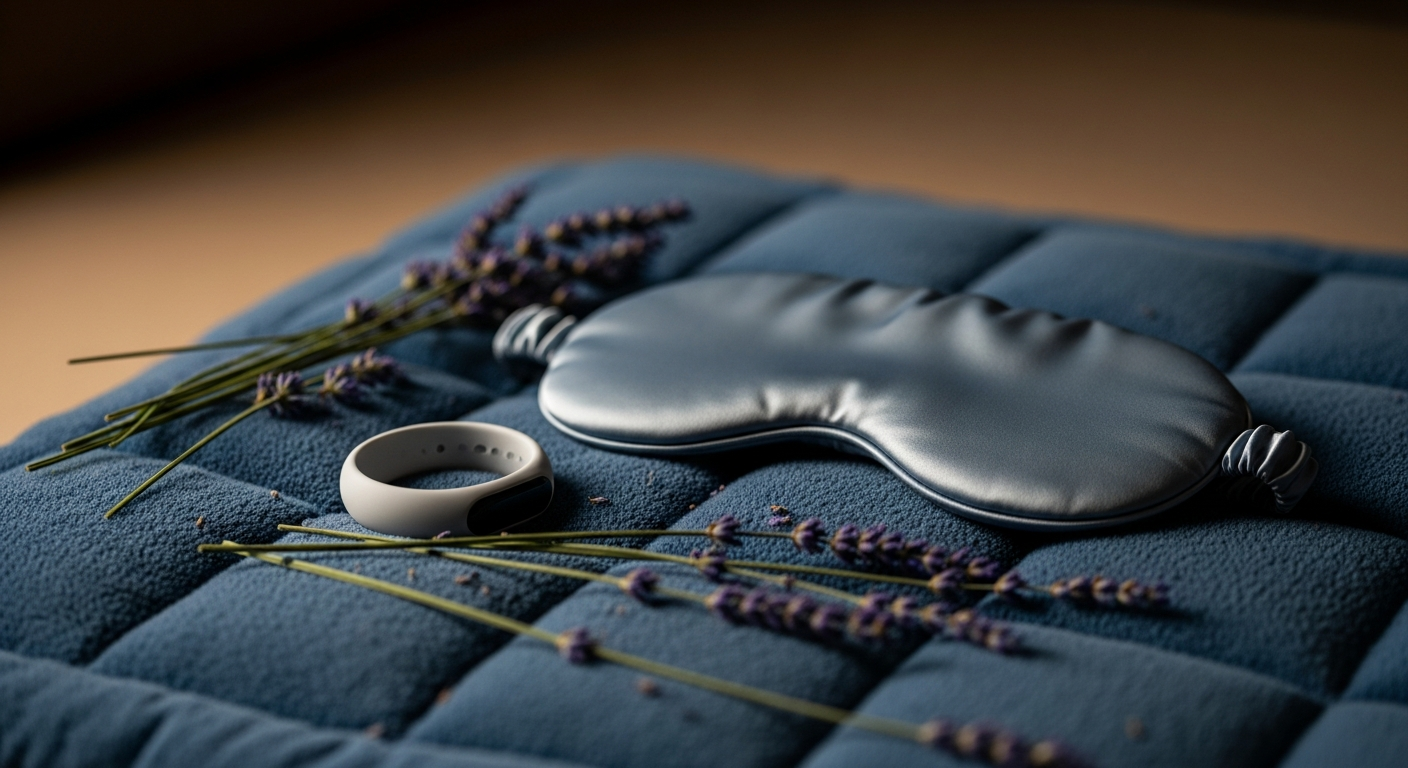
Managing sleep and pacing effectively requires objective data about your body's physiological state. Wearable technology has become an indispensable tool for chronic illness patients. Devices like the Garmin, Oura Ring, or Apple Watch provide continuous monitoring of Heart Rate Variability (HRV), resting heart rate, and sleep architecture. By tracking these metrics, patients can identify when their autonomic nervous system is slipping into sympathetic overdrive.
For example, a sudden drop in HRV or an elevated resting heart rate during the day is a clear indicator that the body is approaching its energy limit and is at risk of a PEM crash. Utilizing this data allows patients to preemptively engage in NSDR or horizontal rest, preventing the hyperaroused state that ruins nighttime sleep. Furthermore, tracking overnight heart rate can help identify nocturnal adrenaline spikes or histamine dumps, providing valuable information to share with your healthcare provider.
Apps for Non-Sleep Deep Rest (NSDR)
Integrating NSDR into your daily routine is made significantly easier with the use of specialized apps and audio guides. Platforms like Insight Timer, Calm, and YouTube offer thousands of free, guided Yoga Nidra and NSDR sessions. When selecting a track, it is crucial for chronic illness patients to look for "trauma-informed" or "voice-only" guides. Many standard meditation tracks include loud background music, chimes, or sudden volume changes that can trigger sensory overload or startle a hyper-vigilant nervous system.
Patients frequently find success with guides specifically tailored for chronic pain or fatigue. These tracks focus heavily on interoceptive awareness, gentle breath regulation, and progressive muscle relaxation without requiring intense cognitive focus. By making these audio guides a non-negotiable part of your daily pacing strategy, you can consistently lower cortisol levels and protect your energy envelope.
Environmental and Sensory Tools
Optimizing your sleep environment requires specific tools to manage light, temperature, and sensory input. High-quality, 100% blackout curtains are essential for preventing early morning light from prematurely halting melatonin production, especially during the summer months. For those who cannot install blackout curtains, a contoured, zero-pressure sleep mask can provide complete darkness without irritating the eyes or skin.
To manage the microclimate and combat night sweats, cooling mattress pads or specialized temperature-regulating sleep systems (like the Eight Sleep pod) can be transformative, though they represent a significant investment. On a more accessible level, utilizing moisture-wicking bamboo sheets and keeping a fan circulating air can help stabilize body temperature. Finally, for those sensitive to noise, continuous white noise machines or silicone earplugs can mask disruptive environmental sounds, preventing sudden awakenings caused by a hyper-reactive startle response.

What Research Shows About Sleep in Post-Viral Syndromes
Altered Sleep Architecture in Long COVID
The scientific understanding of sleep dysfunction in post-viral syndromes has advanced rapidly in recent years. Researchers are moving beyond subjective questionnaires to utilize objective, biometric data to map the exact nature of these sleep disturbances. A recent study utilizing photoplethysmography (PPG) wristbands tracked heart rate variability, oxygen saturation, and respiratory rates in Long COVID patients. The findings were striking: Long COVID fundamentally alters sleep architecture, regardless of the initial severity of the acute COVID-19 infection.
The data revealed that compared to healthy baselines, patients with Long COVID experienced a significantly reduced overall sleep time, a drastic reduction in restorative "deep sleep" (slow-wave sleep), and a marked increase in NREM Stage 1 "awake sleep." This hyper-vigilant, fragmented sleep state explains the profound unrefreshing nature of their rest. The brain is essentially trapped in a shallow, easily disrupted sleep phase, unable to perform the deep cellular repair and memory consolidation required for cognitive and physical recovery.
The Efficacy of Melatonin and Magnesium in Clinical Trials
Clinical trials and large-scale patient outcome studies are increasingly validating the use of targeted supplements to manage these complex sleep disorders. A massive 2025 patient-reported outcome study evaluated dozens of interventions for ME/CFS and Long COVID. The study found that out of all surveyed interventions, melatonin was the only supplement that significantly helped improve the core symptom of "unrefreshing sleep," reducing its severity by an impressive 43%. This underscores melatonin's role not just to support sleep, but as a potential agent for circadian resynchronization and neuroprotection.
Similarly, the historical and emerging data on magnesium is compelling. A landmark double-blind trial published in The Lancet demonstrated that 80% of ME/CFS patients who supplemented with magnesium reported significant improvements in energy, pain, and emotional state. More recently, an observational study found that hospitalized COVID-19 patients with low serum magnesium levels had a 114% higher risk of developing Long COVID compared to those with optimal levels. This highlights the vital importance of magnesium in supporting cellular energy production and autonomic stability.
The Link Between Fibromyalgia Pain and Mast Cells
The intersection of widespread pain, sleep disruption, and immune dysfunction is a major focus of current rheumatological research. Groundbreaking studies have fundamentally shifted the understanding of fibromyalgia, linking it directly to mast cell activation and neuroinflammation. Research by Goebel et al. demonstrated that injecting IgG antibodies from fibromyalgia patients into mice caused the antibodies to bind to mast cells and dorsal root ganglia, ratcheting up pain signals and inducing fibromyalgia-like symptoms in the animals.
When researchers depleted the mast cell mediators using ketotifen (a mast cell stabilizer), it successfully prevented both mechanical allodynia (pain to normal touch) and muscle fatigue. This research provides a profound biological explanation for why patients with fibromyalgia and MCAS experience such severe nighttime pain and sleep disruption. It validates the clinical approach of using mast cell stabilizers and H1/H2 antihistamines to calm the immune system, reduce central sensitization, and ultimately improve sleep quality.
The Path Forward: Redefining Rest
Validating Your Need for Adapted Care
Living with a complex chronic illness requires a profound shift in how you view and manage your body. It is entirely normal to feel frustrated when standard medical advice—like traditional sleep hygiene or graded exercise—fails to improve your symptoms or actively makes them worse. Validating your experience is the first step toward effective management. Your insomnia, night sweats, and unrefreshing sleep are not behavioral failings or signs of poor discipline; they are biological symptoms of neuroinflammation, autonomic dysfunction, and cellular energy impairment.
You have the right to reject therapies that cause you harm, such as Sleep Restriction Therapy, and to advocate for modifications that protect your energy envelope. Embracing practices like aggressive daytime pacing, Non-Sleep Deep Rest, and strict microclimate control is not "giving in" to the illness; it is a highly strategic, science-backed approach to stabilizing your nervous system and promoting genuine physiological recovery.
Building a Sustainable Routine
Improving sleep in the context of Long COVID, ME/CFS, POTS, MCAS, and fibromyalgia is rarely achieved through a single intervention. It requires building a comprehensive, multi-layered routine tailored to your specific biological triggers. This might involve utilizing chronotherapy to manage morning light, taking ashwagandha to support stress resilience during the day, and deploying a synergistic combination of magnesium, 5-HTP, and melatonin to calm the autonomic nervous system at night.
Patience and consistency are vital. When the circadian rhythm is deeply desynchronized and the nervous system is locked in hyperarousal, it can take weeks or even months of consistent, gentle signaling to coax the body back into a restorative sleep pattern. Track your symptoms, monitor your heart rate variability, and be willing to adjust your strategies as your body's needs change. Celebrate small victories, such as a slight reduction in night sweats or a minor improvement in morning cognitive clarity.
Finding Specialized Support
Navigating the complexities of neuroimmune and autonomic sleep disorders is incredibly challenging to do alone. Because these conditions are highly individualized, working with a healthcare provider who deeply understands the nuances of post-viral syndromes and dysautonomia is crucial. A knowledgeable specialist can help you safely trial targeted medications, such as Low Dose Naltrexone (LDN) for neuroinflammation or specific mast cell stabilizers, and guide you in safely integrating supplements like 5-HTP to avoid interactions with existing prescriptions.
If you are struggling to find restorative sleep and manage the overlapping symptoms of Long COVID, ME/CFS, or POTS, specialized care is available. Explore RTHM's comprehensive approach to complex chronic illness to learn more about our evidence-based treatments and dedicated clinical support. Always remember to consult with your primary care physician or a qualified specialist before starting or stopping any new treatments, supplements, or significant lifestyle modifications.
Sources
Bateman Horne Center. (2025). Clinical Care Guide for ME/CFS and Long COVID.
Mekhael, et al. (2023). Altered Sleep Architecture in Long COVID. Journal of Clinical Sleep Medicine.
Irish, L. A., et al. (2015). The role of sleep hygiene in promoting public health: A review of empirical evidence. Sleep Medicine Reviews.
National Academies of Sciences, Engineering, and Medicine (NASEM). (2024). Long COVID Definition and Report.
Rowe, P. C., et al. (2017). Myalgic Encephalomyelitis/Chronic Fatigue Syndrome Diagnosis and Management in Young People: A Primer. Frontiers in Pediatrics.
Gudger, et al. (2024). Clinically Meaningful Improvements in Long COVID Symptoms Following Ketogenic Metabolic Therapy Combined with Lifestyle Interventions. SCIRP.
Davenport, T. (2024). From Function to Physiology and Back in Adults with Myalgic Encephalomyelitis/Chronic Fatigue Syndrome. University of Portsmouth.
Perez-Aranda, et al. (2024). Safety and Effectiveness of an Exercise-Based Telerehabilitation Program in Myalgic Encephalomyelitis and Post COVID Syndrome. MDPI.
Patient-Reported Outcomes for ME/CFS and Long COVID. (2025). Proceedings of the National Academy of Sciences (PNAS).
National Institutes of Health (NIH). (2024). RECOVER-SLEEP Clinical Trial Protocol.
Brum, et al. (2024). Mast cell infiltration and pain in fibromyalgia models. European Journal of Pharmacology.
Goebel, A., et al. (2021). Passive transfer of fibromyalgia symptoms from patients to mice. Journal of Clinical Investigation.
Postural Orthostatic Tachycardia Syndrome UK (POTS UK). (2024). Sleep and POTS Management Guidelines.