Can High-Dose Melatonin Support Cellular Health and Immune Function in Long COVID and ME/CFS?
March 5, 2026
MelatoninLong COVIDME/CFS
Share:
Disclaimer: The information provided here is for educational purposes only and is not intended as medical advice. It should not be used to diagnose, treat, cure, or prevent any medical condition. Instead, use it as a starting point for discussion with your healthcare provider. Always consult with a qualified healthcare provider before starting any new medication, supplement, device, or making changes to your health regimen.
Months after recovering from the initial SARS-CoV-2 infection, many people still fight debilitating symptoms with what we call Long COVID. But what is it that allows some people to recover within a couple of weeks while others suffer from long-term symptoms for months or even years? For individuals living with complex chronic conditions like Long COVID, myalgic encephalomyelitis/chronic fatigue syndrome (ME/CFS), dysautonomia, and mast cell activation syndrome (MCAS), the search for answers often leads to a deep dive into cellular biology. One area of intense focus is mitochondrial health and the profound impact of oxidative stress on the body's ability to heal and function.
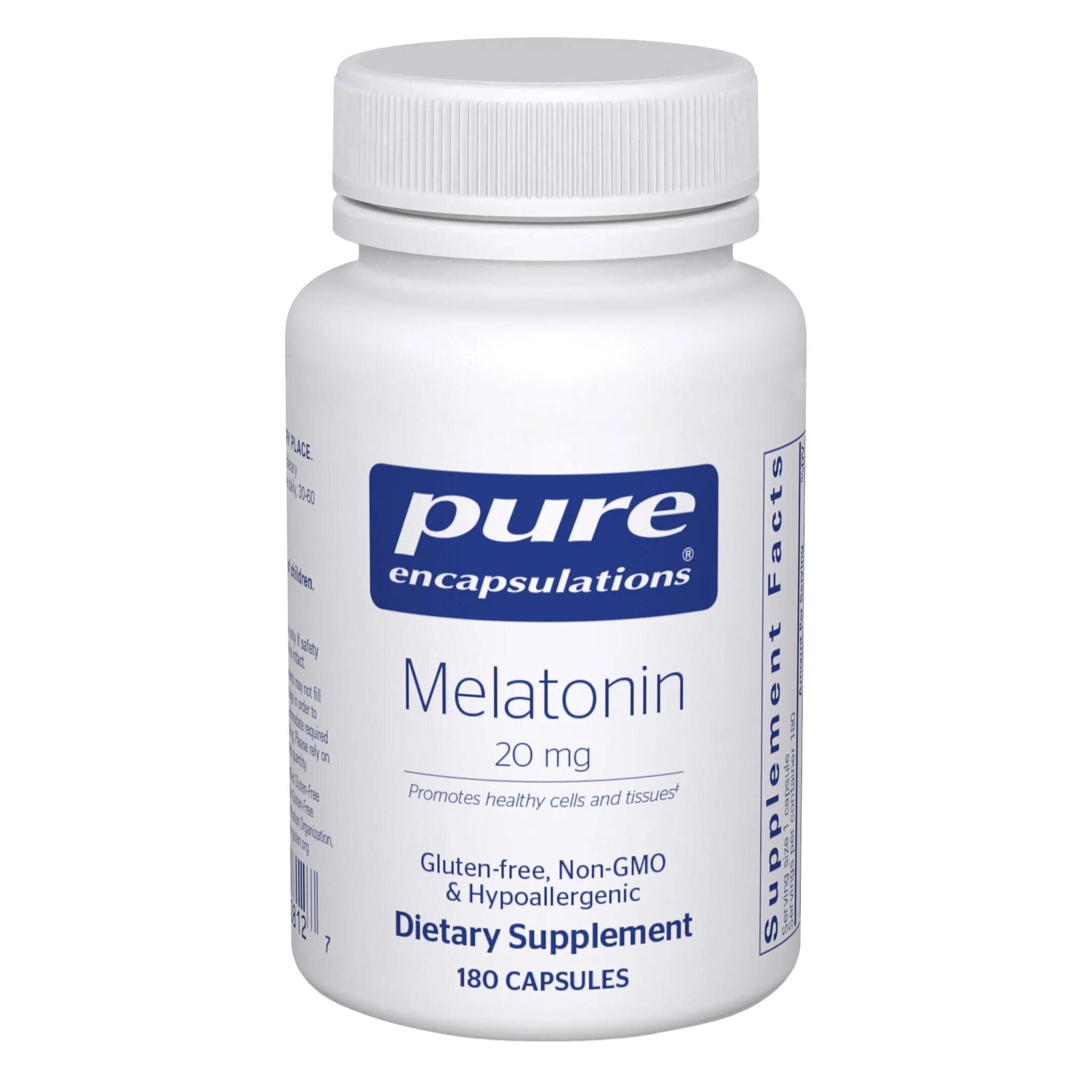
In the wake of the pandemic, a new understanding of an ancient molecule has emerged. While widely known as an over-the-counter sleep aid, melatonin is increasingly recognized by the scientific and medical communities as a potent, broad-spectrum cytoprotectant. At high pharmacological doses, such as 20 mg, melatonin operates fundamentally differently than it does at physiological sleep-inducing doses. It acts as an apex, mitochondria-targeted antioxidant and a powerful immunomodulator. This comprehensive guide explores how high-dose melatonin supports cellular health, promotes immune cell activity, and scavenges free radicals, potentially offering a vital piece of the puzzle for those navigating the unpredictable waters of post-viral syndromes.
What is Melatonin?
Beyond Sleep: The Ancient Cytoprotectant
When most people hear the word melatonin, they immediately think of the sleep-wake cycle. Produced primarily by the pineal gland in response to darkness, melatonin is a hormone that signals to the brain that it is time to rest. However, this chronobiotic function is only a fraction of its true biological role. Melatonin is an ancient molecule whose chemical structure has remained unchanged for billions of years. According to the endosymbiotic theory, mitochondria evolved from bacteria that were engulfed by early eukaryotic cells; these ancestral bacteria already possessed the ability to synthesize melatonin. This evolutionary history explains why melatonin is found in virtually every living organism, from single-celled algae to humans, serving as a fundamental protector of cellular integrity.
In a healthy body, melatonin acts as a broad-spectrum cytoprotectant, meaning it defends cells against various forms of damage and stress. While the pineal gland secretes melatonin into the bloodstream to regulate circadian rhythms, the vast majority of the body's melatonin is actually produced locally within the tissues and organs themselves, particularly within the gastrointestinal tract, skin, and immune cells. This localized, non-circadian production is designed to protect tissues against localized oxidative stress and inflammation. At the molecular level, melatonin interacts with specific membrane-bound receptors, known as MT1 and MT2, which are found on the surface of various cells, including immune cells, endothelial cells, and neurons.
Through these receptors, melatonin modulates a wide array of physiological processes, from vascular tone and blood pressure regulation to immune system activation and suppression. It acts as a signaling molecule that can upregulate the expression of protective genes while downregulating pathways associated with chronic inflammation and cellular death. This dual role—both as a systemic hormone regulating the biological clock and as a localized cellular defender—makes melatonin a uniquely versatile and critical component of human health.
The Apex Antioxidant Cascade
One of the most remarkable features of melatonin is its function as an "apex" antioxidant. Unlike traditional antioxidants, such as Vitamin C or Vitamin E, which typically neutralize a single free radical and can sometimes become pro-oxidant radicals themselves in the process, melatonin utilizes a sophisticated, multi-layered mechanism. It directly detoxifies a broad spectrum of reactive oxygen species (ROS) and reactive nitrogen species (RNS), including the devastatingly toxic hydroxyl radical (OH•), which is known to cause severe damage to DNA, proteins, and lipid membranes. By directly scavenging these highly reactive molecules, melatonin prevents the initiation of oxidative chain reactions that can destroy cellular structures.
What truly sets melatonin apart is its unique antioxidant cascade. When a melatonin molecule neutralizes a free radical, it does not become a dangerous radical itself. Instead, it breaks down into secondary metabolites—specifically N1-acetyl-N2-formyl-5-methoxykynuramine (AFMK) and N1-acetyl-5-methoxykynuramine (AMK). Remarkably, these metabolites are themselves highly effective antioxidants, often even more potent than the original melatonin molecule. This creates a cascade effect, where a single molecule of melatonin and its downstream metabolites can neutralize up to ten free radicals. This exponential scavenging power makes melatonin exceptionally efficient at mitigating severe oxidative stress.
In addition to its direct scavenging abilities, melatonin exhibits powerful indirect antioxidant activity. It acts as a signaling molecule to upregulate the gene expression and activity of the body's native antioxidant enzymes. By stimulating the production of superoxide dismutase (SOD), catalase (CAT), glutathione peroxidase (GPx), and gamma-glutamylcysteine synthetase (γ-GCS), melatonin enhances the cell's intrinsic defense mechanisms. This indirect action ensures that the cell is primed and ready to handle ongoing oxidative challenges, providing a sustained protective effect that outlasts the presence of the melatonin molecule itself.
Mitochondrial Targeting and Endogenous Production
The relationship between melatonin and mitochondria is profoundly intimate and critical for cellular survival. Mitochondria are the powerhouses of the cell, responsible for generating adenosine triphosphate (ATP) through a process called oxidative phosphorylation. However, this energy production comes at a cost: mitochondria are also the primary source of metabolic oxidative stress, constantly generating free radicals as a byproduct of electron transport. To survive this hostile internal environment, mitochondria require robust antioxidant protection. Research has shown that the concentration of melatonin within mitochondria greatly exceeds that found in the bloodstream, highlighting its targeted role in preserving mitochondrial function.
Because melatonin is highly lipophilic (fat-soluble), it easily crosses physiological barriers, including cell membranes and the blood-brain barrier. However, it does not simply diffuse passively into mitochondria; it actively enters these organelles against a concentration gradient via specific oligopeptide transporters, such as PEPT1 and PEPT2. Once inside, melatonin positions itself precisely where free radicals are generated, providing immediate and localized protection to the delicate mitochondrial DNA and the enzymes of the electron transport chain. This targeted delivery system ensures that melatonin is exactly where it is needed most during times of high metabolic demand or cellular stress.
Furthermore, groundbreaking research has revealed that mitochondria not only absorb systemic melatonin but are also the primary sites of localized melatonin synthesis. The enzymes required to produce melatonin from serotonin are present within the mitochondrial matrix. This means that mitochondria can produce their own melatonin in a non-circadian manner, specifically responding to localized oxidative stress. This endogenous, on-demand production acts as an autocrine feedback loop, allowing the mitochondria to self-regulate and protect themselves from the very free radicals they generate, ensuring the continuous and efficient production of cellular energy.
How Long COVID and ME/CFS Impact Cellular Function
Viral-Induced Oxidative Stress and Mitochondrial Dysfunction
In complex chronic conditions like Long COVID and ME/CFS, the delicate balance of cellular homeostasis is severely disrupted. The pathophysiology often begins with a viral infection, such as SARS-CoV-2 or the Epstein-Barr virus, which triggers a massive immune response. While the acute infection may eventually clear, the resulting inflammatory cascade can leave lasting damage. One of the primary casualties of this viral-induced immune response is the mitochondria. The intense oxidative stress generated by the immune system's attempt to eradicate the virus overwhelms the cell's natural antioxidant defenses, leading to profound mitochondrial dysfunction and a state of chronic, low-grade inflammation often referred to as "inflammaging."
When mitochondria are damaged by excessive reactive oxygen species (ROS), their ability to efficiently produce ATP is severely compromised. The electron transport chain becomes "leaky," releasing even more free radicals into the cell and creating a vicious cycle of oxidative damage and energy depletion. This mitochondrial failure is a hallmark of ME/CFS and Long COVID, directly contributing to the debilitating symptom of post-exertional malaise (PEM), where even minor physical or cognitive exertion leads to a disproportionate and prolonged exacerbation of symptoms. The cells simply cannot generate the energy required to meet the demands of daily life, leaving patients profoundly fatigued and functionally impaired.
Furthermore, severe oxidative stress causes the mitochondrial permeability transition pore (MPTP) to open. This is a critical event that releases cytochrome c into the cellular cytoplasm, triggering a cascade of enzymes known as caspases that initiate apoptosis, or programmed cell death. In conditions like Long COVID, this widespread mitochondrial damage and subsequent cell death contribute to tissue damage across multiple organ systems, from the lungs and cardiovascular system to the brain and nervous system. The depletion of endogenous cellular defenders, including localized melatonin, leaves the body vulnerable to this ongoing destructive cycle.
The Neuroinflammatory Cycle and "Brain Fog"
The impact of Long COVID and ME/CFS is perhaps most acutely felt in the central nervous system. Many patients suffer from severe cognitive dysfunction, commonly referred to as "brain fog," which encompasses difficulties with memory, concentration, word-finding, and executive function. This cognitive impairment is not merely psychological; it is the result of persistent neuroinflammation. Viral infections and the subsequent systemic inflammation can compromise the integrity of the blood-brain barrier, allowing pro-inflammatory cytokines and activated immune cells to enter the brain. Once inside, they activate microglia, the resident immune cells of the central nervous system.
Activated microglia release a continuous stream of inflammatory mediators and free radicals, creating a highly toxic environment for neurons. This chronic neuroinflammation disrupts neurotransmitter signaling, impairs synaptic plasticity, and damages the delicate myelin sheath that insulates nerve fibers. The resulting oxidative stress in the brain depletes local antioxidant reserves, including melatonin, which is crucial for protecting neurons from excitotoxicity and free radical damage. The brain, which consumes roughly 20% of the body's energy despite being only 2% of its weight, is particularly vulnerable to mitochondrial dysfunction, making the combination of neuroinflammation and energy depletion a primary driver of cognitive symptoms.
This neuroinflammatory cycle also contributes to central pain sensitization, a phenomenon often seen in Long COVID and ME/CFS patients who develop widespread pain syndromes or fibromyalgia-like symptoms. The constant bombardment of inflammatory signals alters the way the brain and spinal cord process pain, causing non-painful stimuli to be perceived as painful (allodynia) and painful stimuli to be perceived as agonizing (hyperalgesia). The disruption of the brain's natural pain-modulating pathways, which are heavily reliant on healthy mitochondrial function and adequate antioxidant protection, leaves patients trapped in a state of chronic, widespread discomfort.
Circadian Disruption and Autonomic Imbalance
Another profound impact of these chronic conditions is the disruption of the autonomic nervous system and the body's circadian rhythms. Dysautonomia, a common comorbidity of Long COVID and ME/CFS, involves the dysfunction of the nerves that regulate involuntary body functions, such as heart rate, blood pressure, and digestion. This autonomic imbalance often manifests as postural orthostatic tachycardia syndrome (POTS), where patients experience a rapid and uncomfortable increase in heart rate upon standing. The constant state of "fight or flight" (sympathetic overactivation) further depletes the body's energy reserves and exacerbates systemic inflammation.
Concurrently, the systemic inflammation and neuroinflammation disrupt the functioning of the hypothalamus and the pineal gland, the master regulators of the circadian clock. This leads to severe sleep disturbances, including insomnia, unrefreshing sleep, and delayed sleep phase syndrome. When the natural production and release of endogenous melatonin are blunted or mistimed, the body loses its primary signal for restorative sleep and cellular repair. This lack of deep, restorative sleep prevents the brain from clearing out metabolic waste products via the glymphatic system, further compounding neuroinflammation and cognitive dysfunction.
The interplay between autonomic dysfunction, circadian disruption, and immune dysregulation creates a complex web of symptoms that is incredibly difficult to untangle. Mast cells, which are heavily influenced by circadian rhythms and autonomic nerve signals, can become hyper-reactive in this chaotic environment, leading to Mast Cell Activation Syndrome (MCAS). The inappropriate release of histamine and other mediators by mast cells further drives inflammation, disrupts sleep, and exacerbates autonomic instability, locking the patient in a relentless cycle of multi-systemic dysfunction.
Melatonin: Supporting Mitochondrial Health and Immune Modulation
Restoring the Electron Transport Chain and ATP Production
When dealing with the profound energy deficits characteristic of ME/CFS and Long COVID, supporting mitochondrial function is paramount. High-dose melatonin supplementation acts as a targeted intervention to restore the efficiency of the mitochondrial electron transport chain (ETC). By positioning itself within the inner mitochondrial membrane, melatonin interacts directly with Complexes I and IV of the ETC. It facilitates the smooth flow of electrons, reducing the "leakage" that typically results in the formation of superoxide radicals. By optimizing electron transfer, melatonin not only decreases the production of damaging reactive oxygen species right at their source but also enhances the overall production of ATP, the cellular energy currency.
Furthermore, melatonin plays a crucial role in regulating uncoupling proteins (UCPs) within the mitochondria. These proteins allow protons to re-enter the mitochondrial matrix without passing through ATP synthase, essentially "uncoupling" electron transport from ATP production. While this might seem counterproductive, moderate uncoupling is a vital defense mechanism that dissipates the proton gradient just enough to prevent the excessive buildup of membrane potential, which is a major trigger for massive ROS generation. Melatonin's ability to modulate UCP activity ensures that the mitochondria maintain an optimal membrane potential, balancing the need for efficient energy production with the necessity of preventing catastrophic oxidative damage.
In the face of severe oxidative stress, melatonin also acts as a powerful anti-apoptotic agent, preventing the premature death of stressed cells. It achieves this by inhibiting the opening of the mitochondrial permeability transition pore (MPTP), the critical gateway that, when opened, releases cytochrome c and triggers cell death. Melatonin upregulates the expression of anti-apoptotic proteins, such as Bcl-2, while simultaneously suppressing pro-apoptotic proteins like Bax and caspase-3. By keeping the MPTP closed and stabilizing the mitochondrial membrane, high-dose melatonin helps preserve the cellular workforce, allowing tissues to survive and eventually recover from the inflammatory onslaught of post-viral syndromes.
Mast Cell Stabilization and the HIF-1 Pathway
For patients navigating the complex overlapping symptoms of Long COVID, ME/CFS, and Mast Cell Activation Syndrome (MCAS), melatonin offers a fascinating and potent mechanism of action: it acts as an autocrine mast cell stabilizer. Research has revealed that mast cells natively synthesize, store, and release melatonin. When a mast cell is highly active and degranulates, releasing inflammatory mediators like histamine and cytokines, it also releases melatonin. Once this extracellular melatonin reaches a specific threshold, it binds to MT1 and MT2 receptors located on the surface of the mast cell itself. This binding signals the cell to halt degranulation, acting as a built-in "off switch" to prevent excessive and runaway inflammation.
High-dose melatonin supplementation can leverage this natural feedback loop to calm hyper-reactive mast cells. One of the primary ways it achieves this is by downregulating the Hypoxia-Inducible Factor 1 (HIF-1) pathway. Viral infections and chronic inflammation often create localized areas of hypoxia (low oxygen) in tissues, which activates the HIF-1 pathway, driving further inflammation and mast cell degranulation. Melatonin suppresses this pathway via the MT2 receptor, effectively cutting off the signal that tells the mast cell to release its inflammatory payload. This mechanism is particularly relevant for managing the sudden, unpredictable flares of allergic-like symptoms, flushing, and gastrointestinal distress common in MCAS.
Additionally, melatonin's role in restoring circadian rhythms is crucial for mast cell stability. Mast cell activity fluctuates based on the body's biological clock, and disrupted circadian rhythms—often caused by the autonomic nervous system dysfunction seen in Long COVID—can lead to unchecked mast cell activation. By providing a strong, unmistakable signal of biological night, high-dose melatonin helps resynchronize the immune system's clock. This circadian regulation is vital for preventing the dreaded "histamine dumping" that many MCAS patients experience in the early hours of the morning, thereby improving sleep quality and reducing systemic inflammation.
Downregulating NF-κB and the Cytokine Storm
The persistent, low-grade inflammation that drives many of the symptoms of Long COVID and ME/CFS is largely mediated by a transcription factor known as Nuclear Factor kappa B (NF-κB). NF-κB acts as a master switch for the inflammatory response; when activated by viral particles, oxidative stress, or inflammatory cytokines, it translocates into the cell nucleus and triggers the production of a massive array of pro-inflammatory molecules, including TNF-α, IL-6, and IL-1β. This continuous activation creates a self-sustaining loop of inflammation that damages tissues and exhausts the immune system. Melatonin is a potent inhibitor of the NF-κB pathway, directly suppressing its activation and translocation.
By inhibiting NF-κB, high-dose melatonin effectively dampens the "cytokine storm" and the chronic neuroinflammation that follow viral infections. It reduces the transcription of pro-inflammatory cytokines, thereby lowering the overall inflammatory burden on the body. This systemic anti-inflammatory effect is crucial for protecting the vascular endothelium, the delicate lining of the blood vessels that is often damaged in Long COVID, leading to microclots and impaired blood flow. Melatonin's ability to soothe the inflamed endothelium helps restore proper vascular function, which is essential for delivering oxygen and nutrients to energy-starved tissues.
Furthermore, melatonin modulates the immune response by interacting with specific immune cells. It has been shown to down-regulate the Toll-like receptor 4 (TLR4) inflammatory pathway, which is heavily associated with the chronic inflammation triggered by viral infections. By modulating these fundamental immune pathways, melatonin helps shift the immune system from a state of chronic, destructive hyper-activation back toward a state of balanced surveillance and repair. This immunomodulatory effect, combined with its profound antioxidant and mitochondrial support, makes high-dose melatonin a multi-targeted therapeutic agent for complex post-viral syndromes.

Symptoms High-Dose Melatonin May Help Manage
Sleep and Circadian Rhythm Disturbances
Severe Insomnia and Sleep Onset Delay: By providing a strong chronobiotic signal, melatonin helps reset the disrupted biological clock, making it easier to fall asleep despite autonomic nervous system hyperarousal.
Unrefreshing Sleep: By supporting mitochondrial repair and facilitating the brain's glymphatic clearance during deep sleep, melatonin may help patients wake up feeling more rested and less poisoned by metabolic waste.
Delayed Sleep Phase Syndrome: Often seen in ME/CFS, taking melatonin at specific times can shift the circadian rhythm earlier, aligning the sleep-wake cycle with a more natural and restorative pattern.
Nighttime "Histamine Dumping": By stabilizing mast cells and acting as an autocrine "off switch," melatonin can prevent the sudden release of wake-promoting histamine that causes early morning awakenings and anxiety.
Cognitive Dysfunction and Neuroinflammation
Brain Fog and Poor Concentration: By crossing the blood-brain barrier and neutralizing free radicals, melatonin reduces the neuroinflammation and microglial activation that impair cognitive processing and memory retrieval.
Sensory Overload: By calming the central nervous system and reducing neuro-excitotoxicity, melatonin may help lower the threshold for sensory processing, making light and sound less overwhelming.
Widespread Pain and Allodynia: Melatonin's ability to modulate pain pathways in the spinal cord and brain can help reduce central pain sensitization, alleviating the widespread, burning pain often associated with fibromyalgia-like symptoms in Long COVID.
Mood Instability and Anxiety: By regulating neurotransmitter balance and reducing the inflammatory cytokines that drive neuro-psychiatric symptoms, melatonin can support emotional stability and resilience.
Mast Cell Hyper-Reactivity and Allergic Responses
Unpredictable Allergic Reactions: By downregulating the HIF-1 and NF-κB pathways, melatonin acts as a mast cell stabilizer, reducing the frequency and severity of sudden allergic-like responses to food, chemicals, or environmental triggers.
Flushing and Dermatological Symptoms: Melatonin has been shown to decrease stress-induced mast cell degranulation in the skin, potentially alleviating hives, rashes, and severe flushing episodes.
Gastrointestinal Distress: By reducing localized inflammation and oxidative stress in the gut mucosa, melatonin can help soothe the gastrointestinal symptoms associated with MCAS and dysbiosis.
Post-Exertional Malaise (PEM): While not a cure for PEM, by protecting mitochondria from the massive oxidative stress generated during exertion, melatonin may help raise the threshold for crashes and shorten recovery times.
Practical Considerations: Forms, Dosing, and Absorption
Understanding High-Dose Pharmacokinetics and Bioavailability
When considering a high pharmacological dose like 20 mg of melatonin, it is crucial to understand its pharmacokinetics—how the body absorbs, distributes, metabolizes, and excretes the compound. The absolute bioavailability of oral melatonin is notoriously low, averaging around 15%. This is primarily due to a massive "first-pass" metabolism by the liver. When you swallow a melatonin capsule, it is absorbed through the gastrointestinal tract and sent directly to the liver via the portal vein. The liver rapidly metabolizes and destroys the vast majority of the hormone before it ever reaches systemic circulation. This is why a 20 mg dose is required to achieve the supraphysiological blood levels necessary for profound cytoprotection and mitochondrial targeting, bypassing the liver's metabolic limits.
Because of this low bioavailability, taking a massive 20 mg dose forces the body to absorb enough of the compound to exert systemic effects. Clinical studies administering high doses have recorded peak serum melatonin levels ranging from 350 to 10,000 times higher than the body's natural physiological nighttime peak. Melatonin is absorbed very quickly, with peak plasma concentrations (Cmax) usually reached within 60 to 150 minutes of ingestion. However, it is also eliminated rapidly. Its biological half-life is notably short, ranging from 40 to 65 minutes. This means that even at a massive 20 mg dose, the hormone will clear the system in a matter of hours, which is why it is typically taken shortly before bedtime to coincide with the body's natural circadian rhythms.
The rapid clearance of melatonin highlights the importance of formulation. While a standard immediate-release capsule will cause a massive spike in blood levels followed by a rapid decline, some patients may benefit more from sustained-release (SR) or biphasic formulations that mimic the body's natural, prolonged nighttime secretion. However, for the specific goal of flooding the mitochondria with antioxidants to combat severe oxidative stress, the rapid, high-peak concentration provided by a standard 20 mg capsule is often the desired pharmacokinetic profile in clinical settings studying post-viral syndromes.
Timing and Absorption Strategies
The timing of melatonin supplementation is critical, especially at high doses. Because melatonin is the body's primary signal for biological night, taking a 20 mg dose during the day can cause profound drowsiness, disrupt the circadian rhythm, and lead to a "hangover" effect characterized by dizziness and lethargy. The suggested use is typically 1 capsule daily, 1/2 to 1 hour before bedtime. This timing ensures that the massive spike in serum melatonin coincides with the time you are trying to initiate sleep, maximizing its chronobiotic benefits while allowing the hormone to exert its antioxidant effects throughout the night during the body's natural repair phase.
To optimize absorption, it is generally recommended to take melatonin on an empty stomach or with a very light snack. Heavy meals, particularly those high in fat or protein, can delay gastric emptying and slow the absorption of the capsule, leading to a delayed onset of action and potentially causing grogginess the next morning. Since melatonin is highly lipophilic, some functional medicine practitioners suggest taking it with a small amount of healthy fat, like a teaspoon of olive oil or a small piece of avocado, to enhance its absorption through the intestinal wall, though clinical data on this specific practice with high doses is still emerging.
It is also important to consider the environment when taking high-dose melatonin. Exposure to bright light, particularly blue light from screens and smartphones, actively suppresses the body's endogenous production of melatonin and can counteract the effects of the supplement. To maximize the efficacy of a 20 mg dose, patients should practice strict sleep hygiene, dimming the lights and avoiding screens for at least an hour before taking the capsule. This creates a permissive environment that allows the supplemental melatonin to work synergistically with the body's natural circadian mechanisms.
Crucial Safety Warnings and Autoimmune Contraindications
Despite 20 mg being a very high pharmacological dose, melatonin boasts a remarkably unique safety profile regarding acute toxicity. In animal toxicity studies, a lethal dose (LD50) could not be established, and human trials using up to 300 mg daily for neurodegenerative diseases have shown no life-threatening acute toxicity. However, a 20 mg dose is not without side effects. Patients may experience severe daytime drowsiness, dizziness, nausea, headaches, and vivid, unusually intense nightmares. Furthermore, continuously flooding the brain with high doses may lead to the downregulation and desensitization of melatonin receptors, potentially worsening insomnia over the long term if not managed carefully.
Crucially, high-dose melatonin is a powerful immunomodulator, which makes it a "double-edged sword" for certain populations. It is strictly contraindicated for individuals with specific autoimmune diseases, particularly Rheumatoid Arthritis (RA). Melatonin has been shown to aggressively stimulate pro-inflammatory cytokines in RA, and clinical studies have demonstrated that supplementation can significantly increase markers of inflammation and disease severity in these patients. The data on Multiple Sclerosis (MS) and Systemic Lupus Erythematosus (SLE) is conflicting, with some studies showing benefit and others showing exacerbation of symptoms. Therefore, anyone with an autoimmune condition must consult their rheumatologist or immunologist before considering high-dose melatonin.
Additionally, melatonin has mild antiplatelet effects and is contraindicated for patients taking anticoagulants or blood thinners like Warfarin, as it can significantly increase the risk of bleeding. It should not be taken by pregnant or lactating women, as it readily crosses the placenta and passes into breast milk. Finally, because it can induce profound drowsiness, patients must never drive or operate heavy machinery after taking a 20 mg dose. Always consult your healthcare professional before starting high-dose melatonin, especially if you are taking corticosteroids or have a complex medical history.

Follow the Science
The NIH RECOVER Initiative for Long COVID
The scientific community's understanding of melatonin has evolved rapidly in the wake of the COVID-19 pandemic. Early retrospective studies from hospitals around the world noted that patients taking melatonin experienced shorter hospital stays, a lower likelihood of sepsis, and reduced mortality rates compared to those who did not. This acute data spurred intense interest in melatonin's potential for treating the chronic aftermath of the virus. Currently, the most significant clinical trial evaluating melatonin for Long COVID is funded by the U.S. National Institutes of Health (NIH) under the RECOVER Initiative. This massive undertaking aims to rigorously test interventions that target the underlying pathophysiology of post-viral syndromes.
Specifically, the RECOVER-SLEEP clinical trial is investigating complex sleep disturbances induced by Long COVID. This randomized, double-blind, 8-week Phase 2 trial utilizes a 2x2 factorial design schema, randomizing roughly 600 participants into groups receiving active light therapy and/or active oral melatonin. The trial is designed to determine if targeted circadian interventions can alleviate the profound sleep disruption, fatigue, and cognitive impairment that plague Long COVID patients. With enrollment expected to complete in late 2025, the results of this trial will provide critical, high-quality data on the efficacy and safety of melatonin as a frontline treatment for post-viral sleep and autonomic dysfunction.
Beyond sleep, researchers are also exploring melatonin's potential to address the neurocognitive aspects of Long COVID. Melatonin's ability to cross the blood-brain barrier and mitigate neuroinflammation suggests it could be a vital tool for combating "brain fog" and central pain sensitization. Some researchers have also proposed melatonin as a promising adjuvant treatment for Widespread Pain Syndrome in Long COVID, given its capacity to tackle neuroendocrine dysfunction and restore central nervous system homeostasis.
Clinical Trials in ME/CFS and Neurodegenerative Disease
Because Long COVID shares profound clinical and pathophysiological similarities with ME/CFS, researchers closely examine trials targeting ME/CFS to understand melatonin's broader efficacy. A notable randomized, double-blind trial (NCT03000777) investigated the use of melatonin combined with zinc supplementation in 50 ME/CFS patients over 16 weeks. The study found a statistically significant reduction in the perception of physical fatigue and an improvement in the physical quality of life in the experimental group compared to the placebo group. This suggests that even at lower doses, the antioxidant and immunomodulatory effects of melatonin can provide tangible clinical benefits for those suffering from severe, chronic fatigue.
Another crucial study focused on ME/CFS patients suffering from delayed circadian rhythmicity, a condition where the natural onset of melatonin production is significantly delayed. Patients were given melatonin 5 hours before their specific Dim Light Melatonin Onset (DLMO) for 3 months. The results were striking: the total Checklist Individual Strength (CIS) score, which measures the severity of fatigue, improved significantly. Furthermore, sub-scores for concentration, motivation, and physical activity also saw distinct improvements, particularly in patients whose natural melatonin onset was the most delayed. This underscores the profound impact that restoring circadian rhythmicity can have on systemic energy levels and cognitive function.
The safety and cytoprotective potential of massive doses of melatonin have been extensively studied in the context of severe neurodegenerative diseases. For example, in the MELATOMS-1 phase I/II clinical trial for Primary Progressive Multiple Sclerosis (PP-MS), patients were safely given 300 mg/day of melatonin to combat demyelination and oxidative stress. Similarly, long-term safety studies have administered 300 mg/day to Amyotrophic Lateral Sclerosis (ALS) patients for up to two years, finding the dose to be perfectly tolerated while successfully normalizing surrogate markers of oxidative stress. These extreme high-dose trials provide a robust foundation for the safety profile of the 20 mg dose used for immune and cellular support.
Emerging Research on Mast Cell Activation Syndrome
The intersection of melatonin research and Mast Cell Activation Syndrome (MCAS) is one of the most exciting frontiers in neuroimmunology. Recent studies have elucidated the autocrine feedback loop where mast cells utilize melatonin to halt their own degranulation. A 2024 study published in Frontiers in Nutrition demonstrated the profound synergistic effects of combining melatonin with Palmitoylethanolamide (PEA). When human mast cells were exposed to this combination, researchers observed an extraordinarily strong reduction in the release of histamine, COX-2, IL-6, and TNF-α, proving that melatonin can directly and rapidly suppress mast cell hyper-reactivity via the MT1/MT2 receptors.
Furthermore, research into viral-induced mast cell activation has shown that melatonin suppresses degranulation by downregulating the Hypoxia-Inducible Factor 1 (HIF-1) pathway. This is particularly relevant for Long COVID patients, as the SARS-CoV-2 virus has been proven to directly infect and trigger severe mast cell degranulation, contributing heavily to the persistent MCAS-like symptoms seen in post-viral syndromes. By blocking this viral activation and reducing the broader cytokine storm, melatonin represents a highly promising, low-toxicity therapeutic agent for controlling MCAS flares and the resulting systemic inflammation.
While the clinical data is robust and growing, it is important to note that much of the research on high-dose melatonin for chronic illness is still in the investigational stages. The internal research papers from RTHM highlight that despite its massive potential, melatonin has not gained significant attention from public health authorities, partly due to its non-patentable nature and low cost. This underscores the critical need for continued, well-controlled clinical trials to firmly establish its efficacy and optimal dosing protocols for complex conditions like Long COVID and ME/CFS.
The Path Forward
A Comprehensive Approach to Chronic Illness Management
Living with complex, invisible illnesses like Long COVID, ME/CFS, dysautonomia, and MCAS is an incredibly challenging and often isolating journey. The profound fatigue, unpredictable symptom flares, and relentless cognitive dysfunction can make every day feel like an uphill battle. It is completely validating to feel frustrated by the lack of easy answers and the slow pace of medical recovery. However, the rapidly expanding body of research into cellular biology and mitochondrial health offers a beacon of hope. By understanding the underlying mechanisms of oxidative stress and immune dysregulation, we can begin to target the root causes of these debilitating symptoms rather than just masking them.
It is crucial to remember that no single supplement, even one as potent as high-dose melatonin, is a magic cure for post-viral syndromes. True management requires a comprehensive, multi-faceted approach. This includes meticulous symptom tracking to identify your unique triggers, strict adherence to pacing to avoid the devastating crashes of post-exertional malaise (PEM), and a tailored medical strategy that addresses your specific autonomic and immunological needs. Supplements are tools designed to support your body's innate healing mechanisms, providing the necessary raw materials and cellular protection to help you slowly rebuild your energy reserves and stabilize your immune system.
As you navigate your treatment options, consider how different therapies might work synergistically. For example, understanding the connection between autoimmunity and immune dysregulation in Long COVID can help you and your provider make informed decisions about immunomodulatory supplements. Similarly, exploring how medications like Ketotifen can unveil relief for MCAS and ME/CFS might complement the mast cell stabilizing effects of melatonin. By building a comprehensive toolkit, you empower yourself to manage your symptoms more effectively and improve your overall quality of life.
Integrating Melatonin into Your Wellness Regimen
If you and your healthcare provider determine that high-dose melatonin is appropriate for your specific clinical picture, integrating it into your daily routine requires care and consistency. Because a 20 mg dose is pharmacologically potent, it is essential to start with a clear understanding of your goals—whether that is targeting severe insomnia, supporting mitochondrial recovery, or stabilizing hyper-reactive mast cells. Pay close attention to how your body responds in the first few weeks, noting any changes in sleep architecture, morning grogginess, or shifts in your baseline energy levels. Keeping a detailed symptom journal can provide invaluable data for you and your medical team to adjust the dosage or timing as needed.
Remember that the efficacy of melatonin is deeply intertwined with your lifestyle and environment. To maximize its benefits, prioritize strict sleep hygiene. Limit your exposure to artificial blue light in the evening, maintain a cool and dark sleeping environment, and try to establish a consistent sleep-wake schedule, even on days when your symptoms are severe. These behavioral interventions work hand-in-hand with the supplement to reinforce your body's natural circadian rhythms, creating a permissive environment for cellular repair and immune modulation.
Furthermore, consider how melatonin fits into your broader nutritional strategy. Supporting mitochondrial health often requires a symphony of nutrients. You might explore how A.I. Enzymes can help manage microclots or how unmethylated B12 supports energy and nerve health alongside your melatonin regimen. By addressing cellular health from multiple angles, you provide your body with the comprehensive support it needs to navigate the complexities of chronic illness.
Next Steps and Medical Consultation
The path forward with complex chronic illness is rarely a straight line, but armed with scientific knowledge and targeted therapeutic strategies, you can take meaningful steps toward reclaiming your health. High-dose melatonin represents a fascinating intersection of ancient cellular biology and cutting-edge neuroimmunology, offering profound potential for those battling the severe oxidative stress and immune dysregulation of Long COVID and ME/CFS. By protecting your mitochondria, calming your mast cells, and restoring your circadian rhythms, melatonin may help you find a more stable baseline.
Before adding any high-potency supplement to your regimen, it is absolutely vital to consult with a knowledgeable healthcare provider, especially if you have an autoimmune condition, are taking blood thinners, or are managing a complex medication list. They can help you navigate the potential contraindications and ensure that a 20 mg dose of melatonin is a safe and strategic addition to your personalized care plan.
Sources
Cardinali DP, et al. "Possible Application of Melatonin in Long COVID." Biomolecules. 2022.
NIH RECOVER Initiative: RECOVER-SLEEP Clinical Trial (NCT06404086). ClinicalTrials.gov.
Clinical Trial: Melatonin and Zinc in ME/CFS (NCT03000777). ClinicalTrials.gov.
Melatonin and Mast Cell Stabilization: Synergistic effects with PEA. Frontiers in Nutrition. 2024.