Can Ashwagandha Support Stress Resilience and Energy for Long COVID and ME/CFS Patients?
March 5, 2026
AshwagandhaLong COVIDME/CFS
Share:
Disclaimer: The information provided here is for educational purposes only and is not intended as medical advice. It should not be used to diagnose, treat, cure, or prevent any medical condition. Instead, use it as a starting point for discussion with your healthcare provider. Always consult with a qualified healthcare provider before starting any new medication, supplement, device, or making changes to your health regimen.
Months or even years after recovering from an initial viral infection, many individuals find themselves fighting a daily, debilitating battle against complex symptoms. Whether diagnosed with Long COVID, myalgic encephalomyelitis/chronic fatigue syndrome (ME/CFS), or dysautonomia, the reality of living with a chronic, invisible illness is profoundly challenging. Patients often describe a profound exhaustion that sleep cannot fix, a persistent brain fog that clouds daily thoughts, and a nervous system that feels constantly trapped in a state of high alert. If you are navigating these unpredictable waters, you are not alone, and your symptoms are a valid reflection of underlying physiological disruptions, not merely psychological stress.
In the search for management strategies that address these deep-seated systemic imbalances, both patients and researchers are increasingly turning to adaptogenic botanicals with proven clinical histories. Ashwagandha, a cornerstone of traditional Ayurvedic medicine, has emerged as a compelling candidate for supporting the body's stress response and energy production systems. By interacting directly with the hypothalamic-pituitary-adrenal (HPA) axis and cellular mitochondria, this powerful herb offers a targeted approach to modulating the neuro-immune dysfunction seen in complex chronic conditions. In this comprehensive guide, we will explore the intricate biological mechanisms of ashwagandha, examine the latest clinical research, and discuss how it may fit into a broader protocol for reclaiming your quality of life.
TL;DR
Ashwagandha is an adaptogen that may support the nervous system and energy production in chronic illnesses.
It helps modulate the HPA axis, potentially balancing cortisol levels and reducing stress responses.
Bioactive withanolides may protect cellular mitochondria, reduce neuroinflammation, and help manage fatigue and brain fog.
Always consult a healthcare provider before use, especially if you have thyroid or autoimmune conditions.
What is Ashwagandha?
The Ancient Roots of Withania Somnifera
Ashwagandha, scientifically known as Withania somnifera, is a highly revered adaptogenic herb that has been a foundational element of traditional Ayurvedic medicine for over 4,000 years. Belonging to the Solanaceae or nightshade family, this resilient shrub is native to the dry, arid regions of India, the Middle East, and parts of Africa. In traditional practices, it is classified as a "Rasayana," a restorative tonic specifically designed to promote physical and mental youthfulness, enhance resilience to systemic stress, and support overall well-being. Today, modern clinical science is increasingly validating these ancient applications, exploring how the complex botanical compounds within the ashwagandha root interact with human physiology. For individuals navigating the unpredictable and often debilitating symptoms of complex chronic illnesses, understanding the foundational biology of this herb offers a window into its therapeutic potential.
The term "adaptogen" is not merely a marketing buzzword; it represents a specific, clinically recognized class of pharmacological compounds that increase the body's resistance to a broad spectrum of stressors—whether physical, chemical, or biological. To strictly qualify as an adaptogen, a substance must be non-toxic at normal therapeutic doses, produce a non-specific defensive response to stress, and have a normalizing influence on physiology, bringing the body back into a state of homeostasis. Ashwagandha fulfills these criteria masterfully by modulating the body's stress response systems, particularly the neuroendocrine pathways. By buffering the physiological impact of stress, it helps prevent the exhaustion phase of the general adaptation syndrome, a critical benefit for patients whose internal reserves are constantly depleted by chronic illness.
The Power of Withanolides
The primary bioactive constituents responsible for ashwagandha's adaptogenic and medicinal properties are a group of naturally occurring steroidal lactones known as withanolides. To date, researchers have identified over 140 distinct withanolides within the plant, with Withaferin A and Withanolide D being among the most extensively studied in clinical literature. Structurally, withanolides are highly lipophilic (fat-soluble) molecules built on a complex ergostane skeleton. This specific molecular architecture is crucial because it allows these compounds to easily cross cellular membranes, including the highly selective blood-brain barrier. Once inside the central nervous system, withanolides can exert direct neuroprotective and neuromodulatory effects, which is particularly relevant for patients experiencing the profound cognitive dysfunction and neuroinflammation often associated with Long COVID and ME/CFS.
At the molecular level, withanolides function as powerful modulators of cellular signaling pathways. They possess a structural similarity to the body's endogenous steroid hormones, such as cortisol, which is produced by the adrenal glands. This structural mimicry allows withanolides to interact with steroid receptors throughout the body, acting as mild agonists or antagonists depending on the body's current physiological state. For example, in a state of hypercortisolemia (excessive cortisol driven by acute stress), withanolides may competitively bind to glucocorticoid receptors, blunting the detrimental effects of the stress response. Conversely, in a state of adrenal fatigue or hypocortisolism, they may provide gentle supportive stimulation to maintain baseline function. This bidirectional modulating capacity is the very essence of how adaptogens restore homeostasis without pushing the system into dangerous overdrive.
Adaptogenic Mechanisms at the Cellular Level
To truly appreciate how ashwagandha supports the body, we must look at its mechanisms of action at the microscopic, cellular level. One of the primary ways ashwagandha exerts its adaptogenic effects is by upregulating the production of heat shock proteins (HSPs). Heat shock proteins are a family of highly conserved proteins that are produced by cells in response to exposure to stressful conditions, such as extreme temperatures, toxins, or viral infections. They act as molecular chaperones, helping to stabilize new proteins to ensure correct folding or helping to refold proteins that were damaged by cellular stress. By increasing the baseline expression of HSPs, ashwagandha pre-conditions cells to better withstand subsequent stressors, providing a vital buffer for patients whose cellular defense mechanisms are already overwhelmed.
In addition to modulating heat shock proteins, ashwagandha influences the activity of key stress-activated protein kinases, such as c-Jun N-terminal kinases (JNK) and p38 mitogen-activated protein kinases (MAPK). These enzymatic pathways are critical for translating external stress signals into cellular responses, often leading to rampant inflammation or programmed cell death (apoptosis) if the stress is severe and prolonged. Research suggests that the bioactive compounds in ashwagandha can inhibit the excessive activation of these pathways, thereby protecting cells from stress-induced damage and preserving vital cellular energy. This cellular preservation is absolutely vital for patients with ME/CFS, where the fundamental capacity of cells to respond to and recover from physical or cognitive exertion is severely impaired.
How Chronic Illness Impacts the Stress Response System
The HPA Axis and Chronic Viral Infection
In a healthy body, the response to physical or emotional stress is governed by the hypothalamic-pituitary-adrenal (HPA) axis, a complex neuroendocrine feedback loop. When a stressor is detected, the hypothalamus in the brain releases corticotropin-releasing hormone (CRH), which signals the pituitary gland to secrete adrenocorticotropic hormone (ACTH). ACTH then travels through the bloodstream to the adrenal glands, prompting them to release cortisol, the body's primary stress hormone. Cortisol mobilizes energy, suppresses non-essential functions like digestion, and modulates the immune system to deal with the immediate threat. Once the stressor passes, a healthy HPA axis relies on a negative feedback loop to reduce CRH and ACTH production, returning cortisol levels to a normal, diurnal baseline. However, in complex chronic illnesses, this elegant system becomes profoundly dysregulated.
In conditions like Long COVID and ME/CFS, the initial viral infection and subsequent chronic inflammation act as a relentless, ongoing stressor that keeps the HPA axis in a state of constant activation. Over time, this chronic overstimulation can lead to a blunted or exhausted stress response, often referred to as HPA axis hypofunction. While research into the pathophysiology of ME/CFS has identified biomarkers like serum ferritin for predicting the condition in Long COVID, other physiological disruptions include altered cortisol awakening responses and lower overall daily cortisol output. This hypocortisolism contributes significantly to the profound fatigue, orthostatic intolerance, and inability to handle physical or cognitive stressors—a hallmark symptom known as post-exertional malaise (PEM). When the body cannot mount an appropriate cortisol response to daily demands, even minor tasks can trigger severe symptom exacerbations.
Dysautonomia and the Sympathetic Overdrive
Dysautonomia, particularly postural orthostatic tachycardia syndrome (POTS), frequently co-occurs with Long COVID and ME/CFS, adding another layer of complexity to the body's stress response. The autonomic nervous system (ANS) controls involuntary physiological functions, balancing the sympathetic ("fight or flight") and parasympathetic ("rest and digest") branches. In POTS, this balance is shattered. Patients often live in a state of sympathetic overdrive, where the body inappropriately releases massive amounts of norepinephrine and epinephrine (adrenaline) simply upon standing. This hyperadrenergic state causes rapid heart rates, palpitations, tremors, and profound anxiety, as the nervous system perceives a constant, life-threatening emergency.
This relentless sympathetic activation is incredibly taxing on the body's energy reserves. The constant flood of excitatory neurotransmitters keeps the heart working overtime and prevents the parasympathetic nervous system from initiating crucial restorative processes like deep sleep, proper digestion, and cellular repair. Over months or years, this autonomic dysfunction leads to severe physical exhaustion and adrenal strain. The body is essentially running a marathon while standing still. Managing this sympathetic overdrive is a primary goal in dysautonomia treatment, requiring strategies that can calm the nervous system and blunt the excessive release of catecholamines without causing dangerous drops in blood pressure. You can read more about the intersection of these conditions in our article, Can Long COVID Trigger ME/CFS? Unraveling the Connection.
Oxidative Stress and Immune Exhaustion
Another critical pathophysiological mechanism in these chronic conditions is the rampant accumulation of oxidative stress and subsequent immune exhaustion. When the immune system battles a persistent viral reservoir or is triggered by ongoing autoimmune processes, immune cells like macrophages and lymphocytes consume massive amounts of energy. This high metabolic demand leads to the excessive production of reactive oxygen species (ROS) within the mitochondria. While ROS are normal byproducts of cellular metabolism, a healthy body neutralizes them using endogenous antioxidants like glutathione. However, in chronic illness, the production of ROS vastly outpaces the body's antioxidant capacity, leading to severe oxidative stress.
This unchecked oxidative stress damages cellular membranes, proteins, and mitochondrial DNA, directly impairing the body's ability to produce adenosine triphosphate (ATP), the primary currency of cellular energy. As mitochondria become damaged and dysfunctional, the profound, unrefreshing fatigue characteristic of Long COVID and ME/CFS sets in. Furthermore, the constant demand on the immune system leads to a phenomenon known as immune exhaustion. Recent literature exploring Epstein-Barr virus reactivation and Long COVID highlights how chronic innate inflammation and viral persistence can lead to an acquired cellular immunodeficiency, where T-cells become functionally exhausted and unable to clear pathogens effectively.
Ashwagandha: Supporting the Nervous System and Energy Production
Modulating Cortisol and the HPA Axis
Ashwagandha's most celebrated mechanism of action is its profound ability to modulate the HPA axis and regulate cortisol levels, addressing the very core of the stress response dysfunction seen in chronic illness. The withanolides in ashwagandha act as adaptogenic modulators; they do not simply force cortisol levels up or down, but rather help normalize them based on the body's immediate needs. By binding to glucocorticoid receptors in the hypothalamus and pituitary gland, withanolides can enhance the negative feedback loop that is often broken in chronic stress states. This means that when cortisol levels are inappropriately high, ashwagandha helps signal the brain to reduce the secretion of CRH and ACTH, thereby lowering systemic cortisol and reducing the physiological burden of stress.
Conversely, in patients suffering from the hypocortisolism often seen in advanced ME/CFS, ashwagandha provides gentle, supportive stimulation to the adrenal glands. It achieves this by improving the sensitivity of cellular receptors to the small amounts of cortisol that are present, maximizing the hormone's efficacy without requiring the exhausted adrenal glands to produce more. This receptor-sensitizing effect helps alleviate the profound morning fatigue and orthostatic intolerance associated with low cortisol. By stabilizing the diurnal rhythm of cortisol—ensuring it is appropriately elevated in the morning for energy and lowered in the evening for sleep—ashwagandha helps restore a natural, healthy physiological rhythm.
Enhancing GABAergic Activity for Nervous System Calm
For patients battling the sympathetic overdrive of dysautonomia and POTS, ashwagandha offers significant relief through its interaction with the GABAergic system. Gamma-aminobutyric acid (GABA) is the primary inhibitory neurotransmitter in the central nervous system; its role is to slow down brain activity, reduce excitability, and promote a state of calm and relaxation. Research indicates that the bioactive compounds in ashwagandha, particularly certain withanolides, possess GABA-mimetic activity. They can bind directly to GABA-A receptors in the brain, effectively mimicking the calming effects of endogenous GABA.
When ashwagandha binds to these GABA-A receptors, it facilitates the opening of chloride ion channels in the neuronal cell membrane. The influx of negatively charged chloride ions hyperpolarizes the neuron, making it much less likely to fire an action potential. This physiological mechanism directly counteracts the excessive excitatory signaling caused by the flood of norepinephrine and glutamate seen in sympathetic overdrive. By enhancing GABAergic tone, ashwagandha helps lower the heart rate, reduce the intensity of palpitations, and alleviate the profound neurological anxiety that often accompanies POTS and MCAS flares. You can explore more about managing sleep and neurotransmitters in our guide, Can 5-HTP Lift the Brain Fog and Sleep Disturbances of Long COVID?.
Mitochondrial Support and Antioxidant Defense
Beyond its neurological and endocrine effects, ashwagandha provides vital support at the cellular level by protecting mitochondrial function and enhancing antioxidant defenses. Mitochondria, the powerhouses of the cell, are responsible for generating ATP through a complex process called the electron transport chain (ETC). In chronic illnesses, the ETC is frequently damaged by rampant oxidative stress, leading to a severe energy deficit. The withanolides in ashwagandha act as potent, direct free radical scavengers. They neutralize reactive oxygen species (ROS) such as superoxide radicals and hydroxyl radicals before these unstable molecules can damage the delicate lipid membranes of the mitochondria.
In addition to direct scavenging, ashwagandha upregulates the body's endogenous antioxidant enzyme systems. Studies have shown that supplementation with Withania somnifera significantly increases the intracellular levels of superoxide dismutase (SOD), catalase (CAT), and glutathione peroxidase (GPx). These enzymes form the body's primary defense network against oxidative stress, converting highly toxic free radicals into harmless water and oxygen molecules. By boosting these internal defenses, ashwagandha helps create a protected cellular environment where mitochondria can repair themselves and resume efficient ATP production. For a deeper dive into cellular energy, consider reading Mitochondrial Health: A Key to Combat Long COVID.
Symptoms Ashwagandha May Help Manage
Targeting Fatigue and Cognitive Dysfunction
The systemic mechanisms of ashwagandha translate into tangible relief for several of the most debilitating symptoms experienced by patients with complex chronic illnesses. By addressing the root causes of cellular energy depletion and neuroinflammation, supplementation may help manage the following:
Profound Physical Fatigue: By protecting mitochondrial integrity and optimizing ATP production, ashwagandha helps restore baseline energy levels and may reduce the severity of daily exhaustion.
Post-Exertional Malaise (PEM): Through its modulation of the HPA axis and reduction of oxidative stress, it helps buffer the physiological impact of exertion, potentially raising the threshold before a "crash" occurs.
Brain Fog and Cognitive Dysfunction: By reducing neuroinflammation and protecting neurons from oxidative damage, withanolides support clearer thinking, improved memory recall, and better sustained focus.
Orthostatic Intolerance: By gently supporting adrenal function and regulating cortisol, it may improve the body's resilience to the stress of standing, aiding in the management of POTS symptoms.
Addressing Sleep and Mood Disturbances
The profound impact of chronic illness on the nervous system often leads to severe disruptions in sleep architecture and emotional regulation. Ashwagandha's GABA-mimetic and adaptogenic properties specifically target these neurological symptoms:
Unrefreshing Sleep and Insomnia: By enhancing GABAergic activity, ashwagandha calms the central nervous system, making it easier to fall asleep and promoting deeper, more restorative sleep cycles.
The "Tired but Wired" Sensation: Its ability to blunt excessive sympathetic nervous system activity helps quiet the physical sensation of internal trembling and racing thoughts that prevent relaxation.
Anxiety and Perceived Stress: By regulating cortisol output and modulating the HPA axis, it significantly reduces the physiological burden of stress, leading to a calmer, more stable mood.
Sensory Overload: By stabilizing neuronal excitability, it may help reduce the hypersensitivity to light, sound, and touch that frequently accompanies neuro-immune conditions.
Practical Considerations: Forms, Dosing, and Absorption
Understanding Standardized Extracts and Bioavailability
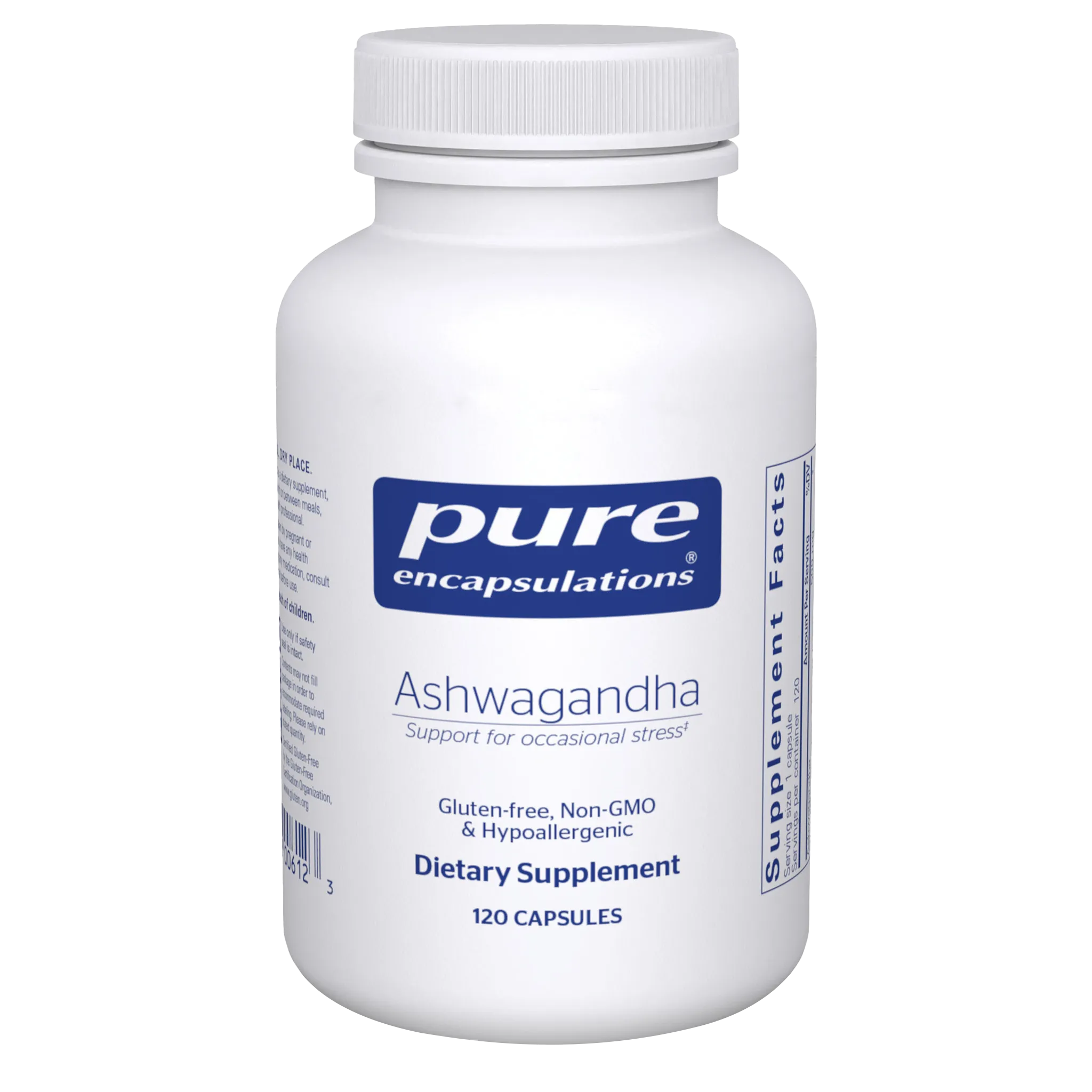
When considering ashwagandha supplementation, the quality and formulation of the extract are paramount to achieving clinical efficacy. Raw ashwagandha root powder contains highly variable amounts of active compounds depending on the soil, climate, and harvesting methods. Therefore, in clinical settings, it is crucial to use a standardized extract. The Pure Encapsulations product, for example, utilizes an ashwagandha root extract standardized to contain exactly 2.5% withanolides. This standardization ensures that every capsule delivers a consistent, therapeutic dose of the bioactive steroidal lactones necessary to modulate the HPA axis and exert neuroprotective effects. Without standardization, patients risk taking a supplement that is either completely inert or unpredictably potent.
Bioavailability—the proportion of the active ingredient that successfully enters systemic circulation—is another critical factor. Withanolides are highly lipophilic, meaning they are fat-soluble rather than water-soluble. Because of this chemical structure, their absorption through the intestinal lining is significantly enhanced when consumed alongside dietary fats. Taking an ashwagandha capsule on a completely empty stomach may result in poor absorption and diminished clinical benefits. To maximize bioavailability, it is generally recommended to take the supplement with a meal that contains healthy fats, such as avocado, olive oil, or nuts, which stimulates the release of bile acids that help emulsify and transport the withanolides across the gut barrier.
Optimal Dosing and Timing
Determining the optimal dosage of ashwagandha requires balancing therapeutic efficacy with individual tolerability, especially for patients with highly sensitive nervous systems. The standard clinical dosage for standardized root extracts typically ranges from 300 mg to 600 mg per day. The Pure Encapsulations formulation provides 500 mg of standardized extract per capsule, which aligns perfectly with the dosages used in numerous successful clinical trials for stress reduction and cognitive support. For most patients, a single 500 mg capsule daily is sufficient to initiate the adaptogenic benefits without overwhelming the system.
The timing of administration can be tailored to target specific symptom profiles. Because ashwagandha has a Latin botanical name of somnifera (meaning "sleep-inducing") and possesses GABA-mimetic properties, many patients find it most beneficial to take their dose in the late afternoon or early evening. This timing helps blunt the evening cortisol spikes that can cause the "tired but wired" feeling, facilitating a smoother transition into restorative sleep. However, for patients whose primary struggle is severe morning fatigue and low daytime cortisol, taking the dose in the morning with breakfast may help gently support the HPA axis throughout the active hours of the day.
Potential Interactions and Contraindications
While ashwagandha is widely considered safe and well-tolerated with a robust over-the-counter safety profile, it is a potent biological modulator that requires careful consideration regarding contraindications and drug interactions. Because ashwagandha has been shown to gently stimulate the production of thyroid hormones (T3 and T4), it is generally contraindicated for individuals with hyperthyroidism or those taking thyroid hormone replacement therapy, as it could potentially push thyroid levels too high. Conversely, this same mechanism makes it a subject of interest for those with subclinical hypothyroidism, though any use should be monitored by a physician.
Additionally, due to its immunomodulatory effects, ashwagandha should be used with caution by individuals with active, hyper-reactive autoimmune diseases (such as rheumatoid arthritis or lupus), as it may theoretically stimulate certain immune pathways. It is also strictly contraindicated for pregnant and lactating women due to traditional evidence suggesting it may possess mild abortifacient properties at high doses. Furthermore, a specific caution exists for patients with severe, advanced dysautonomia. While mild to moderate POTS patients often benefit from ashwagandha's calming effects, clinical experts warn that in highly sensitive, advanced cases, even a mild adaptogen can occasionally cause a paradoxical reaction, potentially triggering a temporary worsening of tachycardia.
Follow the Science
The APRIL Trial for Long COVID
The scientific community is increasingly recognizing the potential of traditional botanicals in managing post-viral syndromes, and ashwagandha is currently at the forefront of this research. The most significant and highly anticipated data point regarding Ashwagandha and Long COVID is the ongoing APRIL Trial (Ayurveda for Promoting Recovery In Long COVID). Led by the prestigious London School of Hygiene & Tropical Medicine (LSHTM) in collaboration with the All-India Institute of Ayurveda, this trial represents a monumental step in validating adaptogens through rigorous Western scientific methodologies.
The APRIL Trial is a large-scale, double-blind, randomized, placebo-controlled clinical study aiming to recruit approximately 2,500 adults diagnosed with Long COVID across UK general practices. Participants are randomized to receive either 1,000 mg daily of Ashwagandha root extract or a placebo for a duration of 3 months. The primary outcome being measured is the improvement of functional status, utilizing the Post-COVID-19 Functional Status Scale (PCFS). The scientific rationale driving this massive trial is rooted in the known pharmacological properties of withanolides. Because Long COVID is increasingly viewed as a multisystem illness driven by lingering neuroinflammation, immune dysregulation, and HPA axis dysfunction, ashwagandha's ability to modulate these exact pathways makes it a highly logical therapeutic candidate.
Evidence in Stress and Fatigue Management
Beyond the specific context of Long COVID, ashwagandha has a robust body of clinical evidence supporting its efficacy in managing chronic stress and severe fatigue. Numerous double-blind, placebo-controlled trials have demonstrated that daily supplementation with standardized ashwagandha root extract (typically between 300 mg and 600 mg) significantly reduces scores on perceived stress scales and lowers serum cortisol levels in chronically stressed adults. By objectively lowering cortisol, these studies confirm that ashwagandha is not merely producing a psychological placebo effect, but is actively modulating the physiological endocrine response.
In the context of post-viral fatigue, researchers are drawing parallels to other pharmacological interventions that target the central nervous system. For instance, a 2024 randomized open-label clinical trial exploring post-COVID fatigue demonstrated that using Amantadine to modulate central nervous system pathways significantly reduced fatigue levels on the Visual Analog Fatigue Scale. While ashwagandha operates through different specific mechanisms (GABAergic and HPA modulation), the underlying principle remains the same: addressing the neurological and endocrine roots of fatigue is a highly effective strategy for post-viral recovery. Ashwagandha offers a natural, well-tolerated method for achieving this central modulation.
Immunomodulatory and Metabolic Findings
The clinical research surrounding ashwagandha also extends into its profound immunomodulatory and metabolic effects. Animal and in vitro studies have consistently shown that ashwagandha extracts can modulate the activity of key immune cells, including lymphocytes and macrophages. Rather than simply boosting the immune system—which could be detrimental in autoimmune-leaning conditions—ashwagandha appears to act as an immune amphoteric, helping to balance and regulate immune responses. This is critical for patients dealing with the immune exhaustion and chronic innate inflammation characteristic of complex chronic illnesses.
Metabolically, small human clinical trials have demonstrated the ability of ashwagandha to support healthy glucose and lipid metabolism. Chronic stress and elevated cortisol are known to drive insulin resistance and metabolic dysfunction, which can further deplete cellular energy reserves. By lowering systemic stress hormones, ashwagandha indirectly supports better insulin sensitivity and cellular glucose uptake. This ensures that the mitochondria have a steady, reliable supply of fuel to generate ATP, further combating the systemic fatigue that plagues patients.
The Path Forward
Integrating Adaptogens into Your Protocol
Navigating the complexities of Long COVID, ME/CFS, and dysautonomia requires a comprehensive, multi-faceted approach to healing. While ashwagandha offers profound, science-backed support for the HPA axis, nervous system, and cellular energy production, it is not a standalone cure. It is most effective when integrated into a broader management strategy that includes rigorous symptom tracking, aggressive rest, and strict pacing to avoid post-exertional malaise. By using ashwagandha to gently raise your physiological baseline and buffer the impact of stress, you may find that your energy envelope slowly begins to expand, allowing for a better quality of daily life. As you explore these options, we encourage you to read more about comprehensive approaches in our guide, Can Gut-Brain Reset Help Manage Long COVID and ME/CFS Symptoms?.
A Balanced Approach to Recovery
Living with an invisible, chronic illness is an immense daily challenge, and your symptoms are a valid reflection of deep physiological disruptions. Healing from neuro-immune and post-viral conditions is rarely linear, but by utilizing high-quality, scientifically supported tools, you can begin to reclaim control over your health. Always consult with your healthcare provider before starting any new supplement, especially if you are managing complex conditions or taking prescription medications.