Can 5-HTP Support Mood, Sleep, and Brain Fog in Long COVID and ME/CFS?
March 6, 2026
5-HTPLong COVIDME/CFS
Share:
Disclaimer: The information provided here is for educational purposes only and is not intended as medical advice. It should not be used to diagnose, treat, cure, or prevent any medical condition. Instead, use it as a starting point for discussion with your healthcare provider. Always consult with a qualified healthcare provider before starting any new medication, supplement, device, or making changes to your health regimen.
Months after recovering from the initial SARS-CoV-2 infection, many people still fight debilitating symptoms with what we call Long COVID. But what is it that allows some people to recover within a couple of weeks while others suffer from long-term symptoms for months or even years? When exploring What Causes Long COVID?, researchers have uncovered a profound connection between the gut, the brain, and the complex neurochemistry that governs our daily lives. One of the most significant breakthroughs in recent years is the discovery that post-viral syndromes can severely deplete the body's supply of serotonin—a vital neurotransmitter responsible for regulating mood, sleep, pain perception, and cognitive clarity.
For individuals living with Long COVID, myalgic encephalomyelitis/chronic fatigue syndrome (ME/CFS), dysautonomia, and mast cell activation syndrome (MCAS), this serotonin depletion is not merely a psychological issue; it is a profound physiological disruption. The profound brain fog, unrefreshing sleep, and unpredictable mood swings are deeply rooted in broken metabolic pathways and chronic neuroinflammation. This is where targeted nutritional interventions like 5-Hydroxytryptophan (5-HTP) come into play. By bypassing the body's damaged serotonin production lines, 5-HTP offers a direct, biologically elegant way to restore central nervous system function, re-engage the vagus nerve, and support a return to neurological balance.
TL;DR
Long COVID and ME/CFS can deplete serotonin, driving brain fog, poor sleep, and mood changes.
5-HTP bypasses damaged metabolic pathways to directly support central nervous system serotonin production.
Restoring serotonin may help regulate the vagus nerve, improve sleep architecture, and manage chronic pain.
Always consult a doctor before starting 5-HTP, as it interacts with many prescription medications.
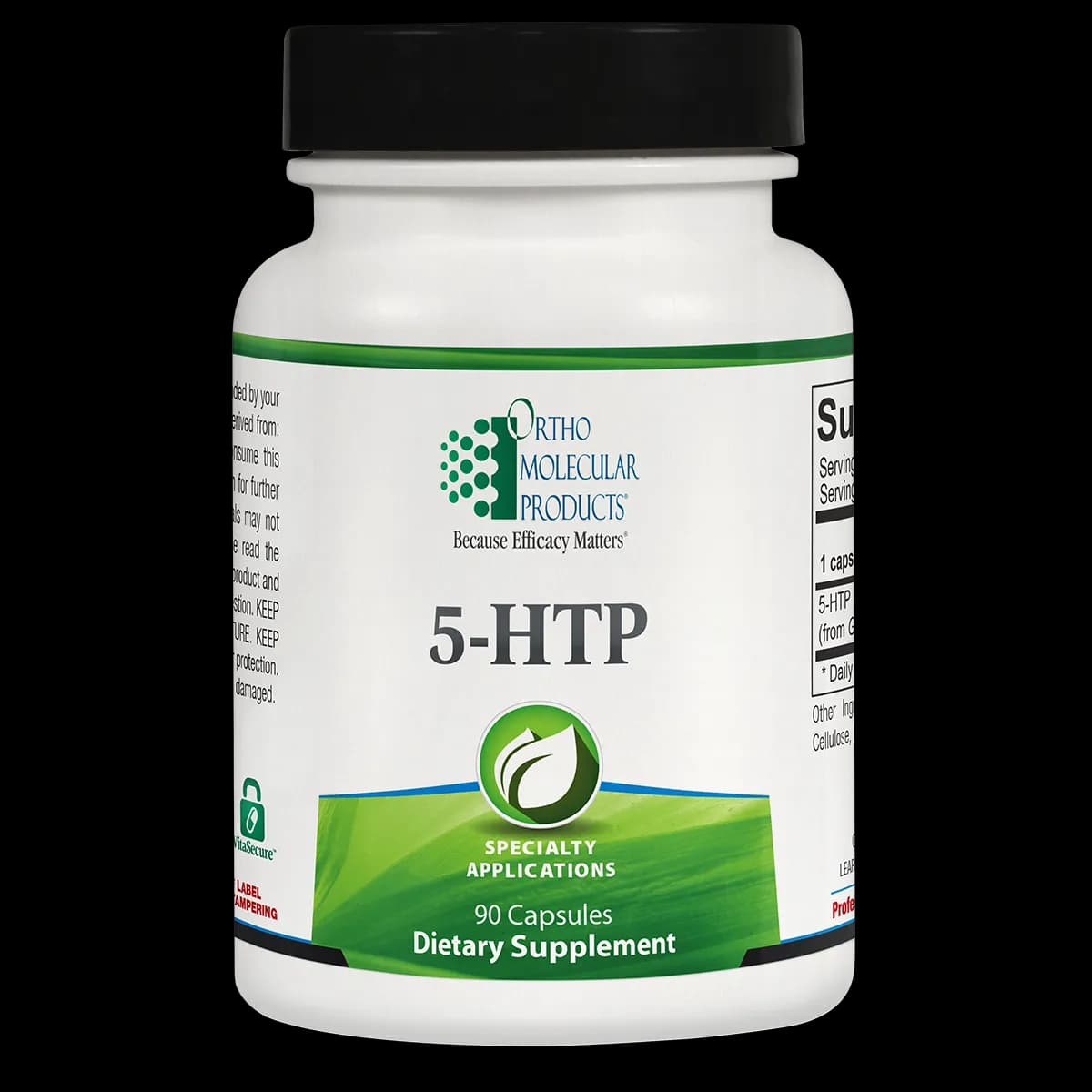
What is 5-HTP?
The Bridge Between Diet and Neurotransmitters
Introduce 5-HTP (5-Hydroxytryptophan) as a naturally occurring amino acid and the direct, rate-limiting chemical precursor to the neurotransmitter serotonin (5-hydroxytryptamine, or 5-HT). Extracted primarily from the seeds of the African plant Griffonia simplicifolia, 5-HTP serves as the critical biological bridge between the protein we consume in our diet and the complex neurochemistry that governs our central nervous system. In a healthy human body, serotonin is a master regulatory molecule. It is intimately involved in modulating mood, regulating the sleep-wake cycle, controlling appetite and gastrointestinal motility, and managing how the brain perceives and processes pain signals. Without adequate serotonin, the entire nervous system becomes dysregulated, leading to a cascade of physical and psychological symptoms.
To fully appreciate the clinical value of 5-HTP, we must first understand the standard biochemical pathway of serotonin synthesis. The process begins when we consume foods rich in L-tryptophan, an essential amino acid found in proteins like turkey, eggs, and cheese. Once absorbed through the gastrointestinal tract, L-tryptophan enters the bloodstream and travels to various tissues, including the brain and the gut. However, the conversion of raw L-tryptophan into active serotonin is a highly complex, heavily regulated, and easily disrupted process. It requires multiple enzymatic steps, specific nutritional cofactors, and an environment free of chronic inflammation. When this delicate pathway is compromised by chronic illness, the body's ability to manufacture its own serotonin plummets, creating a profound need for targeted nutritional interventions.
Bypassing the Rate-Limiting Bottleneck
The most critical vulnerability in the body's natural serotonin production line is the very first step: the conversion of L-tryptophan into 5-HTP. This reaction is catalyzed by an enzyme known as tryptophan hydroxylase (TPH). In biochemistry, TPH is considered the "rate-limiting enzyme" of serotonin synthesis. This means that no matter how much L-tryptophan you consume in your diet, your body can only produce serotonin as fast as the TPH enzyme can work. It acts as a strict biological bottleneck, tightly controlling the flow of neurotransmitter production to prevent overstimulation in a healthy system.
Unfortunately, in the context of complex chronic conditions, this bottleneck becomes a severe liability. The TPH enzyme is notoriously fragile and can be easily inhibited or down-regulated by a variety of systemic stressors. Chronic psychological stress, elevated cortisol levels, insulin resistance, systemic inflammation, and deficiencies in essential cofactors like pyridoxine (vitamin B6) and magnesium all severely impair TPH activity. When TPH is inhibited, serotonin production grinds to a halt. This is where 5-HTP supplementation becomes incredibly powerful. By providing the body with pre-formed 5-HTP, you completely bypass the vulnerable TPH bottleneck. The 5-HTP is immediately ready for the final step of conversion, ensuring that the raw material for serotonin is abundant regardless of upstream enzymatic dysfunction or chronic stress.
Crossing the Blood-Brain Barrier
Another profound advantage of 5-HTP lies in its unique relationship with the blood-brain barrier (BBB). The BBB is a highly selective, semi-permeable border of endothelial cells that protects the central nervous system from circulating pathogens and fluctuating systemic chemicals. While the vast majority of the body's serotonin—roughly 95%—is synthesized in the gastrointestinal tract by enterochromaffin cells, this peripheral serotonin is entirely locked out of the brain. Serotonin molecules are simply too large and hydrophilic (water-loving) to pass through the tight junctions of the blood-brain barrier. Therefore, the brain must manufacture its own localized supply of serotonin from scratch, relying entirely on precursors that can successfully cross from the blood into the cerebral tissue.
This is exactly why direct serotonin supplementation is neurologically ineffective, and why 5-HTP is utilized instead. Unlike active serotonin, 5-HTP is highly lipophilic and easily crosses the blood-brain barrier via active transport mechanisms. It utilizes the same luminal amino acid transporters as other large neutral amino acids but does so with high efficiency and minimal competition. Once safely inside the central nervous system, 5-HTP encounters the enzyme aromatic L-amino acid decarboxylase (AAAD), which rapidly and directly converts it into active central serotonin. This unique pharmacokinetic profile makes 5-HTP a highly targeted, efficient, and biologically elegant therapy for addressing the deep neurological serotonin depletion seen in post-viral and chronic fatigue syndromes.
How Long COVID and ME/CFS Impact Serotonin
Viral Persistence and the Gut Reservoir
A landmark paradigm shift in our understanding of post-viral illness occurred with a 2023 study published in Cell by researchers at the University of Pennsylvania. This extensive research, analyzing over 1,500 patients, revealed that remnants of the SARS-CoV-2 virus—specifically viral RNA—can persist in the gastrointestinal tract for months or even years after the acute infection has resolved. This phenomenon, known as viral persistence, creates a chronic 'viral reservoir' deep within the gut tissue. The immune system, constantly detecting these viral fragments, remains in a state of high alert, continuously releasing inflammatory proteins such as viral RNA-induced type I interferons. This localized, unrelenting inflammation in the gut lining is the first domino in a cascade that ultimately devastates the brain's neurochemistry.
The persistent interferon-driven inflammation severely damages the intestinal cells' ability to absorb vital nutrients from our diet. The most critical casualty of this malabsorption is the essential amino acid L-tryptophan. Because tryptophan is the sole dietary building block for serotonin, this gut-level blockade essentially starves the body of the raw materials it needs to manufacture its most important regulatory neurotransmitter. Blood tests of Long COVID patients consistently show markedly depleted levels of circulating plasma tryptophan, confirming that the body is simply not absorbing enough of this crucial amino acid to sustain normal neurological function.
The Tryptophan Steal and Kynurenine Pathway
Even when a small amount of tryptophan is successfully absorbed, chronic inflammation ensures it is not used to make serotonin. This phenomenon is known as the 'tryptophan steal.' When the immune system is highly activated by post-viral inflammation or the chronic immune dysregulation seen in ME/CFS, it releases pro-inflammatory cytokines like interferon-gamma (IFN-γ) and tumor necrosis factor-alpha (TNF-α). These cytokines dramatically upregulate a specific set of enzymes, primarily indoleamine 2,3-dioxygenase (IDO) and tryptophan 2,3-dioxygenase (TDO). These enzymes act like a metabolic switch, forcibly redirecting whatever tryptophan is available away from the serotonin synthesis pathway and into an alternative route known as the kynurenine pathway.
This inflammatory shunting is a double-edged sword for patients with complex chronic illness. Not only does the kynurenine pathway rob the brain of essential serotonin, but it also produces a series of highly neurotoxic downstream metabolites, most notably quinolinic acid. Research on tryptophan catabolites has shown that quinolinic acid acts as a potent agonist at the NMDA receptors in the brain, driving severe excitotoxicity, oxidative stress, and chronic neuroinflammation. This toxic environment further damages delicate neural networks and exacerbates the profound fatigue and cognitive dysfunction that characterize these conditions. This overlapping pathophysiology is exactly why many researchers and patients alike ask, Can Long COVID Trigger ME/CFS? Unraveling the Connection.
Vagus Nerve Disruption and Brain Fog
The catastrophic drop in peripheral serotonin levels has an immediate and devastating impact on the vagus nerve. The vagus nerve is the longest and most complex of the cranial nerves, serving as the primary bidirectional superhighway connecting the gut (the enteric nervous system) to the brain (the central nervous system). It is responsible for regulating heart rate, digestion, respiratory rate, and the parasympathetic 'rest and digest' response. Crucially, the vagus nerve relies heavily on peripheral serotonin as its primary signaling molecule. When the gut's serotonin production collapses due to tryptophan malabsorption and the kynurenine steal, vagus nerve signaling is severely impaired, effectively cutting off the vital communication lines between the body and the brain.
This lack of vagal signaling directly impacts the brain's hippocampus, the region responsible for memory consolidation, learning, and emotional regulation. The Penn Medicine researchers demonstrated that when vagus nerve communication is disrupted by low serotonin, the hippocampus cannot function properly. This localized neurological failure manifests clinically as the profound memory loss, difficulty concentrating, and debilitating 'brain fog' that so many post-viral patients experience daily. It is not merely a symptom of being tired; it is a direct consequence of a broken neurochemical signaling pathway.
5-HTP: Supporting Mood, Sleep, and Brain Fog
Restoring Central Serotonin Levels
Given the profound disruption of the tryptophan absorption and conversion pathways in post-viral syndromes, traditional dietary interventions often fall short. Consuming more tryptophan-rich foods or supplementing with basic L-tryptophan is frequently ineffective because the inflamed gut cannot absorb it, and the upregulated IDO enzymes will simply shunt it into the neurotoxic kynurenine pathway. This is precisely where 5-HTP becomes a highly targeted, biologically elegant intervention. Because 5-HTP is already one step past the vulnerable tryptophan bottleneck, it completely bypasses the inflammatory kynurenine steal. It provides a direct, uninterrupted pipeline to restore central serotonin levels, delivering the exact raw material the brain desperately needs.
By efficiently crossing the blood-brain barrier and rapidly converting into active serotonin, 5-HTP helps to replenish the depleted neurotransmitter pools in the hippocampus and the prefrontal cortex. This restoration is critical for stabilizing mood, reducing anxiety, and clearing the profound neurocognitive fog associated with post-viral syndromes. When the brain has adequate serotonin, it can properly regulate emotional responses, process complex information, and maintain a sense of psychological resilience in the face of chronic illness. For more insights on managing these overlapping psychological and physiological challenges, you can read about Long COVID and Mental Health.
The Serotonin-Melatonin Pathway for Sleep
The benefits of 5-HTP extend far beyond waking hours, playing a foundational role in the architecture of restorative sleep. To understand this, we must look at the serotonin-melatonin pathway. Serotonin is not just a final product; it is the mandatory biochemical precursor to melatonin, the primary hormone that governs our circadian rhythms and sleep-wake cycles. As daylight fades, the pineal gland deep within the brain begins to convert its stored serotonin into melatonin through a two-step enzymatic process. Without adequate central serotonin, the pineal gland simply lacks the raw materials required to produce enough melatonin to initiate and maintain deep sleep.
In conditions like ME/CFS and Long COVID, this pathway is severely compromised, leading to the hallmark symptom of unrefreshing, fragmented sleep and severe insomnia. By supplying the body with 5-HTP, patients are not only boosting their waking serotonin levels but also providing the essential substrate for robust, natural melatonin production at night. Research on melatonin and Long COVID emphasizes the critical importance of this pathway in regulating sleep latency (the time it takes to fall asleep) and increasing the duration of restorative Rapid Eye Movement (REM) sleep, which is essential for cognitive recovery and immune system repair.
Re-engaging the Vagus Nerve and Pain Pathways
Restoring serotonin levels through 5-HTP supplementation also has profound implications for autonomic nervous system balance and pain management. In dysautonomia and POTS (Postural Orthostatic Tachycardia Syndrome), the autonomic nervous system is often stuck in a chronic state of sympathetic 'fight or flight' overdrive. Because serotonin is a key signaling molecule for the vagus nerve, replenishing it helps to re-engage parasympathetic 'rest and digest' tone. This improved vagal tone can help stabilize erratic heart rates, improve gastrointestinal motility, and reduce the hyper-aroused, anxious state that frequently accompanies autonomic dysfunction.
Furthermore, serotonin plays a crucial role in the descending inhibitory pain pathways of the spinal cord. In conditions characterized by widespread chronic pain, such as fibromyalgia and ME/CFS, low central serotonin levels lead to a phenomenon known as central sensitization. This occurs when the brain loses its neurochemical 'brakes' and begins to amplify normal sensory signals into severe, debilitating pain. By restoring serotonin levels in the central nervous system, 5-HTP helps to re-engage these inhibitory pathways, effectively 'turning down the volume' on chronic pain and reducing the severity of tender points and morning stiffness.

Symptoms 5-HTP May Help Manage
Cognitive and Mood Symptoms
Debilitating Brain Fog and Cognitive Dysfunction: By bypassing the broken tryptophan absorption pathway, 5-HTP restores the central serotonin necessary for proper vagus nerve signaling and hippocampal function. This helps to clear memory issues, improve concentration, and lift the profound cognitive fog associated with Long COVID and ME/CFS.
Depression and Low Mood: As the direct, rate-limiting precursor to serotonin, 5-HTP efficiently replenishes the central nervous system's primary "well-being" neurotransmitter, counteracting the severe mood-dampening effects of chronic neuroinflammation and the kynurenine pathway steal.
Anxiety and Nervous System Overdrive: Restoring adequate serotonin levels helps balance the autonomic nervous system by promoting parasympathetic "rest and digest" vagal tone. This reduces the hyper-aroused, chronically anxious state that is incredibly common in patients dealing with dysautonomia, POTS, and MCAS.
Sleep and Physical Symptoms
Severe Insomnia and Unrefreshing Sleep: Serotonin is the mandatory biochemical building block for melatonin. Supplementing with 5-HTP provides the raw materials the pineal gland desperately needs to regulate the circadian rhythm, significantly reduce sleep latency, and increase the duration of restorative REM sleep.
Widespread Muscle and Joint Pain: In centralized pain conditions like fibromyalgia and ME/CFS, 5-HTP helps re-engage the descending inhibitory pain pathways in the spinal cord. This reduces central sensitization, effectively turning down the neurological volume on chronic, widespread pain and morning stiffness.
Appetite Dysregulation and Nausea: Serotonin plays a massive role in the enteric nervous system, governing gut motility and satiety signaling. By restoring neurochemical balance in the gut-brain axis, 5-HTP can support healthy appetite regulation and stabilize the gastrointestinal dysfunction frequently seen in post-viral patients.
Practical Considerations: Forms, Dosing, and Absorption
Pharmacokinetics and Bioavailability
When considering 5-HTP supplementation, understanding its unique pharmacokinetics—how the body absorbs, distributes, and metabolizes the compound—is crucial for maximizing its clinical benefits. 5-HTP is rapidly absorbed in the upper intestine via active amino acid transporters. Unlike many other supplements that require specific stomach acid levels or dietary fats for proper breakdown, 5-HTP is highly bioavailable on its own. Following oral administration, the compound reaches its peak plasma concentration (known as Tmax) in just 1.0 to 1.5 hours. Its overall oral bioavailability is excellent, at approximately 70%, meaning a significant portion of the ingested dose survives the digestive tract and enters systemic circulation.
However, the primary clinical challenge with 5-HTP is its exceptionally brief duration of action. The biological half-life of 5-HTP—the time it takes for half of the active substance to be cleared from the bloodstream—is remarkably short, ranging from just 1.5 to 2.2 hours. Because it is metabolized and eliminated so rapidly, a single large dose can cause a sharp spike in plasma serotonin followed by a rapid crash. To maintain stable, therapeutic levels of serotonin throughout the day, functional medicine practitioners often recommend dividing the total daily dosage into smaller, more frequent administrations. This prevents the rapid peaks and valleys that can trigger gastrointestinal side effects and ensures a steady supply of neurotransmitter precursors to the brain.
Dosing Strategies and Timing
Standard dosing practices for 5-HTP vary significantly depending on the specific symptoms being targeted and the patient's individual sensitivity. For general mood support, cognitive clarity, and mild pain management, practitioners often recommend starting with a very low dose—typically 50mg to 100mg—taken two to three times daily. Starting low and titrating up slowly is a critical strategy to minimize common gastrointestinal side effects, such as nausea or mild stomach cramping. These side effects occur because the gut contains a massive concentration of serotonin receptors, and suddenly flooding them with precursors can cause temporary hypermotility or irritation until the body adapts.
The timing of your 5-HTP dosage can also be strategically adjusted to target specific circadian needs. If your primary goal is to combat severe insomnia and support sleep architecture, taking a single 100mg dose of 5-HTP approximately 30 to 60 minutes before bedtime is highly effective. This timing takes advantage of the rapid absorption and conversion pathway, ensuring that the resulting serotonin is available precisely when the pineal gland needs it to synthesize nighttime melatonin. This targeted approach helps to initiate the sleep cycle more smoothly, reduce the time spent tossing and turning, and deepen the restorative phases of nighttime rest.
Critical Safety Warnings and Serotonin Syndrome
While 5-HTP is a naturally occurring amino acid, its profound biochemical power means it must be treated with the same respect and caution as a prescription medication. Because 5-HTP directly and powerfully increases central nervous system serotonin without relying on the body's natural rate-limiting feedback loops, it has an extensive and highly critical interaction profile. It is strictly contraindicated for individuals currently taking Selective Serotonin Reuptake Inhibitors (SSRIs), Serotonin-Norepinephrine Reuptake Inhibitors (SNRIs), Monoamine Oxidase Inhibitors (MAOIs), or Tricyclic Antidepressants (TCAs). Combining 5-HTP with these medications can overwhelm the brain's serotonin receptors and lead to severe, life-threatening neurological toxicity.
The most severe risk associated with these drug interactions is a condition known as Serotonin Syndrome. This unpredictable and potentially fatal condition occurs when serotonin levels accumulate to toxic levels in the central nervous system. Symptoms of Serotonin Syndrome include extreme agitation, severe confusion, rapid heart rate (tachycardia), dangerous fluctuations in blood pressure, heavy sweating, muscle rigidity, hyperactive reflexes, and high fever. It is crucial to understand that even common medications, such as the painkiller Tramadol or over-the-counter cough suppressants containing dextromethorphan, can trigger this syndrome when combined with 5-HTP. Always consult a knowledgeable healthcare provider before introducing 5-HTP into a complex medication regimen.

Follow the Science
Landmark Discoveries in Long COVID
The scientific understanding of post-viral syndromes has advanced rapidly, providing a robust, evidence-based rationale for the use of targeted serotonin precursors like 5-HTP. The most significant breakthrough came from the 2023 study published in Cell by a team of researchers at the University of Pennsylvania's Perelman School of Medicine. By analyzing extensive clinical data, blood panels, and stool samples from over 1,500 patients, the researchers definitively linked viral persistence in the gut to severe peripheral serotonin depletion. They demonstrated that chronic, interferon-mediated inflammation blocks the intestinal absorption of tryptophan, effectively starving the body of the raw materials needed for serotonin synthesis and vagus nerve signaling.
The implications of these findings are profound, particularly regarding therapeutic interventions. In their accompanying animal models, the Penn Medicine researchers demonstrated that when subjects with viral persistence were treated with serotonin precursors (such as 5-HTP) or SSRIs, their central serotonin levels were completely restored. More importantly, this neurochemical restoration directly reversed the severe neurocognitive impairments, memory loss, and brain fog associated with the viral infection. This landmark study provides a clear, mechanistic validation for using 5-HTP to bypass broken metabolic pathways and directly address the neurological symptoms of Long COVID.
Clinical Evidence in Fibromyalgia and Sleep
Beyond recent post-viral research, 5-HTP has a long and well-documented history of clinical efficacy in centralized pain conditions. Double-blind, placebo-controlled trials dating back to the early 1990s have consistently demonstrated its power in managing primary fibromyalgia syndrome. In these studies, patients receiving 5-HTP experienced significant, measurable improvements across all major symptom categories. Researchers noted substantial reductions in the number of active tender points, decreased morning stiffness, lower pain intensity scores, and a marked reduction in severe, debilitating fatigue compared to baseline measurements.
The clinical evidence supporting 5-HTP for sleep architecture is equally compelling. Numerous clinical trials have demonstrated that 5-HTP supplementation not only significantly reduces sleep latency—the time it takes a patient to transition from full wakefulness to sleep—but also profoundly alters the quality of the sleep itself. Studies show that 5-HTP increases the duration and density of Rapid Eye Movement (REM) sleep, which is the phase of sleep most critical for cognitive processing, memory consolidation, and emotional regulation. Furthermore, 5-HTP's ability to cross the blood-brain barrier and increase central nervous system synthesis of serotonin supports its role in regulating sleep.
Ongoing Research and Future Directions
As the medical community continues to unravel the complexities of chronic illness, ongoing research is increasingly focused on the intersection of neuroimmunology and metabolic health. Studies exploring the neuroimmune pathophysiology of Long COVID are actively investigating how modulating the tryptophan-kynurenine pathway can reduce excitotoxicity, lower quinolinic acid levels, and protect the brain from chronic oxidative stress. This research underscores the importance of not just managing symptoms, but actively repairing the underlying biochemical pathways that have been disrupted by chronic viral infections and systemic inflammation.
While the current biochemical logic is incredibly sound and the early clinical data is highly promising, there is still a vital need for larger, randomized controlled trials specifically targeting ME/CFS and Long COVID patient cohorts. These future studies will be crucial for refining optimal dosing protocols, identifying which specific patient subgroups will benefit the most from targeted serotonin precursor therapy, and understanding how 5-HTP can be most effectively combined with other treatments. Until then, 5-HTP remains one of the most scientifically grounded, biologically plausible nutritional interventions available for addressing the profound neurochemical deficits seen in these complex chronic conditions.
The Path Forward
A Piece of the Chronic Illness Puzzle
Validating the reality of your symptoms is the first and most crucial step in managing a complex chronic illness. Living with the profound brain fog, unrefreshing sleep, and unpredictable mood swings of Long COVID, ME/CFS, or dysautonomia is incredibly challenging, and it is not a failure of willpower. When your fundamental neurochemistry is disrupted by post-viral inflammation and severe serotonin depletion, pushing through the fatigue is not only impossible—it is biologically counterproductive. Learning How Can You Live with Long-Term COVID requires patience, self-compassion, and a willingness to explore targeted, science-backed interventions that address the root causes of your symptoms.
It is important to remember that while 5-HTP is a powerful tool for bypassing broken metabolic pathways and restoring essential neurotransmitters, it is not a standalone cure. It works best when integrated into a comprehensive, holistic management strategy. This strategy should include aggressive pacing to prevent post-exertional malaise, nervous system regulation techniques to improve vagal tone, dietary support to reduce systemic inflammation, and careful, daily symptom tracking. You might also explore complementary approaches like Can Mood-Stasis™ Support Mental Health and Stress Resilience in Long COVID? to build a robust, multi-faceted protocol tailored to your unique biological needs.
Next Steps in Your Journey
Because of its potent effects on brain chemistry and its significant interaction profile with prescription medications, 5-HTP must be approached intelligently and cautiously. We strongly encourage you to work closely with a dysautonomia-literate, ME/CFS-aware, or Long COVID-specialized physician. A knowledgeable healthcare provider can help you navigate the complexities of serotonin syndrome, determine the safest starting dosage, and decide if 5-HTP is an appropriate addition to your specific recovery protocol. Collaborative, informed medical care is the cornerstone of safely managing complex chronic conditions.
If you and your healthcare provider decide that supporting your serotonin and melatonin pathways is the right next step for your neurocognitive and physical recovery, you can explore targeted nutritional support. Remember that supplements are just one piece of the puzzle, but by choosing pure, rigorously tested formulations, you can safely support your body's complex neurochemistry and take a proactive step toward reclaiming your cognitive clarity, restorative sleep, and overall well-being.
Sources
Primary Clinical Research
Wong et al., 2023. Serotonin reduction in post-acute sequelae of viral infection. Cell.
Penn Medicine News. Viral persistence and serotonin reduction can cause long COVID symptoms.
Neuroimmune pathophysiology of long COVID. Psychiatry and Clinical Neurosciences.