Omega-3 Fatty Acids and Chronic Illness: Anti-Inflammatory Benefits for ME/CFS, POTS, and More
March 10, 2026
omega 3 chronic illnessfish oil me cfsomega 3 long covid
Share:
Disclaimer: The information provided here is for educational purposes only and is not intended as medical advice. It should not be used to diagnose, treat, cure, or prevent any medical condition. Instead, use it as a starting point for discussion with your healthcare provider. Always consult with a qualified healthcare provider before starting any new medication, supplement, device, or making changes to your health regimen.
Living with complex, chronic conditions like Myalgic Encephalomyelitis/Chronic Fatigue Syndrome (ME/CFS), Long COVID, Postural Orthostatic Tachycardia Syndrome (POTS), and Mast Cell Activation Syndrome (MCAS) often feels like navigating a labyrinth without a map. Patients frequently describe their bodies as being locked in a perpetual state of "fight or flight," battling debilitating symptoms such as profound fatigue, unpredictable heart rate spikes, widespread pain, and a thick, suffocating brain fog. While the search for definitive answers continues, medical researchers are increasingly focusing on the biological foundations of these illnesses, particularly the role of severe, systemic inflammation and autonomic nervous system dysfunction.
In the quest to calm this physiological storm, one nutritional intervention has repeatedly taken center stage in clinical research: Omega-3 fatty acids. Specifically, the marine-derived lipids Eicosapentaenoic Acid (EPA) and Docosahexaenoic Acid (DHA) are proving to be much more than simple daily vitamins. They are powerful, bioactive molecules capable of physically altering cell membranes, modulating immune responses, and repairing damaged neurological pathways. This comprehensive guide explores the intricate biological mechanisms behind Omega-3s, detailing how they can help reduce neuroinflammation, stabilize hyperactive mast cells, and support cardiovascular autonomic function for those living with chronic, invisible illnesses.
The Nutritional Challenge of Chronic Illness
The physiological landscape of conditions like ME/CFS and Long COVID is characterized by a relentless, underlying state of immune dysregulation and oxidative stress. When a healthy body encounters a virus, the immune system mounts an inflammatory response to neutralize the threat, and then, crucially, it initiates a "resolution phase" to turn off the inflammation and heal the collateral damage. However, in post-viral chronic illnesses, this resolution pathway often fails, leaving the immune system's "fire alarm"—such as the NLRP3 inflammasome—stuck in the "on" position. This chronic activation drains cellular energy, impairs mitochondrial function, and leads to the profound, crushing exhaustion known as post-exertional malaise (PEM).
This persistent inflammatory state places an enormous metabolic demand on the body, rapidly depleting essential nutrients required for cellular repair and immune modulation. Among the most critical of these depleted resources are Omega-3 polyunsaturated fatty acids. A pivotal 2018 study by Castro-Marrero et al. analyzing the Omega-3 Index of ME/CFS patients revealed a staggering reality: 92.6% of the cohort had critically low levels of EPA and DHA in their red blood cell membranes. While an optimal Omega-3 Index is generally considered to be above 8%, the ME/CFS group averaged a mere 5.75%, directly correlating with a severe pro-inflammatory state.
This profound deficiency creates a biological environment where pro-inflammatory Omega-6 fatty acids, such as arachidonic acid, dominate the cellular landscape. When Omega-6s outnumber Omega-3s, the body's baseline state shifts toward hypersensitivity and systemic inflammation. For patients, this microscopic imbalance translates into very real, macroscopic symptoms: worsening brain fog, intensified joint and muscle pain, and an inability to recover from even minor physical or cognitive exertion. Addressing this nutritional deficit is not merely about correcting a number on a lab test; it is about fundamentally changing the structural composition of the patient's cells to favor healing over hostility.
For individuals navigating the unpredictable waters of Mast Cell Activation Syndrome (MCAS), achieving adequate Omega-3 levels presents a unique and frustrating nutritional paradox. Mast cells are the immune system's first responders, packed with granules containing histamine, prostaglandins, and inflammatory cytokines. In MCAS, these cells become structurally unstable and hyper-reactive, degranulating inappropriately in response to minor triggers like temperature changes, stress, or specific foods. Because fish naturally accumulates histamine very rapidly after being caught due to bacterial breakdown, individuals with MCAS or histamine intolerance are almost universally advised to strictly avoid seafood to prevent severe allergic-type reactions.
By diligently avoiding fish to manage their immediate histamine symptoms, MCAS patients inadvertently cut off their primary dietary source of EPA and DHA. This creates a vicious, self-perpetuating cycle of inflammation. Without enough Omega-3s to physically incorporate into the lipid rafts of the mast cell membranes, the membranes lose their fluidity and become rigid. This structural rigidity actually makes the mast cells more volatile and easier to trigger, perpetuating the very hypersensitivity the patient is trying to avoid. Consequently, the dietary restriction meant to protect the patient ultimately starves their immune system of the exact molecules needed to stabilize it.
Breaking this cycle requires a highly strategic approach to Omega-3 repletion. Patients must find ways to introduce these critical fatty acids without triggering a histamine dump, a challenge that requires careful selection of ultra-pure, third-party-tested supplements or alternative marine sources. Understanding this paradox is the first step toward reclaiming immunological stability, allowing patients to slowly rebuild their cellular resilience and raise the threshold required for mast cell degranulation.
Key Nutrients: What They Are and Why They Matter
To understand why Omega-3s are so heavily researched in the context of chronic illness, we must look at the specific roles of its two primary marine-derived components: Eicosapentaenoic Acid (EPA) and Docosahexaenoic Acid (DHA). EPA is primarily recognized for its potent, systemic anti-inflammatory properties. At the cellular level, EPA directly competes with arachidonic acid (a pro-inflammatory Omega-6) for access to the cyclooxygenase (COX) and lipoxygenase (LOX) enzymes. By binding to these enzymes first, EPA effectively blocks the production of highly inflammatory signaling molecules like prostaglandin E2 and leukotriene B4, acting as a biological fire extinguisher for systemic inflammation.
In the context of conditions like Long COVID and ME/CFS, where systemic inflammation drives debilitating symptoms, EPA's ability to modulate these pathways is critical. It helps to lower the overall inflammatory burden on the body, which in turn can alleviate widespread joint and muscle pain, reduce the severity of headaches, and calm the overactive immune responses that contribute to daily fatigue. By shifting the balance away from arachidonic acid, EPA creates a more hospitable internal environment, allowing the body to redirect its limited energy resources away from fighting phantom threats and toward cellular repair and energy production.
Furthermore, EPA plays a vital role in cardiovascular health, which is particularly relevant for patients dealing with dysautonomia and POTS. It helps to improve endothelial function—the health of the inner lining of blood vessels—promoting better vasodilation and blood flow. For patients who struggle with blood pooling in their lower extremities and poor cerebral perfusion upon standing, enhancing endothelial health with EPA can be a foundational step in managing orthostatic intolerance and the accompanying lightheadedness.
While EPA focuses on extinguishing inflammation, Docosahexaenoic Acid (DHA) serves as the critical structural architect of the brain and central nervous system. DHA is the most abundant Omega-3 fatty acid in the brain, making up a significant portion of the neuronal cell membranes and the myelin sheaths that insulate nerve fibers. This high concentration of DHA is what gives healthy neuronal membranes their characteristic fluidity, a physical property that is absolutely essential for the rapid and efficient transmission of neurotransmitters across synapses. Without adequate DHA, these membranes become stiff and rigid, leading to sluggish neuronal communication.
For patients experiencing the profound cognitive impairment commonly referred to as "brain fog," this structural role of DHA is of paramount importance. When neuronal signaling is slowed due to rigid, DHA-deficient cell membranes, patients experience delayed processing speeds, poor short-term memory, and an overwhelming sense of cognitive fatigue. By replenishing DHA levels, patients provide their brains with the raw materials needed to repair these membranes, restoring fluidity and allowing for sharper, more efficient cognitive function. This structural repair is a slow process, but it is fundamental to recovering mental clarity in post-viral syndromes.
DHA also plays a crucial role in supporting the autonomic nervous system, the control center responsible for regulating involuntary functions like heart rate and blood pressure. In conditions like POTS, where the autonomic nerves are often inflamed and misfiring, DHA helps to rebuild the damaged myelin sheaths, improving the speed and accuracy of nerve signaling. This structural reinforcement is vital for restoring autonomic balance and helping the body properly coordinate its cardiovascular responses to changes in posture.
Perhaps the most groundbreaking discovery regarding Omega-3s in recent years is their role in the "resolution pathway" of the immune system. For decades, scientists believed that inflammation simply faded away over time. We now know that the resolution of inflammation is an active, highly coordinated biological process driven by specialized molecules derived directly from EPA and DHA. These molecules are known as Specialized Pro-resolving Mediators (SPMs), and they include families of compounds called resolvins, protectins, and maresins. SPMs are the immune system's "clean-up crew," tasked with actively dismantling the inflammatory response once the initial threat has passed.
In chronic illnesses like ME/CFS and Long COVID, this resolution pathway is often broken or stalled, leaving the patient trapped in a state of chronic immune activation. When EPA and DHA are successfully converted into SPMs, these mediators signal immune cells called macrophages to stop releasing inflammatory cytokines and begin phagocytosis—the process of engulfing and clearing away cellular debris and dead tissue. Furthermore, SPMs specifically target microglia, the resident immune cells of the brain. By signaling hyperactive microglia to "stand down," SPMs play a critical role in actively reversing neuroinflammation, a primary driver of both central sensitization pain and severe brain fog.
Understanding the role of SPMs highlights why simply taking standard fish oil may not yield immediate results for every patient. If a patient's metabolic pathways are severely impaired by chronic illness, they may struggle to convert raw EPA and DHA into these crucial resolving molecules. This "broken factory" scenario explains the varied responses to Omega-3 supplementation and underscores the need for targeted, highly bioavailable interventions that can bypass these metabolic blockades and deliver the necessary signals to halt chronic inflammation.
What the Research Shows
The clinical evidence supporting the use of Omega-3s for autonomic dysfunction and POTS has grown significantly, moving beyond theoretical mechanisms to quantifiable patient outcomes. In POTS, the autonomic nervous system is frequently locked in a state of "sympathetic overdrive" (fight-or-flight), leading to exaggerated heart rate spikes upon standing. A pivotal 2023 clinical study by Dr. Reiner Buchhorn and colleagues investigated the use of targeted EPA/DHA interventions in adolescents suffering from POTS and post-COVID dysautonomia. The results provided compelling evidence for the cardiovascular stabilizing effects of marine lipids.
Before the intervention, the patients in the Buchhorn study experienced a debilitating average heart rate increase of 44.0 beats per minute (bpm) simply by transitioning from a lying to a standing position. Following a targeted regimen of Omega-3 supplementation, this orthostatic heart rate spike dropped dramatically to a much more stable 25.6 bpm. While traditional pharmaceuticals like beta-blockers or ivabradine can also lower heart rates, they often come with severe, fatigue-inducing side effects that worsen the overall quality of life for ME/CFS patients. Omega-3s, conversely, proved to be a highly effective, well-tolerated baseline therapy that stabilized the autonomic nervous system without exacerbating underlying exhaustion.
Furthermore, research published in Nutrients in 2018 demonstrated that administering 2 grams of marine Omega-3s daily significantly improved vagal tone and increased Heart Rate Variability (HRV) in patients with cardiac autonomic dysfunction. A higher HRV is a critical biomarker of autonomic resilience, indicating a flexible nervous system capable of blunting severe sympathetic spikes. By improving vagal tone, Omega-3s help to physically repair the dysfunctional autonomic pathways, offering a foundational biological tool for managing POTS alongside traditional lifestyle modifications. For more on managing these symptoms, see our guide on Orthostatic Intolerance: Why Standing Makes You Feel Worse.
In the realm of Mast Cell Activation Syndrome (MCAS), Omega-3s are increasingly recognized as potent, natural mast-cell stabilizers. Unlike traditional H1 or H2 antihistamines that merely block histamine from binding to receptors after it has been released, EPA and DHA operate "upstream" to prevent the mast cell from degranulating in the first place. A landmark 2012 study published in the British Journal of Nutrition compared the effects of EPA and DHA against pro-inflammatory Omega-6 (arachidonic acid) on human mast cell lines. The findings starkly illustrated the opposing roles of these fatty acids in immune regulation.
The researchers discovered that while Omega-6 dramatically boosted receptor-mediated degranulation and the release of inflammatory prostaglandins, EPA and DHA completely failed to trigger degranulation. More importantly, when DHA was introduced at therapeutic concentrations, it actively reduced the secretion of the inflammatory cytokine IL-13 by 30%. By physically incorporating into the lipid rafts of the mast cell membranes, Omega-3s alter the membrane's fluidity, making it significantly harder for the primary allergic receptors (FcεRI) to cluster together and initiate the explosive release of histamine and other mediators.
Additional research supports these profound stabilizing effects. A 2011 study in the Journal of Medicine and Life Science tested fish oil on mice injected with a known mast cell degranulator. Oral administration of fish oil dose-dependently inhibited scratching behavior and significantly suppressed serum histamine levels. Remarkably, the researchers noted that the inhibitory effect of fish oil on histamine release was actually stronger than that of diphenhydramine, a common over-the-counter antihistamine. This robust in vivo and in vitro data underscores the critical importance of Omega-3s in raising the activation threshold of hyper-reactive mast cells.
The application of Omega-3s for the profound fatigue and cognitive dysfunction seen in ME/CFS and Long COVID centers heavily on their ability to combat neuroinflammation. A recent 2024 double-blind, randomized controlled trial by Hackensack Meridian Health (Sarkar et al.) tested high-dose omega-3s (2,100 mg of combined EPA/DHA daily) on healthcare workers suffering from Long COVID. The 12-week study provided a nuanced look at how these fatty acids interact with post-viral physiology, yielding mixed but highly informative results regarding systemic inflammation versus self-reported symptom relief.
Blood analyses from the Hackensack trial proved that the Omega-3 supplement successfully and drastically decreased systemic biological inflammation, significantly improving the patients' arachidonic acid to EPA ratio. However, despite these clear biomarker improvements, the 12-week intervention did not result in statistically significant improvements in self-reported physical symptoms like fatigue or brain fog compared to the placebo. This discrepancy highlights a crucial reality of chronic illness: lowering systemic inflammation is a necessary foundational step, but it may take considerably longer than 12 weeks for the structural repair of neuronal membranes and the reversal of central sensitization to translate into noticeable symptom relief.
Conversely, studies focusing on chronic overlapping pain conditions have shown profound clinical benefits. A landmark 2025 randomized, double-blind trial (Fattah et al.) tested a massive 6,000 mg daily dose of EPA/DHA on adults diagnosed with fibromyalgia, a central sensitization syndrome driven by neuroinflammation similar to ME/CFS. After 8 weeks, the Omega-3 group experienced highly significant improvements in the Widespread Pain Index and reported marked reductions in fatigue and pain perception. The study revealed that the Omega-3s significantly increased serum levels of calcium and magnesium, vital minerals for regulating neuromuscular function, suggesting that high-dose interventions can actively reverse the neuroinflammatory drivers of widespread chronic pain.
Supplements: What Evidence Supports
When navigating the complex metabolic blockades inherent to ME/CFS and Long COVID, the form of the supplement is just as critical as the dosage. Many patients with severe chronic illness struggle with gastrointestinal dysfunction, gastroparesis, or poor fat absorption, making standard, heavily processed fish oil capsules difficult to break down and utilize. For these individuals, functional medicine practitioners often recommend ultra-pure, molecularly distilled liquid formulations. Liquid fish oils bypass the need for the body to dissolve a synthetic gelatin capsule, allowing for more immediate assimilation of the active EPA and DHA molecules in the upper digestive tract.
One highly regarded option in this category is Orthomega Liquid Fish Oil, which provides a concentrated, highly bioavailable dose of EPA and DHA in a triglyceride form that closely mimics how these fats occur in nature. This natural triglyceride structure ensures superior absorption compared to the cheaper ethyl ester forms found in many over-the-counter brands. By utilizing a high-quality liquid, patients can easily titrate their dosage to meet the robust clinical targets (often 2,000 mg to 3,000 mg daily) required to actively suppress neuroinflammation and support autonomic repair without swallowing handfuls of large pills.
Another excellent option for comprehensive autonomic and cognitive support is O.N.E. Omega. This formulation is specifically designed to deliver a potent, supercritical extraction of EPA and DHA, ensuring maximum purity and minimal oxidative degradation. For patients dealing with the severe brain fog of Long COVID or the erratic heart rates of POTS, securing a reliable, highly absorbed source of these foundational lipids is a critical first step in rebuilding cellular resilience and providing the nervous system with the raw materials it desperately needs to heal.
As discussed earlier, the "broken factory" hypothesis suggests that many patients with post-viral illnesses possess the raw EPA and DHA but lack the enzymatic capacity to convert them into the Specialized Pro-resolving Mediators (SPMs) required to turn off the immune system's fire alarm. For patients who have tried high-quality fish oil without success, or who experience paradoxical symptom flares from standard Omega-3s, direct SPM supplementation represents a cutting-edge alternative. By bypassing the impaired conversion process entirely, these supplements deliver the active, resolving molecules directly to the inflamed tissues.
SPM supplements contain concentrated levels of resolvins, protectins, and maresins, the exact biological signals needed to instruct hyperactive microglia to stand down and clear away cellular debris. This targeted approach is particularly promising for patients trapped in a cycle of severe post-exertional malaise (PEM) and intractable central sensitization pain. While SPM supplements are generally more expensive and less widely available than standard fish oil, they offer a highly specific, mechanistic intervention for those whose resolution pathways are fundamentally stalled by chronic illness.
It is important to note that SPMs are often used synergistically with other targeted supplements to comprehensively address neuroinflammation and autonomic dysfunction. For example, combining SPM therapy with Magnesium Glycinate can provide dual support for calming the nervous system and improving sleep architecture. Similarly, pairing resolving mediators with L-Theanine can further help to clear brain fog and reduce the sympathetic overdrive that characterizes POTS and ME/CFS, creating a multi-pronged approach to neurological recovery.
For the MCAS patient population, the risk of histamine contamination in marine products is a constant, looming threat. Even the highest quality fish oils can occasionally trigger a reaction in exquisitely sensitive individuals if the oil has experienced any degree of oxidation or if the fish was not flash-frozen immediately upon harvest. For these patients, marine algae oil provides a safe, completely plant-based, and inherently histamine-free source of direct EPA and DHA. Algae is, in fact, the original source of Omega-3s in the marine food web; fish only accumulate EPA and DHA by consuming this algae.
By going straight to the source, algae oil supplements bypass the bacterial breakdown processes that generate histamine in fish tissue. This allows MCAS patients to safely achieve the robust doses of EPA and DHA necessary to physically stabilize their volatile mast cell membranes without risking a debilitating symptom flare. When selecting an algae oil, it is crucial to find a brand that provides a balanced ratio of both EPA (for inflammation reduction) and DHA (for structural membrane support), as many early generation vegan supplements were heavily skewed toward DHA alone.
Algae oil can also be seamlessly integrated into a broader mast cell stabilization protocol. Functional medicine approaches often involve stacking these safe Omega-3s with other natural modulators. For instance, combining algae oil with Curcumin with BioPerine can provide powerful, complementary anti-inflammatory effects to help clear brain fog and reduce widespread pain. By carefully selecting non-triggering, highly purified supplement forms, MCAS patients can successfully navigate the histamine paradox and provide their bodies with the essential lipids required for immunological repair.
Food Sources and Dietary Strategies
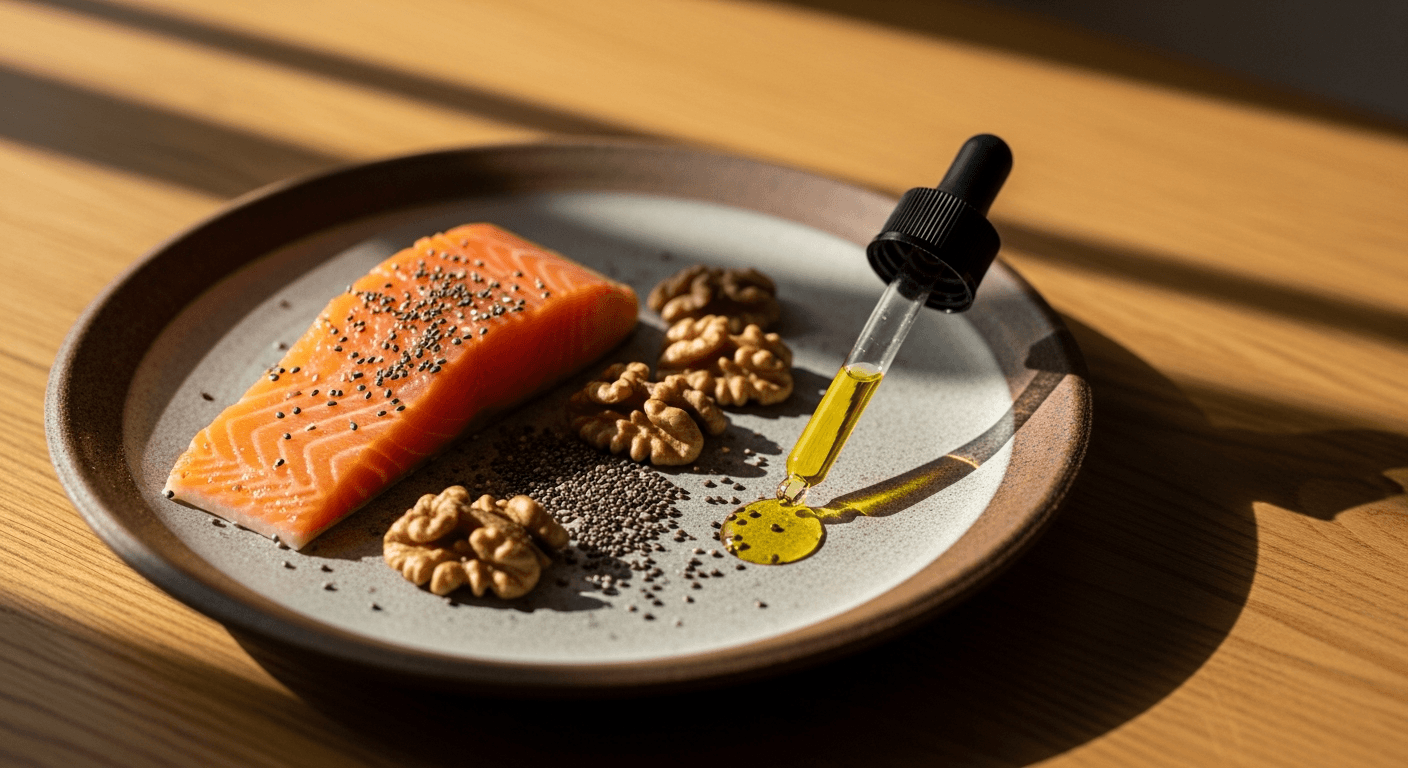
While high-quality supplements are often necessary to achieve therapeutic doses, building a diet rich in whole-food sources of Omega-3s remains a foundational strategy for managing chronic inflammation. For individuals without severe histamine intolerance or MCAS, the most bioavailable dietary sources of EPA and DHA are found in cold-water, fatty fish. Nutritionists often recommend the "SMASH" acronym to help patients remember the safest and most nutrient-dense options: Salmon, Mackerel, Anchovies, Sardines, and Herring. These smaller fish are not only packed with anti-inflammatory lipids but also have significantly lower levels of heavy metals like mercury compared to larger predatory fish like tuna or swordfish.
Incorporating SMASH fish into your diet 2 to 3 times per week can dramatically improve your Omega-3 Index over time. Wild-caught Alaskan salmon, for example, is an excellent source of both EPA and DHA, as well as astaxanthin, a potent antioxidant that further protects cellular mitochondria from oxidative stress. Sardines and anchovies, often overlooked, are incredibly dense sources of these vital nutrients and can be easily added to salads, gluten-free pastas, or mashed onto seed crackers for a quick, energy-sustaining meal that won't trigger post-exertional malaise.
However, the preparation and sourcing of these fish are critical, especially for those with sensitive immune systems. To minimize the risk of rancidity and histamine development, it is best to purchase fish that has been flash-frozen at sea and to thaw it rapidly just before cooking, rather than letting it sit in the refrigerator for days. Baking, steaming, or gently poaching the fish preserves the delicate polyunsaturated fats much better than high-heat frying, which can oxidize the Omega-3s and transform them into pro-inflammatory compounds, entirely defeating the purpose of the meal.
For those following a strict vegetarian or vegan diet, or for MCAS patients who cannot tolerate any marine products, plant-based sources of Omega-3s are often the go-to alternative. Foods like flaxseeds, chia seeds, hemp hearts, and walnuts are rich in Alpha-Linolenic Acid (ALA), a plant-derived Omega-3 fatty acid. While these foods offer excellent nutritional benefits, including high fiber and essential minerals, relying solely on ALA to manage the severe neuroinflammation of ME/CFS or Long COVID presents a significant biological challenge known as the "conversion problem."
The human body cannot use ALA directly to extinguish inflammation or rebuild neuronal myelin sheaths; it must first convert the ALA into the active forms, EPA and DHA. Unfortunately, the human enzymatic machinery required for this conversion is highly inefficient. Clinical studies consistently show that less than 5% of dietary ALA is successfully converted into EPA, and less than 0.5% is converted into DHA. In patients with chronic illnesses, where metabolic pathways are already strained by oxidative stress and mitochondrial dysfunction, this conversion rate is likely even lower, making it virtually impossible to achieve therapeutic levels of EPA and DHA through seeds and nuts alone.
Therefore, while flax and chia seeds are wonderful additions to an anti-inflammatory diet, they should not be viewed as a replacement for direct EPA and DHA intake. Plant-based patients must utilize marine algae oil supplements to bridge this critical nutritional gap. By combining a diet rich in whole-food ALA sources with a targeted algae oil supplement, individuals can ensure they are providing their bodies with both the broad-spectrum benefits of plant nutrients and the specific, highly bioactive marine lipids required to stabilize mast cells and calm the autonomic nervous system.
Maximizing the benefits of Omega-3s requires more than just adding fish or supplements to your routine; it requires a holistic shift toward an anti-inflammatory dietary pattern. The goal is to create an internal environment where Omega-3s can thrive and dominate the cellular landscape, which means actively reducing the intake of pro-inflammatory Omega-6 fatty acids. The modern Western diet is heavily skewed toward Omega-6s, primarily due to the ubiquitous use of industrial seed oils like soybean, corn, sunflower, and canola oils in processed foods and restaurant meals.
To correct this imbalance, patients should focus on a Mediterranean-style dietary approach, tailored to their specific food intolerances. This involves eliminating highly processed seed oils and replacing them with stable, anti-inflammatory fats like extra virgin olive oil, avocado oil, and grass-fed ghee (if dairy is tolerated). Meals should be built around colorful, antioxidant-rich vegetables, high-quality proteins, and complex, low-glycemic carbohydrates that provide steady energy without spiking blood sugar, which can further aggravate autonomic dysfunction in POTS patients.
Practical meal strategies for those battling severe fatigue might include batch-cooking roasted vegetables in olive oil, preparing chia seed puddings with coconut milk for easy, nutrient-dense breakfasts, or utilizing canned, wild-caught salmon for low-effort lunches. By systematically reducing Omega-6 intake and increasing Omega-3s through both diet and targeted supplementation, patients can slowly but surely shift their cellular membranes away from a state of chronic alarm and toward a state of resilience and repair.
Practical Considerations
To maximize the therapeutic benefits of Omega-3 supplements and ensure they actually reach your cellular membranes, proper absorption is key. Omega-3s are fat-soluble molecules, meaning they require the presence of other dietary fats to trigger the release of bile and lipase enzymes from the gallbladder and pancreas. Taking a fish oil capsule on an empty stomach or with a fat-free meal significantly reduces its bioavailability, as the body lacks the necessary digestive signals to properly emulsify and absorb the lipids. Always take your Omega-3 supplement alongside your heaviest, most fat-rich meal of the day to ensure optimal uptake into the bloodstream.
For patients with ME/CFS or Long COVID who struggle with gastrointestinal motility issues or gastroparesis, digesting heavy fats can sometimes cause nausea or "fish burps." If you experience this, try dividing your daily dose into smaller increments taken with different meals throughout the day, rather than taking a massive dose all at once. Additionally, storing your fish oil capsules in the freezer can slow down their breakdown in the stomach, pushing the digestion process further down into the intestines and often eliminating the unpleasant aftertaste entirely.
Timing can also play a subtle role in symptom management. Because high doses of EPA and DHA have a mild, natural relaxing effect on the nervous system and can gently lower blood pressure, some POTS patients find it beneficial to take their supplements in the evening. This timing can help mitigate any potential daytime lightheadedness while simultaneously supporting the parasympathetic nervous system (rest-and-digest) during sleep, working synergistically with other nighttime interventions like Magnesium CitraMate to improve overall sleep architecture and autonomic recovery.
When it comes to marine lipids, quality control is not just a preference; it is a strict medical necessity. Polyunsaturated fats are highly unstable molecular structures that are incredibly prone to oxidation when exposed to heat, light, or oxygen. When fish oil oxidizes, it becomes rancid. Consuming rancid fish oil is actively detrimental to your health, as it introduces a massive load of free radicals and oxidative stress into a body already struggling with the heavy metabolic burdens of chronic illness. For an MCAS patient, oxidized oil can act as a direct trigger for severe mast cell degranulation.
To protect yourself, you must become a vigilant consumer. Always look for Omega-3 supplements that have been third-party tested by independent organizations like the International Fish Oil Standards (IFOS) program. These certifications guarantee that the product meets strict limits for heavy metals (like mercury and lead), environmental toxins (like PCBs), and, most importantly, oxidation levels (measured by the TOTOX score). A high-quality oil should have a clean, mild scent; if your liquid fish oil or capsules smell overwhelmingly "fishy" or putrid, they have likely oxidized and should be discarded immediately.
Proper storage is equally vital to maintaining the integrity of the supplement. Liquid fish oils must be kept tightly sealed in the refrigerator after opening to slow the oxidation process, and they should generally be consumed within 60 to 90 days. Capsules should be stored in a cool, dark place, away from the heat and humidity of a bathroom medicine cabinet. By prioritizing freshness and rigorous third-party testing, you ensure that you are delivering healing, anti-inflammatory molecules to your cells, rather than adding fuel to the oxidative fire.
While Omega-3 fatty acids are generally recognized as safe and highly beneficial, they are potent biological modulators that can interact with certain medications and medical conditions. Because EPA and DHA naturally reduce platelet aggregation (the clumping together of blood cells), high doses (typically above 3,000 mg daily) can have a mild blood-thinning effect. This is an excellent cardiovascular benefit for many, but it requires careful monitoring for patients taking prescription anticoagulants (like Warfarin or Plavix) or high daily doses of NSAIDs (like aspirin or ibuprofen), as the combination can increase the risk of bruising or bleeding.
For patients with POTS or dysautonomia, it is important to monitor how high-dose Omega-3s affect your baseline blood pressure. While the vasodilation effects of EPA are generally helpful for improving cerebral blood flow, they can occasionally cause a slight drop in systemic blood pressure. If you are already struggling with severe hypotension (low blood pressure) and are taking medications like midodrine or fludrocortisone, introduce Omega-3s slowly and track your symptoms. You may need to balance the intervention with aggressive hydration and targeted Iron Bisglycinate supplementation to maintain adequate blood volume.
Finally, it is standard medical practice to pause all high-dose Omega-3 supplementation at least one to two weeks prior to any scheduled surgical or dental procedures to minimize bleeding risks. Always maintain an open, transparent dialogue with your primary care physician, cardiologist, or dysautonomia specialist about all the supplements you are taking. They can help you navigate these potential interactions, adjust dosages based on your specific lab results, and ensure that your nutritional strategy is safely integrated into your broader medical treatment plan.
The Path Forward
Living with ME/CFS, Long COVID, POTS, or MCAS requires immense resilience and a multifaceted approach to management. While there is no single miracle cure for these complex, interconnected conditions, the scientific evidence strongly supports the use of Omega-3 fatty acids as a foundational biological tool. By providing your body with the high-quality EPA and DHA it desperately needs, you are actively intervening at the cellular level—extinguishing systemic inflammation, rebuilding the structural integrity of your nervous system, and raising the threshold for mast cell activation. It is a slow, steady process of shifting your internal environment from a state of chronic alarm to one of stability and repair.
Remember that nutritional interventions are most effective when utilized as part of a comprehensive, individualized treatment strategy. Omega-3s work synergistically with pacing protocols, nervous system regulation techniques, and other targeted therapies to slowly improve your quality of life. Whether you choose to focus on an anti-inflammatory diet rich in SMASH fish, utilize ultra-pure liquid fish oil, or opt for algae-based supplements to navigate histamine intolerance, the goal remains the same: to empower your body with the raw materials necessary to heal the invisible damage of post-viral illness. For a deeper dive into the root causes of these conditions, explore our comprehensive guide on Understanding Long COVID: Causes, Symptoms, and What the Science Says.
Before making any significant changes to your supplement regimen, especially when dealing with the delicate metabolic balance of chronic illness, it is imperative to consult with a qualified healthcare provider. A physician familiar with complex chronic conditions can help you determine the appropriate dosage, test your Omega-3 Index to establish a baseline, and monitor for any potential interactions with your current medications. They can guide you through the nuances of the "broken resolution pathway" and help you decide if standard fish oil, SPMs, or algae oil is the most appropriate and safe intervention for your specific physiological needs.
If you and your healthcare provider determine that Omega-3 supplementation is the right step for your management plan, prioritizing quality, purity, and bioavailability is essential. Explore RTHM's evidence-based supplement options to find rigorously tested, clinical-grade formulations designed to support your journey toward neurological and immunological stability. By combining expert medical guidance with targeted, high-quality nutritional support, you can take a proactive, scientifically grounded step forward in managing your chronic illness and reclaiming your vitality.
Sources
Castro-Marrero, J., et al. (2018). "Low Omega-3 Index and Polyunsaturated Fatty Acid Status in Patients with Chronic Fatigue Syndrome/Myalgic Encephalomyelitis." Prostaglandins, Leukotrienes and Essential Fatty Acids. https://pubmed.ncbi.nlm.nih.gov/30056356/
Buchhorn, R., et al. (2023). "Omega-3 Polyunsaturated Fatty Acids in the Treatment of Pediatric Dysautonomia." Children (MDPI). https://www.mdpi.com/2227-9067/10/2/311
Kawamoto, Y., et al. (2012). "n-3 Long-chain PUFA reduce allergy-related mediator release by human mast cells." British Journal of Nutrition. https://pubmed.ncbi.nlm.nih.gov/22805275/
Lee, J., et al. (2011). "Antipruritic Effect of Fish Oil on Compound 48/80 Stimulated Mice." Journal of Medicine and Life Science. https://www.e-jmls.org/journal/view.html?doi=10.22730/jmls.2011.8.2.63
Hansen, A., et al. (2018). "Effects of Marine Omega-3s on Cardiac Autonomic Function." Nutrients. https://www.ncbi.nlm.nih.gov/pmc/articles/PMC5872768/