Can Orthomega Liquid Fish Oil Resolve Inflammation in Long COVID and ME/CFS?
March 6, 2026
Orthomega Liquid Fish OilLong COVIDME/CFS
Share:
Disclaimer: The information provided here is for educational purposes only and is not intended as medical advice. It should not be used to diagnose, treat, cure, or prevent any medical condition. Instead, use it as a starting point for discussion with your healthcare provider. Always consult with a qualified healthcare provider before starting any new medication, supplement, device, or making changes to your health regimen.
Months or even years after a viral infection, many patients find themselves trapped in a cycle of debilitating symptoms. Whether you are navigating the unpredictable waves of Long COVID, the profound exhaustion of myalgic encephalomyelitis/chronic fatigue syndrome (ME/CFS), the dizzying heart rate spikes of dysautonomia, or the systemic flares of mast cell activation syndrome (MCAS), the underlying theme is often the same: a body locked in a state of chronic, unresolved inflammation. When the immune system's "fire alarm" refuses to turn off, it can feel as though your own biology is working against you, leaving you searching for scientifically grounded ways to restore balance.
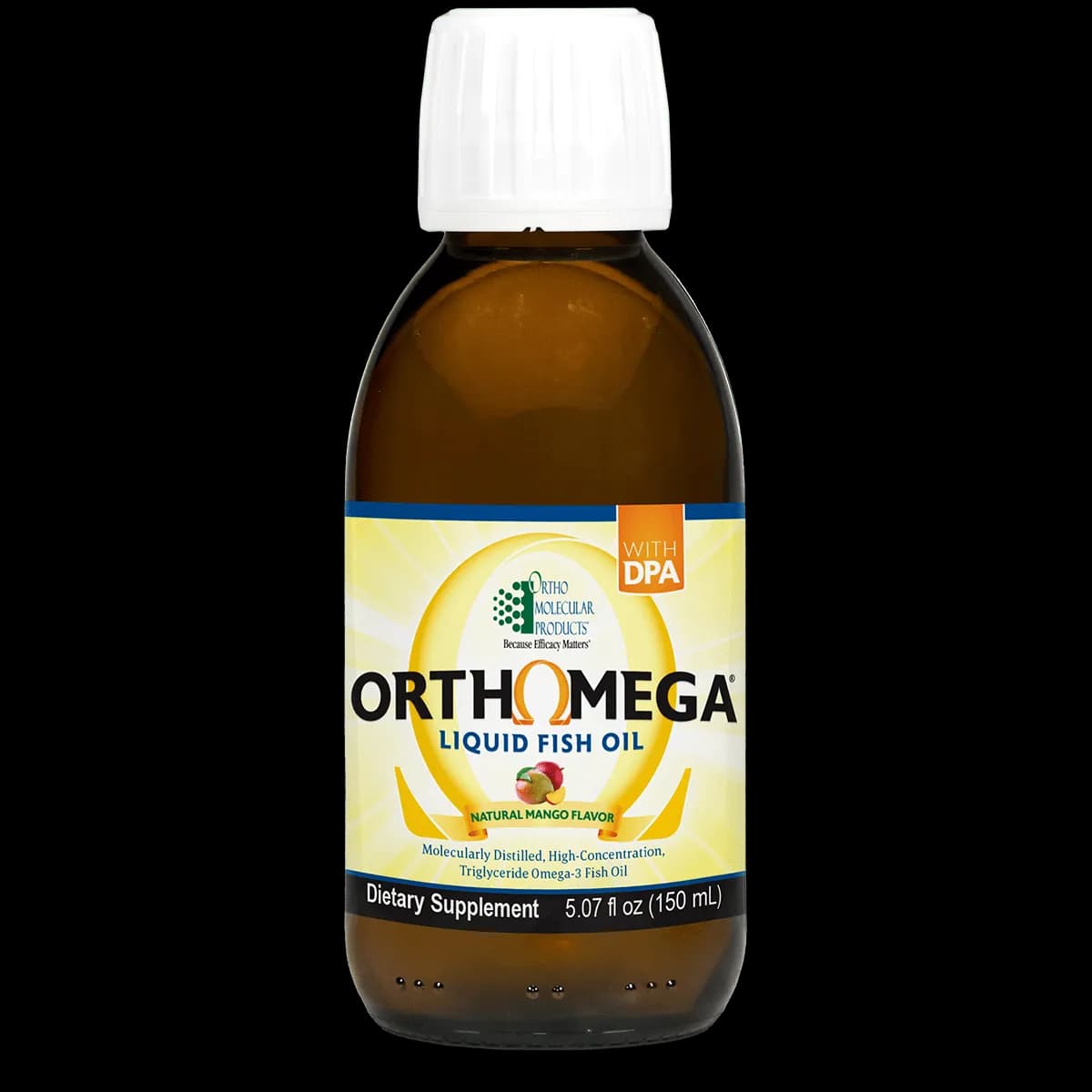
One of the most heavily researched interventions for cooling this systemic fire is high-dose omega-3 fatty acid supplementation. However, not all fish oils are created equal, and the specific biochemical mechanisms required to heal complex chronic illnesses demand clinical-grade potency and optimal bioavailability. Orthomega® Liquid Fish Oil offers a highly concentrated, bioidentical triglyceride formulation designed to deliver therapeutic doses of EPA, DHA, and DPA. By understanding how these essential fatty acids operate at the cellular level to actively resolve inflammation, stabilize cell membranes, and support vascular health, patients can make informed decisions about integrating them into their comprehensive management strategy.
TL;DR
High-dose omega-3s may help manage chronic inflammation in Long COVID, ME/CFS, POTS, and MCAS.
Orthomega Liquid Fish Oil provides a highly bioavailable triglyceride form for optimal cellular absorption.
EPA, DHA, and DPA support the production of specialized pro-resolving mediators to actively clear inflammation.
Consult your healthcare provider before starting high-dose fish oil, especially if taking blood thinners.
What is Orthomega Liquid Fish Oil?
The Essential Nature of Omega-3 Fatty Acids
Omega-3 fatty acids are polyunsaturated fats (PUFAs) that serve as essential cornerstones of human nutrition and cellular function. The term "essential" in biochemistry means that the human body lacks the specific enzymes required to synthesize these molecules from scratch; therefore, we must obtain them entirely through our diet or targeted supplementation. In a healthy body, these fatty acids are seamlessly integrated into the phospholipid bilayer—the protective membrane that surrounds every single cell. This membrane is not just a static wall; it is a highly dynamic, fluid structure that dictates how cells communicate, how receptors function, and how nutrients enter and exit.
When cellular membranes are rich in omega-3s, they maintain an optimal state of fluidity. This fluidity is crucial for the proper functioning of ion channels, neurotransmitter receptors, and immune signaling complexes. Conversely, when the diet is dominated by pro-inflammatory omega-6 fatty acids (such as arachidonic acid found in processed seed oils and grain-fed meats), cellular membranes become rigid and highly reactive. This imbalance sets the stage for chronic systemic inflammation, as the body uses the fatty acids stored in these membranes as the raw materials to produce inflammatory signaling molecules called eicosanoids.
Orthomega Liquid Fish Oil provides a massive 2.6 grams of total omega-3s per serving, specifically designed to aggressively correct this cellular imbalance. By flooding the body with high-quality PUFAs, it allows cells to gradually replace the pro-inflammatory arachidonic acid in their membranes with anti-inflammatory omega-3s, fundamentally altering the baseline reactivity of the immune and nervous systems.
EPA, DHA, and DPA: The Molecular Building Blocks
The therapeutic power of fish oil lies in its three primary bioactive components: Eicosapentaenoic Acid (EPA), Docosahexaenoic Acid (DHA), and Docosapentaenoic Acid (DPA). Each of these molecules has a distinct structural role and biochemical destiny within the body. EPA, provided at 1.3 grams per serving in Orthomega, is primarily known for its potent systemic anti-inflammatory properties. It actively competes with arachidonic acid for the attention of cyclooxygenase (COX) and lipoxygenase (LOX) enzymes, thereby reducing the production of inflammatory prostaglandins and leukotrienes that drive pain and swelling.
DHA, provided at 850 mg per serving, is highly structural and heavily concentrated in the central nervous system and the retina. It makes up a significant percentage of the physical weight of the brain's lipid structures. DHA is critical for neuroplasticity, the maintenance of the blood-brain barrier, and the regulation of microglial cells (the brain's resident immune cells). Its presence is vital for combating neuroinflammation and supporting cognitive function.
Finally, DPA, included at 175 mg per serving, is an often-overlooked but highly crucial intermediary fatty acid. Recent lipidomic research has revealed that DPA acts as a reservoir for both EPA and DHA, converting into whichever molecule the body needs most. Furthermore, DPA has unique, standalone benefits for endothelial function and cardiovascular health, making a full-spectrum omega-3 profile far superior to isolated EPA or DHA alone.
The Discovery of Specialized Pro-Resolving Mediators (SPMs)
Historically, the medical community believed that the resolution of acute inflammation was a passive process—that pro-inflammatory signals simply decayed and faded away over time. However, modern lipidomic profiling has revealed a paradigm shift: the resolution of inflammation is actually a highly regulated, active biochemical program. This active "cleanup" is orchestrated by a superfamily of highly potent, locally acting bioactive lipids known as Specialized Pro-resolving Mediators (SPMs).
These SPMs are endogenously biosynthesized directly from dietary EPA, DHA, and DPA. During an inflammatory event, enzymes convert EPA into E-series Resolvins, while DHA is converted into D-series Resolvins, Protectins (such as Neuroprotectin D1), and Maresins. These molecules are biologically active at exceptionally low concentrations (picogram to low nanomolar ranges), meaning that even small amounts can exert profound physiological effects on the immune system.
The Shift from Passive to Active Inflammation Resolution
Unlike traditional anti-inflammatory drugs (like NSAIDs or corticosteroids) that broadly and bluntly suppress the immune system, SPMs function as "resolution agonists." They do not compromise the host's ability to fight off infections; instead, they actively clear out the infection, mitigate collateral tissue damage, and promote wound healing. They achieve this by binding to specific G-protein-coupled receptors (GPCRs) on the surface of immune cells.
Once bound, resolvins and protectins actively halt the infiltration of polymorphonuclear neutrophils (PMNs) into inflamed tissues. They stop the swarm of inflammatory cells that cause tissue destruction and instead signal macrophages to begin a process called "efferocytosis." During efferocytosis, macrophages safely engulf and clear away dead cells, viral debris, and spent immune cells, allowing the tissue to return to a state of peaceful homeostasis. Without adequate EPA and DHA to produce these SPMs, this active resolution phase cannot occur.
How Complex Chronic Illness Impacts the Inflammatory Response
The Broken "Off Switch" in Long COVID and ME/CFS
To understand why high-dose omega-3s are so relevant, we must first examine What Causes Long COVID and related post-viral syndromes. In conditions like Long COVID and ME/CFS, the immune system successfully fights off the initial viral threat, but the inflammatory response fails to shut down. The body remains trapped in a hyper-vigilant state, continuously producing pro-inflammatory cytokines like IL-6, TNF-alpha, and IL-1beta. This represents a fundamental failure of the active resolution pathways described earlier.
When the body is depleted of EPA and DHA, it cannot produce the resolvins and protectins necessary to flip the immune system's "off switch." Instead, the NLRP3 inflammasome—a critical component of the innate immune system—remains chronically activated. This chronic activation drains cellular energy (ATP), damages mitochondria, and creates the profound, crushing exhaustion that patients experience as post-exertional malaise (PEM). The inability to resolve this inflammation is a core driver of why Long COVID can trigger ME/CFS in so many previously healthy individuals.
Endothelial Dysfunction and Vascular Damage
COVID-19 is fundamentally a vascular disease as much as a respiratory one. The SARS-CoV-2 virus directly attacks and damages the endothelium—the delicate inner lining of our blood vessels. This continuous damage leads to a state of "endothelial dysfunction," characterized by micro-clotting, reduced nitric oxide bioavailability, and a pro-thrombotic (clot-promoting) environment. This vascular damage restricts blood flow and oxygen delivery to the muscles and brain, explaining many of the physical limitations seen in these patients.
In a healthy vascular system, the endothelium regulates blood pressure, prevents inappropriate clotting, and controls the passage of immune cells into tissues. When the endothelium is inflamed, it becomes "leaky" and expresses adhesion molecules that constantly attract inflammatory cells. This ongoing vascular inflammation is a significant reason why patients with pre-existing metabolic issues often suffer worse outcomes, a dynamic explored in our article on Diabetes and Long COVID: A Pandemic Within a Pandemic.
Neuroinflammation and Microglial Activation
The neuropsychiatric symptoms of Long COVID and ME/CFS—such as debilitating brain fog, cognitive impairment, memory loss, and severe anxiety—are heavily driven by neuroinflammation. The brain is protected by the blood-brain barrier (BBB), but chronic systemic inflammation can cause this barrier to become permeable. When inflammatory cytokines breach the BBB, they activate microglia, the resident immune cells of the central nervous system.
Once activated, microglia shift from their normal housekeeping duties to an aggressive, inflammatory phenotype. They begin releasing neurotoxic substances that disrupt neurotransmitter balance, damage neuronal synapses, and impair the brain's glymphatic system (the waste-clearance system that operates during sleep). This chronic microglial activation creates a hostile environment in the brain, making concentration impossible and leaving the nervous system in a constant state of "fight or flight."
Mast Cell Hyperactivity and the PAF Cascade
Mast cells are the body's first responders, packed with granules containing histamine, prostaglandins, and leukotrienes. In patients with mast cell activation syndrome (MCAS)—a condition frequently comorbid with Long COVID and dysautonomia—these cells become hyper-reactive, degranulating inappropriately in response to minor triggers like foods, temperature changes, or stress. This leads to systemic allergic-like flares, hives, gastrointestinal distress, and sudden drops in blood pressure.
This hyper-reactivity is intimately tied to the composition of the mast cell membrane. When the membrane is overloaded with omega-6 arachidonic acid, the threshold for degranulation is drastically lowered. Furthermore, the production of Platelet-Activating Factor (PAF), a potent inflammatory lipid mediator, acts as a massive amplifier for mast cell degranulation. Without sufficient omega-3s to stabilize the lipid rafts within the mast cell membrane and inhibit the PAF cascade, the patient remains trapped in a cycle of unpredictable, systemic allergic reactions.
Orthomega: Supporting Resolution and Cellular Health
Orchestrating the Cleanup: Efferocytosis and SPMs
Orthomega Liquid Fish Oil provides the exact biochemical substrates—EPA, DHA, and DPA—needed to reboot the body's broken resolution pathways. By delivering a highly concentrated 2.6 grams of omega-3s per serving, it ensures that the enzymes responsible for synthesizing Specialized Pro-resolving Mediators (SPMs) have an abundant supply of raw materials. As these resolvins, protectins, and maresins are generated, they bind to specific receptors on macrophages, shifting them from an inflammatory (M1) phenotype to a healing (M2) phenotype.
This shift is critical for initiating efferocytosis. Research demonstrates that SPMs strongly stimulate macrophages to safely phagocytize (eat) and clear away apoptotic cells and cellular debris. By actively clearing out the remnants of the viral battle, Orthomega helps to quiet the NLRP3 inflammasome, effectively turning off the immune system's blaring fire alarm. This reduction in systemic inflammatory noise is essential for allowing mitochondria to recover and begin producing normal levels of ATP (cellular energy) again.
Stabilizing Mast Cells via Lipid Rafts
For patients battling MCAS, Orthomega offers a powerful mechanism for cellular stabilization. The EPA and DHA in the formulation physically incorporate into the phospholipid bilayer of mast cells, altering the structure of "lipid rafts"—specialized microdomains within the membrane that house immune receptors. By modifying these lipid rafts, omega-3s decrease the IgE-mediated activation and degranulation of mast cells, raising the threshold required to trigger a flare.
Furthermore, EPA directly competes with arachidonic acid for the COX and LOX enzymes. This means that even when a mast cell does degranulate, the resulting chemical mediators are far less inflammatory. The production of highly reactive leukotrienes and prostaglandins is suppressed, replaced by less potent, omega-3-derived variants. This dual action—preventing degranulation and diluting the inflammatory payload—makes high-dose fish oil a cornerstone of functional MCAS management.
Restoring Endothelial Tone and Cardiovascular Health
The cardiovascular benefits of Orthomega are particularly relevant for patients dealing with dysautonomia and POTS. The EPA and DPA in the formulation work synergistically to repair endothelial dysfunction. They integrate into the membranes of endothelial cells and platelets, reducing platelet aggregation and preventing the micro-clotting that plagues many Long COVID patients. This antithrombotic effect helps to restore smooth, unobstructed blood flow through the microvasculature.
Additionally, impaired regulation of cerebral blood flow in the upright posture is a key feature of many forms of orthostatic intolerance. By supporting endothelial tone and vasodilation, Orthomega may help regulate blood pressure and improve cerebral blood flow when standing, directly counteracting the orthostatic intolerance seen in POTS. The reduction in systemic vascular inflammation also eases the workload on the heart, helping to lower the resting heart rate and reduce the severity of tachycardic episodes.
Cooling the Brain: DHA and Neuroprotection
The high concentration of DHA (850 mg) in Orthomega is specifically targeted at resolving neuroinflammation. Because DHA readily crosses the blood-brain barrier, it can directly interact with the brain's microglial cells. Once in the central nervous system, DHA is converted into Neuroprotectin D1 (NPD1), a highly specialized mediator that commands microglia to stand down and cease their production of neurotoxic cytokines.
By cooling this neuroinflammatory fire, DHA helps to restore the integrity of the blood-brain barrier and protects delicate neuronal synapses from oxidative damage. This neuroprotective effect is vital for clearing brain fog, improving memory retrieval, and stabilizing the autonomic nervous system. Furthermore, by reducing inflammation in the hypothalamus and brainstem, DHA helps to re-regulate the vagus nerve, promoting a shift from the sympathetic "fight or flight" state to the parasympathetic "rest and digest" state.

Symptoms Orthomega May Help Manage
Based on its mechanisms of action—specifically its ability to produce pro-resolving mediators, stabilize cell membranes, and repair endothelial tissue—Orthomega Liquid Fish Oil may help manage a variety of complex symptoms:
Debilitating Brain Fog and Cognitive Dysfunction: By supplying high doses of DHA that cross the blood-brain barrier, it helps generate Neuroprotectin D1, which calms activated microglia and reduces the neuroinflammation responsible for memory issues and lack of focus.
Post-Exertional Malaise (PEM) and Severe Fatigue: By providing the EPA necessary to produce resolvins, it helps turn off the chronic immune activation (the NLRP3 inflammasome) that constantly drains cellular ATP, allowing mitochondria to recover and produce energy more efficiently.
Orthostatic Intolerance and Tachycardia (POTS): By improving endothelial nitric oxide production and reducing vascular inflammation, it helps regulate blood vessel constriction and dilation, improving cerebral blood flow upon standing and helping to lower resting heart rates.
Unpredictable Allergic-Like Flares (MCAS): By physically incorporating into the mast cell membrane and altering lipid rafts, it acts as a natural mast cell stabilizer, raising the threshold for degranulation and reducing the release of histamine and inflammatory prostaglandins.
Systemic Joint and Muscle Pain: By aggressively competing with omega-6 arachidonic acid for COX and LOX enzymes, high-dose EPA significantly reduces the production of the specific leukotrienes and prostaglandins that drive widespread musculoskeletal pain and stiffness.
Poor Circulation and Micro-Clotting: By integrating into platelet membranes, EPA and DPA exert a mild, natural antithrombotic effect, reducing platelet stickiness and helping to clear the microvascular congestion frequently observed in post-viral syndromes.
Practical Considerations: Forms, Dosing, and Absorption
The Triglyceride Advantage: Bioavailability Explained
When selecting an omega-3 supplement, the chemical form of the oil dictates how much of the active ingredient actually makes it into your bloodstream. The vast majority of cheap, mass-market fish oils are sold as "Ethyl Esters" (EE). In this synthetic form, the natural glycerol backbone of the fat is replaced with an ethanol molecule to concentrate the oil. However, the human digestive tract struggles to process this unnatural structure. Pancreatic enzymes must work incredibly hard to cleave the ethanol bond, resulting in poor absorption.
Orthomega Liquid is formulated exclusively in the natural, bioidentical Triglyceride (TG) form. In this form, three fatty acids are attached to a natural glycerol backbone, exactly as they appear in nature and in human cellular structures. A landmark 72-person clinical trial by Dyerberg et al. demonstrated that re-esterified triglycerides have a relative bioavailability of 124% compared to natural fish oil, while ethyl esters plummeted to just 73%. By utilizing the TG form, Orthomega ensures rapid, highly efficient absorption, allowing the EPA and DHA to reach therapeutic levels in the tissues much faster.
Overcoming the "Food Effect" in Digestion
Another major flaw of synthetic ethyl ester fish oils is their heavy reliance on the "food effect." Because EEs are so difficult to digest, they require the presence of a very high-fat meal to stimulate enough bile and pancreatic lipase to be absorbed. Studies have shown that taking an EE fish oil on an empty stomach can result in an absorption rate as low as 20%, meaning 80% of the supplement is wasted.
Because Orthomega uses the natural triglyceride form, its absorption is far less dependent on dietary fat. The body's digestive enzymes recognize the TG structure immediately and process it efficiently, regardless of whether it is taken with a heavy meal or a light snack. This makes it significantly more reliable for patients with gastrointestinal issues, gastroparesis, or those who struggle to consume large, high-fat meals due to nausea or MCAS dietary restrictions.
Liquid Dosing and Achieving Therapeutic Targets
Achieving the biochemical shifts necessary to resolve chronic inflammation requires clinical dosing. The American Heart Association recommends up to 4 grams of omega-3s per day for those managing blood lipids, and functional medicine protocols for Long COVID and ME/CFS frequently target 2 to 3 grams of combined EPA and DHA daily. Attempting to reach these targets with standard capsules often requires swallowing 6 to 10 large pills per day, which can cause pill fatigue and gastrointestinal distress.
Orthomega Liquid provides a highly concentrated 2.6 grams of total omega-3s (1.3g EPA, 850mg DHA, 175mg DPA) in just a single teaspoon (5 mL). This liquid format is an ideal, palatable alternative for patients who have difficulty swallowing pills or who experience "fish burps" from delayed capsule breakdown. The natural mango flavor ensures compliance, and the liquid can easily be mixed into smoothies or taken directly.
Sourcing, Purity, and Oxidation Risks
Omega-3 fatty acids are highly delicate molecules that are prone to oxidation (rancidity) when exposed to heat, light, or oxygen. Consuming oxidized fish oil can actually increase systemic inflammation, entirely defeating the purpose of the supplement. Furthermore, fish oil must be rigorously purified to remove heavy metals, PCBs, and microplastics that accumulate in the ocean food chain.
Orthomega is sourced exclusively from the cold, fresh waters off the Chilean coast, widely recognized as one of the cleanest and most sustainable fisheries in the world. The oil undergoes advanced molecular distillation to ensure absolute purity and is stabilized with natural antioxidants to prevent oxidation. For patients with MCAS who are highly sensitive to histamine and degraded fats, this level of ultra-purification and freshness is absolutely critical to prevent triggering a flare.

Follow the Science
The Hackensack Meridian Health Long COVID Trial
The clinical application of high-dose omega-3s for post-viral syndromes is supported by emerging, high-quality data. In late 2024, researchers from Hackensack Meridian Health published the results of a double-blind, randomized, placebo-controlled trial evaluating omega-3 supplementation for healthcare workers suffering from Long COVID. Participants received either a placebo or a high-dose omega-3 supplement (providing over 2,100 mg of EPA/DHA daily) for 12 weeks.
The biochemical findings were striking. The researchers tracked the Arachidonic Acid (AA) to EPA ratio, a primary biomarker for systemic inflammation (where AA is highly pro-inflammatory and EPA is anti-inflammatory). In the omega-3 treatment group, the baseline AA:EPA ratio plummeted from a highly inflamed 23.1 down to 11.8 by week 12. While the 12-week timeframe was not long enough to show statistically significant changes in all self-reported clinical symptoms, the trial definitively proved that high-dose EPA/DHA successfully alters the lipidome and drastically reduces the systemic inflammatory markers driving the disease.
Omega-3 Deficiencies in ME/CFS Patients
Research has consistently shown that patients with ME/CFS are profoundly deficient in essential fatty acids, which correlates directly with symptom severity. A foundational 2018 study published in Prostaglandins, Leukotrienes and Essential Fatty Acids evaluated the Omega-3 Index in a cohort of Spanish ME/CFS patients. The researchers discovered that a staggering 92.6% of the patient sample had a profoundly low mean Omega-3 Index of just 5.75%, indicating severe cellular depletion.
Heart Rate Variability and POTS Research
The cardiovascular benefits of omega-3s are well-documented, but recent studies have specifically applied these mechanisms to dysautonomia and POTS. A recent clinical investigation focusing on adolescents with Inappropriate Sinus Tachycardia (IST) and POTS—many of whom developed the conditions post-viral infection—yielded promising results.
The study found that targeted omega-3 fatty acid supplementation significantly reduced the mean heart rate over a 24-hour continuous ECG monitoring period. Patients experienced a drop in their average heart rate from 97.0 bpm to 91.3 bpm (p=0.0082), demonstrating that the endothelial support and vagal nerve modulation provided by EPA and DHA can have a direct, measurable impact on autonomic cardiovascular control.
Mast Cell Stabilization and Lipidomic Profiling
For MCAS patients, the evidence supporting omega-3s centers on membrane stabilization. A comprehensive 2019 review in the International Journal of Molecular Sciences detailed how EPA and DHA physically alter the lipid rafts within immune cells. The researchers noted that by integrating into the phospholipid bilayer, omega-3s specifically decrease the IgE-mediated activation and degranulation of mast cells, thereby dampening the release of histamine and other inflammatory mediators. This lipidomic mechanism provides a clear, scientific rationale for using high-dose triglycerides to manage allergic-like flares.
The Path Forward
Validating the Invisible Struggle
Living with invisible, complex chronic illnesses like Long COVID, ME/CFS, dysautonomia, and MCAS is an exhausting and often isolating experience. When standard blood panels return "normal" despite debilitating fatigue, brain fog, and unpredictable flares, it is easy to feel dismissed by the medical system. However, the emerging research into lipidomics, endothelial dysfunction, and neuroinflammation validates what you already know: your symptoms are rooted in profound, measurable physiological disruptions. The broken resolution pathways and cellular depletion are real, and they require targeted, clinical-grade interventions.
Building a Comprehensive Management Strategy
While Orthomega Liquid Fish Oil offers a powerful, scientifically backed tool for cooling systemic inflammation and supporting cellular repair, it is not a standalone cure. True management of these complex conditions requires a comprehensive, multi-layered approach. High-dose omega-3 supplementation should be combined with strict energy pacing to manage PEM, nervous system regulation techniques, dietary modifications to support mast cell stability, and continuous symptom tracking. By addressing the illness from multiple angles, you can slowly rebuild your cellular resilience and improve your daily quality of life.
Exploring Orthomega Liquid Fish Oil
If you are struggling with the systemic inflammation, cognitive dysfunction, and vascular issues associated with post-viral syndromes, restoring your cellular omega-3 balance is a critical step forward. Orthomega's highly concentrated, bioidentical triglyceride formula provides the exact molecular building blocks your body needs to flip the immune system's "off switch" and begin the active resolution of inflammation. As always, please consult with your healthcare provider before beginning any new supplement regimen, especially if you are taking blood thinners or have a history of bleeding disorders.
Sources
Biology and Total Synthesis of n-3 Docosapentaenoic Acid-Derived Specialized Pro-Resolving Mediators
Effects of Omega-3 Fatty Acids on Immune Cells and Mast Cell Degranulation
Bioavailability of marine n-3 fatty acid formulations: Dyerberg et al.
Low omega-3 index and polyunsaturated fatty acid status in patients with CFS/ME