Can Iron Bisglycinate Support Energy and Manage POTS Symptoms in Long COVID?
March 6, 2026
Iron BisglycinateLong COVIDPOTS
Share:
Disclaimer: The information provided here is for educational purposes only and is not intended as medical advice. It should not be used to diagnose, treat, cure, or prevent any medical condition. Instead, use it as a starting point for discussion with your healthcare provider. Always consult with a qualified healthcare provider before starting any new medication, supplement, device, or making changes to your health regimen.
For individuals living with complex chronic conditions like Long COVID, myalgic encephalomyelitis/chronic fatigue syndrome (ME/CFS), and postural orthostatic tachycardia syndrome (POTS), the daily battle against debilitating fatigue and brain fog can feel insurmountable. You might sleep for ten hours and still wake up feeling as though you have run a marathon, or simply standing up to brush your teeth might send your heart rate skyrocketing. Often, standard blood tests come back "normal," leaving patients frustrated, invalidated, and searching for answers to explain their profound exhaustion. One frequently overlooked piece of this complex physiological puzzle is cellular iron depletion, specifically a condition known as iron deficiency without anemia (IDWA).
While traditional medicine often only treats iron deficiency when it progresses to full-blown anemia, emerging research in post-viral syndromes and dysautonomia reveals that suboptimal iron stores can wreak havoc on the autonomic nervous system and mitochondrial energy production long before hemoglobin levels drop. However, replenishing these vital stores is notoriously difficult; conventional iron supplements like ferrous sulfate are infamous for causing severe gastrointestinal distress, leading many patients to abandon treatment. Enter Iron Bisglycinate, a highly bioavailable, chelated form of iron designed to bypass traditional absorption barriers and deliver essential cellular fuel without the agonizing side effects. In this comprehensive guide, we will explore how iron bisglycinate works at the molecular level, why iron dysregulation is a hallmark of Long COVID and POTS, and how this specific formulation can support your journey toward better energy and autonomic stability.
TL;DR
Iron Bisglycinate is a highly absorbable supplement that bypasses traditional gut pathways, reducing gastrointestinal side effects.
It may help manage cellular hypoxia and autonomic dysfunction common in Long COVID and POTS.
Replenishing iron stores supports mitochondrial energy production, potentially alleviating severe fatigue and brain fog.
Always consult a healthcare provider and check full iron panels before starting any iron supplementation.
What is Iron Bisglycinate?
The Essential Role of Iron in the Body
To understand the profound impact of Iron Bisglycinate, we must first examine the critical role that iron plays in human physiology. Iron is an essential trace mineral that serves as a foundational building block for life, primarily due to its unique ability to easily transition between different oxidation states (ferrous, Fe2+, and ferric, Fe3+). This chemical flexibility allows iron to bind, transport, and release oxygen with remarkable efficiency. The vast majority of the body's iron is utilized in the synthesis of hemoglobin, the complex protein inside red blood cells that captures oxygen from the lungs and delivers it to every tissue, organ, and cell in the body. Without adequate iron, hemoglobin production falters, leading to a state of cellular hypoxia where tissues literally suffocate from a lack of oxygen.
Beyond oxygen transport in the bloodstream, iron is equally crucial for oxygen storage within muscle tissues. It is a key component of myoglobin, a protein that traps oxygen inside muscle cells to ensure a steady supply of energy during physical exertion. When iron levels drop, myoglobin cannot function optimally, leading to the heavy, leaden muscle fatigue and exercise intolerance frequently reported by patients with chronic illness. Furthermore, iron is an indispensable cofactor in the brain, required for the synthesis of vital neurotransmitters like dopamine, serotonin, and norepinephrine. These chemical messengers regulate mood, cognitive processing, and autonomic nervous system signaling, explaining why iron depletion is so closely linked to severe brain fog and neurological dysfunction.
The Molecular Structure of Iron Bisglycinate
While the body desperately needs iron, it is notoriously difficult to absorb from dietary sources or standard supplements. Traditional iron supplements, such as ferrous sulfate, consist of an inorganic iron salt. When exposed to the acidic environment of the stomach, these salts dissociate, releasing highly reactive free iron ions. These free ions are problematic; they frequently bind to dietary compounds like phytates (found in grains), tannins (found in tea and coffee), and calcium, forming large, insoluble complexes that the body simply cannot absorb. Furthermore, these free iron ions catalyze the production of reactive oxygen species (ROS) in the gut, causing severe oxidative stress and inflammation along the intestinal lining, which manifests as nausea, cramping, and constipation.
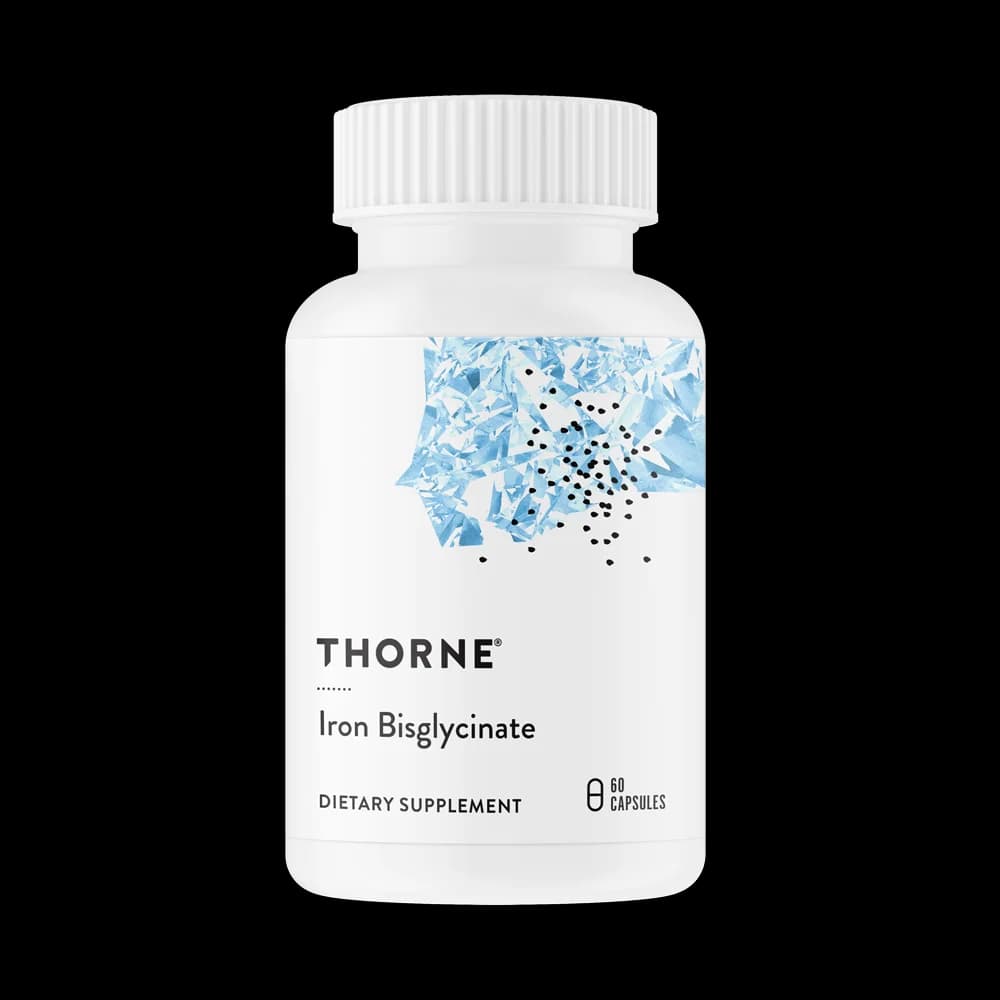
Iron Bisglycinate, often referred to by its patented name Ferrochel®, represents a breakthrough in nutritional biochemistry. In this formulation, a single iron ion is chemically bonded (chelated) to two molecules of the amino acid glycine. Glycine is the smallest and simplest amino acid, making it an ideal carrier molecule. This chelation process creates a stable, neutral, low-molecular-weight ring structure that firmly protects the iron ion as it travels through the harsh, acidic environment of the stomach. Because the iron is tightly bound within this amino acid embrace, it cannot prematurely dissociate, meaning it will not interact with dietary inhibitors like phytates or calcium, nor will it cause the oxidative damage associated with free iron ions.
Bypassing Traditional Absorption Pathways
The true genius of iron bisglycinate lies in how it interacts with the intestinal wall. Traditional free iron must be absorbed in the duodenum (the first part of the small intestine) through a specific gateway known as the Divalent Metal Transporter 1 (DMT-1) pathway. The DMT-1 pathway is highly competitive; iron must fight for absorption alongside other essential minerals like zinc, copper, and calcium. Additionally, the DMT-1 pathway is easily saturated and heavily down-regulated by inflammation, meaning that even if you take a massive dose of ferrous sulfate, the body will only absorb a tiny fraction of it, leaving the rest to wreak havoc in your digestive tract.
Because iron bisglycinate is structurally recognized by the body as a small protein (a dipeptide) rather than a free mineral, it completely bypasses the crowded DMT-1 pathway. Instead, it is absorbed through the Peptide Transporter 1 (PEPT-1) pathway. The PEPT-1 receptors are distributed extensively throughout the entire length of the small intestine, providing a vastly larger surface area for absorption. This active, carrier-mediated transport mechanism allows iron bisglycinate to be absorbed intact into the intestinal cells, where the iron is then gently released for systemic use. This elegant biological workaround results in an absorption rate that is exponentially higher than traditional iron salts, delivering more cellular fuel with a fraction of the dose.
How Long COVID and POTS Impact Iron Stores
The "Iron Desert" of Long COVID
The intersection of chronic viral infections and iron dysregulation has become a major focal point in modern medical research. In patients with Long COVID, researchers have identified a profound disruption in how the body manages its iron stores. A landmark 2024 study from the University of Cambridge and Oxford revealed that poor iron regulation during the acute phase of a COVID-19 infection is a primary predictor of developing Long COVID. During an acute infection, the immune system intentionally pulls iron out of the bloodstream and hides it within tissues—an evolutionary defense mechanism designed to "starve" the invading virus of the iron it needs to replicate.
However, in Long COVID, the immune system fails to reset after the virus has been cleared. The body remains trapped in a state of chronic, low-grade inflammation, continuously producing high levels of a hormone called hepcidin. Hepcidin acts as the master regulator of iron homeostasis; when elevated, it blocks the absorption of new iron from the gut and traps existing iron inside cellular storage vaults (macrophages). This creates what researchers call an "iron desert" in the bloodstream. Even if a patient has adequate total body iron, it is locked away and completely unavailable for red blood cell production or mitochondrial energy synthesis. This functional iron deficiency starves the brain and muscles of oxygen, directly driving the severe, unremitting fatigue that characterizes post-viral syndromes.
Iron Deficiency Without Anemia (IDWA) in POTS
For patients with dysautonomia, particularly postural orthostatic tachycardia syndrome (POTS), absolute iron depletion is a remarkably common and deeply impactful comorbidity. While standard medical practice relies on the Complete Blood Count (CBC) to check for anemia (low hemoglobin), this test completely misses Iron Deficiency Without Anemia (IDWA). In IDWA, a patient's hemoglobin remains technically within the "normal" range, but their cellular iron stores—measured by the biomarker serum ferritin—are severely depleted. Clinical consensus statements on POTS and emerging dysautonomia research emphasize that patients experience debilitating autonomic symptoms well before clinical anemia sets in.
Many dysautonomia specialists now consider a ferritin level below 50 ng/mL to be highly symptomatic, with optimal levels sitting closer to 70-100 ng/mL. When ferritin drops, the blood's oxygen-carrying capacity becomes subtly compromised. To compensate for this reduced oxygen delivery to the brain and vital organs, the autonomic nervous system kicks into overdrive. It forces the heart to beat significantly faster (tachycardia) and increases sympathetic tone (adrenaline release) to pump the oxygen-poor blood more rapidly through the vascular system. This compensatory mechanism directly mimics and severely exacerbates the hallmark symptoms of POTS, including rapid heart rate upon standing, palpitations, dizziness, and severe exercise intolerance.
The Vicious Cycle of Cellular Hypoxia
The combination of viral-induced iron trapping and absolute iron depletion creates a vicious cycle of cellular hypoxia and autonomic dysfunction. When tissues are chronically starved of oxygen, they cannot efficiently produce adenosine triphosphate (ATP), the primary energy currency of the cell. Instead, cells are forced to rely on anaerobic metabolism, a highly inefficient process that generates lactic acid as a byproduct. This rapid accumulation of lactic acid even during minimal physical exertion is a primary driver of post-exertional malaise (PEM) and the heavy, burning muscle fatigue experienced by patients with ME/CFS and Long COVID.
Furthermore, this state of chronic cellular stress keeps the immune system on high alert, perpetuating the release of inflammatory cytokines that further elevate hepcidin levels, locking away even more iron. Breaking this cycle requires a highly strategic approach. Because the gut's traditional DMT-1 absorption pathway is often down-regulated by this systemic inflammation, standard iron pills are rendered virtually useless and only serve to irritate the digestive tract. This is precisely why specialized, highly bioavailable forms of iron, or even intravenous iron therapies, are becoming central to the management of complex chronic illnesses.
Iron Bisglycinate: Supporting Energy and Autonomic Function
Restoring the Oxygen Transport Chain
Supplementing with a highly absorbable form like Iron Bisglycinate addresses the root cause of cellular hypoxia by directly supplying the raw materials needed to rebuild the body's oxygen transport chain. Once the chelated iron is absorbed through the PEPT-1 pathway into the enterocytes (intestinal cells), the glycine molecules are cleaved away, and the free iron is safely bound to a transport protein called transferrin. Transferrin shuttles the iron through the bloodstream directly to the bone marrow, where it is incorporated into newly forming red blood cells. By providing a steady, usable supply of iron, bisglycinate ensures that hemoglobin synthesis can proceed without interruption.
As hemoglobin levels optimize and red blood cells become fully saturated with iron, the oxygen-carrying capacity of the blood is restored. This means that with every heartbeat, a richer, more oxygen-dense supply of blood is delivered to the brain, organs, and peripheral tissues. For patients with Long COVID and ME/CFS, this enhanced oxygen delivery is critical for reversing the "iron desert" and alleviating the suffocating sensation of air hunger and shortness of breath. By normalizing the oxygen gradient across cellular membranes, tissues can finally transition away from inefficient anaerobic metabolism, reducing lactic acid buildup and raising the threshold for post-exertional malaise (PEM).
Supporting Mitochondrial ATP Production
Beyond its role in the bloodstream, iron is an absolute non-negotiable requirement for mitochondrial function. The mitochondria, often called the powerhouses of the cell, generate ATP through a complex series of enzymatic reactions known as the electron transport chain (ETC). Within the ETC, there are multiple protein complexes that physically pass electrons down the line to generate energy. Crucially, Complexes I, II, and III rely heavily on "iron-sulfur clusters" to function. These clusters act as the electrical wiring of the mitochondria, facilitating the rapid transfer of electrons. Furthermore, Complex IV contains specialized iron-heme centers that are responsible for the final, critical step of cellular respiration: binding to oxygen to create water and massive amounts of ATP.
When cellular iron stores (ferritin) are depleted, the body prioritizes hemoglobin production to keep you alive, ruthlessly stealing iron away from the mitochondria. This mitochondrial iron depletion causes the electron transport chain to stutter and fail, leading to a catastrophic drop in cellular energy production. By replenishing deep tissue iron stores with highly bioavailable Iron Bisglycinate, you are directly repairing the electrical wiring of your mitochondria. This mechanistic restoration of ATP synthesis is often discussed in the context of fatigue and cellular energy production.
Calming the Autonomic Nervous System
For patients battling POTS and dysautonomia, restoring iron levels can have a profoundly calming effect on the autonomic nervous system. As discussed, when the brain senses a lack of oxygen due to low ferritin, it triggers a sympathetic nervous system response, flooding the body with adrenaline to increase heart rate and blood pressure. This constant state of "fight or flight" is exhausting and damages vascular health over time. By improving the oxygen-carrying capacity of the blood with iron bisglycinate, the brain receives the oxygen it needs without having to sound the alarm.
As cellular hypoxia resolves, the autonomic nervous system can safely down-regulate its sympathetic overdrive. This directly translates to a reduction in compensatory tachycardia, fewer heart palpitations upon standing, and a stabilization of blood pressure fluctuations. Furthermore, because iron is required for the synthesis of dopamine and serotonin, restoring iron levels helps rebalance the neurotransmitter environment in the brain, lifting the dense neurological fog and improving cognitive processing speed. For a comprehensive approach to calming the nervous system, many patients also explore how magnesium glycinate can support energy and autonomic stability alongside their iron protocols.

Symptoms Iron Bisglycinate May Help Manage
Targeted Symptom Relief
Based on its role in oxygen transport, mitochondrial energy production, and neurotransmitter synthesis, Iron Bisglycinate may help manage a variety of debilitating symptoms associated with chronic illness:
Debilitating Fatigue and Weakness: By restoring iron-sulfur clusters in the mitochondrial electron transport chain, iron bisglycinate directly supports the cellular production of ATP, alleviating the profound, heavy exhaustion that characterizes ME/CFS and Long COVID.
Postural Tachycardia and Palpitations: By improving the oxygen-carrying capacity of red blood cells, the heart no longer has to beat excessively fast to deliver oxygen to the brain upon standing, directly addressing the compensatory tachycardia seen in POTS and dysautonomia.
Brain Fog and Cognitive Impairment: Iron is a critical cofactor for synthesizing neurotransmitters like dopamine and serotonin. Replenishing iron stores helps clear neurological fog, improves focus, and supports overall mental clarity.
Shortness of Breath and Air Hunger: By ensuring optimal hemoglobin synthesis, iron bisglycinate allows the blood to capture and transport oxygen more efficiently from the lungs, reducing the sensation of breathlessness even during mild exertion.
Cold Hands and Feet: Iron plays a key role in regulating thyroid function and vascular tone. Improving iron status enhances peripheral circulation and cellular thermogenesis, helping to warm chronically cold extremities.
Post-Exertional Malaise (PEM): By shifting the body away from inefficient, lactic-acid-producing anaerobic metabolism back to oxygen-rich aerobic respiration, iron supplementation can help raise the threshold for exertion and reduce the severity of crashes.
Practical Considerations: Forms, Dosing, and Absorption
Why Chelation Matters for Bioavailability
When selecting an iron supplement, the chemical form dictates everything about its clinical success. The bioavailability of traditional ferrous sulfate is notoriously poor, often hovering between 3% and 10% depending on dietary factors. In stark contrast, the chelated structure of Iron Bisglycinate offers vastly superior absorption. A landmark study published in the American Journal of Clinical Nutrition tested iron absorption in subjects consuming a high-phytate meal (which typically blocks iron uptake). The researchers found that the absorption rate of ferrous bisglycinate was 6.0%, nearly four times higher than the 1.7% absorption rate of ferrous sulfate under the exact same conditions.
This exponential increase in bioavailability means that clinical results can be achieved with a much lower absolute dose of elemental iron. While a standard medical prescription might call for 65 mg of elemental iron from ferrous sulfate, clinical trials consistently demonstrate that just 18 to 27 mg of elemental iron from bisglycinate yields the exact same, if not better, improvements in hemoglobin and ferritin levels. This is a crucial concept for patients to understand: a lower milligram dose of a highly bioavailable chelate is far more effective than a massive dose of a poorly absorbed salt. For patients exploring different highly absorbable formats, learning about liquid iron options for POTS and Long COVID can also be beneficial.
Minimizing Gastrointestinal Side Effects
The most significant barrier to recovering from iron deficiency is patient compliance, driven entirely by the severe gastrointestinal side effects of traditional iron pills. When you take a high dose of poorly absorbed ferrous sulfate, the vast majority of the free iron remains in the digestive tract. This unabsorbed iron acts as a potent pro-oxidant, generating free radicals that inflame the stomach lining and cause severe nausea. Furthermore, this free iron travels to the colon, where it feeds pathogenic gut bacteria and severely disrupts intestinal motility, leading to agonizing constipation, bloating, and dark, tarry stools.
Because Iron Bisglycinate is absorbed so efficiently through the PEPT-1 pathway, very little residual iron is left lingering in the gut to cause oxidative damage. For patients with complex chronic illnesses who often already suffer from sensitive digestive systems, gastroparesis, or MCAS-related gut inflammation, choosing a gentle, non-irritating chelate is absolutely paramount for long-term success.
Dosing, Timing, and Dietary Interactions
To maximize the benefits of iron bisglycinate, strategic timing and dosing are essential. While traditional iron must be taken on an empty stomach to have any hope of absorption—often exacerbating nausea—iron bisglycinate's stable structure allows it to be taken with food without significantly compromising its uptake. However, to optimize absorption, it is still best practice to take iron away from high-dose calcium supplements, zinc, or magnesium, as these minerals can compete for cellular transport. Pairing your iron supplement with a source of Vitamin C (ascorbic acid) can further enhance absorption by helping to maintain the iron in its most bioavailable ferrous (Fe2+) state.
It is critical to note that iron supplementation should never be done blindly. Because the body has no active mechanism for excreting excess iron, taking high doses unnecessarily can lead to iron overload and systemic toxicity. Patients should always have a comprehensive iron panel—including serum ferritin, total iron-binding capacity (TIBC), and transferrin saturation—drawn before initiating therapy. Those with a history of hemochromatosis or severe hypersensitivity to iron compounds must avoid supplementation. Always work closely with a healthcare provider to monitor your lab values every 3 to 6 months to ensure your ferritin levels are safely rising into the optimal symptomatic relief zone of 70-100 ng/mL.

Follow the Science
Comparative Efficacy Against Traditional Iron Salts
The clinical superiority of iron bisglycinate over traditional iron salts is well-documented in modern medical literature. A pivotal randomized, double-blind trial published in the Journal of Perinatal Medicine compared the efficacy of 25 mg of iron bisglycinate against 50 mg of ferrous sulfate in managing iron deficiency. Despite the bisglycinate group receiving exactly half the elemental iron dose of the sulfate group, the researchers found no significant difference in the management of iron deficiency anemia. The lower-dose chelate performed just as effectively as the high-dose salt in maintaining vital hemoglobin and ferritin levels, proving that absorption efficiency trumps absolute dosage.
Furthermore, tolerability is a crucial factor for maintaining long-term adherence to an iron replenishment protocol.
Emerging Research in Dysautonomia and Post-Viral Fatigue
The medical community is increasingly recognizing the profound link between iron depletion and autonomic nervous system dysfunction. Major medical institutions are currently conducting high-level clinical trials to formalize this connection. For instance, Vanderbilt University Medical Center is currently running a Phase 2 clinical trial investigating whether restoring iron levels in POTS patients with low red blood cell volume and ferritin below 50 ng/mL will directly improve their autonomic cardiovascular metrics and reduce orthostatic tachycardia. Similarly, the Mayo Clinic is conducting extensive research evaluating targeted iron therapies for POTS patients specifically diagnosed with non-anemic iron deficiency.
These ongoing trials represent a massive paradigm shift in how we view chronic illness. The historical dismissal of patients whose "CBC is normal" is slowly being replaced by a nuanced understanding of cellular iron dynamics, hepcidin regulation, and mitochondrial health. As research continues to unravel the complexities of the Long COVID "iron desert", highly bioavailable formulations like iron bisglycinate will undoubtedly play a central role in helping patients reclaim their energy and autonomic stability.
The Path Forward
Validating the Invisible Struggle of Iron Depletion
Living with a complex chronic condition like Long COVID, ME/CFS, or POTS is an exhausting, invisible battle. It is profoundly invalidating to suffer from debilitating fatigue, brain fog, and a racing heart, only to be told by medical professionals that your standard blood work looks "perfectly normal." If you have been struggling with these symptoms, it is crucial to recognize that your experience is real, your symptoms are physiologically grounded, and standard tests often miss the deeper cellular dysfunctions at play. Discovering that you have iron deficiency without anemia (IDWA) can be a validating turning point, providing a tangible, measurable target for your recovery journey.
Integrating Iron into a Comprehensive Care Plan
While Iron Bisglycinate offers a highly effective, gentle way to rebuild your cellular energy stores and calm your autonomic nervous system, it is important to remember that it is just one piece of a much larger puzzle. Managing complex chronic illness requires a holistic, multi-disciplinary approach. Replenishing your ferritin levels will provide your mitochondria with the fuel they need, but this must be paired with aggressive pacing to avoid post-exertional malaise, adequate hydration and electrolyte balancing, and careful symptom tracking. For those dealing with severe vascular symptoms and brain fog, exploring how EPA/DHA liquid can calm the nervous system or how Arterosil HP supports vascular health can provide additional, synergistic support.
Next Steps for Your Health Journey
Rebuilding deep tissue iron stores is not an overnight process; it requires patience, consistency, and the right biochemical tools. By choosing a highly bioavailable, chelated form of iron, you are giving your body the best possible chance to absorb this vital nutrient without the agonizing gastrointestinal setbacks that derail so many recovery protocols. Always consult with your healthcare provider to check your full iron panel, establish your baseline ferritin, and ensure that iron supplementation is safe and appropriate for your specific medical history. With the right data and the right supplements, you can begin to restore your cellular energy and take a meaningful step toward reclaiming your quality of life.