Natural Mast Cell Stabilizers and Nutrition Strategies for MCAS
March 10, 2026
mcashistamine intolerancemast cell stabilizers
Share:
Disclaimer: The information provided here is for educational purposes only and is not intended as medical advice. It should not be used to diagnose, treat, cure, or prevent any medical condition. Instead, use it as a starting point for discussion with your healthcare provider. Always consult with a qualified healthcare provider before starting any new medication, supplement, device, or making changes to your health regimen.
Living with mast cell activation syndrome (MCAS) often feels like navigating a minefield where the rules constantly change. One day, a specific food or environmental trigger might cause no issues, and the next, it could send your body into a cascade of debilitating symptoms—ranging from severe gastrointestinal distress and sudden hives to profound brain fog and a racing heart. For many patients dealing with complex chronic conditions like Long COVID, myalgic encephalomyelitis/chronic fatigue syndrome (ME/CFS), and dysautonomia, this unpredictable immune dysregulation is a daily reality that deeply impacts their quality of life.
While pharmaceutical interventions like antihistamines and prescription mast cell stabilizers are foundational to many treatment plans, patients and practitioners alike are increasingly turning to targeted nutritional strategies to build a more resilient system from the ground up. By understanding the biological mechanisms of mast cell degranulation and histamine metabolism, we can utilize natural compounds—such as specific flavonoids, targeted enzymes, and essential micronutrients—to help calm the immune response. This comprehensive guide explores the science behind natural mast cell stabilizers, the critical role of the DAO enzyme, and practical dietary strategies to help you regain control over your histamine burden and support your body's healing process.
TL;DR
Natural flavonoids like quercetin and luteolin may help stabilize mast cells and reduce inflammation.
Vitamin C, copper, and B6 support the DAO enzyme, crucial for breaking down dietary histamine.
Omega-3 fatty acids can help lower systemic inflammation and support gut barrier health.
A low-histamine diet may benefit histamine intolerance, though not all MCAS patients require it.
The Nutritional Challenge of MCAS
The Histamine Bucket and Immune Overload
To understand the nutritional challenge of mast cell activation syndrome (MCAS), we must first look at the role of mast cells in a healthy immune system. Mast cells are a type of white blood cell found throughout the body, particularly in tissues that interact with the outside world, such as the skin, respiratory tract, and the lining of the gastrointestinal system. They act as the body's first responders, storing hundreds of powerful chemical mediators—including histamine, leukotrienes, prostaglandins, and cytokines—inside tiny sacs called granules. When the body encounters a threat, such as a virus, an allergen, or an injury, these cells undergo a process called degranulation, releasing their chemical contents to trigger inflammation and recruit other immune cells to the site of the problem.
https://d2i6s4ceoe8ykm.cloudfront.net/new-root/blogs/antihistamines-nutrition-mcas/inline-1.png
In MCAS, however, these mast cells become hyper-reactive and structurally unstable. They begin to degranulate inappropriately in response to harmless stimuli, such as specific foods, temperature changes, stress, or even physical exertion. This constant release of inflammatory mediators floods the system, leading to widespread, multi-systemic symptoms. Many specialists use the analogy of a "histamine bucket" to explain this phenomenon. Every person has a certain capacity to process and break down histamine. When your mast cells are constantly firing, your bucket fills up rapidly with endogenous (internally produced) histamine. When you add exogenous (dietary) histamine from food, the bucket overflows, resulting in a systemic flare-up that can manifest as sensory sensitivity, migraines, or severe digestive issues.
Why Nutrition Matters in Mast Cell Stabilization
The nutritional challenge for individuals with MCAS is twofold: the condition itself depletes the body of the specific nutrients required to process histamine, and the dietary restrictions necessary to manage symptoms often lead to further nutritional deficits. When the body is locked in a state of chronic inflammation, it burns through essential vitamins and minerals at an accelerated rate. For example, the continuous production of inflammatory cytokines requires massive amounts of cellular energy and antioxidant support, rapidly depleting the body's stores of vitamin C, zinc, and B vitamins. This creates a vicious cycle where the body lacks the very tools it needs to calm the immune response and stabilize the mast cell membranes.
Furthermore, the gastrointestinal tract is deeply intertwined with mast cell health. The gut lining is home to a massive concentration of mast cells, and chronic degranulation can lead to increased intestinal permeability, commonly known as "leaky gut." When the gut barrier is compromised, undigested food particles and bacterial endotoxins can enter the bloodstream, triggering even more mast cell activation. Addressing this requires a targeted approach to nutrition that goes beyond simply avoiding triggers. As explored in our guide on Autoimmunity and Immune Dysregulation in Long COVID, repairing the gut lining and providing the body with specific, natural mast cell stabilizers is essential for lowering the overall inflammatory burden and restoring immune tolerance.
Key Nutrients: What They Are and Why They Matter
Flavonoids: Quercetin and Luteolin
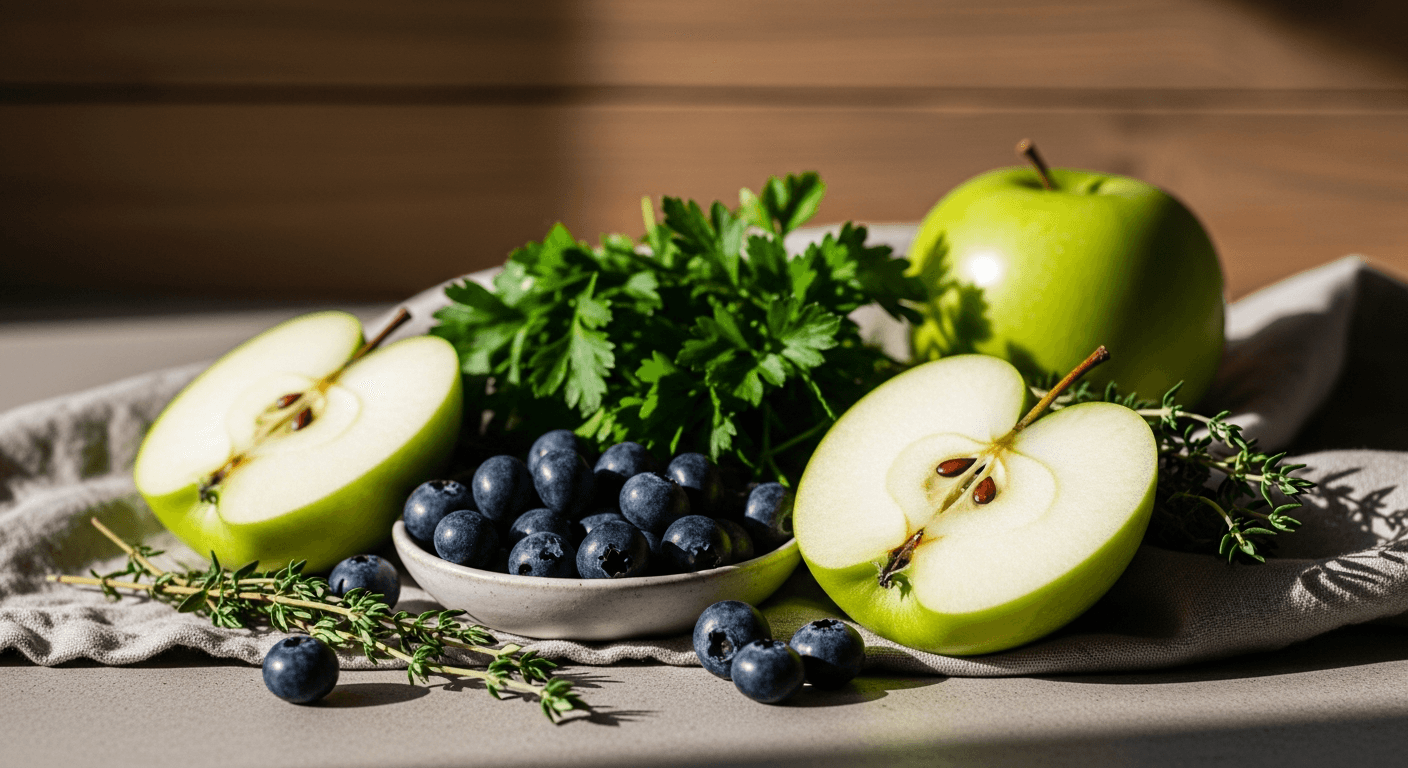
Flavonoids are a diverse group of phytonutrients (plant chemicals) found in many fruits, vegetables, and leaves. Among them, quercetin and luteolin stand out as two of the most potent natural mast cell stabilizers available. Quercetin, found naturally in apples, onions, and leafy greens, works by physically stabilizing the mast cell membrane, making it more resistant to degranulation. Mechanistically, quercetin downregulates the expression of histidine decarboxylase, the specific enzyme responsible for converting the amino acid histidine into histamine. By inhibiting this enzyme, quercetin actively reduces the amount of new histamine your body can produce, while also blocking the release of existing pro-inflammatory cytokines and leukotrienes.
Luteolin, another powerful flavonoid found in celery, chamomile, and green peppers, shares many of quercetin's stabilizing properties but offers unique neurological benefits. Research shows that luteolin inhibits mast cell activation by suppressing intracellular calcium (Ca2+) influx and blocking Protein Kinase C (PKC) activation—both of which are required signaling pathways for mast cells to release their mediators. Crucially, luteolin is a transcription factor inhibitor that is uniquely capable of crossing the blood-brain barrier. This makes it exceptionally valuable for MCAS patients dealing with neuroinflammation, severe brain fog, and cognitive dysfunction, as it can directly calm the mast cells residing in the central nervous system and reduce microglial activation.
Vitamin C and the DAO Enzyme
While flavonoids work primarily by preventing mast cells from releasing their contents, vitamin C (ascorbic acid) operates through a different, highly complementary mechanism. Vitamin C is essential for breaking down the histamine that has already been released into the bloodstream and tissues. It achieves this by promoting the body's natural production of Diamine Oxidase (DAO), the primary digestive enzyme responsible for degrading extracellular histamine. When vitamin C levels drop, histamine levels can rise exponentially, leading to severe symptom exacerbations.
Beyond its role in DAO production, vitamin C is a potent antioxidant that helps neutralize the reactive oxygen species (ROS) generated during chronic inflammation. This is particularly relevant for patients dealing with post-viral conditions, as oxidative stress is a major driver of ongoing symptoms. For a deeper dive into how this essential nutrient supports cellular energy and combats inflammation, you can read our comprehensive guide: Can Vitamin C Help Manage Fatigue and Oxidative Stress in Long COVID and ME/CFS?. By supporting both histamine degradation and overall antioxidant capacity, vitamin C serves as a foundational pillar in MCAS nutritional management.
Omega-3 Fatty Acids and Inflammation
Omega-3 fatty acids, specifically Eicosapentaenoic Acid (EPA) and Docosahexaenoic Acid (DHA), are critical structural components of every cell membrane in the body, including mast cells. When mast cell membranes are rich in Omega-3s rather than pro-inflammatory Omega-6 fatty acids (like arachidonic acid), they are inherently more stable and less prone to spontaneous degranulation. At a molecular level, Omega-3s actively suppress the nuclear expression of GATA-1 and GATA-2, which are essential transcription factors required for mast cell activation and the subsequent release of inflammatory cytokines like Interleukin-4 (IL-4) and Interleukin-13 (IL-13).
Furthermore, the body converts EPA and DHA into highly specialized molecules known as Specialized Pro-resolving Mediators (SPMs), which include resolvins, protectins, and maresins. These SPMs act as the immune system's "stop signals." Instead of merely blocking inflammation, they actively resolve it by clearing out cellular debris, halting the infiltration of mast cells into sensitive tissues, and promoting the repair of the mucosal lining in the gut. This active resolution of inflammation is vital for MCAS patients, whose immune systems are often stuck in a chronic, self-perpetuating loop of overactivity.
What the Research Shows
Clinical Efficacy of Natural Stabilizers
The clinical evidence supporting the use of natural flavonoids for mast cell stabilization is robust and continues to grow, particularly in the context of complex immunological conditions. A landmark study published in PLOS One by Weng et al. directly compared the efficacy of quercetin to cromolyn sodium, a widely prescribed pharmaceutical mast cell stabilizer. The researchers utilized human cultured mast cells stimulated by substance P, a neuropeptide known to trigger severe degranulation. The results were striking: quercetin was found to be significantly more effective than cromolyn sodium at inhibiting the release of pro-inflammatory cytokines, specifically Interleukin-8 (IL-8) and Tumor Necrosis Factor (TNF). Furthermore, quercetin completely blocked the intracellular calcium influx required for degranulation, a feat the pharmaceutical drug could not fully match.
Similar in vitro and in vivo studies have validated the potency of luteolin. Research evaluating human cultured mast cells (HCMCs) has demonstrated that luteolin strictly inhibits the release of histamine, leukotrienes, and prostaglandin D2 (PGD2) in a concentration-dependent manner. When combined, quercetin and luteolin exhibit a synergistic effect, providing a comprehensive blockade against multiple pathways of the allergic and inflammatory response. These findings provide a strong clinical rationale for why functional medicine practitioners heavily prioritize these flavonoids in MCAS management protocols.
DAO Supplementation in Trials
Diamine oxidase (DAO) supplementation has been the subject of several compelling clinical trials, particularly for patients suffering from histamine intolerance (HIT) and secondary MCAS symptoms. An open-label interventional pilot study by Schnedl et al. (2019) evaluated patients diagnosed with HIT who were given oral DAO capsules before meals for four weeks. The supplementation resulted in a statistically significant reduction in all 22 measured symptoms across gastrointestinal, cardiovascular, respiratory, and dermatological categories. Notably, postprandial fullness was reduced from 79% to 43%, and abdominal pain dropped from 68% to 25%. When the supplement was withdrawn during the washout period, symptom severity quickly returned, confirming the direct efficacy of the enzyme.
Further research has highlighted the neurological benefits of DAO. A randomized, double-blind, placebo-controlled trial by Izquierdo-Casas et al. (2019) evaluated 100 patients with episodic migraines and confirmed DAO deficiency. The group receiving DAO supplementation experienced a statistically significant reduction in the duration of their migraine attacks, decreasing by an average of 1.38 hours per attack. They also recorded a noticeable decrease in their reliance on acute "triptan" migraine medications compared to the placebo group. Recent 2024 and 2025 Phase I clinical trials are now paving the way for high-dose, plant-based DAO extracts derived from green pea sprouts, which have shown exceptional safety profiles even at doses 50 times higher than standard commercial servings.
The Impact of Omega-3s on Degranulation
The role of Omega-3 fatty acids in modulating mast cell behavior has been extensively documented in immunological literature. A pivotal study published in the British Journal of Nutrition evaluated the effects of Omega-3s (EPA/DHA) versus Omega-6 (Arachidonic Acid) on human mast cell lines (LAD2 and HMC-1). The researchers found that while Omega-6 boosted receptor-mediated degranulation and histamine release, the introduction of EPA and DHA completely failed to trigger degranulation. More importantly, EPA and DHA effectively suppressed the generation of reactive oxygen species (ROS), which subsequently choked off the secretion of inflammatory cytokines.
Additional studies utilizing the LAD2 human mast cell line have shown that the application of alpha-linolenic acid (ALA), a plant-based Omega-3 precursor, resulted in a remarkable 60% decrease in histamine degranulation. These clinical findings underscore the reality that dietary fats are not merely passive sources of energy; they are active signaling molecules that directly dictate how aggressive or stable your mast cells will be in the face of environmental triggers. By shifting the cellular lipid profile toward Omega-3s, patients can fundamentally alter their immune system's baseline reactivity.
Supplements: What Evidence Supports
Quercetin and Luteolin Protocols
When implementing natural mast cell stabilizers, dosing and bioavailability are critical factors. For quercetin, functional medicine practitioners typically recommend dosages ranging from 500 mg to 2,000 mg daily, divided into two or three doses to maintain consistent blood levels. However, standard quercetin has notoriously poor oral bioavailability, meaning very little of it actually absorbs through the gut lining into the bloodstream. To overcome this, it is highly recommended to seek out liposomal forms, enzymatically modified isoquercetin (EMIQ), or formulations that pair quercetin with absorption enhancers. For instance, bromelain, a proteolytic enzyme derived from pineapples, significantly boosts quercetin absorption while offering its own anti-inflammatory benefits. You can learn more about this synergy in our guide: Can Bromelain Help Manage Microclots and Inflammation in Long COVID and MCAS?.
https://d2i6s4ceoe8ykm.cloudfront.net/new-root/blogs/antihistamines-nutrition-mcas/inline-2.png
Luteolin is typically dosed at 100 mg to 200 mg twice daily. Because it excels at crossing the blood-brain barrier, it is frequently taken in the evening to help calm neuroinflammation and support better sleep architecture, which is often disrupted in MCAS patients. Many high-quality supplements combine quercetin and luteolin into a single capsule, leveraging their synergistic ability to block multiple inflammatory pathways simultaneously. As always, patients with highly reactive immune systems should start with a fraction of the recommended dose to ensure they tolerate the specific formulation and its inactive ingredients.
DAO Enzymes and Essential Cofactors
For patients struggling with dietary histamine, exogenous DAO supplementation can be a game-changer. Standard commercial DAO supplements are typically derived from porcine (pig) kidney extract, providing around 4.2 mg of active protein per dose. The golden rule of DAO supplementation is timing: because the enzyme does not enter the bloodstream and only acts locally in the digestive tract, it must be taken 15 to 20 minutes before consuming histamine-rich foods. This allows the capsule to dissolve and the enzyme to be present in the intestinal lumen exactly when the food arrives, effectively neutralizing the histamine before it can cross the gut barrier.
However, addressing the root cause of low DAO requires supporting the body's own endogenous production. The DAO enzyme is officially classified under the AOC1 (Amine Oxidase Copper-containing 1) gene, meaning copper is a fundamental structural component of the enzyme. Without sufficient bioavailable copper, the body literally cannot produce functional DAO. Furthermore, vitamin B6 (specifically in its active coenzyme form, Pyridoxal 5'-phosphate or P5P) is the critical "spark plug" that activates the enzyme. Patients with chronic gut inflammation often suffer from severe B6 and copper deficiencies, making targeted supplementation of these cofactors essential for restoring natural histamine metabolism.
Targeted Gut Support and Omega-3s
Because the gut is the epicenter of histamine metabolism and immune regulation, repairing the intestinal barrier is a non-negotiable aspect of MCAS management. Omega-3 supplementation is a powerful tool for this, with clinical protocols frequently suggesting 1,000 mg to 3,000 mg of combined EPA and DHA daily to aggressively manage mucosal inflammation and stabilize gut-based mast cells. High-quality, rigorously purified fish oil is essential, as poorly processed oils can be rancid and trigger further histamine release. You can explore evidence-based Omega-3 options in our detailed review: Can MegaMarine Support Gut Health and Inflammation in Long COVID?.
In addition to Omega-3s, specific probiotic strains can help degrade histamine in the gut lumen and strengthen the tight junctions of the intestinal wall. However, MCAS patients must be incredibly cautious, as many common probiotic strains (like Lactobacillus casei and Lactobacillus bulgaricus) actually produce histamine and can trigger severe flares. Utilizing specialized, histamine-degrading or neutral strains is crucial for safely rebuilding the microbiome. For more information on safely supporting the gut barrier without triggering mast cell activation, consider reading Can Probiotic G.I. Support Gut Barrier Function and Alleviate Long COVID Symptoms?.
Food Sources and Dietary Strategies
Navigating a Low-Histamine Diet
Dietary intervention is often explored for managing histamine intolerance, though it is important to note that not everyone with MCAS will benefit from a low-histamine diet. Because MCAS involves the abnormal release of various mediators beyond just histamine, patients may not necessarily react to dietary histamine. For those who do, a low-histamine diet aims to reduce the exogenous load on your "histamine bucket," giving your system a chance to calm down. This involves strictly avoiding foods that are naturally high in histamine, as well as foods that act as "histamine liberators" (substances that trigger mast cells to release their stored histamine). The challenge is that histamine levels in food increase with age, fermentation, and microbial activity. Therefore, the core principle of a low-histamine diet is extreme freshness. Leftovers, aged cheeses, cured meats, fermented foods (like sauerkraut, kefir, and soy sauce), and alcoholic beverages are typically the most severe triggers and must be eliminated during the initial stabilization phase.
While a low-histamine diet can provide rapid symptom relief, it is not meant to be a permanent, highly restrictive lifestyle. The goal is to use the diet as a temporary tool to lower the total inflammatory burden while simultaneously utilizing supplements, mast cell stabilizers, and gut-healing protocols to raise your tolerance threshold. Over time, as the gut lining heals and endogenous DAO production increases, many patients are able to successfully reintroduce a wider variety of foods without triggering a systemic flare-up.
Nutrient-Dense Foods for DAO Production
To naturally boost your body's ability to produce the DAO enzyme, your diet must be rich in its essential cofactors: copper, vitamin B6, and vitamin C. Sourcing these nutrients safely on a low-histamine diet requires careful planning. Organ meats, particularly fresh liver and kidney, are among the most bioavailable sources of copper and B6 on the planet. For patients who tolerate meat, sourcing flash-frozen, pasture-raised organ meats and cooking them immediately from frozen can provide a massive influx of these critical DAO-building blocks without the histamine accumulation that occurs in aged meats.
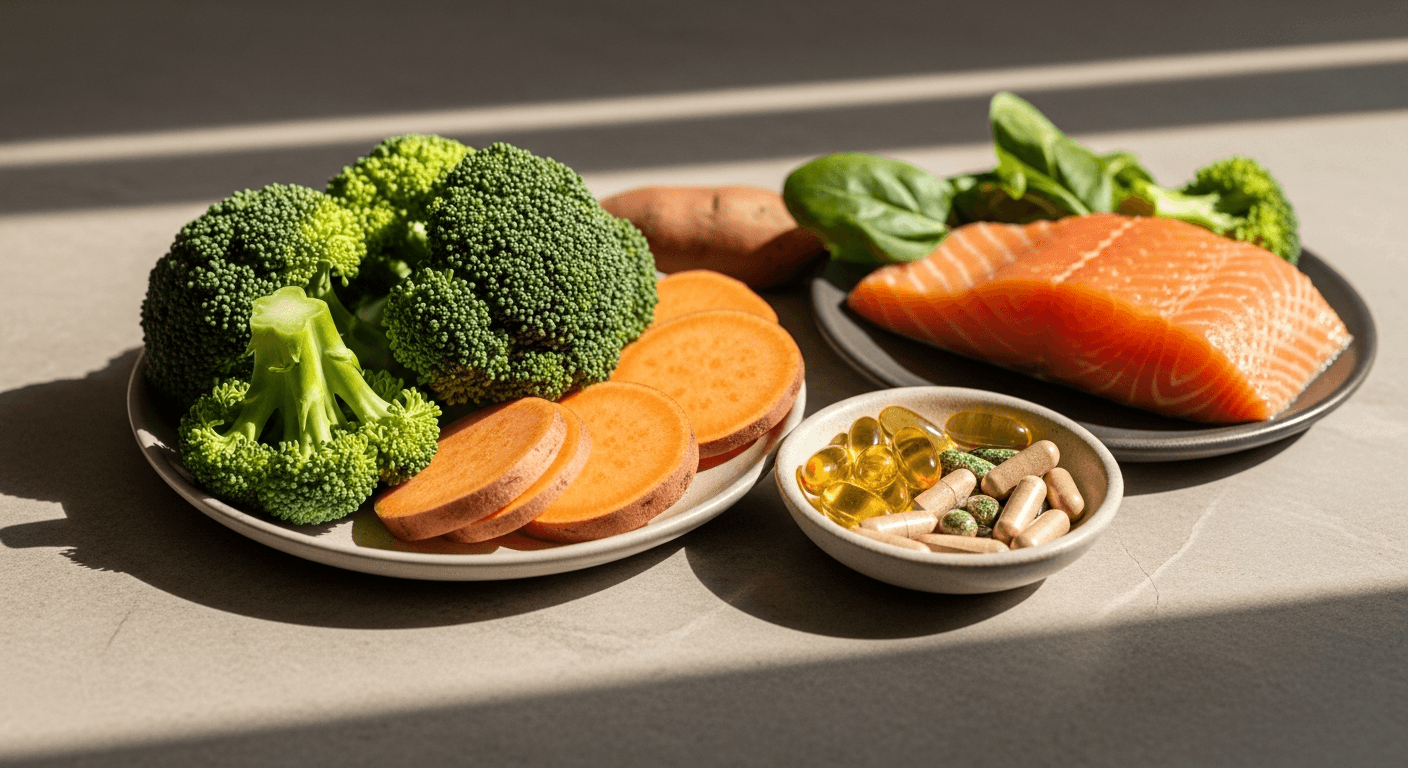
For those who prefer plant-based sources, fresh asparagus, broccoli, and sweet potatoes are excellent, low-histamine options that provide steady amounts of B vitamins and essential minerals. Additionally, incorporating high-quality fats, such as extra virgin olive oil and fresh, flash-frozen fatty fish (like wild-caught salmon), provides the Omega-3 fatty acids necessary to reduce intestinal inflammation and support the mucosal lining where DAO is produced. The key with fish is ensuring it is frozen immediately upon catch and thawed rapidly just before cooking, as fish left in the refrigerator rapidly develops high levels of histamine.
Sourcing Vitamin C Safely
Vitamin C is a potent natural antihistamine, but for MCAS patients, the source of the vitamin is just as important as the dose. Many standard vitamin C supplements and dietary recommendations focus on citrus fruits (oranges, lemons, grapefruit). However, citrus fruits are well-documented histamine liberators; while they contain vitamin C, their specific biochemical makeup can directly trigger mast cells to degranulate, negating any potential benefit. Furthermore, many over-the-counter ascorbic acid supplements are synthesized through the fermentation of genetically modified corn, which can also trigger severe reactions in highly sensitive individuals.
To safely harness the histamine-degrading power of vitamin C, MCAS patients should look for low-histamine, non-citrus, and non-fermented sources. Excellent whole-food options include fresh bell peppers, broccoli, and Brussels sprouts. For supplementation, practitioners heavily recommend utilizing extracts from rose hips, camu camu, or acerola cherry. Alternatively, buffered forms of vitamin C, such as magnesium ascorbate or sodium ascorbate, tend to be much gentler on the gastrointestinal tract and are less likely to provoke an immune response, allowing patients to achieve the higher therapeutic doses necessary for stabilizing mast cells.
Practical Considerations
Timing and Absorption Strategies
The effectiveness of natural mast cell stabilizers and enzymes relies heavily on how and when they are administered. As previously mentioned, DAO enzymes must be taken 15 to 20 minutes before a meal to ensure they are active in the gut lumen when histamine-rich food arrives. Taking DAO after you have already eaten, or taking it on an empty stomach hours away from a meal, will yield little to no benefit, as the enzyme does not enter the systemic circulation to clear histamine from the blood. It is strictly a localized digestive aid.
Conversely, flavonoids like quercetin and luteolin require different strategies. Because they are fat-soluble and have naturally low bioavailability, taking them with a small amount of healthy fat—such as a spoonful of olive oil or half an avocado—can significantly enhance their absorption across the intestinal wall. If you are using a liposomal formulation, this is less of a concern, as the active compound is already encapsulated in a lipid bilayer designed for optimal cellular uptake. For systemic mast cell stabilization, these flavonoids are best taken in divided doses throughout the day to maintain a steady concentration in the bloodstream, preventing the sudden peaks and valleys that can leave mast cells vulnerable to triggering events.
Managing Flare-Ups and Sensitivities
One of the most frustrating aspects of managing MCAS is that patients can react to the very interventions designed to help them. This is rarely a reaction to the active ingredient itself (like quercetin or vitamin C), but rather a severe sensitivity to the excipients, fillers, binders, or capsule materials used in the supplement's manufacturing process. Common triggers include magnesium stearate, titanium dioxide, artificial colors, and certain types of cellulose. When selecting supplements, it is imperative to choose hypoallergenic, pure formulations with minimal additional ingredients.
When introducing any new supplement, the golden rule for MCAS patients is to "start low and go slow." Introducing a full therapeutic dose of a new compound can sometimes cause a temporary exacerbation of symptoms or a "Herxheimer-type" reaction as the body's biochemical pathways shift. Begin with a fraction of the recommended dose—sometimes as little as a quarter of a capsule—and monitor your symptoms for several days before gradually titrating up. This cautious approach allows you to identify exactly what your body can tolerate without pushing your immune system into a defensive, hyper-reactive state.
Working With Your Care Team
Managing MCAS requires a highly individualized approach, and nutritional strategies should always be implemented in partnership with a knowledgeable healthcare provider. This is especially true because natural mast cell stabilizers can interact with prescription medications. For example, high doses of quercetin can inhibit certain liver enzymes (like CYP3A4), potentially altering the metabolism of antihistamines, blood thinners, or other medications you may be taking for dysautonomia or Long COVID.
Furthermore, before beginning high-dose supplementation of cofactors like vitamin B6 or copper, it is highly advisable to have your baseline serum levels tested. While these nutrients are essential for DAO production, excessive levels of B6 can cause peripheral neuropathy, and copper toxicity can lead to severe neurological and hepatic issues. A functional medicine practitioner or MCAS specialist can help you run the appropriate micronutrient panels, interpret the results in the context of your symptoms, and design a targeted, safe protocol that addresses your specific biochemical needs without causing unintended harm.
The Path Forward
Building Your Personal Toolkit
Living with mast cell activation syndrome is undeniably complex, and there is no single "magic bullet" that will instantly resolve the profound immune dysregulation that characterizes this condition. However, by understanding the underlying biology of your symptoms, you can begin to build a highly effective, personalized toolkit. Utilizing natural mast cell stabilizers like quercetin and luteolin, supporting histamine degradation with targeted vitamin C and DAO enzymes, and lowering systemic inflammation with high-quality Omega-3s can fundamentally shift how your immune system responds to the world around it.
It is important to validate the exhaustion and frustration that comes with managing a chronic, invisible illness. Healing the gut, replenishing depleted micronutrients, and stabilizing hyper-reactive mast cells is a marathon, not a sprint. Celebrate the small victories—a meal enjoyed without a flare-up, a day with slightly less brain fog, or a night of uninterrupted sleep. These are signs that your cellular environment is shifting toward balance and resilience.
Next Steps in Your Healing Journey
As you navigate your path forward, remember that targeted, high-quality supplementation can make a profound difference in your daily quality of life. Always consult with your healthcare provider before starting or stopping any treatment, especially when dealing with complex conditions like Long COVID, ME/CFS, and MCAS. They can help you safely integrate these nutritional strategies into your broader medical protocol.