Anti-Inflammatory Eating for Long COVID, ME/CFS, and Fibromyalgia
March 10, 2026
anti-inflammatory dietlong covid nutritionme/cfs diet
Share:
Disclaimer: The information provided here is for educational purposes only and is not intended as medical advice. It should not be used to diagnose, treat, cure, or prevent any medical condition. Instead, use it as a starting point for discussion with your healthcare provider. Always consult with a qualified healthcare provider before starting any new medication, supplement, device, or making changes to your health regimen.
Living with complex, chronic conditions like Long COVID, myalgic encephalomyelitis/chronic fatigue syndrome (ME/CFS), fibromyalgia, and mast cell activation syndrome (MCAS) often feels like navigating a labyrinth without a map. Patients frequently describe a profound, unpredictable exhaustion that goes far beyond normal tiredness, accompanied by widespread pain, cognitive dysfunction or "brain fog," and a hyper-reactive immune system. When standard medical appointments yield more questions than answers, and conventional treatments offer only partial relief, many individuals find themselves searching for foundational ways to support their bodies. One of the most powerful, evidence-based tools available for managing these debilitating symptoms is targeted nutrition, specifically through an anti-inflammatory dietary approach.
The relationship between what we eat and how our immune system functions is not just a wellness trend; it is rooted in complex, measurable biology. Recent clinical research has increasingly highlighted that chronic low-grade inflammation, mitochondrial dysfunction, and gut microbiome imbalances are core drivers of post-viral and chronic fatigue conditions. By intentionally choosing foods and supplements that lower the body's inflammatory burden and avoiding those that provoke immune activation, patients can create a cellular environment that supports healing. This comprehensive guide explores the biological rationale behind anti-inflammatory eating, the clinical evidence supporting its use, and practical strategies for implementing these changes without triggering post-exertional malaise (PEM) or overwhelming an already taxed nervous system.
TL;DR
An anti-inflammatory diet may help reduce systemic inflammation and support cellular energy in chronic conditions.
Key nutrients like Omega-3s, magnesium, and Vitamin D3 support immune regulation and nervous system balance.
Pacing dietary changes and identifying personal food triggers can help avoid symptom flares and energy crashes.
Always consult your healthcare provider before starting new supplements or making significant dietary changes.
The Nutritional Challenge of Chronic Illness
At the core of conditions like Long COVID, ME/CFS, and fibromyalgia lies a persistent state of systemic inflammation. When a healthy body encounters a virus or injury, the immune system mounts an acute inflammatory response to neutralize the threat and initiate repair. However, in these complex chronic illnesses, this inflammatory response fails to shut off, leading to a prolonged overproduction of pro-inflammatory cytokines such as interleukin-6 (IL-6) and tumor necrosis factor-alpha (TNF-α). This chronic "fire" within the body damages healthy tissues, disrupts normal neurological signaling, and creates the profound, heavy fatigue that patients experience daily. Research indicates that this ongoing immune activation is a primary driver of the physical and cognitive symptoms that define these conditions, making the reduction of inflammation a critical therapeutic target according to recent immunological reviews.
The nutritional challenge arises because the body requires a massive amount of energy and specific micronutrients to sustain this continuous immune battle. When the immune system is hyperactive, it rapidly depletes the body's stores of essential antioxidants, vitamins, and minerals. This depletion creates a vicious cycle: the body lacks the nutritional tools necessary to quench the inflammatory fire, allowing the oxidative stress to persist and cause further cellular damage. Consequently, patients often find themselves in a state of functional malnutrition, even if their caloric intake is adequate, because their cellular demand for anti-inflammatory nutrients far exceeds their dietary supply.
Furthermore, systemic inflammation directly impacts how the brain processes pain and fatigue. In fibromyalgia, chronic inflammation contributes to central sensitization, a process where the central nervous system becomes hyper-reactive to normal stimuli, amplifying pain signals. Similarly, in Long COVID and ME/CFS, circulating cytokines can cross the blood-brain barrier, leading to neuroinflammation. This neuroinflammation is what patients experience as "brain fog"—a debilitating cognitive dysfunction characterized by memory lapses, difficulty concentrating, and mental exhaustion. Addressing this inflammation through diet is not just about physical health; it is essential for restoring cognitive clarity and reducing widespread pain.
A significant portion of the nutritional challenge in chronic illness involves the gastrointestinal tract, which houses approximately 70% of the body's immune system. The gut microbiome—the trillions of bacteria, viruses, and fungi residing in the intestines—plays a pivotal role in regulating immune function and systemic inflammation. In patients with ME/CFS, Long COVID, and fibromyalgia, clinical studies consistently reveal a state of gut dysbiosis, characterized by a depletion of beneficial, anti-inflammatory bacteria and an overgrowth of pro-inflammatory strains. This imbalance compromises the integrity of the intestinal lining, leading to increased intestinal permeability, commonly known as "leaky gut."
When the gut barrier is compromised, endotoxins and undigested food particles can escape into the bloodstream, triggering a systemic immune response and further elevating inflammatory cytokines. This continuous leakage acts as a chronic stressor on the immune system, perpetuating the symptoms of fatigue and pain. The nutritional intervention must therefore focus on supporting this barrier and feeding the beneficial bacteria. Dietary fiber, particularly from whole plant foods, is fermented by these beneficial microbes to produce short-chain fatty acids (SCFAs) like butyrate. Butyrate is crucial for maintaining the gut lining and has potent systemic anti-inflammatory effects, highlighting the direct link between dietary choices and immune regulation.
Moreover, the gut and the brain are in constant communication via the vagus nerve, forming the gut-brain axis. Inflammation originating in the gut can travel along this pathway, exacerbating neuroinflammation and autonomic nervous system dysfunction (dysautonomia), which frequently co-occurs with these conditions. By adopting an anti-inflammatory diet that supports microbiome diversity, patients can interrupt this inflammatory signaling loop. This approach not only helps in supporting the gastrointestinal tract but also plays a vital role in calming the hyperactive nervous system and reducing the severity of neurological symptoms.
Another profound nutritional challenge in these conditions is mitochondrial dysfunction. Mitochondria are the powerhouses of our cells, responsible for converting the food we eat into adenosine triphosphate (ATP), the cellular currency of energy. In ME/CFS and Long COVID, research suggests that the mitochondria are damaged by chronic oxidative stress and fail to produce ATP efficiently. This cellular energy crisis is the biological basis for post-exertional malaise (PEM), where even minor physical or cognitive exertion leads to a disproportionate and debilitating crash in energy levels. The cells are essentially starving for energy, despite adequate caloric intake.
To function correctly, mitochondria require a steady supply of specific nutrients, including B vitamins, magnesium, coenzyme Q10 (CoQ10), and potent antioxidants to protect them from the highly reactive free radicals generated during ATP production. When systemic inflammation is high, these protective antioxidants are rapidly consumed, leaving the mitochondria vulnerable to damage. An anti-inflammatory diet aims to flood the body with these essential cofactors and antioxidants, providing the mitochondria with the raw materials they need to repair themselves and resume efficient energy production. Without this targeted nutritional support, the cycle of cellular exhaustion and PEM is incredibly difficult to break.
The impairment of mitochondrial function also shifts the body's metabolism toward less efficient, pro-inflammatory pathways. Instead of utilizing oxygen to generate abundant ATP, cells may rely on anaerobic glycolysis, which produces less energy and generates lactic acid as a byproduct. This accumulation of lactic acid contributes to the heavy, aching muscle pain frequently reported by patients with ME/CFS and fibromyalgia. By providing the specific nutrients required to restore aerobic metabolism, an anti-inflammatory diet helps to clear these metabolic byproducts, thereby reducing muscle pain and improving overall physical stamina.
For many patients, the nutritional landscape is further complicated by mast cell activation syndrome (MCAS), a condition frequently comorbid with Long COVID, ME/CFS, and dysautonomia. Mast cells are immune cells that act as the body's first responders; when triggered, they degranulate, releasing a cascade of inflammatory mediators, including histamine, tryptase, and leukotrienes. In MCAS, these cells become overly sensitive and activate inappropriately in response to everyday stimuli, including specific foods, stress, and environmental factors. This massive release of histamine drives widespread inflammation, causing unpredictable symptoms ranging from gastrointestinal distress and hives to rapid heart rate and profound fatigue.
The challenge for MCAS patients is that many foods traditionally considered healthy and anti-inflammatory—such as spinach, tomatoes, avocados, and fermented foods—are either high in histamine or act as histamine liberators, triggering mast cells to degranulate. This creates a frustrating paradox where a standard anti-inflammatory diet can actually provoke a severe symptom flare. Consequently, the nutritional approach must be highly nuanced, balancing the need to reduce systemic inflammation with the necessity of minimizing the dietary histamine burden. This often requires a careful, individualized elimination process to identify specific triggers.
Furthermore, the constant degranulation of mast cells depletes the body's supply of the diamine oxidase (DAO) enzyme, which is responsible for breaking down histamine in the digestive tract. When DAO levels are insufficient, dietary histamine accumulates in the bloodstream, leading to a state of histamine intolerance that exacerbates systemic inflammation. Nutritional strategies for MCAS must therefore focus on stabilizing mast cells using natural flavonoids, supporting DAO production, and prioritizing fresh, low-histamine, nutrient-dense foods to lower the overall inflammatory load without triggering an immune cascade as noted in clinical dietary reviews.
Key Nutrients: What They Are and Why They Matter
Omega-3 polyunsaturated fatty acids, specifically eicosapentaenoic acid (EPA) and docosahexaenoic acid (DHA), are foundational components of an anti-inflammatory diet. These essential fats are incorporated into the lipid bilayers of cell membranes throughout the body, influencing cell signaling and membrane fluidity. In the context of chronic illness, Omega-3s are critical because they directly compete with arachidonic acid, a pro-inflammatory Omega-6 fatty acid, for the enzymatic pathways that produce inflammatory mediators. By increasing the ratio of Omega-3s to Omega-6s in the cell membrane, the body naturally downregulates the production of pro-inflammatory prostaglandins and leukotrienes, effectively turning down the dial on systemic inflammation.
Beyond their structural role, EPA and DHA are the precursors to specialized pro-resolving mediators (SPMs), including resolvins, protectins, and maresins. These powerful signaling molecules actively orchestrate the resolution phase of inflammation, signaling the immune system to stand down once a threat has passed and promoting tissue repair. In conditions like Long COVID and ME/CFS, where the immune system is stuck in a hyperactive state, providing abundant Omega-3s can help supply the necessary raw materials to generate these resolving mediators. Clinical research has shown that adequate Omega-3 intake is associated with reduced levels of circulating cytokines like IL-6 and TNF-α, which are heavily implicated in the pathogenesis of post-viral fatigue according to immunological studies.
For patients experiencing cognitive dysfunction, DHA is particularly vital, as it is the most abundant structural fatty acid in the mammalian brain. It supports neurogenesis, enhances synaptic plasticity, and protects against neuroinflammation. By maintaining the integrity of the blood-brain barrier and reducing oxidative stress within the central nervous system, Omega-3s play a crucial role in lifting the "brain fog" that so many patients find debilitating. Ensuring adequate intake through diet or targeted supplementation is a primary strategy for supporting both immune regulation and cognitive clarity.
Antioxidants and polyphenols are naturally occurring compounds found abundantly in colorful fruits, vegetables, herbs, and spices. Their primary biological function is to neutralize free radicals—unstable molecules that cause oxidative stress and damage cellular structures, including DNA, proteins, and lipid membranes. In chronic illnesses characterized by persistent immune activation, the body generates an excessive amount of free radicals, rapidly depleting endogenous antioxidant stores like glutathione. Dietary antioxidants step in to fill this gap, donating electrons to stabilize free radicals and halting the chain reaction of cellular damage that drives fatigue and widespread pain.
Polyphenols, a specific class of phytonutrients, go beyond simple free radical scavenging; they actively modulate cellular signaling pathways. For example, compounds like quercetin (found in apples and onions) and resveratrol (found in grapes) have been shown to inhibit the activation of NF-κB, a master genetic switch that controls the expression of numerous inflammatory genes. By blocking this pathway, polyphenols help reduce the downstream production of inflammatory cytokines. Additionally, many polyphenols act as natural mast cell stabilizers, making them incredibly valuable for patients managing MCAS by helping to reduce the inappropriate release of histamine and other mediators.
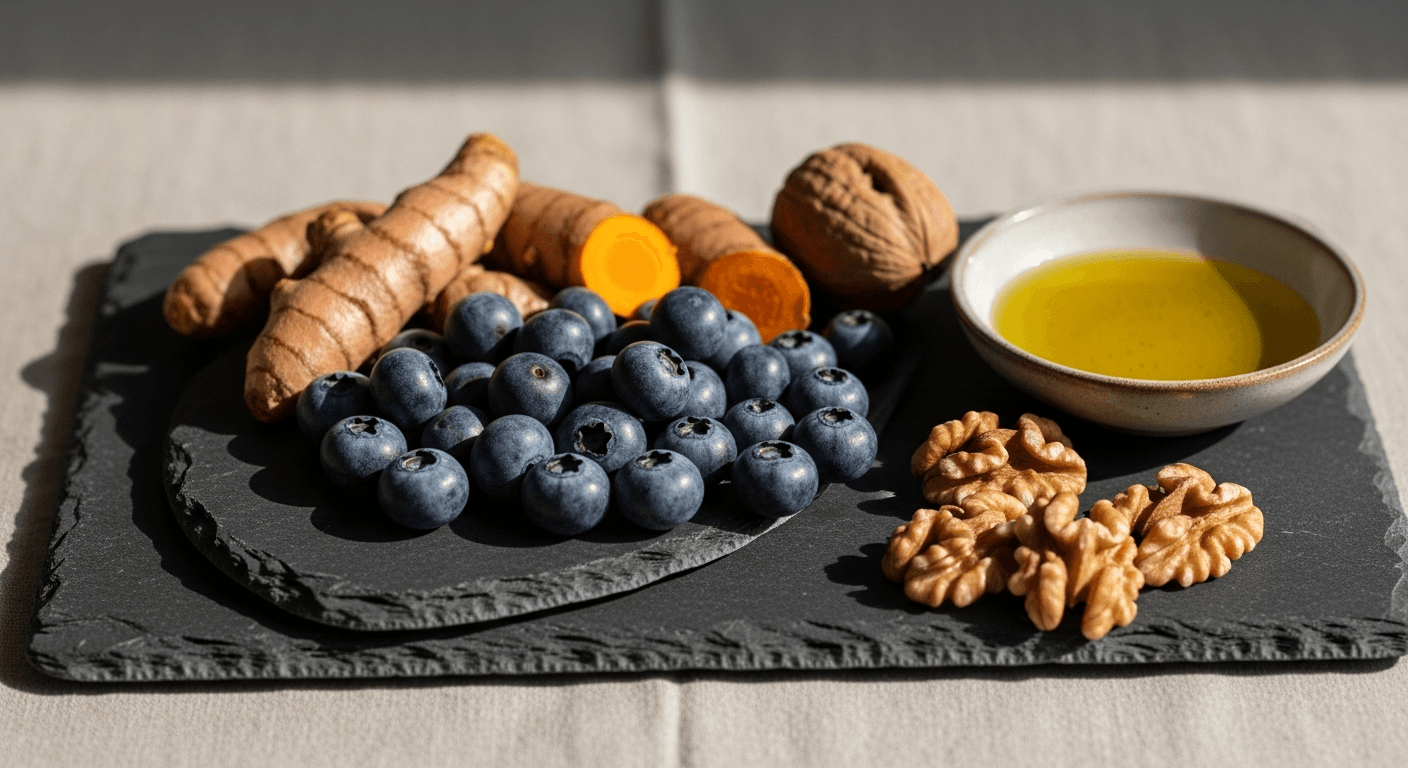
Curcumin, the active polyphenol in turmeric, is one of the most extensively researched anti-inflammatory compounds. It has a unique ability to cross the blood-brain barrier, where it exerts potent neuroprotective effects by clearing reactive oxygen species and reducing microglial activation (the brain's resident immune cells). This makes curcumin highly effective at addressing the neuroinflammation underlying brain fog and central sensitization in fibromyalgia. Incorporating a diverse array of these antioxidant-rich foods into the daily diet ensures a broad-spectrum defense against the multifaceted oxidative stress seen in complex chronic conditions.
Magnesium is an essential macromineral involved in over 300 enzymatic reactions in the human body, yet it is frequently depleted in individuals with chronic illness. Its most critical role is in cellular energy metabolism; magnesium is required for the synthesis of ATP within the mitochondria. ATP must bind to a magnesium ion to become biologically active and usable by the cells. When magnesium levels are low, mitochondrial energy production stalls, directly contributing to the profound physical exhaustion and post-exertional malaise characteristic of ME/CFS and Long COVID. Replenishing intracellular magnesium is akin to providing the spark plug necessary to ignite cellular energy generation.
Furthermore, magnesium plays a vital role in regulating the nervous system and muscle function. It acts as a natural calcium channel blocker, helping to limit the excessive influx of calcium into neurons, which can lead to excitotoxicity and nerve damage. In fibromyalgia, magnesium deficiency is strongly linked to central sensitization and the amplification of pain signals via the NMDA receptors. By blocking these receptors, magnesium helps to calm the hyper-reactive nervous system, reducing widespread muscle pain, cramping, and stiffness. It also promotes the production of GABA, an inhibitory neurotransmitter that fosters relaxation and improves sleep quality, which is often severely disrupted in these patient populations.
The physiological stress of chronic illness, combined with potential gut malabsorption issues, means that dietary intake of magnesium is often insufficient to meet the body's heightened demands. Viral infections, such as SARS-CoV-2, have also been shown to aggressively deplete intracellular magnesium stores. Therefore, focusing on magnesium-rich foods like leafy greens, pumpkin seeds, and almonds, often alongside targeted supplementation, is a foundational step in an anti-inflammatory protocol. Restoring adequate magnesium levels is essential for supporting autonomic nervous system balance, improving energy capacity, and mitigating chronic pain.
Vitamin D3 is technically a prohormone rather than a simple vitamin, and it wields profound influence over the immune system. Every immune cell, including T-cells, B-cells, and macrophages, possesses Vitamin D receptors. In the context of Long COVID, ME/CFS, and autoimmune-leaning conditions, Vitamin D3 acts as a crucial immunomodulator. It promotes the development of regulatory T-cells (Tregs), which are responsible for maintaining immune tolerance and helping to keep the immune system from attacking the body's own tissues. Simultaneously, it suppresses the production of pro-inflammatory cytokines, helping to calm the hyperactive immune response that drives chronic symptom flares.
Beyond its immune-regulating properties, Vitamin D3 is essential for maintaining the integrity of the gut microbiome and the intestinal epithelial barrier. Adequate levels of Vitamin D help to tighten the junctions between intestinal cells, helping to reduce the "leaky gut" phenomenon that allows endotoxins to enter the bloodstream and trigger systemic inflammation. Research has consistently shown a strong correlation between severe Vitamin D deficiency and an increased severity of chronic pain, fatigue, and cognitive dysfunction in fibromyalgia and post-viral syndromes. Ensuring optimal Vitamin D status is therefore a critical component of healing the gut-brain-immune axis.
Because Vitamin D is primarily synthesized in the skin via sun exposure, and because chronic illness often limits a patient's ability to spend time outdoors, deficiency is incredibly common in this population. Furthermore, chronic systemic inflammation can impair the liver and kidneys' ability to convert Vitamin D into its active, usable form. Therefore, obtaining Vitamin D through fortified foods, fatty fish, and high-quality supplementation is often necessary to achieve the therapeutic blood levels required to effectively modulate the immune system, reduce widespread pain, and support overall metabolic health.
What the Research Shows
Recent clinical trials have provided compelling evidence that dietary interventions can significantly alter the trajectory of post-viral syndromes. A landmark study published in February 2025, known as the BioICOPER project, evaluated the impact of the Mediterranean Diet (MD) on 305 individuals diagnosed with Long COVID. The researchers focused on cardiovascular risk factors and metabolic syndrome, which are known to exacerbate the persistent fatigue and dyspnea associated with the condition. The findings were striking: patients who maintained high adherence to the Mediterranean Diet exhibited significantly lower Body Mass Index (BMI), reduced waist circumference, and lower levels of uric acid compared to those with poor adherence as detailed in the Nutrients journal publication.
Crucially, the BioICOPER study demonstrated that high adherence to this anti-inflammatory dietary pattern was directly associated with higher levels of high-density lipoprotein (HDL) cholesterol, often referred to as "good" cholesterol. This is vital because Long COVID is frequently characterized by endothelial dysfunction—inflammation of the blood vessel linings that impairs blood flow and oxygen delivery to tissues. By improving the lipid profile and reducing metabolic risk factors, the Mediterranean Diet helps to restore vascular health, thereby improving oxygenation and reducing the heavy, physical exhaustion that patients experience. This study solidifies the role of whole-food nutrition as a primary, non-pharmacological intervention for Long COVID recovery.
Furthermore, a related 2024 study published in Antioxidants investigated the biochemical mechanisms behind these improvements. It found that Long COVID patients following a strict Mediterranean Diet had significantly lower levels of Lactate Dehydrogenase (LDH) and liver enzymes, which are key biomarkers of systemic tissue damage and oxidative stress. The study highlighted that the high consumption of extra virgin olive oil (EVOO) specifically modulated the gut microbiome, promoting the growth of beneficial bacteria that actively lower inflammatory markers. These concrete data points validate the biological efficacy of anti-inflammatory eating in supporting recovery from post-viral cellular damage.
In the realm of fibromyalgia, researchers have utilized the Dietary Inflammatory Index (DII) to quantify the impact of nutrition on symptom severity. The DII is a validated tool that scores an individual's diet based on the inflammatory or anti-inflammatory properties of the foods consumed. Observational studies consistently reveal a stark correlation: fibromyalgia patients whose diets score high on the DII—indicating a high intake of ultra-processed foods, refined sugars, and saturated fats—experience significantly higher levels of widespread clinical pain, increased tender point sensitivity, and more severe fatigue compared to those with anti-inflammatory diets.
A systematic review published in 2023 analyzed multiple dietary interventions for fibromyalgia and found that plant-based, Mediterranean, and specific elimination diets yielded the most consistent and statistically significant reductions in pain scores. The researchers attributed these improvements to the high intake of antioxidants, dietary fiber, and healthy fats, which work synergistically to lower circulating pro-inflammatory cytokines and reduce central nervous system sensitization. By actively lowering the dietary inflammatory burden, patients were able to decrease the hyper-reactivity of their pain pathways, resulting in a measurable improvement in their quality of life.
Moreover, clinical trials have explored the synergy between anti-inflammatory eating and gut health in fibromyalgia management. A recent randomized controlled trial tracked patients on a combined anti-inflammatory and low-FODMAP diet for three months. The intervention group showed statistically significant improvements not only in gastrointestinal symptoms but also in pain severity and sleep quality. This evidence strongly supports the hypothesis that supporting the gut microbiome and reducing dietary triggers are critical steps in managing the complex, overlapping symptoms of fibromyalgia.
Research into ME/CFS has increasingly focused on the profound gut dysbiosis present in this patient population. Recent proteomic and metabolomic studies have identified specific microbial signatures associated with the disease, notably a severe depletion of butyrate-producing bacteria like Faecalibacterium prausnitzii. This depletion compromises the intestinal barrier, allowing endotoxins to leak into the bloodstream and drive the chronic neuroinflammation responsible for brain fog and post-exertional malaise. Clinical investigations have sought to determine if targeted nutritional interventions can reverse this dysbiosis and alleviate symptoms.
Studies evaluating the impact of Mediterranean and whole-food, plant-based diets on ME/CFS patients have shown promising results in microbiome modulation. These diets, rich in diverse fermentable fibers and polyphenols, act as prebiotics, directly feeding and expanding the populations of beneficial, anti-inflammatory gut bacteria. As these microbial communities recover, they increase the production of short-chain fatty acids (SCFAs), which support the mucosal barrier and suppress systemic immune activation. Consequently, patients often report a gradual reduction in the severity of their cognitive dysfunction and a slight expansion in their energy envelope.
While dietary changes alone are not a standalone solution for ME/CFS, the research underscores that they are a necessary foundation for stabilizing the condition. By addressing the gut-brain-immune axis through targeted nutrition, patients can lower their baseline level of systemic inflammation. This reduction in the inflammatory load frees up cellular energy that was previously consumed by the immune response, allowing the body to redirect those resources toward cellular repair and mitochondrial function, ultimately improving the patient's resilience against symptom crashes.
For patients managing Mast Cell Activation Syndrome (MCAS), clinical research highlights the necessity of combining anti-inflammatory principles with a low-histamine approach. A landmark study by McIntosh et al. demonstrated the profound impact of dietary modification on immune markers by placing patients on a Low-FODMAP diet. The researchers found that this dietary intervention reduced urinary histamine levels by an astonishing 8-fold. This critical data point proves that reducing the intake of specific fermentable carbohydrates and inflammatory triggers directly decreases endogenous histamine production and mast cell activation in the gut.
Further research into mast cell biology has illuminated the role of specific dietary components in stabilizing these volatile immune cells. In vitro and in vivo studies consistently show that naturally occurring flavonoids, particularly quercetin and luteolin, are highly effective at suppressing the degranulation of mast cells. These polyphenols inhibit the calcium influx necessary for mast cells to release their inflammatory mediators, effectively acting as natural antihistamines and mast cell stabilizers. Integrating foods rich in these compounds—provided they are well-tolerated and low in histamine—is a key evidence-based strategy for managing MCAS.
The clinical consensus for MCAS nutrition emphasizes a highly individualized approach, recognizing that one patient's safe food may be another's trigger. However, the overarching goal remains consistent: lower the overall inflammatory burden to raise the threshold for mast cell degranulation. By meticulously avoiding high-histamine foods, histamine liberators, and ultra-processed ingredients, while simultaneously nourishing the body with fresh, nutrient-dense, anti-inflammatory whole foods, patients can significantly reduce the frequency and severity of their multisystem allergic reactions and systemic flares.
Supplements: What Evidence Supports
While a nutrient-dense diet is the foundation of managing chronic illness, the severe depletion of cellular resources often necessitates targeted supplementation. Curcumin, the active polyphenol derived from turmeric, is one of the most rigorously studied supplements for combating systemic and neurological inflammation. Because it is highly lipophilic (fat-soluble), curcumin can cross the blood-brain barrier, making it exceptionally effective at targeting the neuroinflammation that drives the profound cognitive dysfunction, or "brain fog," experienced by patients with Long COVID, ME/CFS, and fibromyalgia. By neutralizing reactive oxygen species and inhibiting microglial activation in the brain, curcumin helps restore cognitive clarity and focus.
Clinical trials have demonstrated curcumin's efficacy in reducing the severity of chronic symptoms. A notable 2018 open-label trial involving ME/CFS patients utilized a highly bioavailable curcumin phytosome (500 mg twice daily). The researchers observed a statistically significant decrease in CDC CFS-related symptom scores, with a large portion of the cohort reporting noticeable improvements in both physical and mental fatigue. Similarly, in post-viral contexts, curcumin has been shown to blunt the pro-inflammatory cytokine cascade (specifically lowering IL-6 and CRP), accelerating the resolution of myalgia and exhaustion. For a deeper dive into these mechanisms, explore our guide: Can Curcumin Support Brain Fog and Inflammation in Long COVID and ME/CFS?.
When considering curcumin supplementation, formulation is paramount. Standard turmeric powder has incredibly poor bioavailability and is rapidly excreted by the body before it can exert therapeutic effects. Successful clinical applications rely on enhanced delivery systems, such as liposomal curcumin, phytosomes, or curcumin combined with piperine (black pepper extract), which can increase absorption by up to 2,000%. For patients looking for specific formulations, resources like Can C3 Curcumin Complex Help Manage Inflammation and Brain Fog in Long COVID and ME/CFS? provide valuable insights into selecting a clinically effective product.
Magnesium is a critical mineral that is rapidly depleted during periods of chronic physiological stress and viral infection. In conditions like fibromyalgia and ME/CFS, intracellular magnesium deficiency is strongly linked to central sensitization—the amplification of pain signals—and severe muscle stiffness. Supplementing with magnesium helps to block the NMDA receptors in the nervous system, which are responsible for transmitting these heightened pain signals. By calming these receptors, magnesium acts as a natural relaxant, reducing widespread body pain and easing the muscle cramping that frequently disrupts daily functioning.
For patients dealing with dysautonomia and the hyperactive "fight-or-flight" response common in Long COVID, Magnesium Glycinate is often the preferred form. The glycinate form binds elemental magnesium to the amino acid glycine, which acts as an inhibitory neurotransmitter in the brain. This combination provides a profound calming effect on the central nervous system, helping to lower heart rate variability, reduce anxiety, and promote deep, restorative sleep. Clinical trials have shown that daily doses of 250 mg to 500 mg of elemental magnesium can significantly improve the Insomnia Severity Index and reduce daytime fatigue. Learn more about this specific application in our article: Can Magnesium Glycinate Support Energy and Calm the Nervous System in Long COVID and POTS?.
It is important to note that different forms of magnesium serve different purposes. While magnesium citrate is effective for addressing constipation, it can cause gastrointestinal distress at higher doses, which may be problematic for patients with IBS or sensitive guts. Magnesium glycinate is highly bioavailable and gentle on the stomach, making it ideal for long-term neurological and muscular support. Patients should work with their healthcare providers to determine the appropriate dosage and form based on their specific symptom profile and kidney function.
Vitamin D3 is indispensable for modulating the immune system and maintaining the integrity of the gut barrier. In post-viral syndromes and chronic fatigue conditions, restoring optimal Vitamin D levels is a primary clinical objective. A landmark 2025 randomized controlled trial supplemented Long COVID patients with a daily combination of 2,000 IU of Vitamin D3 and 240 µg of Vitamin K2 for 24 weeks. The intervention group experienced highly significant reductions in post-exertional malaise (PEM), widespread body pain, and systemic inflammatory markers, underscoring the profound impact of this prohormone on cellular recovery.
For patients with severe deficiencies, higher therapeutic doses are often required to achieve optimal blood levels (typically targeting a serum 25(OH)D level between 40 to 80 ng/mL). High-dose protocols, such as 50,000 IU administered weekly or specific daily regimens, have been shown to significantly improve Fibromyalgia Impact Questionnaire scores and reduce pain severity. Because Vitamin D increases calcium absorption, it is crucial to pair high doses with Vitamin K2, which ensures that the calcium is directed into the bones rather than depositing in the soft tissues or arteries. For detailed information on high-dose protocols, read: Can Vitamin D3 50,000 IU Support Energy and Immune Function in Long COVID and ME/CFS?.
Consistent, daily dosing of Vitamin D3 is increasingly favored in clinical practice over massive, infrequent boluses, as it provides a more stable regulation of immunomodulatory hormones. By supporting regulatory T-cells and suppressing pro-inflammatory cytokines, Vitamin D3 helps to calm the hyper-reactive immune response, reducing the frequency and severity of symptom crashes. Regular blood testing is essential to monitor levels and adjust the dosage safely, ensuring that the patient remains within the optimal therapeutic range without risking toxicity.
In addition to the foundational trio of curcumin, magnesium, and Vitamin D3, other targeted supplements can provide significant relief for specific symptoms. Omega-3 fatty acids (EPA and DHA) are essential for reducing the production of inflammatory cytokines and supporting brain health. High-quality fish oil supplements can help support cell membranes and provide the precursors for specialized pro-resolving mediators, which actively shut down chronic inflammation. For patients struggling with cognitive dysfunction and autonomic imbalance, exploring options like Can O.N.E. Omega Help Clear Brain Fog and Support Heart Rate Variability in Long COVID and POTS? can be highly beneficial.
For those whose primary challenge is a wired, overactive nervous system accompanied by severe brain fog, L-Theanine offers a unique mechanism of action. An amino acid found naturally in green tea, L-Theanine crosses the blood-brain barrier and increases the production of alpha brain waves, which are associated with a state of "wakeful relaxation." It also boosts levels of GABA, serotonin, and dopamine, helping to counteract the neurochemical imbalances caused by chronic stress and inflammation. By promoting a calm, focused mental state without causing drowsiness, it is an excellent tool for managing cognitive fatigue. Discover more in our guide: Can L-Theanine Clear Brain Fog and Calm the Nervous System in Long COVID and ME/CFS?.
Navigating the world of supplements can be overwhelming, especially when dealing with complex chronic illnesses. It is crucial to prioritize high-quality, third-party-tested products to avoid contaminants and ensure accurate dosing. Furthermore, because supplements can interact with prescription medications and alter biochemical pathways, they should always be integrated into a comprehensive management plan under the guidance of a knowledgeable healthcare provider. Targeted supplementation is not about taking handfuls of pills; it is about strategically addressing specific cellular deficits to support the body's innate healing capacity.
Food Sources and Dietary Strategies
Translating the science of anti-inflammatory eating into daily meals begins with adopting a Mediterranean-style dietary pattern. This approach is not a rigid, restrictive diet, but rather a flexible framework that prioritizes nutrient density and whole foods. The foundation is built upon abundant, colorful vegetables and fruits, which provide the essential antioxidants and polyphenols required to combat oxidative stress. Leafy greens (like spinach and kale), cruciferous vegetables (such as broccoli and Brussels sprouts), and deeply colored berries should make up the bulk of the daily intake, offering a broad spectrum of cellular protection.
Healthy fats are the primary energy source in this dietary pattern, crucial for supporting mitochondrial function and reducing neuroinflammation. Extra virgin olive oil (EVOO) should be the primary fat used for cooking and dressing, as it is rich in oleocanthal, a compound that exhibits anti-inflammatory properties similar to ibuprofen. Other excellent sources of healthy fats include avocados, walnuts, chia seeds, and flaxseeds. These foods provide the necessary Omega-3 fatty acids that help downregulate the production of pro-inflammatory cytokines and support the integrity of the blood-brain barrier.
High-quality protein is essential for helping to reduce the muscle wasting (sarcopenia) that can occur with prolonged inactivity and chronic illness. The Mediterranean approach emphasizes fatty fish, such as wild-caught salmon, sardines, and mackerel, consumed two to three times a week for their potent Omega-3 content. Lean poultry, eggs, and plant-based proteins like lentils and chickpeas are also encouraged. By focusing on these minimally processed, nutrient-dense foods, patients can provide their bodies with the raw materials needed to support damaged tissues, support immune regulation, and generate sustained cellular energy.
For patients with Mast Cell Activation Syndrome (MCAS), the standard anti-inflammatory diet must be carefully modified to account for histamine intolerance. Many incredibly healthy foods—such as tomatoes, spinach, avocados, and citrus fruits—are either naturally high in histamine or act as histamine liberators, causing mast cells to degranulate and trigger severe symptom flares. Therefore, the dietary strategy must pivot to focus on fresh, low-histamine, anti-inflammatory alternatives. This often involves swapping high-histamine vegetables for safer options like asparagus, zucchini, carrots, and sweet potatoes.
The concept of "freshness" is paramount in a low-histamine diet. Histamine is a biogenic amine that accumulates rapidly as proteins age or are exposed to bacteria. Therefore, all meat and fish must be cooked and consumed immediately after purchase, or flash-frozen to halt histamine development. Leftovers, particularly meats, should be avoided or frozen immediately after cooking, as sitting in the refrigerator allows histamine levels to multiply. Fermented foods, aged cheeses, cured meats, and alcohol (especially wine and beer) are notorious for their massive histamine content and must generally be strictly eliminated to maintain mast cell stability.
Cooking methods also significantly impact the histamine load of a meal. Boiling, baking, or air-frying foods is highly recommended over slow-cooking or fermenting. Slow-cooking meats for hours allows the bacterial breakdown of amino acids into histamine to occur unchecked, turning a safe piece of protein into a potent trigger. Navigating this highly restrictive diet requires patience and meticulous planning, and patients are strongly encouraged to work with a specialized dietitian to ensure they maintain adequate caloric and nutritional intake while identifying their unique dietary triggers.
Equally important to what is included in an anti-inflammatory diet is what must be excluded. Ultra-processed foods (UPFs) are the primary dietary drivers of systemic inflammation. These products are heavily engineered, stripped of their natural fiber and nutrients, and loaded with artificial additives, preservatives, and emulsifiers. Consumption of UPFs causes rapid spikes in blood glucose and insulin, triggering a pro-inflammatory cascade that exacerbates fatigue and widespread pain. Furthermore, the emulsifiers found in many processed foods have been shown to directly damage the intestinal lining, promoting "leaky gut" and worsening gut dysbiosis.
Refined sugars and simple carbohydrates (like white bread, pastries, and sugary beverages) are particularly detrimental for patients with ME/CFS and fibromyalgia. They feed the pro-inflammatory bacteria in the gut microbiome, disrupting the delicate balance required for immune regulation. Additionally, high sugar intake impairs the function of phagocytes (immune cells that engulf bacteria and debris) and increases the production of advanced glycation end products (AGEs), which cause severe oxidative stress and damage to tissues and blood vessels, further compounding the symptoms of Long COVID.
Industrial seed oils, such as soybean, corn, cottonseed, and canola oil, present another significant inflammatory challenge. These oils are highly refined and contain disproportionately high levels of Omega-6 fatty acids. While some Omega-6 is essential, the massive overconsumption typical of the modern Western diet skews the Omega-3 to Omega-6 ratio, pushing the body's biochemical pathways toward the continuous production of pro-inflammatory prostaglandins. Replacing these highly processed oils with stable, anti-inflammatory fats like extra virgin olive oil or coconut oil is a critical step in lowering the body's baseline inflammatory burden.
For patients battling the profound exhaustion of ME/CFS and Long COVID, maintaining stable blood sugar levels is essential for helping to avoid energy crashes and minimizing post-exertional malaise (PEM). When meals are heavy in refined carbohydrates and lack sufficient protein or fat, blood glucose spikes rapidly, followed by a precipitous drop. This "blood sugar roller coaster" triggers the release of stress hormones like cortisol and adrenaline, which places an immense burden on an already dysregulated autonomic nervous system, often exacerbating symptoms of dysautonomia and POTS.
To achieve glycemic control, every meal and snack should be structured to include a balance of high-quality protein, healthy fats, and complex, fiber-rich carbohydrates. Protein and fat slow the absorption of glucose into the bloodstream, providing a slow, steady release of energy that supports mitochondrial function without overwhelming the system. For example, pairing an apple with a handful of walnuts, or ensuring a serving of chicken or lentils accompanies a salad, can dramatically alter the metabolic impact of the meal.
Eating smaller, more frequent meals can also be a helpful strategy for patients who struggle with severe fatigue or gastrointestinal motility issues (gastroparesis). This approach reduces the energetic demand of digestion—which can itself be a trigger for PEM—while ensuring a continuous supply of nutrients to the starving cells. By prioritizing blood sugar stability, patients can avoid the metabolic stress that fuels systemic inflammation, thereby creating a more supportive internal environment for cellular healing and energy restoration.

Practical Considerations
When living with the debilitating fatigue of ME/CFS, Long COVID, or fibromyalgia, the prospect of overhauling your diet can feel entirely overwhelming. It is crucial to approach dietary changes through the lens of pacing—the same energy management strategy used for physical and cognitive exertion. Attempting to completely change your eating habits overnight requires a massive expenditure of energy for planning, shopping, and cooking, which can easily trigger a severe symptom crash or post-exertional malaise (PEM). Instead, the goal is to implement small, sustainable modifications that do not exceed your current energy envelope.
Start by focusing on one meal or one specific change at a time. For example, you might begin by simply swapping out a highly processed breakfast for a nutrient-dense option, such as oatmeal with berries and walnuts, while leaving the rest of your meals unchanged. Once that becomes a low-energy habit, you can focus on upgrading your cooking oils to extra virgin olive oil, or committing to eating one serving of fatty fish per week. By breaking the process down into manageable micro-steps, you reduce the cognitive load and physical demand, making long-term adherence much more realistic and protecting your fragile energy reserves.
Utilizing energy-saving tools and strategies in the kitchen is also essential. Pre-chopped vegetables, frozen fruits and greens, and high-quality canned proteins (if tolerated and not restricted by an MCAS protocol) can significantly reduce preparation time. Cooking in bulk on higher-energy days and freezing individual portions ensures that you have anti-inflammatory meals available on days when you are too fatigued to cook. Remember that a "perfect" anti-inflammatory diet is not the goal; consistent, gentle improvements in nutrient density are what drive long-term cellular healing.
Patients with complex chronic illnesses frequently experience unpredictable symptom flares and newly developed food intolerances. The gut microbiome is highly sensitive to systemic inflammation, and as the illness fluctuates, so too can the body's ability to digest certain foods. It is common for patients to suddenly react to foods they have eaten their entire lives, experiencing increased joint pain, gastrointestinal distress, or intensified brain fog. Recognizing that these intolerances are a symptom of a hyper-reactive immune system, rather than a permanent failing of the body, is an important step in managing the emotional toll of the illness.
Keeping a detailed symptom and food diary is one of the most effective practical tools for identifying specific dietary triggers. By tracking what you eat alongside your daily levels of fatigue, pain, and cognitive function (often on a 1-10 scale), patterns will begin to emerge. You may notice that consuming gluten correlates with increased joint stiffness 24 hours later, or that a high-sugar meal precedes a severe crash in energy. This data empowers you to make informed decisions about which foods to temporarily eliminate to calm the immune response.
If you suspect specific intolerances, a guided elimination diet may be necessary. This involves removing potential triggers (such as dairy, gluten, or high-FODMAP foods) for 4 to 6 weeks to observe if symptoms improve, followed by a systematic reintroduction to test the body's reaction. Because elimination diets can be restrictive and carry the risk of nutrient deficiencies, they should ideally be conducted under the supervision of a registered dietitian or healthcare provider who understands the complexities of post-viral and neuroimmune conditions.
The effectiveness of an anti-inflammatory diet and targeted supplementation relies heavily on the body's ability to absorb and utilize the nutrients. Gut dysbiosis and inflammation can severely impair intestinal absorption, meaning that even a perfect diet may not yield the expected clinical benefits. To maximize absorption, it is important to consider how foods and supplements are paired. For instance, fat-soluble vitamins (like Vitamin D3) and polyphenols (like curcumin) must be consumed with a source of healthy fat, such as olive oil or avocado, to be properly absorbed across the intestinal wall.
Timing also plays a critical role in nutritional therapy. Some supplements, like Magnesium Glycinate, are best taken in the evening due to their calming effect on the nervous system, helping to facilitate restorative sleep. Others, like high-dose Vitamin D3 or energy-supporting B-complex vitamins, are generally better taken in the morning to avoid disrupting the circadian rhythm. Furthermore, spacing meals to allow for adequate digestion and utilizing digestive enzymes or betaine HCl (if indicated by a provider) can help overcome the sluggish gastrointestinal motility often seen in dysautonomia.
Crucially, patients must be vigilant about potential drug-nutrient interactions. Many anti-inflammatory supplements can alter the metabolism of prescription medications. For example, high doses of Omega-3s or curcumin can have mild blood-thinning effects, which may interact with anticoagulant medications. Certain minerals, like magnesium, can bind to specific antibiotics or thyroid medications in the gut, interfering with their absorption if taken simultaneously. Always review your complete list of foods, supplements, and medications to ensure there are no contraindications that could compromise your treatment or safety.
Navigating the nutritional landscape of Long COVID, ME/CFS, fibromyalgia, and MCAS is a complex undertaking that should not be done in isolation. The systemic nature of these conditions means that dietary changes can have profound impacts on cardiovascular function, immune status, and neurological health. Therefore, always emphasize consulting a healthcare provider before starting or stopping any management, diet, or supplement protocol. A knowledgeable provider can help you tailor these evidence-based strategies to your unique physiological needs and medical history.
Your healthcare team can facilitate necessary diagnostic testing to guide your nutritional approach. Blood tests to check for specific deficiencies (such as intracellular magnesium, Vitamin D [25(OH)D], B12, and iron ferritin) provide objective data to inform targeted supplementation. Additionally, comprehensive stool testing or breath tests can identify underlying gut dysbiosis, SIBO (Small Intestinal Bacterial Overgrowth), or malabsorption issues that must be addressed for an anti-inflammatory diet to be effective. Relying on objective data prevents the guesswork and ensures that your interventions are clinically appropriate.
Finally, a collaborative relationship with a provider who validates your experience and understands the nuances of complex chronic illness is invaluable. They can help you monitor your progress, adjust dosages as your body responds, and provide the medical oversight necessary to safely navigate the overlapping management strategies for conditions like dysautonomia and MCAS. By combining the foundational power of an anti-inflammatory diet with expert medical guidance, you create a comprehensive, supportive environment for your body's healing journey.
The Path Forward
Healing from complex, chronic conditions like Long COVID, ME/CFS, fibromyalgia, and MCAS is rarely a linear journey. It requires immense patience, profound self-compassion, and a willingness to adapt as your body's needs change. While an anti-inflammatory diet is not a magic fix, the clinical evidence is clear: by intentionally reducing your dietary inflammatory burden, supporting the gut microbiome, and supplying your mitochondria with essential nutrients, you can significantly lower systemic inflammation. This foundational approach helps to calm the hyper-reactive immune system, reduce the severity of widespread pain and brain fog, and slowly rebuild your cellular energy reserves.
As you navigate this process, remember that targeted nutritional support can bridge the gap between what your diet provides and what your depleted cells desperately need. Whether it is utilizing highly bioavailable curcumin to address neuroinflammation, magnesium glycinate to calm an overactive nervous system, or Vitamin D3 to modulate immune function, evidence-based supplementation is a powerful tool in your management arsenal. We encourage you to explore our comprehensive guides to understand how these specific interventions might fit into your personalized care plan.
Ultimately, the path forward is about creating a cellular environment that supports recovery rather than constant immune warfare. By pacing your dietary changes, listening to your body's unique signals, and working closely with a knowledgeable healthcare provider, you can reclaim a measure of control over your health. Always consult your medical team before implementing new supplements or drastic dietary shifts, ensuring that every step you take is safe, clinically sound, and tailored to your unique journey toward improved quality of life.
Sources
Tate, W., et al. (2023). Towards a Better Understanding of the Complexities of Myalgic Encephalomyelitis/Chronic Fatigue Syndrome and Long COVID. International Journal of Molecular Sciences, 24(6), 5124. https://doi.org/10.3390/ijms24065124
García-García, A., et al. (2025). Association of Mediterranean Diet with Cardiovascular Risk Factors and with Metabolic Syndrome in Subjects with Long COVID: The BioICOPER Study. Nutrients, 17(4), 656. https://doi.org/10.3390/nu17040656
Cardinali, D. P., et al. (2022). Possible Application of Melatonin in Long COVID. Biomolecules, 12(11), 1646. https://pmc.ncbi.nlm.nih.gov/articles/PMC9687267/
McIntosh, K., et al. (2012). FODMAPs alter symptoms and the metabolome of patients with IBS: a randomised controlled trial. Gut, 61(7), 997-1006.
University of Virginia School of Medicine. (n.d.). Mast Cell Activation Syndrome and Gastrointestinal Manifestations. https://med.virginia.edu/ginutrition/wp-content/uploads/sites/199/2020/06/Mast-Cell-Activation-Syndrome-June-2020.pdf
van Campen, C. M. C., et al. (2018). Open Trial of a Highly Bioavailable Curcumin Phytosome in Patients with Myalgic Encephalomyelitis/Chronic Fatigue Syndrome. Journal of Dietary Supplements.
Rodríguez-Morán, M., et al. (2024). Efficacy of Magnesium and Vitamin D in the Treatment of Long COVID. Clinical Trials Registry.
Bagis, S., et al. (2013). Is magnesium citrate treatment effective on pain, clinical parameters and functional status in patients with fibromyalgia? Rheumatology International, 33(1), 167-172.
University Hospitals Cleveland Medical Center. (2025). Vitamin D3 and K2 for Long COVID Recovery. Clinical Trial Findings.