Mold and Mycotoxin Illness: Its Connection to ME/CFS, MCAS, and Chronic Symptoms
March 10, 2026
mold illness me cfsmycotoxins chronic illnesscirs chronic illness

Share:
Disclaimer: The information provided here is for educational purposes only and is not intended as medical advice. It should not be used to diagnose, treat, cure, or prevent any medical condition. Instead, use it as a starting point for discussion with your healthcare provider. Always consult with a qualified healthcare provider before starting any new medication, supplement, device, or making changes to your health regimen.
For individuals living with complex chronic conditions like Myalgic Encephalomyelitis/Chronic Fatigue Syndrome (ME/CFS), Mast Cell Activation Syndrome (MCAS), and Long COVID, the search for a root cause can feel like an endless, frustrating journey. Many patients spend years navigating a maze of debilitating symptoms—profound fatigue, severe brain fog, unpredictable allergic reactions, and widespread pain—only to be told their blood work is normal. However, a growing body of research in environmental and functional medicine points to an often-overlooked trigger: toxic mold exposure from water-damaged buildings. When microscopic fungal toxins, known as mycotoxins, infiltrate the body, they can wreak havoc on the immune system, the nervous system, and cellular energy production, creating a perfect storm for chronic illness.
Understanding the connection between mold illness, mycotoxins, and conditions like ME/CFS and MCAS is crucial for patients who have plateaued in their recovery. While mainstream medicine and functional medicine often debate the exact mechanisms and diagnostic criteria, thousands of patients have reported significant improvements in their quality of life after identifying and addressing mycotoxin toxicity. This comprehensive guide explores the biological mechanisms of mold illness, the clinical evidence linking it to chronic symptoms, the Chronic Inflammatory Response Syndrome (CIRS) framework, and the actionable steps involved in environmental remediation and detoxification. By shedding light on this complex topic, we aim to validate your experiences and provide evidence-based insights to discuss with your healthcare provider.
TL;DR
Toxic mold exposure from water-damaged buildings may be an overlooked trigger for ME/CFS, MCAS, and Long COVID.
Mycotoxins can disrupt cellular energy, trigger mast cell degranulation, and cause severe neuroinflammation.
Healing requires strict environmental remediation, targeted antioxidant support, and careful use of binders.
Work with an environmentally literate healthcare provider to safely navigate testing and personalized detoxification.
What is Mold Detoxification and Why Is It Relevant for ME/CFS and MCAS?
The Hidden Threat of Water-Damaged Buildings
To understand mold illness, we must first look at the environment where it originates: water-damaged buildings (WDBs). According to the EPA, mold can be found everywhere, and controlling indoor moisture is the key to preventing it from becoming a problem in homes and commercial buildings. This damage can stem from obvious sources like floods and burst pipes, or hidden issues like slow leaks behind drywall, poorly sealed windows, and inadequate ventilation. When building materials like drywall, wood, and ceiling tiles remain damp, they become an ideal breeding ground for specific strains of indoor molds, including Stachybotrys chartarum, Aspergillus, and Penicillium.
These indoor molds do not just sit passively on walls; they actively reproduce by releasing microscopic spores into the air. More importantly, when these molds feel threatened by environmental competition or changes in humidity, they produce highly toxic secondary metabolites known as mycotoxins. Because mycotoxins are incredibly small—much smaller than the mold spores themselves—they easily become airborne and circulate through HVAC systems. Occupants of these buildings unknowingly inhale or ingest these invisible toxins daily, leading to a continuous, low-dose exposure that can eventually overwhelm the body's natural detoxification pathways.
For a healthy individual, a brief exposure to a water-damaged building might cause temporary allergy symptoms like a runny nose or mild coughing. However, for genetically susceptible individuals or those with pre-existing immune dysregulation, this chronic exposure can trigger a profound, systemic health crisis. The continuous inhalation of mycotoxins sets off a cascade of inflammatory responses, laying the groundwork for severe, multi-systemic conditions that go far beyond standard respiratory allergies.
Understanding Mycotoxins and Biotoxin Illness
Mycotoxins are biologically reactive compounds that are highly lipophilic, meaning they easily dissolve in fats and can cross cellular membranes, including the blood-brain barrier. Once inside the body, mycotoxins like Ochratoxin A, Gliotoxin, and Trichothecenes can inflict widespread cellular damage. They are known to induce severe oxidative stress, disrupt mitochondrial function, and suppress the immune system's ability to fight off other infections. This systemic poisoning is often referred to broadly as "mold illness" or "biotoxin illness," distinguishing it from a simple mold allergy.
In a healthy detoxification system, the liver identifies these biotoxins, binds them to antioxidants like glutathione, and excretes them through bile into the digestive tract to be eliminated in stool. However, mycotoxins are notoriously difficult to process. They actively deplete the body's glutathione reserves and can inhibit the very enzymes required for their own detoxification. Furthermore, if the toxins are not properly bound in the gut, they undergo enterohepatic recirculation—meaning they are reabsorbed through the intestinal wall and sent back to the liver, creating an endless loop of internal toxicity.
This continuous recirculation of toxins keeps the innate immune system in a constant state of high alert. The immune system continuously produces inflammatory cytokines in a futile attempt to clear the mycotoxins, leading to systemic, chronic inflammation. This is why patients with mold illness often present with a bewildering array of symptoms that affect the brain, the gut, the joints, and the cardiovascular system simultaneously, making the condition incredibly difficult to diagnose using standard medical paradigms.
Why This Matters for ME/CFS, MCAS, and Long COVID
The relevance of mycotoxin toxicity for patients with ME/CFS, MCAS, and Long COVID cannot be overstated. These complex chronic illnesses share a remarkably similar symptom profile with mold illness, including debilitating fatigue, post-exertional malaise (PEM), severe brain fog, dysautonomia, and unpredictable food or chemical sensitivities. For many patients, mold exposure acts as the "straw that breaks the camel's back," either serving as the initial trigger for their illness or acting as a massive roadblock preventing recovery from a viral infection like SARS-CoV-2.
In the context of ME/CFS, researchers hypothesize that mycotoxins directly drive the mitochondrial dysfunction and cellular energy failure that characterize the disease. If the mitochondria are constantly poisoned by Ochratoxin A, no amount of rest will fully restore a patient's energy levels. Similarly, in MCAS, mycotoxins are incredibly potent triggers for mast cell degranulation. If a patient is living in a moldy environment, their mast cells will remain hyper-reactive, making it nearly impossible to stabilize their allergic symptoms with diet and antihistamines alone. Exploring how MSM powder may help relieve joint pain and inflammation in Long COVID and MCAS can be a helpful adjunctive strategy, but removing the root trigger is paramount.
Furthermore, the immune suppression caused by mycotoxins can make patients highly susceptible to chronic viral reactivations (like Epstein-Barr Virus) and tick-borne infections (like Lyme disease), which are frequently seen in the ME/CFS and Long COVID populations. By identifying and addressing underlying mold toxicity, patients and their healthcare providers can finally remove a massive burden from the immune system, potentially unlocking new pathways for symptom management and improved quality of life.
How Mycotoxin Removal Works: The Biology of Mold Illness
Mitochondrial Dysfunction and the Cellular Energy Crash
To understand how mold illness drives the profound fatigue seen in ME/CFS and Long COVID, we must examine its impact on the mitochondria, the powerhouses of our cells. Mitochondria are responsible for producing adenosine triphosphate (ATP), the energy currency required for every physiological process in the body. Research demonstrates that mycotoxins, particularly Ochratoxin A and Trichothecenes, are highly toxic to mitochondrial function. They physically disrupt the electron transport chain, the series of protein complexes inside the mitochondria that generate ATP, leading to a catastrophic drop in cellular energy production.
When mycotoxins impair the electron transport chain, the mitochondria begin to leak reactive oxygen species (ROS), causing severe oxidative stress. This oxidative stress damages mitochondrial DNA and surrounding cellular structures, further impairing energy output. For a patient with ME/CFS, this biological mechanism perfectly mirrors the experience of post-exertional malaise (PEM). When the body attempts to exert energy, the poisoned mitochondria simply cannot meet the demand, resulting in a severe, prolonged cellular energy crash that can leave a patient bedbound.
Furthermore, the body's attempt to neutralize this massive oxidative stress rapidly depletes its stores of glutathione, the master antioxidant. Without sufficient glutathione, the mitochondria are left defenseless against ongoing mycotoxin damage. This is why interventions aimed at supporting mitochondrial health and replenishing antioxidants are critical. For instance, learning how NAC (N-Acetyl-l-Cysteine) supports detoxification is essential, as NAC provides the precursor building blocks needed to restore intracellular glutathione levels and protect the mitochondria from further mycotoxin-induced injury.
Mast Cell Degranulation and Histamine Overload
The connection between mold exposure and Mast Cell Activation Syndrome (MCAS) is one of the most significant discoveries in environmental medicine. Mast cells are the immune system's first responders, heavily concentrated in tissues that interface with the outside world, such as the lungs, sinuses, skin, and gut lining. When a person inhales mycotoxins, these toxins bind directly to receptors on the surface of mast cells. Environmental medicine theories suggest this binding triggers immediate and severe mast cell degranulation, forcing the cells to dump massive amounts of histamine, cytokines, and leukotrienes into the bloodstream.
This continuous bombardment by mycotoxins keeps mast cells in a chronic state of hyper-reactivity. The resulting histamine overload causes systemic inflammation, leading to classic MCAS symptoms like sudden hives, flushing, severe gastrointestinal distress, rapid heart rate (tachycardia), and sudden intolerances to previously safe foods. Because the mold exposure is constant, the mast cells never get a chance to reset, making standard allergy treatments largely ineffective until the environmental trigger is removed.
Compounding this issue, certain mycotoxins have been shown in animal models to suppress the production of Diamine Oxidase (DAO), the primary enzyme responsible for breaking down dietary histamine in the gut. This creates a devastating twofold crisis for the patient: their mast cells are releasing excessive amounts of endogenous histamine due to mycotoxin triggers, while their body simultaneously loses the enzymatic ability to clear that histamine. This biological trap explains why so many mold illness patients develop severe, restrictive histamine intolerances alongside their MCAS.
Neuroinflammation and the Olfactory Pathway
One of the most debilitating aspects of mold illness is the profound cognitive impairment, often described by patients as severe brain fog, memory loss, and difficulty concentrating. The biological basis for this lies in neuroinflammation, driven by the unique anatomical pathway between the sinuses and the brain. When mold spores are inhaled, they can colonize the nasal and sinus cavities. From here, mycotoxins and the inflammatory cytokines they provoke can travel directly along the olfactory nerve, bypassing the protective blood-brain barrier and entering the central nervous system.
Once inside the brain, mycotoxins activate microglia, the brain's resident immune cells. A study published in Neurotoxicology demonstrated that exposure to Ochratoxin A triggers a neurodegenerative microglial phenotype, leading to intense, localized brain inflammation. Activated microglia release a storm of neurotoxic chemicals that disrupt neuronal communication, slow down cognitive processing, and contribute to psychiatric symptoms like severe anxiety, depression, and mood swings, which are frequently reported by patients with mold toxicity.
This neuroinflammatory cascade also heavily impacts the autonomic nervous system, contributing to the development of dysautonomia and Postural Orthostatic Tachycardia Syndrome (POTS). When the brainstem and hypothalamus are inflamed, they struggle to regulate heart rate, blood pressure, and temperature. Managing this neuroinflammation is a key component of recovery. Patients often explore natural anti-inflammatories; for example, understanding how Curcumin with BioPerine may help clear brain fog and support energy provides insight into how targeted supplements may help cross the blood-brain barrier to calm microglial activation and support cognitive function.
The Clinical Evidence Behind Mold Illness and CIRS
Landmark Studies in ME/CFS and Mycotoxins
The clinical evidence linking mycotoxin exposure to ME/CFS has grown significantly over the past decade, largely driven by functional medicine researchers seeking root causes for the disease. A highly cited, landmark 2013 study led by Dr. Joseph Brewer evaluated 112 patients with a prior diagnosis of ME/CFS. Using specialized urine testing, the researchers found that an astonishing 93% of the ME/CFS patients tested positive for at least one mycotoxin, with Ochratoxin A being the most prevalent. In stark contrast, a healthy control group with no history of water-damaged building exposure showed zero presence of mycotoxins.
Other environmental medicine literature suggests that for a specific, potentially large subset of patients diagnosed with ME/CFS, systemic mycotoxin toxicity is a primary underlying driver of their debilitating symptoms, rather than an idiopathic or purely post-viral phenomenon.
Clinicians utilizing these findings have developed targeted treatment protocols, often referred to as the "Brewer Protocol," which focus on eradicating fungal colonization in the sinus cavities using biofilm disruptors and intranasal antifungals. While these studies are groundbreaking for patients seeking answers, they are primarily observational. Mainstream medical bodies often call for larger, randomized controlled trials to definitively prove causation, but the high correlation remains a vital piece of the puzzle for functional medicine practitioners treating complex chronic illness.
The Chronic Inflammatory Response Syndrome (CIRS) Framework
Another major pillar of clinical evidence comes from the research of Dr. Ritchie Shoemaker, who coined the term Chronic Inflammatory Response Syndrome (CIRS). CIRS is described as a multi-system, multi-symptom illness triggered by exposure to biotoxins, most commonly from water-damaged buildings. According to the CIRS diagnostic framework, approximately 24% of the population carries specific HLA-DR genetic variations that prevent their immune systems from properly identifying and eliminating biotoxins. In these genetically susceptible individuals, the toxins recirculate indefinitely, causing chronic, systemic inflammation.
The clinical evidence for CIRS relies heavily on specific, objective biomarkers rather than just symptom reporting. Shoemaker's research demonstrated that patients with CIRS consistently show severe abnormalities in inflammatory blood markers, including highly elevated TGF-beta1, C4a, and MMP-9, alongside drastically depleted levels of Melanocyte Stimulating Hormone (MSH) and Vasoactive Intestinal Polypeptide (VIP). Proponents argue the Shoemaker Protocol is one of the few treatment frameworks for unexplained multi-symptom illnesses with documented clinical efficacy across multiple peer-reviewed papers.
Furthermore, clinical trials involving the Shoemaker Protocol utilized repetitive "re-exposure" studies. Patients who had successfully lowered their inflammatory markers and resolved their symptoms through strict mold avoidance and binder therapy were intentionally re-exposed to water-damaged buildings. Predictably, their objective inflammatory markers spiked, and their symptoms relapsed, establishing a strong causal relationship between the environmental trigger and the biological response. This data forms the bedrock of the environmental medicine approach to mold illness.
The Mainstream Medical Controversy
Despite the compelling data from functional medicine, the concept of "mold illness" or "toxic mold syndrome" remains highly controversial within mainstream medical organizations. The Centers for Disease Control and Prevention (CDC) and the American Academy of Allergy, Asthma & Immunology (AAAAI) officially recognize that indoor mold can cause localized respiratory issues, asthma exacerbations, and hypersensitivity pneumonitis. However, they do not currently recognize mycotoxicity from residential mold exposure as a cause of systemic, neurological, or autoimmune diseases like ME/CFS.
Mainstream critics point to methodological limitations in the studies linking mycotoxins to chronic fatigue. For example, critics of the 2013 Brewer study argue that the control group was explicitly selected because they had no history of mold exposure, which statistically guarantees a positive relationship and introduces selection bias. Additionally, conventional allergists argue that mycotoxins like Ochratoxin A are naturally present in the global food supply (in coffee, grains, and wine), suggesting that high levels of mycotoxins in urine may simply reflect a patient's diet rather than an internal fungal infection or environmental poisoning.
This controversy leaves many patients caught in the middle, often feeling dismissed by conventional doctors while seeking expensive alternative treatments. However, the lack of mainstream consensus does not invalidate the profound suffering of patients, nor does it erase the clinical improvements seen when patients remove themselves from toxic environments. It simply highlights the urgent need for larger, well-funded, multi-disciplinary research to bridge the gap between environmental health and mainstream clinical practice.
Dosing, Timing, and Administration of Mold Detoxification
Step One: Environmental Remediation and Avoidance
The absolute foundation of any mold detoxification protocol is removing the source of exposure. Medical treatments, supplements, and binders will be entirely ineffective if a patient continues to live, work, or sleep in a water-damaged building that is actively producing mycotoxins. This step is often the most challenging, emotionally taxing, and financially burdensome part of the journey, but functional medicine practitioners universally agree it is non-negotiable. Patients must either permanently vacate the toxic environment or hire highly specialized professionals to perform rigorous mold remediation.
To determine if an environment is safe, practitioners often recommend specialized environmental testing, such as the Environmental Relative Moldiness Index (ERMI) or the HERTSMI-2 test. Unlike standard air spore traps, which often miss heavy, toxic spores that settle into dust, ERMI testing uses DNA analysis (PCR) of dust samples collected from the home to identify the specific species and volume of mold present. For a patient with a highly sensitized immune system or a CIRS diagnosis, achieving a very low HERTSMI-2 score is critical before they can safely occupy a space without triggering a severe inflammatory relapse.
In addition to the building itself, patients must be incredibly cautious with their belongings. Mycotoxins and mold spores settle into porous materials like mattresses, upholstered furniture, clothing, and paper goods. Many patients find that bringing their old belongings into a new, clean environment cross-contaminates the space and triggers their symptoms all over again. Strict avoidance often requires difficult decisions about discarding porous possessions and thoroughly cleaning non-porous items with specialized solutions to ensure the new environment remains a safe sanctuary for healing.
Step Two: Antioxidant Support with NAC and Glutathione
Once a patient is in a safe environment, the clinical focus shifts to repairing cellular damage and upregulating the liver's natural detoxification pathways. Because mycotoxins severely deplete the body's master antioxidant, replenishing glutathione is a critical first step. Many practitioners utilize liposomal glutathione or intravenous (IV) glutathione to bypass the digestive system and deliver the antioxidant directly to the cells, where it can begin neutralizing the massive oxidative stress caused by the mold exposure.
Alongside direct glutathione supplementation, N-acetylcysteine (NAC) is a cornerstone of mold detox protocols. As the direct precursor to glutathione, NAC provides the essential sulfur-containing building blocks the body needs to manufacture its own antioxidants. Furthermore, NAC supports the Phase II sulfation pathway in the liver, which is heavily relied upon to process and clear mycotoxins. Typical dosing for NAC in these protocols ranges from 600 mg to 1200 mg daily, though it must be titrated slowly based on patient tolerance.
In addition to its detoxifying properties, NAC is highly valued for its ability to thin mucus and disrupt biofilms. If a patient has fungal colonization in their sinus cavities or gut, the mold often protects itself by building a sticky biofilm matrix. NAC helps to dissolve this protective layer, making the fungi more vulnerable to the immune system and subsequent antifungal treatments. Patients interested in supporting their cognitive health during this process might also explore how L-Theanine may help clear brain fog and calm the nervous system, as calming the nervous system is vital when pushing detoxification pathways.
Step Three: Trapping Toxins with Targeted Binders
As the liver processes mycotoxins and dumps them into the bile, they enter the small intestine. To prevent these toxins from being reabsorbed into the bloodstream (enterohepatic recirculation), patients must take oral binders. Binders are non-absorbable agents that act like a chemical sponge, physically trapping the mycotoxins in the gastrointestinal tract so they can be safely excreted in the stool. The timing of binders is critical; they must typically be taken on an empty stomach, at least one to two hours away from food, supplements, or prescription medications, to avoid binding to essential nutrients.
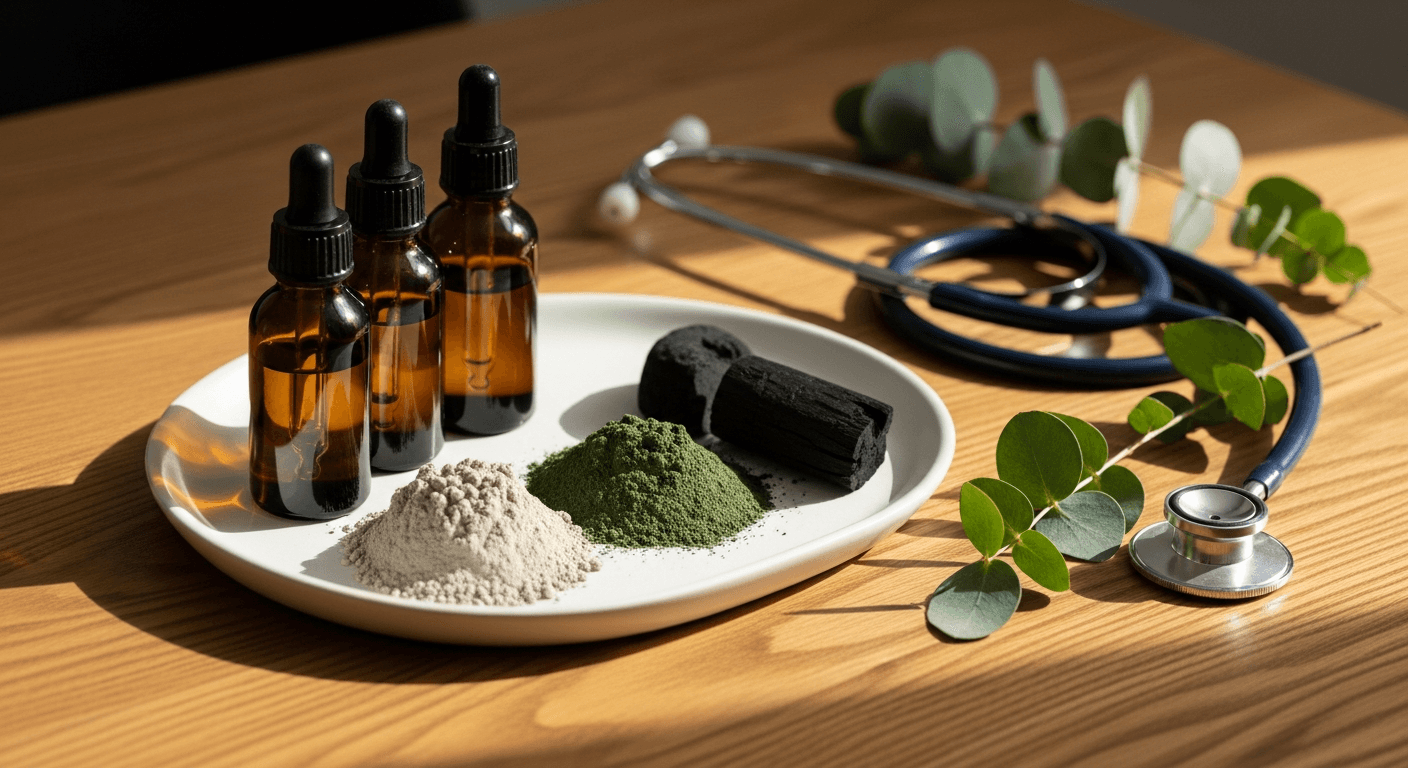
Different binders have specific affinities for different types of mycotoxins, so practitioners often tailor the binder to the patient's specific urine mycotoxin test results. For Ochratoxin A, prescription binders like Cholestyramine (CSM) or Colesevelam (Welchol) are considered the gold standard in the Shoemaker Protocol, though natural binders like activated charcoal and glucomannan are also highly effective. For Gliotoxin and Aflatoxin, practitioners frequently utilize bentonite clay, zeolite, and Saccharomyces boulardii (a beneficial probiotic yeast).
Because taking multiple binders multiple times a day can be exhausting, many functional medicine clinics use broad-spectrum, blended binder formulas that combine charcoal, clay, humic/fulvic acids, and silica to catch a wide array of toxins simultaneously. Dosing is highly individualized; patients with severe ME/CFS or MCAS must start with microscopic "micro-doses" of binders to avoid overwhelming their fragile systems. Slowly titrating the dose over months allows the body to clear the toxic burden without triggering a massive immune flare or severe Herxheimer reaction.
Side Effects and Safety Considerations of Detox Protocols
Navigating Herxheimer Reactions and Detox Crashes
One of the most significant safety considerations in mold detoxification is the risk of a Herxheimer reaction, commonly referred to as a "detox crash" or "die-off." When binders, antioxidants, or antifungals are introduced, they mobilize toxins stored deep within the tissues and begin killing off fungal colonization. If toxins are mobilized faster than the liver and bowels can eliminate them, they flood the bloodstream, triggering a massive inflammatory immune response. For a patient with ME/CFS, this can feel identical to a severe post-exertional malaise (PEM) crash.
Symptoms of a Herxheimer reaction include a sudden, intense exacerbation of baseline symptoms: severe brain fog, debilitating fatigue, migrating joint pain, flu-like body aches, headaches, and heightened anxiety. In patients with MCAS, mobilizing toxins too quickly can trigger severe mast cell degranulation, leading to hives, flushing, gastrointestinal distress, and even anaphylaxis-like reactions. This is why aggressive, fast-paced detoxification is highly contraindicated for complex chronic illness patients; the goal is to gently coax the toxins out, not force them.
To manage and prevent these reactions, practitioners emphasize "opening the drainage pathways" before any binders are introduced. This means ensuring the patient is having at least one to two healthy bowel movements daily, staying optimally hydrated, and supporting lymphatic flow. If a detox crash occurs, the standard clinical protocol is to immediately stop or drastically reduce the dosage of binders and detox supplements until the body stabilizes. Supporting the brain during these flares is also crucial; learning how Brain Vitale™ may help clear the brain fog of Long COVID and ME/CFS can provide targeted nutritional support for neuroinflammation during the detox process.
Managing Nutrient Depletion and Gastrointestinal Issues
While binders are essential for trapping mycotoxins, they are inherently non-specific. This means that alongside toxic compounds, binders like activated charcoal, bentonite clay, and prescription Cholestyramine will also bind to essential minerals, vitamins, and dietary fats in the gut. Prolonged use of binders without proper timing and supplementation can lead to severe nutrient deficiencies, particularly of fat-soluble vitamins (A, D, E, and K), magnesium, zinc, and essential fatty acids, which are already often depleted in chronic illness patients.
To mitigate this risk, strict adherence to timing is required. Binders must be taken well away from meals and other medications. Additionally, practitioners closely monitor patients' nutrient levels and often prescribe targeted, high-quality multivitamin and mineral support to be taken at the opposite time of day from the binders. Patients must also be aware that binders, especially clays and Cholestyramine, are highly constipating. Constipation is the enemy of detoxification; if stool sits in the colon too long, the trapped toxins can break free and be reabsorbed.
To combat binder-induced constipation, patients are often advised to vastly increase their water intake, consume adequate dietary fiber, and utilize targeted supplements like magnesium citrate, vitamin C, or specialized prokinetics to keep the bowels moving. If a patient cannot maintain regular bowel movements, binder therapy must be paused or adjusted, as adding binders to a sluggish gut will only exacerbate systemic toxicity and inflammation.
Contraindications and Vulnerable Populations
Mold detoxification protocols are intense physiological processes that are not suitable for everyone without strict medical supervision. Pregnant and nursing women are universally advised against initiating active detoxification or binder therapy. Mobilizing stored mycotoxins into the bloodstream poses a severe risk of transferring those toxins to the fetus across the placenta or to the infant through breast milk. For these populations, the focus must remain solely on environmental avoidance and gentle, supportive nutrition until it is safe to begin detoxifying.
Patients with severe, unstable MCAS or profound chemical sensitivities must also proceed with extreme caution. In these highly reactive individuals, even the inactive ingredients or capsule materials of a binder or supplement can trigger a severe allergic response. These patients often require months of mast cell stabilization—using medications like Ketotifen, Cromolyn Sodium, or high-dose Quercetin—before their immune system is calm enough to tolerate even a micro-dose of a binder.
Finally, individuals with compromised liver or kidney function, or those with severe gastrointestinal diseases like Crohn's or ulcerative colitis, require highly modified protocols. Prescription binders like Cholestyramine can cause severe gastrointestinal irritation and are often contraindicated in patients with biliary obstruction. ALWAYS consult your healthcare provider before starting, stopping, or changing any treatment, particularly when dealing with the complex intersection of mycotoxins, ME/CFS, and MCAS.
How to Discuss Mold Illness with Your Healthcare Provider
Finding an Environmentally Literate Physician
Discussing mold illness with a healthcare provider can be a daunting experience, largely due to the divide between mainstream and functional medicine. Many conventional primary care physicians and specialists are not trained in environmental medicine, mycotoxicity, or the CIRS framework. If you suspect that water-damaged buildings are contributing to your ME/CFS or MCAS symptoms, finding a "mold-literate" or environmentally trained physician is often the most crucial step in your healthcare journey.
Look for practitioners who are certified in functional medicine (IFMCP), environmental medicine, or who have specific training in the Shoemaker Protocol. These providers are much more likely to understand the nuanced, multi-systemic nature of biotoxin illness and will be familiar with the specialized testing required to diagnose it. Advocacy groups, chronic illness forums, and directories provided by organizations like the International Society for Environmentally Acquired Illness (ISEAI) can be invaluable resources for locating a qualified specialist in your area or via telehealth.
When you find a potential provider, it is entirely appropriate to ask about their clinical experience with mold illness during your initial consultation. Inquire about their approach to testing (e.g., do they use urine mycotoxin panels or CIRS blood markers?), their preferred detoxification protocols, and their experience managing sensitive patients with comorbid conditions like MCAS and dysautonomia. A knowledgeable provider will welcome these questions and partner with you to create a safe, individualized plan.
Preparing for Your Appointment and Requesting Tests
Because cognitive impairment and brain fog are hallmark symptoms of both ME/CFS and mold illness, preparing for your appointment in advance is essential. Create a concise, written timeline of your symptoms, specifically noting when they began or worsened in relation to your living or working environments. Did your fatigue crash begin shortly after moving into a new apartment? Did your MCAS symptoms flare after a pipe burst in your office? Documenting these environmental correlations provides vital clinical clues for your doctor.
Bring a comprehensive list of your current symptoms, medications, and any previous lab work. When discussing testing, you can ask your provider about specific diagnostics used in environmental medicine. You might request a urine mycotoxin panel (from specialized labs like Great Plains or RealTime) to check for the direct excretion of toxins, or ask to run the standard CIRS blood panel, which includes inflammatory markers like TGF-beta1, C4a, MMP-9, and MSH. You can also ask to perform a Visual Contrast Sensitivity (VCS) test, a simple, non-invasive screening tool that measures neurological visual deficits commonly caused by biotoxins.
Be prepared to advocate for yourself calmly and persistently. If your provider is unfamiliar with these tests, you can bring printed copies of peer-reviewed studies—such as the Brewer or Wu studies on mycotoxins in ME/CFS—to help guide the conversation. Remember that you are the expert on your own body and lived experience; a good healthcare provider will listen to your environmental concerns and be willing to investigate them thoroughly.
Navigating Skepticism in Conventional Medicine
It is highly likely that you will encounter skepticism if you bring up mold illness to a conventional physician who strictly follows CDC guidelines. They may suggest that your symptoms are purely psychological, related to anxiety, or simply an idiopathic part of having ME/CFS. While this can be incredibly invalidating and frustrating, it helps to understand that their skepticism is often rooted in a lack of institutional training rather than malice. Mainstream medicine relies heavily on large-scale, randomized controlled trials, which are currently lacking in the field of systemic mycotoxicity.
If you face dismissal, try to keep the conversation focused on measurable, actionable symptoms. If your doctor is unwilling to order specialized mold testing, you can pivot to asking for support in managing the downstream effects of the illness. For example, you can request referrals to an allergist or immunologist to manage your mast cell activation, or a cardiologist to evaluate your dysautonomia and POTS. You can also discuss the safety of over-the-counter supportive supplements; for instance, asking how Curcumin can support brain fog and inflammation is a standard, evidence-based conversation most doctors are comfortable having.
Ultimately, if a provider refuses to acknowledge the potential environmental triggers of your illness or dismisses your lived experience, it may be necessary to seek a second opinion. Healing from complex chronic illness requires a collaborative, trusting relationship with your medical team. Do not settle for a provider who makes you feel gaslit; keep searching until you find a clinician who validates your symptoms and is willing to look beneath the surface for root causes.
The Path Forward
Balancing Hope and Realism
Discovering that mold and mycotoxins may be the root cause—or a significant exacerbating factor—of your ME/CFS, MCAS, or Long COVID can be a profound turning point. For many patients, it provides a deeply validating explanation for years of mysterious, debilitating symptoms and offers a tangible target for treatment. However, it is vital to approach mold detoxification with a balance of hope and realism. Healing from biotoxin illness is rarely a quick fix; it is a complex, non-linear journey that requires patience, significant lifestyle changes, and careful medical supervision.
The process of environmental remediation, stabilizing mast cells, opening drainage pathways, and slowly titrating binders can take months or even years. There will likely be setbacks, detox crashes, and periods of frustration. It is important to give your body grace during this time. Your immune system and mitochondria have been fighting a microscopic battle for a long time, and they need time to repair and regenerate once the toxic burden is lifted. Celebrate the small victories—a slight lifting of brain fog, a reduction in the severity of a PEM crash, or a new food you can safely tolerate.
Remember that mold detoxification is just one piece of the complex chronic illness puzzle. While clearing mycotoxins is a massive step forward, you may still need ongoing support for nervous system regulation, viral reactivations, and gut healing. Integrating mold treatment into a broader, holistic care plan ensures that all systems of the body are supported as you move toward recovery.
Next Steps in Your Healing Journey
If you suspect that water-damaged buildings and mycotoxins are playing a role in your chronic illness, the first step is to seek out a qualified, environmentally literate healthcare provider to guide your testing and treatment. Do not attempt aggressive detoxification protocols or heavy binder use on your own, as this can severely exacerbate your symptoms and trigger dangerous immune flares. ALWAYS consult your healthcare provider before starting, stopping, or changing any treatment plan.
At RTHM, we understand the profound complexity of conditions like ME/CFS, MCAS, and Long COVID, and we recognize the critical impact that environmental factors can have on your health. Our clinical team is dedicated to looking beyond surface-level symptoms to identify and treat the underlying root causes of your illness, providing validating, comprehensive, and individualized care.
Explore RTHM's clinical services and treatment options to learn more about how we can support your journey toward healing, symptom management, and a better quality of life.
Sources
Brewer, J. H., Thrasher, J. D., Straus, D. C., Madison, R. A., & Hooper, D. (2013). Detection of Mycotoxins in Patients with Chronic Fatigue Syndrome. Toxins, 5(4), 605-617. https://www.ncbi.nlm.nih.gov/pmc/articles/PMC3705282/
von Tobel, J. S., et al. (2014). Repeated exposure to Ochratoxin A generates a neuroinflammatory response, characterized by neurodegenerative microglial phenotype. Neurotoxicology, 44, 61-70. https://pubmed.ncbi.nlm.nih.gov/24792326/
Shoemaker, R. C., et al. (2013). Vasoactive intestinal polypeptide (VIP) corrects chronic inflammatory response syndrome (CIRS) acquired following exposure to water-damaged buildings. Health, 5(3), 396-401. https://www.survivingmold.com/diagnosis/the-shoemaker-protocol
Centers for Disease Control and Prevention (CDC). Basic Facts about Mold and Dampness. https://www.cdc.gov/mold/faqs.htm
Environmental Protection Agency (EPA). Mold and Health. https://www.epa.gov/mold