Can Highly Bioavailable Curcumin Support Immune Balance and Reduce Inflammation in Long COVID and ME/CFS?
March 6, 2026
CurcuminLong COVIDME/CFS
Share:
Disclaimer: The information provided here is for educational purposes only and is not intended as medical advice. It should not be used to diagnose, treat, cure, or prevent any medical condition. Instead, use it as a starting point for discussion with your healthcare provider. Always consult with a qualified healthcare provider before starting any new medication, supplement, device, or making changes to your health regimen.
Living with complex, chronic conditions like Long COVID, myalgic encephalomyelitis/chronic fatigue syndrome (ME/CFS), dysautonomia, and mast cell activation syndrome (MCAS) often feels like being trapped in a body that is constantly at war with itself. Patients frequently describe a profound, unrelenting exhaustion that sleep cannot fix, accompanied by unpredictable flares of brain fog, joint pain, and allergic-like reactions. When standard blood tests come back "normal" and conventional medicine offers few answers, the frustration can be as debilitating as the physical symptoms themselves. However, emerging research is shedding light on the underlying mechanisms driving these invisible illnesses: a vicious cycle of systemic inflammation, oxidative stress, and immune dysregulation.
As we deepen our understanding of these complex pathophysiological processes, targeted nutritional interventions are taking center stage in comprehensive management protocols. One of the most extensively researched natural compounds for modulating this inflammatory cascade is curcumin. While turmeric has been used for centuries in traditional practices, modern clinical science has isolated its most bioactive components—curcuminoids—revealing them to be highly sophisticated biochemical agents capable of interacting with multiple cellular pathways simultaneously. This article explores the deep science behind curcuminoids, how they target the root mechanisms of chronic illness, and why advanced delivery systems like the Evail™ technology in Curcum-Evail® 400 are absolutely critical for achieving therapeutic support.
What is Curcumin and How Does It Function?
The Golden Polyphenol and Its Natural Function
Curcumin is the primary bioactive polyphenol found in the rhizome of turmeric (Curcuma longa), a plant belonging to the ginger family. In a healthy body, polyphenols act as powerful natural defense mechanisms, protecting cells from environmental stressors, ultraviolet radiation, and pathogenic attacks. At the molecular level, curcumin is a highly lipophilic (fat-soluble) compound characterized by its unique diarylheptanoid structure. This specific chemical architecture allows it to insert itself into cellular membranes and interact directly with a vast array of intracellular signaling molecules, enzymes, and transcription factors. Unlike conventional pharmaceutical drugs that typically target a single receptor or pathway, curcumin is recognized in the scientific literature as a "pleiotropic" agent, meaning it simultaneously modulates multiple converging biochemical pathways to restore cellular homeostasis.
The true therapeutic power of turmeric does not come from a single molecule, but rather a synergistic complex of three distinct compounds known as curcuminoids. These include curcumin (diferuloylmethane), demethoxycurcumin, and bisdemethoxycurcumin. While standard curcumin makes up the majority of the extract and is the most heavily studied, research indicates that demethoxycurcumin and bisdemethoxycurcumin possess their own unique pharmacological properties. For instance, bisdemethoxycurcumin has been shown to be particularly effective at promoting the clearance of amyloid plaques and modulating specific macrophage functions. A high-quality, clinical-grade supplement will always provide a standardized blend of all three bioactive curcuminoids to ensure comprehensive physiological support across various tissue types.
The NF-κB and Nrf2 Axis: The Master Switches
To understand how curcumin functions, we must examine its interaction with two critical genetic "master switches" inside our cells: NF-κB and Nrf2. Nuclear Factor kappa-light-chain-enhancer of activated B cells (NF-κB) is a transcription factor that serves as the primary engine of the body's inflammatory response. In a resting state, NF-κB is kept inactive in the cell cytoplasm. However, when triggered by stress or infection, it translocates to the nucleus and commands the cell to produce a massive wave of pro-inflammatory cytokines. Studies demonstrate that curcumin acts as a potent inhibitor of this pathway by blocking the activation of IκB kinase (IKKβ), effectively trapping NF-κB in the cytoplasm and silencing the inflammatory alarm.
Simultaneously, curcumin interacts with a second master switch known as Nuclear factor erythroid 2-related factor 2 (Nrf2). Nrf2 is the commander of the body's endogenous antioxidant defense system. Under normal conditions, Nrf2 is bound to a repressor protein called Keap1, which targets it for degradation. Research published in the Journal of Inflammation Research shows that curcumin physically disrupts the Keap1-Nrf2 complex, allowing Nrf2 to enter the nucleus and bind to the Antioxidant Response Element (ARE). This triggers the massive expression of cytoprotective genes and antioxidant enzymes, such as Heme Oxygenase-1 (HO-1) and Superoxide Dismutase (SOD). By acting as a dual-regulator—putting the brakes on NF-κB while accelerating Nrf2—curcumin fundamentally rewires the cell's response to stress.
How Chronic Illness Impacts the Immune and Inflammatory Systems
The Cytokine Storm and Long COVID
To appreciate the clinical relevance of curcumin, we must first understand how chronic illnesses dismantle the body's natural equilibrium. In the case of Long COVID (Post-Acute Sequelae of SARS-CoV-2 infection), the initial viral infection triggers a hyperactive immune response often referred to as a "cytokine storm." However, in Long COVID patients, this inflammatory cascade fails to shut off even after the acute virus has been cleared. The immune system remains locked in a state of chronic hyper-vigilance, continuously pumping out pro-inflammatory cytokines like Interleukin-6 (IL-6), Tumor Necrosis Factor-alpha (TNF-α), and Interleukin-1 beta (IL-1β). This persistent systemic inflammation damages the endothelial lining of blood vessels, contributing to the formation of microclots and widespread tissue hypoxia. You can learn more about this process in our detailed guide on autoimmunity and immune dysregulation in Long COVID.
Furthermore, this ongoing viral-induced inflammation heavily disrupts the autonomic nervous system, leading to conditions like dysautonomia and Postural Orthostatic Tachycardia Syndrome (POTS). When the vagus nerve—the primary conduit of the parasympathetic nervous system—is inflamed, it loses its ability to regulate heart rate, blood pressure, and digestion. This creates a vicious cycle where systemic inflammation drives autonomic dysfunction, and autonomic dysfunction further impairs the body's ability to clear inflammatory mediators. The resulting symptoms include debilitating tachycardia, profound dizziness, and severe gastrointestinal distress that drastically reduce a patient's quality of life.
Neuroinflammation and Oxidative Stress in ME/CFS
Myalgic encephalomyelitis/chronic fatigue syndrome (ME/CFS) is characterized by a similar, yet distinct, pathophysiological breakdown centered around mitochondrial dysfunction and neuroinflammation. Mitochondria are the powerhouses of our cells, responsible for generating adenosine triphosphate (ATP) for energy. In ME/CFS, the mitochondrial electron transport chain becomes highly inefficient, leaking electrons that react with oxygen to form dangerous Reactive Oxygen Species (ROS). This massive overproduction of free radicals causes severe oxidative stress, damaging cellular membranes, proteins, and DNA. This redox imbalance is a primary driver of post-exertional malaise (PEM), where even minor physical or cognitive exertion triggers a catastrophic energy crash and worsening of symptoms.
This systemic oxidative stress inevitably crosses the blood-brain barrier, triggering the activation of microglial cells in the central nervous system. Microglia are the brain's resident immune cells. When chronically activated by ROS and systemic cytokines, they release their own localized inflammatory mediators directly into the brain tissue. Recent neuroimaging and biomarker studies have strongly correlated this neuroinflammation with the severe cognitive dysfunction, sensory overload, and "brain fog" experienced by ME/CFS patients. The brain is essentially on fire, and the resulting neuro-immune exhaustion makes recovery incredibly difficult without targeted interventions that can cross the blood-brain barrier to quench the localized inflammation.
Mast Cell Hyperreactivity in MCAS
Mast cell activation syndrome (MCAS) adds another layer of complexity to these overlapping conditions. Mast cells are the body's primary allergy and immune defense cells, stationed at all environmental interfaces (skin, gut, respiratory tract). In MCAS, these cells become highly unstable and hyperreactive. Instead of only responding to genuine threats, they inappropriately "degranulate" in response to minor triggers like temperature changes, stress, certain foods, or even physical exertion. When mast cells break open, they flood the surrounding tissues with hundreds of inflammatory mediators, most notably histamine, prostaglandins, and leukotrienes.
This massive release of mediators causes a cascade of multisystemic symptoms, ranging from spontaneous hives and flushing to severe gastrointestinal cramping, brain fog, and sudden drops in blood pressure. Conventional management strategies heavily rely on antihistamines, which only attempt to block histamine receptors after the chemical has already been released into the bloodstream. However, this downstream approach fails to address the root cause of the mast cell instability, allowing the cells to continue degranulating and releasing other destructive lipid mediators that antihistamines cannot touch. For a deeper dive into managing this specific dysfunction, see our article on Ketotifen and MCAS.
Curcumin: Supporting Immune Balance and Cellular Health
Silencing the NF-κB Pathway and COX-2 Enzymes
Curcuminoids offer a highly sophisticated, multi-targeted approach to dismantling the vicious cycles of chronic illness. At the cellular level, curcumin's most profound mechanism of action is its ability to directly inhibit the NF-κB signaling pathway. By blocking the phosphorylation of IκBα, curcumin stops the nuclear translocation of NF-κB, which effectively starves pro-inflammatory genes of their primary transcriptional trigger. Clinical research published in the journal Nutrients has demonstrated that highly bioavailable curcumin significantly decreases the systemic concentrations of major Long COVID cytokines, including IL-6 and Monocyte Chemoattractant Protein-1 (MCP-1). By lowering MCP-1, curcumin inhibits the continuous recruitment of white blood cells to inflamed tissues, thereby halting the cycle of chronic tissue damage.
Beyond cytokines, curcumin acts as a potent, natural dual-inhibitor of the Cyclooxygenase-2 (COX-2) and Lipoxygenase (LOX) enzymes. COX-2 is the enzyme responsible for converting arachidonic acid into highly inflammatory prostaglandins, which are the primary drivers of joint pain, muscle aches, and swelling in conditions like ME/CFS and Long COVID. While pharmaceutical NSAIDs (like ibuprofen) also target COX-2, they often cause severe gastrointestinal side effects and do not address the LOX pathway. Curcumin, conversely, downregulates the genetic expression of both COX-2 and 5-LOX simultaneously, reducing the production of both prostaglandins and leukotrienes without damaging the gastric mucosa. This makes it an invaluable tool for managing chronic, widespread pain.
Activating Nrf2 for Endogenous Antioxidant Defense
While suppressing inflammation is crucial, repairing the cellular damage caused by oxidative stress is equally important for recovery. This is where curcumin's interaction with the Nrf2 pathway becomes vital. By disrupting the Keap1 repressor protein, curcumin allows Nrf2 to translocate to the nucleus and activate the Antioxidant Response Element (ARE). Extensive literature reviews confirm that this mechanism triggers the massive upregulation of the body's own endogenous antioxidant enzymes, including glutathione peroxidase, superoxide dismutase (SOD), and catalase. These enzymes are vastly more powerful at neutralizing Reactive Oxygen Species (ROS) than dietary antioxidants alone.
For patients with ME/CFS and Long COVID, this Nrf2 activation is critical for supporting mitochondrial function. By neutralizing the ROS that are damaging the mitochondrial electron transport chain, curcumin helps support efficient ATP energy production. Furthermore, pre-clinical models of chronic fatigue have shown that curcumin's ability to attenuate systemic oxidative stress directly correlates with a reversal of physical immobility and hyperalgesia (heightened pain sensitivity). By supporting the redox balance, curcumin helps raise the threshold for post-exertional malaise (PEM), allowing patients to engage in daily activities with a reduced risk of catastrophic energy crashes.
Stabilizing Mast Cells and Blocking Histamine Release
In the context of Mast Cell Activation Syndrome (MCAS), curcumin acts as a powerful, natural mast cell stabilizer, addressing the dysfunction far upstream of standard antihistamines. In vitro studies utilizing human basophil cell lines have demonstrated that curcumin physically inhibits mast cell degranulation in a strict dose-dependent manner. It achieves this primarily by inhibiting Syk kinase, a crucial enzyme that triggers the degranulation cascade when an allergen binds to the cell's IgE receptors. By shutting down Syk kinase activity, curcumin stops the cellular machinery from releasing histamine, TNF-α, and Interleukin-4 into the bloodstream.
Furthermore, curcumin acts as a natural calcium channel blocker within mast cells. Because degranulation requires a massive influx of intracellular calcium, blocking these channels physically stabilizes the mast cell membrane. Recent breakthrough research has also shown that curcumin blocks the MRGPRX2 receptor, which is responsible for non-IgE mediated "pseudo-allergies" and neurogenic inflammation. This is highly relevant for MCAS patients whose flares are triggered by stress, physical exertion, or medications rather than traditional allergens. By stabilizing the mast cells across multiple receptor pathways, curcumin helps calm the systemic allergic-like reactivity that plagues so many patients.
Protecting the Brain-Liver-Lung Axis
Finally, highly bioavailable forms of curcumin possess the unique ability to cross the blood-brain barrier, making it a critical intervention for neuroinflammation. Once inside the central nervous system, curcumin directly interacts with hyperactive microglial cells. By inhibiting the NF-κB pathway within the microglia, curcumin stops the localized production of neurotoxic cytokines. Open-label clinical trials in ME/CFS patients have shown that targeted curcumin supplementation significantly reduces core neurological symptoms, including brain fog and cognitive fatigue, by quenching this central fire.
This neuroprotective effect is part of a broader systemic benefit across the brain-liver-lung axis. A 2022 clinical trial evaluating post-acute COVID syndrome found that micellized curcumin, especially when combined with other anti-inflammatories, yielded a multi-target reduction in systemic inflammation that directly alleviated Long COVID-induced asthenia (weakness), mental confusion, and shortness of breath. By supporting healthy liver metabolism, protecting lung tissue from fibrotic damage, and calming brain inflammation, curcumin acts as a comprehensive, full-body restorative agent. For additional immune and cellular support strategies, consider exploring how Ascorbic Acid Powder can complement a curcumin protocol.
Symptoms Curcumin May Help Manage
Systemic and Neurological Symptoms
Because curcumin modulates foundational inflammatory and oxidative pathways, it can help manage a wide array of symptoms associated with complex chronic illnesses. Here are some of the primary systemic and neurological symptoms that highly bioavailable curcuminoids may help alleviate:
Brain Fog and Cognitive Dysfunction: By crossing the blood-brain barrier and inhibiting microglial activation, curcumin reduces the localized neuroinflammation that disrupts memory, focus, and cognitive processing speed.
Post-Exertional Malaise (PEM) and Severe Fatigue: By activating the Nrf2 pathway and neutralizing mitochondrial oxidative stress, curcumin helps support efficient cellular energy (ATP) production, potentially raising the threshold for exertion-induced crashes.
Widespread Joint and Muscle Pain: As a natural dual-inhibitor of the COX-2 and 5-LOX enzymes, curcumin suppresses the production of pain-inducing prostaglandins and leukotrienes, offering relief from systemic myalgia and arthralgia.
Neuropathic Pain and Hyperalgesia: By reducing systemic cytokines like TNF-α and IL-1β, curcumin helps calm the hyper-sensitized peripheral nervous system, reducing nerve pain and abnormal pain sensitivity.
Gastrointestinal and Immunological Symptoms
The gut and the immune system are deeply intertwined, and curcumin's ability to stabilize mast cells and modulate the microbiome makes it highly effective for managing the following symptoms:
Allergic-Like Flares and Hives: By inhibiting Syk kinase and blocking calcium influx in mast cells, curcumin acts as a potent mast cell stabilizer, inhibiting the spontaneous degranulation and histamine release that causes flushing, hives, and itching in MCAS.
Gastrointestinal Distress and Bloating: Recent 2025 pilot studies have shown that botanical extracts including curcumin significantly reduce abdominal bloating and pain in patients with Post-COVID Irritable Bowel Syndrome (PCIBS) by soothing the inflamed intestinal lining.
Shortness of Breath and Respiratory Inflammation: By scavenging free radicals and suppressing the NF-κB pathway in lung tissue, curcumin helps protect the respiratory endothelium from ongoing oxidative damage and fibrotic changes associated with Long COVID.
Autonomic Dysregulation (Tachycardia/Dizziness): While not a direct management tool for POTS, reducing the systemic inflammatory burden and calming vagus nerve inflammation can help lower the overall stress on the autonomic nervous system, indirectly supporting better heart rate and blood pressure regulation.
Practical Considerations: Forms, Dosing, and the Evail™ Technology
The Bioavailability Challenge of Standard Turmeric
Despite its profound therapeutic potential, the greatest barrier to utilizing curcumin clinically has always been its notoriously poor oral bioavailability. Native curcumin is highly lipophilic, meaning it repels water and is practically insoluble in the aqueous environment of the human gastrointestinal tract. When a patient consumes standard turmeric powder or unformulated curcumin capsules, the vast majority of the compound simply passes through the digestive system unabsorbed. What little does manage to cross the intestinal wall is rapidly subjected to "first-pass metabolism" in the liver, where it is aggressively conjugated (bound to other molecules) and excreted through urine and bile before it can ever reach the systemic bloodstream or target tissues.
Because of this rapid clearance, early clinical trials often required patients to consume massive, impractical doses—sometimes up to 12 grams per day—just to achieve trace amounts of curcumin in the blood. Extensive pharmacological reviews have repeatedly concluded that without an advanced delivery system, standard curcumin supplementation is clinically ineffective for managing deep-seated systemic inflammation or neuroinflammation. To unlock the true power of this polyphenol, formulators had to look toward advanced lipid-based nanoemulsion technologies.
How Evail™ Technology Overcomes Poor Absorption
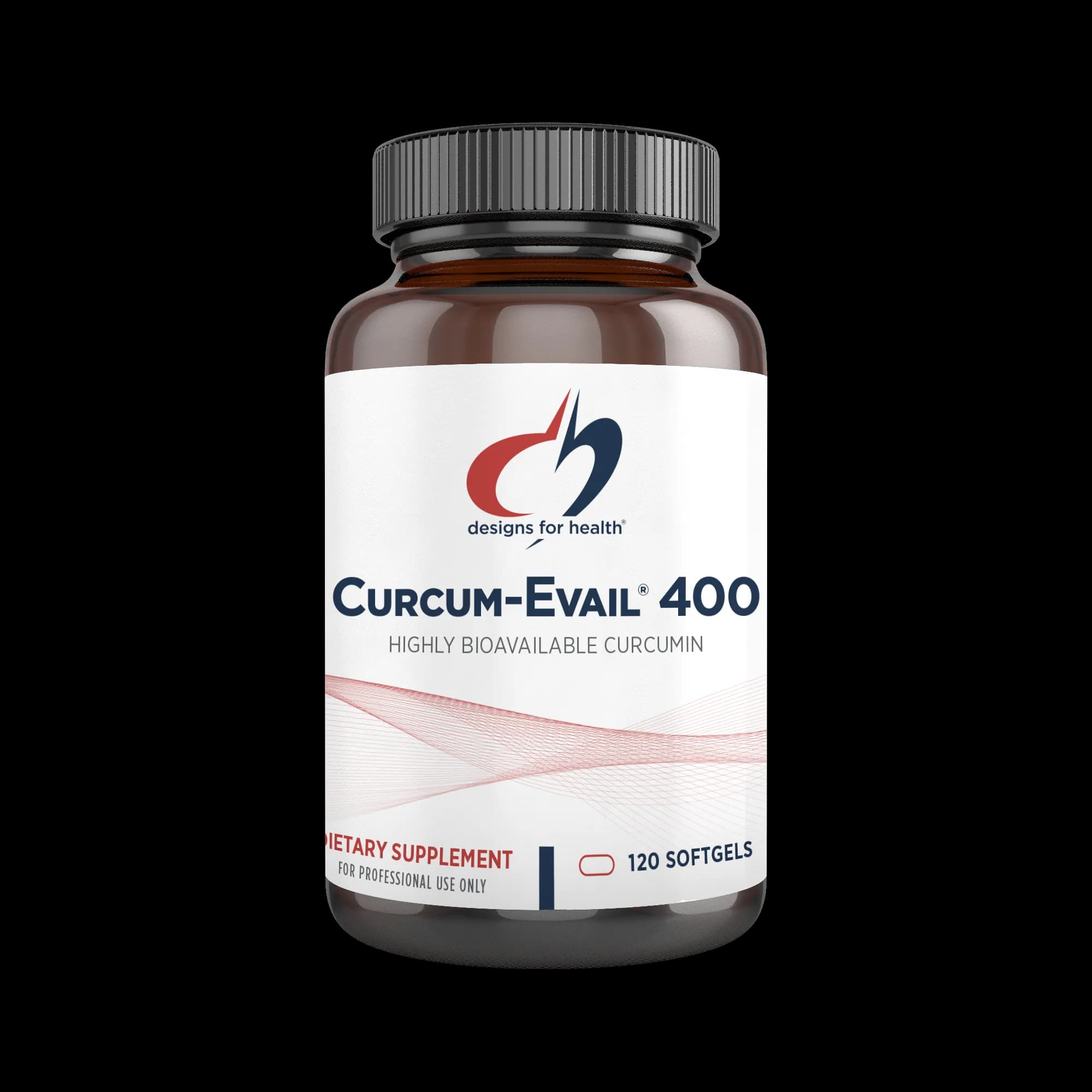
Curcum-Evail® 400 utilizes a proprietary, patent-pending delivery system known as Evail™ emulsification technology. This highly sophisticated matrix is designed to mimic the body's natural fat-digestion process, bypassing the standard limitations of curcumin absorption without relying on synthetic surfactants or harsh chemicals. The foundation of this technology relies on Medium-Chain Triglycerides (MCTs) acting as the primary lipid carrier. Because MCT oil has a superior solvent capacity for lipophilic compounds, it effectively dissolves the curcuminoids. A 2023 pharmacokinetic study evaluating curcumin loaded into high-MCT emulsions demonstrated a staggering 10.6-fold increase in total curcuminoid bioavailability compared to standard suspensions, allowing for high accumulation of biologically active curcumin directly in targeted tissues like the liver.
However, simply mixing curcumin with oil is not enough; the oil and water phases will naturally separate in the gut. To solve this, the Evail™ process utilizes Quillaja extract, derived from the bark of the Quillaja saponaria tree. Quillaja is incredibly rich in natural saponins, which act as powerful natural emulsifiers. Research in the Journal of Agricultural and Food Chemistry shows that Quillaja saponins drastically reduce the interfacial tension between the oil and water phases (dropping it to approximately 1.2 mN/m), breaking the curcumin-lipid mix down into microscopic, nano-scale droplets. These microscopic droplets are easily absorbed by the intestinal epithelium, ensuring massive systemic uptake.
The Role of Tocotrienols and Optimal Dosing
The final, critical component of the Evail™ matrix is the inclusion of delta- and gamma-tocotrienols. Tocotrienols are a specialized, highly potent form of Vitamin E. In this formulation, they serve a dual purpose. First, they act as a fat-soluble antioxidant, protecting the delicate nanoemulsion from degrading and oxidizing before it can be absorbed. Second, they offer a profound synergistic therapeutic effect. Studies published in MDPI investigating combined tocotrienol-curcumin nanoemulsions have revealed that the two compounds work together to drastically enhance cellular apoptosis in abnormal cells, demonstrating a 3 to 4 times greater efficacy than curcumin alone. This synergy amplifies the overall anti-inflammatory and cellular protective benefits of the supplement.
When utilizing a highly bioavailable formulation like Curcum-Evail® 400, the suggested use is typically one softgel per day with a meal, delivering a potent 400 mg of curcumin extract powder (standardized to 380 mg of total curcuminoids). Because the Evail™ technology utilizes dietary fats (MCTs) for absorption, taking the softgel alongside a meal that contains healthy fats (like avocado, olive oil, or nuts) can further optimize the natural digestive emulsification process. While curcumin is generally recognized as safe and well-tolerated, its potent anti-inflammatory and mild blood-thinning properties mean it should be used with caution in patients taking pharmaceutical anticoagulants or those with active gallstones. Always consult with your healthcare provider to determine the optimal dosage and timing for your specific clinical protocol, especially if you are integrating it with other targeted therapies like Balanced Immune support.
Follow the Science: Clinical Trials and Research Data
Curcumin in Long COVID and Post-Viral Inflammation
The clinical evidence supporting curcumin for post-viral syndromes has grown exponentially in recent years. A pivotal randomized, double-blind, placebo-controlled trial published in Nutrients (2023) investigated the effects of highly bioavailable curcumin on adults suffering from post-COVID systemic inflammation. In this study, 31 participants took 500 mg of a liposomal curcumin formulation or a placebo twice daily for 4 weeks. The data revealed a statistically significant reduction in systemic inflammation for the curcumin group, specifically showing lower post-trial concentrations of the pro-inflammatory cytokine IL-6 (p = 0.046) and the chemokine MCP-1 (p = 0.027). By lowering these specific markers, the researchers concluded that curcumin effectively disrupts the sustained tissue inflammation that drives Long COVID symptomatology.
Furthermore, a February 2025 pilot study evaluated the gastrointestinal impacts of Long COVID, specifically Post-COVID Irritable Bowel Syndrome (PCIBS). Sixteen Long COVID patients were given a phytosome formulation containing 500 mg of Curcuma longa extract and 150 mg of Boswellia serrata twice daily for 30 days. The clinical findings showed a statistically significant reduction (p < 0.05) in severe abdominal bloating and pain. Interestingly, while the physical symptoms improved dramatically, markers of deep enteral dysbiosis remained stubborn, highlighting that while curcumin is a powerful tool for managing mucosal inflammation, Long COVID requires a sustained, multi-faceted approach to fully support the gut microbiome.
ME/CFS Symptom Reduction and Neuroprotection
In the realm of ME/CFS, clinical trials have demonstrated curcumin's ability to cross the blood-brain barrier and alleviate core neurological symptoms. A 2018 open-label clinical trial by van Campen et al. enrolled 43 ME/CFS patients who met the strict CDC Fukuda criteria. The patients were administered 500 mg of a highly bioavailable curcumin phytosome twice a day for 8 weeks. At the conclusion of the trial, the researchers recorded a statistically significant decrease in the patients' specific CDC CFS-related symptom scores (p < 0.01). The study attributed this success to curcumin’s dual ability to reduce systemic oxidative stress and penetrate the central nervous system to lower microglial neuroinflammation.
A follow-up analysis by the same research team in 2019 examined a larger cohort of 65 ME/CFS patients to determine how baseline disease severity impacted treatment efficacy. The data revealed that curcumin was particularly beneficial for patients with "mild" to "moderate" ME/CFS, with 50% of the mild cohort reporting a noticeable, global improvement in their physical and mental condition. While patients with severe ME/CFS also experienced benefits, the study suggested that advanced, long-standing neuroglial dysfunction may require higher dosages or combination therapies (such as pairing curcumin with A.I. Enzymes to break down microclots) to achieve the same level of symptom management.
Advancements in Mast Cell Stabilization
The scientific literature surrounding curcumin and Mast Cell Activation Syndrome (MCAS) provides a clear mechanistic rationale for its use as a foundational stabilizer. An in vivo mouse model study published in the Journal of Immunology Research evaluated curcumin's effects on IgE-mediated systemic anaphylaxis. The researchers found that curcumin actively inhibited the phosphorylation of Syk kinase and downstream signal molecules, successfully protecting the mice from anaphylactic shock by significantly reducing serum histamine and destructive eicosanoid levels. This proved that curcumin operates far upstream of standard antihistamines, stopping the degranulation process at its source.
More recently, breakthrough research into non-IgE mediated allergies has highlighted curcumin's ability to block the MRGPRX2 receptor. This receptor is primarily responsible for neurogenic inflammation and the "pseudo-allergies" that plague MCAS patients when exposed to stress or physical stimuli. By physically blocking this receptor pathway, curcumin provides a broad-spectrum stabilization effect that pharmaceutical drugs like Cromolyn sodium often struggle to achieve due to their own poor absorption profiles. The consensus among functional medicine practitioners is that highly bioavailable curcumin is a vital, first-line intervention for calming hyperreactive mast cells and restoring immunological tolerance.
The Path Forward
A Validating Approach to Complex Chronic Illness
Living with Long COVID, ME/CFS, dysautonomia, or MCAS is a profound daily challenge. The invisible nature of these illnesses, combined with the lack of definitive diagnostic tests in conventional medicine, often leaves patients feeling invalidated and dismissed. However, the extensive clinical research surrounding systemic inflammation, microglial activation, and mast cell degranulation proves that your symptoms are rooted in real, measurable physiological dysfunction. You are not imagining the profound fatigue, the unpredictable flares, or the debilitating brain fog. These are the direct results of a body locked in a state of chronic oxidative stress and immune hyper-vigilance.
Integrating Curcumin into Your Protocol
While there is no single "magic pill" for complex chronic conditions, targeted nutritional interventions like highly bioavailable curcumin offer a scientifically grounded pathway to regaining control over your health. By acting as a master regulator of the NF-κB and Nrf2 pathways, curcumin helps dismantle the vicious cycles of inflammation and oxidative damage at the cellular level. When combined with comprehensive management strategies—such as strict symptom tracking, aggressive pacing to avoid PEM, nervous system regulation, and expert medical care—supplements like Curcum-Evail® 400 can significantly improve your quality of life and support your body's innate capacity for cellular repair.
Disclaimer: The information provided in this blog is for educational purposes only and is not intended to diagnose, manage, alleviate, or prevent any disease. Always consult with your healthcare provider before starting any new supplement regimen, especially if you are currently taking prescription medications, blood thinners, or have a complex medical history.