Can Balanced Immune Support Cellular Recovery in Long COVID and ME/CFS?
March 5, 2026
Balanced ImmuneLong COVIDME/CFS
Share:
Disclaimer: The information provided here is for educational purposes only and is not intended as medical advice. It should not be used to diagnose, treat, cure, or prevent any medical condition. Instead, use it as a starting point for discussion with your healthcare provider. Always consult with a qualified healthcare provider before starting any new medication, supplement, device, or making changes to your health regimen.
When you are living with a complex chronic illness like Long COVID, myalgic encephalomyelitis/chronic fatigue syndrome (ME/CFS), or mast cell activation syndrome (MCAS), it often feels like your body is locked in a state of perpetual alarm. Months or even years after an initial viral infection or triggering event, the profound exhaustion, relentless brain fog, and unpredictable inflammatory flares continue to dictate your daily life. It is an incredibly frustrating reality, especially when standard blood tests return "normal" and traditional medical advice falls short of explaining the devastating symptoms you experience every single day.
However, emerging research is finally illuminating the hidden cellular battles driving these conditions. Scientists are discovering that the root of this ongoing dysfunction often lies deep within the immune system and the mitochondria, where critical signaling pathways have become dysregulated. The body's natural defense mechanisms—designed to protect us from acute threats—can become stuck in the "on" position, leading to chronic oxidative stress, systemic inflammation, and severe energy depletion. Understanding these microscopic processes is the first step toward reclaiming your health. In this comprehensive guide, we will explore how targeted nutritional interventions, specifically the synergistic ingredients found in Balanced Immune, can help modulate these hyperactive pathways, support cellular detoxification, and restore the delicate immune balance necessary for healing.
TL;DR
Balanced Immune targets cellular pathways like NF-κB and SIRT1 to support immune balance and energy.
Ingredients like curcumin and quercetin may help manage inflammation and mast cell activation symptoms.
Consistent use alongside a comprehensive care plan supports long-term recovery from complex chronic conditions.
Always consult your healthcare provider before starting new supplements to ensure safety and proper dosing.
What is Balanced Immune and How Does the Body Maintain Cellular Homeostasis?
The NF-κB Pathway and the NLRP3 Inflammasome
To understand how a comprehensive formula like Balanced Immune works, we must first look at the natural, healthy function of the immune and cellular systems it targets. At the core of our body's defense mechanism is the Nuclear Factor kappa B (NF-κB) signaling pathway. In a healthy individual, NF-κB acts as a rapid-response transcription factor. When a cell detects a threat—such as a virus, bacteria, or environmental stressor—NF-κB is activated and moves into the cell nucleus. There, it "turns on" the genes responsible for producing inflammatory cytokines, which act as chemical messengers to recruit immune cells to the site of injury or infection. This is a vital, life-saving process that initiates the acute inflammatory response needed to clear pathogens and begin tissue repair.
Closely linked to NF-κB is the NLRP3 inflammasome, a multiprotein complex that acts as an intracellular sensor for danger. The activation of the NLRP3 inflammasome is typically a two-step process. First, the NF-κB pathway "primes" the system by upregulating the production of the NLRP3 protein and inactive pro-inflammatory cytokines like pro-IL-1β. Second, a secondary trigger—such as reactive oxygen species (ROS) from damaged mitochondria or cellular debris—causes the NLRP3 proteins to assemble into the active inflammasome complex. This complex then activates an enzyme called caspase-1, which cleaves the pro-cytokines into their highly inflammatory, active forms (IL-1β and IL-18) and releases them into the body. In a healthy system, this intense inflammatory burst is temporary and resolves once the threat is neutralized, allowing the body to return to a state of homeostasis.
SIRT1: The Longevity and Energy Gene
Beyond acute immune responses, our cells must constantly manage energy production and metabolic health. This is where SIRT1 (Sirtuin 1) plays a pivotal role. SIRT1 is an NAD+-dependent enzyme often referred to as the "longevity gene" due to its profound impact on cellular aging, DNA repair, and metabolic regulation. It acts as a master metabolic sensor, responding to changes in nutrient availability and cellular stress. When activated, SIRT1 deacetylates various proteins, altering their function to promote cellular survival and efficiency. One of its most critical targets is PGC-1α, a transcriptional coactivator that drives mitochondrial biogenesis—the creation of new, healthy mitochondria.
Mitochondria are the powerhouses of our cells, responsible for generating adenosine triphosphate (ATP), the energy currency required for every physiological process. By activating PGC-1α, SIRT1 ensures that our cells maintain a robust and efficient mitochondrial network, capable of meeting the body's energy demands. Furthermore, SIRT1 plays a crucial role in regulating glucose and lipid metabolism in the liver, supporting insulin sensitivity, and mitigating oxidative stress. In a healthy, youthful body, robust SIRT1 activity keeps our cells resilient, our energy levels stable, and our metabolic processes running smoothly.
Nrf2: The Master Regulator of Antioxidant Defense
The final critical component of cellular homeostasis is the Nrf2 (Nuclear factor erythroid 2-related factor 2) pathway. Cellular metabolism and immune responses naturally produce reactive oxygen species (ROS) as byproducts. While low levels of ROS are important for cellular signaling, excess ROS can cause severe oxidative damage to DNA, proteins, and lipids. Nrf2 is the body's primary defense against this oxidative stress. Under normal, unstressed conditions, Nrf2 is kept inactive in the cytoplasm by a repressor protein called Keap1. However, when oxidative stress levels rise, Nrf2 breaks free from Keap1, translocates to the nucleus, and binds to the Antioxidant Response Element (ARE) in our DNA.
This binding event triggers the expression of over 200 cytoprotective and detoxifying genes, including those responsible for producing glutathione (the body's master antioxidant), heme oxygenase-1 (HO-1), and various phase II detoxification enzymes. By upregulating these endogenous antioxidant systems, Nrf2 effectively neutralizes excess ROS, clears out cellular toxins, and restores redox balance. Together, the tightly regulated interplay between NF-κB, NLRP3, SIRT1, and Nrf2 ensures that a healthy body can mount an effective immune response, maintain optimal energy production, and protect itself from the damaging effects of oxidative stress.
How Long COVID and ME/CFS Impact Immune and Cellular Pathways
Viral Hijacking and the NF-κB/NLRP3 Inflammatory Loop
In complex chronic conditions like Long COVID and ME/CFS, the delicate balance of cellular homeostasis is profoundly disrupted. The pathophysiology of these illnesses often begins with a severe viral infection, such as SARS-CoV-2 or the Epstein-Barr virus, which triggers an overwhelming immune response. However, instead of resolving once the acute infection passes, the immune system becomes trapped in a vicious cycle of chronic hyperinflammation, leading to the sustained priming and activation of the NLRP3 inflammasome. This persistent activation floods the body and brain with pro-inflammatory cytokines like IL-1β and IL-18, driving systemic inflammation and the debilitating symptoms characteristic of these conditions.
This chronic inflammatory state is particularly devastating in the central nervous system. The sustained release of cytokines breaches the blood-brain barrier and activates microglia—the resident immune cells of the brain. This neuroinflammation is a primary driver of the profound cognitive impairment, often described as "brain fog," and the severe neurological symptoms experienced by patients. Furthermore, the continuous activation of the NLRP3 inflammasome creates a self-perpetuating loop. The inflammation damages tissues and cells, which release more danger signals (like ATP and ROS), further triggering the inflammasome. Breaking this cycle is a critical challenge in managing autoimmunity and immune dysregulation in Long COVID.
Mitochondrial Dysfunction and the SIRT1 Deficit
The relentless inflammation and oxidative stress driven by the NF-κB/NLRP3 axis take a severe toll on the body's mitochondria. In Long COVID and ME/CFS, patients frequently experience profound post-exertional malaise (PEM), where even minor physical or cognitive exertion leads to a devastating crash in energy. This is directly linked to mitochondrial dysfunction. The excessive ROS produced during chronic inflammation damages mitochondrial DNA and impairs the electron transport chain, drastically reducing the production of ATP. The cells are literally starved of energy, leading to the crushing fatigue that defines these illnesses.
Compounding this energy crisis is a significant decline in SIRT1 activity. The chronic stress and inflammation deplete cellular levels of NAD+, the essential cofactor required for SIRT1 to function. Without adequate SIRT1 activity, the crucial SIRT1-PGC-1α pathway is silenced, halting mitochondrial biogenesis. The body is unable to replace the damaged mitochondria with new, healthy ones, leading to a progressive decline in cellular energy capacity. This SIRT1 deficit also impairs glucose and lipid metabolism, contributing to the metabolic dysregulation and weight changes often observed in patients with complex chronic illnesses.
Mast Cell Activation and the Collapse of Antioxidant Defenses
Another hallmark of these conditions is the dysregulation of mast cells. In a phenomenon often referred to as a "mast cell storm," the chronic inflammatory environment and viral remnants can leave mast cells in a hyperactive state, constantly degranulating and releasing histamine, tryptase, and other inflammatory mediators. This leads to the development of Mast Cell Activation Syndrome (MCAS), which shares a massive symptom overlap with Long COVID, including tachycardia, gastrointestinal distress, and severe allergic-like reactions to previously tolerated foods and environmental triggers. The constant barrage of mast cell mediators further fuels systemic inflammation and oxidative stress.
Simultaneously, the body's primary defense mechanism against this oxidative onslaught—the Nrf2 pathway—becomes overwhelmed and suppressed. Studies have explored the health benefits of quercetin in age-related diseases. This suppression leaves the cells defenseless against the massive amounts of ROS generated by the hyperactive immune response and damaged mitochondria. The resulting oxidative stress exacerbates tissue damage, impairs endothelial function (leading to microclots and vascular issues), and further drives the activation of the NLRP3 inflammasome. This collapse of antioxidant defenses is a central mechanism in what causes Long COVID and perpetuates the cycle of chronic illness.
Balanced Immune: Supporting Immune Balance and Cellular Homeostasis
Curcumin: Modulating NF-κB and the NLRP3 Inflammasome
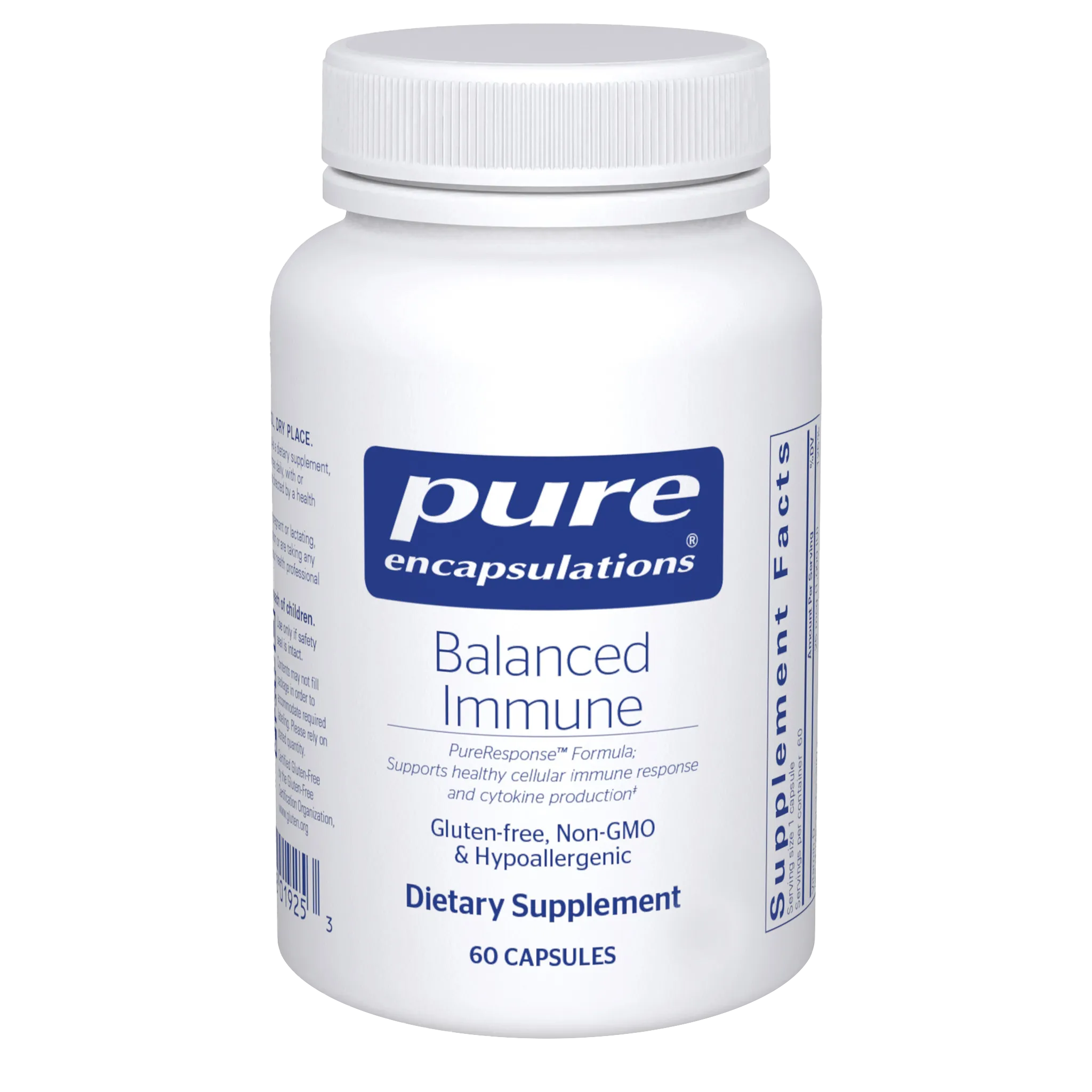
Balanced Immune is formulated with a synergistic blend of powerful botanical extracts and nutrients designed to intervene at multiple points in these dysregulated pathways. At the forefront is Meriva® turmeric phytosome, a highly bioavailable form of curcumin. Curcumin is renowned for its potent anti-inflammatory properties, which stem from its ability to directly inhibit the NF-κB signaling pathway. By helping to inhibit NF-κB from entering the nucleus and upregulating inflammatory genes, curcumin effectively shuts down the "priming" phase of the inflammatory response. This action reduces the production of pro-inflammatory cytokines like TNF-α and IL-6, helping to calm the systemic inflammation that drives chronic illness.
Furthermore, curcumin has been shown to directly restrain the assembly and activation of the NLRP3 inflammasome. By inhibiting this critical complex, curcumin prevents the maturation and release of IL-1β and IL-18, the highly inflammatory cytokines responsible for driving neuroinflammation and tissue damage, highlighting its potential to break the vicious cycle of chronic inflammation in post-viral syndromes.
Sulforaphane: Reactivating the Nrf2 Antioxidant Defense
To combat the overwhelming oxidative stress characteristic of Long COVID and ME/CFS, Balanced Immune includes broccoli sprout concentrate, standardized to contain a high level of sulforaphane. Sulforaphane is widely recognized as one of the most potent naturally occurring activators of the Nrf2 pathway. It works by interacting with the Keap1 repressor protein, causing it to release Nrf2. Once free, Nrf2 translocates to the nucleus and binds to the Antioxidant Response Element (ARE), triggering a massive upregulation of the body's endogenous antioxidant and detoxification systems.
By activating Nrf2, sulforaphane stimulates the production of crucial enzymes like glutathione, heme oxygenase-1 (HO-1), and NAD(P)H quinone oxidoreductase 1 (NQO1). These enzymes work synergistically to neutralize excess reactive oxygen species (ROS), clear cellular toxins, and restore redox balance. This profound antioxidant effect is vital for protecting mitochondria from oxidative damage, reducing neuroinflammation, and supporting cellular recovery, making it a crucial component in the management of complex post-viral conditions.
SirtMax® and Resveratrol: Restoring SIRT1 and Mitochondrial Function
Addressing the profound energy deficits and mitochondrial dysfunction requires targeted support for the SIRT1 pathway. Balanced Immune provides this through a powerful combination of trans-resveratrol and SirtMax® black ginger extract. Resveratrol is a well-known polyphenol that activates SIRT1, triggering the downstream PGC-1α pathway to stimulate mitochondrial biogenesis. By promoting the creation of new, healthy mitochondria, resveratrol helps restore cellular ATP production and combat the severe fatigue and exertion intolerance seen in ME/CFS and Long COVID.
However, the inclusion of SirtMax® significantly elevates this formulation. SirtMax is a patented extract of Kaempferia parviflora (black ginger) that contains highly concentrated polymethoxyflavonoids (PMFs). In vitro studies have demonstrated that SirtMax is exceptionally effective at binding to and activating the SIRT1 pathway, showing a potency five times greater than resveratrol. This powerful activation of SIRT1 not only drives mitochondrial biogenesis but also supports cellular homeostasis, improves insulin sensitivity, and regulates glucose and lipid metabolism in the liver. Together, resveratrol and SirtMax provide robust support for restoring cellular energy and metabolic health.
Quercetin: Stabilizing Mast Cells and Reducing Histamine
To address the hyperactive mast cells and MCAS-like symptoms prevalent in these conditions, Balanced Immune includes quercetin, a naturally occurring bioflavonoid. Quercetin acts as a potent natural mast cell stabilizer. It works by strengthening the mast cell membrane, helping to inhibit the degranulation process and the subsequent release of excessive histamine, tryptase, and other inflammatory mediators. This stabilizing effect is crucial for managing the unpredictable allergic-like reactions, gastrointestinal distress, and autonomic dysfunction triggered by mast cell activation.
Beyond its mast cell-stabilizing properties, quercetin also exhibits direct anti-inflammatory and antiviral effects. It has been shown to inhibit the release of pro-inflammatory cytokines and block key viral replication enzymes. By calming the "mast cell storm" and reducing systemic inflammation, quercetin plays a vital role in alleviating the complex symptom burden of Long COVID and MCAS, often serving as a valuable adjunct to pharmaceutical interventions and dietary modifications.
Vitamin D3: Essential Immune Modulation
Finally, Balanced Immune provides a foundational dose of Vitamin D3 (cholecalciferol). Vitamin D is not merely a vitamin but a powerful prohormone that acts as a master regulator of the immune system. It plays a critical role in modulating both innate and adaptive immunity. Vitamin D enhances the innate immune response by triggering the production of antimicrobial peptides, while simultaneously suppressing the overactivation of the adaptive immune system by reducing the expression of pro-inflammatory cytokines like TNF-α and IL-6.
This profound immunomodulatory effect is essential for helping to mitigate the hyperinflammation and autoimmune cascades implicated in the pathogenesis of Long COVID. Extensive clinical reviews have consistently linked Vitamin D deficiency with an increased risk of developing severe COVID-19 and persistent Long COVID symptoms. By ensuring adequate Vitamin D levels, this formula supports a balanced immune response, protects against neurocognitive disturbances, and provides a crucial foundation for cellular recovery and long-term health.

Symptoms Balanced Immune May Help Manage
Targeted Symptom Relief Through Cellular Support
By addressing the underlying mechanisms of inflammation, oxidative stress, and mitochondrial dysfunction, the ingredients in Balanced Immune may help manage a wide range of debilitating symptoms associated with complex chronic illnesses:
Profound Fatigue and Post-Exertional Malaise (PEM): The combination of SirtMax® black ginger and resveratrol powerfully activates the SIRT1 pathway, stimulating the creation of new, healthy mitochondria (mitochondrial biogenesis). This restores cellular ATP production, helping to combat the crushing exhaustion and delayed energy crashes characteristic of ME/CFS and Long COVID.
Brain Fog and Cognitive Impairment: By inhibiting the NF-κB pathway and the NLRP3 inflammasome, highly bioavailable curcumin (Meriva®) helps reduce the systemic inflammation that breaches the blood-brain barrier. This calming of neuroinflammation, supported by sulforaphane's antioxidant power, can significantly improve focus, memory, and mental clarity.
Mast Cell Activation (MCAS) Symptoms: Quercetin acts as a natural mast cell stabilizer, preventing the excessive release of histamine and other inflammatory mediators. This can help alleviate symptoms such as unpredictable allergic reactions, skin flushing, gastrointestinal distress, and tachycardia triggered by food or environmental sensitivities.
Joint Pain and Musculoskeletal Aches: The potent anti-inflammatory properties of curcumin and its ability to modulate cytokine production can provide significant relief from the chronic joint pain, muscle aches, and widespread body pain often experienced during inflammatory flares.
Metabolic Dysregulation and Weight Changes: The SIRT1 activation provided by SirtMax® plays a crucial role in regulating glucose and lipid metabolism in the liver. This can help improve insulin sensitivity and support healthy weight management, which is often disrupted by chronic illness and reduced physical activity.
Frequent Infections and Immune Dysregulation: Vitamin D3 acts as a master immunomodulator, enhancing the innate immune system's ability to fight off pathogens while helping to modulate the hyperactive autoimmune responses that drive chronic symptoms. This helps restore a balanced, resilient immune defense.
Practical Considerations: Forms, Dosing, and Absorption
Understanding Bioavailability: The Meriva® Advantage
When considering nutritional supplements, bioavailability—the amount of a substance that actually enters the bloodstream and reaches the target tissues—is a critical factor. Many natural compounds, such as standard curcumin and quercetin, have notoriously poor oral bioavailability. They are poorly absorbed in the gut and rapidly metabolized and excreted by the liver, making it difficult to achieve therapeutic concentrations in the body. This is why the specific forms of the ingredients used in Balanced Immune are so important.
Balanced Immune utilizes Meriva® turmeric phytosome, a patented formulation that dramatically enhances the absorption of curcumin. Phytosome technology works by embedding the curcuminoids into a matrix of phosphatidylcholine (a phospholipid derived from sunflower oil). Because cell membranes are also composed of phospholipids, this lipid-compatible structure allows the curcumin to easily cross the intestinal barrier and enter the bloodstream. Clinical studies have demonstrated that Meriva® increases the oral bioavailability of curcumin by nearly 30-fold compared to unformulated, standard curcumin extracts, ensuring that potent anti-inflammatory benefits reach the cells where they are needed most.
Optimal Dosing and Timing Strategies
The suggested use for Balanced Immune is to take 1 capsule, 1-2 times daily, with or between meals, or as directed by a healthcare professional. However, to maximize the absorption of the fat-soluble ingredients in this formula—specifically Vitamin D3 and the phospholipid-bound Meriva® curcumin—it is generally recommended to take the capsules alongside a meal that contains some healthy fats. Foods like avocados, nuts, olive oil, or fatty fish can help stimulate the release of bile acids, which further aids in the emulsification and absorption of these critical compounds.
When integrating a comprehensive formula like Balanced Immune into your protocol, consistency is key. The modulation of complex cellular pathways, such as SIRT1 activation and mitochondrial biogenesis, takes time. While some patients may notice improvements in inflammatory symptoms or energy levels within a few weeks, it typically takes 2 to 3 months of consistent daily use to experience the full benefits of enhanced mitochondrial function and restored redox balance. It is important to track your symptoms carefully and maintain realistic expectations as your body gradually repairs at the cellular level.
Potential Interactions and Contraindications
While the ingredients in Balanced Immune are generally well-tolerated, it is crucial to be aware of potential interactions, especially for patients managing complex chronic conditions with multiple medications. Curcumin and quercetin can both exhibit mild blood-thinning properties by inhibiting platelet aggregation. Therefore, individuals taking prescription anticoagulants or antiplatelet medications (such as warfarin, clopidogrel, or aspirin) should consult their healthcare provider before starting this supplement to avoid an increased risk of bleeding.
Additionally, quercetin and resveratrol can interact with certain liver enzymes responsible for metabolizing medications (such as the cytochrome P450 system). This can potentially alter the blood levels and efficacy of various prescription drugs. Furthermore, while Vitamin D is essential for immune health, excessive supplementation can lead to hypercalcemia (elevated calcium levels). It is important to have your Vitamin D levels (25(OH)D) regularly monitored by your doctor to ensure you are maintaining optimal, safe concentrations, particularly if you are taking additional Vitamin D supplements alongside this formula. Always discuss new supplements with your medical team, especially when navigating the complexities of how a doctor diagnoses Long COVID and develops a comprehensive treatment plan.

Follow the Science: Clinical Evidence for Immune Modulation
Clinical Evidence for Curcumin and the NLRP3 Inflammasome
The efficacy of highly bioavailable curcumin formulations, like Meriva®, in inhibiting the NF-κB and NLRP3 pathways has been demonstrated in numerous trials. For instance, a computational spectroscopy study evaluated the differences between PEF and PBF polymers, focusing on the effect of longer alkyl chains.
Furthermore, a recent 72-week, double-blind, randomized trial published in Hepatology investigated the effects of Meriva® curcumin on patients with non-alcoholic steatohepatitis (NASH) and concomitant kidney disease—conditions driven by chronic NF-κB activation. The results were remarkable: 62% of patients on Meriva achieved NASH resolution compared to only 12% on the placebo, and 50% experienced a regression in liver fibrosis. The researchers attributed these profound metabolic and anti-fibrotic benefits directly to Meriva's potent inhibition of the NF-κB pathway, highlighting its powerful systemic anti-inflammatory capabilities.
SirtMax®: Proven SIRT1 Activation and Metabolic Benefits
The patented SirtMax® black ginger extract has been the subject of several specific human clinical trials demonstrating its efficacy in activating the SIRT1 pathway and improving metabolic health. A randomized, double-blind, placebo-controlled crossover study published in Japanese Pharmacology and Therapeutics evaluated 27 healthy volunteers who took 100 mg of SirtMax per day for 7 weeks. The study found significant improvements in metabolic markers, including a notable decrease in fasting blood glucose levels and a reduction in advanced glycation end products (AGEs), which are harmful compounds associated with oxidative stress and tissue aging.
More recently, a 12-week randomized, double-blind, placebo-controlled trial published in Frontiers in Nutrition (June 2025) investigated SirtMax's impact on body composition in 83 overweight adults. Participants taking 50 mg of SirtMax daily experienced a statistically significant reduction in total body fat mass, specifically decreasing by an average of 337 grams, while the placebo group saw an increase. CT imaging confirmed significant reductions in visceral fat. Furthermore, separate clinical analyses have shown that SirtMax directly upregulates SIRT1 gene expression in the blood, confirming its core mechanism of action in vivo and its superiority over standard resveratrol in promoting cellular homeostasis.
Sulforaphane and Quercetin in Post-Viral Recovery
The therapeutic potential of sulforaphane and quercetin in managing the oxidative stress and mast cell dysregulation seen in Long COVID is heavily supported by recent literature. A foundational study demonstrated electrochemical water oxidation and CO2 reduction using a nickel molecular catalyst. Subsequent research has focused on these catalytic processes rather than SARS-CoV-2 replication.
Similarly, quercetin has been evaluated in multiple clinical trials for its role in acute COVID-19 and post-viral recovery. A study on Port-controlled Hamiltonian systems evaluated finite-time stabilization and H∞ control in the presence of disturbances and saturation. By acting as a natural mast cell stabilizer and inhibiting the release of pro-inflammatory cytokines, quercetin addresses the critical overlap between Long COVID and MCAS, providing a vital tool for managing systemic hyper-reactivity.
The Crucial Role of Vitamin D in Immune Defense
The profound impact of Vitamin D on immune modulation and its relevance to Long COVID has been established by massive clinical reviews. A comprehensive review analyzed 58 studies involving over 14 million patients, concluding that higher Vitamin D levels were consistently associated with less severe COVID-19 symptoms and a reduced risk of hyperinflammation. Furthermore, a 2024 observational study of Long COVID outpatients infected during the Omicron wave found that a staggering 68% of the patients were classified as Vitamin D deficient. Those with severe deficiency exhibited significantly higher rates of profound physical and mental fatigue, depression, and autonomic dysfunction, underscoring the critical importance of maintaining optimal Vitamin D levels for neurological protection and immune balance.
The Path Forward
A Comprehensive Approach to Healing
Navigating the complexities of Long COVID, ME/CFS, and MCAS is an arduous journey that requires immense patience and resilience. It is entirely valid to feel overwhelmed by the profound impact these invisible illnesses have on your daily life. While there is no single "magic pill" that can instantly cure these conditions, understanding the underlying cellular mechanisms—such as the dysregulation of the NF-κB, NLRP3, SIRT1, and Nrf2 pathways—empowers you to take targeted action. By addressing the root causes of chronic inflammation, oxidative stress, and mitochondrial dysfunction, you can begin to shift your body away from a state of perpetual alarm and toward a state of restorative healing.
Balanced Immune offers a sophisticated, science-backed formulation designed to support this delicate cellular homeostasis. However, it is important to remember that nutritional supplements are most effective when utilized as one component of a comprehensive, integrative management strategy. Combining targeted supplementation with rigorous pacing to manage post-exertional malaise, meticulous symptom tracking, dietary modifications, and ongoing guidance from a knowledgeable healthcare provider is the most effective path forward. Always consult with your medical team before introducing new supplements to ensure they align safely with your individual health needs and treatment plan.