Can Cryptolepis Support Microbial Balance in Long COVID and ME/CFS?
March 6, 2026
CryptolepisLong COVIDME/CFS
Share:
Disclaimer: The information provided here is for educational purposes only and is not intended as medical advice. It should not be used to diagnose, treat, cure, or prevent any medical condition. Instead, use it as a starting point for discussion with your healthcare provider. Always consult with a qualified healthcare provider before starting any new medication, supplement, device, or making changes to your health regimen.
Months or even years after an initial viral infection or tick bite, many individuals find themselves trapped in a relentless cycle of debilitating symptoms, battling conditions like Long COVID, myalgic encephalomyelitis/chronic fatigue syndrome (ME/CFS), and dysautonomia. But what prevents the immune system from fully clearing these threats, allowing profound fatigue and neurological dysfunction to persist indefinitely?
For a growing number of patients, the answer lies in the hidden presence of stealth pathogens—dormant, intracellular infections that evade standard medical detection and continuously trigger immune exhaustion. In the search for effective treatments to eradicate these deeply entrenched microbes, functional medicine has turned to a powerful botanical ally: Cryptolepis sanguinolenta. This West African shrub, renowned for its potent alkaloid cryptolepine, is emerging as a critical tool for restoring microbial balance, targeting stationary-phase spirochetes, and supporting the body's natural defenses against complex chronic illness.
TL;DR
Cryptolepis sanguinolenta is a botanical extract that may help target dormant, stealth infections like Lyme and Babesia.
Its active compound, cryptolepine, supports immune balance and may help reduce neuroinflammation and brain fog.
Research suggests it may help clear stationary-phase bacteria that standard antibiotics often miss.
Always start with a "low and slow" dose under medical supervision to minimize die-off reactions.
What is Cryptolepis?
The Origins and Traditional Uses of Cryptolepis sanguinolenta
Introduce Cryptolepis sanguinolenta, a scrambling climbing shrub native to the dense forests of West and Central Africa. For centuries, traditional medicine practitioners have utilized the brightly colored yellowish roots of this plant as a potent remedy for malaria, respiratory conditions, and systemic bacterial infections. In recent years, functional medicine has turned its attention to this botanical powerhouse, recognizing its profound potential for patients battling complex, chronic illnesses. For individuals navigating the debilitating symptoms of Long COVID, myalgic encephalomyelitis/chronic fatigue syndrome (ME/CFS), and dysautonomia, uncovering the root cause of their suffering often reveals a hidden web of persistent infections.
The therapeutic efficacy of Cryptolepis sanguinolenta lies in its rich phytochemical profile, which includes a diverse array of alkaloids, tannins, and flavones. These secondary plant metabolites have evolved as natural defense mechanisms against environmental pathogens, making them highly effective when utilized in human medicine. Modern pharmacological research has isolated several of these compounds, revealing that they possess broad-spectrum antimicrobial, anti-inflammatory, and anti-parasitic properties. By targeting multiple biological pathways simultaneously, the root extract offers a comprehensive approach to restoring microbial balance in bodies overwhelmed by chronic infectious burdens.
Unlike conventional single-target pharmaceuticals, the complex matrix of compounds in Cryptolepis sanguinolenta works synergistically to disrupt pathogen survival mechanisms. This is particularly crucial for patients with chronic illnesses, where opportunistic pathogens often develop resistance to standard treatments. By maintaining microbial balance and supporting the body's natural defenses, this botanical extract provides a vital tool for clinicians seeking to address the underlying infectious drivers of systemic dysfunction, rather than merely suppressing surface-level symptoms.
Cryptolepine: The Primary Bioactive Alkaloid
The most extensively studied and pharmacologically active constituent of Cryptolepis sanguinolenta is cryptolepine, a rare indoloquinoline alkaloid. Cryptolepine is renowned in the scientific community for its potent cytotoxic and antimicrobial capabilities, which stem from its unique interaction with cellular DNA. Research published in peer-reviewed journals demonstrates that cryptolepine is a powerful DNA intercalating agent. It possesses the rare ability to cross cellular membranes, enter the nucleus, and physically insert itself between the base pairs of DNA strands.
What makes cryptolepine particularly fascinating is its highly specific binding mechanism. X-ray crystallography and DNase I footprinting studies have revealed that cryptolepine preferentially intercalates between non-alternating cytosine-cytosine (CC) and cytosine-guanine (GC-rich) base-stacking sites. It is one of the first known intercalators to bind to a non-alternating pyrimidine-pyrimidine DNA sequence. By wedging itself into these specific genetic sequences, cryptolepine drastically alters the structural integrity of the DNA helix, disrupting the essential processes required for cellular replication and survival.
In addition to DNA intercalation, cryptolepine acts as a potent poison to topoisomerase II, a crucial enzyme responsible for managing DNA tangles and supercoils during replication. By stabilizing the topoisomerase II-DNA covalent complexes, cryptolepine stimulates the cutting of DNA at pre-existing cleavage sites, leading to sudden cellular breakdown. In the context of pathogenic bacteria and parasites, this dual mechanism—DNA intercalation and topoisomerase II inhibition—effectively halts their ability to synthesize new DNA, blocking their cell cycle and inducing rapid pathogen death.
Multi-Targeted Cellular Mechanisms
Beyond its direct antimicrobial actions, Cryptolepis sanguinolenta exerts profound effects on systemic inflammation and immune regulation. Chronic illnesses like ME/CFS and Long COVID are characterized by runaway inflammation and immune dysregulation. Extensive pharmacological reviews highlight cryptolepine's ability to inhibit the Nuclear Factor kappa B (NF-κB) signaling pathway, which is the master regulator of the body's inflammatory response. By blocking the nuclear translocation of NF-κBp65, cryptolepine downregulates the expression of pro-inflammatory genes, including inducible nitric oxide synthase (iNOS) and tumor necrosis factor-alpha (TNF-α).
The anti-inflammatory properties of this botanical extend to the direct modulation of pain and swelling pathways. Research indicates that cryptolepine directly antagonizes prostaglandin E2 (PGE2) and inhibits cyclooxygenase-2 (COX-2) activity. Because it targets the COX-2 enzyme more specifically than many traditional non-steroidal anti-inflammatory drugs (NSAIDs), it provides potent relief from systemic inflammation and migratory joint pain without the severe gastrointestinal ulcerogenic risks typically associated with pharmaceutical anti-inflammatories.
Furthermore, Cryptolepis sanguinolenta demonstrates fascinating interactions with the respiratory and allergic immune systems. In experimental asthma models, cryptolepine has been shown to stabilize mesenteric mast cells against degranulation, effectively blocking histamine-induced bronchoconstriction. While its relationship with mast cell activation in clinical practice is complex, these molecular findings underscore the plant's broad-spectrum capacity to modulate hyper-reactive immune responses, making it a multifaceted tool for addressing the overlapping symptoms of complex chronic conditions.
How Chronic Infection Impacts Immune and Cellular Function
The Burden of Stealth Pathogens and Co-Infections
For patients living with Long COVID, ME/CFS, and dysautonomia, the path to a diagnosis is often fraught with medical gaslighting and dead ends. However, emerging clinical evidence suggests that a significant subset of these patients are actually battling undiagnosed, chronic vector-borne infections. Pathogens such as Borrelia burgdorferi (the causative agent of Lyme disease), Babesia, and Bartonella are notoriously difficult to detect using standard blood tests. These "stealth pathogens" have evolved sophisticated mechanisms to evade the host's immune system, allowing them to establish deep-seated, systemic infections that drive relentless, debilitating symptoms for years or even decades.
One of the primary survival strategies employed by these bacteria is the formation of biofilms and the transition into a dormant "stationary phase." When faced with environmental stressors or standard pharmaceutical antibiotics, spirochetes like Borrelia burgdorferi can alter their morphology, transforming from actively dividing corkscrew shapes into dormant round bodies or aggregating into protective biofilm colonies. In this stationary phase, their metabolic activity plummets, rendering conventional antibiotics—which typically target actively dividing cells—largely ineffective. This persistence allows the infection to survive treatment and continually re-trigger the immune system.
The chronic presence of these persister cells creates a continuous, low-grade inflammatory burden on the body. The immune system, recognizing the presence of foreign invaders but unable to fully eradicate them due to their protective biofilms, remains locked in a state of perpetual hyper-activation. This relentless immune response drains cellular energy reserves, damages surrounding healthy tissues, and creates the perfect environment for the development of complex, multi-systemic illnesses that characterize the ME/CFS and Long COVID patient experience.
Viral Persistence and Immune Exhaustion in Long COVID
The emergence of Long COVID has brought renewed attention to the concept of viral persistence and immune exhaustion. Current research indicates that in many Long COVID patients, reservoirs of the SARS-CoV-2 virus or its fragmented debris remain sequestered in tissues long after the acute infection has passed. This continuous viral presence forces the immune system into an exhausting, unending battle. Over time, the constant demand for immune surveillance depletes the body's resources, leading to a phenomenon known as immune exhaustion, where specialized immune cells lose their ability to effectively clear pathogens.
This state of immune exhaustion creates a dangerous window of opportunity for dormant, latent infections to reactivate. Many individuals carry stealth pathogens like Epstein-Barr Virus (EBV), Babesia, or Bartonella in a dormant state, kept in check by a healthy immune system. However, when the immune system is hijacked and depleted by SARS-CoV-2, these opportunistic co-infections seize the chance to multiply and spread. This reactivation is a primary reason why Long COVID symptoms so closely mirror those of chronic tick-borne illnesses, and why addressing underlying microbial imbalances is critical for recovery.
The interplay between viral persistence, immune exhaustion, and reactivated co-infections creates a complex web of autoimmunity and systemic dysfunction. As the immune system struggles to regain control, it often begins producing autoantibodies that mistakenly attack the body's own tissues. To understand more about how this process unfolds, you can explore our detailed guide on Autoimmunity and Immune Dysregulation in Long COVID. Breaking this vicious cycle requires targeted interventions that can simultaneously inhibit viral replication, eradicate reactivated stealth pathogens, and restore immune competence.
Neuroinflammation and the Autonomic Nervous System
The profound impact of chronic infections extends far beyond the immune system, directly compromising the integrity of the central and autonomic nervous systems. Stealth pathogens and the inflammatory cytokines they provoke can cross the blood-brain barrier, triggering widespread neuroinflammation. Microglial cells, the resident immune cells of the brain, become chronically activated in response to these pathogenic signals. Instead of protecting neural tissue, these hyper-activated microglia release a constant stream of neurotoxic inflammatory mediators, leading to the severe cognitive impairment, memory loss, and "brain fog" frequently reported by patients.
This neuroinflammatory cascade has devastating consequences for the autonomic nervous system (ANS), which controls involuntary bodily functions like heart rate, blood pressure, and digestion. Pathogens like Bartonella and Borrelia are known to directly infect endothelial cells (the lining of blood vessels) and the vagus nerve, a critical component of the ANS. This localized infection and subsequent inflammation disrupt the delicate signaling pathways required for autonomic homeostasis, manifesting clinically as dysautonomia and Postural Orthostatic Tachycardia Syndrome (POTS), characterized by rapid heart rate and severe dizziness upon standing.
Furthermore, the systemic inflammation driven by these persistent infections often leads to endothelial dysfunction and the formation of microscopic blood clots, or microclots. These microclots impair oxygen and nutrient delivery to tissues, exacerbating fatigue and cellular starvation. The combination of neuroinflammation, vagus nerve dysfunction, and vascular compromise creates a perfect storm of debilitating symptoms. For more information on managing vascular inflammation, consider reading Can A.I. Enzymes Help Manage Joint Pain and Microclots in Long COVID and ME/CFS?. Addressing these interconnected systems is essential for meaningful recovery.
Cryptolepis: Supporting Microbial Balance and Immune Recovery
Eradicating Stationary Phase Spirochetes and Persister Cells
The most groundbreaking application of Cryptolepis sanguinolenta lies in its unparalleled ability to target and eradicate stationary phase spirochetes. A landmark 2020 study published in Frontiers in Medicine evaluated 14 natural botanical medicines against both growing and non-growing (persister) forms of Borrelia burgdorferi. The researchers discovered that while standard clinical antibiotics like doxycycline and cefuroxime failed to sterilize the stationary phase cultures, a 1% concentration of Cryptolepis extract caused complete eradication of the bacteria, with absolutely no regrowth observed after a 21-day subculture.
This potent activity is largely attributed to cryptolepine's ability to penetrate the protective biofilms that shield these persister cells. The study utilized advanced fluorescence microscopy to observe the live versus dead cells, revealing that even at a highly diluted 0.25% concentration, Cryptolepis sanguinolenta was able to dissolve all the B. burgdorferi cells, including the tightly aggregated microcolonies. By physically disrupting the biofilm matrix and intercalating into the dormant DNA of the spirochetes, cryptolepine bypasses the need for active cellular division to exert its lethal effects.
Furthermore, Cryptolepis demonstrated a remarkably low Minimum Inhibitory Concentration (MIC) against actively growing B. burgdorferi, ranging from just 0.03% to 0.06%. This dual efficacy—the ability to kill both rapidly dividing log-phase bacteria and deeply entrenched, dormant persister cells—makes it a uniquely powerful tool in the functional medicine arsenal. By helping to clear the infectious reservoirs that standard antibiotics may leave behind, Cryptolepis may help break the cycle of chronic immune activation that drives the debilitating symptoms of ME/CFS and Long COVID.
Direct Antiviral Potential and Viral Replication Inhibition
In addition to its profound antibacterial and antiparasitic properties, emerging research suggests that Cryptolepis sanguinolenta may offer direct antiviral benefits, particularly in the context of Long COVID. The prevailing theory of viral persistence posits that remnants of the SARS-CoV-2 virus continue to replicate or trigger immune responses long after the acute infection. Recent in silico (computer simulation) studies have demonstrated that the primary alkaloids found in Cryptolepis—specifically cryptolepine, quindoline, and cryptospirolepine—exhibit strong binding affinities to key SARS-CoV-2 proteins.
These sophisticated molecular docking studies indicate that cryptolepine can potentially inhibit the virus's Main Protease (Mpro) and RNA-dependent RNA polymerase (RdRp). These two enzymes are absolutely critical for the transcription and replication of the viral genome within human host cells. By binding to the active sites of these enzymes, cryptolepine effectively throws a wrench into the viral replication machinery, potentially preventing the virus from multiplying and spreading to new tissues. This mechanism of action is highly analogous to how several leading pharmaceutical antiviral drugs operate.
Moreover, some structural analyses suggest that these plant secondary metabolites may also interact with the viral spike glycoprotein, potentially blocking its ability to bind to the human ACE2 and TMPRSS2 receptors. While these findings are currently based on computational models and require further in vivo validation, they provide a compelling mechanistic rationale for the clinical improvements observed by functional medicine practitioners who utilize Cryptolepis in their Long COVID recovery protocols. By inhibiting viral replication and preventing cellular entry, this botanical may help clear the persistent viral reservoirs driving chronic symptoms.
Calming Neuroinflammation and Modulating the Immune Response
The therapeutic benefits of Cryptolepis sanguinolenta extend far beyond direct pathogen eradication; it is also a potent modulator of systemic and neurological inflammation. For patients with dysautonomia and ME/CFS, neuroinflammation is a primary driver of symptoms like brain fog, sensory overload, and autonomic instability. Cryptolepine is a lipophilic (fat-soluble) molecule, a crucial characteristic that allows it to readily cross the blood-brain barrier. Once inside the central nervous system, it exerts powerful anti-neuroinflammatory effects by directly interacting with hyper-activated microglial cells.
At the molecular level, cryptolepine significantly attenuates the release of pro-inflammatory cytokines that are chronically elevated in complex chronic illnesses. Extensive pharmacological research confirms its ability to lower levels of Tumor Necrosis Factor-alpha (TNF-α), Interleukin-6 (IL-6), Interleukin-1 beta (IL-1β), and excessive nitric oxide (NO). By inhibiting the NF-κB and MAPK signaling pathways, cryptolepine effectively turns down the dial on the central nervous system's inflammatory response, protecting delicate neural tissues from cytokine-induced damage and oxidative stress.
This profound reduction in neuroinflammation is vital for restoring autonomic nervous system function. As the inflammatory burden on the vagus nerve and brainstem decreases, patients often experience a stabilization of their heart rate, improved blood pressure regulation, and a lifting of the pervasive cognitive dysfunction. To further support this cellular recovery process, patients often combine targeted botanicals with comprehensive immune modulators. You can learn more about this synergistic approach in our guide, Can Balanced Immune Support Cellular Recovery in Long COVID and ME/CFS?.

Symptoms Cryptolepis May Help Manage
Targeting Persistent Fatigue and Post-Exertional Malaise (PEM)
The profound exhaustion experienced in chronic illness is rarely just "tiredness"—it is a deep, cellular energy deficit driven by immune hyper-activation. By targeting the root infectious causes, Cryptolepis may help alleviate these core symptoms:
Debilitating Fatigue: By targeting energy-draining intracellular parasites like Babesia and Borrelia, Cryptolepis may help reduce the infectious burden that constantly siphons ATP (cellular energy) away from healthy tissues, allowing the body to begin restoring its natural energy reserves.
Post-Exertional Malaise (PEM): By lowering the systemic inflammatory burden and inhibiting pro-inflammatory cytokines, this botanical may help raise the threshold at which physical or cognitive exertion triggers a severe immune crash, potentially making pacing strategies more effective.
Addressing Autonomic Dysfunction and Brain Fog
Neurological symptoms in Long COVID and ME/CFS are frequently linked to localized inflammation in the brain and autonomic nervous system. Cryptolepis supports neurological recovery through several mechanisms:
Brain Fog and Cognitive Impairment: Because cryptolepine can cross the blood-brain barrier, it may help inhibit the neuroinflammatory cytokines (like TNF-α and IL-6) released by hyper-activated microglia, potentially helping to clear the pervasive cognitive dysfunction and memory loss.
Rapid Heart Rate and POTS Symptoms: By addressing underlying stealth infections that target the vagus nerve and endothelial cells, Cryptolepis may help reduce the localized inflammation driving autonomic instability, supporting better heart rate and blood pressure regulation.
Managing Joint Pain and Systemic Inflammation
Chronic pain and hyper-reactive immune responses are hallmark features of complex systemic illnesses. The potent anti-inflammatory properties of Cryptolepis offer targeted relief:
Migratory Joint Pain: By inhibiting the COX-2 enzyme and antagonizing prostaglandin E2 (PGE2) pathways, cryptolepine may provide relief from the severe, migratory joint and muscle pain often associated with tick-borne co-infections.
Mast Cell Hyper-Reactivity: While the initial die-off reaction must be carefully managed, isolated cryptolepine has been shown to stabilize mast cells at the molecular level, potentially helping to calm severe allergic-type responses once the infectious burden is reduced.
Practical Considerations: Forms, Dosing, and Absorption
Understanding Bioavailability and Pharmacokinetics
When incorporating Cryptolepis sanguinolenta into a treatment protocol, understanding its pharmacokinetics—how the body absorbs, distributes, and clears the compound—is essential for achieving therapeutic efficacy. A comprehensive pharmacokinetic study on Sprague-Dawley rats demonstrated that the oral bioavailability of cryptolepine is relatively low, ranging between 16% and 28%. This means that a significant portion of the ingested extract is metabolized or excreted before it can enter systemic circulation, which heavily influences how the supplement must be dosed.
Despite its low oral bioavailability, the absorption of cryptolepine is remarkably rapid. Following oral administration, peak plasma concentrations are typically reached within just 15 to 30 minutes. Furthermore, the compound exhibits a very high volume of distribution. This is a highly favorable characteristic for targeting stealth infections, as it indicates that the alkaloid does not simply remain in the bloodstream, but is extensively distributed deep into the body's tissues, joints, and central nervous system—the exact locations where pathogens like Borrelia and Babesia tend to hide.
However, cryptolepine also exhibits rapid plasma clearance, with a moderate average plasma half-life of approximately 4.5 hours. Because less than 1% of the drug is excreted unchanged in the urine, researchers have determined that it undergoes extensive metabolism in the liver via pathways including hydroxylation and glucuronidation. This rapid clearance means that to maintain therapeutic blood levels capable of continuously suppressing pathogen replication, the botanical must be administered frequently throughout the day, rather than as a single daily dose.
Optimal Forms, Dosing Strategies, and the "Low and Slow" Approach
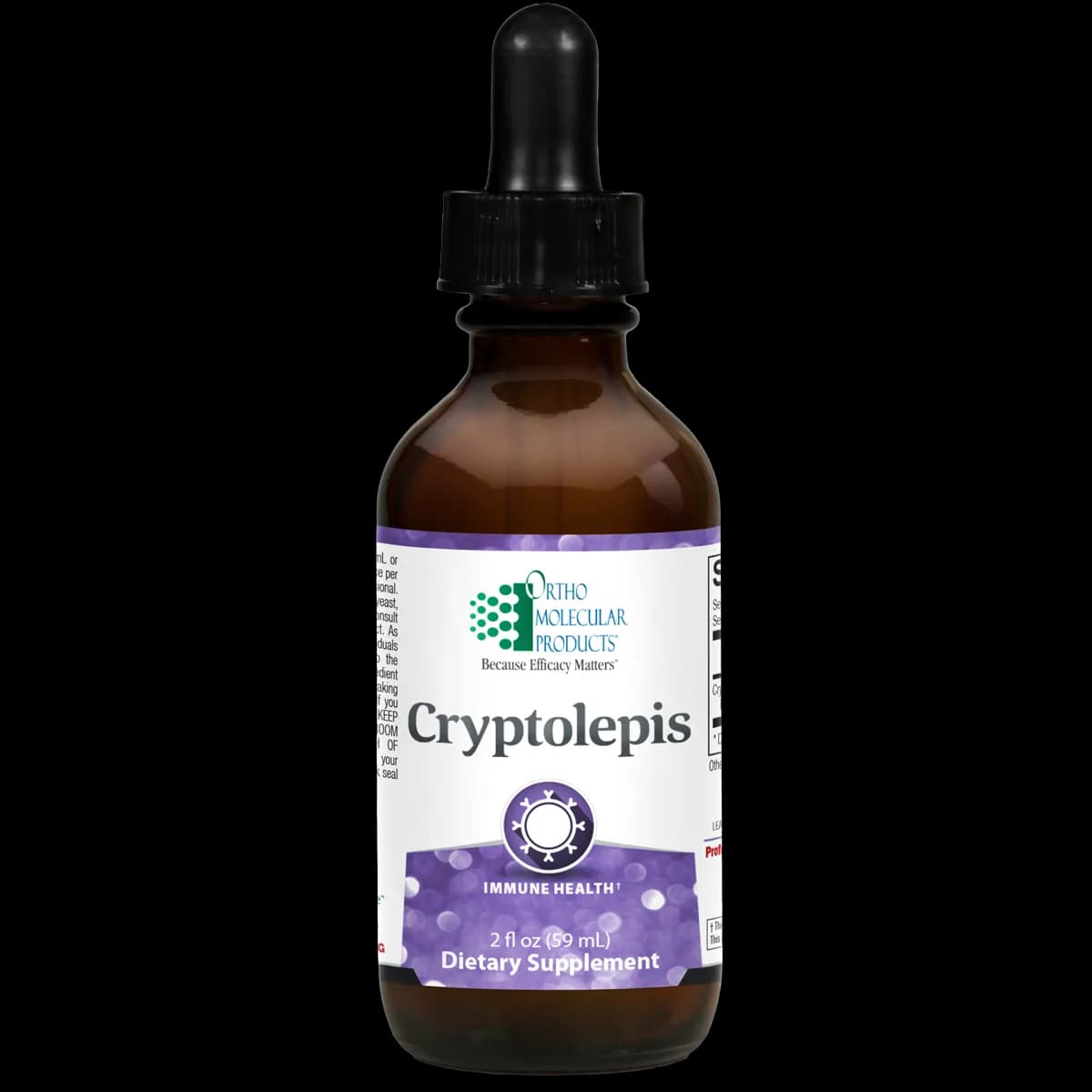
Due to its pharmacokinetic profile, Cryptolepis sanguinolenta is most commonly utilized in the form of a liquid herbal tincture, typically a 1:5 strength root extract in a 60% alcohol or glycerin base. Liquid tinctures allow for rapid sublingual and gastric absorption, partially bypassing the initial digestive breakdown that limits the bioavailability of capsule forms. The suggested use for the Ortho Molecular product is to mix 1 full dropper (approximately 0.7 mL or 25-30 drops) with 2 fluid ounces of water, taken twice per day, or as directed by a healthcare professional.
However, for patients with complex chronic illnesses, functional medicine practitioners universally advocate for a "low and slow" dosing strategy. Because Cryptolepis is so exceptionally potent at eradicating intracellular pathogens, starting immediately with a full dose can trigger a severe Herxheimer (die-off) reaction. Practitioners often recommend starting with just a single drop in water per day, carefully monitoring the body's response, and excruciatingly slowly titrating up to the full therapeutic dose over a period of weeks or even months.
This gradual titration allows the body's detoxification pathways—the liver, kidneys, and lymphatic system—to effectively process and eliminate the endotoxins released by dying pathogens. Rushing the dosing process can overwhelm these pathways, leading to a massive exacerbation of fatigue, joint pain, and neurological symptoms. Working closely with a Lyme-literate medical doctor (LLMD) or experienced functional medicine practitioner is crucial for navigating this delicate dosing schedule and adjusting it based on real-time symptom feedback.
Navigating Herxheimer Reactions and MCAS Considerations
The intersection of Cryptolepis sanguinolenta and Mast Cell Activation Syndrome (MCAS) presents a fascinating clinical paradox. On a molecular level, isolated cryptolepine acts as a potent mast cell stabilizer. In experimental models of asthma, doses of 10–100 µg/mL successfully stabilized mesenteric mast cells against chemical degranulation and dose-dependently inhibited histamine-induced bronchoconstriction. Pharmacologically, the plant possesses intrinsic anti-allergic properties that should theoretically soothe hyper-reactive immune systems.
Yet, in clinical practice, MCAS patients frequently report intense allergic-type flares when taking the whole-herb extract. This is almost entirely due to the Herxheimer reaction. When Cryptolepis rapidly kills off heavy burdens of Borrelia or Babesia, the dying bacteria release massive amounts of lipopolysaccharides (LPS) and endotoxins into the bloodstream. The immune system responds to this toxic flood by unleashing a cytokine storm, which subsequently commands mast cells to degranulate and dump histamine. It is the microbial die-off, rather than an allergy to the herb itself, that triggers the MCAS flare.
To mitigate these severe reactions, practitioners often implement targeted protocols before introducing Cryptolepis. This includes pre-dosing with pharmaceutical or natural mast cell stabilizers and utilizing targeted binders (like activated charcoal or bentonite clay) taken away from the herb to "mop up" endotoxins in the gut. For deeper insights into managing mast cell hyper-reactivity during treatment, explore our comprehensive guide on Ketotifen: Unveiling Relief for the Hidden Battles of MCAS, Long COVID, ME/CFS, and Dysautonomia. Additionally, high-dose vitamin C can aid in histamine degradation; learn more in Can Ascorbic Acid Powder Support Immune and Cellular Health in Long COVID and MCAS?.
Crucial Safety Warnings and Drug Interactions
While Cryptolepis sanguinolenta is a natural botanical, its profound pharmacological potency necessitates strict adherence to safety guidelines. The most critical contraindication is pregnancy. Animal studies evaluating reproductive toxicity have demonstrated that high doses of the extract can abolish pregnancy and significantly reduce fertility indices. Therefore, Cryptolepis must never be used by individuals who are pregnant, planning to become pregnant, or breastfeeding, due to the risk of severe developmental malformations and intrauterine growth inhibition.
Furthermore, because cryptolepine is heavily metabolized in the liver, it actively modulates the Cytochrome P450 (CYP) enzyme system, leading to significant herb-drug interactions. Pharmacokinetic interaction studies reveal that Cryptolepis significantly enhances the activity of the CYP1A isozyme while competitively inhibiting the CYP2B1 enzyme. This enzymatic alteration can drastically change how the body processes pharmaceutical medications, potentially leading to sub-therapeutic drug levels or dangerous toxicity.
Specifically, concurrent use of Cryptolepis with certain antimalarial drugs (like artesunate) has been shown to decrease the pharmaceutical's bioavailability and half-life by over 50%. Additionally, rodent models suggest the plant may profoundly prolong the effects of central nervous system depressants, sedatives, and anesthetics. Due to these potent interactions, patients must disclose the use of Cryptolepis to their entire healthcare team and should only utilize this powerful botanical under the direct, ongoing supervision of a qualified medical professional.

Follow the Science
The Landmark Johns Hopkins Lyme and Persister Cell Studies
The modern resurgence of interest in Cryptolepis sanguinolenta was largely catalyzed by groundbreaking research conducted at Johns Hopkins University. Published in the journal Frontiers in Medicine in 2020, this landmark in vitro study evaluated the efficacy of 14 natural botanical medicines against the growing and non-growing (stationary) phases of Borrelia burgdorferi, the bacterium responsible for Lyme disease. The study was funded by the Bay Area Lyme Foundation, highlighting the urgent need for novel treatments for patients suffering from persistent tick-borne symptoms.
The researchers discovered that standard clinical antibiotics, such as doxycycline and cefuroxime, were incapable of sterilizing the stationary phase cultures; after a 21-day subculture, live spirochetes were still clearly visible. In stark contrast, a 1% concentration of Cryptolepis sanguinolenta extract caused the complete and total eradication of the bacteria. It was the only botanical agent tested that demonstrated the ability to completely dissolve all forms of the bacteria, including aggregated biofilm microcolonies, without any regrowth occurring.
The study further highlighted the exceptional potency of Cryptolepis by determining its Minimum Inhibitory Concentration (MIC). Against actively growing B. burgdorferi, the herb showed a remarkably low MIC of 0.03% to 0.06%. These findings provided the first rigorous, peer-reviewed scientific validation for what many functional medicine practitioners had observed clinically: that Cryptolepis possesses a unique, unparalleled ability to clear the deeply entrenched bacterial reservoirs that drive chronic, multi-systemic illness.
Emerging Research on Babesia, Bartonella, and ME/CFS Overlap
Following the success of the Lyme disease study, researchers expanded their focus to other common tick-borne co-infections that frequently complicate ME/CFS and Long COVID recovery. Subsequent in vitro studies from the same Johns Hopkins research team tested botanical medicines against Bartonella henselae and Babesia duncani. Once again, Cryptolepis sanguinolenta emerged as a highly effective agent, notably outperforming standard pharmaceutical antiparasitic drugs like quinine and clindamycin in its ability to eradicate Babesia parasites.
The clinical relevance of these findings was recently underscored by a comprehensive clinical analysis of ME/CFS patients conducted by researchers Aguirre-Chang and Tarello. By examining the peripheral blood smears of 375 patients explicitly diagnosed with ME/CFS, they discovered that a staggering 91.2% of these individuals had an active pathogenic microorganism present in their blood. The most frequently identified pathogen was the parasite Babesia, found in 60.8% of cases, followed closely by Bartonella.
This data suggests a profound paradigm shift in how we understand and treat chronic fatiguing illnesses. The researchers noted that treating these patients with targeted antimicrobials like Cryptolepis sanguinolenta, often alongside fibrinolytics to address microclots, led to notable and sustained symptom improvement. This emerging research strongly supports the hypothesis that for a significant subset of patients, ME/CFS is not a mysterious, untreatable condition, but rather the downstream consequence of an undiagnosed, persistent intracellular infection.
Exploring Antiviral Properties and Future Long COVID Applications
As the global medical community grapples with the long-term consequences of the SARS-CoV-2 pandemic, researchers are increasingly turning to complex botanicals to address the multifaceted nature of Long COVID. The potential antiviral properties of Cryptolepis sanguinolenta have become a subject of intense scientific scrutiny. Recent in silico molecular docking studies have explored how the secondary metabolites of this plant interact with the structural and non-structural proteins of the COVID-19 virus.
These computational models have revealed that cryptolepine and its related alkaloids possess strong binding affinities for the SARS-CoV-2 Main Protease (Mpro) and RNA-dependent RNA polymerase (RdRp). Because these enzymes are strictly required for the virus to replicate its genetic material and assemble new viral particles, inhibiting them effectively halts the progression of the infection. While these findings are preliminary and require extensive in vivo clinical trials, they provide a strong mechanistic basis for the plant's potential utility in clearing persistent viral reservoirs.
Furthermore, the well-documented ability of Cryptolepis to inhibit the NF-κB inflammatory pathway and reduce the production of cytokines like IL-6 and TNF-α makes it uniquely suited to address the "cytokine storm" and chronic immune hyper-activation seen in Long COVID. By simultaneously targeting viral replication, addressing opportunistic bacterial co-infections, and calming systemic inflammation, Cryptolepis sanguinolenta represents a highly promising, multi-targeted therapeutic agent for the future of complex chronic illness management.
The Path Forward
Validating the Complex Journey of Chronic Illness
Living with a complex chronic condition like Long COVID, ME/CFS, dysautonomia, or MCAS is a profoundly exhausting and isolating experience. The journey is often marked by a frustrating lack of medical answers, dismissive encounters with healthcare providers, and the relentless unpredictability of debilitating symptoms. If you have been told that your severe fatigue, brain fog, and autonomic instability are "all in your head," or if you have tried countless treatments without success, your frustration is entirely valid. The emerging science surrounding stealth pathogens and viral persistence proves that your symptoms have a very real, physiological basis.
Discovering that undiagnosed infections like Lyme disease, Babesia, or Bartonella may be driving your illness can be both overwhelming and validating. It provides a tangible target for treatment, but it also introduces the complex reality of navigating powerful botanical protocols and managing Herxheimer reactions. Healing from these deeply entrenched conditions is rarely a linear process; it requires immense patience, resilience, and a willingness to listen closely to your body's signals as you slowly restore microbial balance and immune competence.
Integrating Cryptolepis into a Comprehensive Care Plan
Cryptolepis sanguinolenta is an exceptionally powerful tool, but it is not a standalone miracle cure. True recovery from complex chronic illness requires a comprehensive, multi-systemic approach. This botanical extract is most effective when utilized as part of a broader management strategy that includes aggressive pacing to prevent post-exertional malaise (PEM), meticulous symptom tracking, nervous system regulation, and targeted nutritional support to rebuild cellular energy reserves.
Because of its potency, potential for drug interactions, and the likelihood of triggering severe die-off reactions, Cryptolepis should never be used in isolation or without professional guidance. It is imperative to work collaboratively with a Lyme-literate medical doctor (LLMD) or a functional medicine practitioner who deeply understands the nuances of chronic infections and Mast Cell Activation Syndrome. A knowledgeable provider can help you implement a "low and slow" dosing strategy, prescribe necessary binders and mast cell stabilizers, and safely monitor your progress throughout your healing journey.
Taking the Next Steps in Your Healing Journey
At RTHM, we are deeply committed to providing patients with the science-backed tools, validating resources, and advanced clinical insights needed to reclaim their health from complex chronic conditions. We understand that addressing the root causes of immune dysregulation and microbial imbalance is essential for restoring your quality of life.
If you and your healthcare provider have determined that targeting persistent stealth pathogens and supporting microbial balance is the right next step for your recovery, we invite you to explore our carefully sourced botanical options. Always remember to consult with your medical team before introducing any new supplement into your regimen.
Sources
The antimalarial and cytotoxic drug cryptolepine intercalates into DNA at cytosine-cytosine sites
Seven Herbal Medicines Are Capable of Killing Lyme Disease Bacteria, According to New Lab Study
Antiplasmodial Activity and Pharmacokinetic Profiling of Cryptolepine and 2,7-Dibromocryptolepine
Herxheimer Reactions and Managing Die-Off in Chronic Illness