Can Thorne B-Complex #12 Support Energy and Clear Brain Fog in Long COVID and ME/CFS?
March 6, 2026
B-Complex #12Long COVIDME/CFS
Share:
Disclaimer: The information provided here is for educational purposes only and is not intended as medical advice. It should not be used to diagnose, treat, cure, or prevent any medical condition. Instead, use it as a starting point for discussion with your healthcare provider. Always consult with a qualified healthcare provider before starting any new medication, supplement, device, or making changes to your health regimen.
Months or even years after a viral infection, many people find themselves trapped in a cycle of debilitating symptoms—crushing fatigue, severe brain fog, racing heart rates, and unpredictable immune reactions. If you are living with Long COVID, myalgic encephalomyelitis/chronic fatigue syndrome (ME/CFS), dysautonomia, or mast cell activation syndrome (MCAS), you know firsthand how frustrating it is to navigate a medical system that often lacks clear answers. You may have been told your blood work is "normal," yet you struggle to find the energy to complete basic daily tasks or think clearly through the dense fog clouding your mind. This profound disconnect between standard lab results and your lived reality is incredibly common in complex chronic illnesses.
One of the most critical, yet frequently overlooked, pieces of the chronic illness puzzle is cellular metabolism—specifically, how your body produces energy and repairs its nervous system. In the wake of a severe immune event, the body's demand for specific micronutrients skyrockets, often leading to deep, hidden depletions at the cellular level. Among the most vital of these nutrients are the B vitamins. However, not all B vitamins are created equal. For individuals with compromised digestion, liver function, or specific genetic variations, standard over-the-counter B vitamins may be completely ineffective. This is where active, tissue-ready formulations like Thorne's B-Complex #12 come into play, offering a bioavailable lifeline to cells starving for energy and metabolic support.
TL;DR
Active B vitamins support cellular energy and nervous system repair in complex chronic illnesses.
Bioavailable forms bypass genetic and metabolic bottlenecks, delivering nutrients directly to starving cells.
Replenishing B vitamins may help manage fatigue, brain fog, and autonomic dysfunction.
Start with low doses and consult your doctor, especially if you have MCAS or sensitivities.
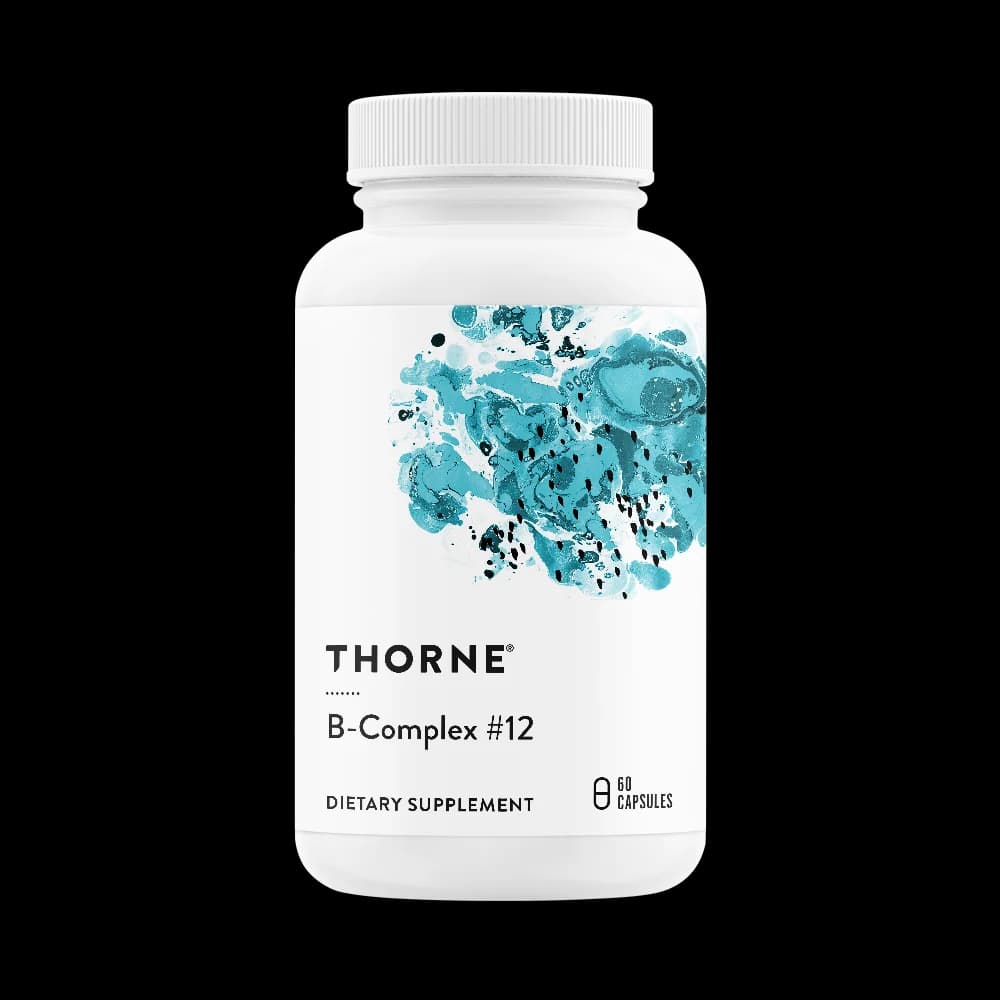
What is Thorne B-Complex #12?
The Foundation of Cellular Energy and Metabolism
To understand the power of Thorne B-Complex #12, we must first look at the natural function of B vitamins in a healthy body. The B-vitamin family consists of eight water-soluble nutrients that act as essential cofactors in hundreds of enzymatic reactions. Unlike fat-soluble vitamins, your body cannot store large reserves of B vitamins (with the exception of B12, which is stored in the liver). Therefore, they must be continuously replenished through diet or supplementation. At a fundamental level, B vitamins are the spark plugs of your cellular engine. They do not contain energy themselves, but they are absolutely required for the mitochondria—the powerhouses of your cells—to extract adenosine triphosphate (ATP), the cellular energy currency, from the food you eat.
Within the mitochondria, the production of ATP relies on a complex sequence of biochemical events known as the Krebs cycle (or citric acid cycle) and the electron transport chain. Thiamin (Vitamin B1), riboflavin (Vitamin B2), niacin (Vitamin B3), and pantothenic acid (Vitamin B5) are strictly required to keep this cycle turning. For example, thiamin acts as a critical coenzyme for pyruvate dehydrogenase, the enzyme that bridges glycolysis with the Krebs cycle. Without adequate thiamin, glucose cannot be efficiently converted into ATP, leading to a severe energy crisis within the cell. This metabolic bottleneck forces the cell to rely on inefficient anaerobic energy production, generating lactic acid and causing profound, heavy fatigue in the muscles and brain. This is similar to why patients often try to support energy and brain fog with free-form amino acids or clear brain fog with Acetyl-L-Carnitine—the goal is to feed the mitochondria by any means necessary.
Beyond energy production, B vitamins are the architects of the nervous system. Vitamin B12 (cobalamin) and Vitamin B6 (pyridoxine) are essential for the synthesis of myelin, the protective fatty sheath that insulates nerve fibers and ensures rapid, clear communication between the brain and the rest of the body. When these vitamins are depleted, the myelin sheath can degrade, leading to neuropathic pain, tingling, and slowed cognitive processing. Furthermore, these vitamins are required for the synthesis of vital neurotransmitters, including serotonin, dopamine, and gamma-aminobutyric acid (GABA), which regulate mood, sleep, and autonomic nervous system stability.
The Methylation Cycle Explained
The most complex and arguably most important function of specific B vitamins—namely folate (B9) and cobalamin (B12)—is their role in one-carbon metabolism, commonly known as the methylation cycle. The methylation cycle is a continuous biochemical loop that happens billions of times per second in every cell of your body. It involves the transfer of a methyl group (one carbon atom attached to three hydrogen atoms) from one molecule to another. This simple molecular handoff is the master switch that controls DNA synthesis, epigenetic gene expression, neurotransmitter production, and the detoxification of harmful compounds.
The methylation cycle is actually the intersection of two tightly coupled pathways: the folate cycle and the methionine cycle. In a healthy system, active folate acts as a methyl donor. It hands its methyl group over to Vitamin B12, temporarily creating methylcobalamin. The enzyme Methionine Synthase then uses this methylcobalamin to transfer the methyl group onto homocysteine, a potentially toxic amino acid byproduct. This crucial step converts homocysteine into methionine, an essential amino acid. Methionine is then converted into S-adenosylmethionine (SAMe), the body's universal methyl donor. SAMe travels throughout the cell, delivering methyl groups to over 200 different enzymatic reactions, including those that build DNA and clear out excess histamine.
When this cycle runs smoothly, homocysteine levels remain low, DNA is repaired efficiently, and the brain has a steady supply of neurotransmitters. We know that using B12 and Folate for brain fog and fatigue is a cornerstone of functional medicine for this very reason. However, if there is a deficiency in either active folate or active B12, the entire cycle grinds to a halt. This leads to a dangerous buildup of homocysteine—a known driver of cardiovascular inflammation and endothelial dysfunction—and a severe drop in SAMe production, which can trigger mood disorders, cognitive decline, and systemic inflammation.
Active vs. Inactive Vitamin Forms
The critical distinction that sets Thorne B-Complex #12 apart from standard supplements is its use of bioactive, tissue-ready forms of these vitamins. Most over-the-counter supplements use synthetic, inactive forms like folic acid and cyanocobalamin. Before your body can use folic acid, it must undergo a multi-step enzymatic conversion in the liver to become 5-methyltetrahydrofolate (5-MTHF). Similarly, cyanocobalamin must have its cyanide molecule cleaved off and replaced with a methyl group to become active methylcobalamin.
For many healthy individuals, this conversion process is relatively seamless. However, for those with chronic illnesses, compromised liver function, digestive disorders, or specific genetic mutations, this conversion process is severely impaired. If the body cannot convert the inactive vitamins, they pool in the blood, completely useless to the starving cells, while simultaneously masking deep intracellular deficiencies. By providing 5-MTHF and methylcobalamin directly, Thorne B-Complex #12 bypasses these metabolic bottlenecks, delivering the exact molecular keys the cells need to restart the methylation cycle and energy production pathways immediately.
How Complex Chronic Illness Impacts B Vitamin Pathways
The Hypermetabolic Tax of Viral Infection
Chronic illnesses like Long COVID and ME/CFS do not just cause fatigue; they fundamentally alter how the body produces and utilizes energy. When the body is exposed to a severe stressor—such as the SARS-CoV-2 virus, Epstein-Barr Virus (EBV), or a major physical trauma—the immune system mounts a massive, energy-intensive defense. This hypermetabolic state rapidly burns through the body's nutritional reserves, particularly water-soluble B vitamins, which cannot be stored in large quantities. The resulting depletion leaves the cells without the necessary cofactors to maintain normal metabolic function once the acute infection has passed.
In Long COVID and ME/CFS, researchers have observed a persistent state of mitochondrial dysfunction. The mitochondria become sluggish, fragmented, and unable to efficiently pass electrons down the electron transport chain. Because vitamins like thiamin (B1) and riboflavin (B2) are required to feed electrons into this chain, their post-viral depletion exacerbates the energy crisis. The body is forced to rely on anaerobic glycolysis, a highly inefficient process that produces minimal ATP and generates toxic byproducts like lactic acid. This is why patients experience post-exertional malaise (PEM)—a severe exacerbation of symptoms following even minor physical or cognitive exertion. The cellular engine is literally running out of fuel and choking on its own exhaust.
Oxidative Stress and the "Redox Switch"
Another major hallmark of complex chronic illness is rampant, uncontrolled oxidative stress. In a healthy body, free radicals (unstable molecules) are neutralized by antioxidants. Finding ways to combat oxidative stress in Long COVID and ME/CFS is crucial because chronic neuroinflammation and immune dysregulation produce a flood of free radicals that overwhelm the body's defenses. This oxidative stress has a devastating, direct impact on the methylation cycle and B-vitamin utilization, specifically targeting Vitamin B12.
Recent biochemical research has revealed that the enzyme Methionine Synthase—which relies on B12 to convert homocysteine to methionine—acts as a cellular "redox switch." For the cobalamin (B12) cofactor to accept a methyl group, it must remain in a specific, highly reduced oxidation state known as Cbl(I). When the cell is flooded with oxidative stress, the cobalamin is rapidly oxidized into a Cbl(II) state, rendering it completely inactive. When this happens, the methylation cycle shuts down entirely. This is a deliberate survival mechanism: the body intentionally halts the methionine cycle and diverts homocysteine down an alternative pathway (the transsulfuration pathway, which requires Vitamin B6) to rapidly produce glutathione, the body's master antioxidant. While this helps fight the oxidative fire, it leaves the brain and nervous system starved of SAMe and active folate, driving severe cognitive dysfunction and mood instability.
Gut Dysbiosis and Malabsorption
The impact of chronic illness on B vitamin status is further compounded by gastrointestinal dysfunction. Conditions like POTS (postural orthostatic tachycardia syndrome) and MCAS frequently involve severe gut motility issues, gastroparesis, and intestinal permeability ("leaky gut"). The autonomic nervous system, which controls digestion, is often damaged or dysregulated, leading to a breakdown in the highly coordinated process of nutrient absorption.
Furthermore, viral infections like COVID-19 have been shown to drastically alter the gut microbiome, depleting beneficial bacteria that naturally synthesize certain B vitamins and maintain the integrity of the intestinal lining. When the gut lining is inflamed or damaged by mast cell degranulation, the specialized receptors required to absorb B vitamins—particularly the intrinsic factor required for B12 absorption in the ileum—become compromised. This creates a vicious cycle: the nervous system needs B vitamins to heal the gut and regulate autonomic function, but the damaged gut cannot absorb the B vitamins required for that healing. This is why highly bioavailable, active forms of B vitamins are critical for breaking the cycle of malabsorption and systemic depletion.
B-Complex #12: Supporting Neurological and Metabolic Function
Thiamine (B1) and Autonomic Nervous System Repair
Supplementing with a comprehensive, active formula like Thorne B-Complex #12 provides a multi-pronged approach to supporting the disrupted pathways seen in Long COVID, ME/CFS, and dysautonomia. One of the most critical interventions is the restoration of thiamin (Vitamin B1) levels. Thiamin is absolutely essential for the proper functioning of the autonomic nervous system, which controls involuntary processes like heart rate, blood pressure, and digestion. In patients with POTS and dysautonomia, the autonomic nervous system is severely dysregulated, leading to rapid heart rates upon standing and profound dizziness.
At the cellular level, thiamin is a required cofactor for the enzyme transketolase, which is vital for maintaining the myelin sheath and protecting nerves from oxidative damage. Furthermore, thiamin drives the production of acetylcholine, a major neurotransmitter used by the vagus nerve to signal the heart to slow down and to stimulate digestive motility. By replenishing thiamin stores, B-Complex #12 helps support vagal tone, improve autonomic signaling, and restore the metabolic pathways required for efficient ATP production in the brain and heart muscle, directly combating the crushing fatigue and orthostatic intolerance characteristic of these conditions.
Methylcobalamin (B12) and Myelin Sheath Integrity
The inclusion of high-dose methylcobalamin (600 mcg) in Thorne B-Complex #12 is specifically targeted at repairing neurological damage and supporting cognitive function. In Long COVID and ME/CFS, neuroinflammation can lead to the degradation of the myelin sheath, causing symptoms like peripheral neuropathy (tingling and numbness in the extremities), brain fog, and slowed cognitive processing. Vitamin B12 is the central nutrient required for the synthesis of myelin basic protein.
Because Thorne utilizes methylcobalamin—the active, methylated form of B12—it can immediately cross the blood-brain barrier and enter the central nervous system without waiting for liver conversion. Once in the brain, methylcobalamin acts as the critical cofactor for Methionine Synthase, restarting the stalled methylation cycle. This rapidly increases the production of SAMe, which is required to synthesize dopamine, serotonin, and norepinephrine. By restoring these neurotransmitter levels, active B12 helps lift the brain fog and sleep disturbances of Long COVID, stabilize mood swings, and improve the severe sleep disturbances that plague chronic illness patients.
B6, Folate, and Histamine Breakdown (MCAS Support)
For patients dealing with mast cell activation syndrome (MCAS) or severe histamine intolerance, B-Complex #12 offers crucial enzymatic support. In MCAS, hyperactive mast cells inappropriately release massive amounts of histamine into the bloodstream, triggering systemic allergic-like reactions, flushing, tachycardia, and gastrointestinal distress. To clear this excess histamine, the body relies on two primary enzymes: diamine oxidase (DAO) in the gut, and histamine N-methyltransferase (HNMT) in the intracellular space.
Both of these histamine-clearing pathways are entirely dependent on B vitamins. DAO production strictly requires Vitamin B6 (pyridoxine) as a cofactor. Thorne provides B6 in its active form, Pyridoxal 5'-Phosphate (P5P), ensuring immediate availability for DAO synthesis. Meanwhile, the HNMT enzyme relies heavily on the methylation cycle to function. It requires a steady supply of SAMe to attach a methyl group to histamine, neutralizing it. By providing active 5-MTHF (folate) and methylcobalamin, B-Complex #12 fuels the methylation cycle, boosting SAMe production and upregulating the HNMT enzyme's ability to clear histamine from the brain and liver, thereby helping to stabilize MCAS flares and reduce neuroinflammation.
Homocysteine Regulation and Cardiovascular Health
Finally, the synergistic action of active folate, B12, and B6 in this complex is vital for maintaining healthy homocysteine metabolism. Elevated homocysteine is a well-documented driver of endothelial dysfunction—damage to the inner lining of the blood vessels. In Long COVID, endothelial damage and microvascular blood clotting are major contributors to tissue hypoxia (oxygen starvation) and fatigue. By efficiently driving the conversion of homocysteine back into methionine, the active vitamins in Thorne B-Complex #12 help lower systemic homocysteine levels, reducing vascular inflammation, supporting healthy blood flow, and protecting the cardiovascular system from further oxidative damage.

Symptoms Thorne B-Complex #12 May Help Manage
Targeted Symptom Relief for Complex Conditions
Because B vitamins are involved in such a vast array of cellular processes, restoring optimal levels can have a profound, systemic impact on the body. For patients navigating the overlapping complexities of Long COVID, ME/CFS, POTS, and MCAS, Thorne B-Complex #12 targets several core mechanisms of dysfunction. While supplements are not a cure, providing the body with the active cofactors it desperately needs can significantly improve daily quality of life and reduce the severity of debilitating flares. Here are the specific symptoms this active B-complex may help manage:
Severe Brain Fog and Cognitive Dysfunction: By supplying active methylcobalamin and 5-MTHF, the supplement restarts the methylation cycle in the brain, boosting SAMe production. If you want to understand what "brain fog" and cognitive dysfunction actually mean in Long COVID, it often comes down to this exact type of metabolic stalling. This supports the synthesis of crucial neurotransmitters (dopamine and serotonin) and helps repair the myelin sheath, leading to clearer thinking, improved memory recall, and faster cognitive processing.
Debilitating Fatigue and Post-Exertional Malaise (PEM): The inclusion of thiamin (B1), riboflavin (B2), and niacinamide (B3) directly fuels the mitochondrial Krebs cycle and the electron transport chain. By restoring these metabolic bottlenecks, the cells can shift away from inefficient anaerobic glycolysis and resume producing abundant ATP, reducing the heavy, leaden feeling in the muscles and increasing the threshold for PEM.
Orthostatic Intolerance and POTS Tachycardia: Thiamin (B1) is essential for vagus nerve function and the production of acetylcholine. Supporting these pathways helps regulate autonomic nervous system signaling, which can improve blood vessel constriction upon standing, stabilize erratic heart rates, and reduce the dizziness associated with dysautonomia.
MCAS Flares and Histamine Intolerance: The active form of Vitamin B6 (Pyridoxal 5'-Phosphate) is a mandatory cofactor for the DAO enzyme, which breaks down histamine in the gut. Simultaneously, active folate and B12 fuel the HNMT enzyme to clear intracellular histamine. This dual action helps lower the body's overall histamine burden, potentially reducing flushing, hives, and gastrointestinal distress.
Neuropathy, Tingling, and Nerve Pain: Vitamin B12 is the primary nutrient required for maintaining the integrity of the myelin sheath. High-dose methylcobalamin helps repair damaged peripheral nerves, which can alleviate the burning, tingling, and "pins and needles" sensations frequently reported in post-viral syndromes.
Mood Instability and Sleep Disturbances: The methylation cycle is responsible for the production and breakdown of catecholamines (stress hormones) and melatonin (the sleep hormone). By stabilizing methylation with active B vitamins, the nervous system can more effectively transition out of a chronic "fight-or-flight" state, supporting a calmer mood and more restorative sleep cycles.
Practical Considerations: Forms, Dosing, and Absorption
The Importance of Methylated Forms and Bypassing MTHFR
When selecting a B-vitamin supplement, understanding bioavailability is paramount, especially for individuals with chronic illness. Bioavailability refers to the proportion of a nutrient that actually enters the systemic circulation and is able to have an active effect. As discussed, standard supplements rely on synthetic folic acid and cyanocobalamin, which require extensive liver conversion. This is where the MTHFR genetic mutation becomes a critical factor. The MTHFR gene provides the instructions for making methylenetetrahydrofolate reductase, the enzyme responsible for the final step of converting folate into its active, usable form (5-MTHF).
Research indicates that up to 40% to 70% of the population carries at least one variant of the MTHFR gene (such as C677T or A1298C), which can reduce the enzyme's efficiency by up to 70%. If you have this mutation and take standard folic acid, the synthetic vitamin will pool in your bloodstream, unmetabolized. Not only does this leave your cells starved of active folate, but unmetabolized folic acid can actually block folate receptors, worsening the cellular deficiency and potentially masking a dangerous B12 deficiency. Thorne B-Complex #12 completely bypasses this genetic bottleneck by providing 667 mcg DFE of pure L-5-Methyltetrahydrofolate (5-MTHF). This ensures that regardless of your genetic status or liver function, your body receives the exact molecule it needs to drive the methylation cycle.
Dosing, Timing, and Absorption Tips
Thorne recommends taking one capsule of B-Complex #12 one to three times daily, or as recommended by a healthcare practitioner. Because B vitamins are water-soluble, they are generally well-absorbed on an empty stomach. However, because they play such a direct role in cellular energy production, taking them late in the day can cause overstimulation and interfere with sleep. It is highly recommended to take your B-complex in the morning with breakfast, or early in the afternoon at the latest, to align with your body's natural circadian energy rhythms.
For individuals with severe gastrointestinal inflammation or "leaky gut," absorption can still be a challenge even with active forms. Taking the capsule with a small amount of food can help buffer the stomach and improve tolerability. Because B vitamins work synergistically, taking them together in a complex is far more effective than isolating single vitamins, as a high dose of one B vitamin can sometimes unmask a hidden deficiency in another. It is also important to note that B vitamins, particularly riboflavin (B2), will naturally turn your urine a bright, neon yellow color; this is a harmless and expected metabolic byproduct.
Navigating MCAS Sensitivities and "Over-Methylation"
While methylated B vitamins are life-changing for many, patients with severe Mast Cell Activation Syndrome (MCAS) or specific COMT gene mutations must approach them with care. The COMT enzyme is responsible for breaking down stress hormones like dopamine and norepinephrine. If you introduce a high dose of methyl donors (like 5-MTHF and methylcobalamin) too quickly, it can rapidly accelerate the methylation cycle. In sensitive individuals, this sudden surge in neurotransmitter activity can cause a phenomenon sometimes referred to as "over-methylation," leading to temporary anxiety, jitteriness, insomnia, or a flare in mast cell symptoms.
If you have severe MCAS or a known sensitivity to methyl donors, the golden rule of functional medicine applies: "start low and go slow." You may need to open the capsule and start with just a fraction of the powder mixed into water, slowly titrating the dose up over several weeks as your nervous system adjusts to the new metabolic fuel. Always consult with a dysautonomia or MCAS-literate healthcare provider to determine the optimal dosing strategy for your unique biochemical makeup. Furthermore, Thorne B-Complex #12 is formulated without yeast, dairy, or gluten, minimizing the risk of excipient-triggered mast cell degranulation.

Follow the Science: B Vitamins and Chronic Illness
Large-Scale Observational Data in ME/CFS and Long COVID
The clinical application of B vitamins for post-viral syndromes is supported by a growing body of robust scientific literature. A landmark 2024/2025 observational study published in PNAS tracked 3,925 patients diagnosed with ME/CFS and Long COVID, evaluating the real-world efficacy of over 150 different treatments. The researchers found that Vitamin B12 emerged as a top-tier intervention alongside Low Dose Naltrexone. Strikingly, over 40% of the patients reported significant, measurable improvements in debilitating fatigue, brain fog, and post-exertional malaise (PEM) following B12 supplementation. The study highlighted that bypassing compromised gut absorption—either through injections, sublinguals, or highly bioavailable active oral forms—was critical for achieving these positive clinical outcomes.
Further supporting the use of the entire B-vitamin family, an August 2025 systematic review and meta-analysis evaluated the effectiveness of B-complex supplementation for Chronic Fatigue Syndrome. By pooling data from multiple eligible clinical trials, the researchers found a statistically significant reduction in overall fatigue severity among patients taking a comprehensive B-complex. The meta-analysis concluded that B-complex supplements are highly effective at restoring redox balance, optimizing cellular methylation, and repairing the metabolic damage caused by chronic immune activation.
Clinical Trials on Thiamine and Post-Viral Fatigue
The specific role of Thiamine (Vitamin B1) in managing Long COVID has also been the subject of recent, rigorous clinical trials. In a November 2024 randomized controlled trial published in the Archives of Clinical Infectious Diseases, researchers evaluated 66 patients suffering from severe Long COVID symptoms. The intervention group received high-dose Vitamin B1 daily. Within just two weeks, the thiamine group demonstrated statistically significant symptom improvement compared to the placebo group. By week five, debilitating symptoms such as severe myalgia (muscle pain), sleep disturbances, and cognitive dysfunction had drastically improved, with the overall recovery rate in the thiamine group doubling that of the control group. This underscores the critical role of B1 in restarting the mitochondrial Krebs cycle after a viral insult.
Evidence Connecting B12 Deficiency to POTS
For patients dealing with dysautonomia, the link between B-vitamin status and autonomic function is an area of ongoing interest. In clinical practice, restoring B12 levels with active forms like methylcobalamin is often used to support the neurological pathways required for stable orthostatic tolerance and cardiovascular regulation.
The Path Forward: Restoring Cellular Energy
Validating Your Lived Experience
Living with a complex chronic illness like Long COVID, ME/CFS, dysautonomia, or MCAS is an exhausting, full-time job. It is completely valid to feel overwhelmed when your body no longer responds the way it used to, and it is incredibly frustrating to be told your standard lab results are "fine" when you can barely get out of bed. The deep, intracellular metabolic dysfunction driving your symptoms is real, it is physiological, and it is documented in the scientific literature. You are not imagining the heavy fatigue, the racing heart, or the dense brain fog. Acknowledging the biological reality of these conditions is the first and most important step toward finding effective management strategies.
A Comprehensive Approach to Healing
While restoring cellular energy pathways with active nutrients like Thorne B-Complex #12 is a powerful tool, it is important to remember that supplements are just one piece of a much larger puzzle. True management of complex chronic illness requires a comprehensive, multi-disciplinary approach. This includes strict pacing to avoid triggering post-exertional malaise, identifying and avoiding mast cell triggers, utilizing nervous system regulation techniques, and working closely with a medical team that truly understands the nuances of post-viral syndromes and autonomic dysfunction.
By providing your body with the highly bioavailable, active cofactors it needs to repair the methylation cycle and fuel the mitochondria, you are laying a critical foundation for healing. Healing from these conditions is rarely a straight line, but by addressing the root metabolic depletions, you can begin to slowly expand your energy envelope and improve your daily quality of life. As always, please consult with your healthcare provider before starting any new supplement regimen to ensure it aligns with your specific medical history and genetic profile.
Sources
Possible Application of Melatonin in Long COVID (Cardinali et al., 2022)
The potential therapeutic approaches targeting gut health in ME/CFS: a narrative review (2025)
Efficacy of Thiamine (Vitamin B1) on Post-acute COVID-19 Syndrome (Tehrani et al., 2024)
Improving the timeliness of procedures in a pediatric endoscopy suite (2014)
Uppsala ME/CFS Collaborative Center Altered Metabolic Pathways Study (Open Medicine Foundation)