Can Açai and Pomegranate Extracts Combat Oxidative Stress in Long COVID and ME/CFS?
March 5, 2026
Açai 600Long COVIDME/CFS
Share:
Disclaimer: The information provided here is for educational purposes only and is not intended as medical advice. It should not be used to diagnose, treat, cure, or prevent any medical condition. Instead, use it as a starting point for discussion with your healthcare provider. Always consult with a qualified healthcare provider before starting any new medication, supplement, device, or making changes to your health regimen.
Months or even years after an initial viral infection, many individuals find themselves trapped in a relentless cycle of debilitating symptoms. Waking up feeling as though you have just run a marathon, struggling with heavy limbs, and battling a profound brain fog that makes simple daily tasks feel insurmountable are common experiences. For individuals living with Long COVID, myalgic encephalomyelitis/chronic fatigue syndrome (ME/CFS), mast cell activation syndrome (MCAS), and dysautonomia, this profound exhaustion is a daily reality. It is not simply being "tired" or needing more sleep; it is a complex, systemic energy crisis driven by microscopic battles occurring within the body's cells. The frustration of navigating an invisible illness is often compounded by a lack of clear medical answers, leaving many patients searching for validating, science-backed strategies to reclaim their quality of life.
While there is no single definitive cure for these intricate, overlapping conditions, emerging medical research is shining a bright light on the profound impact of chronic oxidative stress, mitochondrial dysfunction, and vascular inflammation. This is where targeted, high-quality nutritional support comes into play as a vital component of a comprehensive management plan. By utilizing concentrated, scientifically researched botanical extracts like those found in Açai 600, patients and healthcare practitioners are exploring new, mechanistic ways to support cellular repair, quench systemic inflammation, and promote healthy blood flow. Understanding the precise biochemical pathways these nutrients influence can empower you to make informed decisions about your health and recovery journey.
TL;DR
Açai 600 offers targeted botanical extracts that may help manage oxidative stress in post-viral conditions.
Ingredients like anthocyanins and punicosides support cellular repair, mitochondrial function, and healthy blood flow.
Always consult your healthcare provider before adding new supplements to your chronic illness management plan.
What is Açai 600?
The Power of Euterpe Oleracea and Anthocyanins
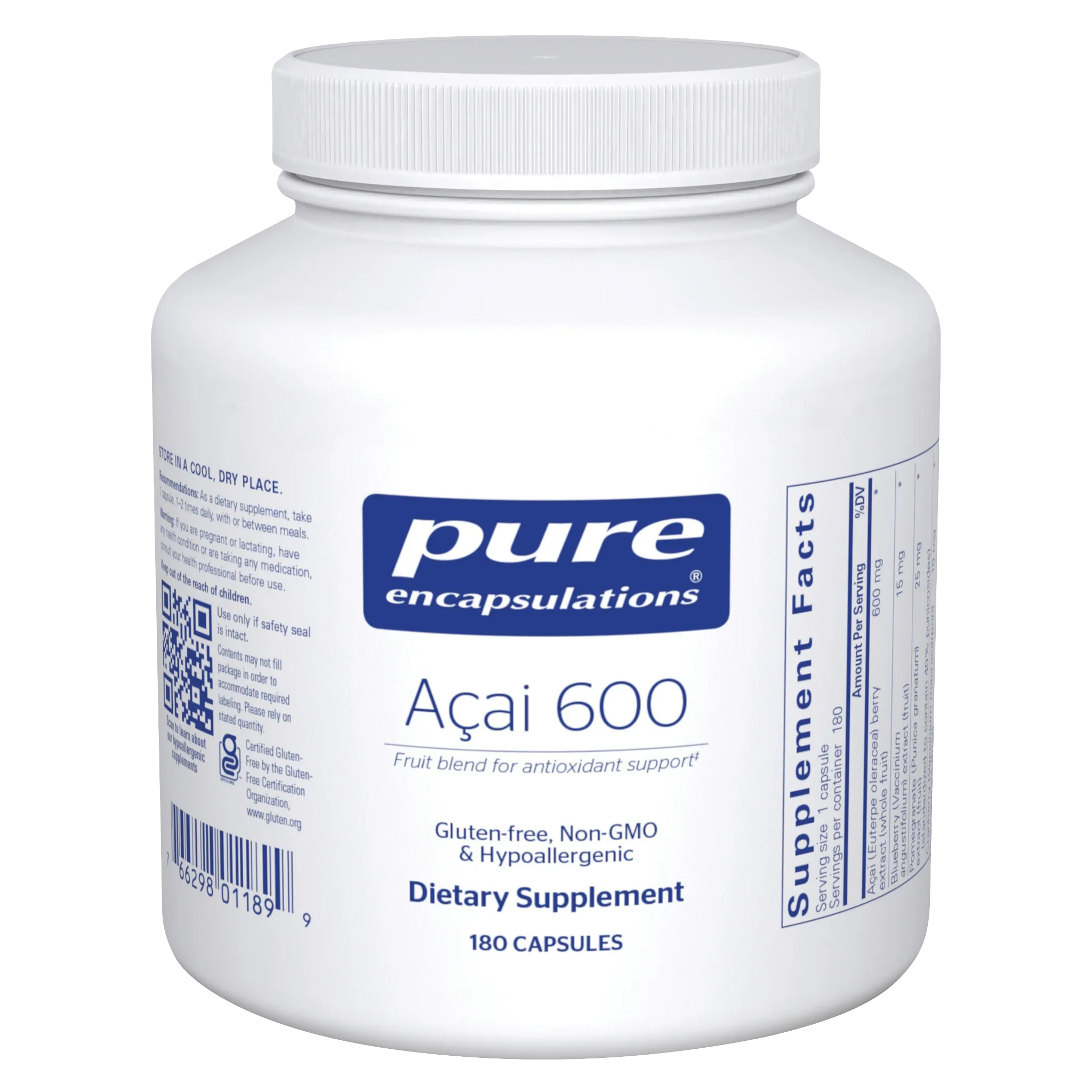
Açai 600 is a meticulously formulated dietary supplement that harnesses the potent biological properties of the açai berry (Euterpe oleracea), a fruit native to the lush, biodiverse Amazon rainforest of Brazil. For centuries, this deep purple berry has been a staple in traditional diets, but in recent years, it has garnered significant attention from the global medical and nutritional science communities. Pure Encapsulations' Açai berry is harvested by hand, a sustainable practice designed to preserve the delicate integrity of the palm tree and the surrounding rainforest ecosystem. Once harvested, the berries are hand-sorted and selected for exceptional quality, ensuring that the final extract retains its dense nutritional composition of essential fatty acids, amino acids, dietary fiber, vitamins, and minerals.
However, the true therapeutic power of the açai berry lies in its extraordinary concentration of phenolic compounds, specifically a class of water-soluble flavonoids known as anthocyanins. Anthocyanins, such as cyanidin 3-glycoside and cyanidin 3-rutinoside, are the natural pigments responsible for the rich red, purple, and blue hues found in many fruits and vegetables. At a molecular level, these compounds act as highly efficient electron donors. In a healthy body, they continuously patrol the cellular environment, identifying highly reactive, unstable molecules known as free radicals. By donating an electron to these free radicals, anthocyanins neutralize their destructive potential, preventing them from tearing through cellular membranes, damaging mitochondrial DNA, and triggering widespread inflammatory cascades.
Pomegranate Extract and Punicosides
To amplify the cellular support provided by açai, Açai 600 incorporates a clinically significant dose of pomegranate (Punica granatum) extract. Pomegranate has been revered in ancient medicine for millennia, but modern biochemical analysis has revealed the specific molecules responsible for its health-promoting effects. The extract utilized in this formula is standardized to contain 40% punicosides, a unique and highly potent class of large polyphenol molecules, with punicalagin being the most prominent and extensively researched.
When you consume punicosides, they embark on a fascinating journey through your digestive system. Because these molecules are quite large, they are not immediately absorbed into the bloodstream. Instead, they travel to the lower intestine, where your gut microbiome metabolizes them into smaller, highly bioavailable compounds called urolithins and ellagic acid. These secondary metabolites have a profound affinity for cardiovascular tissue and the delicate inner lining of your blood vessels. Research indicates that these pomegranate-derived compounds play a critical role in modulating healthy inflammatory processes, supporting optimal blood pressure, and protecting the cardiovascular system from the wear and tear of chronic physiological stress.
The Synergistic Berry Blend
The formulation of Açai 600 goes beyond just açai and pomegranate; it features a synergistic blend that includes carefully calibrated extracts of blueberry (Vaccinium angustifolium), cranberry (Vaccinium macrocarpon), and raspberry. This is not merely for nutritional variety; it is a strategic approach based on the principle of polyphenol synergy. Different classes of polyphenols and antioxidants have distinct molecular structures, which dictate how they are absorbed, where they travel in the body, and which specific cellular receptors they interact with. By combining multiple berry extracts, the supplement provides a broad-spectrum defense mechanism that targets various physiological systems simultaneously.
For instance, the specific anthocyanins found in blueberries are renowned in neurological research for their unique ability to cross the blood-brain barrier, offering direct antioxidant support to the central nervous system. Meanwhile, the proanthocyanidins found in cranberries have well-documented benefits for supporting the integrity of the urinary tract and the vascular endothelium. Raspberries contribute their own unique profile of ellagitannins and quercetin. Together, this diverse matrix of phytochemicals works in concert to provide comprehensive, systemic protection against oxidative stress, supporting healthy cellular function from the brain to the cardiovascular system.
How Long COVID and ME/CFS Impact Cellular Health
The Vicious Cycle of Oxidative Stress
When the body encounters a severe viral pathogen, such as the SARS-CoV-2 virus, the immune system launches a massive defensive response. While necessary for acute survival, this aggressive immune response often triggers a "cytokine storm," a chaotic release of pro-inflammatory signaling proteins. In patients who develop Long COVID or ME/CFS, this inflammatory alarm system fails to turn off even after the acute infection has cleared. This chronic state of high alert generates an overwhelming amount of reactive oxygen species (ROS)—unstable molecules that lack an electron and aggressively steal them from surrounding healthy tissue. This relentless oxidative stress damages cellular membranes through a process called lipid peroxidation, creating a vicious cycle where damaged cells release more inflammatory signals, further perpetuating the systemic dysfunction.
The brunt of this oxidative damage is often borne by the mitochondria, the microscopic powerhouses responsible for generating adenosine triphosphate (ATP), the energy currency of the cell. A 2024 study identified significant mitochondrial dysfunction in Long COVID patients, characterized by swollen mitochondria, disrupted internal structures, and impaired energy recycling. When mitochondria are damaged by oxidative stress, they become inefficient, leaking more ROS into the cell and producing less ATP. This profound cellular energy deficit is a core driver of the debilitating fatigue and post-exertional malaise (PEM) that patients experience. If you are wondering What Causes Long COVID?, this persistent mitochondrial impairment at the hands of oxidative stress is a leading piece of the puzzle.
Endothelial Dysfunction and Microclots
Beyond the mitochondria, chronic oxidative stress wreaks havoc on the vascular system, specifically targeting the endothelium. The endothelium is the delicate, single-cell-thick membrane that lines the inside of every blood vessel and capillary in your body. It is responsible for regulating blood pressure, controlling the passage of nutrients into tissues, and preventing abnormal blood clotting. In post-viral conditions, the endothelium becomes severely inflamed and damaged. A landmark study by Dr. Carmen Scheibenbogen and her team found that a staggering 51% of ME/CFS patients suffer from peripheral endothelial dysfunction. When the endothelium is damaged, it loses its ability to produce adequate amounts of nitric oxide, a crucial molecule that tells blood vessels to relax and dilate.
This lack of nitric oxide leads to chronic vasoconstriction, meaning the blood vessels remain tight and narrow, severely restricting the flow of oxygen-rich blood to the brain and muscles. Compounding this issue is the formation of fibrinaloid microclots. Emerging research has explored the role of Epstein-Barr virus-acquired immunodeficiency in ME/CFS and Long COVID, while separate studies by scientists like Dr. Resia Pretorius have demonstrated that the plasma of these patients often contains microscopic, inflammatory blood clots that resist the body's natural breakdown processes. These microclots act like sludge in the microcapillaries, further blocking oxygen delivery and creating localized areas of hypoxia (oxygen starvation). When tissues are starved of oxygen, any physical exertion triggers immediate cellular damage, a phenomenon known as ischemia-reperfusion injury, which directly contributes to the severe crashes seen in these conditions.
Neuroinflammation and the Blood-Brain Barrier
The systemic inflammation and vascular damage seen in Long COVID and ME/CFS do not stop at the neck; they profoundly impact the central nervous system. Under normal, healthy conditions, the brain is protected by the blood-brain barrier (BBB), a highly selective semipermeable border of endothelial cells that prevents circulating toxins and pathogens from entering the brain tissue. However, chronic oxidative stress and circulating inflammatory cytokines (like IL-6 and TNF-α) can degrade the integrity of this barrier, making it "leaky." When this occurs, systemic inflammation spills over into the brain, triggering a state of chronic neuroinflammation.
Once inside the brain, these inflammatory signals activate microglia, the resident immune cells of the central nervous system. Instead of performing their normal maintenance duties, activated microglia shift into an aggressive, pro-inflammatory state, releasing their own cascade of neurotoxic chemicals. This localized brain inflammation disrupts the delicate balance of neurotransmitter synthesis, impairs synaptic plasticity, and slows down neural communication. This is the biological reality behind the profound cognitive impairment, memory retrieval issues, and severe "brain fog" that patients report. Understanding this pathway is crucial, as it highlights why finding interventions that can cross the blood-brain barrier to quench this localized fire is a primary goal in post-viral recovery protocols.
Açai 600: Supporting Cellular Repair and Vascular Health
Activating the Nrf2 Antioxidant Pathway
When facing the overwhelming oxidative burden of post-viral syndromes, simply consuming basic antioxidants is often not enough; the body needs to upregulate its own internal defense mechanisms. This is where the specific polyphenols in Açai 600, particularly the anthocyanins from Euterpe oleracea, demonstrate their profound therapeutic potential. Research indicates that açai extracts actively stimulate the Nrf2 (Nuclear factor erythroid 2-related factor 2) pathway. Nrf2 is widely considered the master regulator of the body's antioxidant response. Under normal conditions, Nrf2 is anchored in the cellular cytoplasm, but when stimulated by potent bioactive compounds like anthocyanins, it detaches and travels directly into the cell's nucleus.
Once inside the nucleus, Nrf2 binds to the Antioxidant Response Element (ARE) on the DNA, essentially flipping a genetic switch that commands the cell to produce massive quantities of its own endogenous antioxidant enzymes. These include Superoxide Dismutase (SOD), Catalase, and Glutathione Peroxidase. Unlike dietary antioxidants that neutralize a single free radical and are then depleted, these endogenous enzymes can neutralize thousands of free radicals per second, providing a continuous, high-capacity defense shield. By activating the Nrf2 pathway, the synergistic blend of berries in Açai 600 helps to systematically dismantle the vicious cycle of lipid peroxidation, protecting the fragile mitochondrial membranes and supporting the restoration of healthy cellular energy production.
Restoring Endothelial Function with Nitric Oxide
Addressing the vascular components of Long COVID and dysautonomia requires targeted support for the endothelial lining. The pomegranate extract in Açai 600, standardized to 40% punicosides, plays a starring role in this endeavor. Clinical studies suggest that punicalagins, the primary active compounds in pomegranate, exert profound cardioprotective effects by directly upregulating the activity of endothelial nitric oxide synthase (eNOS). This is the specific enzyme responsible for converting the amino acid L-arginine into nitric oxide within the blood vessels. By enhancing eNOS activity, punicosides help restore the bioavailability of nitric oxide, which is frequently depleted in post-viral patients.
The restoration of nitric oxide is a critical step in reversing endothelial dysfunction. As nitric oxide levels rise, the smooth muscle cells surrounding the blood vessels receive the signal to relax, leading to healthy vasodilation. This widening of the blood vessels improves microvascular circulation, allowing oxygen and vital nutrients to finally reach the oxygen-starved muscle tissues and organs. Pomegranate extract is known to help soothe vascular inflammation and maintain a smooth, healthy endothelial surface. This is vital for patients managing the cardiovascular symptoms of How Does a Doctor Diagnose Long COVID?.
Quenching Neuroinflammation and Protecting the Brain
To combat the cognitive symptoms associated with ME/CFS and Long COVID, a therapeutic compound must be able to cross the blood-brain barrier. The specific anthocyanins found in the blueberry and açai extracts within this formula possess this unique capability. Once they successfully navigate across the BBB and enter the central nervous system, these polyphenols exert potent neuroprotective effects by directly targeting the microglia. Studies have shown that anthocyanins can inhibit the NF-κB (Nuclear factor kappa B) signaling pathway within these brain cells. NF-κB acts as a master switch for inflammation; by turning it off, anthocyanins halt the production of neurotoxic cytokines like IL-6 and TNF-α, effectively quenching the localized fire of neuroinflammation.
Beyond simply stopping the damage, these berry extracts actively promote neurological repair. Anthocyanins have been documented to upregulate the expression of Brain-Derived Neurotrophic Factor (BDNF), a crucial protein that acts like fertilizer for the brain. BDNF is essential for the survival of existing neurons, the growth of new synapses, and the maintenance of overall synaptic plasticity. By reducing microglial activation and boosting BDNF levels, the synergistic ingredients in Açai 600 provide comprehensive support for the central nervous system. This dual-action mechanism is why high-quality polyphenol blends are frequently explored as supportive strategies for patients desperate to lift the heavy veil of brain fog and reclaim their cognitive clarity.
Symptoms Açai 600 May Help Manage
Energy and Cognitive Symptoms
Debilitating Fatigue and PEM: By supporting mitochondrial antioxidant defenses and improving microvascular blood flow, the polyphenols in Açai 600 may help increase the cellular energy envelope and reduce the severity of post-exertional crashes.
Brain Fog and Cognitive Impairment: Anthocyanins from blueberry and açai that cross the blood-brain barrier help quiet microglial activation and promote BDNF expression, which may support clearer thinking, better memory retrieval, and improved focus.
Cardiovascular and Systemic Symptoms
Vascular and Autonomic Dysfunction: By upregulating nitric oxide production, pomegranate extract supports healthy vasodilation, which may help manage the erratic blood pressure and poor peripheral circulation often seen in dysautonomia.
Systemic Muscle and Joint Pain: The systemic reduction of pro-inflammatory cytokines (like IL-6 and TNF-α) via the inhibition of the NF-κB pathway may help alleviate the widespread, aching pain associated with chronic inflammatory states.
Immune and Inflammatory Symptoms
Hyperactive Immune Responses: By modulating the Nrf2 pathway, these botanical extracts help shift the immune system from an aggressive, pro-inflammatory state to a more balanced, protective state.
Exercise Intolerance: By protecting the vascular endothelium from ischemia-reperfusion injury and neutralizing free radicals, Açai 600 may help tissues better tolerate the oxidative stress generated during physical exertion.
Practical Considerations: Forms, Dosing, and Absorption
Bioavailability of Anthocyanins and Punicosides
Polyphenols are notoriously complex when it comes to bioavailability. Anthocyanins, the primary active compounds in açai and blueberries, are rapidly metabolized and cleared from the bloodstream. This means that taking a single, massive dose is often less effective than ensuring consistent, daily intake to maintain a steady level of antioxidant protection. On the other hand, the punicosides found in pomegranate extract require a healthy gut microbiome to be fully utilized. Once they reach the lower intestine, specific gut bacteria convert them into their highly active, absorbable forms known as urolithins. This highlights the profound interconnectedness of the body's systems—supporting your gut health is essential for maximizing the systemic benefits of botanical extracts.
Avoiding Hidden Stimulants in Commercial Products
Many patients with ME/CFS and dysautonomia turn to commercial açai bowls or juices hoping for symptom relief, only to experience severe, debilitating crashes shortly after. This is because many commercial açai purees are blended with Guarana, a native Amazonian plant that contains exceptionally high levels of natural caffeine, along with massive amounts of refined sugar. For a nervous system that is already stuck in a chronic "fight or flight" state, stimulants can create a false energy envelope. This artificial boost often prompts patients to push past their true baseline, triggering severe post-exertional malaise (PEM). Açai 600 provides the pure, concentrated botanical benefits of the berry without any hidden stimulants or added sugars, making it a much safer and more reliable option for sensitive nervous systems.
Timing, Dietary Fat, and Interactions
While anthocyanins are primarily water-soluble, taking Açai 600 with a meal that contains a small amount of healthy fat—such as avocado, nuts, or olive oil—can help slow gastric emptying and potentially improve the overall absorption matrix of the synergistic fruit blend. Regarding potential interactions, it is important to note that concentrated pomegranate extract can have a mild inhibitory effect on certain cytochrome P450 enzymes in the liver. This mechanism is similar to the well-known "grapefruit juice effect," though typically less pronounced. Patients taking specific blood pressure medications, statins, or blood thinners should always consult their healthcare provider before introducing concentrated botanical extracts to ensure there are no contraindications or unexpected shifts in medication metabolism.
Follow the Science
Clinical Trials on Pomegranate and Inflammation
The cardiovascular and anti-inflammatory benefits of pomegranate are supported by a robust and growing body of clinical data. A comprehensive 2020 systematic review and meta-analysis of 16 randomized controlled trials involving over 500 subjects evaluated the impact of pomegranate supplementation on systemic inflammation. The researchers found that pomegranate significantly reduced high-sensitivity C-reactive protein (hs-CRP) by a weighted mean difference of -6.57 mg/L. Furthermore, it significantly lowered levels of the pro-inflammatory cytokines IL-6 and TNF-α. These specific biomarkers are frequently elevated in patients navigating Metformin: Long COVID Risk Reduction and Diabetes Management and other post-viral complications, highlighting the direct clinical relevance of these findings for chronic illness management.
Anthocyanins in Cognitive and Fatigue Models
The neuroprotective and anti-fatigue effects of anthocyanins are equally well-documented in recent literature. A 2024 double-blind, randomized controlled trial published in Experimental Gerontology investigated the use of purified anthocyanins in patients with cognitive impairment and elevated inflammatory markers. The study concluded that consistent anthocyanin supplementation significantly enhanced cognitive performance, reduced systemic oxidative stress, and lowered neuroinflammatory markers. Additionally, clinical trials involving older adults have demonstrated that 12 to 16 weeks of anthocyanin-rich blueberry supplementation resulted in measurable enhancements in neural responses during cognitive tasks. These improvements were verified via fMRI scans, providing objective, visual evidence of improved cerebral blood flow and neural activation.
Emerging Research in Post-Viral Syndromes
While large-scale clinical trials specifically evaluating açai and pomegranate extracts for Long COVID are still in their infancy, the mechanistic overlap is undeniable. Recent peer-reviewed studies have confirmed that profound oxidative stress is a shared characteristic of both ME/CFS and Long COVID, with significant mitochondrial lipid oxidative damage observed in patient lymphocytes. Researchers studying the fibrinaloid microclots present in these conditions strongly advocate for the use of vascular-protecting polyphenols to combat the resulting ischemia-reperfusion injury. The dense concentration of Nrf2-activating and eNOS-upregulating compounds in Açai 600 aligns perfectly with the current scientific understanding of what the post-viral body needs to begin repairing its damaged cellular infrastructure and restoring healthy microcirculation.
The Path Forward
A Comprehensive Approach to Healing
Navigating the complexities of Long COVID, ME/CFS, and dysautonomia is an arduous journey that requires immense patience and profound self-compassion. It is entirely valid to feel overwhelmed by the sheer physiological weight of these conditions and the lack of simple answers. While the scientifically backed botanical extracts in Açai 600 offer a potent tool for supporting cellular health, neutralizing oxidative stress, and promoting vascular integrity, it is crucial to remember that supplements are just one piece of a much larger puzzle. True healing requires a comprehensive, multi-disciplinary approach that honors the limits of your nervous system. Integrating targeted nutritional support alongside radical resting, nervous system regulation, and expert medical care is the most sustainable path forward, as discussed in How Can You Live with Long-Term COVID.
Pacing and Symptom Tracking
As you introduce new supportive therapies like Açai 600 and begin to notice subtle shifts in your energy levels or cognitive clarity, the temptation to immediately push your physical limits can be overwhelming. However, it is vital to resist this urge. The goal of cellular support is to raise your baseline, not to provide fuel for overexertion. Strict pacing—staying well within your energy envelope—remains the absolute cornerstone of post-viral management. Utilizing a detailed symptom tracker can help you objectively monitor your progress over time, allowing you to differentiate between true, sustained cellular improvements and temporary fluctuations in your daily symptoms. This data is invaluable when discussing your progress with your care team.
Next Steps and Medical Guidance
Every patient's biochemical makeup, illness presentation, and medical history is entirely unique. What works profoundly well for one individual may require careful adjustment for another. Before adding any new supplement to your regimen, especially complex botanical extracts that influence vascular function and liver enzymes, it is imperative to consult with a knowledgeable healthcare provider. They can help you navigate potential interactions with your current medications and ensure that your nutritional strategy perfectly aligns with your specific clinical needs and recovery goals. If you and your provider determine that antioxidant support is right for you, you can explore high-quality options below.
Sources
Clinical Trials and Meta-Analyses
Mechanistic and Pathophysiology Studies
Novel biomarkers of mitochondrial dysfunction in Long COVID patients
Oxidative stress is a shared characteristic of ME/CFS and Long COVID