Can Vascanox HP® Support Nitric Oxide and Endothelial Health in Long COVID and POTS?
March 6, 2026
Vascanox HPLong COVIDDysautonomia
Share:
Disclaimer: The information provided here is for educational purposes only and is not intended as medical advice. It should not be used to diagnose, treat, cure, or prevent any medical condition. Instead, use it as a starting point for discussion with your healthcare provider. Always consult with a qualified healthcare provider before starting any new medication, supplement, device, or making changes to your health regimen.
Months or even years after an acute viral infection, many individuals find themselves battling a complex web of debilitating symptoms, ranging from severe cognitive impairment and crushing fatigue to unpredictable heart rates and blood pooling. For patients living with Long COVID, myalgic encephalomyelitis/chronic fatigue syndrome (ME/CFS), and dysautonomia, the search for answers often leads to a microscopic but mighty structure: the endothelium. This delicate inner lining of our blood vessels is responsible for regulating blood flow, oxygen delivery, and overall vascular health, largely through the continuous production of a critical, short-lived signaling molecule called nitric oxide (NO). When this system breaks down, the physiological consequences are systemic and profound.
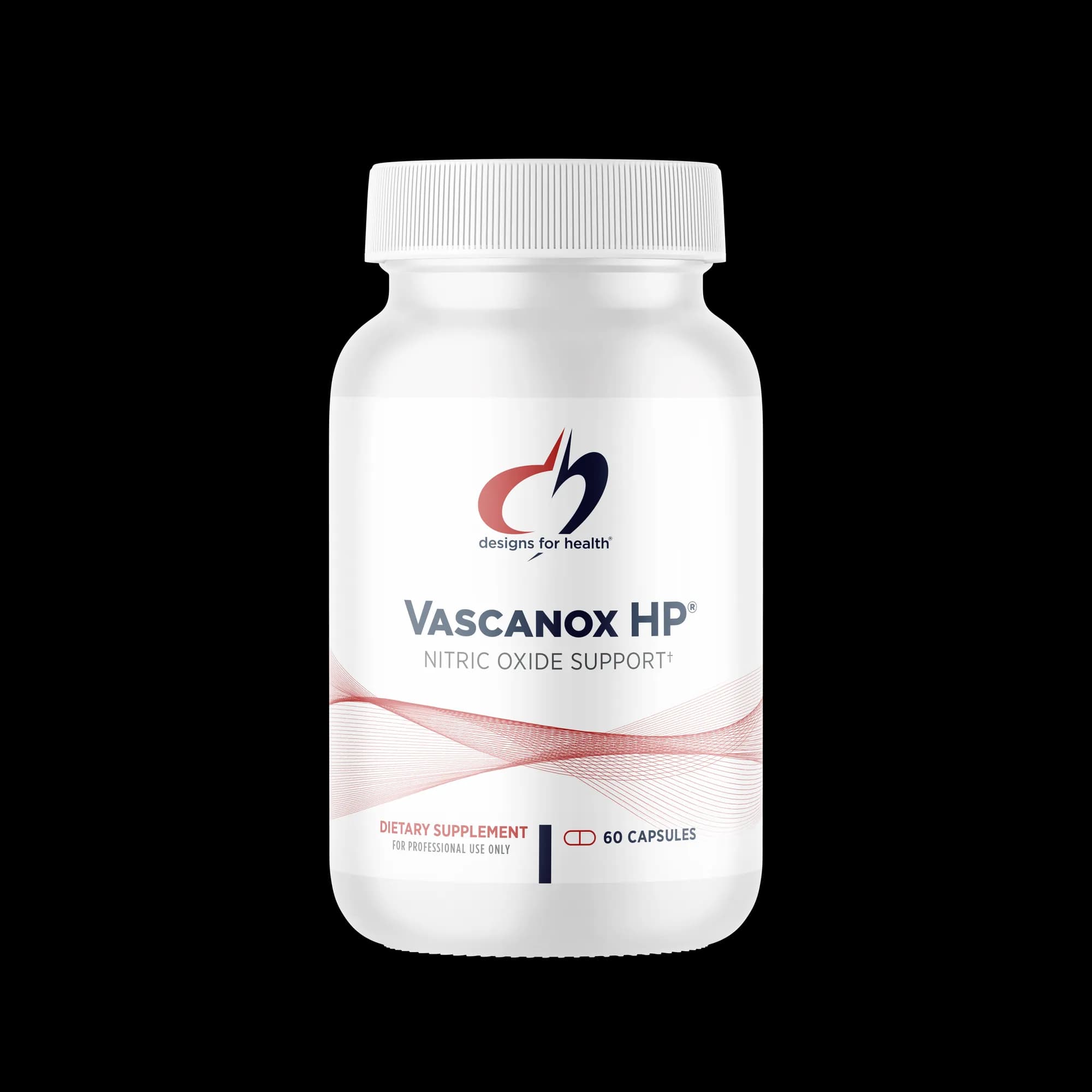
When chronic inflammation, viral persistence, and immune dysregulation damage the endothelium, the body's natural nitric oxide production plummets. This leads to a state of systemic endothelial dysfunction, a condition where blood vessels constrict inappropriately, starving tissues of vital oxygen. This vascular impairment is now recognized as a primary driver of post-exertional malaise (PEM), cognitive dysfunction, and the severe orthostatic intolerance seen in conditions like What is Postural Orthostatic Tachycardia Syndrome (POTS)?. Vascanox HP® by Designs for Health is a targeted cardiovascular supplement meticulously formulated to address this exact physiological deficit. By combining potent beetroot extract, aged black garlic, and essential antioxidant cofactors, this unique blend is designed to bypass damaged enzymatic pathways and directly promote sustained nitric oxide production, offering a science-backed approach to supporting vascular health in complex chronic illness.
TL;DR
Endothelial dysfunction and low nitric oxide drive symptoms in Long COVID, ME/CFS, and POTS.
Vascanox HP® supports vascular health by promoting sustained nitric oxide production via dietary nitrates.
Avoid antibacterial mouthwashes, as they destroy the oral bacteria needed to convert dietary nitrates.
Always consult your doctor before starting, especially if taking blood pressure medications.
What is Vascanox HP®?
The Critical Role of Nitric Oxide in a Healthy Body
To understand the profound impact of Vascanox HP®, we must first explore the fundamental biology of nitric oxide (NO). Nitric oxide is a simple, gaseous signaling molecule composed of one nitrogen atom and one oxygen atom. Despite its structural simplicity, its discovery was so revolutionary to cardiovascular medicine that it was awarded the Nobel Prize in Physiology or Medicine in 1998. In a healthy human body, nitric oxide acts as the primary master regulator of vascular tone. It is continuously synthesized and released by the endothelium, the ultra-thin, single-cell layer that lines the entire interior surface of our circulatory system, from the largest arteries to the smallest microscopic capillaries. This continuous release ensures that blood vessels remain flexible, dilated, and capable of delivering oxygen-rich blood to tissues on demand.
The production of nitric oxide within the endothelium is a highly complex, enzyme-driven process. The primary enzyme responsible for this is endothelial nitric oxide synthase (eNOS). Under healthy conditions, eNOS takes the amino acid L-arginine and, using oxygen and several crucial cofactors like tetrahydrobiopterin (BH4), converts it into L-citrulline and nitric oxide. Once synthesized, nitric oxide rapidly diffuses out of the endothelial cells and directly into the adjacent vascular smooth muscle cells. Because it is a gas, it does not require specialized transport proteins to cross cellular membranes, allowing for an immediate, localized physiological response to changes in blood flow or tissue oxygen demand.
Upon entering the vascular smooth muscle cells, nitric oxide binds to and activates an enzyme called soluble guanylyl cyclase (sGC). This activation triggers the conversion of guanosine triphosphate (GTP) into cyclic guanosine monophosphate (cGMP), a vital secondary messenger. Elevated levels of cGMP subsequently activate protein kinases that lower intracellular calcium concentrations. Because calcium is the primary trigger for muscle contraction, this sudden drop in calcium causes the smooth muscle cells to relax. This relaxation widens the diameter of the blood vessel—a process known as vasodilation—which immediately reduces blood pressure, decreases peripheral vascular resistance, and dramatically increases the volume of oxygen and nutrients delivered to the surrounding tissues.
The Dietary Nitrate-Nitrite-Nitric Oxide Pathway
While the eNOS pathway is the body's primary method for generating nitric oxide, it is highly vulnerable to oxidative stress and inflammation. When a patient suffers from chronic illness, the eNOS enzyme frequently becomes dysfunctional or "uncoupled," meaning it stops producing nitric oxide and instead generates harmful free radicals. Fortunately, human biology possesses a remarkable, secondary backup system for generating nitric oxide: the dietary nitrate-nitrite-nitric oxide pathway. This alternative route operates completely independently of the eNOS enzyme and L-arginine, making it an incredibly valuable therapeutic target for patients whose primary endothelial function has been compromised by post-viral syndromes.
This secondary pathway begins with the consumption of inorganic dietary nitrates ($NO_3^-$), which are naturally abundant in certain root vegetables, most notably beetroot. When dietary nitrates are ingested, they are rapidly absorbed through the upper gastrointestinal tract into the bloodstream. Interestingly, the body actively extracts these circulating nitrates and concentrates them in the salivary glands. When saliva is secreted into the mouth, commensal anaerobic bacteria living on the surface of the tongue perform a crucial biochemical reduction, converting the dietary nitrate into nitrite ($NO_2^-$). This symbiotic relationship with our oral microbiome is an absolute requirement for this pathway to function, highlighting the interconnectedness of our bodily systems.
Once the bacteria have converted the nitrate to nitrite, the nitrite is swallowed and enters the highly acidic environment of the stomach. In the presence of gastric acid, a portion of this nitrite is immediately reduced into nitric oxide gas, which helps protect the stomach lining. The remaining nitrite is absorbed back into the systemic circulation, where it travels throughout the body. In tissues experiencing hypoxia (low oxygen) or high acidity—conditions frequently seen in the muscles of ME/CFS patients during exertion—various proteins and enzymes in the blood and tissues reduce this circulating nitrite into bioavailable nitric oxide. This targeted delivery system ensures that nitric oxide is generated exactly where and when the body needs it most, effectively bypassing the damaged eNOS enzymes.
Vascanox HP®: A Synergistic Approach to Cardiovascular Health
Vascanox HP® is engineered to fully leverage this secondary nitrate pathway while simultaneously providing comprehensive support for the primary eNOS system. At the core of its proprietary blend is a highly concentrated beetroot extract, specifically chosen for its dense, standardized concentration of dietary nitrates. By providing a robust, reliable dose of exogenous nitrates, the supplement directly fuels the nitrate-nitrite-nitric oxide pathway, ensuring a steady, sustained release of nitric oxide throughout the day. This sustained production is critical for patients with chronic autonomic dysfunction, as their bodies struggle to maintain appropriate vascular tone during postural changes or physical exertion.
Beyond beetroot, Vascanox HP® incorporates a specialized black garlic extract. Black garlic is created through a meticulously controlled aging process that fundamentally alters the chemical composition of raw garlic. This process neutralizes the pungent compounds and drastically increases the concentration of highly stable, bioavailable antioxidants, most notably S-allyl-cysteine (SAC). These antioxidants play a dual role: they actively stimulate the body's natural nitric oxide production while simultaneously neutralizing the free radicals that would otherwise destroy nitric oxide before it could be utilized by the blood vessels. This protective mechanism ensures that the nitric oxide generated by the beetroot extract actually survives long enough to induce vasodilation.
To further enhance this protective effect, the formula is enriched with a diverse array of berry extracts, including black currant, bilberry, raspberry, blue honeysuckle, and blueberry. These berries are exceptionally rich in polyphenols and anthocyanins, which are potent plant-based antioxidants. In the context of endothelial dysfunction, these polyphenols act as a biochemical shield, defending the delicate endothelium from oxidative damage and preventing the dangerous chemical reaction where nitric oxide combines with superoxide radicals to form toxic peroxynitrite. By preserving the integrity of the nitric oxide molecule, Vascanox HP® promotes efficient nitric oxide storage and bioavailability, contributing to profound, systemic cardiovascular well-being.
How Long COVID and ME/CFS Impact Endothelial Function
Viral Infection and the ACE2 Receptor Disruption
The connection between chronic post-viral syndromes and severe vascular impairment is one of the most intensely researched areas in modern medicine. In the context of Long COVID, the pathophysiology begins with the acute SARS-CoV-2 infection. The virus gains entry into human cells by binding directly to the Angiotensin-Converting Enzyme 2 (ACE2) receptor, which is highly expressed on the surface of endothelial cells throughout the cardiovascular system. This binding process physically downregulates and depletes the available ACE2 receptors. Under normal circumstances, ACE2 is a protective enzyme that breaks down inflammatory compounds and stimulates the eNOS enzyme to produce nitric oxide. When ACE2 is depleted by the virus, this protective pathway is shattered.
The loss of ACE2 signaling shifts the body's renin-angiotensin system into a state of severe, unbridled oxidative stress and inflammation. The endothelium becomes inflamed—a condition known as endotheliitis—and the eNOS enzyme becomes uncoupled. Instead of producing vasodilating nitric oxide, the uncoupled eNOS begins churning out highly reactive superoxide radicals. This creates a catastrophic vicious cycle: the massive influx of oxidative stress aggressively scavenges and destroys whatever small amount of nitric oxide the body manages to produce. According to a 2025 review in the Journal of Molecular and Cellular Cardiology, this persistent immune dysregulation and oxidative damage are the primary mechanistic drivers of the sustained cardiovascular injury and endothelial dysfunction seen in Long COVID patients.
Without the anti-inflammatory and anti-clotting protection of nitric oxide, the blood becomes hypercoagulable. Nitric oxide normally prevents platelets from sticking together; in its absence, microscopic blood clots, often referred to as fibrin amyloid microclots, begin to form in the bloodstream. These microclots become lodged in the tiny capillaries of the muscles, brain, and organs, physically blocking the delivery of oxygenated blood. This microvascular thrombosis, combined with the inability of the blood vessels to dilate, perfectly explains the crushing fatigue, muscle pain, and severe cellular hypoxia that Long COVID patients experience even after minimal exertion.
The "X-Factor" in ME/CFS Plasma and eNOS Suppression
The vascular pathology seen in Long COVID shares striking similarities with the long-established mechanisms of myalgic encephalomyelitis/chronic fatigue syndrome (ME/CFS). For decades, researchers suspected that ME/CFS was driven by an underlying circulatory defect, but the exact mechanism remained elusive until recent breakthroughs in endothelial research. A landmark 2022 study published in Vascular Pharmacology investigated this by exposing healthy, cultured human endothelial cells to blood plasma taken from severe ME/CFS patients. The results were startling and provided a biological validation for the disease's most debilitating symptoms.
The researchers discovered that the healthy endothelial cells exposed to the ME/CFS plasma produced significantly less nitric oxide compared to cells exposed to plasma from healthy controls. Even when the researchers flooded the cells with compounds specifically designed to stimulate nitric oxide production—such as insulin, bradykinin, and histamine—the nitric oxide generation remained completely tanked. Crucially, the study revealed that the genes responsible for creating the eNOS enzyme were functioning normally; however, the actual activity of the enzyme was being actively suppressed by an unknown, circulating "X-factor" present in the ME/CFS blood. This proved that ME/CFS patients are suffering from an acquired, systemic suppression of nitric oxide synthesis.
This systemic suppression of nitric oxide directly impairs the body's ability to regulate blood flow during physical or cognitive exertion. When a healthy person exercises, their endothelium releases massive amounts of nitric oxide to dilate the arteries and deliver extra oxygen to the working muscles. In ME/CFS, this vasodilation fails to occur. Because the muscles are starved of oxygen, they are forced to switch prematurely to anaerobic respiration, a highly inefficient process that generates lactic acid and leads to rapid cellular energy failure. This precise lack of nitric oxide-mediated vasodilation is a core physiological mechanism underlying post-exertional malaise (PEM), the hallmark symptom of ME/CFS where patients experience severe, delayed crashes following minor exertion.
Localized Nitric Oxide Dysfunction in POTS
In patients with dysautonomia, particularly Postural Orthostatic Tachycardia Syndrome (POTS), the dysfunction of nitric oxide takes on a highly localized and specialized form. POTS is characterized by an inability to tolerate standing upright, resulting in an exaggerated, rapid heart rate and severe blood pooling in the lower extremities. While systemic nitric oxide levels may not be entirely depleted in all POTS patients, research has uncovered profound defects in how nitric oxide is signaled and utilized at the receptor level within specific vascular beds. A 2021 study in the journal Hypertension demonstrated that POTS patients exhibit significantly impaired flow-mediated dilation (FMD) in their conduit arteries, proving a blunted physiological response to nitric oxide.
This localized dysfunction is particularly evident in the microvasculature of the skin and extremities. Researchers have identified that a specific subtype of nitric oxide synthase—neuronal nitric oxide synthase (nNOS)—is frequently defective in the cutaneous micro-vessels of POTS patients. While the endothelial eNOS may be partially functional, the lack of neuronal nitric oxide prevents the peripheral blood vessels from properly constricting and regulating flow when the patient stands up. This failure of microvascular regulation leads directly to dependent acrocyanosis, a common POTS symptom where the legs and feet turn red or purple and become painfully engorged with pooled blood due to gravity.
Furthermore, this localized nitric oxide deficiency extends to the cerebral vasculature, providing a direct biological explanation for the severe cognitive impairment, or "brain fog," experienced by POTS and Long COVID patients. Proper brain function relies on neurovascular coupling—the brain's ability to instantly increase local blood flow to areas of high neuronal activity. Nitric oxide is the primary mediator of this process. Studies utilizing nitric oxide donors have shown that POTS patients have a drastically blunted cerebral blood flow response compared to healthy controls. Because the brain's microvessels are starved of nitric oxide, they physically fail to dilate and deliver oxygen when the patient attempts to concentrate, read, or process information, resulting in profound cognitive fatigue.
Vascanox HP®: Supporting Nitric Oxide Production and Storage
Beetroot Extract and the Exogenous Nitrate Pathway
Given the severe suppression of the primary eNOS enzyme in chronic post-viral illnesses, therapeutic strategies must focus on bypassing this damaged system. Vascanox HP® achieves this by delivering a highly concentrated, standardized dose of dietary nitrates derived from premium beetroot extract. When a patient consumes this extract, they are directly fueling the secondary nitrate-nitrite-nitric oxide pathway. Because this pathway does not rely on the dysfunctional eNOS enzyme or the depleted L-arginine reserves, it provides a reliable, guaranteed method for generating bioavailable nitric oxide, even in the presence of severe systemic inflammation and viral persistence.
The conversion of these beetroot-derived nitrates is a carefully orchestrated biochemical cascade. Once the oral microbiome reduces the nitrates to nitrites, these nitrites circulate in the bloodstream, acting as a stable, circulating reservoir of potential nitric oxide. This is particularly crucial for patients with ME/CFS and Long COVID, as the conversion of nitrite to active nitric oxide is naturally accelerated in environments that are hypoxic (low oxygen) and acidic. Therefore, when a patient attempts physical exertion and their muscles begin to experience oxygen starvation and lactic acid buildup, the circulating nitrites are rapidly converted into nitric oxide exactly at the site of the struggling tissue, forcing localized vasodilation and restoring critical blood flow.
This targeted, demand-driven release of nitric oxide is a game-changer for managing post-exertional malaise. By ensuring that the microvasculature can dilate appropriately under stress, the beetroot extract helps delay the onset of anaerobic respiration, reducing the toxic buildup of cellular metabolites that trigger severe crashes. Furthermore, the sustained release profile of the beetroot extract ensures that nitric oxide levels remain elevated for hours after ingestion, providing ongoing cardiovascular support and helping to stabilize the erratic autonomic responses seen in dysautonomia and POTS.
Black Garlic Extract, S-allyl-cysteine, and ACE Inhibition
While generating new nitric oxide is essential, it is equally important to protect that nitric oxide from immediate destruction by oxidative stress. This is where the aged black garlic extract in Vascanox HP® plays a pivotal role. Through the controlled aging and Maillard reaction process, raw garlic is transformed into black garlic, yielding exceptionally high concentrations of a unique, sulfur-containing antioxidant known as S-allyl-cysteine (SAC). Unlike many traditional antioxidants, SAC is highly stable, incredibly bioavailable, and capable of penetrating deep into the endothelial tissues where oxidative damage is most severe.
At the cellular level, SAC acts as a potent scavenger of reactive oxygen species (ROS), specifically targeting the superoxide radicals that aggressively neutralize nitric oxide. By clearing these destructive free radicals from the bloodstream, the black garlic extract effectively extends the half-life of the newly generated nitric oxide, allowing it to successfully reach the vascular smooth muscle cells and trigger vasodilation. A 2023 triple-blind clinical trial published in Nutrients demonstrated that supplementation with standardized black garlic extract significantly increased systemic antioxidant capacity while simultaneously boosting blood nitric oxide levels by over 10 µM.
In addition to its antioxidant prowess, black garlic extract possesses a remarkable ability to modulate the renin-angiotensin system. Clinical studies have shown that the bioactive compounds in black garlic act as natural inhibitors of the Angiotensin-Converting Enzyme (ACE). ACE is responsible for producing angiotensin II, a potent vasoconstrictor that drives up blood pressure and promotes vascular inflammation. By gently inhibiting ACE activity, the black garlic extract in Vascanox HP® reduces the baseline constrictive tone of the blood vessels, working synergistically with the vasodilating effects of the beetroot-derived nitric oxide to promote profound, sustained cardiovascular relaxation and healthy blood pressure regulation.
Berry Polyphenols and Antioxidant Defense
To create a truly comprehensive endothelial support system, Vascanox HP® incorporates a proprietary blend of dark berry extracts, including black currant, bilberry, raspberry, blue honeysuckle, and blueberry. These specific fruits were selected for their exceptionally high concentrations of anthocyanins and polyphenols. In the context of chronic illness and mast cell activation syndrome (MCAS), the endothelium is constantly bombarded by inflammatory cytokines and oxidative stress. The berry polyphenols act as a broad-spectrum biochemical shield, embedding themselves in the endothelial cell membranes and intercepting free radicals before they can cause structural damage to the blood vessels.
One of the most critical functions of these berry polyphenols is the prevention of peroxynitrite formation. When nitric oxide is produced in a highly inflamed environment, it can rapidly react with superoxide radicals to form peroxynitrite, an incredibly toxic and destructive molecule that physically damages DNA, proteins, and the eNOS enzyme itself. By aggressively neutralizing superoxide radicals, the anthocyanins in the berry blend ensure that the nitric oxide generated by the beetroot and black garlic remains in its beneficial, vasodilatory form, rather than being twisted into a weapon of oxidative destruction.
Furthermore, research suggests that specific polyphenols found in black currant and bilberry can directly stimulate the phosphorylation and activation of the eNOS enzyme. While the primary eNOS system may be suppressed in Long COVID and ME/CFS, it is rarely completely destroyed. By providing targeted botanical stimulation alongside massive antioxidant protection, the berry extracts in Vascanox HP® help coax the body's native nitric oxide production systems back online, promoting long-term endothelial healing and restoring the natural resilience of the cardiovascular system.
Essential Cofactors: Vitamin C, Magnesium, and B12
The efficacy of Vascanox HP® is further amplified by the inclusion of precise, clinical doses of essential vitamins and minerals that act as critical cofactors for endothelial health. The formula includes 180 mg of Vitamin C (as Magnesium and Zinc Ascorbate). Vitamin C is not merely a general antioxidant; it plays a highly specific, mechanistic role in nitric oxide synthesis. It is required to stabilize and recycle tetrahydrobiopterin (BH4), the absolute most critical cofactor for the eNOS enzyme. Without adequate Vitamin C, BH4 oxidizes and degrades, causing the eNOS enzyme to become uncoupled and produce destructive superoxide instead of nitric oxide. By maintaining optimal Vitamin C levels, Vascanox HP® ensures the eNOS machinery has the necessary components to function correctly. You can learn more about the vascular benefits of this nutrient in our guide to Acerola Vitamin C and Bioflavonoids.
The supplement also provides 125 mg of Magnesium, a mineral that is notoriously deficient in patients with chronic fatigue and dysautonomia. Magnesium acts directly on the vascular smooth muscle cells, regulating the calcium channels that control muscle contraction. By preventing excessive calcium influx, magnesium works hand-in-hand with nitric oxide to promote deep, sustained vasodilation and prevent the painful vascular spasms often seen in microvascular disease. Additionally, magnesium is an essential cofactor for the production of adenosine triphosphate (ATP), supporting the massive energy demands of a healing cardiovascular system.
Finally, the inclusion of Vitamin B12 (as Methylcobalamin) and Thiamin provides crucial support for the nervous system and vascular methylation pathways. Methylcobalamin is essential for the breakdown of homocysteine, a toxic amino acid that physically scars the endothelial lining and severely impairs nitric oxide production when allowed to accumulate. By supporting efficient methylation, the B12 in Vascanox HP® helps maintain the structural integrity of the blood vessels, ensuring they remain smooth, flexible, and fully capable of responding to the vasodilatory signals generated by the beetroot and black garlic extracts.

Symptoms Vascanox HP® May Help Manage
Cardiovascular and Autonomic Symptoms
Because Vascanox HP® directly targets the foundational mechanisms of vascular tone and blood flow, it can be a powerful tool for managing the complex autonomic symptoms associated with chronic post-viral illnesses. By restoring nitric oxide bioavailability, the supplement addresses the root cause of many cardiovascular manifestations.
Tachycardia and Palpitations: In conditions like POTS, the heart often races to compensate for poor blood return from the lower body. By improving endothelial function and promoting healthy vasodilation, Vascanox HP® helps normalize peripheral vascular resistance, which can reduce the compensatory strain on the heart and help calm a hyperactive sympathetic nervous system.
Acrocyanosis and Blood Pooling: The localized failure of neuronal nitric oxide in the extremities leads to severe blood pooling, where the legs turn purple and heavy upon standing. The sustained nitric oxide production from beetroot extract helps restore proper microvascular regulation, improving venous return and reducing the painful engorgement of the lower limbs.
Blood Pressure Dysregulation: For patients experiencing erratic blood pressure swings or hypertension driven by vascular stiffness, the ACE-inhibiting properties of black garlic extract, combined with the relaxing effects of nitric oxide, promote smoother, more stable blood pressure control throughout the day.
Cognitive and Energy Symptoms
The brain and the muscular system are incredibly greedy for oxygen. When endothelial dysfunction impairs blood flow, these systems are the first to suffer, leading to the hallmark neurological and energetic symptoms of ME/CFS and Long COVID.
Brain Fog and Cognitive Impairment: Cognitive fatigue is directly linked to neurovascular uncoupling—the brain's inability to dilate local blood vessels to meet the demands of thinking. By boosting systemic nitric oxide, Vascanox HP® supports cerebral vasodilation, helping to restore oxygen and nutrient delivery to the brain's microvasculature, thereby sharpening focus and reducing mental fatigue.
Post-Exertional Malaise (PEM): PEM is triggered when muscles are forced into anaerobic respiration due to a lack of oxygenated blood during exertion. The demand-driven conversion of nitrites to nitric oxide in hypoxic tissues helps keep the muscular capillary beds open during activity, delaying the anaerobic threshold and reducing the severity of post-exertional crashes.
Severe, Unrelenting Fatigue: Chronic cellular hypoxia is a primary driver of systemic fatigue. By globally improving endothelial health and reducing the oxygen cost of basic physical activities, the synergistic blend in Vascanox HP® helps conserve the body's limited energy reserves, similar to the mitochondrial support provided by CoQ10.
Systemic and Inflammatory Symptoms
Beyond blood flow, nitric oxide is a master regulator of inflammation and cellular defense. Restoring its levels can have profound downstream effects on the body's overall inflammatory burden.
Exercise Intolerance: Patients with endothelial dysfunction often find that even mild movement feels impossibly heavy. Dietary nitrates have been clinically proven to reduce the oxygen cost of exercise, making basic daily activities like walking or climbing stairs feel less physically demanding and more sustainable.
Endothelial Inflammation (Endotheliitis): Nitric oxide naturally prevents white blood cells (leukocytes) from adhering to the vascular walls. By restoring NO levels and providing massive antioxidant support via berry polyphenols and black garlic, Vascanox HP® helps soothe the inflamed, sticky endothelium, reducing systemic vascular inflammation.
Cold Hands and Feet: Poor peripheral microcirculation leaves the extremities feeling ice-cold. By forcing the tiny capillaries in the hands and feet to dilate, the sustained nitric oxide release helps restore warmth and healthy perfusion to the body's furthest reaches.
Practical Considerations: Forms, Dosing, and Absorption
Optimal Dosing and the Importance of the Oral Microbiome
To achieve the maximum cardiovascular benefits from Vascanox HP®, proper dosing and administration are crucial. The suggested use is to take 1-2 capsules in the morning, or as directed by your healthcare practitioner. Taking the supplement in the morning aligns with the body's natural circadian rhythms and ensures that the sustained release of nitric oxide is available throughout the active hours of the day, providing critical support when the cardiovascular system is most heavily taxed by orthostatic stress and physical movement. Because the formula relies on a synergistic blend of water-soluble vitamins and plant extracts, it is generally well-absorbed, though taking it with a light meal can help prevent any potential gastrointestinal sensitivity.
However, the most critical practical consideration when taking Vascanox HP® involves the oral microbiome. As detailed earlier, the conversion of the beetroot-derived dietary nitrates into nitrites is entirely dependent on the commensal anaerobic bacteria living on the surface of the tongue. Therefore, the use of antiseptic, antibacterial mouthwashes (such as those containing chlorhexidine) will completely neutralize the primary mechanism of this supplement. These harsh mouthwashes indiscriminately kill the essential nitrate-reducing bacteria, halting the biochemical pathway in its tracks and preventing the generation of nitric oxide. Patients utilizing Vascanox HP® must switch to microbiome-friendly oral care products to ensure the supplement can function as intended.
Additionally, the conversion process takes time. After ingesting the capsules, the dietary nitrates must be absorbed, concentrated in the saliva, reduced by bacteria, swallowed, and finally converted to nitric oxide in the stomach and tissues. Peak plasma levels of nitrites and nitric oxide typically occur between 2 to 3 hours after ingestion. Patients should factor this pharmacokinetic timeline into their daily routines, particularly if they are taking the supplement to help manage orthostatic intolerance or to pre-emptively support their vascular system before planned physical or cognitive exertion.
Measuring Nitric Oxide Status with Test Strips
One of the unique advantages of targeting the nitrate-nitrite-nitric oxide pathway is that it allows for objective, at-home monitoring. Because the body concentrates the dietary nitrates and nitrites in the saliva during the conversion process, salivary testing provides a highly accurate, real-time reflection of systemic nitric oxide bioavailability. It is highly recommended to use Nitric Oxide Test Strips in conjunction with Vascanox HP® to measure and track your personal nitric oxide status.
To use these strips effectively, patients should establish a baseline by testing their saliva first thing in the morning, prior to eating, drinking, or brushing their teeth. The test strip will change color based on the concentration of nitrites present, indicating whether the body is depleted, low, or optimal. After beginning supplementation with Vascanox HP®, patients can re-test their saliva 2 to 3 hours post-ingestion to visually confirm that the supplement is successfully elevating their nitric oxide levels. This immediate biochemical feedback is incredibly validating for patients with invisible illnesses, providing tangible proof that the therapeutic intervention is actively altering their physiology.
Regular monitoring also allows patients and their healthcare providers to dial in the optimal dosage. If a patient takes one capsule but their test strips consistently show suboptimal levels, they may need to increase the dose to two capsules or evaluate their oral hygiene routine to ensure they are not inadvertently destroying their oral microbiome. Conversely, if optimal levels are easily maintained, the patient can confidently continue their current regimen, knowing their endothelium is receiving the support it needs.
Potential Interactions and Safety Precautions
While Vascanox HP® is formulated from natural, food-derived ingredients and essential nutrients, its profound ability to influence vascular tone means it must be used with appropriate clinical caution. The primary physiological effect of nitric oxide is vasodilation, which inherently lowers blood pressure. Therefore, the most significant potential side effect is symptomatic hypotension (low blood pressure). Patients who already struggle with severe, unmanaged low blood pressure should approach this supplement carefully, starting with the lowest possible dose and monitoring their vitals closely.
Crucially, Vascanox HP® can interact synergistically with prescription medications designed to alter blood flow or blood pressure. Patients taking pharmaceutical antihypertensives (blood pressure-lowering drugs) must consult their healthcare provider before starting this supplement, as the combination could lead to an unsafe drop in blood pressure, requiring a medication adjustment. Similarly, the supplement should be used with extreme caution or avoided entirely by individuals taking PDE5 inhibitors (such as sildenafil or tadalafil), as these drugs also act on the nitric oxide-cGMP pathway, and combining them can cause profound, dangerous hypotensive episodes.
Finally, because the formula contains concentrated beetroot extract, patients with a history of calcium oxalate kidney stones should consult their doctor, as beets are naturally high in oxalates. However, for the vast majority of patients dealing with the endothelial dysfunction of Long COVID and ME/CFS, Vascanox HP® offers a highly tolerable, exceptionally safe, and targeted nutritional intervention that works in harmony with the body's natural healing mechanisms.

Follow the Science
Clinical Trials on Beetroot and Cardiovascular Health
The cardiovascular benefits of the dietary nitrate pathway, specifically derived from beetroot extract, are supported by a massive and robust body of clinical literature. Over the past decade, researchers have definitively proven that bypassing the dysfunctional eNOS enzyme via exogenous nitrates leads to profound improvements in vascular health. A comprehensive 2022 systematic review and meta-analysis published in Nutrition Research Reviews evaluated the effects of beetroot juice on patients with arterial hypertension. The analysis concluded that beetroot supplementation consistently yielded significant reductions in both systolic and diastolic blood pressure, confirming its efficacy as a potent, natural vasodilator.
More recently, a 2025 randomized controlled trial published in the American Journal of Physiology investigated the effects of a 12-week nitrate-rich beetroot extract intervention on postmenopausal women—a demographic that naturally experiences severe declines in nitric oxide bioavailability. The researchers utilized advanced ultrasound techniques to measure flow-mediated dilation (FMD) and discovered that the beetroot extract significantly improved femoral artery FMD and increased skeletal muscle microvascular reactivity. This directly proves that standardized beetroot extracts can successfully restore the structural flexibility and responsiveness of aging or damaged blood vessels.
Black Garlic Extract and Blood Pressure Regulation
The inclusion of aged black garlic extract in Vascanox HP® is equally grounded in rigorous clinical science. The unique antioxidant profile of black garlic, particularly its high concentration of S-allyl-cysteine (SAC), has been the subject of numerous trials investigating its cardioprotective properties. A landmark 2023 triple-blind, placebo-controlled trial published in Nutrients tracked patients with Grade-1 hypertension who were already taking prescription blood pressure medications but failing to achieve normal ranges.
The patients receiving the standardized black garlic extract experienced an additional, statistically significant reduction in both systolic and diastolic blood pressure compared to the placebo group. Crucially, the researchers drew blood to analyze the exact biochemical mechanisms at play. They found that the black garlic supplementation increased blood nitric oxide levels by an impressive 10.3 µM, while simultaneously decreasing the activity of the vasoconstricting Angiotensin-Converting Enzyme (ACE) by -9.3 U/L. This trial beautifully illustrates the dual-action mechanism of black garlic: boosting protective nitric oxide while simultaneously suppressing inflammatory vasoconstriction.
Endothelial Dysfunction in Post-Viral Syndromes
The application of these cardiovascular supplements to chronic post-viral illnesses is supported by emerging research that definitively links these conditions to severe endothelial impairment. A pivotal 2022 study funded by ME Research UK directly compared the vascular function of ME/CFS patients, Long COVID patients, and healthy controls using flow-mediated dilation (FMD). The researchers found that both the ME/CFS and Long COVID groups displayed profound and nearly identical impairments in endothelial function, heavily reinforcing the theory that a shared mechanism of nitric oxide deficiency underlies both post-viral conditions.
Similarly, the localized nitric oxide dysfunction seen in dysautonomia has been thoroughly documented. A 2021 study published in Hypertension evaluated POTS patients and found their FMD was significantly lower (6.23%) compared to healthy controls (10.6%), proving a blunted physiological response to nitric oxide in the conduit arteries. Furthermore, research by Del Pozzi and Stewart (2014) demonstrated that POTS patients suffer from decreased bioavailability of nitric oxide in their cerebral vascular beds, directly linking the lack of NO-mediated vasodilation to the debilitating symptom of "brain fog." Together, this science paints a clear picture: restoring nitric oxide is a critical therapeutic target for post-viral recovery.
The Path Forward
Validating the Vascular Reality of Chronic Illness
Living with Long COVID, ME/CFS, or dysautonomia often means enduring a barrage of invisible, unpredictable, and profoundly debilitating symptoms. For too long, patients have been told that their crushing fatigue, racing hearts, and cognitive fog were simply manifestations of anxiety or deconditioning. The emerging science surrounding endothelial dysfunction and nitric oxide deficiency shatters this gaslighting. It provides concrete, biological validation that your symptoms are rooted in a physical, measurable impairment of the cardiovascular system. The blood vessels are struggling to dilate, the tissues are starved of oxygen, and the cellular engines are stalling. Understanding this mechanism is the first crucial step toward reclaiming your health and finding targeted, effective management strategies.
Integrating Vascanox HP® into a Comprehensive Plan
While Vascanox HP® offers a powerful, scientifically grounded approach to restoring nitric oxide and supporting endothelial health, it is important to remember that no single supplement is a cure-all for complex chronic illness. True healing requires a comprehensive, multi-disciplinary approach. Vascanox HP® works best when integrated into a broader management plan that includes aggressive radical rest, meticulous symptom tracking, and strict pacing to avoid triggering the anaerobic threshold and post-exertional malaise. By combining the biochemical support of exogenous nitrates and potent antioxidants with behavioral strategies that conserve energy, patients can create an environment where the endothelium finally has the opportunity to repair and regenerate.
Furthermore, managing these conditions requires addressing the interconnected web of systemic inflammation. This may involve exploring complementary therapies for comorbid conditions, such as utilizing mast cell stabilizers for MCAS, optimizing hydration and electrolyte intake for POTS, or incorporating mitochondrial support supplements to aid cellular energy production. Always work closely with a dysautonomia-literate or Long COVID-literate healthcare provider to tailor these interventions to your specific physiological needs and to ensure they safely complement your existing treatment protocols.
Next Steps for Your Health Journey
If you are struggling with the debilitating effects of poor circulation, cognitive fatigue, and orthostatic intolerance, supporting your body's nitric oxide pathways may offer a vital piece of the puzzle. By leveraging the synergistic power of beetroot extract, aged black garlic, and protective berry polyphenols, Vascanox HP® provides a targeted, demand-driven solution to endothelial dysfunction. We encourage you to discuss this innovative formulation with your medical team to determine if it aligns with your recovery goals.