Can Th2 Modulator Support Immune Balance in Long COVID, ME/CFS, and MCAS?
March 6, 2026
Th2 ModulatorImmune SupportLong COVID
Share:
Disclaimer: The information provided here is for educational purposes only and is not intended as medical advice. It should not be used to diagnose, treat, cure, or prevent any medical condition. Instead, use it as a starting point for discussion with your healthcare provider. Always consult with a qualified healthcare provider before starting any new medication, supplement, device, or making changes to your health regimen.
When navigating the complex landscape of chronic illnesses like Long COVID, Myalgic Encephalomyelitis/Chronic Fatigue Syndrome (ME/CFS), and Mast Cell Activation Syndrome (MCAS), patients often encounter a bewildering array of symptoms that seem disconnected. From profound, debilitating fatigue and brain fog to sudden allergic-type reactions, gastrointestinal distress, and respiratory issues, the daily reality can feel like an unpredictable storm. However, modern immunological research is increasingly pointing toward a unifying underlying mechanism: profound immune dysregulation, specifically a disruption in the delicate balance between different types of immune cells. This is where targeted nutritional support, such as the Th2 Modulator, comes into the clinical conversation.
The immune system is not a single entity but a highly orchestrated network of cells, chemical messengers, and feedback loops. In a healthy body, this system seamlessly toggles between different modes of defense to neutralize threats and then returns to a state of calm homeostasis. But in conditions like Long COVID and ME/CFS, this system can become stuck in a hyperactive, imbalanced state, leading to chronic inflammation and tissue damage. By understanding the cellular mechanisms driving this dysfunction, we can explore how specific, science-backed compounds—like N-acetyl-l-cysteine (NAC), quercetin, Perilla extract, and Astragalus—work synergistically to help restore immune equilibrium, support mucosal health, and improve quality of life for those battling invisible illnesses.
TL;DR
Th2 Modulator supports immune balance by targeting the Th1/Th2 pathway in chronic conditions.
Ingredients like NAC and quercetin may help stabilize mast cells and replenish antioxidants.
Botanical extracts Astragalus and Perilla support mucosal health and adaptogenic immune responses.
Always consult a healthcare provider before starting new supplements, especially with existing medications.
What is Th2 Modulator?
To understand the purpose of Th2 Modulator, we must first look at the natural function of the adaptive immune system, specifically the role of T-helper cells. T-helper cells are the "generals" of the immune army, directing other cells on how to respond to a threat by releasing chemical messengers called cytokines. These cells generally differentiate into two primary phenotypes: Th1 and Th2. Th1 cells drive cell-mediated immunity, which is crucial for identifying and destroying intracellular pathogens like viruses and certain bacteria. They secrete pro-inflammatory cytokines such as Interferon-gamma (IFN-γ) and Interleukin-2 (IL-2), which activate macrophages and Natural Killer (NK) cells to clear the infection.
Conversely, Th2 cells drive humoral, or antibody-mediated, immunity. This pathway is designed to combat extracellular threats, such as parasites, and is heavily involved in allergic responses. Th2 cells secrete a different set of cytokines, including IL-4, IL-5, and IL-13, which stimulate B-cells to produce antibodies (like IgE) and activate eosinophils and mast cells. In a healthy, resilient immune system, there is a dynamic, seesaw-like balance between Th1 and Th2 responses. When a virus invades, the Th1 response spikes to clear it, temporarily suppressing the Th2 response. Once the threat is neutralized, regulatory T-cells (Tregs) step in to cool down the inflammation, and the system returns to a balanced baseline.
However, chronic stress, aging, environmental toxins, and severe viral infections can disrupt this delicate equilibrium. When the immune system fails to reset, it can become "skewed" or stuck in a state of dominance. A chronic Th2 dominance, for example, leaves the body highly susceptible to allergic reactions, mucosal inflammation, and overactive mast cells, while simultaneously suppressing the Th1 antiviral defenses. This imbalance is a hallmark of many chronic, complex conditions, making the modulation of these pathways a critical target for therapeutic intervention.
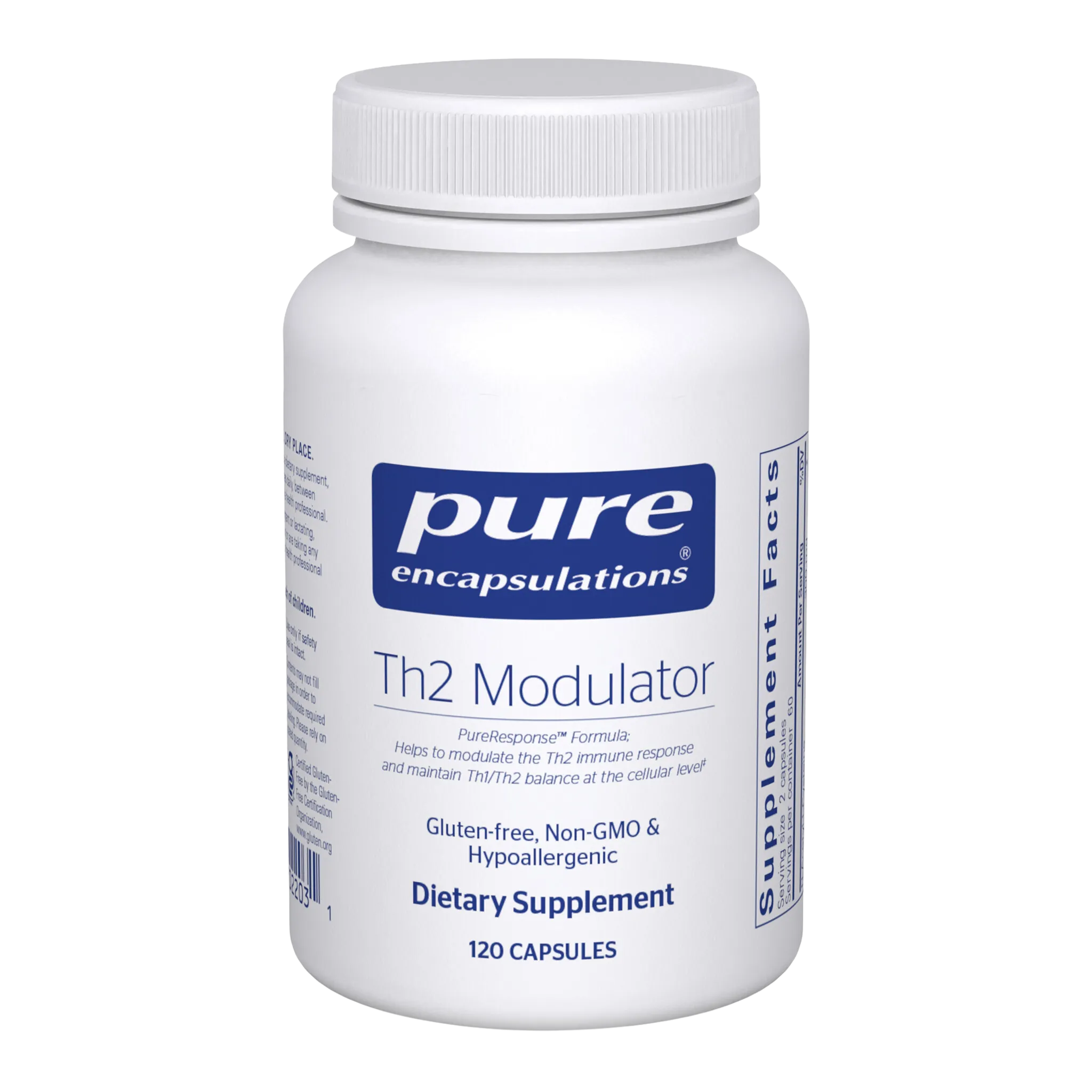
Th2 Modulator by Pure Encapsulations is a specialized dietary supplement formulated to support this critical Th1/Th2 balance at the cellular level. Rather than acting as a blunt immune stimulant—which could inadvertently worsen autoimmune or hyper-inflammatory symptoms—this formula is designed to act as an immune "thermostat." It provides a carefully selected blend of botanical extracts and amino acid derivatives that work synergistically to modulate the immune response, downregulate excessive Th2 cytokines, and support mucosal tissue health. The formula contains four key ingredients: N-acetyl-l-cysteine (NAC), quercetin, Perilla frutescens extract, and Astragalus membranaceus extract.
Each of these ingredients targets a different aspect of the immune cascade. NAC serves as a crucial precursor to glutathione, the body's master antioxidant, which dictates the intracellular redox state and directly influences whether immune cells default to a Th1 or Th2 phenotype. Quercetin, a potent bioflavonoid, acts as a natural stabilizer for mast cells, helping to prevent the erratic release of histamine and inflammatory mediators that characterize a hyperactive Th2 response. Together, these compounds provide a foundational layer of cellular protection, helping to quench the oxidative stress that drives chronic immune dysfunction.
Complementing this antioxidant base are the botanical extracts of Perilla and Astragalus. Perilla seed extract has a long history of use in traditional medicine and is rich in rosmarinic acid and luteolin, compounds known to specifically suppress Th2 cytokines like IL-5 and IL-13, thereby supporting respiratory and gastrointestinal mucosal health. Astragalus root extract acts as a bidirectional adaptogen, fine-tuning the immune microenvironment by interacting with specific receptors on macrophages to either boost suppressed Th1 defenses or calm overactive Th2 inflammation, depending on what the body needs to restore homeostasis.
The ultimate goal of the Th2 Modulator formula is not to suppress the immune system, but to restore its natural intelligence and flexibility. By addressing the root biochemical pathways that govern cytokine production, this supplement helps to break the vicious cycles of chronic inflammation and oxidative stress. When the Th1/Th2 balance is restored, the immune system can more effectively manage latent viral threats without triggering the systemic, allergic-type cascades that cause debilitating daily symptoms.
Furthermore, the modulation of Th2 status offers profound support for self-tissue response and mucosal health. The mucosal linings of the respiratory, urinary, and intestinal tracts are the body's first line of defense against environmental factors. When Th2 cytokines are elevated, these tissues become hyper-reactive, leading to symptoms like chronic sinus congestion, gut permeability, and food sensitivities. By promoting healthy modulation of these mucosal immune responses, Th2 Modulator helps to fortify these vital barriers, contributing to overall systemic resilience and comfort.
How Long COVID and MCAS Impact Immune Balance
In conditions like Long COVID and ME/CFS, the immune system's inability to clear a pathogen or reset after an infection leads to profound physiological consequences. When an individual is infected with a virus like SARS-CoV-2 or Epstein-Barr Virus (EBV), the body mounts a vigorous Th1 response. However, if the virus persists in tissue reservoirs, or if the initial inflammatory cascade causes extensive collateral damage, the immune system remains locked in a state of high alert. Over time, the continuous demand placed on T-cells to fight this perceived ongoing threat leads to a phenomenon known as T-cell exhaustion. Exhausted T-cells lose their ability to produce vital Th1 cytokines like IFN-γ and begin expressing inhibitory receptors, rendering them ineffective.
As the Th1 antiviral defense weakens due to exhaustion, the immune system often undergoes a compensatory shift toward a Th2-dominant state. This Th1-to-Th2 shift is a well-documented feature of ME/CFS and is increasingly recognized in the pathophysiology of Long COVID. Without a robust Th1 response to keep latent intracellular viruses in check, patients frequently experience viral reactivations, which further strain the immune system. This creates a relentless cycle: viral reactivation triggers systemic inflammation, which deepens T-cell exhaustion, which in turn allows for further viral persistence and immune dysregulation.
Recent comparative studies have shown that ME/CFS and Long COVID share virtually identical immune signatures, characterized by depleted Natural Killer (NK) cells, reduced CD8+ T-cells, and simultaneously elevated pro-inflammatory and anti-inflammatory cytokines. This "pathogenic bystander activation" means the immune system is misfiring in all directions, causing widespread neuroinflammation, profound fatigue, and the characteristic post-exertional malaise (PEM) that leaves patients bedbound after minor physical or cognitive exertion.
A direct consequence of a Th2-skewed immune system is the hyperactivation of mast cells, leading to Mast Cell Activation Syndrome (MCAS). Mast cells are packed with inflammatory mediators, including histamine, tryptase, and leukotrienes. In a Th2-dominant environment, elevated levels of cytokines like IL-4 and IL-5 stimulate the production of IgE antibodies, which bind to receptors on mast cells, making them exquisitely sensitive to environmental triggers, foods, and even physical stress. Furthermore, SARS-CoV-2 is known to directly bind to and activate mast cells, initiating a "mast cell storm" that can persist long after the acute infection has resolved.
When these destabilized mast cells degranulate (burst), they release a flood of chemicals into the bloodstream and surrounding tissues. This systemic histamine release drives a myriad of debilitating symptoms, including brain fog, tachycardia (often diagnosed as Postural Orthostatic Tachycardia Syndrome, or POTS), shortness of breath, gastrointestinal distress, and unpredictable allergic-type rashes. The constant bombardment of tissues by mast cell mediators further perpetuates the Th2 shift, creating a self-sustaining loop of allergic inflammation and systemic dysfunction that is incredibly difficult to break without targeted intervention.
This interconnected web of immune dysfunction highlights why managing Long COVID or ME/CFS is rarely as simple as taking a single medication. The overlap between Long COVID, MCAS, and dysautonomia requires a comprehensive approach that addresses the root cause: the loss of immune homeostasis. By stabilizing mast cells and gently nudging the immune system away from a hyperactive Th2 state, we can begin to calm the systemic inflammation and provide the body with the biological breathing room it needs to heal.
Underpinning both T-cell exhaustion and mast cell hyperactivation is a severe state of chronic oxidative stress. When the immune system is constantly battling, it produces high levels of Reactive Oxygen Species (ROS) as a byproduct of cellular metabolism and inflammatory signaling. In a healthy body, these free radicals are neutralized by endogenous antioxidants, primarily glutathione. However, in chronic illnesses like Long COVID and ME/CFS, the sheer volume of ROS rapidly depletes the body's glutathione reserves. This redox imbalance has catastrophic effects on immune function.
Intracellular glutathione levels within Antigen-Presenting Cells (like macrophages) directly dictate the Th1/Th2 balance. When glutathione is depleted, these cells cannot produce IL-12, a cytokine essential for polarizing naive T-cells into the protective Th1 phenotype. Instead, the immune system defaults to a Th2 response. This means that oxidative stress is not just a symptom of chronic illness; it is a fundamental driver of the very immune dysregulation that keeps patients sick. The depletion of glutathione also impairs mitochondrial function, leading to the severe cellular energy deficits and debilitating fatigue that define these complex conditions.
Furthermore, oxidative stress activates NF-κB, a master transcription factor that turns on the genes for pro-inflammatory cytokines. This leads to a continuous, smoldering fire of systemic inflammation that damages the endothelial lining of blood vessels, contributing to microclots and impaired oxygen delivery to tissues. Breaking this vicious cycle requires more than just resting; it requires targeted nutritional interventions that can replenish intracellular antioxidants, neutralize ROS, and switch off the inflammatory signaling pathways at the molecular level.
Th2 Modulator: Supporting Immune and Mucosal Function
N-acetyl-l-cysteine (NAC) is a powerful amino acid derivative that serves as the cornerstone of the Th2 Modulator formula. Its primary mechanism of action is acting as a direct precursor to L-cysteine, which is the rate-limiting building block for the synthesis of glutathione, the body's master intracellular antioxidant. In chronic illnesses where oxidative stress has severely depleted glutathione pools, oral NAC supplementation rapidly replenishes these vital reserves. By restoring the intracellular redox buffer, NAC provides the essential biochemical foundation required for immune cells to function correctly and resist exhaustion.
The replenishment of glutathione by NAC has a profound, direct impact on the Th1/Th2 balance. As previously discussed, high intracellular glutathione levels in macrophages promote the secretion of IL-12, which is necessary to drive a robust Th1 antiviral response. By rescuing this pathway, NAC acts as a sophisticated immunomodulator, helping to shift the immune system away from a dysfunctional, hyper-allergic Th2 state and back toward a protective Th1 equilibrium. This is particularly crucial for patients dealing with latent viral reactivations, as it helps restore the cellular immunity needed to keep these pathogens dormant.
Beyond its role in immune polarization, NAC is widely recognized for its potent mucolytic properties. It works by breaking the disulfide bonds in highly cross-linked mucus glycoproteins, effectively thinning thick, tenacious mucus in the respiratory and gastrointestinal tracts. For patients with Long COVID or MCAS who suffer from chronic sinus congestion, post-nasal drip, or respiratory inflammation, NAC provides dual support: it physically clears the airways while simultaneously quenching the local oxidative stress that drives mucosal inflammation.
Quercetin is a naturally occurring polyphenol and bioflavonoid renowned for its potent antioxidant and immune-modulating properties. In the context of Th2 dominance and MCAS, quercetin's most valuable mechanism of action is its ability to act as a natural mast cell stabilizer. It achieves this at the molecular level by blocking the intracellular influx of calcium ions required for mast cells to degranulate. By physically stabilizing the mast cell's lipid bilayer membrane, quercetin helps prevent the erratic and explosive release of histamine, leukotrienes, and tryptase into the bloodstream.
This stabilization is critical for interrupting the allergic cascades that drive systemic symptoms in Long COVID and dysautonomia. By stopping histamine release at the source, quercetin provides upstream protection that complements the downstream effects of traditional H1 and H2 antihistamines. Furthermore, studies suggest quercetin directly improves a skewed Th1/Th2 imbalance by reducing Th2-associated cytokines like IL-4 and IL-5, while downregulating the pro-inflammatory NF-κB signaling pathway. This dual action—stabilizing mast cells while cooling the overarching Th2 inflammatory drive—makes it an indispensable tool for managing complex immune dysregulation.
Quercetin also offers significant neuroprotective benefits. In Long COVID, mast cell activation can compromise the blood-brain barrier, leading to neuroinflammation and severe brain fog. Quercetin has been shown to inhibit the NLRP3 inflammasome, a key driver of neuroinflammation, thereby helping to protect mitochondrial function in the brain and alleviate cognitive symptoms. When combined with other antioxidants like Vitamin C, quercetin's efficacy is further enhanced, as Vitamin C helps to recycle oxidized quercetin back into its active form.
Perilla frutescens, commonly known as Shiso, is an herbaceous plant whose seed extract is highly valued for its targeted effects on mucosal immunity. The mucosal linings of the respiratory and gastrointestinal tracts are heavily impacted by Th2 dominance, often becoming hyper-reactive and inflamed. Perilla extract contains potent bioactive compounds, including rosmarinic acid and luteolin, which have been shown in animal models to significantly decrease the secretion of allergic mediators like histamine and eotaxin, while actively suppressing serum IgE levels.
By modulating and downregulating allergen-stimulated Th2 cytokines (specifically IL-5 and IL-13), Perilla extract helps to maintain healthy upper respiratory cytokine levels. This translates clinically to reduced airway hyper-responsiveness, decreased sinus inflammation, and improved respiratory comfort. For patients dealing with the lingering respiratory sequelae of Long COVID or the environmental sensitivities common in MCAS, Perilla provides targeted, soothing support to the vulnerable mucosal barriers.
In the gastrointestinal tract, Perilla extract plays a crucial role in supporting mucosal tissue homeostasis and GI comfort. Chronic Th2 inflammation can compromise the intestinal barrier, leading to "leaky gut" and food sensitivities. Research indicates that Perilla helps to reinforce the tight junctions of epithelial cells, improving intestinal barrier function. Furthermore, active fractions in Perilla provide an antispasmodic effect, relaxing smooth muscles in the gut and promoting healthy motility, which is often disrupted in patients with dysautonomia and MCAS.
Astragalus membranaceus is a foundational adaptogenic herb with a profound ability to fine-tune the immune microenvironment. Unlike simple immune stimulants, the active components in Astragalus—specifically Astragalus polysaccharides (APS) and Astragaloside IV—act as bidirectional immune modulators. They bind to specific receptors (such as TLR4) on macrophages and dendritic cells, allowing them to dynamically adjust the immune response based on the body's current state of dysregulation. This means Astragalus can help upregulate suppressed Th1 defenses to fight latent viruses, while simultaneously calming overactive Th2 inflammation.
In the context of ME/CFS and Long COVID, this bidirectional modulation is incredibly valuable. Traditional animal models have demonstrated that Astragalus flavonoids can successfully reverse aberrant Th1/Th2 cytokine imbalances, restore cellular proliferation, and significantly improve physical endurance. By targeting the root molecular pathways that govern T-cell polarization, Astragalus helps to coax the immune system out of its exhausted, skewed state and back toward a resilient homeostasis.
Furthermore, Astragalus provides vital support for the Hypothalamic-Pituitary-Adrenal (HPA) axis, which is frequently blunted in post-viral syndromes. By helping to regulate cortisol levels and combat adrenal exhaustion, Astragalus addresses the profound, systemic fatigue that characterizes these conditions. Its inclusion in the Th2 Modulator formula ensures that the supplement not only addresses the specific cytokine imbalances but also supports the broader systemic energy and stress-response pathways necessary for deep cellular recovery.

Symptoms Th2 Modulator May Help Manage
By targeting the Th2 immune pathways and supporting mucosal health, the ingredients in Th2 Modulator may help alleviate a range of respiratory and gastrointestinal issues common in chronic illness:
Chronic Sinus Congestion and Post-Nasal Drip: NAC acts as a potent mucolytic, breaking down thick mucus, while Perilla extract and quercetin reduce the underlying Th2-driven inflammation in the nasal passages.
Airway Hyper-Reactivity and Shortness of Breath: By stabilizing mast cells and suppressing IL-5 and IL-13 cytokines, quercetin and Perilla help calm the bronchial mucosal lining, reducing asthma-like symptoms and environmental sensitivities.
Gastrointestinal Discomfort and Bloating: Perilla extract supports GI mucosal homeostasis and tight junction integrity, while its antispasmodic properties help soothe smooth muscle spasms and improve motility issues associated with MCAS and dysautonomia.
Food and Chemical Sensitivities: By modulating the Th2 response and stabilizing mast cells in the gut, the formula helps reduce the hyper-reactive immune responses that trigger sudden food intolerances and systemic flares.
The systemic immunomodulatory and antioxidant effects of Th2 Modulator also target the broader, debilitating symptoms of Long COVID and ME/CFS:
Profound Fatigue and Post-Exertional Malaise (PEM): By replenishing intracellular glutathione via NAC and supporting the HPA axis with Astragalus, the formula helps restore cellular energy production and mitigate the inflammatory spikes that occur after exertion.
Brain Fog and Neuroinflammation: Quercetin's ability to inhibit the NLRP3 inflammasome and stabilize mast cells helps protect the blood-brain barrier from histamine-induced permeability, reducing cognitive dysfunction and neurological inflammation.
Unpredictable Allergic Rashes and Flushing: The potent mast cell stabilizing properties of quercetin help prevent the erratic release of histamine into the skin and bloodstream, helping to manage dermatological manifestations of MCAS.
Frequent Viral Reactivations: By restoring the glutathione redox buffer and utilizing the bidirectional modulation of Astragalus, the formula helps shift the immune system back toward a protective Th1 state, improving the body's ability to keep latent viruses (like EBV) dormant.
Practical Considerations: Forms, Dosing, and Absorption
When incorporating Th2 Modulator into a management plan, understanding the bioavailability of its key ingredients is crucial for maximizing therapeutic benefits. Quercetin, while highly effective, is notoriously difficult for the body to absorb in its standard form due to its poor water solubility. To enhance its absorption, it is highly recommended to take this supplement alongside a source of healthy fats, such as a small amount of olive oil, avocado, or omega-3 fish oil. Additionally, pairing quercetin with Vitamin C or bromelain can significantly increase its plasma concentration and delay its breakdown in the liver, ensuring sustained mast cell stabilization throughout the day.
N-acetyl-l-cysteine (NAC) is generally well-absorbed, but its rapid metabolism means its half-life in the bloodstream is relatively short (around 2-3 hours). Because of this, dividing the daily dosage into two smaller doses rather than one large bolus helps maintain consistent intracellular glutathione levels and continuous mucolytic action. The botanical extracts of Perilla and Astragalus are formulated for optimal mucosal uptake, but their active flavonoids also benefit from a healthy gut microbiome for proper metabolization. Patients with severe gut dysbiosis may notice that the benefits of these botanicals compound over time as the gut lining heals and absorption improves.
It is also important to note that the immunomodulatory effects of this formula are not instantaneous. While the mucolytic effects of NAC or the acute GI soothing properties of Perilla may be noticed within a few days, shifting a deeply entrenched Th1/Th2 imbalance and replenishing systemic glutathione pools takes time. Most clinical studies observing significant changes in T-cell polarization and chronic fatigue symptoms evaluate patients over a period of 4 to 12 weeks. Consistency is key when utilizing adaptogenic and immunomodulating therapies.
The suggested use for Pure Encapsulations Th2 Modulator is 2 capsules, 1 to 2 times daily. For patients with complex chronic illnesses, it is generally advisable to start with a lower dose (e.g., 1 capsule daily) and slowly titrate up to the full recommended dosage. This "low and slow" approach helps monitor for any unexpected sensitivities, particularly in patients with severe MCAS who may react to new botanical extracts. Taking the supplement between meals (on an empty stomach) is often recommended to maximize the absorption of the amino acids and flavonoids without competition from dietary proteins.
However, if taking the supplement on an empty stomach causes mild gastrointestinal upset—a common occurrence with NAC—it can be taken with a light, low-histamine snack. For patients utilizing the formula primarily for its mast cell stabilizing properties, timing the doses strategically around known triggers can be beneficial. For example, taking a dose 30 minutes before a meal may help mitigate food-induced histamine reactions, while a morning dose can help combat the natural diurnal spike in inflammatory cytokines that often causes severe morning fatigue and stiffness.
When integrating Th2 Modulator with other supplements, consider its synergistic potential. It pairs exceptionally well with DAO enzymes for comprehensive histamine management, and with foundational mitochondrial supports like CoQ10 or unmethylated B12 to address the energy deficits associated with T-cell exhaustion. Always ensure that the total daily intake of NAC and quercetin from all combined supplements remains within safe, clinically established limits.
While the ingredients in Th2 Modulator are generally recognized as safe and well-tolerated, there are important clinical considerations. NAC can interact with certain medications, particularly nitroglycerin and other nitrates used for angina, potentially causing severe headaches and hypotension. Additionally, because NAC acts as a mild anticoagulant by inhibiting platelet aggregation, it should be used with caution in patients taking blood-thinning medications or those with bleeding disorders. High doses of NAC can also occasionally cause mild gastrointestinal symptoms, such as nausea or diarrhea, which usually resolve by lowering the dose or taking it with food.
Quercetin has the potential to interact with the cytochrome P450 enzyme system in the liver, which is responsible for metabolizing many prescription drugs. By inhibiting these enzymes, quercetin can increase the blood levels of certain medications, including certain antibiotics (like fluoroquinolones), blood thinners, and immunosuppressants. Astragalus, due to its immune-modulating properties, should be used with extreme caution by individuals taking immunosuppressive drugs (such as those prescribed after organ transplants or for severe autoimmune diseases like Lupus or Rheumatoid Arthritis), as it may counteract the medication's intended effects.
Finally, pregnant or nursing women should avoid this supplement unless explicitly directed by their healthcare provider, as the safety of high-dose botanical extracts during pregnancy has not been definitively established. As with any targeted nutritional intervention, it is imperative to consult with a knowledgeable healthcare provider before adding Th2 Modulator to your regimen, especially if you are managing a complex chronic illness like Long COVID or ME/CFS, to ensure it aligns safely with your overall treatment plan and current medications.

Follow the Science
The scientific literature robustly supports the use of NAC for replenishing intracellular glutathione and modulating immune function. A landmark study published by the Herzenberg Laboratory investigated the effects of oral NAC on patients with severe viral infections characterized by systemic glutathione depletion and a Th2 shift. The researchers found that oral NAC successfully replenished whole-blood and CD4+ T-cell glutathione levels. This demonstrates NAC's profound ability to rescue the immune system from an exhausted, skewed state.
Furthermore, clinical trials in chronic inflammatory conditions have highlighted NAC's bidirectional modulating capabilities. In an 80-patient clinical trial involving elderly patients with severe Chronic Obstructive Pulmonary Disease (COPD)—a condition characterized by an overly aggressive, tissue-damaging Th1 response—patients were given 1,200 mg/day of oral NAC for 6 months. The researchers found that NAC decreased excessive Th1 levels and increased Th2 levels, restoring a healthy ratio and significantly reducing the frequency and duration of acute exacerbations. This underscores NAC's role not as a simple stimulant, but as a sophisticated restorer of immune homeostasis.
Recent research specifically addressing post-viral syndromes has also pointed to the critical need for redox balance. A 2025 comprehensive review in Cell Reports Medicine detailed how redox imbalance and glutathione depletion lead to a vicious cycle of neuroinflammation and NK cell impairment in Long COVID and ME/CFS. By targeting this fundamental biochemical deficit, NAC provides a foundational mechanism for breaking the inflammatory loops that drive persistent symptoms.
Quercetin's efficacy as a mast cell stabilizer and Th2 modulator is well-documented in both in vitro and clinical studies. A pivotal 2021 study by Weinstock et al. highlighted the profound symptom overlap between Long COVID and MCAS, noting that SARS-CoV-2 directly triggers mast cell degranulation. Quercetin has been shown in numerous models to block the intracellular calcium influx required for this degranulation, effectively halting the release of histamine and tryptase that drives systemic post-viral symptoms.
In the context of Th1/Th2 balance, a 2023 study published in Autoimmunity utilizing an allergic rhinitis model demonstrated that quercetin significantly reduced Th2-associated cytokines (IL-4, IL-5) and IgE, while upregulating protective Th1 markers like IFN-γ. The study also highlighted that quercetin modulates the Treg/Th17 ratio and inactivates the pro-inflammatory NF-κB signaling pathway. This dual action confirms quercetin's utility in simultaneously calming acute allergic reactions and addressing the underlying immune skew.
Clinical applications of quercetin in Long COVID are actively expanding. Observational studies and ongoing clinical trials (such as NCT06974058) are investigating quercetin-based formulations for reducing the symptom burden of Long COVID. Leading mast cell researchers frequently utilize integrated flavonoid protocols containing quercetin to successfully manage severe neurocognitive and inflammatory symptoms, validating its role as a cornerstone therapy for post-viral immune dysregulation.
The botanical extracts in Th2 Modulator also boast strong clinical backing. A randomized, double-blind, placebo-controlled trial involving 50 individuals investigated the effects of a proprietary Perilla frutescens extract on gastrointestinal comfort. Participants given 150 mg of Perilla extract twice daily experienced statistically significant support for GI comfort, with 80% reporting substantial relief from bloating and fullness. This aligns with in vitro data showing Perilla's ability to reinforce intestinal tight junctions and suppress mucosal Th2 cytokines.
Astragalus membranaceus has been specifically studied in the context of chronic fatigue and post-viral syndromes. A 2024 real-world prospective observational study published in Frontiers in Pharmacology tested an Astragalus-based extract on Long COVID patients experiencing severe fatigue and brain fog. In a real-world observational study, Myelophil, a 30% ethanol extract of Astragalus membranaceus and Salvia miltiorrhiza, was evaluated for alleviating fatigue in long COVID. Crucially, the study also documented a significant increase in baseline cortisol levels, indicating a repair of the blunted HPA axis common in these conditions.
Furthermore, animal models of CFS demonstrated that Astragalus flavonoids successfully reversed aberrant Th1/Th2 cytokine imbalances (specifically normalizing IL-2 and IL-4 levels) and restored physical endurance in forced swimming tests. Together, this robust body of evidence supports the synergistic design of the Th2 Modulator formula, providing a scientifically grounded approach to managing complex immune dysregulation.
The Path Forward
Living with Long COVID, ME/CFS, dysautonomia, or MCAS is a profoundly challenging journey. The unpredictable nature of symptoms—where a seemingly minor exertion or environmental trigger can lead to days of debilitating crashes—often leaves patients feeling betrayed by their own bodies. It is vital to acknowledge that these symptoms are not psychological; they are the result of measurable, physiological dysfunctions at the cellular level. The profound immune dysregulation, T-cell exhaustion, and mast cell hyperactivation driving your symptoms are real, and your experience is entirely valid. Navigating a medical system that often lacks the tools to address these complex, interconnected mechanisms can be incredibly frustrating, but emerging research is continually illuminating new paths forward.
While the science behind Th1/Th2 modulation is highly promising, it is important to remember that no single supplement is a cure-all for complex chronic illness. Th2 Modulator is designed to be a powerful tool within a broader, comprehensive management strategy. True healing requires a multifaceted approach that includes aggressive pacing to prevent post-exertional malaise, meticulous symptom tracking to identify specific triggers, nervous system regulation techniques, and targeted dietary modifications to support gut health and lower histamine burden. By combining these lifestyle strategies with targeted nutritional support, you can create a synergistic environment that allows your body to slowly rebuild its resilience and restore homeostasis.
As you continue to search for answers and build your personalized management toolkit, understanding the cellular mechanisms of your illness empowers you to make informed decisions about your care. If you are struggling with the systemic inflammation, mucosal reactivity, and profound fatigue associated with immune dysregulation, targeted support for your Th1/Th2 balance may be a valuable addition to your protocol. Always consult with your healthcare provider to ensure any new supplement aligns safely with your specific medical needs and current treatments.