Can High-Dose EPA Support Brain Fog and Endothelial Function in Long COVID and ME/CFS?
March 6, 2026
Super EPA ProOmega-3Long COVID
Share:
Disclaimer: The information provided here is for educational purposes only and is not intended as medical advice. It should not be used to diagnose, treat, cure, or prevent any medical condition. Instead, use it as a starting point for discussion with your healthcare provider. Always consult with a qualified healthcare provider before starting any new medication, supplement, device, or making changes to your health regimen.
Imagine waking up, and before your feet even hit the floor, your heart is racing. When you finally stand, a wave of dizziness washes over you, accompanied by a thick, suffocating mental fog that makes forming a simple sentence feel like wading through wet concrete. For millions of individuals living with complex chronic conditions like Long COVID, myalgic encephalomyelitis/chronic fatigue syndrome (ME/CFS), and postural orthostatic tachycardia syndrome (POTS), this is not just a bad morning—it is a daily reality. The frustration of navigating these invisible illnesses is often compounded by a medical system that struggles to offer concrete solutions, leaving patients searching for ways to reclaim their cognitive clarity and physical stability.
At the core of many of these debilitating symptoms lies a profound state of systemic inflammation and vascular dysfunction. When the body's immune response fails to turn off after an initial trigger—such as a viral infection—it creates a cascade of oxidative stress that damages blood vessels and neural pathways. This ongoing biological fire requires targeted, potent interventions to extinguish. Enter high-dose Omega-3 fatty acids, specifically Eicosapentaenoic Acid (EPA). While fish oil is often viewed as a generic daily vitamin, highly concentrated formulations like Thorne’s Super EPA Pro are emerging as powerful clinical tools. By actively resolving inflammation at the cellular level, supporting endothelial health, and protecting the nervous system, targeted EPA supplementation offers a science-backed pathway toward managing the complex web of chronic illness symptoms.
TL;DR
High-dose EPA supports cellular health and helps manage systemic inflammation in complex chronic conditions.
Omega-3s may help reduce brain fog, support vascular tone, and stabilize hyper-reactive mast cells.
Super EPA Pro uses clean CO2 extraction, making it ideal for patients sensitive to toxins.
Always take ethyl ester Omega-3 supplements with a high-fat meal to maximize absorption.
What is Super EPA Pro?
The Essential Nature of Omega-3 Fatty Acids
Eicosapentaenoic acid (EPA) and docosahexaenoic acid (DHA) are long-chain omega-3 polyunsaturated fatty acids (PUFAs) found primarily in marine sources such as oily fish and microalgae. In a healthy human body, these fatty acids are absolutely essential for maintaining cellular integrity and regulating the immune system. Because the human body lacks the specific enzymes required to synthesize these long-chain fats efficiently from shorter-chain precursors (like the ALA found in flaxseeds), they must be obtained directly through diet or targeted supplementation. Without adequate levels of EPA and DHA, cellular function begins to degrade, setting the stage for chronic disease.
At a molecular level, EPA and DHA physically incorporate themselves into the phospholipid bilayer—the protective membrane that surrounds every cell in your body. By integrating into this lipid envelope, they profoundly alter the membrane's fluidity and structural dynamics. This fluidity is critical because it dictates how well cellular receptors function, how efficiently nutrients enter the cell, and how effectively waste products are expelled. In the brain, where DHA makes up a massive percentage of structural tissue, this membrane fluidity is the physical foundation for rapid neurotransmitter signaling and cognitive processing.
Furthermore, EPA and DHA operate through a mechanism of direct substrate competition. In the body's inflammatory pathways, omega-3 fatty acids compete directly with arachidonic acid (AA), a highly pro-inflammatory omega-6 fatty acid, for access to the cyclooxygenase (COX) and lipoxygenase (LOX) enzymes. When arachidonic acid dominates these enzymes, the body produces highly potent inflammatory molecules like 2-series prostaglandins. However, when EPA is abundant, it hijacks these enzymes to produce 3-series prostaglandins, which possess significantly lower biological potency, thereby naturally dampening the body's baseline inflammatory response.
The Paradigm Shift of Specialized Pro-resolving Mediators (SPMs)
For decades, scientists believed that EPA and DHA reduced inflammation purely through the passive competition mechanism described above. However, recent groundbreaking discoveries in immunology have revealed a much more dynamic process. We now know that EPA and DHA are the direct biochemical precursors to a novel class of lipid mediators known as Specialized Pro-resolving Mediators (SPMs). These SPMs include powerful molecules called resolvins, protectins, and maresins, which fundamentally change how we understand immune regulation.
Instead of merely suppressing the immune system or passively blocking inflammation, SPMs actively orchestrate a process called "immunoresolution." When an infection or injury occurs, inflammation is a necessary first response. But once the threat is neutralized, the body must actively switch off the inflammatory cascade to help prevent tissue damage. Resolvins and protectins act as the biological "stop signs" for this process. They bind to specific cellular receptors to halt the infiltration of neutrophils (white blood cells) into healthy tissue, helping to prevent the collateral damage often seen in autoimmune and post-viral conditions.
Moreover, these SPMs stimulate a process known as efferocytosis, where specialized immune cells called macrophages act like cellular garbage disposals. They sweep through the affected tissues, clearing away dead cells, viral debris, and inflammatory exudates. By actively generating these resolvins and protectins, EPA and DHA do not just mask the symptoms of inflammation; they biochemically force the immune system to stand down, clean up the mess, and initiate the tissue regeneration required to return the body to a state of healthy homeostasis.
Thorne's Supercritical CO2 Extraction Advantage
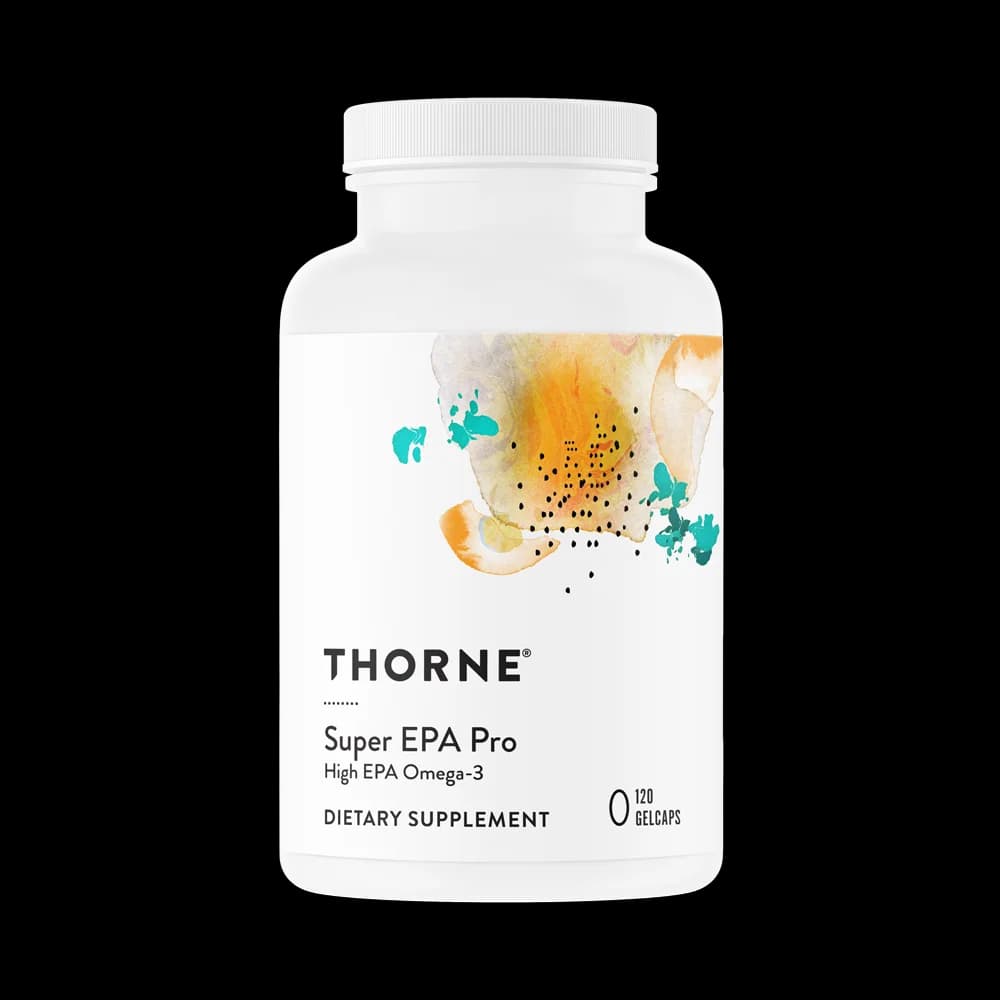
To achieve the clinical benefits of immunoresolution, high doses of EPA are required—often far exceeding what can be obtained from eating fish or taking standard drugstore supplements. Thorne’s Super EPA Pro is engineered specifically for this purpose, delivering a massive 1,300 mg of EPA and 320 mg of DHA per two-gelcap serving. This heavily skewed ratio favoring EPA is intentional, as EPA is the primary driver of systemic anti-inflammatory action and cardiovascular support, making it ideal for patients battling chronic inflammatory states.
What truly sets this formulation apart is its purification process. Most commercial fish oils are purified using molecular distillation, a process that relies on high heat and harsh chemical solvents like hexane. Thorne utilizes an advanced, environmentally friendly method called Supercritical Fluid Technology, or CO2 extraction. By using carbon dioxide in a fluid state under high pressure and low temperatures, the delicate molecular integrity of the polyunsaturated fats is perfectly preserved. This helps prevent the thermal degradation and lipid peroxidation that causes lower-quality fish oils to turn rancid and produce unpleasant "fish burps."
For patients with complex chronic illnesses, purity is not just a preference; it is a medical necessity. Individuals with dysautonomia or mast cell activation syndrome often have highly sensitive systems that react poorly to chemical residues. The CO2 extraction process ensures that Super EPA Pro is entirely free of toxic solvents, heavy metals like mercury, dioxins, and PCBs. This yields an impeccably clean, highly concentrated supplement that provides robust cardiovascular and cognitive support without introducing new environmental toxins into an already overburdened body.
How Chronic Illness Impacts the Endothelium and Nervous System
Neuroinflammation and the Genesis of Brain Fog
To understand why high-dose EPA is so relevant to chronic illness, we must first examine how these conditions damage the nervous system. In conditions like Long COVID and ME/CFS, patients frequently report debilitating cognitive impairment, commonly referred to as "brain fog." Current scientific consensus indicates that this symptom is not psychological, but rather the result of profound neuroinflammation. Following a viral infection, the immune system can become trapped in a hyperactive state, continually pumping out pro-inflammatory cytokines like Interleukin-1 beta (IL-1β) and Tumor Necrosis Factor-alpha (TNF-α).
These circulating inflammatory cytokines can compromise the blood-brain barrier (BBB), increasing its permeability and allowing systemic inflammation to seep into the central nervous system. Once inside, this inflammation activates microglia, the specialized immune cells of the brain. When microglia are chronically activated, they abandon their normal maintenance duties and begin attacking healthy neural tissue. This ongoing neuroimmune conflict disrupts the synthesis of critical neurotransmitters like serotonin and dopamine, leading to the mental sluggishness, memory deficits, and confusion that patients experience daily. You can learn more about this phenomenon in our guide on What Is “Brain Fog” and Cognitive Dysfunction in Long COVID?.
This vicious cycle of microglial activation and oxidative stress creates an environment where the brain is constantly starved of the energy it needs to function. The structural lipids that make up the brain's white matter begin to degrade under the constant inflammatory assault. Without targeted interventions to cross the blood-brain barrier and actively turn off this microglial alarm system, the neuroinflammation persists, making cognitive recovery incredibly difficult for those suffering from post-viral syndromes.
Endothelial Dysfunction in ME/CFS and POTS
Beyond the brain, chronic illness wreaks havoc on the vascular system. The endothelium is the delicate, single-cell-thick membrane that lines the entire inner surface of your blood vessels and heart. It is responsible for regulating blood pressure, controlling blood clotting, and managing the exchange of oxygen and nutrients between the blood and surrounding tissues. In both ME/CFS and POTS, patients exhibit severe endothelial dysfunction, a state where these blood vessels lose their ability to dilate and constrict properly.
This vascular breakdown is largely driven by damage to the endothelial glycocalyx—a protective, hair-like layer on the surface of endothelial cells. Chronic viral persistence, microclots, and systemic oxidative stress shear away this protective layer. In patients with POTS, this endothelial damage means the blood vessels in the lower extremities fail to constrict adequately when the patient stands up. Blood pools in the legs, depriving the brain of oxygen, which triggers the autonomic nervous system to drastically spike the heart rate in a desperate attempt to maintain cerebral perfusion. This is the physiological reality behind the exhausting tachycardia these patients endure.
In ME/CFS, this same endothelial dysfunction restricts the smooth delivery of oxygen and nutrients to muscle tissues during physical exertion. Because the blood vessels cannot dilate efficiently to meet the metabolic demands of movement, the muscles are forced into anaerobic respiration much too early, generating excessive lactic acid and cellular waste. This vascular failure is a primary driver of post-exertional malaise (PEM), the hallmark symptom of ME/CFS. Understanding this vascular connection is crucial, as explored in our article on Can Long COVID Trigger ME/CFS? Unraveling the Connection.
Mast Cell Activation and the Histamine Burden
Another critical piece of the chronic illness puzzle is mast cell activation syndrome (MCAS), a condition frequently comorbid with Long COVID and dysautonomia. Mast cells are the body's "first responder" immune cells, stationed in tissues throughout the body. They contain granules filled with powerful chemical mediators, including histamine. In a healthy body, mast cells release these chemicals in a measured way to fight off parasites or heal wounds. In MCAS, these cells become highly unstable and hyper-reactive, degranulating inappropriately in response to minor triggers like foods, stress, or temperature changes.
When mast cells degranulate, they release a flood of histamine alongside highly inflammatory lipid mediators like Prostaglandin D2 (PGD2) and leukotrienes. This chemical storm causes widespread systemic symptoms, ranging from hives and flushing to rapid heart rate, severe gastrointestinal distress, and profound brain fog. The constant release of these mediators keeps the body locked in a state of high alert, perpetuating the very inflammation that drives POTS and ME/CFS symptoms.
Managing MCAS presents a unique challenge known as the "histamine paradox" when it comes to omega-3s. While the omega-3 molecules themselves are highly anti-inflammatory, their primary source—fish—is a notorious histamine liberator if not handled perfectly. Fish accumulates histamine rapidly after being caught due to bacterial breakdown. Therefore, MCAS patients cannot rely on standard fish consumption or low-quality, oxidized fish oil supplements, as these will directly trigger mast cell degranulation. They require highly purified, unoxidized extracts to safely obtain the mast-cell-stabilizing benefits of EPA without the histamine burden.
Super EPA Pro: Supporting Cognitive Function and Vascular Health
Orchestrating Immunoresolution via SPMs
The primary mechanism by which Super EPA Pro supports recovery in chronic illness is through the active resolution of inflammation via Specialized Pro-resolving Mediators (SPMs). When you introduce a high concentration of EPA into the body, endothelial cells expressing COX-2 enzymes convert this EPA into an intermediate molecule called 18R-HEPE. This molecule is then passed to neutrophils, which use the 5-LOX enzyme to convert it into E-Series Resolvins (RvE1 and RvE2). These resolvins are incredibly potent, operating at microscopic subnanomolar concentrations to alter immune behavior.
Resolvin E1 (RvE1) binds to specific G-protein coupled receptors, such as ChemR23 and BLT1, located on the surface of immune cells. By binding to the BLT1 receptor, RvE1 acts as a partial agonist that actively competes with and blocks leukotriene B4 (LTB4), one of the body's most destructive inflammatory chemicals. This receptor interaction immediately halts the migration of inflammatory neutrophils into delicate tissues like the brain and blood vessels. By stopping this cellular invasion, EPA directly mitigates the ongoing tissue damage that drives the symptoms of Long COVID and ME/CFS.
Simultaneously, the DHA provided in the supplement is converted into D-series resolvins and protectins. The most notable of these is Neuroprotectin D1 (NPD1), which is synthesized directly within neural tissues. NPD1 plays a vital role in neuroprotection by halting the migration of T-cells, promoting the clearance of dead cells, and shielding vulnerable neurons from oxidative stress and apoptosis (programmed cell death). Together, the EPA and DHA pathways provide a comprehensive shield for the central nervous system, helping to lift the neuroinflammatory veil of brain fog.
Upregulating Nitric Oxide for Vascular Tone
For patients battling the vascular pooling of POTS or the oxygen-delivery failures of ME/CFS, EPA provides critical support for endothelial function. One of the most important molecules for vascular health is nitric oxide (NO), a gas naturally produced by the endothelium that signals the smooth muscles around blood vessels to relax and dilate. Research demonstrates that EPA and DHA actively upregulate the expression and activity of the enzyme endothelial nitric oxide synthase (eNOS), thereby boosting the body's natural production of nitric oxide.
By enhancing nitric oxide bioavailability, EPA helps restore normal flow-mediated dilation. This means the blood vessels can dynamically adjust their diameter in response to the body's needs. For a POTS patient, improved endothelial function helps regulate vascular tone, ensuring that blood is efficiently returned to the heart and brain upon standing, rather than pooling in the legs. This improved cerebral blood flow directly combats the dizziness, pre-syncope, and compensatory tachycardia that characterize autonomic dysfunction.
Furthermore, high-dose EPA helps protect the physical structure of the blood vessels by lowering levels of Matrix Metalloproteinase-9 (MMP-9). In chronic inflammatory states, elevated MMP-9 acts like biological scissors, cutting away at the protective endothelial glycocalyx and causing vascular leakage. By normalizing MMP-9 levels, EPA helps rebuild the structural integrity of the vascular lining, reducing the systemic micro-vascular inflammation that plagues patients with post-viral syndromes.
Modulating the NF-κB Pathway
At the deepest cellular level, EPA exerts its anti-inflammatory power by modulating the NF-κB (Nuclear Factor-kappa B) pathway. NF-κB is essentially the master genetic switch for cellular inflammation. When activated by viral fragments, stress, or oxidative damage, NF-κB travels into the cell's nucleus and turns on the genes responsible for producing a massive wave of pro-inflammatory cytokines, including TNF-α and IL-6. In conditions like Long COVID, this switch gets stuck in the "on" position, leading to chronic, unrelenting symptom flares.
EPA acts as a direct ligand for specific anti-inflammatory receptors that block this process. When EPA binds to the G-protein coupled receptor GPR120 on the cell surface, it initiates an intracellular signaling cascade that helps prevent the activation of NF-κB. Additionally, once inside the cell, EPA activates PPAR-γ (Peroxisome proliferator-activated receptor gamma), a transcription factor that binds to and neutralizes NF-κB before it can reach the nucleus.
By cutting off inflammation at the genetic level, EPA dramatically reduces the systemic burden of circulating cytokines. This mechanism is crucial for patients experiencing severe post-exertional malaise (PEM). By helping to prevent the massive cytokine storms that typically follow physical or cognitive exertion in ME/CFS patients, EPA helps raise the threshold for activity, potentially reducing the severity and duration of post-exertional crashes. If you want to learn more about how to track these symptom flares, consider reading our guide on How Does a Doctor Diagnose Long COVID?.
Stabilizing Mast Cell Membranes
For patients dealing with mast cell activation syndrome (MCAS), EPA and DHA serve as powerful, natural mast cell stabilizers. Mast cells release their inflammatory payload when specific receptors on their outer membranes are triggered. Because EPA and DHA physically incorporate into the phospholipid bilayer of these cells, they alter the formation of "lipid rafts"—tiny microdomains in the membrane where these trigger receptors cluster together. By disrupting these lipid rafts, EPA makes the mast cell physically less reactive to environmental allergens, stress hormones, and dietary triggers.
Beyond physical stabilization, EPA directly alters the chemical output of the mast cell. When a mast cell does degranulate, it typically uses arachidonic acid to synthesize highly inflammatory Prostaglandin D2 (PGD2), which causes flushing, brain fog, and vascular permeability. Because EPA competes with arachidonic acid for the COX enzymes, a mast cell enriched with EPA will produce significantly less PGD2 during a flare. This biochemical shift effectively lowers the overall intensity of the allergic response.
Clinical reviews published in Frontiers in Immunology have demonstrated that pre-incubating human mast cells with EPA and DHA dose-dependently reduces their production of inflammatory lipids. By utilizing a highly purified, CO2-extracted supplement like Super EPA Pro, MCAS patients can safely bypass the histamine risks associated with eating fish, delivering these stabilizing fatty acids directly to their hyperactive immune cells to help calm systemic reactivity.

Symptoms Super EPA Pro May Help Manage
Brain Fog and Cognitive Dysfunction: By actively resolving neuroinflammation via SPMs and protecting neural membranes from oxidative stress, high-dose EPA helps restore neurotransmitter balance, improving mental clarity, focus, and memory recall.
Postural Tachycardia and Dizziness (POTS): EPA upregulates endothelial nitric oxide synthase (eNOS), improving blood vessel elasticity and flow-mediated dilation. This helps prevent blood pooling in the lower extremities, reducing the compensatory heart rate spikes upon standing.
Post-Exertional Malaise (PEM) and Fatigue: By inhibiting the NF-κB pathway, EPA helps prevent the massive genetic transcription of pro-inflammatory cytokines that trigger debilitating crashes following physical or cognitive exertion in ME/CFS patients.
Mood Instability and Depression: High concentrations of EPA lower systemic brain inflammation, protecting the delicate serotonin and dopamine pathways from cytokine disruption, which helps stabilize mood and combat post-viral depression.
Joint Pain and Systemic Inflammation: By competing with arachidonic acid for COX and LOX enzymes, EPA drastically reduces the production of pain-inducing prostaglandins and leukotrienes, alleviating the widespread musculoskeletal aches common in chronic illness.
Allergic Reactivity and Flushing (MCAS): EPA incorporates into mast cell membranes, disrupting lipid rafts and acting as a natural mast cell stabilizer. This reduces the inappropriate release of histamine and highly inflammatory Prostaglandin D2 during symptom flares.
Practical Considerations: Forms, Dosing, and Absorption
Understanding the Ethyl Ester (EE) Form
When navigating omega-3 supplements, understanding the chemical form of the fatty acids is crucial for maximizing clinical benefits. Thorne Super EPA Pro utilizes the Ethyl Ester (EE) form of omega-3s. In nature, omega-3s exist as triglycerides, where three fatty acid molecules are attached to a glycerol backbone. However, to create a highly concentrated clinical dose—like the 1,300 mg of EPA found in this product—manufacturers must separate the fatty acids from the glycerol and attach them to an ethanol molecule, creating an ethyl ester.
This ethyl esterification process is the industry standard for achieving massive concentrations of EPA in a single, easy-to-swallow capsule. In fact, FDA-approved pharmaceutical omega-3s prescribed for severe cardiovascular conditions strictly utilize the EPA ethyl ester form. While some manufacturers take an additional, costly step to re-attach the fatty acids to a glycerol backbone (creating a re-esterified triglyceride, or rTG), the high-yield EE form remains profoundly effective for driving down systemic inflammation, provided it is consumed correctly.
The primary difference between the EE and TG forms lies in how the human digestive system processes them. Because the fatty acids in Super EPA Pro are bound to ethanol, human pancreatic lipases are less efficient at breaking the bond compared to natural triglycerides. Digestion requires an extra metabolic step where the liver must process the ethanol, and the free fatty acids must find a new glycerol backbone in the body before they can be effectively absorbed into the bloodstream. This metabolic reality makes the timing of your supplement intake absolutely critical.
The Critical "Food Effect" for Bioavailability
Because Super EPA Pro is an Ethyl Ester formulation, its absorption is heavily dependent on what is known in pharmacology as the "food effect." Clinical pharmacokinetic studies have consistently demonstrated that when ethyl ester omega-3s are taken on an empty stomach or with a very low-fat meal, their baseline bioavailability drops drastically. Without dietary fat to trigger the digestive process, absorption rates can plummet to as low as 20%, meaning the majority of the clinical dose is wasted.
To maximize the absorption of Super EPA Pro, it must be taken alongside a meal containing healthy dietary fats. Consuming fats—such as avocados, olive oil, nuts, or eggs—signals the gallbladder to release bile salts and stimulates the pancreas to secrete the specific lipase enzymes required to cleave the ethyl ester bonds. When taken with a high-fat meal, the absorption of EE omega-3s skyrockets to 60% or higher, effectively closing the bioavailability gap between EE and triglyceride forms.
For patients managing chronic fatigue or brain fog, establishing a consistent routine is key. Taking the two-gelcap serving alongside your heaviest meal of the day ensures that the massive 1,300 mg dose of EPA is properly emulsified, absorbed through the intestinal wall, and delivered to the bloodstream where it can begin resolving systemic inflammation. You can explore other targeted supplements for cognitive support in our guide, Can Acetyl-L-Carnitine Help Clear Brain Fog in Long COVID and ME/CFS?.
Safety, Bleeding Risks, and Contraindications
While EPA and DHA are generally recognized as highly safe, their potent biological effects require careful consideration, particularly at clinical doses. One of the primary mechanisms of omega-3s is their ability to influence platelet function. Supplementing with high-dose EPA shifts the body's balance toward producing prostacyclin, which has local vasodilatory and antiplatelet effects, while simultaneously reducing Thromboxane A2, a lipid that induces platelet aggregation. This mild "blood-thinning" effect is excellent for cardiovascular health but requires monitoring.
According to Mayo Clinic guidelines, doses up to 3 grams of combined EPA/DHA daily are generally safe for most individuals and do not significantly increase major bleeding risks. However, patients who are actively taking prescription anticoagulants (like Warfarin or Eliquis) or antiplatelet drugs (like Plavix or daily Aspirin) must consult their healthcare provider before starting Super EPA Pro. The synergistic effect of the supplement and the medication may require more frequent INR monitoring to ensure bleeding times remain within a safe, therapeutic range.
Additionally, recent clinical trials evaluating very high doses of purified EPA (exceeding 2 to 4 grams daily) have noted a statistically significant, albeit small, increased risk of developing atrial fibrillation (AFib) or atrial flutter. Patients with a known history of cardiac arrhythmias should discuss high-dose omega-3 supplementation with their cardiologist. Finally, because the active ingredients are derived from marine sources, this product is strictly contraindicated for anyone with a known hypersensitivity or severe allergy to fish.

Follow the Science
Omega-3 Deficiencies in ME/CFS
The clinical relevance of EPA and DHA in complex chronic illness is strongly supported by emerging literature. A landmark 2018 study published in Prostaglandins, Leukotrienes and Essential Fatty Acids evaluated the Omega-3 Index of patients suffering from Myalgic Encephalomyelitis/Chronic Fatigue Syndrome (ME/CFS). The researchers sought to understand if a fundamental deficiency in these critical lipids was contributing to the severe systemic inflammation and autonomic dysfunction seen in the patient population.
The findings were striking: the study revealed that a staggering 92.6% of the ME/CFS patients had a critically low Omega-3 Index. While a cardioprotective index is considered to be greater than 8%, the ME/CFS cohort averaged only 5.75%. Furthermore, the researchers documented an excessively high ratio of Arachidonic Acid (the pro-inflammatory Omega-6) to EPA in the patients' bloodstreams.
This severe imbalance provides a clear biochemical explanation for the chronic, low-grade inflammation that drives ME/CFS. The researchers concluded that this profound reduction in polyunsaturated fatty acid bioavailability directly impairs endothelial function and immune regulation, keeping patients locked in a pro-inflammatory state. This data strongly supports the therapeutic use of high-dose EPA to correct the underlying lipid imbalance and restore cellular homeostasis.
Clinical Trials in Post-Viral Dysautonomia
The surge of dysautonomia and POTS following the COVID-19 pandemic has accelerated clinical research into vascular therapeutics. A compelling 2023 clinical study published in the journal Children (MDPI) evaluated various treatments for adolescents suffering from severe dysautonomia (specifically POTS and inappropriate sinus tachycardia) triggered by a COVID-19 infection or vaccination. The researchers monitored the efficacy of beta-blockers, ivabradine, and targeted Omega-3 fatty acid supplementation.
The results highlighted the profound vascular benefits of EPA and DHA. The study found that Omega-3 supplementation alone successfully and significantly reduced the abnormal heart rate spikes upon standing in the POTS patients. Specifically, the intervention lowered the compensatory orthostatic heart rate spike from an exhausting average of 44.0 bpm down to a much more manageable 25.6 bpm.
Additionally, the Omega-3 intervention effectively lowered elevated resting heart rates in patients diagnosed with inappropriate sinus tachycardia. By upregulating endothelial nitric oxide and reducing vascular inflammation, the omega-3s helped restore the structural integrity and responsiveness of the blood vessels, proving that targeted lipid therapy is a viable, non-pharmaceutical tool for managing autonomic nervous system breakdown.
Tackling Long COVID Neuroinflammation
Researchers are also actively investigating the power of high-dose EPA to combat the specific neuroimmune disruptions of Long COVID. A recent 12-week double-blind, randomized-controlled pilot trial (NCT05121766) conducted at Hackensack University Medical Center evaluated the effects of high-dose Omega-3 supplementation on healthcare workers suffering from persistent Long COVID symptoms, including severe brain fog and fatigue.
Published in Cureus in late 2024, the study demonstrated that participants taking the active omega-3 intervention experienced a pronounced, measurable decline in systemic inflammatory biomarkers. Most notably, the supplement group showed a significant drop in their Arachidonic Acid to EPA (AA:EPA) ratio, proving that the high-dose EPA successfully penetrated the system and altered the baseline inflammatory cascade that drives post-viral symptoms.
Building on this biochemical success, new trials are currently underway to measure direct cognitive outcomes. The active MAG-EPA Brain Fog Scale Trial (NCT06695910) is a double-blind, placebo-controlled study specifically investigating whether a highly concentrated monoglyceride form of EPA can directly modulate cognitive health and manage post-viral "brain fog." As the clinical data continues to mature, the consensus remains clear: flooding the body with high-quality EPA is a foundational step in turning off the neuroinflammatory alarms triggered by Long COVID.
The Path Forward
Living with the unpredictable and exhausting symptoms of Long COVID, ME/CFS, POTS, or MCAS can often feel like an uphill battle against your own biology. When brain fog clouds your thinking and tachycardia makes simply standing up a challenge, it is entirely valid to feel overwhelmed. However, understanding the cellular mechanisms behind these symptoms—such as neuroinflammation, endothelial dysfunction, and mast cell hyper-reactivity—offers a tangible roadmap for recovery. You are not fighting a psychological battle; you are fighting a biochemical one, and you have tools at your disposal to help turn the tide.
Thorne’s Super EPA Pro provides a powerful, highly concentrated dose of the exact lipid mediators your body needs to actively resolve inflammation and rebuild vascular health. While no single supplement is a miracle cure, integrating a high-quality, CO2-extracted EPA into a comprehensive management strategy can yield profound benefits. When combined with strict pacing, nervous system regulation, dietary modifications, and medical oversight, targeted omega-3 supplementation can help lower your systemic inflammatory burden, giving your brain and blood vessels the breathing room they need to heal. Always consult with your healthcare provider before beginning any new supplement regimen to ensure it aligns safely with your specific medical needs and current medications.
Sources
Psychoneuroimmunity implication of omega-3 LCFAs in delayed consequences of COVID-19 (PMC8758253)
Clinical Trial NCT05121766: Hackensack Pilot Study on Omega-3s and Long COVID
Clinical Trial NCT06695910: Modulation of the Brain Fog Scale by MAG-EPA
Omega-3 Bioavailability: Is One Form More Bioavailable than Another? (Nutritional Outlook)
Mayo Clinic: Fish Oil Safety, Side Effects, and Drug Interactions