Sensory Sensitivity in ME/CFS, Long COVID, and Fibromyalgia: Understanding Light, Sound, and Chemical Intolerance
March 10, 2026
Sensory SensitivityLong COVIDME/CFS
Share:
Disclaimer: The information provided here is for educational purposes only and is not intended as medical advice. It should not be used to diagnose, treat, cure, or prevent any medical condition. Instead, use it as a starting point for discussion with your healthcare provider. Always consult with a qualified healthcare provider before starting any new medication, supplement, device, or making changes to your health regimen.
Imagine walking into a brightly lit grocery store. For a healthy individual, the hum of the fluorescent lights, the overlapping chatter of shoppers, and the sharp smell of cleaning supplies in the aisles are merely background noise—easily filtered out by a highly efficient nervous system. But for someone living with Myalgic Encephalomyelitis/Chronic Fatigue Syndrome (ME/CFS), Long COVID, or Fibromyalgia, this exact same environment can feel like a physical assault. The lights may cause piercing eye pain, the ambient noise might trigger profound confusion and dizziness, and the chemical odors can initiate a cascade of systemic inflammation. This is not anxiety, and it is certainly not an overreaction. It is a profound, measurable neurological phenomenon known as sensory sensitivity.
For decades, patients experiencing extreme intolerance to light, sound, and smells have been routinely dismissed by the medical establishment. Because standard blood tests and routine imaging often return "normal" results, these debilitating symptoms are frequently mischaracterized as psychological issues or simple stress. However, modern neuroimmunology has proven what patients have known all along: sensory sensitivity is a very real, physiological dysfunction of the central nervous system and immune pathways. In this comprehensive guide, we will explore the underlying biology of sensory overload, how it manifests across complex chronic conditions, and the evidence-based management strategies that can help you reclaim your quality of life.
TL;DR
Sensory sensitivity is a real, physical neurological dysfunction, not a psychological issue.
It is driven by central sensitization, neuroinflammation, and mast cell activation.
Sensory overload drains energy and can trigger severe Post-Exertional Malaise (PEM).
Manage symptoms through strict sensory pacing, environmental modifications, and nervous system regulation.
What is Sensory Sensitivity?
The Reality of Sensory Overload
Sensory sensitivity is a blanket term used to describe a state where the central nervous system becomes hyper-reactive to everyday stimuli. In a healthy body, the brain employs a mechanism called "sensory gating," which acts as a neurological filter. This filter automatically suppresses redundant or irrelevant environmental information, allowing you to focus on a conversation in a crowded room without being overwhelmed by the background music or the hum of the air conditioner. For individuals with complex chronic illnesses, this sensory gating mechanism is fundamentally broken. The brain loses its ability to filter, meaning every single piece of sensory data is processed with equal, exhausting intensity.
When the nervous system is forced to process this massive influx of unfiltered data, it quickly becomes overwhelmed. This state of sensory overload is not just annoying or distracting; it is physically painful and neurologically draining. Research into sensory modulation disorders demonstrates that this overload triggers an immediate fight-or-flight response, flooding the body with stress hormones like adrenaline and cortisol. For patients, this can manifest as sudden nausea, vertigo, a spike in heart rate, or an immediate, crushing wave of fatigue. It is a physiological crisis, not a psychological preference for quiet environments.
Validating this experience is the first and most crucial step in management. Many patients spend years questioning their own reality, wondering why they can no longer tolerate the sound of their partner unloading the dishwasher or the brightness of a computer screen. Understanding that your nervous system is actively misinterpreting these signals as dangerous threats—due to underlying neuroinflammation and cellular dysfunction—can help alleviate the guilt and confusion that often accompany these invisible symptoms.
Beyond Normal Annoyance: Hyperacusis and Photophobia
Two of the most common and debilitating forms of sensory sensitivity are hyperacusis and photophobia. Hyperacusis is an extreme, often painful intolerance to everyday sounds. It is not that the person has "super hearing" or can hear things others cannot; rather, their brain amplifies normal auditory input to an intolerable volume. The clatter of silverware, the sound of a vacuum cleaner, or even the pitch of a loved one's voice can trigger sharp ear pain, tension headaches, and severe neurological distress. This occurs because the auditory pathways in the brainstem and auditory cortex are locked in a state of hyperexcitability.
Similarly, photophobia is a severe sensitivity to light. While anyone might squint when stepping into bright sunlight, a patient with photophobia experiences pain, burning, and neurological symptoms from standard indoor lighting, computer screens, or overcast skies. This is often driven by the trigeminal nerve, a major cranial nerve responsible for sensation in the face and eyes. When the trigeminal nerve is inflamed or sensitized, it sends pain signals to the brain in response to normal light exposure. Clinical observation shows that photophobia is a remarkably common persistent symptom, heavily overlapping with chronic migraines and dysautonomia.
Both hyperacusis and photophobia force patients to drastically alter their environments. It is incredibly common for individuals with ME/CFS or Long COVID to spend their days in dark, silent rooms, wearing earplugs and sunglasses indoors. While this environmental control is a necessary survival mechanism to prevent severe symptom exacerbation, it highlights the profound disabling nature of these specific sensory intolerances. They are not mere preferences for dim lighting; they are strict neurological boundaries.
The Invisible Burden of Chemical Intolerance
In addition to light and sound, many patients develop a severe intolerance to smells and chemicals, clinically referred to as osmophobia or Multiple Chemical Sensitivity (MCS). This condition involves profound, multi-system reactions to low-level chemical exposures that are generally considered safe for the public. Triggers often include perfumes, scented laundry detergents, exhaust fumes, cleaning products, and even the off-gassing of new furniture. When exposed, patients may experience immediate respiratory distress, brain fog, muscle weakness, and intense migraines.
The mechanism behind chemical intolerance is deeply intertwined with immune system dysfunction. The olfactory system (responsible for smell) provides a direct pathway to the brain's limbic system, which governs emotion, memory, and the autonomic nervous system. When volatile organic compounds (VOCs) enter the nasal passage, they can trigger hyper-reactive immune cells, leading to a cascade of localized and systemic inflammation. Epidemiological studies on chemical sensitivity show that this initial airway reaction rapidly evolves into widespread neurological and cognitive alterations, mirroring the systemic crashes seen in other chronic illnesses.
Living with chemical sensitivity is uniquely challenging because the modern world is saturated with synthetic fragrances and chemicals. Unlike a loud noise that you can walk away from, chemical residues linger in the air, on clothing, and in public spaces. This forces patients to become hyper-vigilant about their environments, often leading to severe social isolation as they cannot safely enter public buildings, use public transportation, or even hug family members who use scented personal care products.
The Biology Behind Sensory Sensitivity
Central Sensitization: When the Brain's Filter Fail

To truly understand sensory sensitivity, we must look at the central nervous system (CNS)—specifically, a phenomenon known as Central Sensitization (CS). Central sensitization occurs when the brain and spinal cord become highly reactive and amplify sensory signals. Instead of properly filtering out everyday stimuli, the nervous system remains in a state of hyper-excitability, drastically lowering the threshold for what the brain perceives as overwhelming or painful. This is the core unifying mechanism behind the sensory overload experienced in ME/CFS, Long COVID, and Fibromyalgia.
At a cellular level, central sensitization is driven by a dangerous imbalance of neurotransmitters. In a sensitized brain, there is an excess of excitatory neurotransmitters, primarily glutamate and Substance P, which constantly tell the nervous system to "fire" and stay on high alert. Simultaneously, there is a depletion of inhibitory neurotransmitters, like gamma-aminobutyric acid (GABA) and serotonin, which normally act as the brain's "brake pedal" to calm things down. Research into chronic pain and sensitization highlights how this lack of inhibition allows normal sensory input—like the hum of a refrigerator—to trigger a massive, unregulated neural response.
Furthermore, this constant state of hyperexcitability leads to structural changes in the synapses, a process known as long-term potentiation. The NMDA receptors on the nerve cells become unblocked and highly sensitive, meaning that even smaller and smaller stimuli can trigger a massive pain or overload response. This explains why sensory sensitivity often worsens over time if the underlying neuroinflammation is not addressed; the nervous system is literally learning to become more efficient at feeling overwhelmed.
The Role of Neuroinflammation and Glial Cells
Central sensitization does not happen in a vacuum; it is almost always driven by underlying neuroinflammation. The brain has its own dedicated immune system, primarily composed of cells called microglia and astrocytes. Under normal conditions, these glial cells are protective, clearing away cellular debris and supporting healthy neuron function. However, when triggered by a severe viral infection (like SARS-CoV-2), physical trauma, or chronic stress, these glial cells become activated and shift into a defensive, pro-inflammatory state.
Once activated, microglia release a flood of pro-inflammatory cytokines, including Interleukin-1 beta (IL-1β) and Tumor Necrosis Factor-alpha (TNF-α), directly into the brain tissue. This "cytokine storm" within the central nervous system disrupts the blood-brain barrier and directly irritates the sensory processing centers. Recent hypotheses regarding post-viral symptoms suggest that elevated levels of specific neuropeptides, like Calcitonin Gene-Related Peptide (CGRP), further drive this neurogenic inflammation, directly contributing to the severe photophobia and phonophobia seen in these patient populations.
This neuroinflammatory state is what makes sensory sensitivity so physically exhausting. The brain is actively consuming massive amounts of energy to sustain this immune response, leaving very little cellular energy (ATP) available for normal cognitive function or physical movement. This is why sensory overload is so tightly coupled with profound brain fog and physical fatigue; the neuroinflammation is draining the battery of the central nervous system while simultaneously keeping the alarm bells ringing.
Mast Cell Activation and the Cytokine Storm
Another critical biological driver of sensory sensitivity is Mast Cell Activation Syndrome (MCAS). Mast cells are a type of white blood cell found throughout the body, heavily concentrated at the interfaces between our internal environment and the outside world—such as the skin, gut lining, respiratory tract, and the olfactory epithelium (the tissue responsible for smell). In MCAS, these cells become hyper-reactive and inappropriately degranulate, dumping massive amounts of inflammatory mediators, including histamine, into the surrounding tissues and bloodstream.
When mast cells in the nasal passages or near the blood-brain barrier degranulate in response to a minor trigger—like a change in barometric pressure, a specific food, or a chemical odor—the resulting histamine release directly sensitizes the local nerve endings. This is particularly relevant for chemical and smell sensitivities. The histamine and prostaglandins released by mast cells lower the activation threshold of TRPA1 and TRPV1 receptors, which are the primary sensory receptors for detecting environmental irritants. This makes normal smells feel toxic and overwhelming to the nervous system.
The connection between mast cells and the brain is profound. Inflammatory mediators from peripheral mast cells can cross a compromised blood-brain barrier, further activating the brain's microglia and perpetuating the cycle of central sensitization. This interconnected web of immune dysfunction highlights why treating sensory sensitivity often requires a systemic approach, including strategies to calm chronic pain and neuroinflammation, rather than just focusing on the ears or eyes in isolation.
Which Conditions Cause Sensory Sensitivity?
Myalgic Encephalomyelitis/Chronic Fatigue Syndrome (ME/CFS)
In Myalgic Encephalomyelitis/Chronic Fatigue Syndrome (ME/CFS), sensory sensitivity is so prevalent and defining that it is frequently included in the core diagnostic criteria. Patients with ME/CFS experience a profound dysregulation of their energy metabolism and autonomic nervous system. Because their cells, particularly the mitochondria, struggle to produce adequate energy, the immense neurological cost of processing bright lights, loud noises, and complex environments quickly depletes their limited energy reserves. This makes sensory input a major, yet often overlooked, trigger for symptom exacerbation.
For an ME/CFS patient, a trip to a busy grocery store or a brightly lit doctor's office is not just tiring; it is a massive neurological exertion. The sensory overload acts as a direct catalyst for Post-Exertional Malaise (PEM), the hallmark symptom of ME/CFS where a patient experiences a severe, delayed crash in baseline functioning following physical, cognitive, or sensory effort. During a PEM crash, sensory sensitivities typically skyrocket, forcing the patient into complete darkness and silence for days or even weeks until their neuroimmune system can stabilize.
Furthermore, the high comorbidity of ME/CFS with chronic migraines exacerbates this issue. The shared hypersensitivity in the brainstem and trigeminal nerve pathways means that ME/CFS patients are highly susceptible to severe photophobia and phonophobia. Understanding that sensory input is a form of exertion is critical for ME/CFS management, requiring strict environmental control and pacing to prevent continuous, rolling PEM crashes.
Long COVID and Post-Viral Hypersensitivity
Since the onset of the pandemic, there has been a massive surge in patients presenting with central sensitization syndromes, heavily overlapping with ME/CFS. Long COVID has brought sensory sensitivity into the global spotlight. The SARS-CoV-2 virus has a known affinity for the nervous system and the olfactory pathways. By binding to ACE2 receptors in the nasal epithelium, the virus can trigger localized inflammation that travels up the olfactory bulb and directly into the brain, initiating widespread microglial activation and neuroinflammation.
Clinical data is striking regarding the prevalence of these symptoms. Studies assessing post-COVID pain have found that up to 70% of subjects with Long COVID exhibit symptoms associated with central sensitization. Furthermore, among Long COVID patients suffering from persistent headaches, nearly a third experience severe photophobia and phonophobia. This post-viral hypersensitivity leaves patients feeling "wired and tired," where their bodies are exhausted, but their nervous systems are too overstimulated to achieve restorative sleep.
The overlap between Long COVID and mast cell dysfunction is also highly relevant here. Many Long COVID patients develop secondary MCAS, leading to new-onset chemical sensitivities and food intolerances. The sudden inability to tolerate previously safe environments, foods, and sensory inputs is a hallmark of the post-viral neuroimmune cascade, requiring comprehensive, multi-system management strategies to calm the hyper-reactive immune response.
Fibromyalgia and Widespread Nociplastic Pain
Fibromyalgia is widely considered the prototypical central sensitization disorder. While it is most commonly known for widespread musculoskeletal pain, viewing Fibromyalgia solely as a pain condition misses the broader neurological picture. Sensory sensitivity in Fibromyalgia goes far beyond localized joint or muscle pain; it manifests as a systemic, global sensory overload. The same mechanisms that amplify pain signals in the spinal cord also amplify light, sound, and smell signals in the brain.
A landmark study utilizing the Glasgow Sensory Questionnaire demonstrated that Fibromyalgia patients experience pervasive subjective hypersensitivity across all surveyed senses, distinctly separate from their standard pain metrics. This proves that Fibromyalgia is a comprehensive sensory processing disorder. Patients frequently report that light touch feels like burning (allodynia), normal room lighting causes migraines, and everyday sounds trigger severe physical flinching and exhaustion.
Understanding this global sensitization is crucial for validation. Many Fibromyalgia patients are told their pain is psychosomatic because their joints show no structural damage. However, advanced functional neuroimaging (fMRI) has repeatedly shown distinct patterns of overactivity in the brain regions responsible for processing sensation in these patients. For a deeper dive into this condition, you can explore our comprehensive guide on Fibromyalgia: What It Is, How It Feels, and What Helps.
Mast Cell Activation Syndrome (MCAS)
As mentioned in the biology section, Mast Cell Activation Syndrome (MCAS) is a primary driver of chemical and olfactory sensitivities. However, it is also a distinct condition that frequently co-occurs with ME/CFS, Long COVID, and dysautonomia (like POTS). In MCAS, the immune system's first responders—the mast cells—are fundamentally unstable, constantly misinterpreting benign environmental factors as dangerous pathogens.
Patients with MCAS often experience a phenomenon known as Toxicant-Induced Loss of Tolerance (TILT). After a major viral infection, extreme stressor, or significant chemical exposure (like mold in a water-damaged building), the immune system loses its ability to tolerate normal, everyday exposures. This results in severe multiple chemical sensitivity (MCS), where a walk down the detergent aisle or exposure to a coworker's perfume can trigger anaphylaxis-like symptoms, severe brain fog, and systemic pain.
The interconnectedness of these conditions cannot be overstated. A patient may initially develop Long COVID, which triggers MCAS, which in turn drives the central sensitization that causes the severe hyperacusis and photophobia characteristic of ME/CFS. Treating the sensory sensitivity often requires addressing the mast cell instability at the root of the inflammatory cascade.
How Sensory Sensitivity Impacts Daily Life
The Trigger for Post-Exertional Malaise (PEM)
To understand how sensory sensitivity impacts daily life, one must recognize that sensory input is a form of exertion. For healthy individuals, exertion is usually defined by physical activity, like running a mile or lifting weights. But for those with ME/CFS or Long COVID, sitting in a visually busy, noisy environment requires immense neurological effort. The brain is working overtime to process, filter, and manage the flood of signals, rapidly burning through cellular energy. This makes sensory overload a primary trigger for Post-Exertional Malaise (PEM).
Many patients report that a seemingly simple social interaction—like having coffee with a friend in a bustling cafe—can lead to a devastating multi-day crash. The combination of tracking the conversation, filtering out the background music, managing the bright lighting, and processing the smells of the cafe overwhelms the sensitized nervous system. Within hours, or sometimes the next day, the patient may experience profound muscle weakness, flu-like symptoms, and an inability to stand or think clearly. This delayed, disproportionate crash is the hallmark of PEM.
Because sensory triggers are everywhere, avoiding PEM requires constant, exhausting vigilance. Patients must meticulously plan their days, evaluating the "sensory cost" of every environment they enter. This often means wearing earplugs and sunglasses indoors, requesting that family members stop using scented products, and strictly limiting screen time. The burden of constantly managing one's environment to prevent a physical collapse is a massive psychological and logistical weight.
The Cognitive Cost: Brain Fog and Fatigue
Sensory sensitivity is deeply intertwined with cognitive dysfunction, commonly referred to as brain fog. When the central nervous system is bombarded with unfiltered sensory data, it has very little processing power left for higher-order cognitive tasks like memory retrieval, executive function, or language processing. The neuroinflammation driving the sensory overload also disrupts the communication between neurons, making thoughts feel sluggish and disconnected.
Patients frequently describe this as a "chemofog" or feeling like their brain is wading through wet concrete. In environments with high sensory input, this cognitive impairment becomes acutely worse. A patient might be perfectly articulate in a quiet, dark room, but become completely unable to find their words or remember their train of thought the moment a loud television is turned on or a bright overhead light is switched on. The sensory input literally short-circuits their cognitive capacity.
Managing this cognitive cost often requires targeted interventions to calm the nervous system and support brain health. Many patients find that reducing neuroinflammation and supporting neurotransmitter balance can help lift this fog. For example, exploring supplements that support cognitive clarity, such as L-Theanine to calm the nervous system or Curcumin to address neuroinflammation, can be a valuable part of a comprehensive management plan.
Social Isolation and the Shrinking World
Perhaps the most devastating impact of severe sensory sensitivity is the profound social isolation it enforces. As the nervous system loses its ability to tolerate normal environments, the patient's world rapidly shrinks. Activities that once brought joy—attending concerts, going to movie theaters, eating at restaurants, or even participating in large family gatherings—become physically impossible. The sensory cost is simply too high, and the resulting PEM crash is too severe to justify the participation.
This isolation is compounded by the invisible nature of the symptom. Because the patient looks "fine" on the outside, friends and family often struggle to understand why they cannot simply "push through" the discomfort or ignore the noise. This lack of understanding frequently leads to strained relationships, accusations of being antisocial or anxious, and deep feelings of grief and loss for the patient. Validating this grief is essential; the patient is mourning the loss of their accessibility to the world.
Furthermore, chemical sensitivities (MCS) make even basic living arrangements incredibly difficult. Patients may have to move out of apartments due to neighbors' laundry exhaust, avoid public transportation entirely, and strictly control who enters their safe living space. This level of environmental control is not a choice; it is a medical necessity to prevent severe neuroimmune reactions, but it inherently leads to a deeply isolated existence.
Measuring and Tracking Sensory Sensitivity
Why Standard Medical Tests Often Look "Normal"
One of the most frustrating aspects of seeking care for sensory sensitivity is the reliance on standard medical testing. A patient experiencing severe hyperacusis or photophobia might be sent for a standard MRI of the brain, an EEG, or routine blood work. In the vast majority of ME/CFS, Long COVID, and Fibromyalgia cases, these tests will return completely normal results. This often leads to the devastating and incorrect conclusion by medical professionals that the symptoms are psychosomatic or driven by anxiety.
The reason standard tests fail is that they are looking for the wrong things. A standard MRI looks for structural damage—like a tumor, a stroke, or multiple sclerosis lesions. Routine blood work looks for acute organ failure or classic autoimmune markers. However, central sensitization and neuroinflammation are functional and metabolic issues, not structural ones. The dysregulated neuro-immune pathways, the microglial activation, and the fluctuating neurotransmitter levels that cause sensory sensitivity do not show up on basic structural scans.
To actually "see" sensory sensitivity, advanced functional neuroimaging is required. A landmark February 2026 study published in the Annals of Neurology used functional MRIs (fMRI) to evaluate chronic pain patients reacting to loud sounds. The fMRIs revealed distinct, abnormal patterns of overactivity in the brain regions responsible for processing sensation, definitively proving that the sensitivity is a measurable, whole-brain neurological phenomenon. While fMRIs are not standard clinical diagnostic tools, the research validates that the dysfunction is entirely physiological.
Validated Questionnaires and Clinical Scales
Because we cannot easily image central sensitization in a standard clinic, specialists rely on validated clinical scales and questionnaires to measure and track sensory sensitivity. These tools help quantify the subjective experience of the patient, providing a baseline to measure the effectiveness of future treatments. One of the most widely used tools is the Central Sensitization Inventory (CSI), a comprehensive questionnaire that assesses the severity of somatic and sensory symptoms associated with CNS hyperexcitability.
Another critical tool is the Adolescent/Adult Sensory Profile (AASP). This assessment helps categorize how an individual processes sensory information, identifying patterns of sensory hypersensitivity and sensory avoidance. In conditions like Fibromyalgia and ME/CFS, patients consistently score exceptionally high in sensory avoidance, reflecting their biological need to escape overwhelming stimuli. Using these scales in a clinical setting provides concrete data points that validate the patient's experience and guide management strategies.
For patients, keeping a detailed symptom diary can also be incredibly powerful. Tracking specific triggers (e.g., "fluorescent lights at the pharmacy," "strong perfume in the elevator") and the resulting physiological fallout (e.g., "migraine within 20 minutes," "severe fatigue the next day") helps identify patterns. This personalized data is invaluable when communicating with healthcare providers, as it clearly links environmental exposures to measurable symptom exacerbations.
Biometric Tracking and Heart Rate Variability (HRV)
In recent years, the use of wearable biometric devices has revolutionized how patients track and manage sensory sensitivity. Devices like Garmin smartwatches, Oura rings, or Apple Watches equipped with specialized apps (like the Visible app designed for ME/CFS and Long COVID) allow patients to monitor their autonomic nervous system in real-time. The most critical metric for tracking sensory overload is Heart Rate Variability (HRV), which measures the variation in time between each heartbeat.
HRV is a direct proxy for autonomic nervous system balance. A high HRV indicates a flexible, relaxed nervous system (parasympathetic dominance), while a low HRV indicates a stressed, fight-or-flight state (sympathetic dominance). When a patient with central sensitization enters a loud, bright, or chemically heavy environment, their HRV will often plummet dramatically, even if they are just sitting still. This drop is the biometric proof of sensory overload.
Patients can use this real-time data as an early warning system. By monitoring their HRV or "body battery" metrics, they can see when their nervous system is becoming overwhelmed before they hit the point of a severe PEM crash. Catching this drop allows the patient to immediately leave the triggering environment, retreat to a quiet space, and engage in nervous system regulation techniques, effectively using technology to pace their sensory exertion.

Management Approaches
Environmental Modification and Sensory Pacing
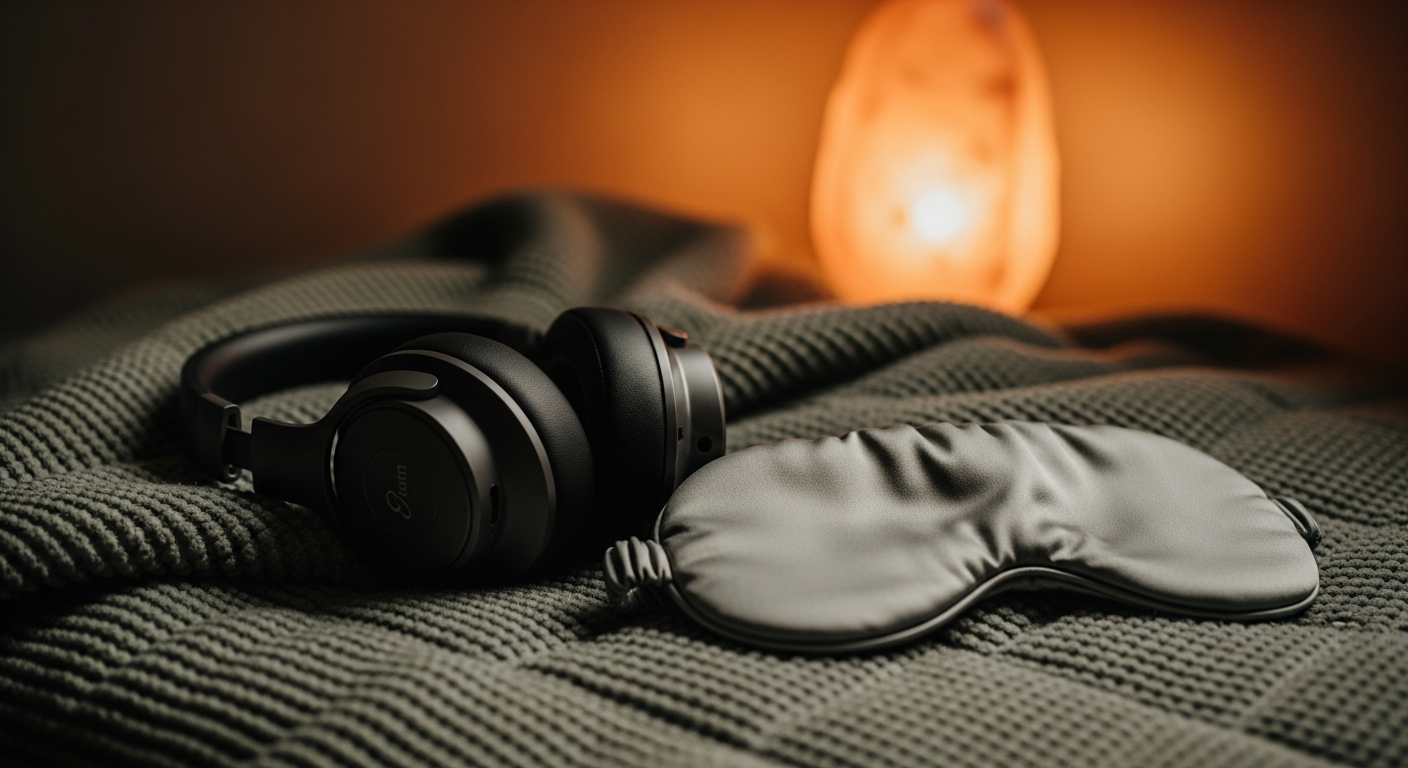
The foundation of managing sensory sensitivity in complex chronic illness is strict environmental modification and sensory pacing. Because sensory input acts as a direct drain on cellular energy and triggers neuroinflammation, patients must proactively manage their "sensory envelope." This means treating light, sound, and chemical exposures with the same caution one would treat physical exercise. Pacing requires identifying your baseline tolerance and strictly stopping exposure before you cross that threshold into symptom exacerbation.
Practical environmental modifications are essential survival tools. For photophobia, many patients rely on precision-tinted glasses, such as FL-41 lenses, which block the specific blue-green light wavelengths known to trigger the trigeminal nerve and cause migraines. Blackout curtains, smart bulbs set to warm/dim settings, and anti-glare screen protectors are also critical for creating a safe home environment. For hyperacusis, high-fidelity earplugs (like Loop earplugs) or active noise-canceling headphones can drastically reduce the neurological burden of background noise without completely isolating the patient from necessary communication.
Managing chemical sensitivity (MCS) requires a ruthless audit of the home environment. This involves transitioning entirely to fragrance-free and hypoallergenic cleaning products, laundry detergents, and personal care items. High-quality HEPA air purifiers with heavy carbon filters are necessary to scrub volatile organic compounds (VOCs) from the indoor air. Furthermore, establishing strict boundaries with friends and family regarding the use of perfumes or scented products before visiting is a non-negotiable step in preventing severe mast cell reactions.
Regulating the Autonomic Nervous System
Because sensory sensitivity is driven by a nervous system locked in a sympathetic "fight-or-flight" state, management must include strategies to manually engage the parasympathetic "rest-and-digest" system. The primary conduit for this is the vagus nerve, a massive cranial nerve that acts as the bidirectional communication highway between the brain and the body. Stimulating the vagus nerve sends powerful, calming signals to the brain's limbic system, helping to raise the threshold for sensory overload.
Non-invasive vagus nerve stimulation (nVNS or tVNS) has emerged as a highly effective tool for managing central sensitization. This involves using specialized devices (or adapted TENS units) to apply gentle electrical microcurrents to the branches of the vagus nerve accessible at the ear or the side of the neck. Regular use of tVNS can help lower systemic neuroinflammation, improve HRV, and gently coax the nervous system out of its hyper-vigilant state, making ambient light and sound feel less threatening.
In addition to device-based stimulation, behavioral nervous system regulation techniques can be helpful adjuncts. Practices such as physiological sighing, deep diaphragmatic breathing, and gentle somatic tracking can help signal safety to the brain. While these techniques will not "cure" the underlying cellular dysfunction or MCAS, they are vital tools for managing the acute distress of sensory overload and preventing the autonomic spikes that lead to severe PEM crashes.
Targeted Nutritional and Supplement Strategies
Functional medicine approaches to sensory sensitivity focus on correcting the neurotransmitter imbalances and cellular deficits driving central sensitization. Because the sensitized brain is suffering from glutamate excitotoxicity (too much excitatory signaling), targeted supplements can help protect the neural pathways. Magnesium, particularly forms that cross the blood-brain barrier like magnesium L-threonate or glycinate, acts as a natural blocker for the NMDA receptors, preventing the excessive influx of calcium that damages nerves during sensory overload.
Supporting the brain's inhibitory pathways is equally important. Enhancing GABA (the brain's primary calming neurotransmitter) can help turn down the volume on hyperacusis and photophobia. Supplements like L-Theanine are widely used to promote alpha brain wave activity and support a calm, focused state without causing drowsiness. Additionally, addressing the profound neuroinflammation that drives brain fog and sensory pain is critical; many patients benefit from exploring potent anti-inflammatories like Curcumin with BioPerine or comprehensive cognitive support formulas like Brain Vitale™.
For patients whose sensory sensitivity is heavily driven by Mast Cell Activation Syndrome (MCAS), stabilizing mast cells is the primary medical objective. This often involves a combination of over-the-counter H1 and H2 antihistamines, natural mast cell stabilizers like Quercetin or Luteolin, and prescription medications such as Ketotifen or Cromolyn Sodium. Always remember that managing complex chronic illness requires personalized medical care. You must consult with a knowledgeable healthcare provider before starting, stopping, or changing any medications or supplement protocols.
The Path Forward
Validating Your Neurological Reality
If you take nothing else away from this guide, let it be this: your sensory sensitivity is real, it is physiological, and it is not your fault. The pain you feel from fluorescent lights, the exhaustion triggered by a noisy room, and the systemic crashes caused by chemical odors are the result of a measurable, biological dysfunction in your central nervous system and immune pathways. You are not overly anxious, you are not seeking attention, and you are not failing to "push through." Your body is actively misinterpreting safe environments as dangerous due to neuroinflammation and central sensitization.
Validating this reality is the foundation of healing. When you stop fighting your body and start respecting its strict neurological boundaries, you can begin to implement the pacing and environmental modifications necessary to prevent rolling crashes. Grieving the loss of your previous tolerance for the world is a natural and necessary part of this process. Surround yourself with communities and resources that understand the complex realities of ME/CFS, Long COVID, Fibromyalgia, and MCAS.
Building a Comprehensive Care Team
Managing severe sensory sensitivity requires a multi-disciplinary approach. Because standard medical practitioners may not be trained in recognizing or treating central sensitization or MCAS, finding literate providers is crucial. Look for specialists in neuroimmunology, functional medicine, or complex chronic illness who understand the interconnected nature of dysautonomia, mast cell activation, and post-viral syndromes. A good provider will not dismiss your symptoms but will work with you to investigate the underlying triggers and build a personalized management plan.
Your care team may also include occupational therapists who specialize in sensory integration and pacing, or physical therapists trained in autonomic rehabilitation. Remember that you are the expert on your own body. Use symptom diaries and biometric tracking to gather data, and present this information to your providers to help guide your treatment decisions. Collaborative, patient-centered care is the most effective path forward.
Next Steps and Resources
While there is currently no simple cure for the sensory sensitivity associated with complex chronic illnesses, there is profound hope in management. By combining strict sensory pacing, environmental modifications, nervous system regulation techniques, and targeted medical and nutritional support, many patients are able to significantly lower their baseline inflammation and improve their quality of life. The goal is to slowly expand your "sensory envelope" over time, allowing for more engagement with the world without triggering severe PEM.
If you are struggling to manage the complex symptoms of Long COVID, ME/CFS, POTS, or MCAS, you do not have to navigate this journey alone. RTHM is dedicated to providing comprehensive, evidence-based care and resources for patients living with these debilitating conditions. To learn more about our clinical approach, explore our patient resources, or discover our targeted supplement formulations, visit RTHM today. Together, we can work towards stabilizing your nervous system and reclaiming your health.
Sources
MedCentral. (2023). Long COVID May Worsen Central Sensitization and Chronic Pain. https://www.medcentral.com/pain/chronic/long-covid-may-worsen-central-sensitization-and-chronic-pain
MDPI. (2024). Sensory Modulation Disorder as a Diagnostic Marker in Fibromyalgia. Journal of Clinical Medicine. https://www.mdpi.com/2077-0383/13/11/3273
Annals of Neurology. (2026). Functional MRI reveals distinct patterns of overactivity in chronic pain patients exposed to auditory stimuli. (Referenced via NewBeauty). https://www.newbeauty.com/sound-sensitivity-chronic-pain-study/
eScholarship. (2025). Calcitonin gene-related peptide-induced central sensitization: A hypothesis for long COVID symptoms. https://escholarship.org/uc/item/4vq7z5s3
Institut National de Santé Publique du Québec (INSPQ). Multiple Chemical Sensitivity Syndrome: An integrative approach to identifying the pathophysiological mechanisms. https://www.inspq.qc.ca/en/publications/2785
Weinstock, L. B., et al. (2021). Mast cell activation symptoms are prevalent in Long-COVID. International Journal of Infectious Diseases.
MDPI. (2022). Phenotyping Post-COVID Pain as a Nociceptive, Neuropathic, or Nociplastic Pain Condition. https://www.mdpi.com/2075-4426/12/10/1703
MCMC Research. Sensitization in POTS, Long COVID, and ME/CFS: A Guide for Patients. https://mecfsresearch.org/sensitization-in-pots-long-covid-and-me-cfs/
Medscape. Fibromyalgia: Background, Pathophysiology, Etiology. https://emedicine.medscape.com/article/329838-overview