Can PureProbiotic Support Gut Healing and Immune Function for Long COVID and ME/CFS Patients?
March 6, 2026
PureProbioticGut HealthLong COVID
Share:
Disclaimer: The information provided here is for educational purposes only and is not intended as medical advice. It should not be used to diagnose, treat, cure, or prevent any medical condition. Instead, use it as a starting point for discussion with your healthcare provider. Always consult with a qualified healthcare provider before starting any new medication, supplement, device, or making changes to your health regimen.
In the wake of the COVID-19 pandemic and the growing recognition of complex post-viral syndromes, a profound realization has emerged in modern medicine: the road to systemic recovery often begins in the gut. For individuals living with Long COVID, myalgic encephalomyelitis/chronic fatigue syndrome (ME/CFS), dysautonomia, and mast cell activation syndrome (MCAS), the daily reality is a relentless battle against invisible, overlapping symptoms. Debilitating fatigue, unpredictable heart rates, severe cognitive impairment (often described as brain fog), and chronic gastrointestinal distress can make simply navigating daily life feel like an insurmountable challenge. When standard medical tests return "normal" results despite these profound symptoms, patients are frequently left feeling dismissed and searching for answers. However, emerging research into the microbiome-gut-brain axis is providing validating, actionable insights into why these multi-system symptoms occur and how they might be managed.
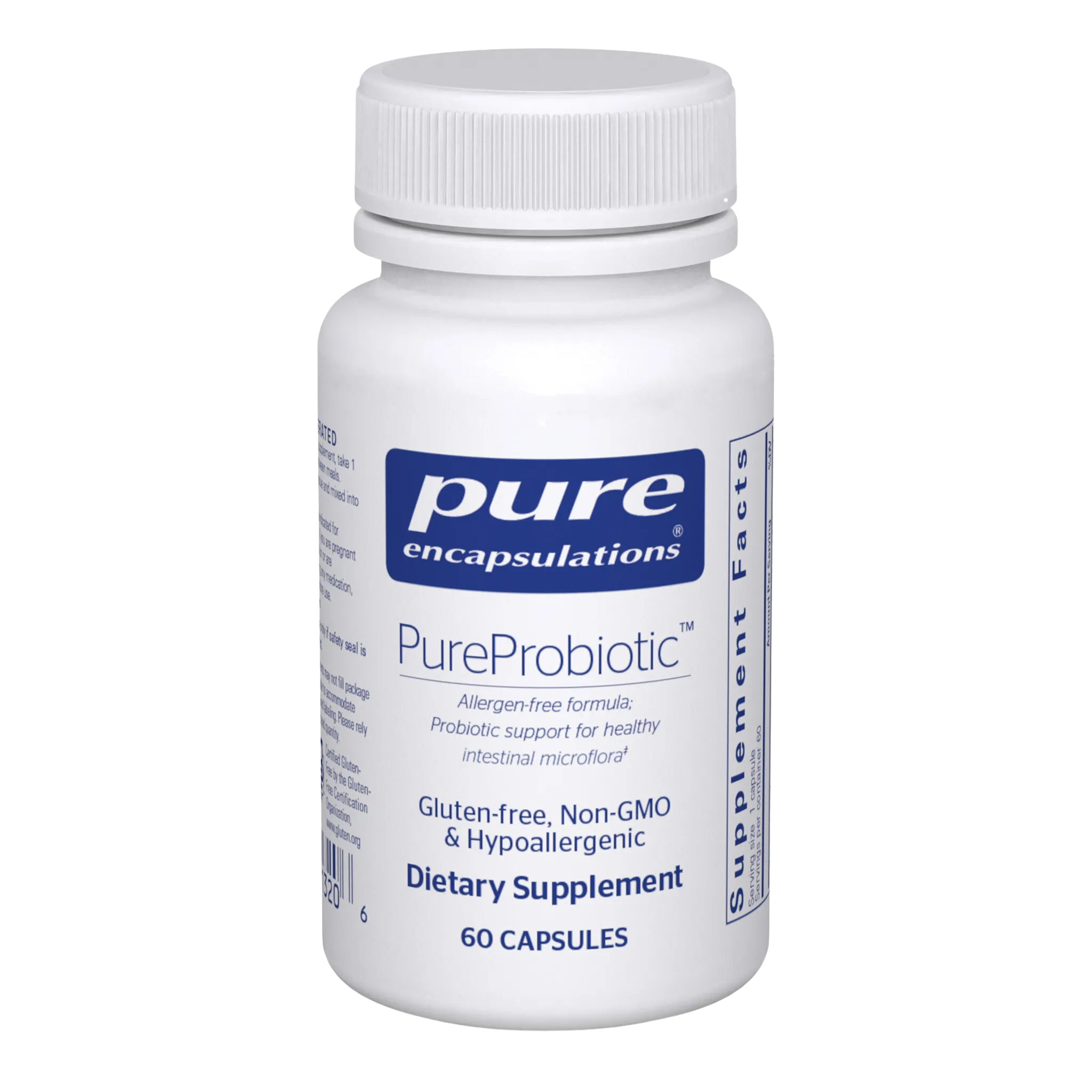
The human gastrointestinal tract is not merely a digestive organ; it is the largest immune interface in the body and a critical communication hub for the autonomic nervous system. When the delicate ecosystem of trillions of microbes residing in the gut is disrupted—a state known as dysbiosis—the consequences ripple throughout the entire body. Viral infections, chronic stress, and systemic inflammation can decimate beneficial bacterial populations, compromising the intestinal barrier and triggering a cascade of neuro-immune dysfunction. PureProbiotic is an allergen-free, targeted multi-strain formula designed to address this exact foundational imbalance. By delivering specific, clinically researched strains of Lactobacillus and Bifidobacterium, this specialized probiotic blend aims to restore healthy microflora, reinforce gastrointestinal integrity, and modulate the hyperactive immune responses that drive complex chronic illnesses.
What is PureProbiotic?
The Foundation of the Human Microbiome
To understand the therapeutic potential of PureProbiotic, it is essential to first understand the natural function of the gut microbiome in a healthy human body. The gastrointestinal tract hosts a complex, dynamic ecosystem of trillions of microorganisms, including bacteria, viruses, fungi, and archaea. In a state of homeostasis, these microbes exist in a symbiotic relationship with the host, performing vital biochemical functions that human cells cannot execute on their own. They are responsible for the fermentation of indigestible dietary fibers, the synthesis of essential nutrients like Vitamin K and various B vitamins, and the metabolism of bile acids. More importantly, the microbiome acts as a formidable defensive shield, utilizing a mechanism known as competitive exclusion to prevent opportunistic pathogens from colonizing the intestinal lining.
At the molecular level, the beneficial bacteria in the gut serve as the primary engineers of the intestinal barrier and the local immune system. The gut lining is composed of a single layer of epithelial cells, which must absorb nutrients while simultaneously keeping toxins, undigested food particles, and harmful bacteria out of the bloodstream. Beneficial microbes continuously interact with the gut-associated lymphoid tissue (GALT), which houses approximately 70% of the body's immune cells. Through constant biochemical cross-talk, these bacteria "train" the immune system to differentiate between harmless antigens (like food proteins) and dangerous pathogens, establishing a state of immune tolerance that prevents chronic, systemic inflammation.
The Power of Lactic Acid Bacteria and Bifidobacteria
PureProbiotic specifically utilizes a 5 billion CFU (colony-forming unit) blend of six highly researched strains belonging to two foundational genera: Lactobacillus and Bifidobacterium. These are among the first colonizers of the human infant gut and remain keystone species throughout a healthy lifespan. Lactobacillus species primarily reside in the small intestine, where they produce lactic acid. This localized production of lactic acid lowers the pH of the intestinal environment, creating an acidic, hostile terrain for pathogenic bacteria and yeast. Furthermore, Lactobacillus strains are deeply involved in the breakdown of complex carbohydrates and the regulation of localized mucosal immunity.
Conversely, Bifidobacterium species predominantly inhabit the large intestine (colon). They are master fermenters, breaking down resistant starches and oligosaccharides to produce short-chain fatty acids (SCFAs), most notably acetate, propionate, and butyrate. Butyrate is of paramount importance, as it serves as the primary energy source for colonocytes (the cells lining the colon). By fueling these cells, Bifidobacterium strains directly facilitate cellular repair, maintain the structural integrity of the gut lining, and regulate the expression of tight junction proteins. Together, these two genera work synergistically to maintain a robust, resilient, and balanced gastrointestinal ecosystem.
How Chronic Illness Impacts the Gut Microbiome
The Cascade of Gut Dysbiosis in Post-Viral Syndromes
In complex chronic conditions like Long COVID and ME/CFS, the delicate balance of the gut microbiome is frequently shattered. Current scientific consensus indicates that acute viral infections, particularly with SARS-CoV-2, can cause lasting disruption to the gut's microbial composition, a state known as dysbiosis. Extensive clinical profiling has shown that patients with Long COVID consistently exhibit reduced gut bacterial diversity. This dysbiosis is characterized by a significant depletion of beneficial, SCFA-producing bacteria (such as Bifidobacterium and Faecalibacterium prausnitzii) and a simultaneous overgrowth of pro-inflammatory, opportunistic pathogens. This microbial imbalance is not merely a byproduct of the illness; it is an active driver of the systemic inflammation and multi-organ symptoms patients endure.
In ME/CFS, research has similarly identified profound microbiome alterations. Studies utilizing high-throughput sequencing have revealed that ME/CFS patients can experience an approximate 34% decrease in gut microbial diversity compared to healthy controls, alongside an imbalance in the Bacteroidetes to Firmicutes ratio. This loss of keystone species compromises the production of crucial metabolites like butyrate, leading to the breakdown of the intestinal barrier. When the gut lining becomes hyper-permeable—a condition colloquially known as "leaky gut"—bacterial endotoxins, such as lipopolysaccharides (LPS), leak into the systemic circulation. This endotoxemia triggers a chronic, low-grade immune response, fueling the systemic inflammation and neuroinflammation that manifest as profound fatigue, brain fog, and post-exertional malaise (PEM).
The Vagus Nerve and Autonomic Dysfunction
The impact of gut dysbiosis extends far beyond the digestive tract, profoundly affecting the autonomic nervous system through the gut-brain axis. The vagus nerve serves as the primary bidirectional communication highway between the gut and the brain, controlling parasympathetic ("rest and digest") functions. In conditions like dysautonomia and Postural Orthostatic Tachycardia Syndrome (POTS), systemic inflammation originating from a permeable gut can impair vagus nerve signaling. When the vagus nerve is inflamed or its signaling is disrupted by microbial endotoxins, it loses its ability to properly regulate heart rate, blood pressure, and gastrointestinal motility.
This autonomic impairment creates a vicious cycle. Reduced vagal tone leads to slowed gut motility (gastroparesis), which allows bacteria to pool and overgrow in the small intestine, frequently resulting in Small Intestinal Bacterial Overgrowth (SIBO). SIBO, in turn, generates more localized inflammation and gas production, further damaging the gut lining and triggering the release of norepinephrine from the sympathetic nervous system. This keeps the body locked in a chronic "fight-or-flight" state, heavily exacerbating the tachycardia, dizziness, and gastrointestinal symptoms seen with Long COVID and POTS. Breaking this cycle requires targeted interventions to restore the microbial balance and repair the intestinal barrier.
PureProbiotic: Supporting Gut Barrier and Immune Function
Reinforcing Tight Junctions and the Gut Barrier
PureProbiotic works at the cellular level to counteract the structural damage caused by chronic inflammation and dysbiosis. The intestinal epithelium is held together by tight junctions (TJs), which form a paracellular seal preventing the leakage of pathogens and toxins into the bloodstream. These TJs consist of transmembrane proteins, such as occludin and claudins, anchored by intracellular scaffold proteins like Zonula Occludens-1 (ZO-1). Under inflammatory stress, pro-inflammatory cytokines trigger signaling cascades (like the Myosin Light Chain Kinase, or MLCK, pathway) that physically pull the cell cytoskeleton apart, breaking these tight junctions and causing leaky gut.
The specific strains in PureProbiotic, particularly Lactobacillus rhamnosus (Lr-32) and the Bifidobacterium species, actively intervene in this destructive process. Research demonstrates that these probiotics inhibit the MLCK and NF-κB inflammatory pathways, halting the breakdown of the epithelial barrier. Furthermore, they directly upregulate the gene transcription and protein expression of ZO-1, occludin, and claudin-1. In vitro studies using intestinal epithelial cells have shown that Bifidobacterium mixtures can restore the continuous "belt-like" structure of ZO-1 around adjacent cells, effectively reversing the fragmentation caused by inflammatory endotoxins like LPS and restoring transepithelial electrical resistance (TEER).
Immune Modulation and Treg Expansion
Beyond structural repair, PureProbiotic serves as a potent immunomodulator, helping to calm the hyperactive immune responses characteristic of MCAS, Long COVID, and ME/CFS. The cell surface components of these probiotic strains, such as exopolysaccharides, bind to Pattern Recognition Receptors (specifically Toll-Like Receptors TLR-2 and TLR-6) on dendritic cells and macrophages within the gut-associated lymphoid tissue. This binding event is a critical signaling mechanism that dictates the body's systemic immune posture.
When these specific Lactobacillus and Bifidobacterium strains interact with dendritic cells, they stimulate the differentiation of naïve T cells into Regulatory T cells (Tregs). Tregs are the essential "peacekeepers" of the immune system. Once activated, they secrete potent anti-inflammatory cytokines, specifically Interleukin-10 (IL-10) and Transforming Growth Factor-beta (TGF-β). These cytokines actively suppress the excessive Th1, Th2, and Th17 inflammatory responses that drive mast cell degranulation, systemic tissue inflammation, and autoimmune-like reactions. By expanding the Treg population, PureProbiotic helps re-establish immune tolerance, reducing the systemic burden of pro-inflammatory cytokines like TNF-α and IL-6.
The Gut-Brain Axis and Neurotransmitter Support
The therapeutic mechanisms of PureProbiotic also extend directly to the nervous system via the production of microbial metabolites. The Bifidobacterium strains in this formula are prolific producers of short-chain fatty acids (SCFAs), particularly acetate and lactate, which cross-feed other beneficial bacteria to produce butyrate. SCFAs are powerful signaling molecules that cross the blood-brain barrier. They inhibit histone deacetylases (HDACs), which not only drives further Treg development but also exerts profound neuroprotective and anti-neuroinflammatory effects in the brain, helping to combat the microglial activation associated with brain fog.
Furthermore, specific strains like Lactobacillus rhamnosus Lr-32 are heavily involved in the microbiota-gut-brain axis. Extensive in vivo studies have demonstrated that Lr-32 can reverse stress-induced dysbiosis while simultaneously upregulating the expression of genes related to central serotonin (5-HT) metabolism and gamma-aminobutyric acid (GABA) in the brain. GABA is the primary inhibitory neurotransmitter responsible for calming the central nervous system. By supporting the synthesis of these vital neurotransmitters and reducing systemic endotoxemia, PureProbiotic helps improve vagal tone, modulate the hypothalamic-pituitary-adrenal (HPA) axis, and alleviate the neurological symptoms of dysautonomia and post-viral fatigue.
Symptoms PureProbiotic May Help Manage
Targeting Systemic Imbalances
Because the gut microbiome influences nearly every systemic function in the body, restoring its balance can have wide-ranging therapeutic effects. PureProbiotic may help manage the following symptoms associated with complex chronic illnesses:
Gastrointestinal Distress and IBS Symptoms: By reinforcing tight junctions, reducing localized mucosal inflammation, and outcompeting gas-producing pathogenic bacteria, this probiotic blend helps alleviate bloating, abdominal discomfort, diarrhea, and constipation often seen in post-viral dysautonomia and Long COVID.
Food Sensitivities and Histamine Intolerance: Certain strains in this blend, such as Lactobacillus plantarum, have been shown to support the integrity of the intestinal epithelial barrier where Diamine Oxidase (DAO) is secreted. By healing the gut lining and reducing Th2-driven allergic responses, it may help patients better tolerate a wider variety of foods.
Autonomic Instability and POTS Triggers: By lowering systemic inflammation and supporting the production of calming neurotransmitters like GABA and serotonin, a balanced microbiome improves vagal tone. A healthier vagus nerve is better equipped to regulate heart rate, blood pressure, and the parasympathetic nervous system, potentially reducing the severity of dysautonomia flares.
Neurological and Immune Benefits
The benefits of a balanced microbiome extend far beyond the digestive tract, directly impacting cognitive function and immune resilience. PureProbiotic specifically targets the neuro-immune axis:
Brain Fog and Cognitive Impairment: By repairing the "leaky gut" barrier, PureProbiotic reduces the amount of bacterial endotoxins (LPS) entering the bloodstream. This decreases systemic inflammation and subsequent neuroinflammation, helping to clear the cognitive dysfunction, memory issues, and lack of focus associated with microglial activation.
Post-Exertional Malaise (PEM) and Severe Fatigue: The Bifidobacterium strains produce short-chain fatty acids (SCFAs) that improve cellular energy metabolism and reduce the systemic inflammatory burden. Lowering this chronic immune activation frees up metabolic resources, which may help raise the threshold for exertion and reduce the severity of crashes.
Immune Dysregulation and Frequent Infections: By expanding Regulatory T cell (Treg) populations and stimulating the production of Secretory IgA (sIgA) in the gut lining, these specific strains help balance the immune response. This reduces hyper-reactivity (as seen in MCAS) while simultaneously enhancing the body's innate defense against opportunistic viral and bacterial pathogens.
Practical Considerations: Forms, Dosing, and Absorption
Allergen-Free Fermentation and Tolerability
For individuals with complex chronic illnesses, particularly those with mast cell activation syndrome (MCAS) or severe food sensitivities, the inactive ingredients in a supplement are just as critical as the active ones. Many commercial probiotics are cultured on dairy-based or soy-based mediums, which can leave behind trace proteins that trigger severe immune reactions or histamine flares in sensitive patients. PureProbiotic is specifically derived from fermentation on a strictly dairy-free and soy-free medium. This allergen-free manufacturing process ensures maximum tolerability, allowing patients to repopulate their gut microbiome without inadvertently triggering mast cell degranulation or gastrointestinal distress.
Furthermore, the specific strains chosen for this formula—including Lactobacillus acidophilus La-14 and Bifidobacterium lactis Bl-04—are selected for their exceptional resilience. They have been clinically demonstrated to survive the harsh, highly acidic environment of the stomach and the bile salts of the upper digestive tract. This high survivability ensures that the 5 billion CFU (colony-forming units) per capsule successfully reach the small intestine and colon intact, where they can effectively adhere to the epithelial lining and begin colonization.
Optimal Dosing and Administration
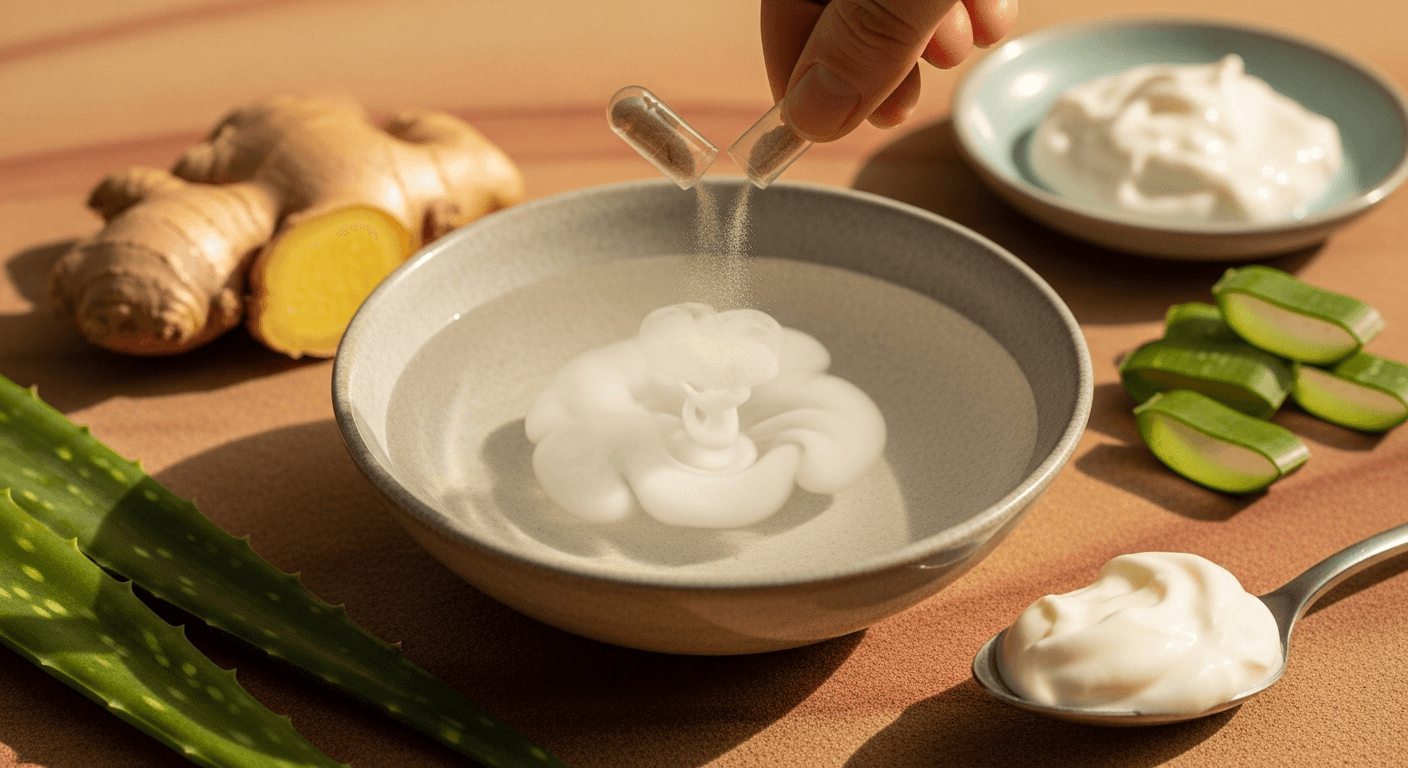
The suggested use for PureProbiotic is designed to provide consistent, daily support for the microbiome. For adults, the recommendation is to take 1 capsule twice daily, while children ages 4 and up should take 1 capsule daily. The timing of probiotic administration can influence its efficacy; taking the capsule with or immediately between meals is generally recommended, as the presence of food helps buffer stomach acid, further protecting the live bacteria during transit. For patients dealing with severe dysautonomia-related dysphagia (difficulty swallowing) or for young children, the capsule can be easily opened, and the allergen-free powder can be mixed into cold food or a cold beverage. It is crucial not to mix the powder into hot liquids, as high temperatures will destroy the live cultures.
Synergy, Storage, and Interactions
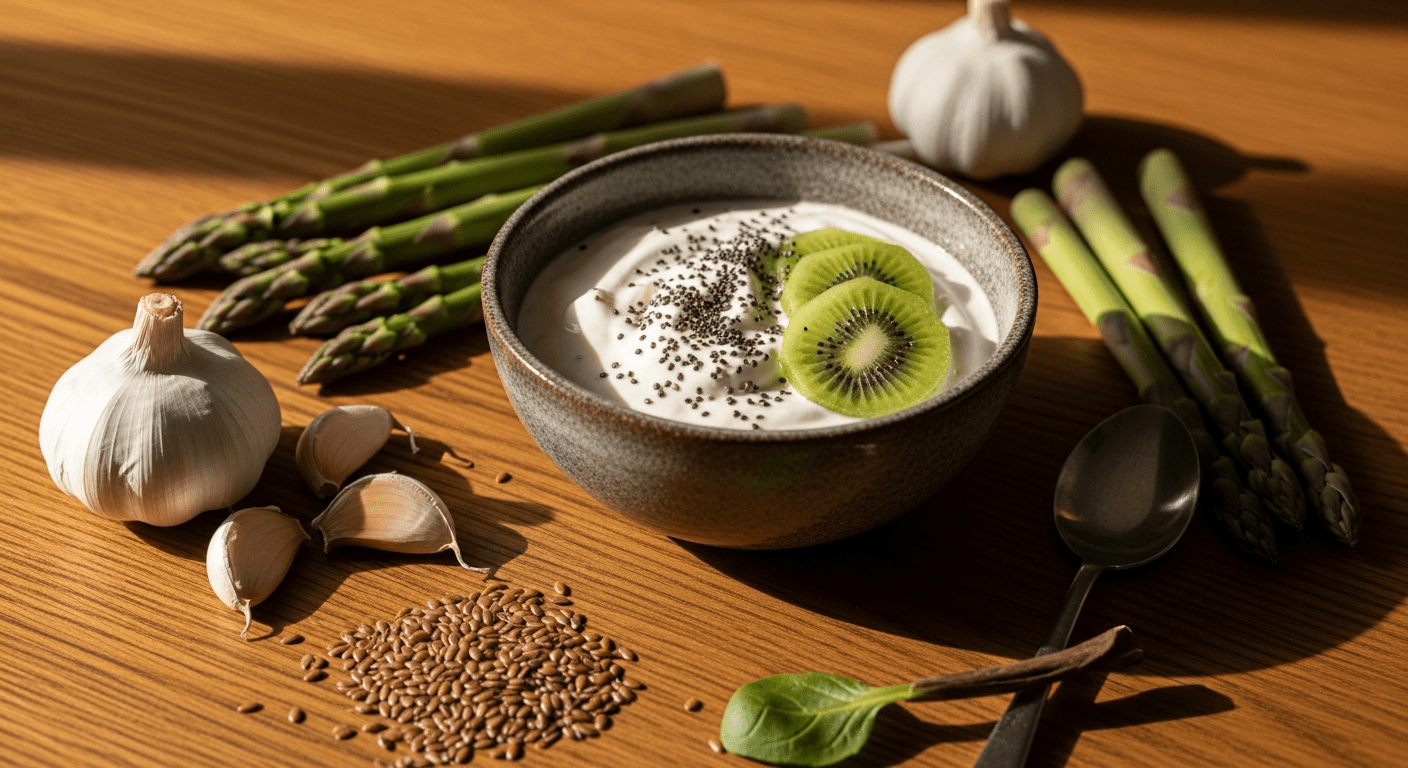
To maximize the benefits of PureProbiotic, it is often beneficial to pair it with a diet that includes tolerable prebiotics—the indigestible fibers that feed these beneficial bacteria. However, patients with SIBO or severe IBS should introduce prebiotics slowly, as rapid fermentation can cause bloating. Learn more about supporting gut health with Caprylic Acid. Because this formula contains live microorganisms, it requires refrigeration to maintain culture viability and guarantee the 5 billion CFU count through expiration. Regarding interactions, if a patient is currently taking prescribed antibiotics, it is vital to space the administration of the probiotic at least two to four hours away from the antibiotic dose to prevent the medication from neutralizing the beneficial bacteria. Always consult your healthcare provider before introducing a new supplement, especially if you are severely immunocompromised or undergoing targeted antimicrobial therapy.
Follow the Science
Landmark Trials in Long COVID and Microbiome Modulation
The clinical evidence supporting the use of targeted probiotics for post-viral syndromes has expanded exponentially in recent years. The most significant breakthrough came from a landmark, large-scale clinical trial conducted by the Chinese University of Hong Kong, published in The Lancet Infectious Diseases in 2024. This randomized, double-blind, placebo-controlled trial, known as the SIM01 RECOVERY study, involved 463 patients suffering from Long COVID. Patients were given a specific synbiotic formulation heavily featuring Bifidobacterium strains (similar to those found in PureProbiotic) for six months. The results were striking: patients receiving the microbiome intervention showed statistically significant higher rates of symptom alleviation compared to the placebo group. Specifically, fatigue improved in 63% of the treatment group (vs. 43% placebo), brain fog improved in 62% (vs. 39%), and gastrointestinal upset improved in 70% (vs. 54%). Fecal analysis confirmed that the intervention successfully increased bacterial diversity and reduced opportunistic pathogens, proving that modulating the gut directly impacts systemic post-viral symptoms.
Similarly, in the realm of ME/CFS, a 2025 randomized, double-blind, placebo-controlled study evaluated the effects of a multi-strain probiotic blend (including L. rhamnosus, L. plantarum, and B. lactis) on patients with post-COVID ME/CFS. After three months of supplementation, the treatment group demonstrated a significant reduction in post-exertional malaise (PEM) and improved tissue metabolism compared to the placebo group. These clinical trials underscore that while probiotics are not a standalone cure, they are a highly effective, evidence-based tool for addressing the root neuro-immune drivers of chronic fatigue and cognitive dysfunction.
Strain-Specific Clinical Evidence
The individual strains within PureProbiotic have also been rigorously tested in human clinical trials. Bifidobacterium lactis Bl-04 is one of the most thoroughly documented strains for respiratory and immune health. In a hallmark 5-month randomized, double-blind, placebo-controlled trial, healthy adults taking Bl-04 experienced a 27% lower incidence of upper respiratory tract infections compared to the placebo group. Subsequent studies published by the NIH demonstrated that Bl-04 significantly reduces both the duration and severity of viral infections by altering the innate host response and decreasing viral shedding.
Furthermore, Lactobacillus plantarum Lp-115 has been extensively studied for its protective effects on the intestinal barrier and metabolic health. Clinical evaluations have shown that Lp-115 yields significant beneficial effects on lowering systemic inflammation markers and protecting colon cells from DNA damage induced by genotoxic stress. Additionally, Lactobacillus rhamnosus Lr-32 has been frequently utilized in clinical models focusing on Irritable Bowel Syndrome (IBS) and intestinal permeability. Research indicates that Lr-32 directly counteracts the increase in "leaky gut" induced by mucosal inflammatory mediators by increasing the gene expression of crucial tight-junction proteins like ZO-1, while simultaneously modulating the gut-brain axis to reduce stress-induced anxiety behaviors.
The Path Forward
Validating the Patient Experience
Navigating the complexities of Long COVID, ME/CFS, dysautonomia, and MCAS is an incredibly challenging journey. When your body feels unpredictable and your symptoms are dismissed by traditional metrics, it is easy to feel overwhelmed. However, the emerging science of the microbiome offers a profoundly validating perspective: your symptoms are rooted in real, measurable physiological disruptions, and addressing the foundation of your gut health can be a powerful step toward reclaiming your quality of life.
A Comprehensive Approach
PureProbiotic offers a clinically researched, allergen-free approach to supporting your gastrointestinal integrity, balancing your immune response, and nurturing the vital gut-brain connection. While no single supplement is a cure for complex chronic illness, targeted microbiome modulation is a crucial component of a comprehensive management strategy that includes pacing, nervous system regulation, and individualized medical care.
As always, please consult your healthcare provider before beginning any new supplement regimen, especially if you are managing severe gastrointestinal conditions, immune dysregulation, or are currently undergoing antimicrobial treatments.