Can A.C. Formula II Support Gut Health and Alleviate Long COVID Brain Fog?
March 5, 2026
A.C. Formula IIGut HealthLong COVID
Share:
Disclaimer: The information provided here is for educational purposes only and is not intended as medical advice. It should not be used to diagnose, treat, cure, or prevent any medical condition. Instead, use it as a starting point for discussion with your healthcare provider. Always consult with a qualified healthcare provider before starting any new medication, supplement, device, or making changes to your health regimen.
Months or even years after an initial viral infection, many individuals living with Long COVID, myalgic encephalomyelitis/chronic fatigue syndrome (ME/CFS), and mast cell activation syndrome (MCAS) continue to battle a complex web of debilitating symptoms. While severe fatigue, post-exertional malaise (PEM), and autonomic dysfunction often take center stage, a hidden battle is frequently raging in the gastrointestinal tract. Gut dysbiosis—an imbalance between beneficial and pathogenic microbes—is increasingly recognized as a core driver of systemic inflammation and immune dysregulation in these complex chronic conditions. When the delicate ecosystem of the gut is disrupted, opportunistic bacteria and fungi like Candida can overgrow, compromising the intestinal barrier and fueling a vicious cycle of chronic illness.
For patients desperately seeking to regain control over their digestive health and overall well-being, targeted nutritional support can be a vital piece of the management puzzle. A.C. Formula II by Pure Encapsulations is a specialized dietary supplement designed to promote a healthy environment for microflora in the colon and intestinal tract. By combining potent herbal extracts like berberine sulfate and grapefruit seed extract with specific fatty acids such as caprylic acid and undecylenic acid, this formula aims to "weed" out pathogenic overgrowths while preserving beneficial bacteria. In this comprehensive guide, we will explore the intricate mechanisms behind A.C. Formula II, how gut dysbiosis impacts conditions like Long COVID and ME/CFS, and whether this targeted supplement could help you manage your complex gastrointestinal symptoms.
TL;DR
Gut dysbiosis and fungal overgrowth can drive systemic inflammation in Long COVID and ME/CFS.
A.C. Formula II combines fatty acids and botanical extracts to support a healthy gut microbiome.
Ingredients like caprylic acid and berberine may help manage SIBO, Candida, and leaky gut symptoms.
Always consult a healthcare provider before starting antimicrobial supplements, especially if taking medications.
What is A.C. Formula II?
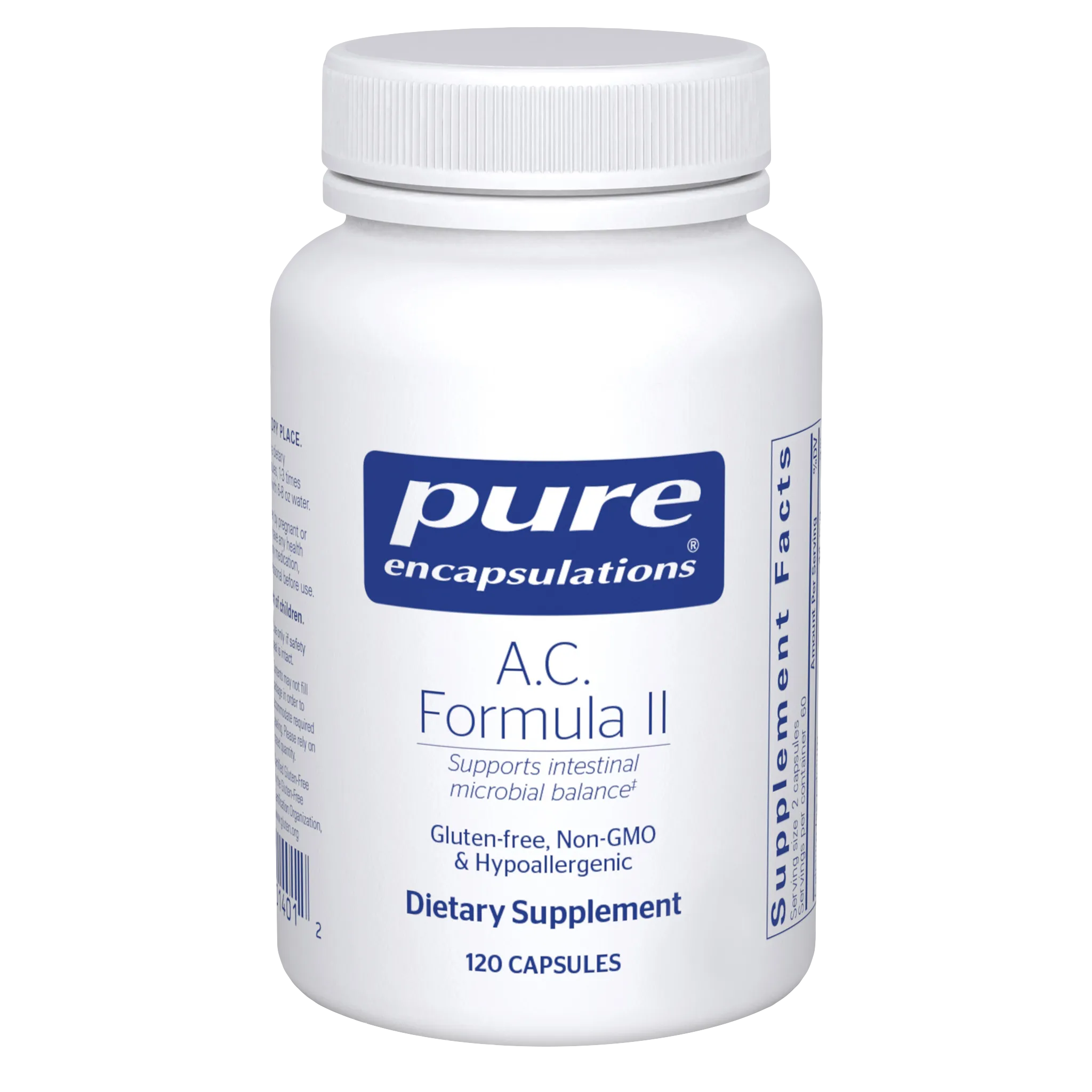
A.C. Formula II is a professional-grade dietary supplement meticulously formulated by Pure Encapsulations to support gastrointestinal health and microbial balance. In a healthy human body, the gut microbiome consists of trillions of microorganisms, including bacteria, archaea, viruses, and fungi, which live in a delicate, symbiotic balance. These microbes play essential roles in digesting food, synthesizing essential vitamins, regulating the immune system, and maintaining the structural integrity of the intestinal lining. However, when this ecosystem is disrupted by viral infections, chronic stress, or antibiotic use, opportunistic pathogens can multiply rapidly, leading to a state of dysbiosis. A.C. Formula II is designed to address this imbalance by providing a broad-spectrum blend of natural antimicrobial and antifungal agents that target pathogenic organisms without indiscriminately wiping out beneficial flora.
The formula achieves its therapeutic effects through a multi-targeted approach, combining specific medium-chain fatty acids with potent botanical extracts and digestive enzymes. Unlike conventional pharmaceutical antibiotics or antifungals, which often rely on a single mechanism of action and can lead to rapid drug resistance, the diverse ingredients in A.C. Formula II attack pathogens through multiple biochemical pathways simultaneously. This includes disrupting cellular membranes, inhibiting the formation of protective biofilms, and neutralizing the enzymes that pathogens use to invade host tissues. By dismantling these defense mechanisms, the supplement helps to clear physical space and nutrients in the gut, paving the way for beneficial bacteria to recolonize and thrive.
Furthermore, A.C. Formula II is specifically engineered to ensure that its active ingredients reach the lower gastrointestinal tract, where they are needed most. Many oral supplements are prematurely absorbed in the stomach or upper small intestine, rendering them ineffective against dysbiosis in the colon. To overcome this, the formula utilizes calcium and magnesium as buffering agents, which slow the dispersion and release of the active fatty acids. This sustained-release mechanism allows the therapeutic compounds to survive the harsh acidic environment of the stomach and disperse evenly throughout the entire intestinal tract, providing comprehensive support for a healthy gut ecosystem.
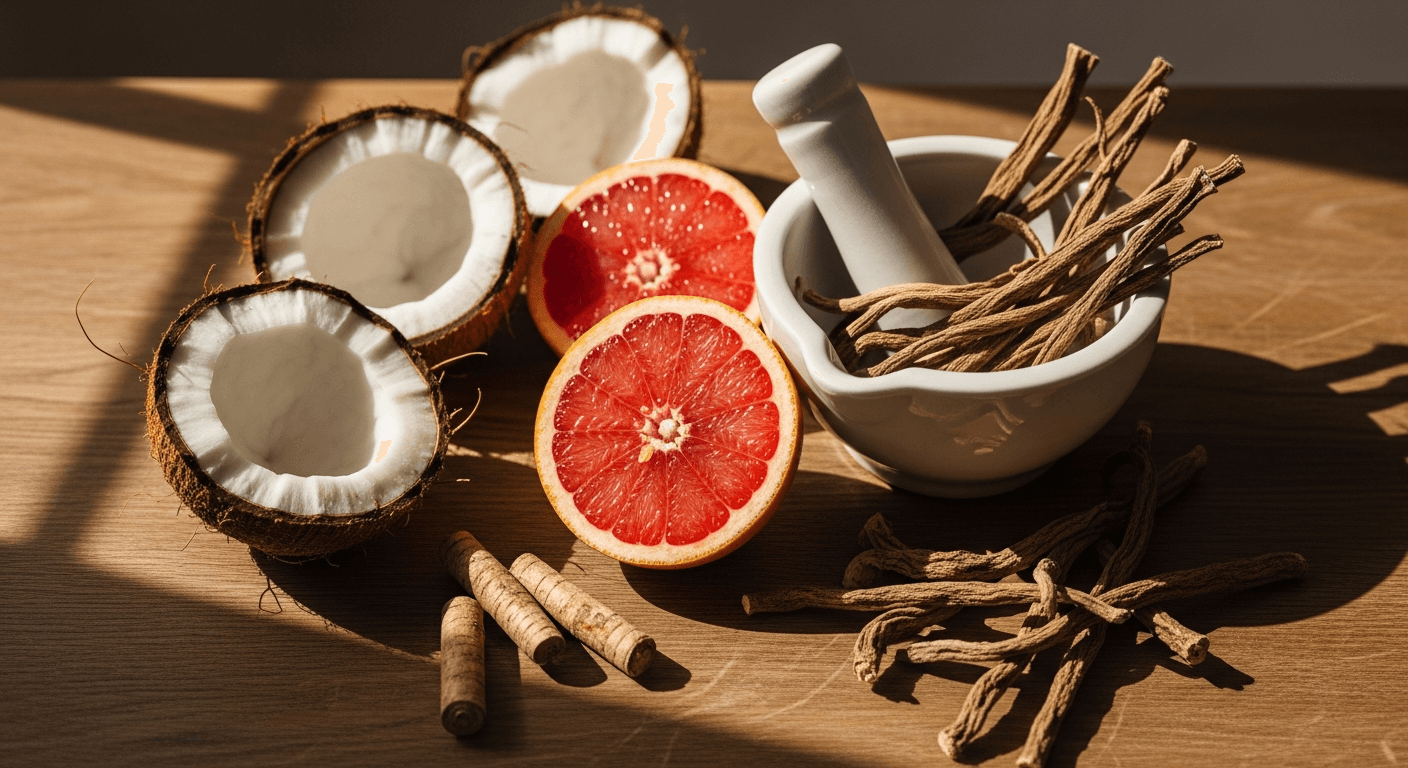
At the core of A.C. Formula II are two highly effective fatty acids: caprylic acid and undecylenic acid. Caprylic acid, also known as octanoic acid, is an 8-carbon medium-chain fatty acid naturally found in coconut oil and mammalian breast milk. In the realm of functional medicine, it is highly regarded for its potent antifungal properties, particularly against Candida albicans, a common opportunistic yeast that frequently overgrows in the dysbiotic gut. Caprylic acid is an amphiphilic molecule, meaning it can easily interact with and penetrate the lipid bilayer of the fungal cell membrane. Once integrated, it increases membrane permeability, leading to intracellular acidification, the leakage of vital cellular contents, and ultimately, the death of the yeast cell.
Undecylenic acid, an 11-carbon monounsaturated fatty acid, complements caprylic acid by targeting a different aspect of fungal pathogenesis. While caprylic acid excels at destroying the cell membrane, undecylenic acid is a profound inhibitor of fungal morphogenesis. The most critical virulence factor of Candida is its ability to switch from a harmless, budding yeast form into an invasive, thread-like hyphal form that can pierce the intestinal lining and contribute to "leaky gut" syndrome. Research indicates that undecylenic acid completely abolishes this transition to the filamentous phase, effectively neutralizing the yeast's ability to invade host tissues. Additionally, it interferes with the yeast's internal fatty acid biosynthesis and downregulates the production of tissue-destroying enzymes.
Together, these two fatty acids provide a powerful, synergistic defense against fungal overgrowth. By combining the membrane-disrupting capabilities of caprylic acid with the morphogenesis-inhibiting effects of undecylenic acid, A.C. Formula II offers a comprehensive strategy for managing Candida and other fungal pathogens. Importantly, research suggests that caprylic acid is effective against specific pathogens, including Candida albicans and Helicobacter pylori, helping to manage mixed infections in the gut. This targeted action is crucial for restoring long-term microbial peace and preventing the recurrence of dysbiosis.
In addition to fatty acids, A.C. Formula II incorporates berberine sulfate and grapefruit seed extract (GSE), two botanical powerhouses renowned for their broad-spectrum antimicrobial properties. Berberine is a bioactive alkaloid extracted from plants like goldenseal and barberry. It exhibits potent activity against a wide array of dysbiotic bacteria by inhibiting "FtsZ", an essential bacterial cell division protein, thereby halting the pathogen's ability to replicate. Interestingly, while berberine acts as an antimicrobial against pathogens, studies have shown it actively promotes the growth of beneficial, short-chain fatty acid (SCFA)-producing bacteria like Akkermansia muciniphila and Bifidobacterium, acting almost like a prebiotic to landscape the gut microbiome.
Grapefruit seed extract, derived from the seeds and pulp of Citrus paradisi, is known for its ability to combat opportunistic fungi and antibiotic-resistant bacteria. Pathogenic microbes often hide behind protective biofilms—slimy, extracellular matrices that shield them from the host immune system and antimicrobial agents. GSE acts as a highly effective anti-biofilm agent, disrupting these protective shields and exposing the pathogens to the immune system and other antimicrobial compounds in the formula. When combined with berberine, GSE creates a synergistic effect that targets both metabolic bacterial dysbiosis and stubborn fungal networks, making it a staple in clinical protocols for Small Intestinal Bacterial Overgrowth (SIBO) and Small Intestinal Fungal Overgrowth (SIFO).
Finally, the inclusion of bromelain, a complex of proteolytic enzymes extracted from the pineapple stem, adds another layer of therapeutic benefit. Bromelain acts as a highly effective digestive aid, hydrolyzing complex dietary proteins into smaller, easily absorbable peptides. Beyond digestion, emerging research indicates that bromelain actively shapes the gut microbiota by proteolytically modifying and degrading cell surface receptors on the intestinal lining. By eliminating these docking sites, bromelain physically prevents harmful bacteria from attaching to the gut wall and colonizing. Furthermore, bromelain exerts potent local anti-inflammatory effects in the gut, downregulating pro-inflammatory cytokines and helping to soothe the irritated mucosal lining often seen in chronic dysbiosis.
How Gut Dysbiosis Impacts Long COVID and ME/CFS
The gastrointestinal tract is deeply interconnected with the central nervous system, the immune system, and overall metabolic health, a relationship often referred to as the gut-brain axis. In conditions like Long COVID and myalgic encephalomyelitis/chronic fatigue syndrome (ME/CFS), this delicate communication network is frequently severely disrupted. Recent research into Long COVID has highlighted the persistent presence of SARS-CoV-2 viral reservoirs in the gut tissue long after the acute infection has resolved. These viral remnants continuously stimulate the local immune system, leading to chronic, low-grade inflammation within the intestinal mucosa. This persistent immune activation fundamentally alters the gut environment, making it hostile to beneficial, commensal bacteria and highly favorable for opportunistic pathogens.
As beneficial bacteria populations decline, the gut loses its primary defense mechanism against colonization by harmful microbes. Beneficial species like Bifidobacterium and Faecalibacterium prausnitzii are responsible for producing short-chain fatty acids (SCFAs), such as butyrate, which serve as the primary energy source for the cells lining the colon and possess potent anti-inflammatory properties. Studies have consistently shown that patients with ME/CFS and Long COVID exhibit a marked reduction in these crucial SCFA-producing bacteria. The depletion of butyrate compromises the integrity of the intestinal barrier, increases local inflammation, and disrupts the gut-brain axis, contributing to the severe fatigue, brain fog, and autonomic dysfunction characteristic of these conditions.
Furthermore, the dysregulation of the gut microbiome directly impacts neurotransmitter production. The gut is responsible for synthesizing a significant portion of the body's serotonin, dopamine, and gamma-aminobutyric acid (GABA). When dysbiosis takes hold, the production and regulation of these vital neurotransmitters are impaired. This biochemical imbalance can exacerbate the neurological and psychiatric symptoms often experienced by Long COVID and ME/CFS patients, including anxiety, depression, sleep disturbances, and cognitive impairment. The gut-brain axis becomes a conduit for pathology, transmitting inflammatory signals and metabolic disturbances from the dysbiotic gut directly to the central nervous system.
One of the most devastating consequences of gut dysbiosis in chronic illness is the development of increased intestinal permeability, commonly known as "leaky gut." The intestinal lining is composed of a single layer of epithelial cells held together by tight junction proteins. In a healthy state, these tight junctions act as a highly selective barrier, allowing nutrients to pass into the bloodstream while keeping out harmful bacteria, toxins, and undigested food particles. However, the chronic inflammation, viral persistence, and depletion of protective SCFAs seen in Long COVID and ME/CFS cause these tight junctions to loosen and degrade.
When the intestinal barrier is compromised, a phenomenon known as endotoxemia occurs. Lipopolysaccharides (LPS), which are toxic components of the cell walls of Gram-negative bacteria, leak from the gut lumen into the systemic circulation. The immune system recognizes LPS as a severe threat and mounts a massive, systemic inflammatory response. This chronic, systemic inflammation is a hallmark of both Long COVID and ME/CFS, driving the widespread symptoms of muscle pain, joint aches, and profound fatigue. The constant influx of endotoxins keeps the immune system locked in a state of hyperactivation, draining the body's energy reserves and triggering severe post-exertional malaise (PEM) following even minor physical or cognitive exertion.
Moreover, this systemic inflammation can cross the blood-brain barrier, leading to neuroinflammation and microglial activation in the brain. Microglia are the resident immune cells of the central nervous system, and when activated by circulating endotoxins and inflammatory cytokines, they release neurotoxic substances that impair neuronal function. This neuroinflammatory process is strongly implicated in the debilitating brain fog, memory deficits, and sensory processing issues that plague so many patients. By driving systemic and neuroinflammation, leaky gut serves as a critical engine perpetuating the cycle of chronic illness, making the restoration of the intestinal barrier a paramount therapeutic goal.
While bacterial dysbiosis is frequently discussed, fungal overgrowth, particularly by Candida species, is an equally significant and often overlooked driver of symptoms in complex chronic conditions. In a healthy gut, Candida exists as a harmless commensal organism, kept in check by the competitive presence of beneficial bacteria and a robust immune system. However, the immune dysregulation inherent in Long COVID and ME/CFS, combined with the depletion of beneficial flora, creates an ideal environment for Candida to rapidly multiply and become pathogenic. This condition, known as Small Intestinal Fungal Overgrowth (SIFO), frequently co-occurs with Small Intestinal Bacterial Overgrowth (SIBO), creating a complex, multi-organism dysbiosis.
When Candida overgrows, it undergoes a morphological switch from a benign yeast to an invasive, hyphal form. These long, thread-like hyphae physically penetrate the intestinal epithelial cells, directly causing mechanical damage and further exacerbating leaky gut. Additionally, pathogenic Candida secretes a myriad of toxic byproducts, including acetaldehyde, a potent neurotoxin. Acetaldehyde can cross the blood-brain barrier, interfering with cellular metabolism and neurotransmitter function, leading to profound cognitive impairment, chronic headaches, and severe fatigue. The continuous release of these fungal toxins places a massive burden on the liver's detoxification pathways, further depleting the body's resources.
The presence of chronic fungal overgrowth also profoundly impacts mast cell function, creating a direct link to mast cell activation syndrome (MCAS), a condition frequently comorbid with Long COVID and dysautonomia. Mast cells are key immune sentinels located throughout the body, particularly in the gut mucosa. Fungal antigens and the chronic inflammation associated with SIFO can chronically activate these mast cells, causing them to inappropriately degranulate and release massive amounts of histamine, tryptase, and other inflammatory mediators. This histamine flood triggers a cascade of systemic symptoms, including severe allergic reactions, gastrointestinal distress, skin rashes, and erratic blood pressure fluctuations, further complicating the clinical picture and highlighting the critical need to address fungal dysbiosis.
A.C. Formula II: Supporting Gut Health and Microbial Balance
One of the most significant challenges in treating chronic gut dysbiosis is the presence of biofilms. Biofilms are complex, three-dimensional structures created by communities of bacteria and fungi that secrete a protective, slimy extracellular matrix composed of polysaccharides, proteins, and DNA. This matrix acts as an impenetrable shield, protecting the pathogens from the host's immune system and rendering them highly resistant to standard pharmaceutical antibiotics and antifungals. In conditions like Long COVID and ME/CFS, where chronic dysbiosis is common, these biofilms allow pathogenic organisms to persistently colonize the gut lining, driving continuous inflammation and leaky gut. A.C. Formula II addresses this critical hurdle through the synergistic action of its botanical extracts and fatty acids.
Grapefruit seed extract (GSE) and caprylic acid are particularly potent anti-biofilm agents. Because of its small molecular size and amphiphilic nature, caprylic acid can physically penetrate the dense extracellular matrix of the biofilm, breaking down its structural integrity. Simultaneously, research indicates that herbal therapies can be effective in eradicating small intestinal bacterial overgrowth (SIBO) in patients with irritable bowel syndrome. By targeting these overgrowths, these compounds expose the underlying pathogens, making them vulnerable to the immune system and the other antimicrobial ingredients in the formula. This biofilm-disrupting capability is essential for eradicating deeply entrenched infections that contribute to the chronicity of complex illnesses.
Furthermore, the inclusion of bromelain in the formula provides an enzymatic approach to biofilm degradation. As a proteolytic enzyme, bromelain can hydrolyze the protein components of the biofilm matrix, further destabilizing the structure. By breaking down these protective barriers, A.C. Formula II not only helps to eliminate current pathogenic overgrowths but also prevents the formation of new biofilms, ensuring a more thorough and lasting restoration of the gut microbiome. This comprehensive approach to biofilm disruption is a key mechanism by which the supplement supports long-term gastrointestinal health.
Fungal overgrowth, particularly by Candida albicans, is a pervasive issue for many individuals with Long COVID, ME/CFS, and MCAS. The chronic immune dysregulation and frequent use of antibiotics in these populations create an ideal environment for yeast to flourish. A.C. Formula II is specifically designed to combat this fungal burden through the combined actions of caprylic acid, undecylenic acid, and grapefruit seed extract. Caprylic acid directly attacks the fungal cell membrane, integrating into the lipid bilayer and causing it to become highly permeable. This disruption leads to the leakage of intracellular contents and the rapid death of the yeast cell, effectively reducing the overall fungal load in the gastrointestinal tract.
Undecylenic acid provides a crucial complementary mechanism by targeting the virulence of Candida. In order to invade the intestinal lining and cause systemic issues, Candida must transition from a round yeast form into an invasive, hyphal form. Studies show that undecylenic acid is a profound inhibitor of this morphogenesis, completely abolishing the transition to the filamentous phase at therapeutic concentrations. By preventing the formation of hyphae, undecylenic acid neutralizes the yeast's ability to pierce the gut mucosa, thereby protecting the integrity of the intestinal barrier and preventing the systemic spread of fungal toxins. Additionally, it downregulates the transcription of Secreted Aspartic Proteases (SAPs), the enzymes Candida uses to degrade host tissue.
The synergistic combination of these fatty acids with the broad-spectrum antifungal properties of GSE ensures a comprehensive eradication strategy. While caprylic acid and GSE destroy existing fungal cells and biofilms, undecylenic acid prevents the remaining yeast from becoming invasive and pathogenic. This multi-pronged attack is highly effective at managing Small Intestinal Fungal Overgrowth (SIFO) and reducing the systemic burden of fungal toxins like acetaldehyde. By clearing this fungal overgrowth, A.C. Formula II helps to alleviate the profound brain fog, chronic fatigue, and immune hyperactivation that are so often exacerbated by chronic candidiasis.
In addition to its potent antifungal properties, A.C. Formula II is highly effective at modulating bacterial populations and addressing Small Intestinal Bacterial Overgrowth (SIBO). SIBO occurs when bacteria that normally reside in the large intestine inappropriately colonize the small intestine, leading to severe bloating, gas, malabsorption, and systemic inflammation. The primary agent in the formula targeting this bacterial dysbiosis is berberine sulfate. Berberine is a powerful botanical antimicrobial that targets a wide array of dysbiotic bacteria, including Escherichia coli, Klebsiella, and Staphylococcus, by inhibiting essential bacterial cell division proteins.
What makes berberine particularly valuable in the treatment of SIBO and general dysbiosis is its targeted, "microbiome-sparing" action. Unlike broad-spectrum pharmaceutical antibiotics that indiscriminately wipe out both good and bad bacteria, berberine exhibits a selective antimicrobial effect. Studies have shown that while it effectively suppresses pathogenic bacteria, berberine actively promotes the growth of beneficial, short-chain fatty acid (SCFA)-producing bacteria such as Akkermansia muciniphila and Bifidobacterium. This prebiotic-like landscaping effect is crucial for restoring a healthy, balanced microbiome ecosystem, as these beneficial bacteria are essential for maintaining the gut barrier and regulating the immune system.
Furthermore, berberine's exceptionally poor oral bioavailability is actually a significant advantage for treating gut dysbiosis. Because less than 1% of the compound is absorbed into the bloodstream, the vast majority of the berberine remains trapped within the gastrointestinal lumen. This allows it to exert its potent antimicrobial and microbiome-modulating effects directly at the site of the dysbiosis, maximizing its therapeutic impact on the gut flora without causing significant systemic side effects. When combined with the antibacterial properties of grapefruit seed extract, berberine provides a robust defense against SIBO and helps to restore a healthy bacterial balance throughout the intestinal tract.
Beyond eradicating pathogens, A.C. Formula II supports the structural and functional recovery of the gastrointestinal tract, primarily through the inclusion of bromelain. Chronic dysbiosis and the resulting inflammation often severely impair the gut's ability to properly digest and absorb nutrients, leading to widespread nutritional deficiencies that exacerbate the fatigue and weakness seen in Long COVID and ME/CFS. Bromelain, a potent proteolytic enzyme, actively hydrolyzes complex dietary proteins into smaller, easily absorbable peptides and amino acids. This enzymatic assistance significantly enhances overall nutrient bioavailability, ensuring that the body receives the essential building blocks it needs for cellular repair and energy production.
Moreover, bromelain plays a critical role in preserving and restoring the integrity of the intestinal mucosal barrier. Animal studies demonstrate that bromelain supplementation can increase intestinal villus height and crypt depth, thereby maximizing the surface area available for nutrient absorption. It has also been shown to decrease fecal mucinase activity, an enzyme that breaks down the protective mucus layer lining the gut. By inhibiting mucinase, bromelain helps to maintain a thick, robust mucosal defense barrier, preventing bacterial invasion and the leakage of endotoxins into the bloodstream. This physical protection is vital for healing "leaky gut" and halting the cycle of systemic inflammation.
Finally, bromelain exerts significant local anti-inflammatory effects within the gastrointestinal tract. It inhibits the NF-κB transcription factor and downregulates the production of pro-inflammatory cytokines such as IL-6 and TNF-α, which are often chronically elevated in the dysbiotic gut. By soothing this localized inflammation, bromelain helps to alleviate the pain, cramping, and discomfort associated with conditions like irritable bowel syndrome (IBS) and SIBO. Through its combined effects on digestion, mucosal integrity, and inflammation, bromelain ensures that A.C. Formula II not only clears out pathogenic microbes but also actively supports the healing and regeneration of the gut tissue.
Symptoms A.C. Formula II May Help Manage
Severe Bloating and Distension: By targeting the overgrowth of gas-producing bacteria and fungi in the small intestine (SIBO/SIFO), the formula helps reduce the excessive fermentation of carbohydrates that leads to painful bloating and abdominal distension.
Chronic Diarrhea or Constipation: Modulating the gut microbiome with berberine and fatty acids helps restore normal bowel motility. Eradicating pathogens reduces the inflammation that drives diarrhea, while promoting beneficial, SCFA-producing bacteria can help regulate transit time and alleviate constipation.
Abdominal Pain and Cramping: The local anti-inflammatory properties of bromelain, combined with the reduction of irritating pathogenic overgrowths, help soothe the inflamed intestinal mucosa, significantly reducing chronic abdominal pain and cramping.
Food Sensitivities and Intolerances: By addressing "leaky gut" and restoring the integrity of the intestinal barrier, the formula helps prevent undigested food particles from entering the bloodstream and triggering immune responses, thereby potentially reducing the severity of acquired food sensitivities.
Nausea and Indigestion: The inclusion of bromelain provides powerful enzymatic support, aiding in the breakdown of complex proteins and improving overall digestive efficiency, which can alleviate symptoms of nausea, early satiety, and general indigestion.
Brain Fog and Cognitive Impairment: By eradicating Candida overgrowth, the formula reduces the production of neurotoxic byproducts like acetaldehyde. Additionally, healing the gut barrier prevents systemic endotoxemia, reducing the neuroinflammation that drives severe brain fog and memory deficits.
Profound Fatigue and Low Energy: Restoring a healthy gut microbiome improves the absorption of essential nutrients required for mitochondrial energy production. Furthermore, reducing systemic inflammation lowers the immense metabolic burden placed on the immune system, freeing up energy reserves.
Histamine Intolerance and MCAS Flares: Fungal overgrowth and gut inflammation are major triggers for mast cell degranulation. By clearing these pathogens and soothing the gut lining, the formula helps stabilize local mast cells, potentially reducing the frequency and severity of histamine-driven allergic reactions and MCAS flares.
Joint and Muscle Pain: The systemic inflammation driven by a leaky, dysbiotic gut often manifests as widespread musculoskeletal pain. By sealing the intestinal barrier and halting the leakage of lipopolysaccharides (LPS) into the bloodstream, the formula helps lower systemic inflammatory markers, alleviating joint and muscle aches.
Skin Rashes and Eczema: The "gut-skin axis" means that intestinal dysbiosis frequently presents as dermatological issues. By clearing fungal overgrowth and reducing systemic immune hyperactivation, the formula can help resolve chronic skin conditions like eczema, acne, and unexplained rashes.
Practical Considerations: Forms, Dosing, and Absorption
When utilizing potent antimicrobial fatty acids like caprylic acid and undecylenic acid, the delivery mechanism is just as critical as the ingredients themselves. If these fatty acids are absorbed too quickly in the stomach or upper small intestine, they will fail to reach the colon, where a significant portion of dysbiosis and fungal overgrowth occurs. To solve this pharmacokinetic challenge, A.C. Formula II employs a sophisticated buffered sustained-release system. The caprylic and undecylenic acids are bound to calcium and magnesium, which act as mineral buffers.
This buffering mechanism serves two vital purposes. First, it protects the delicate mucosal lining of the stomach from the potentially irritating effects of concentrated, raw fatty acids, significantly reducing the risk of nausea or heartburn upon ingestion. Second, and more importantly, the calcium and magnesium bonds slow the dispersion and release of the active compounds. This delayed-release profile allows the therapeutic fatty acids to survive the harsh, acidic environment of the stomach and travel deep into the gastrointestinal tract. As the capsule moves through the intestines, the active ingredients are slowly and evenly distributed throughout the small intestine and the colon, ensuring comprehensive, localized antimicrobial action exactly where the pathogenic biofilms and overgrowths reside.
Furthermore, the formula utilizes hypoallergenic plant fiber (pine cellulose) and vegetarian capsules, completely free from unnecessary binders, fillers, or synthetic shellacs. This clean formulation ensures optimal capsule disintegration and absorption. For patients with complex chronic illnesses like Long COVID, ME/CFS, and MCAS, who often suffer from severe chemical sensitivities and reactive immune systems, this hypoallergenic, non-GMO design is essential for minimizing the risk of adverse reactions to inactive excipients.
To achieve the best therapeutic outcomes while minimizing potential gastrointestinal discomfort, proper dosing and timing are crucial. The standard recommended dosage for A.C. Formula II is 2 to 6 capsules daily, taken in divided doses. For example, a patient might take 2 capsules, one to three times a day. It is highly recommended to start with the lowest effective dose (e.g., 1 capsule twice daily) and slowly titrate upwards over several weeks. This gradual introduction helps mitigate the risk of a severe "die-off" reaction (Herxheimer reaction), which can occur when large amounts of bacteria and fungi are rapidly killed, releasing endotoxins into the gut and temporarily exacerbating symptoms like fatigue, brain fog, and bloating.
Timing the administration of the supplement is also key to its efficacy. Pure Encapsulations recommends taking the capsules just before meals. Taking the formula with food serves multiple purposes: it utilizes the digestive process to help disperse the ingredients evenly throughout the food bolus as it travels through the GI tract, and it allows the bromelain to act as a digestive aid, breaking down dietary proteins. Additionally, taking the capsules with a large glass of water (6 to 8 ounces) is essential to aid in proper dispersion and prevent any concentrated active ingredients from causing localized irritation in the esophagus or stomach.
It is important to note that herbal antimicrobial protocols are generally not intended for indefinite, continuous use. In functional medicine, products like A.C. Formula II are typically utilized as the "weeding" phase of a gut rehabilitation protocol, usually lasting anywhere from 4 to 12 weeks. Once the pathogenic overgrowth has been sufficiently cleared and symptoms have improved, the protocol often transitions to a "seeding and feeding" phase, focusing on the introduction of targeted probiotics and prebiotic fibers to rebuild and maintain the newly balanced microbiome ecosystem. Always work with a knowledgeable healthcare provider to determine the appropriate duration of therapy for your specific clinical presentation.
Because A.C. Formula II contains highly concentrated botanical extracts and active fatty acids, there are several strict contraindications and potential drug interactions that must be carefully considered. First and foremost, this product is strictly contraindicated and must not be taken by pregnant or lactating women. Additionally, because the bromelain in the formula is extracted directly from the stem of pineapples, individuals with a known pineapple allergy must completely avoid this supplement to prevent severe allergic reactions. Furthermore, the caprylic acid in the formula is generally not recommended for individuals who are prone to developing kidney stones.
Patients taking prescription medications must exercise caution and consult their physician before starting this supplement. Both caprylic acid and bromelain possess mild anticoagulant properties, meaning they can thin the blood. Therefore, they are contraindicated for use with prescription blood thinners (such as warfarin or Eliquis) due to an increased risk of excessive bleeding. Bromelain has also been shown to interact with and alter the absorption and systemic effects of certain antibiotics, most notably tetracyclines and amoxicillin, potentially leading to unintended high levels of the drug in the bloodstream. Caprylic acid may also interact negatively with non-steroidal anti-inflammatory drugs (NSAIDs).
A common concern with grapefruit seed extract is its potential to interact with the liver's Cytochrome P450 (CYP3A4) enzyme system, which metabolizes many common prescription drugs, including statins, calcium channel blockers, and mood stabilizers. However, Pure Encapsulations has conducted High-Performance Liquid Chromatography (HPLC) analysis on the specific grapefruit extract used in A.C. Formula II. The testing confirms that it contains no detectable bergamottin and less than 1 mcg of DHB (the specific furanocoumarins responsible for blocking the P450 pathway) per 6 capsules. While this significantly minimizes the risk of standard grapefruit-mediated drug interactions, patients on critical, liver-metabolized medications should still consult their healthcare provider out of an abundance of caution before initiating therapy.
Follow the Science
The use of medium-chain fatty acids like caprylic acid and undecylenic acid for the management of fungal overgrowth is supported by a robust body of clinical and in vitro research. Studies investigating the cellular physiology of Candida albicans have demonstrated that caprylic acid is highly effective at disrupting the fungal cell membrane and bypassing the yeast's efflux pumps. Efflux pumps are a primary mechanism by which Candida develops resistance to standard pharmaceutical antifungals, essentially "spitting out" the drugs before they can cause harm. By disabling these pumps and physically degrading the lipid bilayer, caprylic acid forces the rapid death of the pathogen. Clinical trials have also shown that medium-chain triglycerides high in caprylic acid can significantly reduce gastrointestinal Candida colonization in vulnerable populations.
Undecylenic acid has been extensively studied for its unique ability to halt the pathogenesis of Candida. Research suggests that yeast-balancing supplements and a healthy diet may assist in managing Candida infections. Managing this overgrowth is critical, as the hyphal form of Candida is directly responsible for penetrating the intestinal mucosa and driving the systemic inflammation seen in "leaky gut." Furthermore, studies testing combinations of undecylenic acid and other natural compounds have demonstrated profound anti-biofilm effects, with biofilm formation being reduced by up to 91%. This evidence underscores the efficacy of these fatty acids in not just killing yeast, but fundamentally disarming its ability to cause chronic disease.
The botanical components of A.C. Formula II, specifically berberine sulfate and grapefruit seed extract, have been the subject of significant clinical interest for their role in treating Small Intestinal Bacterial Overgrowth (SIBO) and general gut dysbiosis. A landmark 2014 study published by researchers at Johns Hopkins University found that a 4-week protocol of herbal antimicrobials, heavily featuring berberine, was just as effective as the leading pharmaceutical antibiotic, Rifaximin, in treating SIBO. Remarkably, the herbal therapy successfully rescued SIBO in patients who had previously failed to respond to the pharmaceutical intervention, highlighting the potency of these natural compounds.
Grapefruit seed extract has also demonstrated profound broad-spectrum antimicrobial capabilities in clinical literature. A clinical case report found that herbal therapy successfully eradicated small intestinal bacterial overgrowth (SIBO) in a patient with irritable bowel syndrome. Furthermore, addressing SIBO helps modulate the gut microbiota to actively enhance the populations of beneficial, butyrate-producing bacteria. Additional clinical case reports have tracked patients with severe, debilitating IBS who achieved sustained symptom relief and normalized breath tests after being treated with herbal formulations containing berberine, grapefruit seed extract, and caprylic acid, validating the synergistic approach of A.C. Formula II.
Beyond its well-known role as a digestive enzyme, recent scientific literature has uncovered a highly sophisticated set of mechanisms by which bromelain influences the gut microbiome and mucosal immunity. A 2022 study by Kostiuchenko et al. on murine models demonstrated that bromelain supplementation fundamentally alters the microbiome by decreasing the abundance of inflammatory Proteobacteria and significantly increasing Akkermansia muciniphila. Akkermansia is a highly prized keystone bacterial species known for protecting the gut lining, regulating host metabolism, and reducing systemic inflammation, making its promotion a highly desirable therapeutic outcome.
Furthermore, research has elucidated bromelain's potent local anti-inflammatory effects within the gastrointestinal tract. Studies have shown that bromelain inhibits the NF-κB transcription factor and downregulates the production of pro-inflammatory cytokines such as IL-6, IL-8, and TNF-α. This cytokine downregulation is crucial for soothing the irritated mucosal lining often seen in chronic dysbiosis and leaky gut. Additionally, animal studies demonstrate that bromelain supplementation physically improves the structural health of the gut by increasing intestinal villus height and crypt depth, thereby maximizing digestive and absorptive capacities. This combination of microbiome modulation, inflammation reduction, and structural repair underscores bromelain's vital role in the comprehensive efficacy of A.C. Formula II.
The Path Forward
Living with complex chronic conditions like Long COVID, ME/CFS, dysautonomia, and MCAS is an incredibly challenging and often isolating journey. When your body feels unpredictable and your symptoms are dismissed by traditional medical paradigms, it is easy to feel overwhelmed. However, recognizing the profound connection between your gastrointestinal health and your systemic symptoms offers a tangible, actionable pathway toward healing. By addressing the root cause of gut dysbiosis, eradicating fungal overgrowth, and soothing intestinal inflammation, you are taking a critical step in lowering your body's overall inflammatory burden and restoring balance to your immune system.
It is important to remember, however, that healing the gut is a marathon, not a sprint. Supplements like A.C. Formula II are powerful tools for "weeding" out pathogenic overgrowths, but they are most effective when integrated into a comprehensive, holistic management strategy. This includes adopting a nutrient-dense, anti-inflammatory diet that minimizes refined sugars (which feed Candida), prioritizing restorative sleep, and rigorously practicing pacing to avoid the severe crashes associated with post-exertional malaise (PEM). Learning more about how to manage fatigue and pace effectively is just as crucial as any nutritional intervention.
As you embark on a gut rehabilitation protocol, meticulous symptom tracking is essential. Because the eradication of bacteria and fungi can sometimes cause a temporary worsening of symptoms (a Herxheimer or "die-off" reaction), keeping a detailed log of your daily energy levels, cognitive function, and gastrointestinal distress will help you and your healthcare provider differentiate between a healing reaction and an adverse intolerance. Understanding the wide array of gastrointestinal symptoms seen with Long COVID can help you establish a baseline and accurately monitor your progress as your microbiome begins to shift toward a healthier state.
Be patient with your body. The dysbiosis and leaky gut that drive chronic illness often take months or years to develop, and reversing these structural and ecological changes requires consistent, targeted support. Celebrate the small victories—a day with slightly less bloating, a morning with clearer cognition, or a small reduction in joint pain. These subtle shifts are indicators that the systemic inflammation is beginning to subside and that your gut-brain axis is slowly healing.
If you are struggling with the debilitating symptoms of gut dysbiosis, SIBO, or Candida overgrowth as part of your complex chronic illness, targeted botanical and nutritional support may provide the breakthrough you need. By combining the potent antimicrobial properties of berberine and grapefruit seed extract with the targeted fungal eradication of caprylic and undecylenic acids, A.C. Formula II offers a comprehensive approach to restoring microbial balance. Always consult with a knowledgeable healthcare provider before starting any new supplement regimen, especially if you are taking prescription medications or have severe chemical sensitivities.
Sources
Caprylic Acid and Undecylenic Acid Mechanisms against Candida
Berberine Sulfate and Grapefruit Seed Extract for Gut Dysbiosis
Grapefruit Seed Extract Anti-Biofilm and Anti-C. difficile Activity
Complexities of ME/CFS and Long COVID: Gut Microbiome Disturbances
Pure Encapsulations A.C. Formula II Product Data and Bioavailability