Can PureBi•Ome™ G.I. Support Gut Healing and Manage Long COVID Symptoms?
March 5, 2026
PureBi•Ome G.I.Gut HealthLong COVID
Share:
Disclaimer: The information provided here is for educational purposes only and is not intended as medical advice. It should not be used to diagnose, treat, cure, or prevent any medical condition. Instead, use it as a starting point for discussion with your healthcare provider. Always consult with a qualified healthcare provider before starting any new medication, supplement, device, or making changes to your health regimen.
For many individuals living with complex chronic conditions like Long COVID, myalgic encephalomyelitis/chronic fatigue syndrome (ME/CFS), and dysautonomia, the journey to finding symptom relief often leads to an unexpected place: the gut. It is increasingly clear that the gastrointestinal system is not just a digestive organ, but a central command center for the immune system and the autonomic nervous system. When the delicate balance of the gut microbiome is disrupted by viral infections, chronic stress, or systemic inflammation, it can trigger a cascade of debilitating symptoms that extend far beyond the digestive tract, manifesting as profound fatigue, severe brain fog, and unpredictable heart rate fluctuations. Patients often describe feeling as though their bodies are locked in a perpetual state of alarm, and emerging research suggests that a compromised intestinal barrier—often referred to as "leaky gut"—may be a primary driver of this systemic immune activation.
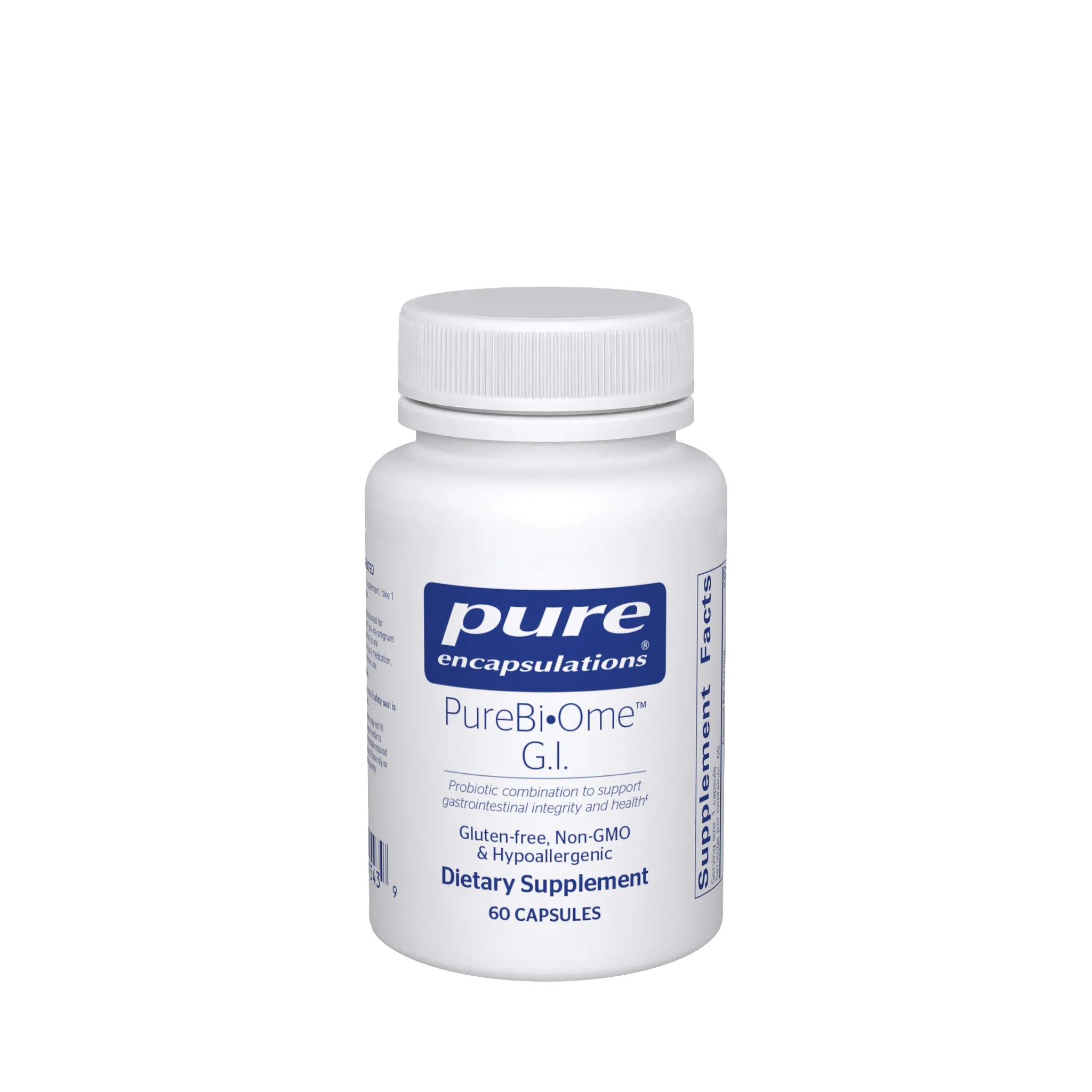
Addressing this foundational gut dysfunction requires targeted, clinically validated interventions. PureBi•Ome™ G.I. by Pure Encapsulations is a specialized formula designed to tackle both the microbial imbalance and the structural integrity of the gastrointestinal lining. By combining a highly researched, four-strain probiotic consortium known as LAB4 with a therapeutic dose of L-glutamine, this supplement offers a dual-action approach to gut rehabilitation. In this comprehensive guide, we will explore the intricate biochemical mechanisms behind PureBi•Ome™ G.I., examine how conditions like Long COVID and ME/CFS dismantle the intestinal barrier, and delve into the clinical evidence supporting the use of probiotics and L-glutamine for systemic symptom management.
What is PureBi•Ome™ G.I.?
The LAB4 Probiotic Consortium
PureBi•Ome™ G.I. is anchored by a globally recognized, proprietary blend of four specific probiotic strains collectively known in scientific literature as the LAB4 consortium. This precise formulation includes Lactobacillus acidophilus (NCIMB 30157), Lactobacillus acidophilus (NCIMB 30156), Bifidobacterium bifidum (NCIMB 30153), and Bifidobacterium lactis (NCIMB 30172). In the healthy human gastrointestinal tract, Lactobacilli and Bifidobacteria represent the foundational keystone species of a robust microbiome. They are responsible for fermenting dietary fibers into short-chain fatty acids (SCFAs) like butyrate, which serve as a primary energy source for the cells lining the colon. Furthermore, these specific strains actively lower the pH of the intestinal environment through the production of lactic acid, creating a hostile environment for opportunistic pathogens and yeast overgrowth.
At the cellular level, the LAB4 strains engage in continuous cross-talk with the gut-associated lymphoid tissue (GALT), which houses over 70% of the body's immune cells. By interacting with toll-like receptors (TLRs) on the surface of dendritic cells and macrophages, these probiotics help modulate the immune response, shifting it away from a hyperactive, pro-inflammatory state toward a more balanced, regulatory state. This immunomodulatory effect is crucial for maintaining systemic homeostasis, as it prevents the immune system from overreacting to harmless dietary antigens or commensal bacteria. The specific NCIMB strains utilized in PureBi•Ome™ G.I. have been rigorously selected for their high adherence capacity to the intestinal mucosa, allowing them to effectively colonize the gut lining and competitively exclude harmful bacteria from binding sites.
The Role of L-Glutamine in the Gut
The second critical component of PureBi•Ome™ G.I. is L-glutamine, the most abundant free amino acid in the human body. While L-glutamine is considered a "conditionally essential" amino acid—meaning the body can usually synthesize enough of it under normal conditions—the demand for it skyrockets during times of severe physiological stress, viral infection, or chronic illness. In the gastrointestinal tract, L-glutamine serves as the primary and preferred metabolic fuel source for enterocytes, the specialized epithelial cells that line the small and large intestines. Unlike most other cells in the body that rely on glucose for energy, enterocytes eagerly consume L-glutamine from the bloodstream to power their rapid turnover and maintain the structural integrity of the mucosal barrier.
Beyond its role as a cellular fuel, L-glutamine is a highly active signaling molecule that directly regulates the genetic expression and assembly of tight junction proteins. Tight junctions are the complex, multiprotein structures that seal the microscopic gaps between adjacent enterocytes, acting as the gut's primary defense mechanism against the paracellular leakage of toxins and undigested food particles. L-glutamine actively upregulates the synthesis of key tight junction proteins, specifically ZO-1 (Zonula Occludens-1) and claudins, ensuring they are securely anchored to the cell's internal actin cytoskeleton. By fortifying these structural proteins, L-glutamine plays an indispensable role in preventing and repairing intestinal permeability, thereby protecting the systemic circulation from gut-derived inflammatory triggers.
The Synergy of Probiotics and Amino Acids
The combination of the LAB4 probiotic consortium and L-glutamine in a single formula creates a powerful synergistic effect that addresses multiple facets of gastrointestinal dysfunction simultaneously. While the probiotics work to reestablish a healthy microbial ecosystem, crowding out pathogens and modulating local immune responses, the L-glutamine provides the necessary raw materials to physically rebuild the damaged intestinal wall. This dual-action approach is particularly vital for individuals with complex chronic illnesses, as dysbiosis (microbial imbalance) and intestinal permeability (leaky gut) almost always occur together, driving a vicious cycle of localized and systemic inflammation.
Furthermore, the presence of L-glutamine enhances the survival and efficacy of the probiotic strains. By rapidly repairing the mucosal barrier and reducing the localized inflammatory fire, L-glutamine creates a more hospitable environment for the beneficial LAB4 bacteria to colonize and thrive. In turn, the SCFAs produced by the thriving probiotics further nourish the enterocytes, reducing their reliance on systemic L-glutamine stores and allowing the body to redirect this crucial amino acid toward other vital functions, such as immune cell proliferation and tissue repair. This synergistic relationship highlights the sophisticated design of PureBi•Ome™ G.I. as a comprehensive tool for comprehensive gut rehabilitation.
How Long COVID and ME/CFS Impact Gastrointestinal Function
Viral Persistence and the Gut Reservoir
In the context of complex chronic illnesses like Long COVID, the gastrointestinal tract is increasingly recognized as a primary site of ongoing pathology. The SARS-CoV-2 virus exhibits a strong tropism for the gut due to the high density of ACE2 receptors expressed on the surface of intestinal enterocytes. Recent clinical studies have demonstrated that viable viral particles and viral RNA can persist in the gut microbiome for up to 462 days following the acute infection, even when respiratory swabs are entirely negative. This phenomenon, known as viral persistence, transforms the gut into a hidden reservoir of chronic infection, where the virus continuously provokes the local immune system and disrupts the delicate microbial balance. This persistent viral presence is a major driver of the gastrointestinal symptoms seen with Long COVID, including chronic nausea, bloating, and unpredictable bowel habits.
The continuous immune battle against this viral reservoir leads to severe dysbiosis, characterized by a marked depletion of beneficial keystone species, such as Bifidobacteria and Lactobacilli, and an overgrowth of opportunistic, pro-inflammatory pathogens. This microbial shift deprives the gut of essential short-chain fatty acids, leading to a breakdown of the protective mucosal layer and leaving the delicate enterocytes exposed to damage. For patients with myalgic encephalomyelitis/chronic fatigue syndrome (ME/CFS), similar patterns of profound gut dysbiosis have been documented, often triggered by other viral pathogens such as the Epstein-Barr Virus (EBV) or enteroviruses, initiating a lifelong struggle with gastrointestinal dysfunction and systemic immune dysregulation.
Intestinal Permeability and the "Leaky Gut" Cascade
The downstream consequence of this chronic viral infection and microbial imbalance is the widespread destruction of the intestinal barrier, clinically referred to as increased intestinal permeability or "leaky gut." In vitro models have shown that the SARS-CoV-2 virus directly targets and depletes ZO-1, the crucial scaffolding protein that holds tight junctions together. As these tight junctions degrade, microscopic gaps form between the intestinal cells, allowing endotoxins—specifically lipopolysaccharides (LPS) derived from the cell walls of gram-negative bacteria—to translocate from the gut lumen directly into the systemic bloodstream. The immune system recognizes these circulating endotoxins as a massive systemic threat, triggering a violent and sustained release of pro-inflammatory cytokines, including IL-6 and TNF-alpha.
This continuous influx of gut-derived toxins creates a state of chronic, low-grade endotoxemia that drives the systemic symptoms of ME/CFS and Long COVID. Landmark research by Dr. Michael Maes demonstrated that ME/CFS patients exhibit significantly elevated serum IgA and IgM antibodies against LPS from enterobacteria, providing concrete evidence of bacterial translocation. The body's relentless effort to neutralize these circulating toxins consumes massive amounts of cellular energy (ATP), directly contributing to the profound, debilitating fatigue and post-exertional malaise (PEM) that characterize these conditions. Furthermore, these inflammatory cytokines readily cross the blood-brain barrier, activating microglial cells in the brain and causing severe neuroinflammation, which patients experience as debilitating brain fog and cognitive impairment.
Endotoxemia and Autonomic Nervous System Dysfunction
The impact of a compromised gut barrier extends far beyond the immune system, heavily implicating the autonomic nervous system (ANS) and contributing to conditions like dysautonomia and Postural Orthostatic Tachycardia Syndrome (POTS). The gut and the brain are intimately connected via the vagus nerve, a major superhighway of the parasympathetic nervous system. When the gut is inflamed and leaky, the resulting localized and systemic cytokine storm directly impairs vagal tone. This neuroinflammation disrupts the vagus nerve's ability to effectively regulate heart rate, blood pressure, and vascular constriction, leading to the hallmark symptoms of POTS, such as severe tachycardia upon standing, blood pooling in the extremities, and presyncope.
Clinical experts in autonomic medicine often refer to this as a "double-leak" phenomenon in post-viral patients: traditional permeability caused by bacterial overgrowth combined with apoptotic permeability, where clusters of gut cells die off directly due to viral damage. Until this structural breach in the gastrointestinal tract is sealed, the autonomic nervous system remains in a constant state of hyper-vigilance, unable to recalibrate to a functional baseline. This intricate connection underscores why addressing gut health with targeted therapies like gut-brain reset protocols is often a necessary foundational step before significant progress can be made in managing dysautonomia and POTS symptoms.
PureBi•Ome™ G.I.: Supporting Intestinal Barrier and Microbiome Balance
Fortifying Tight Junctions with L-Glutamine
PureBi•Ome™ G.I. directly counters the pathophysiology of leaky gut through the targeted action of its L-glutamine component. At the molecular level, L-glutamine acts as a powerful signaling agent that rescues tight junction proteins from degradation. When the gut is under severe stress from viral persistence or endotoxemia, tight junction proteins like claudin-1 and ZO-1 naturally detach from the cellular cytoskeleton and retreat into the cell's interior, causing the paracellular gaps to widen. Research published in the Journal of Nutrition demonstrates that L-glutamine supplementation actively reverses this process by stimulating the Calcium/calmodulin-dependent kinase 2 (CaMKK2)–AMP-activated protein kinase (AMPK) signaling pathway. Activation of this pathway dramatically increases the abundance of tight junction proteins and ensures they are correctly localized to the plasma membranes to form rigid seals.
Furthermore, L-glutamine induces the rapid transactivation of the Epidermal Growth Factor Receptor (EGFR), which triggers downstream signaling cascades that actively stabilize the actomyosin ring surrounding the tight junctions. By suppressing the PI3K/Akt pathway—which normally breaks down claudin-1 during times of cellular starvation—L-glutamine effectively "locks" the cellular borders shut. This structural fortification drastically reduces the paracellular permeability of the gut lining, effectively cutting off the supply of blood-borne endotoxins (LPS) that drive systemic inflammation. By halting this continuous toxic influx, L-glutamine provides the immune system and the autonomic nervous system with the physiological "breathing room" required to begin the healing process.
Restoring Microbial Diversity with LAB4
While L-glutamine repairs the structural integrity of the gut, the LAB4 probiotic consortium in PureBi•Ome™ G.I. works to restore the functional and microbial balance of the microbiome. The specific strains of Lactobacillus acidophilus (NCIMB 30157 and 30156) and Bifidobacterium (NCIMB 30153 and 30172) act as pioneer species, aggressively colonizing the intestinal mucosa and competitively displacing pathogenic bacteria and yeast. By producing lactic acid and bacteriocins (natural antimicrobial peptides), these beneficial strains create a microenvironment that is highly inhospitable to the opportunistic pathogens that thrive in the dysbiotic guts of Long COVID and ME/CFS patients. This competitive exclusion is a critical step in halting the localized inflammation that continuously damages the enterocytes.
Moreover, the LAB4 consortium plays a vital role in restoring the production of short-chain fatty acids (SCFAs), particularly butyrate. Butyrate is not only a crucial energy source for colonocytes but also a potent anti-inflammatory signaling molecule. It binds to specific receptors (such as GPR43 and GPR109A) on the surface of immune cells, promoting the differentiation of regulatory T cells (Tregs) and suppressing the production of pro-inflammatory cytokines like NF-κB. By re-establishing this SCFA production, the LAB4 strains help to extinguish the inflammatory fire within the gut-associated lymphoid tissue, further protecting the newly repaired tight junctions from cytokine-induced degradation.
Modulating Systemic Inflammation
The combined mechanisms of L-glutamine and the LAB4 consortium exert a profound modulatory effect on systemic inflammation, which is the ultimate goal in managing complex chronic illnesses. By sealing the leaky gut and restoring microbial harmony, PureBi•Ome™ G.I. effectively disrupts the vicious cycle of endotoxemia. As the translocation of LPS into the bloodstream decreases, the systemic burden on the immune system is significantly lightened. This reduction in circulating inflammatory mediators directly translates to a decrease in neuroinflammation, which is often the root cause of the severe brain fog, cognitive impairment, and sensory overload experienced by patients with Long COVID and ME/CFS.
Additionally, this reduction in systemic inflammation has a direct, beneficial impact on autonomic nervous system function. As the cytokine storm subsides, the vagus nerve is no longer bombarded by inflammatory signals, allowing it to regain its regulatory tone over the heart and blood vessels. This stabilization can lead to a reduction in the severity and frequency of dysautonomia symptoms, such as tachycardia and orthostatic intolerance. By addressing the root cause of systemic inflammation at the level of the gut barrier, PureBi•Ome™ G.I. serves as a foundational therapeutic tool that supports the entire body's return to homeostasis, making it an excellent complement to other targeted therapies like A.C. Formula II for comprehensive gut rehabilitation.

Symptoms PureBi•Ome™ G.I. May Help Manage
Gastrointestinal and Systemic Targets
Because PureBi•Ome™ G.I. addresses both the structural integrity of the gut lining and the balance of the microbiome, it can help manage a wide array of both localized and systemic symptoms associated with chronic complex illnesses.
Chronic Bloating and Distension: By restoring beneficial Lactobacilli and Bifidobacteria, the LAB4 consortium helps normalize the fermentation of dietary fibers, reducing the excessive gas production caused by pathogenic bacterial overgrowth.
Unpredictable Bowel Habits (Diarrhea/Constipation): The probiotic strains help regulate intestinal motility and transit time by modulating localized inflammation and restoring the production of short-chain fatty acids, which are essential for healthy muscle contractions in the colon.
Severe Brain Fog and Cognitive Dysfunction: By sealing the tight junctions with L-glutamine, the formula reduces the translocation of LPS endotoxins into the bloodstream, thereby lowering the systemic neuroinflammation that impairs microglial function in the brain.
Post-Exertional Malaise (PEM) and Fatigue: Healing the intestinal barrier stops the immune system from constantly expending massive amounts of cellular energy (ATP) to fight off blood-borne gut bacteria, preserving that energy for daily functional activities.
Dysautonomia and POTS Symptoms: By reducing the gut-derived cytokine storm, the supplement helps calm the vagus nerve, allowing the autonomic nervous system to better regulate heart rate, blood pressure, and vascular tone upon standing.
Food Sensitivities and Histamine Reactions: A fortified mucosal barrier prevents undigested food proteins and localized histamine from leaking into the bloodstream, which can help calm hyperactive mast cells and reduce systemic allergic-type reactions.
Practical Considerations: Forms, Dosing, and Absorption
Maximizing Bioavailability and Survivability
The clinical efficacy of any probiotic and amino acid supplement relies entirely on its bioavailability—its ability to survive the harsh environment of the digestive tract and be successfully absorbed or colonized where it is needed. PureBi•Ome™ G.I. utilizes highly optimized forms of its active ingredients to ensure maximum therapeutic impact. The L-glutamine is provided in its free-form state, meaning it does not require enzymatic breakdown by the digestive system. This allows the amino acid to be immediately and directly absorbed by the enterocytes lining the intestinal wall, providing rapid fuel and structural support to the damaged tight junctions exactly where the repair is needed most.
For the probiotic component, survivability is the primary hurdle. The specific LAB4 strains (Lactobacillus acidophilus NCIMB 30157/30156 and Bifidobacterium NCIMB 30153/30172) were purposefully selected by researchers based on extensive stability data proving their natural, robust tolerance to highly acidic gastric environments and the degrading effects of bile salts in the upper intestine. This natural resilience acts as built-in bioavailability, ensuring that the 12.5 billion CFU count survives the journey through the stomach to successfully reach and colonize the lower gastrointestinal tract. Furthermore, these strains are cultured on a proprietary, allergen-free medium, making them highly suitable for patients with severe dairy or soy sensitivities, which are incredibly common in MCAS and Long COVID populations.
Optimal Timing and Administration
To maximize the absorption and survivability of PureBi•Ome™ G.I., strategic timing and consistent administration are essential. Pure Encapsulations recommends taking 1 capsule, 1 to 2 times daily, in divided doses, with meals. Taking the supplement alongside food is a critical strategic choice. The presence of food naturally raises the pH of the stomach, making it significantly less acidic. This buffering effect provides an additional layer of protection for the live probiotic strains as they transit through the harsh gastric environment. Furthermore, providing free-form L-glutamine alongside a meal supplies the enterocytes with reparative fuel precisely when they are actively working to digest and absorb nutrients, optimizing the repair process.
When integrating this supplement into a complex chronic illness protocol, it is generally recommended to start with a lower dose (one capsule daily) and gradually increase to the full dose to allow the highly sensitive gastrointestinal tract to adjust to the microbial shift. Because the eradication of pathogenic bacteria can sometimes cause a temporary increase in symptoms (often referred to as a Herxheimer or "die-off" reaction), pacing the introduction of the supplement is a wise strategy. It is also important to separate the administration of probiotics from any prescribed antibiotics or strong herbal antimicrobials by at least two to three hours to prevent the beneficial strains from being inadvertently neutralized.
Storage and Quality Standards
The viability of live probiotic organisms is highly sensitive to environmental factors, particularly heat and moisture. To guarantee the promised 12.5 billion CFU count, PureBi•Ome™ G.I. requires refrigeration to maintain peak culture viability. It should be placed in the refrigerator immediately upon arrival and stored tightly sealed to protect it from humidity. Pure Encapsulations safeguards this viability through a proprietary manufacturing process known as the "Viability Triad," which involves strict, continuous control over temperature, moisture, and timing during production to prevent the premature activation and subsequent death of the bacteria.
Furthermore, the authenticity and purity of the product are rigorously verified. The specific LAB4 probiotic strains are validated via DNA sequencing and Fatty Acid Methyl Ester (FAME) analysis to ensure patients are receiving the exact clinical strains used in the research trials. True to the Pure Encapsulations standard, the formula is hypoallergenic and free from unnecessary binders, fillers, artificial colors, coatings, and GMOs. The only excipients used are a vegetarian capsule (cellulose and water), hypoallergenic plant fiber, potato maltodextrin, and a trace of silica, making it an exceptionally clean option for patients with highly reactive systems.

Follow the Science
Clinical Evidence for the LAB4 Consortium
The LAB4 probiotic consortium utilized in PureBi•Ome™ G.I. is one of the most extensively researched probiotic blends in the world, with numerous double-blind, placebo-controlled trials validating its efficacy. A landmark study published in Alimentary Pharmacology & Therapeutics evaluated the exact four-strain blend in 52 participants suffering from Irritable Bowel Syndrome (IBS). Over an 8-week period, participants receiving the LAB4 probiotic experienced significantly greater improvements in the IBS Symptom Severity Score compared to the placebo group, noting marked enhancements in quality of life, satisfaction with bowel habits, and a substantial reduction in days spent with abdominal pain. This study firmly established the consortium's ability to modulate localized gut inflammation and restore healthy bowel function.
Beyond localized digestive health, the LAB4 blend has demonstrated profound systemic immunomodulatory effects. In the "ProChild" clinical trials published in the European Journal of Clinical Nutrition, researchers evaluated the blend's impact on upper respiratory tract infections. The study found that daily supplementation with the LAB4 consortium resulted in a significant 33% reduction in the incidence rate of infections and a dramatic decrease in the necessity for antibiotics and painkillers. These findings highlight the crucial role these specific strains play in communicating with the gut-associated lymphoid tissue (GALT) to bolster systemic immune defenses, a mechanism that is highly relevant for patients with post-viral syndromes whose immune systems are chronically dysregulated.
L-Glutamine Trials in Post-Viral Syndromes
The clinical evidence supporting L-glutamine for the repair of intestinal permeability and the management of chronic fatigue is equally compelling. In a pivotal 2008 clinical study involving 41 patients with ME/CFS, Dr. Michael Maes utilized a "leaky gut protocol" heavily anchored by high-dose L-glutamine, alongside zinc and N-acetyl cysteine. After 10 to 14 months of targeted gut barrier repair, 58.5% of the patients showed significant clinical improvement or total remission of their ME/CFS symptoms. Crucially, this clinical recovery correlated directly with the normalization of their serum IgA and IgM antibodies against LPS endotoxins, proving that sealing the gut barrier directly reduced the systemic neuroinflammation driving their profound fatigue.
More recently, the therapeutic potential of L-glutamine has been investigated specifically for Long COVID. A Phase IIa double-blind, randomized clinical trial evaluated an endogenous metabolic modulator (AXA1125) containing high doses of L-glutamine and other amino acids in patients with Long COVID-associated exertional fatigue. The trial demonstrated highly promising results, showing significant improvements in functional clinical outcomes and mitochondrial energetics. By providing the essential metabolic fuel required to repair the viral-induced damage to the enterocytes and tight junctions, L-glutamine supplementation offers a scientifically validated pathway to reducing the chronic, low-grade endotoxemia that perpetuates Long COVID symptoms.
The Path Forward
A Foundational Step in Chronic Illness Management
Living with conditions like Long COVID, ME/CFS, and dysautonomia often feels like navigating a labyrinth of unpredictable and overwhelming symptoms. It is entirely validating to feel frustrated when systemic issues like brain fog, profound fatigue, and rapid heart rates are traced back to the digestive system. However, understanding the profound connection between the gut barrier, the immune system, and the autonomic nervous system provides a clear and actionable path forward. By recognizing that "leaky gut" and microbial dysbiosis are not just digestive issues, but core drivers of systemic inflammation, patients can begin to target the root mechanisms of their illness rather than just managing downstream symptoms.
Integrating Gut Support into Your Protocol
PureBi•Ome™ G.I. offers a sophisticated, clinically validated tool for this foundational repair. By combining the structural support of L-glutamine with the microbial balancing power of the LAB4 probiotic consortium, it addresses the complex pathophysiology of gastrointestinal dysfunction from multiple angles. While supplements are just one piece of a comprehensive management strategy that must also include aggressive pacing, nervous system regulation, and dietary modifications, stabilizing the gut barrier is often the critical first step that allows other therapeutic interventions to finally take hold. As always, it is essential to consult with your healthcare provider before introducing new supplements to ensure they align with your specific medical history and current treatment protocol.