Can Probiotic IMM Support Immune Health and Manage Long COVID Symptoms?
March 5, 2026
ProbioticsGut HealthLong COVID
Share:
Disclaimer: The information provided here is for educational purposes only and is not intended as medical advice. It should not be used to diagnose, treat, cure, or prevent any medical condition. Instead, use it as a starting point for discussion with your healthcare provider. Always consult with a qualified healthcare provider before starting any new medication, supplement, device, or making changes to your health regimen.
Months or even years after a mild viral infection, many individuals find themselves battling a bewildering array of symptoms—crushing fatigue, unpredictable heart rates, relentless brain fog, and sudden allergic reactions to foods they once tolerated perfectly. If you are living with Long COVID, myalgic encephalomyelitis/chronic fatigue syndrome (ME/CFS), dysautonomia, or mast cell activation syndrome (MCAS), you are intimately familiar with this frustrating reality. Often, the search for answers leads to a surprising command center in the body: the gastrointestinal tract. The trillions of microbes residing in your gut do far more than digest food; they actively train your immune system, regulate systemic inflammation, and communicate directly with your brain and autonomic nervous system.
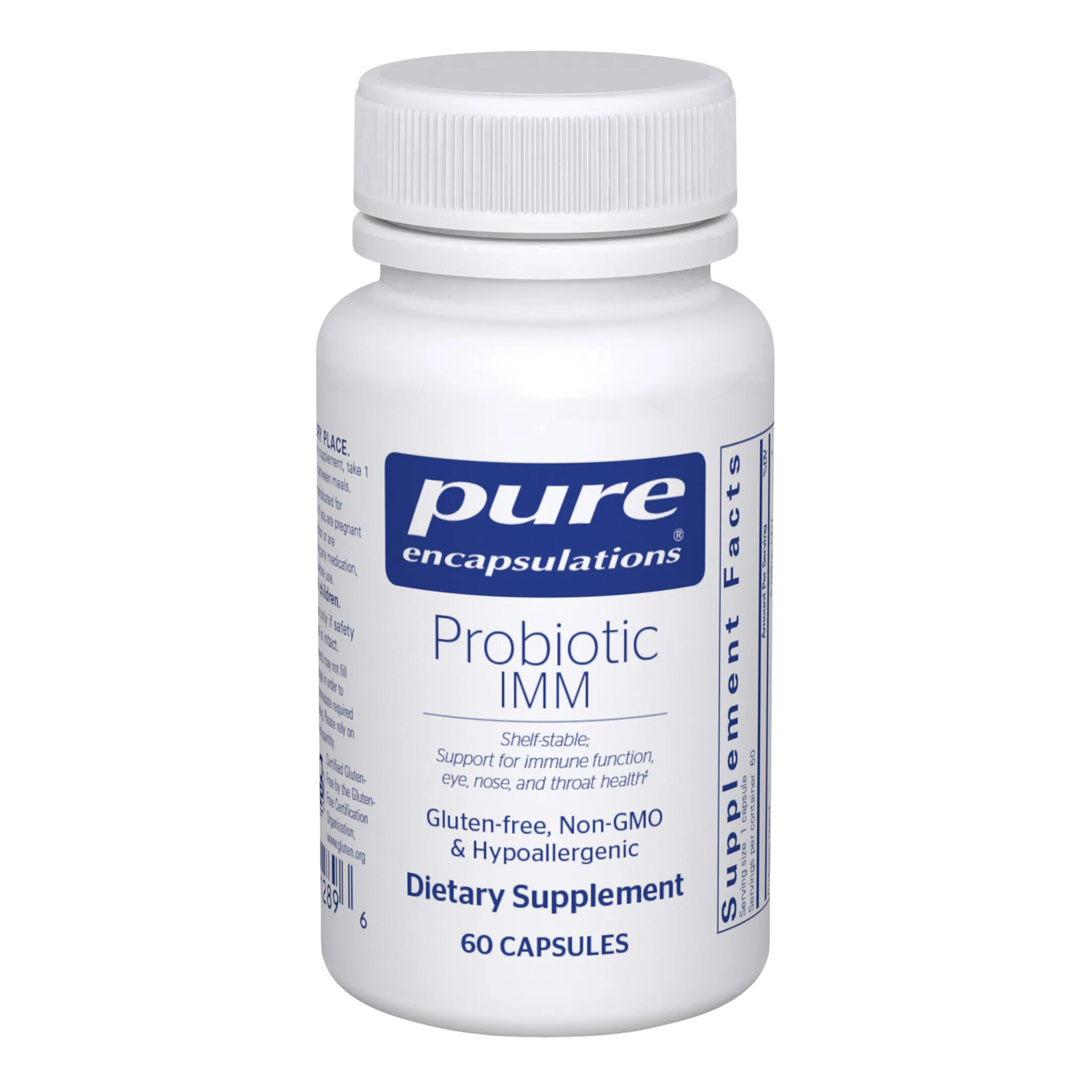
When this delicate microbial ecosystem is disrupted—a state known as dysbiosis—it can trigger a cascade of immune dysfunction that reverberates throughout the entire body. This is where targeted microbiome support becomes a critical component of chronic illness management. Probiotic IMM by Pure Encapsulations is a specialized, shelf-stable probiotic blend designed to support immune function, maintain upper respiratory health, and promote gastrointestinal bacterial balance. By delivering five billion colony-forming units (CFU) of highly researched Bifidobacterium and Lactobacillus strains, this formulation aims to stabilize mast cells, regulate immune signaling, and help restore the foundational gut health necessary for systemic recovery.
TL;DR
Targeted probiotics may help manage Long COVID, ME/CFS, and MCAS symptoms by supporting foundational gut health.
Specific strains like B. longum and L. plantarum help regulate immune responses and stabilize mast cells.
Gut microbiome balance is linked to reduced systemic inflammation and improved autonomic nervous system function.
Always consult a healthcare provider before starting new supplements, especially if you have severe sensitivities.
What is Probiotic IMM?
To understand how a probiotic can influence systemic conditions like Long COVID or dysautonomia, we must first look at the natural function of the gut microbiome. The human gastrointestinal tract is home to trillions of microorganisms that form a complex, highly interactive ecosystem. This microbiome is intimately connected to the Gut-Associated Lymphoid Tissue (GALT), which houses approximately 70% of the body's entire immune system. The bacteria in your gut are in constant communication with these immune cells, acting as instructors that teach the immune system the difference between harmless environmental particles and dangerous pathogens. When this system is balanced, it promotes a state of immune tolerance, preventing hyper-reactive responses like allergies or autoimmune flare-ups.
At a molecular level, beneficial gut bacteria interact with specialized immune sensors called Toll-like receptors (TLRs) located on the surface of intestinal epithelial cells. When specific probiotic strains bind to these receptors, they trigger intracellular signaling cascades that regulate the production of cytokines—chemical messengers that dictate the body's inflammatory response. Furthermore, healthy gut bacteria ferment dietary fibers into short-chain fatty acids (SCFAs), such as butyrate, propionate, and acetate. Butyrate is a critical molecule that serves as the primary energy source for the cells lining the colon, maintaining the integrity of the intestinal barrier and preventing the leakage of endotoxins into the bloodstream.
Not all probiotics are created equal, and the clinical efficacy of a probiotic supplement depends entirely on the specific strains it contains. Probiotic IMM features a precision blend of five extensively researched strains, delivering a total of 5 billion CFU per serving. The cornerstone of this formula is Bifidobacterium longum BB536, a human-origin strain originally isolated in 1969 that has become one of the most thoroughly documented probiotics in the world. Supported by over 25 human clinical trials, BB536 is renowned for its ability to modulate immune responses and maintain healthy eye, nose, and throat function. Because it is highly shelf-stable, it survives the harsh acidic environment of the stomach to successfully colonize the lower intestine.
The formula also includes Bifidobacterium lactis (Bl-04) and Lactobacillus acidophilus (La-14), two human-origin strains that are frequently paired in clinical research for their synergistic ability to support upper respiratory health. Studies have shown that this specific combination helps maintain healthy eosinophil activity within the nasal lining, reducing the localized inflammation associated with environmental irritants. Rounding out the blend are Lactobacillus casei (Lc-11) and Lactobacillus plantarum (Lp-115). These strains are particularly noted for their profound immunomodulatory properties, specifically their ability to maintain healthy cytokine production, regulate Immunoglobulin E (IgE) function, and support mast cell integrity—a crucial factor for patients dealing with histamine-related symptoms.
The influence of these probiotic strains extends far beyond the digestive tract through two primary superhighways: the gut-lung axis and the gut-brain axis. The gut-lung axis is a bidirectional communication network where microbial metabolites produced in the gut travel through the bloodstream and lymphatic system to influence immune defenses in the respiratory tract. This is why a balanced gut microbiome is essential for defending against upper respiratory tract infections and managing the lingering respiratory symptoms often seen in post-viral syndromes. By modulating systemic immune cells, gut bacteria can dictate how aggressively the lungs respond to viral particles or allergens.
Equally important for patients with complex chronic illnesses is the gut-brain axis. This connection is heavily mediated by the vagus nerve, the longest nerve of the autonomic nervous system, which physically connects the brainstem to the gastrointestinal tract. When the gut is inflamed or dysbiotic, it sends distress signals up the vagus nerve, which can trigger neuroinflammation and disrupt autonomic regulation—leading to symptoms like brain fog, tachycardia, and severe fatigue. Conversely, beneficial bacteria like B. longum produce neurotransmitters and SCFAs that cross the blood-brain barrier, exerting neuroprotective effects and helping to restore proper autonomic nervous system function.
The loss of Bifidobacteria has catastrophic downstream effects. Without sufficient butyrate, the cells lining the colon starve, exacerbating leaky gut. Furthermore, the lack of SCFA production removes a critical brake on the immune system, allowing systemic inflammation to run rampant. This specific pattern of dysbiosis has been directly correlated with the severity of neurocognitive and respiratory symptoms in Long COVID patients. The absence of these protective microbes explains why many patients fail to recover naturally; their bodies are missing the biological tools required to turn off the inflammatory response and repair the damaged mucosal tissues.
The disruption of the gut microbiome also plays a central role in the development or exacerbation of mast cell activation syndrome (MCAS). Mast cells are immune cells stationed at the boundaries of the body—including the skin, respiratory tract, and gut lining—that release histamine and other inflammatory mediators when they detect a threat. In a healthy gut, beneficial bacteria help regulate mast cell activity, keeping them calm and preventing unnecessary degranulation. However, in a dysbiotic gut, the constant influx of endotoxins through a leaky intestinal barrier keeps mast cells in a state of chronic hyper-reactivity. They begin to misidentify harmless foods and environmental triggers as dangerous pathogens.
To make matters worse, the overgrowth of pathogenic bacteria in a dysbiotic gut often includes strains that naturally produce histamine from dietary amino acids. This creates a vicious cycle: the gut bacteria produce excess histamine, the compromised gut barrier allows this histamine to flood into the bloodstream, and the hyper-reactive mast cells release even more histamine in response. This systemic histamine overload drives a wide array of unpredictable symptoms, from sudden tachycardia and flushing to severe brain fog and gastrointestinal distress. Breaking this cycle requires specific interventions that can stabilize mast cells and degrade excess histamine, highlighting the need for highly targeted probiotic strains.
Probiotic IMM: Supporting Immune Function and Gut-Brain Health
Probiotic IMM is specifically formulated to intervene in these vicious cycles by restoring the critical pathways disrupted by chronic illness. At the core of its mechanism of action is its ability to modulate the Th1/Th2 immune balance. The immune system relies on a delicate seesaw between Th1 cells (which fight viruses and intracellular pathogens) and Th2 cells (which drive allergic responses and fight extracellular parasites). In conditions like MCAS and Long COVID, patients often become "Th2 dominant," leading to chronic allergic inflammation and a reduced ability to clear lingering viral particles. The Lactobacillus plantarum and Lactobacillus casei strains in this formula are clinically recognized for their ability to upregulate Regulatory T cells (Tregs) and Th1 cytokines, which effectively suppresses the hyperactive Th2 allergic pathway.
By shifting the immune system back into balance, these probiotic strains help the body dial down systemic inflammation. Research indicates that L. plantarum specifically induces the production of Interleukin-10 (IL-10), a powerful anti-inflammatory cytokine that acts as a systemic peacemaker. This molecular signaling tells the exhausted immune system that the acute threat has passed, allowing the body to transition from a state of chronic defense into a state of cellular repair and recovery. This immunomodulation is a critical step in addressing the root cause of post-viral fatigue and systemic hyper-reactivity.
For patients dealing with MCAS or severe histamine intolerance, the specific strains in Probiotic IMM offer targeted cellular support. Immunoglobulin E (IgE) is the antibody responsible for triggering allergic reactions; when an allergen binds to IgE receptors on a mast cell, it causes the cell to degranulate and release a flood of histamine. Lactobacillus plantarum has been shown in clinical studies to downregulate the expression of these high-affinity IgE receptors on mast cells. By reducing the number of available receptors, the probiotic effectively stabilizes the mast cell membrane, making it much harder for environmental triggers or dietary histamines to provoke a degranulation event.
Furthermore, L. plantarum is uniquely beneficial for histamine-sensitive individuals because it lacks the hdcA gene, meaning it cannot produce histamine in the gut. Instead, it acts as a histamine-degrading strain, helping to break down excess biogenic amines in the digestive tract before they can cross into the bloodstream. Combined with the barrier-repairing properties of the Bifidobacterium strains, this formulation helps seal the leaky gut, preventing dietary histamines from triggering systemic mast cell reactions. This dual action—stabilizing the mast cells themselves while reducing the overall histamine burden in the gut—provides profound relief for patients navigating complex food and environmental sensitivities.
The inclusion of Bifidobacterium longum BB536 addresses one of the most critical deficits seen in post-viral dysbiosis: the loss of short-chain fatty acid production. BB536 is a foundational microbe that ferments dietary fibers into acetate, which is then used by other beneficial gut bacteria to produce massive amounts of butyrate. This surge in butyrate production is transformative for systemic health. At the cellular level, butyrate acts as a histone deacetylase (HDAC) inhibitor, a complex mechanism that essentially turns off the genetic expression of inflammatory proteins in the gut lining, rapidly accelerating the healing of intestinal permeability.
As the gut barrier heals and butyrate enters systemic circulation, it exerts powerful effects on the autonomic nervous system. Butyrate can cross the blood-brain barrier, where it reduces the activation of microglia (the brain's resident immune cells), thereby lowering neuroinflammation and alleviating brain fog. Additionally, by reducing systemic inflammation and oxidative stress, these SCFAs help restore proper signaling along the vagus nerve. Improved vagal tone is essential for patients with POTS and dysautonomia, as a healthy vagus nerve is required to properly regulate heart rate, maintain stable blood pressure upon standing, and ensure normal gastrointestinal motility.
Finally, Probiotic IMM targets the upper respiratory tract through the synergistic action of B. lactis Bl-04 and L. acidophilus La-14. These strains operate via the gut-lung axis to modulate the behavior of eosinophils, a type of white blood cell that drives inflammation and congestion in the nasal passages. Clinical trials have demonstrated that this specific probiotic combination shows a tendency to reduce the infiltration of eosinophils into the nasal mucosa during times of environmental stress or allergen exposure. By keeping eosinophil activity in check, the probiotics may help maintain clear airways and reduce chronic sinus congestion.
Simultaneously, B. longum BB536 actively stimulates plasmacytoid dendritic cells (pDCs) in the peripheral blood. These specialized immune cells are the body's primary defense against viral pathogens. When activated by BB536, pDCs increase their expression of Interferon-gamma (IFNγ) and other critical signaling proteins that heighten the body's antiviral defenses. This mechanism explains why clinical studies consistently show that BB536 supplementation significantly reduces the severity and duration of upper respiratory tract infections, providing a vital layer of protection for immunocompromised or chronically ill individuals.
Symptoms Probiotic IMM May Help Manage
By modulating the gut-lung axis and regulating localized immune responses, the targeted strains in Probiotic IMM can help alleviate chronic respiratory and mucosal issues.
Chronic Sinus Congestion and Rhinitis: The combination of B. lactis and L. acidophilus helps prevent the excessive infiltration of eosinophils into the nasal lining, reducing the swelling and mucus production associated with allergic rhinitis and environmental sensitivities.
Frequent Upper Respiratory Infections: B. longum BB536 stimulates plasmacytoid dendritic cells and boosts interferon production, enhancing the body's natural antiviral defenses and potentially reducing the frequency and severity of common colds and sore throats.
Sore Throat and Mucosal Irritation: By promoting healthy IgE function and reducing systemic inflammation, the probiotic blend helps soothe irritated mucous membranes in the eyes, nose, and throat.
Restoring the foundational microbiome and repairing the intestinal barrier directly impacts gut health and autonomic nervous system regulation.
Bloating, Gas, and Abdominal Discomfort: Bifidobacterium strains help crowd out gas-producing pathogenic bacteria and restore normal fermentation processes, significantly reducing post-meal bloating and GI distress.
Irregular Bowel Motility: By lowering gut inflammation and supporting the vagus nerve, these probiotics can help normalize gastrointestinal transit times, alleviating both diarrhea and constipation associated with dysautonomia.
Tachycardia and POTS Flares: The production of short-chain fatty acids (like butyrate) reduces systemic immune hyperactivation and supports healthy vagal tone, which is critical for stabilizing heart rate and autonomic function in POTS patients.
Through the gut-brain axis and mast cell stabilization, this probiotic blend addresses the complex neuroimmune symptoms of chronic illness.
Brain Fog and Cognitive Dysfunction: By healing "leaky gut" and preventing endotoxins from entering the bloodstream, the probiotics reduce systemic neuroinflammation, helping to clear the cognitive fog and improve focus.
Fatigue and Post-Exertional Malaise (PEM): Restoring SCFA production provides a vital energy source for cellular metabolism while turning off the exhausting, chronic immune battle in the gut, thereby preserving systemic energy reserves.
Histamine Reactions and MCAS Flares: L. plantarum downregulates IgE receptors on mast cells and helps degrade excess biogenic amines in the gut, reducing the frequency of sudden allergic reactions, flushing, and food sensitivities.
Practical Considerations: Forms, Dosing, and Absorption
When evaluating a probiotic, the most critical factor is not just the number of bacteria in the capsule, but how many of those bacteria actually survive the journey to your lower intestine. The stomach is a highly acidic environment designed to destroy incoming microbes. Probiotic IMM is formulated with inherently resilient, shelf-stable strains that do not require refrigeration to maintain their viability. This stability ensures that the full 5 billion CFU payload remains active and potent throughout the product's lifespan, providing reliable dosing without the logistical challenges of cold shipping and storage.
Furthermore, the specific human-origin strains used in this formula—such as B. longum BB536 and L. acidophilus La-14—have evolved to survive the human gastrointestinal tract. They exhibit high tolerance to both gastric acid and bile salts, allowing them to pass through the stomach and small intestine unharmed. Once they reach the colon, their natural affinity for human mucosal tissues allows them to adhere effectively to the intestinal wall, colonize the Gut-Associated Lymphoid Tissue (GALT), and begin exerting their immunomodulatory effects.
The suggested use for Probiotic IMM is one capsule, taken one to two times daily. For optimal absorption and survivability, it is generally recommended to take probiotics with or shortly before a meal. Food acts as a natural buffer, temporarily raising the pH of the stomach and providing a safer passage for the live bacteria. Taking the capsule with a meal that contains healthy fats and complex carbohydrates can also provide immediate nourishment for the probiotics as they begin to activate in the digestive tract.
To maximize the clinical benefits of any probiotic, it is essential to pair it with adequate prebiotic fiber. Prebiotics (found in foods like asparagus, garlic, onions, and resistant starches) are the non-digestible fibers that serve as the primary food source for beneficial bacteria. If you are exploring a Gut-Brain Reset, combining Probiotic IMM with a targeted prebiotic powder or a high-fiber diet ensures that the newly introduced Bifidobacteria have the fuel they need to rapidly multiply and produce therapeutic levels of short-chain fatty acids.
For patients with Mast Cell Activation Syndrome (MCAS) or severe histamine intolerance, introducing any new probiotic requires careful consideration. Many broad-spectrum, over-the-counter probiotics contain strains (like Lactobacillus bulgaricus or certain Lactobacillus fermentum strains) that naturally produce histamine during the fermentation process, which can trigger severe symptom flares. Probiotic IMM is carefully formulated to avoid these pitfalls. The inclusion of Lactobacillus plantarum is particularly strategic, as it is widely recognized in clinical literature as a histamine-degrading strain that helps stabilize mast cells and lower the overall histamine burden in the gut.
While Lactobacillus casei is included in this blend, the specific sub-strain (Lc-11) is selected for its robust ability to regulate IgE function and suppress the Th2 allergic response, rather than for histamine production. However, because MCAS is a highly individualized and reactive condition, patients with severe sensitivities should always start with a low dose—perhaps opening the capsule and taking a fraction of the powder initially—to monitor their body's response. Working closely with a healthcare provider to slowly titrate the dose ensures that the immune system can adapt to the new microbial inputs without triggering a mast cell cascade.
Follow the Science
The scientific foundation for Probiotic IMM is built on decades of rigorous clinical research, particularly concerning its flagship strain, Bifidobacterium longum BB536. A comprehensive 2024 double-blind, randomized, placebo-controlled trial published in the Journal of Functional Foods evaluated 200 healthy adults with a history of frequently catching colds. Participants who consumed BB536 daily for 12 weeks demonstrated a remarkable 60% reduction in the incidence of feverishness and significant decreases in the total duration of cold-like symptoms compared to the placebo group. The researchers concluded that BB536 provides robust prophylactic protection against viral respiratory challenges.
These antiviral benefits are further supported by a 2023 clinical trial published in Nutrients, which isolated the exact cellular mechanism behind this immune boost. The study tested 97 adults consuming live BB536 for four weeks and found a significant increase in the activation of peripheral plasmacytoid dendritic cells (pDCs). Furthermore, a large-scale pediatric trial by Lau et al. (2018) involving 520 preschool children showed that daily administration of BB536 reduced the duration of sore throats by 46% and significantly increased the abundance of butyrate-producing Faecalibacterium in the gut, proving its efficacy across multiple age demographics.
The combination of Bifidobacterium lactis Bl-04 and Lactobacillus acidophilus La-14 has been extensively studied for its impact on localized mucosal immunity and allergic responses. A landmark randomized, double-blind, placebo-controlled trial by Ouwehand et al. (2009) investigated this specific pairing in children suffering from birch pollen allergies. Administered over four months leading up to pollen season, the probiotic combination showed a tendency to reduce the number of subjects experiencing pollen-induced infiltration of eosinophils into the nasal mucosa compared to the placebo group.
This reduction in eosinophil activity may help support clinical symptom relief during peak allergy season. Additionally, research utilizing Rhinovirus challenge models has demonstrated that B. lactis Bl-04 triggers higher levels of innate immune-signaling chemokines in the nasal mucosa, resulting in delayed viral shedding and a quantifiable reduction in viral load during acute upper respiratory infections.
The most compelling recent data regarding microbiome interventions for post-viral syndromes comes from the landmark SIM01 synbiotic study conducted at The Chinese University of Hong Kong. This large-scale, double-blind, randomized trial involved 463 patients with confirmed Long COVID. Participants were given a precision formulation containing targeted Bifidobacterium strains (including B. longum) for six months. The results were groundbreaking: the probiotic group was more than twice as likely to experience significant alleviation of fatigue, memory loss, difficulty concentrating, and gastrointestinal upset compared to the placebo group.
Stool analyses from the SIM01 trial confirmed that the clinical improvements were directly correlated with a physiological boost in microbial diversity, increased SCFA production, and a reduction in systemic inflammatory markers. This aligns with broader clinical reviews published in 2025, which indicate that gut microbiome modulation using probiotics, prebiotics, and fecal microbiota transplantation (FMT) leads to improvements in multiple symptoms related to post-acute COVID-19 syndrome (PACS).

The Path Forward
Living with conditions like Long COVID, ME/CFS, dysautonomia, or MCAS often feels like navigating a maze without a map. The sheer unpredictability of symptoms—from sudden cognitive crashes to unprovoked allergic flares—can be deeply exhausting and invalidating. However, the emerging science surrounding the gut microbiome offers a profound message of hope: by targeting the root causes of systemic inflammation and immune dysregulation at the cellular level, it is possible to regain stability. Probiotic IMM provides a clinically validated tool to help rebuild the foundational gut-brain and gut-lung connections that chronic illness so heavily disrupts.
It is important to remember, however, that no single supplement is a standalone cure for complex chronic conditions. Probiotic IMM is most effective when integrated into a comprehensive, multi-disciplinary management strategy. This includes pacing to manage energy envelopes, prioritizing nervous system regulation, maintaining optimal hydration and electrolyte balance for dysautonomia, and utilizing other targeted gut-supportive therapies. For instance, exploring how A.C. Formula II can support gut health alongside probiotics may offer synergistic benefits for patients dealing with severe dysbiosis.
Because the microbiome is highly individualized, your response to probiotic therapy will be unique. When introducing Probiotic IMM, we highly recommend keeping a detailed symptom journal. Track variables such as your daily fatigue levels, the frequency of sinus congestion, post-meal bloating, and any changes in your resting heart rate or cognitive clarity. Documenting these subtle shifts over several weeks will provide invaluable data to help you and your healthcare team assess the efficacy of the intervention.
Always consult with a knowledgeable healthcare provider before adding new supplements to your routine, especially if you are managing severe mast cell reactivity, taking immunosuppressive medications, or navigating complex gastrointestinal disorders. A functional medicine practitioner can help you determine the optimal dosage, monitor for any potential Herxheimer (die-off) reactions, and ensure that your microbiome interventions are safely aligned with your broader treatment goals.
If you are ready to support your immune system, stabilize your gut microbiome, and target the root mechanisms of systemic inflammation, talk to your provider about integrating targeted probiotic therapy into your daily routine.