Can Probiotic-5 Support Gut Health and Immune Function in Long COVID and ME/CFS?
March 5, 2026
Probiotic-5Long COVIDME/CFS
Share:
Disclaimer: The information provided here is for educational purposes only and is not intended as medical advice. It should not be used to diagnose, treat, cure, or prevent any medical condition. Instead, use it as a starting point for discussion with your healthcare provider. Always consult with a qualified healthcare provider before starting any new medication, supplement, device, or making changes to your health regimen.
For individuals living with complex, chronic conditions like Long COVID, myalgic encephalomyelitis/chronic fatigue syndrome (ME/CFS), and mast cell activation syndrome (MCAS), the search for symptom relief often leads to a surprising place: the gut. It is increasingly clear that the gastrointestinal tract is not just a digestive organ, but a central command center for the immune system, the nervous system, and systemic inflammation. When this delicate ecosystem is disrupted by viral infections, chronic stress, or prolonged illness, the resulting dysbiosis can trigger a cascade of debilitating symptoms ranging from severe brain fog and post-exertional malaise (PEM) to unpredictable gastrointestinal distress.
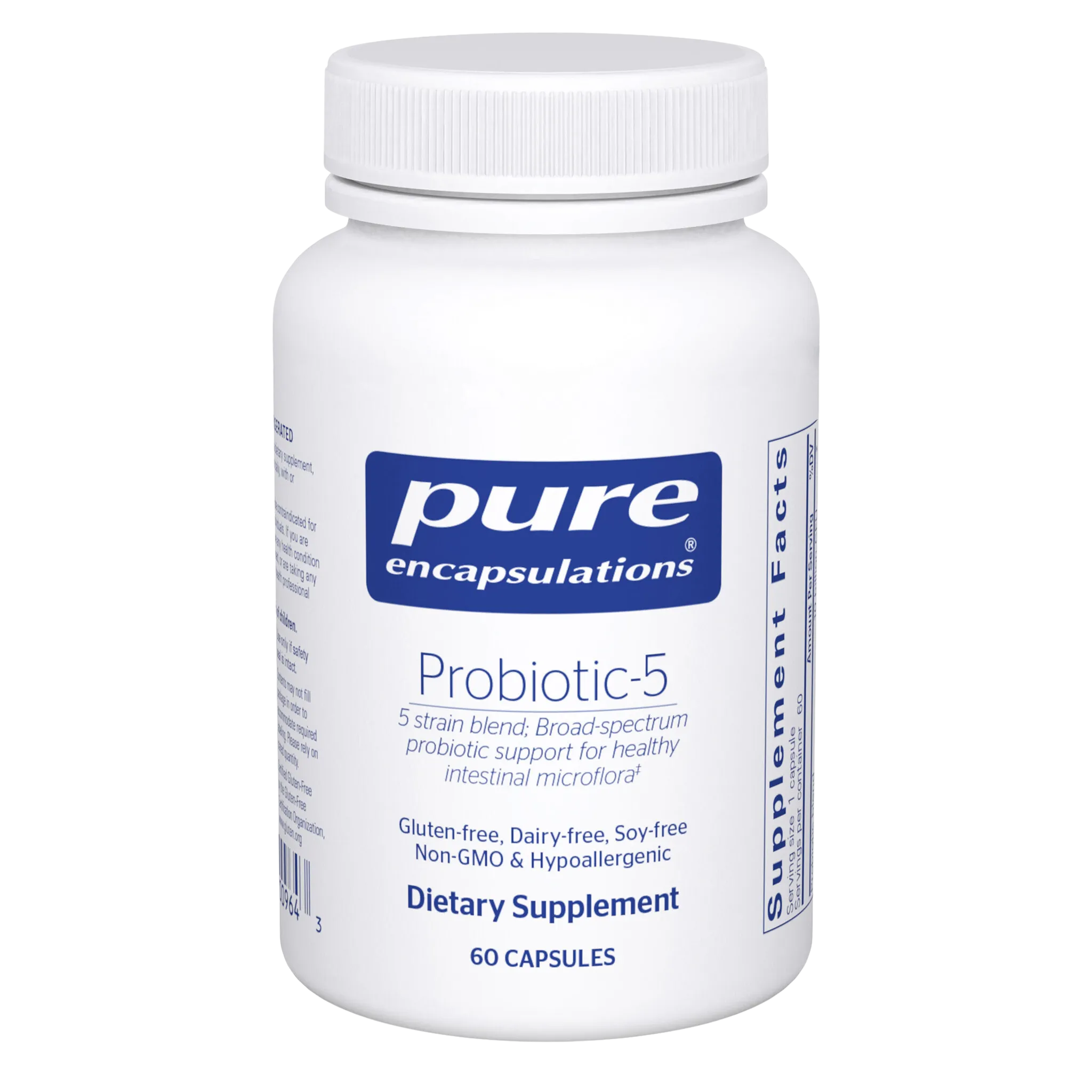
Understanding the profound connection between the gut microbiome and systemic health has revolutionized how we approach chronic illness management. Probiotic-5 by Pure Encapsulations is a broad-spectrum, dairy- and soy-free formula designed to deliver 10 billion colony-forming units (CFU) of five highly researched, beneficial bacterial strains. By combining specific species of Lactobacillus and Bifidobacterium, this targeted formulation aims to support a balanced intestinal microflora, promote healthy cytokine production, and maintain the integrity of the gastrointestinal barrier. In this comprehensive guide, we will explore the intricate molecular mechanisms behind these specific probiotic strains and examine the clinical evidence supporting their use in post-viral and chronic fatigue syndromes.
TL;DR
Gut imbalances are strongly linked to chronic symptoms in Long COVID, ME/CFS, and MCAS.
Probiotic-5 uses targeted bacterial strains to support gut barrier integrity and regulate immune responses.
Restoring gut health may help manage systemic inflammation, brain fog, and post-exertional malaise.
What is Probiotic-5?
The Architecture of a Healthy Gut Microbiome
To understand the value of a targeted probiotic supplement, we must first examine the natural function of the gut microbiome in a healthy human body. The gastrointestinal tract is home to trillions of microorganisms, including bacteria, viruses, and fungi, which collectively form a complex, highly interactive ecosystem. In a state of homeostasis, these microbes live in a symbiotic relationship with their human host. They perform essential physiological functions that our bodies cannot execute on their own, such as fermenting indigestible dietary fibers, synthesizing crucial vitamins (like Vitamin K and several B vitamins), and metabolizing bile acids. The microbiome also acts as a physical and chemical barrier against opportunistic pathogens, a concept known as colonization resistance. By competing for nutrients and attachment sites on the intestinal lining, beneficial bacteria prevent harmful microbes from establishing a foothold and causing infection.
Beyond digestion and pathogen defense, the gut microbiome is deeply intertwined with the human immune system. Approximately 70% to 80% of the body's immune cells reside in the gut-associated lymphoid tissue (GALT). Beneficial bacteria are in constant communication with these immune cells, using chemical signals to educate and modulate the immune response. This continuous dialogue ensures that the immune system remains vigilant against genuine threats while maintaining tolerance to harmless dietary antigens and commensal bacteria. When this communication breaks down, it can lead to chronic, low-grade inflammation—a hallmark of many complex chronic illnesses. The specific strains included in Probiotic-5 are selected for their documented ability to participate in this vital cross-talk, supporting both the physical barrier of the gut and the nuanced signaling of the immune system.
The Synergy of Lactobacillus and Bifidobacterium
Probiotic-5 features a carefully curated blend of two of the most extensively researched bacterial genera: Lactobacillus and Bifidobacterium. In a healthy gut, these two groups of bacteria occupy distinct ecological niches and perform complementary roles. Lactobacillus species, including Lactobacillus acidophilus and Lactobacillus rhamnosus, primarily colonize the small intestine. They are lactic acid-producing bacteria, meaning they ferment carbohydrates to produce lactic acid. This metabolic byproduct lowers the pH of the intestinal environment, creating an acidic, inhospitable terrain for many pathogenic bacteria and yeasts. By maintaining a healthy yeast balance and optimizing the pH of the small intestine, Lactobacillus species help preserve the structural integrity of the mucosal lining and facilitate the absorption of essential nutrients.
Conversely, Bifidobacterium species, such as Bifidobacterium longum, Bifidobacterium bifidum, and Bifidobacterium lactis, are predominantly found in the oxygen-depleted environment of the large intestine (colon). These bacteria are master fermenters of complex carbohydrates and oligosaccharides that escape digestion in the upper gastrointestinal tract. Through this fermentation process, Bifidobacteria produce short-chain fatty acids (SCFAs), most notably acetate and butyrate. Recent microbiome research highlights that SCFAs are not just metabolic waste products; they are critical signaling molecules. Butyrate, in particular, serves as the primary energy source for colonocytes (the cells lining the colon) and exerts profound anti-inflammatory effects throughout the body. The synergistic action of Lactobacillus in the small intestine and Bifidobacterium in the large intestine ensures comprehensive support along the entire length of the gastrointestinal tract.
Beyond Digestion: The Gut-Immune Connection
At the molecular level, the bacteria in Probiotic-5 interact with the host through highly specific biochemical pathways. The intestinal epithelial cells are equipped with pattern recognition receptors (PRRs), such as Toll-like receptors (TLRs), which act as molecular sensors. These receptors detect specific structural components of the bacteria, such as peptidoglycan or lipoteichoic acid found in the cell walls of Lactobacillus and Bifidobacterium. When these beneficial bacteria bind to TLRs, they initiate intracellular signaling cascades that regulate the expression of various genes involved in immunity and inflammation. For example, specific interactions can inhibit the NF-κB (Nuclear Factor kappa-light-chain-enhancer of activated B cells) pathway, a master regulator of pro-inflammatory cytokine production. By dampening NF-κB activation, these probiotics help prevent the excessive release of tissue-damaging inflammatory molecules.
Furthermore, the gut microbiome plays a pivotal role in shaping the adaptive immune system. Certain strains, particularly within the Bifidobacterium genus, have been shown to promote the differentiation of regulatory T cells (Tregs). Tregs are specialized immune cells responsible for maintaining immune tolerance and suppressing autoimmune responses. By encouraging the generation of Tregs, beneficial gut bacteria help calm hyperactive immune states, which is particularly relevant for individuals dealing with mast cell activation or autoimmune-like phenomena. The ability of Probiotic-5 strains to enhance B cell, T cell, and Natural Killer (NK) cell function underscores the profound impact that a balanced gut microbiome has on systemic immune resilience and overall health.
How Chronic Illness Impacts the Gut Microbiome
Viral Persistence and Gut Dysbiosis in Long COVID
The emergence of Long COVID has brought unprecedented attention to the vulnerability of the gut microbiome during and after acute viral infections. Research indicates that the SARS-CoV-2 virus can directly infect the cells lining the gastrointestinal tract, as these cells express high levels of the ACE2 receptor, the virus's primary entry point. This direct viral invasion, coupled with the intense systemic inflammatory response (often referred to as a cytokine storm), wreaks havoc on the delicate balance of the intestinal microflora. Studies analyzing the gut microbiota of Long COVID patients have consistently revealed profound dysbiosis—a state characterized by a significant loss of beneficial, immune-modulating bacteria and an overgrowth of opportunistic, pro-inflammatory pathogens. This imbalance is not merely a transient side effect; it often persists for months or even years after the initial infection, driving chronic symptoms.
One of the most concerning aspects of this dysbiosis is the depletion of bacteria responsible for producing short-chain fatty acids (SCFAs), particularly butyrate. As the populations of Bifidobacterium and other SCFA-producers plummet, the intestinal lining loses its primary energy source and its structural integrity begins to fail. This breakdown allows viral particles, bacterial endotoxins (like lipopolysaccharides, or LPS), and undigested food proteins to leak into the bloodstream—a condition commonly known as "leaky gut" or increased intestinal permeability. Once in the systemic circulation, these molecules trigger continuous immune activation, perpetuating the cycle of chronic inflammation that is central to Long COVID pathophysiology. You can learn more about this phenomenon in our detailed guide on Gastrointestinal Symptoms Seen with Long COVID.
The Loss of Butyrate Producers in ME/CFS
Myalgic encephalomyelitis/chronic fatigue syndrome (ME/CFS) is a complex, debilitating disease characterized by profound fatigue, post-exertional malaise (PEM), and autonomic dysfunction. For decades, the underlying mechanisms of ME/CFS remained elusive, but recent advancements in metagenomic sequencing have illuminated a critical connection to the gut microbiome. A landmark 2023 study funded by the NIH and published in Cell Host & Microbe provided definitive evidence linking ME/CFS fatigue severity directly to gut dysbiosis. The researchers discovered that ME/CFS patients exhibit a massive deficiency in the microbial capacity to synthesize butyrate. Specifically, health-promoting bacteria like Faecalibacterium prausnitzii were drastically reduced, and their absence correlated directly with the severity of the patients' fatigue.
The implications of this butyrate deficiency are profound. Without adequate SCFAs, the gut lining becomes inflamed and permeable, allowing neurotoxic metabolites to enter the bloodstream and cross the blood-brain barrier. This process, often referred to as the gut-brain axis disruption, is believed to drive the neuroinflammation and microglial activation that cause the severe brain fog, cognitive impairment, and sensory overload experienced by ME/CFS patients. Furthermore, the lack of SCFA-mediated immune regulation allows for the proliferation of pro-inflammatory bacteria, which continuously stimulate the vagus nerve, sending stress signals directly to the brain and exacerbating autonomic nervous system dysfunction. Understanding this connection is vital for exploring therapies like the Gut-Brain Reset.
Leaky Gut and Systemic Inflammation in Dysautonomia and MCAS
In conditions like dysautonomia (including Postural Orthostatic Tachycardia Syndrome, or POTS) and mast cell activation syndrome (MCAS), the integrity of the gut barrier is frequently compromised, creating a vicious cycle of localized and systemic symptoms. Mast cells are highly concentrated in the mucosal lining of the gastrointestinal tract, where they serve as first responders to pathogens and dietary antigens. In a healthy gut, an intact epithelial barrier and a balanced microbiome keep mast cells in a calm, resting state. However, when dysbiosis occurs and the gut becomes "leaky," mast cells are constantly exposed to foreign particles and bacterial endotoxins. This relentless exposure triggers inappropriate mast cell degranulation, releasing histamine, cytokines, and other inflammatory mediators directly into the surrounding tissues and the bloodstream.
This localized mast cell activation further degrades the tight junctions holding the intestinal cells together, worsening the leaky gut and amplifying systemic inflammation. The released histamine and inflammatory cytokines can also overstimulate the autonomic nervous system, contributing to the rapid heart rate, blood pressure fluctuations, and dizziness characteristic of dysautonomia. Additionally, the chronic oxidative stress generated by this inflammatory cascade damages the mitochondria within the cells, impairing cellular energy production and contributing to the profound, unyielding fatigue seen across all these complex chronic conditions. Restoring the microbiome and sealing the gut barrier is therefore a critical step in calming mast cell reactivity and stabilizing autonomic function.
Probiotic-5: Supporting Gut Barrier and Immune Function
Fortifying the Gut Barrier: Tight Junctions and Mucin
The specific strains in Probiotic-5 utilize sophisticated molecular mechanisms to repair and fortify the gastrointestinal barrier, directly counteracting the "leaky gut" phenomenon seen in chronic illness. Lactobacillus rhamnosus is particularly renowned for its ability to protect intestinal epithelial cells from apoptosis (programmed cell death) induced by inflammatory cytokines. It achieves this by secreting a highly characterized soluble protein known as p40. Studies suggest that the p40 protein transactivates the Epidermal Growth Factor Receptor (EGFR) and its downstream target, the Akt signaling pathway, in colon epithelial cells. This biochemical cascade actively rescues the disruption of the epithelial barrier caused by inflammation and stimulates the upregulation of crucial tight junction proteins, specifically ZO-1 and Claudin-1, physically sealing the gaps between cells.
Similarly, Lactobacillus acidophilus employs unique mechanisms to maintain barrier integrity. Studies have shown that specific strains of L. acidophilus can stimulate the expression and function of P-glycoprotein (Pgp/MDR1), an essential efflux transporter located on the surface of intestinal cells. P-glycoprotein acts as a cellular pump, actively clearing toxins and inflammatory mediators from the gut lining. Furthermore, L. acidophilus has been observed to inhibit the Myosin Light Chain Kinase (MLCK) gene. By blocking MLCK activity, the probiotic physically prevents the tight junctions from being pulled apart during periods of high oxidative stress or TNF-α-induced inflammation, thereby preserving the structural integrity of the mucosal lining.
Modulating Immune Signaling and Cytokine Production
Beyond physical barrier repair, the strains in Probiotic-5 are potent modulators of the host's immune system, capable of shifting the balance from a pro-inflammatory state to an anti-inflammatory, tolerant state. Bifidobacterium bifidum is masterfully adapted to immune regulation. A pivotal study published in Science Immunology identified specific cell-wall sugar molecules in B. bifidum called cell surface β-glucan/galactan polysaccharides (CSGGs). These molecules interact directly with Toll-like receptor 2 (TLR2) on dendritic cells in the gut lining. This interaction heavily stimulates the production of Foxp3+ Regulatory T cells (Tregs). By inducing Tregs, B. bifidum successfully reduces systemic inflammation, calms hyperactive immune responses, and promotes immune tolerance—a mechanism highly beneficial for patients dealing with MCAS or autoimmune-like symptoms.
In contrast, Bifidobacterium lactis is heavily linked to enhancing innate immune defense, particularly the function of Natural Killer (NK) cells. Literature suggests B. lactis supplementation significantly increases NK cell tumoricidal activity and enhances polymorphonuclear (PMN) phagocytic capacity. It achieves this by interacting with macrophages and dendritic cells to stimulate the production of specific cytokines, such as Interleukin-12 (IL-12) and Interferon-gamma (IFN-γ). These signaling molecules activate NK cells and T cells, improving the body's ability to identify and clear persistent viral fragments or opportunistic intracellular pathogens, which is a critical concern in Long COVID and post-viral ME/CFS.
Antioxidant Defense and Short-Chain Fatty Acids
The inclusion of Bifidobacterium longum in the Probiotic-5 formula provides essential metabolic and antioxidant support. B. longum is a foundational commensal bacterium highly valued for its robust production of Short-Chain Fatty Acids (SCFAs), particularly acetate, which can be cross-fed to other bacteria to produce butyrate. These SCFAs activate the AMPK (AMP-activated protein kinase) pathway in intestinal epithelial cells, which consequently enhances the expression of mucin 2 (MUC2) mRNA. Mucin 2 is the primary structural component of the protective mucus layer that coats the intestinal lining, acting as a physical shield against pathogens and digestive enzymes. By thickening this mucus layer, B. longum provides a critical first line of defense for the gut barrier.
Furthermore, B. longum exerts powerful antioxidant effects to neutralize the reactive oxygen species (ROS) that drive cellular damage in chronic illness. Research indicates that specific strains of B. longum can activate the KEAP1/NRF2 pathway, a master regulator of the body's endogenous antioxidant response. Activation of NRF2 upregulates target genes like Superoxide Dismutase (SOD) and Glutathione Peroxidase (GPX), which significantly alleviate oxidative stress within the intestinal epithelium. By simultaneously reducing oxidative damage, producing vital SCFAs, and downregulating pro-inflammatory pathways like NF-κB, B. longum helps break the vicious cycle of gut inflammation and systemic energy depletion seen in dysautonomia and ME/CFS.
Symptoms Probiotic-5 May Help Manage
Gastrointestinal and Systemic Symptom Relief
By addressing the root causes of gut dysbiosis and barrier dysfunction, the highly researched strains in Probiotic-5 may help manage a wide array of localized and systemic symptoms associated with complex chronic illnesses. Clinical evidence suggests that targeted probiotic supplementation can provide relief in several key areas:
Gastrointestinal Discomfort and Bloating: By restoring a healthy balance of flora and producing lactic acid to inhibit gas-producing opportunistic bacteria, the Lactobacillus and Bifidobacterium strains help alleviate occasional digestive discomfort, excessive bloating, and irregular bowel habits often seen in post-viral syndromes.
Food Sensitivities and Histamine Reactions: By fortifying the tight junctions (via L. rhamnosus and L. acidophilus) and reducing intestinal permeability, the supplement helps prevent undigested proteins from leaking into the bloodstream, which may reduce the frequency and severity of immune-mediated food reactions and localized mast cell degranulation.
Systemic Inflammation and Joint Pain: Through the induction of Regulatory T cells (Tregs) by B. bifidum and the suppression of the NF-κB inflammatory pathway, the probiotic blend helps lower circulating levels of pro-inflammatory cytokines, which may translate to reduced systemic aches, joint pain, and generalized tissue inflammation.
Cognitive and Energy Support
The benefits of a balanced microbiome extend far beyond the digestive tract, profoundly impacting neurological function and cellular energy metabolism through the gut-brain axis.
Brain Fog and Cognitive Impairment: By increasing the production of Short-Chain Fatty Acids (SCFAs) like butyrate, B. longum helps reduce neuroinflammation and supports the integrity of the blood-brain barrier. Clinical trials in Long COVID patients have shown that a synbiotic drug containing Bifidobacterium relieves multiple symptoms of long COVID.
Post-Exertional Malaise (PEM) and Severe Fatigue: The restoration of the gut's energy-producing microbial pathways and the reduction of systemic oxidative stress (via the NRF2 pathway) help alleviate the metabolic burden on the body. Studies indicate that correcting dysbiosis can lead to measurable reductions in baseline fatigue and improve resilience against exertion-triggered crashes.
Immune Resilience and Viral Defense: By enhancing the tumoricidal activity of Natural Killer (NK) cells and improving T cell function (driven primarily by B. lactis), the probiotic blend supports the body's innate ability to clear persistent viral fragments and defend against secondary infections, a crucial factor in stabilizing post-viral illness.
Practical Considerations: Forms, Dosing, and Absorption
Maximizing Survivability and Colonization
When utilizing a targeted supplement like Probiotic-5, understanding the practical aspects of bioavailability and bacterial survivability is crucial for achieving therapeutic benefits. Probiotics are live microorganisms, and their journey through the human digestive tract is fraught with hostile environments. To exert their beneficial effects in the lower intestines, the bacteria must first survive the highly acidic environment of the stomach and the antimicrobial actions of bile salts in the upper small intestine. The specific strains of Lactobacillus and Bifidobacterium chosen for this formula are naturally resilient to gastric acid and bile, ensuring that a significant portion of the 10 billion CFU (colony-forming units) reaches the target tissues alive and metabolically active.
To further protect the viability of these live cultures, Probiotic-5 is formulated in vegetarian capsules and strictly requires refrigeration. Heat, moisture, and prolonged exposure to room temperature can rapidly degrade the live bacteria, significantly reducing the CFU count before the supplement is even consumed. Patients are advised to store the bottle in the refrigerator immediately upon receipt and to keep it tightly sealed. When traveling, utilizing a cold pack can help maintain the integrity of the cultures. Ensuring the bacteria are alive at the time of consumption is the most critical factor in their ability to successfully colonize the gut lining and modulate immune function.
The Role of Prebiotics and Diet
The efficacy of probiotic supplementation can be exponentially enhanced by pairing it with appropriate prebiotics—indigestible fibers that serve as the primary food source for beneficial bacteria. Clinical trials evaluating Bifidobacterium lactis have demonstrated that the degree of immune enhancement (such as increased NK cell activity) is significantly greater when the probiotic is consumed alongside oligosaccharide-rich substrates. While Probiotic-5 provides the live bacterial "seeds," consuming a diet rich in diverse, fermentable plant fibers provides the "fertilizer" necessary for these strains to thrive, multiply, and produce therapeutic levels of Short-Chain Fatty Acids (SCFAs).
However, for patients with severe dysbiosis, Small Intestinal Bacterial Overgrowth (SIBO), or MCAS, introducing high amounts of fermentable fibers (like those high in FODMAPs) too quickly can exacerbate bloating, gas, and gastrointestinal distress. In these cases, it is often recommended to start with a low-fermentation diet and slowly titrate the introduction of specific, well-tolerated prebiotics (such as partially hydrolyzed guar gum or acacia fiber) alongside the probiotic supplement. This careful, phased approach allows the gut microbiome to gently shift its composition without triggering severe symptomatic flares. For more comprehensive strategies on gut restoration, consider exploring our guide on A.C. Formula II and Gut Health.
Safety, Timing, and Expected Timelines
The suggested use for Probiotic-5 is 1 capsule, taken 1 to 2 times daily. For optimal survivability, many clinicians recommend taking probiotics either with a meal or shortly before eating. The presence of food helps buffer stomach acid, temporarily raising the gastric pH and providing a safer passage for the bacteria into the small intestine. Because this formula is dairy-free and soy-free, it is highly suitable for individuals with common food allergies or sensitivities, which are frequently elevated in MCAS and Long COVID populations.
When beginning a high-quality, multi-strain probiotic, it is common to experience a brief period of mild gastrointestinal adjustment, sometimes referred to as a "die-off" or Herxheimer-type reaction. As the beneficial bacteria begin to colonize and displace opportunistic pathogens, patients may temporarily notice changes in bowel habits, mild bloating, or gas. These symptoms typically resolve within a few days to a week as the microbiome reaches a new, healthier equilibrium. While some improvements in digestive comfort may be noticed within the first two weeks, research suggests that it often takes 8 to 12 weeks of consistent supplementation to observe significant shifts in systemic immune markers, cognitive function, and fatigue levels.

Follow the Science
The Landmark SIM01 Trial in Long COVID
The scientific understanding of the microbiome's role in chronic illness took a monumental leap forward with the publication of the SIM01 clinical trial in The Lancet Infectious Diseases in late 2023. This large-scale, randomized, double-blind, placebo-controlled trial provided definitive proof that targeted microbiome modulation can effectively alleviate systemic Long COVID symptoms. Researchers tracked 463 patients with Long COVID, administering either a targeted synbiotic (containing specific Bifidobacterium strains including B. bifidum and B. longum) or a placebo for six months. The results were highly significant: the treatment group experienced a 47% relative increase in the alleviation of fatigue, a 56% increase in memory improvement, and a 62% increase in the resolution of concentration difficulties compared to the placebo group.
Crucially, the fecal analysis from the SIM01 trial confirmed that the clinical improvements correlated directly with specific shifts in the gut microbiota. The alleviation of severe fatigue was directly linked to the successful restoration and colonization of Bifidobacterium bifidum, while improved cognitive concentration correlated strongly with an increase in Bifidobacterium longum. Furthermore, the treatment significantly reduced the presence of antibiotic-resistance genes and increased overall bacterial diversity. This landmark study established a clear, evidence-based mandate for utilizing targeted Bifidobacterium strains to address the neurological and metabolic deficits inherent in post-viral syndromes.
ME/CFS Microbiome Discoveries and Synbiotic Trials
Parallel to the Long COVID findings, research into classic ME/CFS has also solidified the gut microbiome as a primary therapeutic target. A foundational 2023 study by Columbia University researchers utilized advanced metagenomic and metabolomic sequencing to analyze the fecal microbiomes of 106 ME/CFS patients. The study definitively linked the severity of ME/CFS fatigue to a massive deficiency in the microbial capacity to synthesize butyrate. The researchers found that the abundance of health-promoting, SCFA-producing bacteria was inversely associated with fatigue severity—meaning the lower the levels of these beneficial bacteria, the more debilitating the patient's fatigue.
Building on this mechanistic understanding, clinical trials have begun testing probiotic interventions in post-viral ME/CFS populations. A 2024 double-blind, randomized clinical trial evaluated patients with post-COVID ME/CFS over three months using a mixture containing Lactobacillus rhamnosus, Bifidobacterium lactis, and Bifidobacterium longum. The findings revealed that the treatment group was significantly more effective at reducing post-exertional malaise (PEM) than the placebo. Remarkably, magnetic resonance spectroscopy (MRS) brain scans showed that patients taking the targeted bacterial strains had elevated levels of essential brain chemicals (such as creatine in frontal regions), suggesting that repairing the gut microbiome actively improved cerebral energy metabolism and neuroinflammation.
NK Cell and Treg Modulation Studies
The specific immunomodulatory effects of the strains in Probiotic-5 are also heavily supported by targeted immunological studies. Research on Bifidobacterium lactis consumption has revealed a statistically significant treatment effect in increasing Natural Killer (NK) cell tumor-killing activity and polymorphonuclear (PMN) phagocytic capacity. This demonstrates the strain's potent ability to boost innate immune defense, particularly in populations with compromised or aging immune systems.
Conversely, research highlights the regulatory power of Bifidobacterium bifidum. A pivotal study in Science Immunology demonstrated that specific polysaccharides on the surface of B. bifidum interact with dendritic cells to heavily stimulate the production of Foxp3+ Regulatory T cells (Tregs). In animal models, this Treg induction successfully reduced systemic inflammation and protected against severe colitis. Together, these studies validate the dual-action approach of Probiotic-5: utilizing B. lactis to maintain vigilant antiviral defense while relying on B. bifidum to enforce immune tolerance and prevent auto-inflammatory tissue damage.
The Path Forward
A Foundational Step in Complex Illness Management
Living with conditions like Long COVID, ME/CFS, dysautonomia, and MCAS often feels like navigating an unpredictable storm of systemic symptoms. The profound fatigue, cognitive impairment, and autonomic instability can be isolating and deeply frustrating, especially when traditional medical approaches fail to provide clear answers. However, the rapidly expanding science of the gut microbiome offers a validating and hopeful perspective: your symptoms are rooted in measurable, physiological disruptions, particularly within the gut-immune-brain axis. By understanding how viral persistence and chronic inflammation deplete vital, protective bacteria, we can begin to target the root mechanisms of these complex illnesses.
Restoring the gastrointestinal barrier and modulating systemic immune responses is not a quick fix, but rather a foundational step in a comprehensive management strategy. While no single supplement is a cure for post-viral syndromes, the targeted strains in Probiotic-5—specifically Lactobacillus rhamnosus, Lactobacillus acidophilus, Bifidobacterium longum, Bifidobacterium bifidum, and Bifidobacterium lactis—provide clinically researched support for fortifying tight junctions, enhancing NK cell function, and promoting the production of essential short-chain fatty acids. When combined with careful pacing, symptom tracking, dietary modifications, and expert medical guidance, optimizing your microbiome can significantly improve your resilience and quality of life.
Integrating Probiotics into Your Routine
If you are struggling with persistent gastrointestinal discomfort, severe brain fog, or signs of immune dysregulation, supporting your intestinal microflora may be a critical component of your recovery journey. Because the microbiome is highly individualized, it is essential to approach supplementation thoughtfully. Always consult with your healthcare provider before introducing new supplements, especially if you have severe mast cell reactivity, SIBO, or are taking immunosuppressive medications. Your provider can help you determine the appropriate dosing schedule and monitor your progress as your gut ecosystem begins to shift toward a healthier balance.
To learn more about this broad-spectrum, dairy- and soy-free formulation and how it may fit into your personalized care plan, Explore Probiotic-5. By taking proactive, science-backed steps to nurture your gut health, you are actively supporting your body's innate capacity for cellular repair, immune regulation, and long-term healing.
Sources
Altering Microbiome Alleviates Symptoms of Long COVID (SIM01 Trial)
Experimental drug alters gut microbiome, shows promise for Long COVID relief
Bifidobacterium bifidum promotes immune tolerance in the gut
Synbiotic supplementation improves symptoms in patients with post-COVID-19 chronic fatigue syndrome