Can Phosphatidylserine Clear the Brain Fog of Long COVID and ME/CFS?
March 6, 2026
PhosphatidylserineLong COVIDME/CFS
Share:
Disclaimer: The information provided here is for educational purposes only and is not intended as medical advice. It should not be used to diagnose, treat, cure, or prevent any medical condition. Instead, use it as a starting point for discussion with your healthcare provider. Always consult with a qualified healthcare provider before starting any new medication, supplement, device, or making changes to your health regimen.
Months or even years after a mild acute viral infection, many individuals find themselves battling a relentless and invisible enemy: profound cognitive dysfunction, often referred to as "brain fog." For those living with Long COVID, myalgic encephalomyelitis/chronic fatigue syndrome (ME/CFS), and dysautonomia, this is not merely a feeling of being a little tired or forgetful. It is a debilitating neurological symptom that can make reading a single paragraph, recalling a familiar word, or tracking a simple conversation feel like an insurmountable mountain. Patients frequently describe their brains as feeling inflamed, disconnected, or trapped in a thick, unyielding haze. When standard medical tests return "normal" results, the frustration only deepens, leaving many searching for validating answers and targeted, science-backed interventions to reclaim their cognitive clarity.
In the search for answers, researchers are increasingly looking at the very foundation of our cellular biology: the lipid membranes that encase our neurons. One specific molecule, phosphatidylserine (PS), has emerged as a critical player in both the pathology of post-viral syndromes and their potential management. Normally acting as the structural guardian of brain cells and a master regulator of stress hormones, phosphatidylserine pathways are often severely disrupted by viral infections and chronic inflammation. By understanding how this essential phospholipid functions at a microscopic level, we can better comprehend why symptoms like brain fog and autonomic dysfunction occur, and how targeted cognitive support supplements may help restore balance to a dysregulated nervous system.
What is Phosphatidylserine?
The Architect of the Cell Membrane
To understand the profound impact of phosphatidylserine on human health, we must first look at the microscopic architecture of the human body. Every single cell is encased in a protective barrier known as the phospholipid bilayer, a dynamic, fluid membrane that dictates what enters and exits the cell. Phosphatidylserine is a naturally occurring, fat-soluble phospholipid that makes up a significant portion of this membrane, particularly within the brain and nervous system, where it accounts for roughly 13% to 15% of the total phospholipid pool in the cerebral cortex. In a healthy, functioning cell, phosphatidylserine is strictly localized to the inner leaflet of the membrane—the side facing the cell's interior cytoplasm. From this strategic position, it acts as a foundational docking station for a multitude of intracellular signaling proteins, effectively orchestrating how the cell responds to its environment.
The structural integrity provided by phosphatidylserine is not rigid; rather, it ensures the essential "fluidity" of the cell membrane. This fluidity is absolutely critical for the survival and optimal functioning of neurons. When the membrane is highly fluid and flexible, receptors and ion channels can move freely, allowing the cell to rapidly adapt to incoming chemical signals. Phosphatidylserine specifically facilitates the activation of crucial enzymes like Protein Kinase C (PKC) and Akt, which are fundamentally responsible for promoting neuronal survival, stimulating the growth of new neural pathways (neurite outgrowth), and fostering synaptogenesis—the creation of new synapses. Without adequate levels of phosphatidylserine, the cell membrane becomes stiff and unresponsive, severely blunting the neuron's ability to communicate, adapt, and survive in the face of physiological stress.
Neuronal Communication and Neurotransmitter Synthesis
Beyond its structural role, phosphatidylserine is a master facilitator of chemical communication within the brain. Neurons communicate with one another by releasing chemical messengers called neurotransmitters across tiny gaps known as synapses. For this release to occur, synaptic vesicles (tiny sacs filled with neurotransmitters) must successfully dock and fuse with the neuron's outer membrane. Phosphatidylserine actively mediates this vesicle fusion process, ensuring the smooth and rapid release of critical neurotransmitters such as acetylcholine, dopamine, and serotonin. Acetylcholine is particularly vital for learning, memory consolidation, and executive function, while dopamine and serotonin are key regulators of mood, motivation, and autonomic nervous system stability. By supporting the efficient release of these chemicals, phosphatidylserine acts as the biological grease that keeps the gears of cognition turning smoothly.
Furthermore, phosphatidylserine plays a highly specialized role in modulating the density and localization of NMDA receptors, which are specialized glutamate receptors in the brain. The activation of NMDA receptors is the primary cellular mechanism underlying long-term potentiation (LTP), the biological process by which memories are formed and stored. By ensuring these receptors are optimally positioned and responsive, phosphatidylserine directly supports the brain's ability to learn new information and retrieve existing memories. This is why a decline in natural phosphatidylserine levels—whether due to normal aging, chronic stress, or neuroinflammatory disease—is so closely correlated with memory impairment, cognitive slowing, and the clinical presentation of brain fog.
The Cellular "Eat Me" Signal and Microglial Cleanup
One of the most fascinating and critical functions of phosphatidylserine involves its role in programmed cell death, or apoptosis. While phosphatidylserine is normally kept strictly on the inside of the cell membrane, this positioning changes dramatically when a cell becomes severely damaged, infected, or reaches the end of its natural lifespan. In these scenarios, the cell activates specific enzymes called scramblases, which rapidly flip phosphatidylserine from the inner leaflet to the outer leaflet of the membrane, exposing it to the extracellular environment. This externalization of phosphatidylserine serves as a universal, highly potent "eat me" signal to the body's immune system, specifically targeting macrophages and the brain's resident immune cells, the microglia.
When microglia detect externalized phosphatidylserine via specialized receptors (such as TREM2), they are triggered to engulf and digest the dying cell in a clean, highly controlled manner. This process, known as efferocytosis, is essential for maintaining a healthy neurological environment. Because the dying cell is cleared away before it can burst and spill its toxic, inflammatory contents into the surrounding tissue, phosphatidylserine effectively prevents runaway neuroinflammation. In a healthy body, this elegant system ensures that cellular debris is continuously swept away, protecting neighboring healthy neurons from collateral damage and maintaining the pristine conditions required for sharp, clear cognitive function.
How Long COVID and ME/CFS Impact Cellular Membranes
The Viral Hijack: Fusogen Storms and Flipped Lipids
To understand the profound cognitive and systemic dysfunction seen in Long COVID and ME/CFS, we must examine how viral pathogens and chronic inflammation hijack the body's natural cellular mechanisms. In recent years, researchers have uncovered a startling phenomenon regarding how the SARS-CoV-2 virus interacts with phosphatidylserine. When the viral spike protein binds to the ACE2 receptor on a human cell, it triggers a massive, abnormal influx of calcium into the cell's interior. This sudden calcium flood aggressively activates the lipid scramblase enzyme TMEM16F, causing the cell to prematurely and inappropriately flip its phosphatidylserine molecules from the protective inner membrane to the exposed outer membrane. According to a 2023 study published in the International Journal of Molecular Sciences, this abnormal externalization of phosphatidylserine is a primary driver of the neurological damage seen in Long COVID.
When phosphatidylserine is exposed on the outside of otherwise healthy cells, it creates a chaotic and highly destructive environment. The exposed lipids act as a powerful adhesive, causing neighboring cells to fuse together into massive, dysfunctional, multi-nucleated structures known as "syncytia." In the brain, this abnormal neuronal fusion—often referred to as a "fusogen storm"—severely disrupts neural networks and is believed to seed the creation of hyperphosphorylated Tau (pTau) proteins. These toxic pTau proteins are the same pathological markers heavily implicated in neurodegenerative conditions like Alzheimer's disease. For patients with Long COVID and ME/CFS, this virus-induced structural damage to the neuronal membranes is a foundational cause of the severe, persistent cognitive impairment commonly described as brain fog.
Microclots and Chronic Thromboinflammation
The inappropriate externalization of phosphatidylserine does not only affect the brain; it wreaks havoc within the cardiovascular system, directly contributing to the debilitating fatigue and post-exertional malaise (PEM) seen in complex chronic illnesses. Endothelial cells (which line the blood vessels) and platelets also possess phosphatidylserine on their inner membranes. When chronic viral persistence or systemic inflammation causes these cells to flip their phosphatidylserine outward, the exposed lipid acts as a highly reactive docking site for coagulation factors in the blood. This triggers the activation of Tissue Factor (TF) and the coagulation cascade, leading to a state of severe hypercoagulability, and researchers have found unexpectedly high amounts of phosphatidylserine-positive microparticles in the blood of COVID-19 patients, directly linking this mechanism to disease severity.
This continuous, low-grade activation of the clotting cascade is the primary mechanism behind the formation of fibrin amyloid microclots—a hallmark pathology in Long COVID and ME/CFS. These microscopic clots clog the tiny capillaries that deliver oxygen and nutrients to the brain and muscles, creating a state of chronic cellular hypoxia (oxygen starvation). When muscle tissues and neurons are starved of oxygen, the mitochondria cannot produce adequate adenosine triphosphate (ATP) for energy. This profound energetic failure explains why patients experience crushing fatigue and why their cognitive and physical symptoms drastically worsen after even minor exertion, a phenomenon deeply intertwined with the need for cellular energy support.
The HPA Axis and the "Wired but Tired" State
Beyond structural membrane damage and vascular clotting, Long COVID, ME/CFS, and dysautonomia frequently involve severe dysregulation of the autonomic nervous system and the neuroendocrine system. A central feature of this dysfunction is the impairment of the Hypothalamic-Pituitary-Adrenal (HPA) axis, the body's primary stress response system. In a healthy individual, the hypothalamus releases corticotropin-releasing hormone (CRH), which signals the pituitary gland to release ACTH, ultimately prompting the adrenal glands to produce cortisol. Cortisol should follow a natural diurnal rhythm—high in the morning to promote wakefulness and low at night to allow for restorative sleep. However, the chronic physiological stress of a post-viral illness keeps the HPA axis locked in a state of hyper-arousal, constantly pumping out stress hormones.
This chronic sympathetic overdrive is particularly prominent in hyperadrenergic Postural Orthostatic Tachycardia Syndrome (POTS), a common form of dysautonomia. Patients are flooded with excess norepinephrine and cortisol, leading to a relentless "wired but tired" sensation. They feel profoundly exhausted yet are plagued by racing thoughts, internal tremors, and severe insomnia. Over time, this constant neuroendocrine bombardment degrades the brain's negative feedback loops, making it impossible for the nervous system to naturally calm itself down. The depletion of healthy, internally facing phosphatidylserine in the brain exacerbates this issue, as the neurons lose their natural ability to buffer against cortisol spikes, leaving the patient trapped in a vicious cycle of autonomic instability and neuroinflammation.
Phosphatidylserine: Supporting Brain Fog and Autonomic Repair
Restoring Membrane Fluidity and Cognitive Function
While the abnormal externalization of endogenous phosphatidylserine drives post-viral pathology, the administration of exogenous phosphatidylserine as a dietary supplement offers a powerful, targeted therapeutic intervention. When taken orally, supplemental phosphatidylserine is uniquely capable of crossing the blood-brain barrier, where it is rapidly incorporated into the lipid bilayers of damaged neurons. By replenishing the depleted stores of internally facing phosphatidylserine, supplementation actively restores the structural integrity and essential fluidity of the neuronal membranes. This structural repair is a critical first step in reversing the neurotoxic effects of viral fusogen storms and chronic neuroinflammation, providing a biological foundation for cognitive recovery.
Once integrated into the brain's cellular architecture, phosphatidylserine directly enhances the synthesis and release of vital neurotransmitters. It upregulates the production of acetylcholine, the brain's primary chemical messenger for memory consolidation, focus, and learning. By optimizing the docking and fusion of synaptic vesicles, phosphatidylserine ensures that neurons can communicate rapidly and efficiently, cutting through the dense cognitive haze that characterizes Long COVID and ME/CFS. Furthermore, by supporting the optimal positioning of NMDA receptors, it restores the brain's capacity for long-term potentiation, helping patients regain their ability to process new information, recall words, and maintain sustained attention during complex tasks. For patients exploring comprehensive cognitive support strategies, restoring membrane health is an essential piece of the puzzle.
Blunting Cortisol and Calming the HPA Axis
One of the most profound clinical applications of phosphatidylserine lies in its ability to modulate the neuroendocrine system, specifically targeting the dysregulated HPA axis seen in ME/CFS and dysautonomia. Phosphatidylserine acts as a powerful buffer against chronic physiological stress by naturally blunting the over-secretion of corticotropin-releasing hormone (CRH) and ACTH from the brain. When the brain senses adequate levels of phosphatidylserine, it effectively reinstates the negative feedback loop that tells the adrenal glands to stop pumping out excess cortisol, highlighting its potent neuroendocrine modulating capabilities.
For patients suffering from hyperadrenergic POTS or the severe "wired and tired" state of ME/CFS, this cortisol-blunting effect is highly therapeutic. By lowering inappropriately elevated evening cortisol levels, phosphatidylserine helps shift the autonomic nervous system out of sympathetic "fight or flight" overdrive and into a parasympathetic "rest and digest" state. This transition is absolutely vital for achieving deep, restorative sleep, which is often elusive for those with complex chronic illnesses. By calming the HPA axis, phosphatidylserine not only improves sleep architecture but also reduces the systemic inflammatory burden caused by chronic stress hormone exposure, allowing the body's natural healing mechanisms to finally take over.
Axonal Transport and Dysautonomia Relief
Emerging research into the mechanisms of dysautonomia has revealed that phosphatidylserine may play a direct role in repairing damaged peripheral nerves, particularly in the context of small fiber neuropathy (SFN), which is heavily implicated in Long COVID and POTS. The autonomic nervous system relies on long, delicate nerve fibers to transmit signals regulating heart rate, blood pressure, and digestion. These nerves depend on internal "microtubular highways" to transport essential nerve growth factors (NGF) from the nerve endings back to the cell body—a process known as retrograde axonal transport. In dysautonomia, chronic inflammation and viral damage destabilize these microtubules, halting axonal transport and causing the nerve fibers to slowly degenerate.
Phosphatidylserine intervenes in this degenerative process by acting as an inhibitor of an enzyme called HDAC6. A landmark 2016 study published in PLoS Genetics investigating Familial Dysautonomia demonstrated that by inhibiting HDAC6, phosphatidylserine increases the acetylation of alpha-tubulin, which effectively stabilizes the microtubular highways inside the nerves. This stabilization significantly enhances the retrograde transport of vital growth factors, releasing the nerve cells from cycle arrest and actively promoting axonal outgrowth and repair. This neuro-regenerative mechanism provides a compelling biological rationale for how phosphatidylserine supplementation can help repair the damaged autonomic nervous networks, potentially alleviating the tachycardia, blood pressure swings, and neuropathic pain that plague dysautonomia patients.

Symptoms Phosphatidylserine May Help Manage
Targeted Symptom Relief
Because phosphatidylserine operates at the foundational level of cellular membrane health and neuroendocrine regulation, its benefits can cascade across multiple bodily systems. For patients managing Long COVID, ME/CFS, and dysautonomia, targeted supplementation may help alleviate a specific cluster of debilitating symptoms:
Profound Brain Fog and Cognitive Fatigue: By restoring neuronal membrane fluidity and upregulating acetylcholine production, phosphatidylserine enhances the speed and clarity of neural communication, helping to lift the heavy cognitive haze and improve daily executive function.
Word Retrieval and Memory Impairment: By supporting the optimal density and function of NMDA receptors, phosphatidylserine facilitates long-term potentiation, improving the brain's ability to store new memories and recall familiar words or concepts without severe mental strain.
The "Wired but Tired" Sensation: By actively blunting the over-secretion of CRH and ACTH, phosphatidylserine helps calm a hyperactive HPA axis, reducing the excessive cortisol levels that keep patients feeling physically exhausted yet neurologically overstimulated.
Sleep Disturbances and Insomnia: When taken in the evening, phosphatidylserine's ability to lower nocturnal cortisol spikes helps shift the autonomic nervous system into a parasympathetic state, promoting deeper, more restorative sleep cycles.
Autonomic Instability and Tachycardia: By stabilizing the microtubular highways within peripheral nerves and enhancing axonal transport, phosphatidylserine supports the repair of the autonomic nervous system, potentially easing the erratic heart rate and blood pressure fluctuations seen in POTS.
Post-Exertional Malaise (PEM) and Physical Fatigue: By repairing the lipid membranes of mitochondria and supporting overall cellular metabolism, phosphatidylserine helps optimize ATP energy production, providing a more stable energy baseline and reducing the severity of exertion-induced crashes.
Practical Considerations: Forms, Dosing, and Absorption
Sunflower vs. Soy-Derived Phosphatidylserine
When considering a phosphatidylserine supplement, the source of the raw material is a critical factor for both efficacy and tolerability. Historically, the most potent phosphatidylserine supplements were derived from bovine (cow) brain cortex. However, due to severe safety concerns regarding the transmission of prion diseases (such as Bovine Spongiform Encephalopathy), animal-sourced phosphatidylserine was entirely phased out of the global market in the late 1990s. Today, the supplement industry relies exclusively on plant-based and marine sources, with soy and sunflower being the two most prominent options. While both plant-based forms share the exact same core chemical structure and provide identical cognitive benefits, there are important practical distinctions between them.
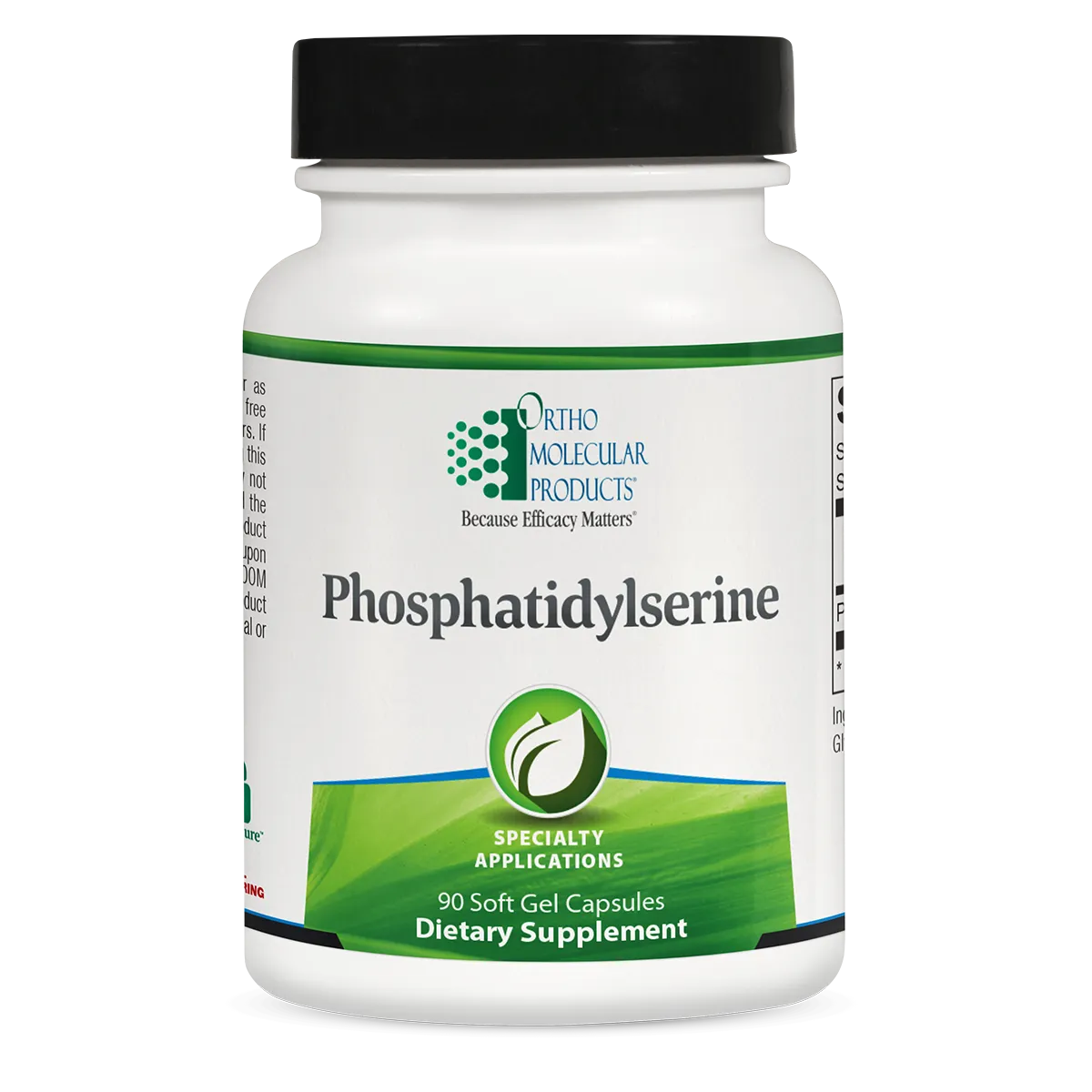
Soy-derived phosphatidylserine is the most widely researched and readily available form on the market. It is highly effective and can be easily standardized to high potencies. However, because it is extracted from soybeans, it presents a significant issue for individuals with soy allergies, histamine intolerances, or mast cell activation syndrome (MCAS), conditions frequently co-occurring with Long COVID and ME/CFS. In contrast, sunflower-derived phosphatidylserine (such as the form utilized in the Ortho Molecular formulation) is extracted from sunflower seed lecithin. The primary advantage of sunflower phosphatidylserine is that it is 100% soy-free, inherently non-GMO, and highly hypoallergenic. For patients with complex, highly reactive immune systems, sunflower-derived phosphatidylserine provides a clean, safe, and equally potent alternative for cognitive and neuroendocrine support.
Bioavailability and the Half-Life Factor
Phosphatidylserine is a fat-soluble molecule, meaning its absorption in the small intestine is heavily dependent on the presence of dietary lipids. To maximize bioavailability, it is highly recommended to take phosphatidylserine soft gels alongside a meal or snack that contains healthy fats, such as avocado, olive oil, or nuts. Clinical pharmacokinetic studies indicate that the human body has a specific absorption threshold for phosphatidylserine, typically capable of processing between 300 mg and 800 mg per day. Any intake beyond this threshold is not absorbed into the bloodstream and is simply excreted by the digestive system, making massive single doses inefficient and potentially irritating to the gut.
Understanding the half-life of phosphatidylserine is crucial for optimizing its therapeutic effects. The plasma elimination half-life of standard oral phosphatidylserine in humans is approximately 7.35 hours. Because it clears from the bloodstream relatively quickly, taking a single large dose once a day leads to uneven plasma levels. To maintain a steady, consistent supply of phosphatidylserine to the brain and HPA axis, it is best to divide the daily dosage. This is why clinical formulations often suggest taking one 100 mg soft gel three times per day, ensuring a continuous biological effect. It is also important to note that phosphatidylserine works by structurally enriching cell membranes, a process that takes time. Patients should expect to take the supplement consistently for 2 to 3 weeks before noticing significant improvements in cognitive clarity or stress resilience.
Safety, Side Effects, and Drug Interactions
Phosphatidylserine is generally recognized as safe (GRAS) by the FDA and is exceptionally well-tolerated by most adults when taken at standard clinical doses of 100 mg to 300 mg per day. When side effects do occur, they are almost exclusively dose-dependent, typically arising when individuals consume more than 300 mg daily. The most commonly reported adverse effects are mild gastrointestinal discomfort—such as bloating, gas, or stomach upset—and paradoxical insomnia if high doses are taken too close to bedtime. Because phosphatidylserine actively shifts neuroendocrine balance, starting with a lower dose and gradually titrating up allows the nervous system to adjust smoothly without triggering unwanted hyperarousal.
While phosphatidylserine does not have severe, life-threatening interactions with common prescription drugs, it does have notable moderate interactions due to its ability to increase acetylcholine levels in the brain. Patients taking anticholinergic medications (drugs that intentionally block acetylcholine to treat conditions like overactive bladder or Parkinson's symptoms) should exercise caution, as phosphatidylserine may decrease the effectiveness of these drugs. Conversely, individuals taking acetylcholinesterase (AChE) inhibitors—commonly prescribed for dementia or Alzheimer's disease to prevent the breakdown of acetylcholine—should consult their physician before using phosphatidylserine, as the combination could theoretically raise acetylcholine to excessive levels. Always discuss new supplements with a healthcare provider, especially when managing complex chronic conditions alongside multiple prescription medications.

Follow the Science
Clinical Evidence in Post-Viral Fatigue
The scientific rationale for using phosphatidylserine in the management of complex chronic illnesses is grounded in decades of neurological and neuroendocrine research. In recent years, researchers have begun specifically investigating the role of phospholipids in post-viral syndromes. A foundational 2023 paper published in the Journal of Clinical Medicine by Dr. Francesco Menichetti explored the potential role of hypothalamic phospholipid liposomes in the supportive therapy of Long COVID, ME/CFS, and brain fog. The research highlighted that cerebral metabolic alterations and severe HPA axis dysregulation are massive drivers of post-viral pathology. The study concluded that phosphatidylserine, due to its ability to restore age-associated cognitive decline and exert strong anti-inflammatory properties within the brain, serves as a highly effective adjuvant therapy for counteracting neuroinflammation and restoring metabolic balance.
Furthermore, clinical trials investigating Lipid Replacement Therapy (LRT) have provided compelling evidence for the use of glycophospholipids in treating intractable fatigue. In open-label clinical trials involving patients with ME/CFS and chronic Lyme disease, participants were administered a formulation containing phosphatidylserine, phosphatidylcholine, and other mitochondrial cofactors. After 8 to 12 weeks of consistent treatment, researchers observed a significant restoration of mitochondrial function, with cellular energy output approaching the levels seen in healthy young adults. Most notably, the patients reported a 30.8% to 35.5% reduction in severe fatigue, as measured by the validated Piper Fatigue Scale, demonstrating that repairing the lipid membranes directly translates to measurable improvements in physical energy and stamina.
Insights from Dysautonomia Research
While large-scale, double-blind randomized trials specifically testing oral phosphatidylserine for Long COVID dysautonomia are still in the early stages of development, the mechanical understanding of its benefits is heavily supported by preclinical models of autonomic failure. A landmark 2016 study published in PLoS Genetics investigated the effects of phosphatidylserine on Familial Dysautonomia, a genetic neurodegenerative disorder characterized by severe autonomic dysfunction and nerve degeneration. The researchers utilized a specialized mouse model designed to mimic the unstable microtubules and impaired axonal transport seen in the disease.
The findings were remarkable: treating the dysautonomic models with phosphatidylserine successfully decreased HDAC6 levels and increased the acetylation of alpha-tubulin. This molecular intervention effectively stabilized the microtubular highways inside the nerves, significantly enhancing the retrograde transport of vital nerve growth factors. The study concluded that phosphatidylserine has the direct molecular potential to recover axonal outgrowth, slow the progression of neurodegeneration, and alleviate the systemic symptoms of dysautonomia. This robust preclinical data provides a strong scientific foundation for why patients with acquired dysautonomia, such as POTS, often report significant clinical improvements when incorporating phosphatidylserine into their holistic management protocols.
The Fusogen Storm Hypothesis
The understanding of how viral infections directly damage the brain's lipid architecture has advanced rapidly since the onset of the COVID-19 pandemic. A critical 2023 study published in the International Journal of Molecular Sciences detailed the mechanism of "fusogen storms" in Long COVID. The researchers mapped how the SARS-CoV-2 spike protein triggers calcium influxes that activate the TMEM16F scramblase, forcing phosphatidylserine to flip to the outside of the cell membrane. This study was instrumental in linking the externalization of phosphatidylserine to the abnormal fusion of neurons and the subsequent generation of toxic hyperphosphorylated Tau (pTau) proteins. By identifying this precise mechanism, the scientific community has validated the use of exogenous phosphatidylserine supplementation as a logical, targeted intervention to repair the structural damage caused by these viral fusogen storms and halt the progression of post-viral cognitive decline.
The Path Forward
A Pillar of Comprehensive Care
Living with the unpredictable and often invisible symptoms of Long COVID, ME/CFS, and dysautonomia is an exhausting journey. When brain fog makes simple tasks feel impossible and a dysregulated nervous system keeps you trapped in a cycle of "wired and tired" exhaustion, it is easy to feel overwhelmed. It is vital to remember that these symptoms are not in your head—they are the result of profound, measurable physiological disruptions at the cellular level. The viral hijacking of lipid membranes, the formation of microclots, and the chronic overactivation of the HPA axis are real, documented mechanisms that require targeted, science-backed interventions to repair.
While no single supplement is a miracle cure for complex chronic illness, phosphatidylserine represents a powerful tool in your management arsenal. By actively repairing the structural integrity of your neuronal membranes, enhancing the release of vital neurotransmitters, and blunting the relentless spikes of cortisol, phosphatidylserine addresses the root biological causes of cognitive dysfunction and autonomic instability. When combined with a comprehensive care plan that includes aggressive resting, strict pacing, symptom tracking, and the guidance of a knowledgeable medical team, targeted brain fog supplements can help you slowly rebuild your cognitive stamina and reclaim your quality of life.
If you are struggling with severe brain fog, memory impairment, or the relentless exhaustion of a dysregulated nervous system, it may be time to explore how targeted phospholipid support can aid your recovery. Always consult with your healthcare provider before beginning any new supplement regimen to ensure it aligns safely with your unique medical history and current medications.