Can MitoCORE® Protein Blend Support Energy and Immunity in Long COVID and ME/CFS?
March 6, 2026
MitoCORELong COVIDME/CFS
Share:
Disclaimer: The information provided here is for educational purposes only and is not intended as medical advice. It should not be used to diagnose, treat, cure, or prevent any medical condition. Instead, use it as a starting point for discussion with your healthcare provider. Always consult with a qualified healthcare provider before starting any new medication, supplement, device, or making changes to your health regimen.
Imagine waking up after ten hours of sleep, only to feel as though you haven't rested at all. Your limbs feel like they are made of lead, your brain is clouded by an impenetrable fog, and the simple act of taking a shower completely depletes your energy for the rest of the day. For individuals living with Long COVID, myalgic encephalomyelitis/chronic fatigue syndrome (ME/CFS), dysautonomia, and mast cell activation syndrome (MCAS), this profound, unyielding exhaustion is a daily reality. This is not simply being "tired"—it is a systemic cellular energy crisis. When the body's microscopic power plants, the mitochondria, become damaged or dysfunctional due to viral infection or chronic inflammation, the fundamental currency of human energy is severely compromised.
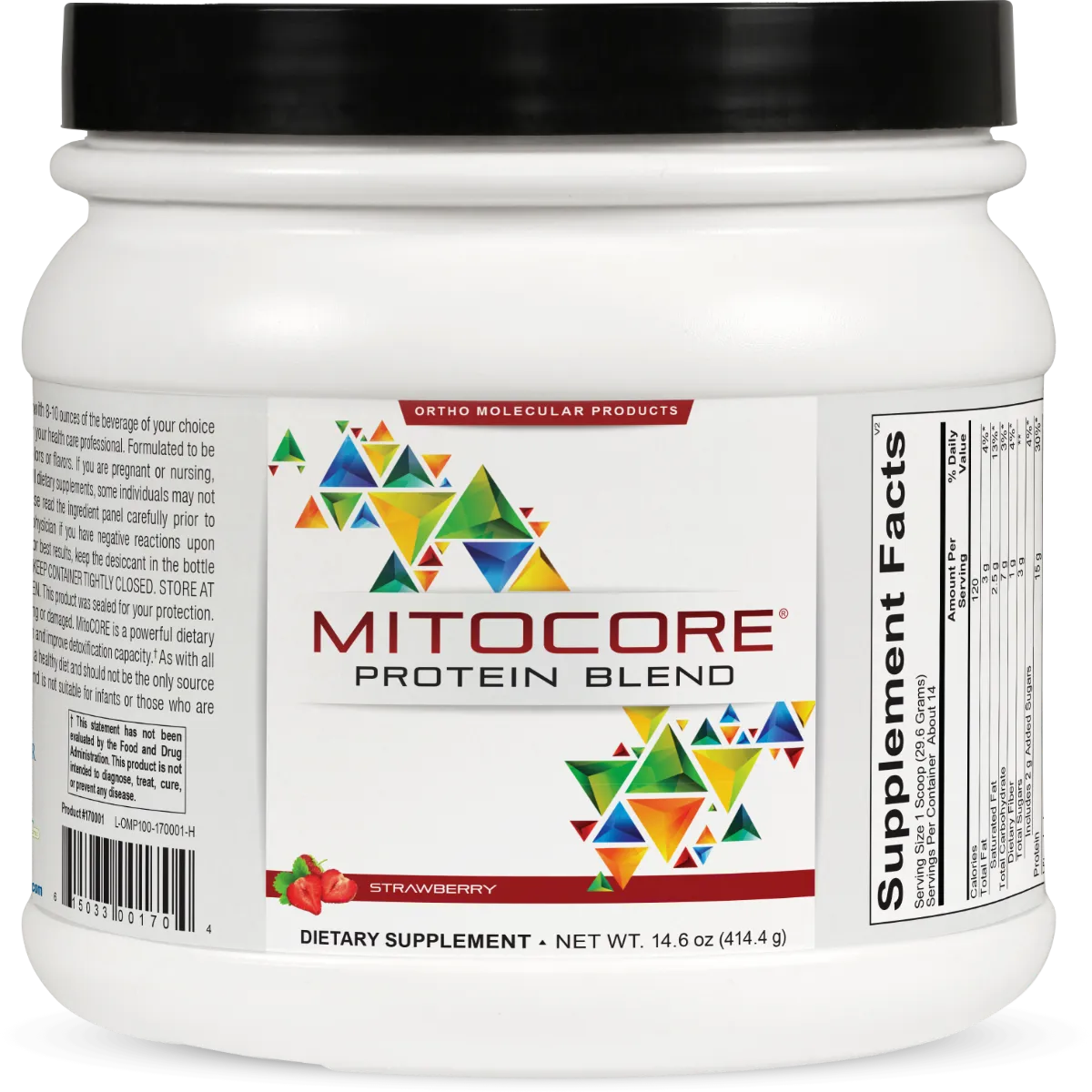
In the search for validating, science-backed strategies to address this energy deficit, orthomolecular medicine has highlighted the critical importance of targeted mitochondrial nutrients. MitoCORE® Protein Blend Strawberry emerges as a comprehensive, clinically grounded formula designed to directly support these struggling cellular pathways. By combining highly bioavailable amino acids, master antioxidants, and potent phytonutrients with a hypoallergenic protein base, this supplement aims to recharge the cycle of energy production. In this comprehensive guide, we will explore the deep biochemistry of how MitoCORE® works, the clinical evidence supporting its key ingredients, and how it may help you navigate the complex landscape of chronic invisible illness.
TL;DR
MitoCORE® provides targeted nutrients to support mitochondrial function and cellular energy production.
Key ingredients like ALCAR, ALA, and NAC may help manage fatigue, brain fog, and PEM.
The hypoallergenic brown rice protein base offers gentle nutrition for those with food sensitivities or MCAS.
Mitochondrial repair is a gradual process that works best alongside pacing and comprehensive symptom management.
What is MitoCORE® Protein Blend?
The Foundation of Cellular Energy
To understand how MitoCORE® Protein Blend works, we must first look at the natural function of mitochondria in a healthy body. Mitochondria are the microscopic powerhouses residing within almost every cell of your body, responsible for generating adenosine triphosphate (ATP). ATP is the universal energy currency that fuels everything from the beating of your heart to the firing of neurons in your brain. The process of creating ATP involves a complex series of biochemical reactions, primarily the Krebs cycle (also known as the citric acid cycle) and the electron transport chain. These pathways require a constant, precise supply of specific nutrients, enzymes, and cofactors to function efficiently.
When you are healthy, your mitochondria seamlessly convert the food you eat and the oxygen you breathe into abundant ATP. Electrons flow down the electron transport chain, passing through four distinct protein complexes, ultimately driving the synthesis of energy. However, this process is inherently volatile; it naturally produces reactive oxygen species (ROS), which are essentially metabolic exhaust or free radicals. In a perfectly functioning system, the body’s endogenous antioxidants immediately neutralize these free radicals before they can cause harm. But when this delicate balance is disrupted by illness, the mitochondria can become overwhelmed, leading to a severe drop in ATP production and a dangerous spike in oxidative damage.
The Synergy of Mito-Nutraceuticals
MitoCORE® Protein Blend is engineered to address this exact cellular vulnerability by providing a highly specific, synergistic blend of "mito-nutraceuticals." At its core, the formula relies on a triad of powerful compounds: Acetyl-L-Carnitine (ALCAR), Alpha Lipoic Acid (ALA), and N-Acetyl-L-Cysteine (NAC). Rather than simply acting as a general multivitamin, these three ingredients are specifically chosen for their ability to interact directly with the mitochondrial membrane and the electron transport chain. They work in tandem to shuttle fuel into the mitochondria, protect the delicate enzymatic machinery from oxidative stress, and replenish the body's master antioxidant reserves.
Beyond this foundational triad, the formula incorporates a sophisticated matrix of phytonutrients—plant-based compounds known for their profound impact on cellular signaling. Ingredients like green tea extract (standardized for EGCG), broccoli seed extract (yielding sulforaphane), and resveratrol act as genetic switches. They communicate with the cell's DNA to trigger mitochondrial biogenesis, which is the physical growth and division of new, healthy mitochondria. By combining the raw materials needed for energy production with the signaling molecules required for cellular repair, MitoCORE® offers a multi-tiered approach to overcoming profound fatigue and metabolic stalling.
The Role of Hypoallergenic Protein
What sets the MitoCORE® Protein Blend apart from standard capsule-based mitochondrial supplements is the addition of 15 grams of high-quality, hypoallergenic brown rice protein. For individuals battling complex chronic conditions, securing adequate nutrition is often a monumental challenge. Gastrointestinal dysmotility, severe nausea, and food sensitivities—frequently seen in patients with dysautonomia and MCAS—can make eating whole, protein-dense meals incredibly difficult. Protein is absolutely essential for synthesizing enzymes, supporting damaged tissues, and maintaining muscle mass during periods of prolonged bed rest or reduced activity.
Brown rice protein is specifically chosen because it is highly digestible and exceptionally low in common allergens, making it a safer choice for those with hyper-reactive immune systems. Unlike whey or soy proteins, which can trigger mast cell degranulation or systemic inflammation in sensitive individuals, rice protein provides a gentle, steady stream of essential amino acids. This ensures that while the specialized mito-nutraceuticals are working to support the cellular engines, the body also has the fundamental building blocks required to support physical strength and a deeply taxed immune system.
How Chronic Illness Impacts Mitochondrial Function
The Viral Disruption of Cellular Energy
The pathophysiology of conditions like Long COVID and ME/CFS is deeply intertwined with severe mitochondrial impairment. When a virus like SARS-CoV-2 enters the body, it doesn't just trigger an immune response; it actively hijacks the host's cellular machinery to replicate. Research indicates that this viral invasion directly damages the mitochondria. According to recent studies on Long COVID biomarkers, patients exhibit mitochondrial dysfunction. This dysfunction impairs the electron transport chain from functioning correctly, leading to a drop in available cellular energy.
Furthermore, this viral disruption alters the delicate balance of mitochondrial dynamics—specifically the processes of fusion (joining together) and fission (splitting apart). The same research highlights an imbalance in these dynamics, alongside reduced levels of circulating cell-free mitochondrial DNA (ccf-mtDNA), which suggests that the body's natural ability to recycle and clear out dead or damaged mitochondria (mitophagy) is severely impaired. When damaged mitochondria accumulate within the cell, they act like broken engines, consuming resources without producing usable energy, which clinically translates to the debilitating, heavy fatigue experienced by so many patients.
Oxidative Stress and the Vicious Cycle
As the mitochondria struggle to produce ATP through damaged pathways, they begin to leak massive amounts of reactive oxygen species (mtROS) into the surrounding cellular environment. This creates a state of severe oxidative stress. In Long COVID, studies on skeletal muscle adaptations have highlighted intrinsic mitochondrial dysfunction, endothelial abnormalities, and a muscle fiber type shift towards a more glycolytic phenotype. Because the aerobic (oxygen-based) energy system is compromised, the cells are forced to rely more heavily on glycolysis—a highly inefficient backup system.
This shift toward glycolytic energy production explains why patients experience early lactate accumulation and intense muscle burning after even trivial physical exertion. It is a vicious cycle: the damaged mitochondria produce excess oxidative stress, which further damages the cellular membranes and enzymes, which in turn forces the cell to rely even more heavily on inefficient, acid-producing energy pathways. This biochemical gridlock is a primary driver of post-exertional malaise (PEM), where the body literally floods its own tissues with metabolic waste when forced to exert energy it does not have.
Immune Dysregulation and Energy Stealing
The energy crisis is compounded by the chronic, systemic inflammation that characterizes these complex illnesses. The immune system is incredibly energy-demanding. In Long COVID and ME/CFS, the immune system often remains locked in a hyper-vigilant, activated state long after the initial infection has cleared. Research identifying CD8 T-cell dysfunction in both ME/CFS and Long COVID shows that these critical immune cells become exhausted and produce markedly less protective cytokines when stimulated. This chronic inflammatory state constantly steals ATP away from vital organs like the brain and muscles to fuel an endless, ineffective immune response.
Moreover, the development of autoimmunity and immune dysregulation can lead the body to mistakenly target its own mitochondrial proteins. When autoantibodies attack the very structures designed to produce energy, the resulting systemic inflammation further degrades vascular health, leading to endothelial dysfunction and potential microclots. This restricts blood flow and oxygen delivery to the tissues, suffocating the mitochondria and deepening the profound exhaustion that patients battle every single day.
MitoCORE®: Supporting Mitochondrial Health and Energy Output
ALCAR and the Carnitine Shuttle
To combat this profound metabolic dysfunction, MitoCORE® utilizes Acetyl-L-Carnitine (ALCAR), a highly bioavailable derivative of the amino acid L-carnitine. At the molecular level, ALCAR acts as a critical transport vehicle in a process known as the "carnitine shuttle." Long-chain fatty acids, which are a massive potential source of cellular fuel, cannot penetrate the inner mitochondrial membrane on their own. ALCAR binds to these fatty acids in the cellular cytoplasm, utilizing enzymes called carnitine palmitoyltransferases (CPT1 and CPT2) to ferry them safely inside the mitochondria. Once inside, these fats undergo beta-oxidation to produce acetyl-CoA, directly feeding the Krebs cycle and ramping up ATP production.
What makes the acetylated form of carnitine particularly vital for Long COVID and ME/CFS patients is its unique ability to cross the blood-brain barrier. Neurological symptoms, such as severe brain fog and cognitive slowing, are often driven by a localized energy deficit in the brain. By crossing into the central nervous system, ALCAR fuels brain energy metabolism and helps clear out toxic, built-up fatty acid metabolites. This dual action—delivering fresh fuel while removing metabolic waste—makes it an indispensable tool for supporting cognitive clarity and reducing neuro-exhaustion.
Alpha Lipoic Acid (ALA) and Antioxidant Defense
As ALCAR successfully ramps up mitochondrial energy production, it inevitably increases the metabolic "exhaust" or oxidative stress within the cell. This is where Alpha Lipoic Acid (ALA) steps in. ALA is a remarkably unique, broad-spectrum antioxidant because it is both fat- and water-soluble. This rare property allows it to easily penetrate the lipid-based mitochondrial membranes and neutralize reactive oxygen species directly at the source, protecting the delicate electron transport chain from the very energy it is producing.
Beyond its direct antioxidant capabilities, ALA serves as an essential enzymatic cofactor for the pyruvate dehydrogenase complex. This complex is the critical bridge that links glycolysis to the Krebs cycle. By supporting this specific enzyme, ALA helps ensure that carbohydrates are efficiently converted into clean, aerobic energy rather than fermenting into the lactic acid that causes muscle burning and PEM. Furthermore, ALA possesses the profound ability to recycle other depleted antioxidants in the body, including Vitamin C and glutathione, exponentially multiplying the cell's defensive capabilities against chronic viral-induced inflammation.
NAC and Glutathione Replenishment
N-Acetyl-L-Cysteine (NAC) is arguably one of the most critical interventions for post-viral fatigue, primarily due to its role as the rate-limiting precursor to glutathione. Glutathione is the body's master endogenous antioxidant, and it is rapidly depleted by the severe oxidative stress of a SARS-CoV-2 infection. By supplying a highly bioavailable form of cysteine, NAC allows the liver and cells to synthesize fresh glutathione, effectively restoring the body's primary defense mechanism against cellular damage and systemic inflammation.
In the context of Long COVID brain fog, NAC offers profound neuroprotective benefits. Chronic neuroinflammation drives the production of kynurenic acid, a compound that blocks NMDA receptors in the prefrontal cortex, severely reducing neuronal firing and causing cognitive blunting. NAC has been shown to modulate this pathway, reducing the neuroinflammatory cytokines (like IL-6 and TNF-α) that disrupt the blood-brain barrier. By calming this inflammatory storm, NAC helps restore normal neural transmission, lifting the heavy veil of cognitive dysfunction that plagues so many patients.
Phytonutrients and Mitochondrial Biogenesis
MitoCORE® doesn't just support existing mitochondria; it actively signals the body to build new ones through a precise blend of phytonutrients. Resveratrol, a potent polyphenol, acts as a powerful activator of the AMPK–SIRT1–PGC-1α signaling axis. SIRT1 is a longevity-associated protein that deacetylates PGC-1α, the master regulator of mitochondrial biogenesis. By triggering this pathway, resveratrol physically stimulates the cell to grow and divide its mitochondria, thereby increasing the total cellular energy capacity and improving neuronal survival.
Working synergistically with resveratrol are Green Tea Extract (EGCG) and Broccoli Seed Extract (Sulforaphane). EGCG uniquely activates SIRT3, a sirtuin localized specifically inside the mitochondria, which enhances the activity of protective enzymes like superoxide dismutase 2 (SOD2). Meanwhile, the sulforaphane derived from broccoli seed extract is one of the most potent known activators of the Nrf2 pathway. Sulforaphane covalently modifies the Keap1 protein, releasing Nrf2 to travel to the cell nucleus and trigger the Antioxidant Response Element (ARE). Together, this "entourage effect" of phytonutrients primes the cell for massive antioxidant defense while simultaneously driving the creation of fresh, healthy mitochondria.

Symptoms MitoCORE® May Help Manage
Targeting Profound Fatigue and PEM
The synergistic ingredients in MitoCORE® are specifically chosen to address the systemic energy deficits that define chronic invisible illnesses. By supporting the electron transport chain and cellular respiration, this blend targets the root physiological causes of exhaustion.
Addressing Cognitive Dysfunction and Brain Fog
Neurological symptoms are often the most distressing aspect of conditions like Long COVID and dysautonomia. The brain is highly energy-demanding, and when mitochondrial function falters, cognitive clarity is the first casualty.
Supporting Muscle Pain and Exercise Intolerance
When cells cannot produce aerobic energy, they resort to anaerobic pathways, leading to a cascade of painful muscular symptoms. MitoCORE® provides the cofactors needed to keep energy production clean and efficient.
Practical Considerations: Forms, Dosing, and Absorption
Bioavailability and Synergistic Absorption
The clinical efficacy of any supplement is entirely dependent on its bioavailability—the proportion of the active ingredient that actually enters systemic circulation and reaches the target tissues. MitoCORE® Protein Blend utilizes highly specific, patented forms of its key ingredients to ensure maximum cellular uptake. For instance, it uses Acetyl-L-Carnitine rather than standard L-carnitine, as the acetylated form is vastly superior at crossing the blood-brain barrier to deliver neuroprotective benefits. Similarly, the broccoli seed extract is provided as TrueBroc®, which is standardized to contain a precise yield of glucoraphanin, ensuring a reliable conversion into the Nrf2-activating compound sulforaphane.
Furthermore, the formula includes a comprehensive multivitamin and mineral base featuring chelated minerals (like Albion® Zinc and DiMagnesium Malate) and methylated B-vitamins (such as Quatrefolic® and Methylcobalamin). These cofactors are absolutely essential because mitochondrial enzymes cannot function in a vacuum. For example, the Krebs cycle requires magnesium and B-vitamins to process the acetyl-CoA generated by ALCAR. By providing these nutrients in their most active, bioavailable forms, MitoCORE® ensures that the primary mito-nutraceuticals have the necessary support network to function optimally, avoiding metabolic bottlenecks.
Optimal Timing and Dietary Integration
Because MitoCORE® is designed to stimulate energy production and cellular metabolism, timing is an important consideration. It is generally recommended to consume this protein blend in the morning or early afternoon. Taking mitochondrial support supplements too late in the evening can sometimes lead to overstimulation of the central nervous system, potentially interfering with sleep architecture—a critical issue for patients who already suffer from unrefreshing sleep or insomnia. Mixing the powder with 8-10 ounces of water, almond milk, or a low-histamine smoothie makes for a gentle, easily digestible morning meal.
For patients managing mast cell activation syndrome (MCAS) or severe gastrointestinal dysmotility, the hypoallergenic rice protein base is a significant advantage. It is free from dairy, soy, and gluten, reducing the risk of triggering an inflammatory immune cascade. However, because the formula contains potent phytonutrients and antioxidants, it is always wise to start with a partial scoop to assess your body's individual tolerance, especially if you have a highly reactive nervous system or severe chemical sensitivities. Slowly titrating the dose allows your microbiome and cellular pathways to adjust to the influx of new metabolic fuel.
Safety, Contraindications, and Interactions
While the ingredients in MitoCORE® are generally well-tolerated, they are biochemically active and can interact with certain medications. Alpha Lipoic Acid can enhance the effects of blood-sugar-lowering medications, so individuals with diabetes or hypoglycemia should monitor their glucose levels closely. Additionally, ALCAR can theoretically interact with blood thinners and thyroid hormone replacement therapies. Because NAC is a powerful mucolytic (it breaks down mucus), it is highly beneficial for respiratory health, but patients with bleeding disorders should consult their physician before initiating high-dose NAC therapy.
Finally, there is a crucial behavioral consideration when taking mitochondrial supplements: the danger of pushing through your energy envelope. As your cells begin to produce more ATP and your brain fog lifts, you may feel a sudden surge of "false" energy. It is absolutely vital that you do not immediately increase your physical exertion. The goal of MitoCORE® is to address the underlying cellular dysfunction and raise your baseline over months, not to provide a temporary stimulant effect to help you push through a crash. Continue to practice strict pacing, allowing the newly generated energy to be used for deep cellular repair rather than immediate expenditure.

Follow the Science
Clinical Evidence for ALCAR and ALA
The combination of mitochondrial shuttles and antioxidants has been the subject of intense clinical scrutiny, particularly in the wake of the Long COVID pandemic. A landmark 2022 Long COVID observational study evaluated the efficacy of combining mitochondrial antioxidants, specifically Coenzyme Q10 and Alpha Lipoic Acid (ALA), in 116 patients suffering from chronic post-viral syndrome. The patients received 200 mg of ALA daily for two months. The results were highly significant: 53.5% of the treated patients achieved a complete response on the Fatigue Severity Scale, experiencing a total resolution of severe fatigue, compared to a mere 3.5% in the untreated control group. This underscores the profound impact of neutralizing mitochondrial oxidative stress.
Further supporting this approach are the clinical investigations into ME/CFS management strategies, such as the KPAX002 trials. These early proof-of-concept trials explored the use of a high-dose mitochondrial support formula containing ALCAR, ALA, and specific micronutrients. The underlying scientific rationale was that supplying these exact mito-nutraceuticals would address the cellular energy deficit at the root of the illness. The trials demonstrated that when the mitochondrial pathways are adequately supported with ALCAR and ALA, patients experience significant, measurable reductions in both physical fatigue and concentration disturbances, validating the orthomolecular approach to cellular energy restoration.
NAC Trials in Post-Viral Fatigue
N-Acetyl-Cysteine has emerged as a frontline investigational option for the neurological and physical symptoms of Long COVID.
Additionally, researchers at the University of Oxford conducted a Phase 2a randomized, double-blind, placebo-controlled trial evaluating AXA1125, an endogenous metabolic modulator where NAC is a primary active component. Published in eClinicalMedicine, the trial involved 41 participants suffering from Long COVID fatigue. The study found that patients taking the NAC-based amino acid blend reported a statistically significant reduction in physical fatigue compared to the placebo group, as measured by the Chalder Fatigue Questionnaire. Those who improved also demonstrated increased walking distances, highlighting NAC's ability to translate cellular repair into functional, real-world physical capacity.
The Impact of Phytonutrients on Cellular Defense
The clinical relevance of phytonutrients in chronic illness is supported by vast amounts of patient-reported data and targeted clinical trials.
Specifically looking at sulforaphane (derived from broccoli seed extract), clinical trials have demonstrated its profound ability to activate the Nrf2 pathway and protect against cellular stress. Research detailed by clinical investigators has shown that sulforaphane supplementation significantly activates Nrf2-dependent cytoprotective enzymes (like NQO1 and HO-1). In trials involving neuro-immune conditions, this activation yielded measurable changes in mitochondrial function that positively correlated with improved clinical and behavioral scores, proving that these plant-based signaling molecules have a tangible, therapeutic effect on human cellular biology.
The Path Forward
Validating the Energy Crisis
Living with a complex chronic illness like Long COVID, ME/CFS, or dysautonomia is an exercise in profound endurance. The exhaustion you feel is not a lack of willpower, a psychological hurdle, or simple deconditioning. It is a documented, physiological crisis occurring at the deepest microscopic levels of your body. When your mitochondria are damaged and your cells cannot produce ATP, the heavy, leaden fatigue and the terrifying crashes of PEM are your body's desperate attempts to protect itself from further metabolic damage. Validating this reality is the first, most crucial step in the journey toward recovery. You are fighting a battle on a cellular level every single day.
While the science surrounding mitochondrial dysfunction can feel overwhelming, it also offers a beacon of realistic hope. By understanding the exact biochemical pathways that have been disrupted—the carnitine shuttle, the electron transport chain, the Nrf2 antioxidant response—we can begin to target them with precision. Supplements like MitoCORE® Protein Blend are not miracle cures, but they are sophisticated, science-backed tools designed to give your cells the raw materials they desperately need to begin the slow, steady process of rebuilding and repairing.
A Comprehensive Approach to Management
It is essential to remember that mitochondrial repair is a marathon, not a sprint. Clinical literature suggests that it can take several weeks to notice initial improvements, and many months to achieve substantial rehabilitation of the cellular energy cycle. MitoCORE® should be viewed as one vital pillar within a much broader, comprehensive management strategy. To truly support cellular recovery, these targeted nutrients must be combined with aggressive, disciplined pacing, meticulous symptom tracking, and nervous system regulation.
As you introduce new metabolic support, you must fiercely protect your energy envelope. Do not use the initial lifts in brain fog or physical stamina to immediately tackle your to-do list. Instead, bank that newly generated energy. Allow your body to use it for internal recovery, reducing neuroinflammation, and clearing out cellular debris. By combining orthomolecular nutrition with profound rest and compassionate self-care, you create the optimal environment for your mitochondria to thrive once again.
Next Steps in Your Journey
If you are struggling with the debilitating weight of chronic fatigue, brain fog, and exercise intolerance, targeted mitochondrial support may be a critical piece of your medical puzzle. Always consult with your healthcare provider before starting any new supplement protocol, especially to ensure it aligns safely with your current medications and specific health needs.