Can Methyl-Guard Support Brain Fog and Fatigue in Long COVID and ME/CFS?
March 6, 2026
Methyl-GuardLong COVIDME/CFS
Share:
Disclaimer: The information provided here is for educational purposes only and is not intended as medical advice. It should not be used to diagnose, treat, cure, or prevent any medical condition. Instead, use it as a starting point for discussion with your healthcare provider. Always consult with a qualified healthcare provider before starting any new medication, supplement, device, or making changes to your health regimen.
Months, or even years, after a viral infection like SARS-CoV-2, many patients find themselves trapped in a bewildering maze of symptoms. The crushing fatigue, the impenetrable brain fog, and the erratic heart rates of dysautonomia can make simply getting out of bed feel like climbing a mountain. If you are living with Long COVID, myalgic encephalomyelitis/chronic fatigue syndrome (ME/CFS), or Postural Orthostatic Tachycardia Syndrome (POTS), you already know that these conditions are not just "in your head"—they are profound, systemic disruptions of your body's most fundamental biological processes.
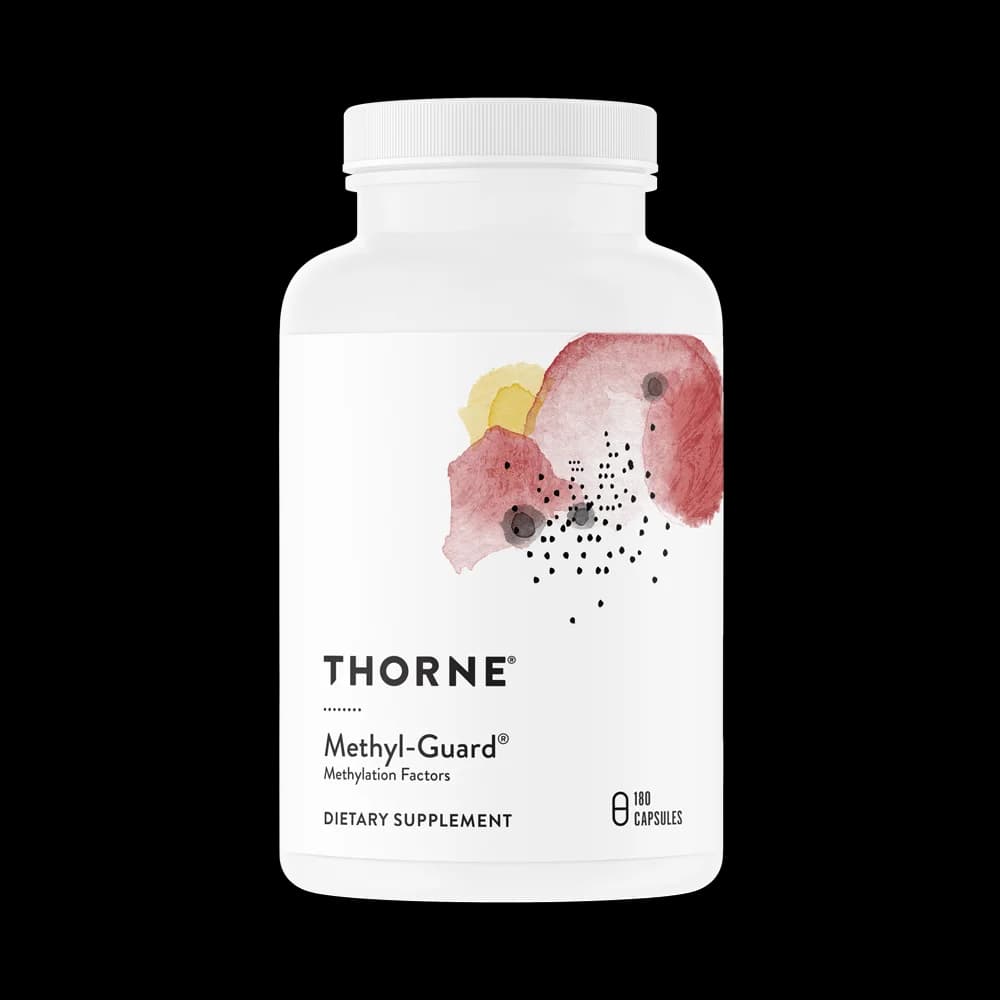
One of the most critical, yet frequently overlooked, processes disrupted by chronic illness is the methylation cycle. This microscopic biochemical engine is responsible for everything from producing cellular energy and regulating neurotransmitters to clearing out toxins and repairing DNA. When this cycle breaks down—often exacerbated by common genetic variations like the MTHFR mutation or the intense oxidative stress of a viral infection—the body struggles to heal. Methyl-Guard® by Thorne is a targeted nutritional supplement designed to bypass these biochemical roadblocks. By providing the active, tissue-ready forms of key nutrients, it aims to restore healthy methylation, lower toxic homocysteine levels, and support the intricate cellular machinery that drives your daily energy and cognitive clarity.
What is Methyl-Guard?
The Basics of the Biochemical Methylation Cycle
To understand how Methyl-Guard works, we first need to explore the natural phenomenon of methylation. At its core, methylation is a simple biochemical transaction: the transfer of a methyl group (one carbon atom attached to three hydrogen atoms, or CH3) from one molecule to another. While it sounds like a minor structural change, this microscopic handoff acts as a biological switchboard. It turns genes on and off, synthesizes neurotransmitters like dopamine and serotonin, builds immune cells, and processes hormones. In a healthy body, this cycle runs billions of times every second, quietly maintaining the delicate equilibrium required for optimal cardiovascular, cognitive, and neurological health.
The methylation cycle is intimately tied to the metabolism of an amino acid called homocysteine. Homocysteine is a naturally occurring byproduct created when your body breaks down methionine, an essential amino acid found in protein-rich foods. In a perfectly functioning system, homocysteine is temporary. It is quickly recycled back into methionine or converted into other beneficial compounds like glutathione, the body's master antioxidant. However, this recycling process is highly dependent on a steady supply of specific B-vitamins acting as cofactors. When these cofactors are missing, or when genetic mutations impair their utilization, homocysteine accumulates in the bloodstream. Elevated homocysteine is highly toxic, acting as a pro-inflammatory agent that damages the delicate endothelial lining of blood vessels and promotes oxidative stress throughout the central nervous system.
The Core Ingredients: A Synergistic Approach
Methyl-Guard is meticulously formulated to provide the exact nutritional cofactors required to keep the methylation cycle spinning and to clear toxic homocysteine from the body. It contains a synergistic blend of four primary ingredients: Betaine anhydrous (trimethylglycine or TMG), 5-MTHF (active folate), Methylcobalamin (active Vitamin B12), and Pyridoxal 5'-Phosphate (P5P, active Vitamin B6). Each of these compounds plays a distinct, non-redundant role in cellular metabolism. They do not work in isolation; rather, they function as a biochemical relay team, passing molecules down various enzymatic pathways to ensure that homocysteine is safely neutralized and cellular energy production is maintained.
The inclusion of 1.8 grams of Betaine is particularly noteworthy. Betaine acts as a powerful methyl donor that operates primarily in the liver and kidneys. It utilizes an enzyme called betaine-homocysteine methyltransferase (BHMT) to provide an alternative, heavy-duty pathway for recycling homocysteine. This specific dosage range of betaine is considered effective at lowering plasma homocysteine levels, offering a crucial metabolic backup system when the primary folate-dependent pathways are overwhelmed or genetically compromised.
Why Active, Tissue-Ready Forms Matter
One of the defining features of Methyl-Guard is its exclusive use of active, tissue-ready nutrient forms. Many standard over-the-counter supplements use synthetic folic acid and cyanocobalamin (a synthetic form of B12). Before the body can use these synthetic forms, they must undergo a complex series of enzymatic conversions in the liver. For a large portion of the population, this conversion process is inherently flawed. Approximately 30 to 60 percent of individuals carry a genetic polymorphism in the MTHFR (methylenetetrahydrofolate reductase) gene, which can reduce the enzyme's efficiency by up to 70 percent. For these individuals, synthetic folic acid can actually build up in the bloodstream unmetabolized, paradoxically worsening methylation blockades.
By utilizing 5-MTHF (L-5-Methyltetrahydrofolate), Methyl-Guard completely bypasses the MTHFR genetic bottleneck. This active form of folate is immediately available to cross the blood-brain barrier and participate in the remethylation of homocysteine. Similarly, Methylcobalamin is the biologically active form of B12 that acts as the essential partner to 5-MTHF, while P5P is the active form of B6 required to permanently eliminate homocysteine through the transsulfuration pathway. This precise formulation ensures that even in the presence of genetic mutations or severe chronic illness, the body receives the exact molecular keys needed to unlock healthy cellular function.
How Long COVID and ME/CFS Impact Methylation
Viral Disruption of One-Carbon Metabolism
The onset of complex chronic illnesses like Long COVID and ME/CFS is rarely a simple matter of lingering viral particles; it is often a cascade of metabolic and immunological dominoes falling. When a virus like SARS-CoV-2 or Epstein-Barr virus (EBV) infiltrates the body, it triggers a massive immune response that generates immense oxidative stress. To combat this, the body rapidly depletes its stores of glutathione, the primary intracellular antioxidant. Because glutathione synthesis is directly downstream of the methylation cycle (via the transsulfuration pathway), the body begins to aggressively shunt resources away from standard methylation to produce more antioxidants. This phenomenon, known as a "methylation block," stalls the normal recycling of homocysteine, leading to systemic biochemical gridlock. If you are wondering what causes Long COVID, this metabolic hijacking is a central piece of the puzzle.
A groundbreaking 2025 study highlighted this exact mechanism. Researchers analyzing data from the IMPACC cohort discovered that severe COVID-19 trajectories and the subsequent development of Long COVID were strongly predicted by preexisting disruptions in one-carbon metabolism. Specifically, patients carrying the homozygous MTHFR C677T allele—which inherently weakens the methylation cycle—were found to be at a significantly higher risk. The viral infection essentially acts as a stress test that unmasks underlying genetic vulnerabilities, pushing a fragile methylation system into total collapse and leaving the patient trapped in a state of chronic metabolic dysfunction.
The Homocysteine and Endothelial Damage Connection
As the methylation cycle stalls, homocysteine levels inevitably rise. In the context of Long COVID and dysautonomia, elevated homocysteine is not just a passive biomarker; it is an active driver of pathology. Homocysteine is highly toxic to the endothelium, the delicate single-cell layer that lines our blood vessels. It promotes a prothrombotic (clotting) state by increasing oxidative stress and degrading nitric oxide, a molecule essential for keeping blood vessels relaxed and open. This endothelial damage is a primary contributor to the micro-clots and vascular inflammation frequently observed in Long COVID patients, severely impairing the delivery of oxygen and nutrients to tissues, including the brain and muscles.
Furthermore, the blood-brain barrier (BBB) is vulnerable to this vascular inflammation. Certain areas of the brain that control autonomic functions—known as Circumventricular Organs (CVOs)—lack a robust BBB. Elevated homocysteine can infiltrate these areas, overwhelming the central nervous system nuclei that regulate heart rate and blood pressure. This biochemical assault directly contributes to the erratic heart rates, dizziness, and orthostatic intolerance seen in Postural Orthostatic Tachycardia Syndrome (POTS) and other forms of dysautonomia. It is a vicious cycle: poor methylation leads to high homocysteine, which damages blood vessels, which in turn exacerbates the autonomic nervous system dysfunction that makes standing or basic activities so debilitating.
Epigenetic Shifts and the "Post-Viral Crash"
The impact of impaired methylation extends deep into the very expression of our DNA. DNA methylation is a primary epigenetic mechanism—it dictates which genes are turned on to promote healing and which are turned off to prevent runaway inflammation. Recent comparative studies utilizing advanced sequencing models like Mobius have revealed profound epigenetic overlaps between Long COVID and ME/CFS. Researchers identified 118 identical Differentially Methylated Fragments (DMFs) shared between the two patient cohorts, heavily clustered around genes responsible for immune response, cellular metabolism, and mitochondrial function. This shared epigenetic signature helps explain why Long COVID can trigger ME/CFS and why the symptoms are so strikingly similar.
When the methylation cycle is starved of its necessary cofactors—whether due to viral depletion, poor absorption, or MTHFR mutations—the body loses its ability to maintain these crucial epigenetic markers. Genes that should be silenced (like those promoting chronic inflammation) remain active, while genes that should be expressed (like those driving mitochondrial ATP production) are suppressed. This epigenetic dysregulation is a fundamental driver of the "post-viral crash" and the debilitating post-exertional malaise (PEM) that defines these conditions. Restoring the supply of active methyl donors is therefore not just about lowering homocysteine; it is about providing the raw materials needed to rewrite the epigenetic software back to a state of health.
Methyl-Guard: Supporting Cellular Energy and Neurological Function
Bypassing the MTHFR Genetic Bottleneck
The primary therapeutic mechanism of Methyl-Guard lies in its ability to bypass genetic and viral bottlenecks in the methylation cycle. For the estimated 30 to 60 percent of the population with an MTHFR polymorphism, the enzyme responsible for converting dietary folate into its active form is sluggish and inefficient. By providing 2 mg DFE of 5-MTHF, Methyl-Guard delivers folate that is already fully activated. This 5-MTHF immediately enters the remethylation pathway, acting as the primary methyl donor. It hands off its methyl group to Methylcobalamin (active B12), which acts as an essential enzymatic bridge. The Methylcobalamin then transfers the methyl group directly to homocysteine, successfully recycling it back into the beneficial amino acid methionine.
This remethylation process is critical because methionine is the direct precursor to S-adenosylmethionine (SAMe), the body's universal methyl donor. SAMe is required for over 200 distinct enzymatic reactions, including the synthesis of creatine. Creatine is vital for the rapid generation of adenosine triphosphate (ATP)—the fundamental energy currency of our cells—within the mitochondria of muscle tissues. By unblocking the folate cycle and restoring SAMe production, Methyl-Guard may help reignite mitochondrial energy output, directly addressing the profound physical fatigue and muscle weakness that characterize ME/CFS and Long COVID.
Restoring Neurotransmitter Balance and Autonomic Function
The benefits of restored SAMe production extend far beyond muscular energy; they are absolutely vital for neurological and autonomic stability. SAMe is a strict requirement for the synthesis of key monoamine neurotransmitters, including dopamine, serotonin, and norepinephrine. When the methylation cycle is blocked and homocysteine is high, SAMe levels plummet, leading to severe neurotransmitter depletion. This neurochemical drought manifests clinically as the profound "brain fog," cognitive slowing, and mood dysregulation frequently reported by long-haulers. By supplying the active B-vitamins necessary to drive SAMe synthesis, Methyl-Guard supports the restoration of these critical neural communication pathways.
Furthermore, SAMe is essential for the breakdown of stimulating neurotransmitters and inflammatory mediators. The enzymes COMT (catechol-O-methyltransferase) and HNMT (histamine N-methyltransferase) rely entirely on SAMe to clear excess adrenaline and histamine from the body. In patients with POTS or Mast Cell Activation Syndrome (MCAS), a lack of SAMe means that adrenaline and histamine linger in the bloodstream, triggering racing heart rates, severe anxiety, and widespread vasodilation. By supporting efficient methylation, Methyl-Guard provides the biochemical fuel needed for COMT and HNMT to function properly, helping to clear these excitatory molecules and calm the hyperactive autonomic nervous system.
The Transsulfuration Pathway and Antioxidant Defense
While 5-MTHF and Methylcobalamin focus on recycling homocysteine, the P5P (active Vitamin B6) in Methyl-Guard serves a different, equally vital purpose. P5P is the required co-enzyme for cystathionine beta-synthase (CBS), the enzyme that governs the transsulfuration pathway. Instead of recycling homocysteine, this pathway acts as a biological drain, permanently eliminating excess homocysteine by condensing it with serine to create cystathionine. This process is the first step in the synthesis of glutathione, the body's most powerful endogenous antioxidant. In the context of chronic viral illness, where oxidative stress is rampant, supporting this pathway is crucial for protecting cells from free radical damage.
Finally, the inclusion of Betaine (TMG) provides a robust, independent mechanism for homocysteine clearance. Operating primarily in the liver, betaine uses the BHMT enzyme to bypass the folate and B12 cycles entirely, donating a methyl group directly to homocysteine. Betaine supplementation is thought to effectively lower plasma homocysteine and enhance muscle creatine synthesis. This dual-action approach—supporting both the folate-dependent remethylation pathway and the folate-independent betaine pathway—ensures that Methyl-Guard provides comprehensive, multi-angle support for cellular energy, neurological health, and antioxidant defense, regardless of the patient's specific genetic or metabolic roadblocks.

Symptoms Methyl-Guard May Help Manage
Cognitive Dysfunction and Brain Fog
The cognitive impairments associated with Long COVID and ME/CFS, commonly referred to as "brain fog," are often debilitating. Methyl-Guard targets the underlying biochemical drivers of this symptom.
Impaired Memory and Focus: By lowering neurotoxic homocysteine levels, the active B-vitamins in Methyl-Guard help protect the brain from oxidative stress and vascular inflammation, which studies have directly correlated with decreased cognitive performance.
Neurotransmitter Depletion: The synthesis of dopamine and serotonin requires SAMe, a product of healthy methylation. By supporting the methylation cycle, Methyl-Guard helps restore the neurochemical balance necessary for clear thinking, motivation, and mood stability.
Neurological Inflammation: P5P (active B6) supports the transsulfuration pathway, increasing the production of glutathione in the brain to neutralize the neuroinflammation often triggered by viral infections.
Profound Fatigue and Post-Exertional Malaise
Fatigue in these conditions is not merely tiredness; it is a fundamental failure of cellular energy production. Methyl-Guard provides the cofactors needed to restore mitochondrial function.
Cellular Energy (ATP) Deficits: The remethylation of homocysteine into methionine is required to produce creatine and carnitine, two molecules essential for shuttling fatty acids into the mitochondria and generating rapid ATP energy in muscle tissues.
Post-Exertional Malaise (PEM): By supporting epigenetic regulation and reducing systemic oxidative stress, efficient methylation helps stabilize the cellular environment, potentially raising the threshold at which physical or mental exertion triggers a debilitating "crash."
Poor Oxygen Delivery: Deficiencies in active folate and B12 can lead to dysfunctional red blood cells (megaloblastic anemia), impairing oxygen transport. Methyl-Guard provides the active forms needed for healthy red blood cell formation and optimal tissue oxygenation.
Dysautonomia and Cardiovascular Symptoms
The autonomic nervous system controls involuntary functions like heart rate and blood pressure. When methylation is impaired, these systems can become highly erratic, a hallmark of the symptoms of Long COVID.
Racing Heart Rate (Tachycardia): The clearance of excess adrenaline requires the COMT enzyme, which depends entirely on SAMe from the methylation cycle. By supporting SAMe production, Methyl-Guard helps the body break down adrenaline more efficiently, potentially calming the hyperadrenergic state seen in POTS.
Histamine Intolerance / MCAS Symptoms: Similarly, the HNMT enzyme requires SAMe to degrade histamine. Improving methylation can help clear excess histamine, reducing the vasodilation and blood pooling that exacerbate orthostatic intolerance.
Endothelial Dysfunction: High homocysteine damages the lining of blood vessels and promotes micro-clotting. By actively lowering homocysteine, the ingredients in Methyl-Guard support healthy blood flow, vascular integrity, and overall cardiovascular health.
Practical Considerations: Forms, Dosing, and Absorption
Understanding the Dosages in Methyl-Guard
When incorporating Methyl-Guard into a chronic illness management plan, understanding the dosing structure is essential. The manufacturer's suggested use is 3 capsules taken two times daily (a total of 6 capsules per day). This dosage provides a substantial 1.8 grams of Betaine (TMG) per 3-capsule serving. Dosages between 1.5 grams and 3 grams per day are considered effective for lowering fasting plasma homocysteine by 12% to 15% in adults. By following the recommended dosage, patients receive a clinically relevant amount of betaine that provides robust alternative pathway support for homocysteine clearance, without crossing into the very high dosages (greater than 4 grams per day) that are occasionally associated with gastrointestinal upset or mild increases in LDL cholesterol.
It is important to note that Thorne also produces a product called Methyl-Guard Plus, which is a more concentrated formula requiring fewer capsules. However, the original Methyl-Guard formula allows for highly flexible, incremental dosing. For patients with ME/CFS or Long COVID who are notoriously sensitive to new supplements—a phenomenon often related to sluggish detoxification pathways—the ability to start with just one capsule a day and slowly titrate up is a significant advantage. Always consult with your healthcare provider to determine the optimal starting dose for your specific metabolic needs and to decide if drugs used for COVID long haulers might interact with your supplement regimen.
Bioavailability and Optimal Absorption Strategies
The bioavailability of the nutrients in Methyl-Guard is inherently high because they are already in their active, coenzyme forms. The 5-MTHF does not need to be converted by the MTHFR enzyme, the Methylcobalamin is ready to bind to methionine synthase, and the P5P is primed for the transsulfuration pathway. However, absorption can still be influenced by how and when the supplement is taken. B-vitamins are water-soluble, meaning they do not require dietary fat for absorption. They are generally best absorbed when taken on an empty stomach, typically 30 minutes before a meal or two hours after eating. If you experience mild nausea—a common occurrence when introducing concentrated B-vitamins—taking the capsules with a small, light snack can help mitigate gastric discomfort without significantly compromising absorption.
Because B-vitamins, particularly active B12 and folate, play a direct role in cellular energy production, they can be mildly stimulating for some individuals. For this reason, it is generally recommended to take your doses earlier in the day—such as morning and early afternoon—to avoid any potential interference with your natural circadian rhythm and sleep architecture. If you suffer from the severe insomnia that often accompanies dysautonomia, timing your methylation support carefully is a crucial practical consideration.
Safety, Tolerability, and Potential Interactions
While Methyl-Guard is generally well-tolerated, there are specific contraindications and safety considerations to be aware of. The most notable interaction involves the medication methotrexate. 5-MTHF supplementation is strongly contraindicated concurrent with methotrexate cancer therapy, as the active folate can directly interfere with the drug's anti-neoplastic (anti-cancer) activity. Interestingly, clinical data indicates that this folate source has not been shown to interfere with the anti-inflammatory activity of low-dose methotrexate used for autoimmune conditions like psoriasis or rheumatoid arthritis. However, any patient taking methotrexate for any reason must consult their prescribing physician before introducing a folate-containing supplement.
Additionally, as you begin to support the methylation cycle, you may experience a temporary exacerbation of symptoms, sometimes referred to colloquially as "over-methylation" or a detoxification reaction. As the body suddenly gains the cofactors needed to process backlogged toxins and synthesize neurotransmitters, you might experience temporary anxiety, irritability, or fatigue. This is why working with a practitioner who understands how a doctor diagnoses Long COVID and manages complex metabolic protocols is vital. They can monitor your progress using specific biomarkers, such as fasting plasma homocysteine, serum folate, and B12 levels, to ensure the dosage is perfectly tailored to your unique biochemistry.

Follow the Science: Clinical Evidence for Methylation Support
Studies on Homocysteine Reduction and Cognitive Function
The scientific literature surrounding methylation, homocysteine, and post-viral syndromes has expanded rapidly in recent years, providing a robust clinical foundation for targeted nutritional support. A pivotal 2023 study published in the National Library of Medicine investigated the direct relationship between homocysteine levels and cognitive impairment in patients who had recovered from the acute phase of COVID-19 but continued to experience long-term symptoms. The researchers measured fasting homocysteine and utilized the Montreal Cognitive Assessment (MoCA) to evaluate 62 long-haulers against 64 healthy controls. The findings were striking: the Long COVID cohort exhibited significantly elevated homocysteine levels, averaging 19.065 µmol/L compared to just 11.313 µmol/L in the control group.
More importantly, the regression analysis revealed a severe, direct correlation between these elevated levels and cognitive decline. For every 1 µmol/L increase in homocysteine, patients experienced a 0.765-point decrease in their MoCA scores. This data firmly establishes homocysteine not just as a marker of inflammation, but as a direct, quantifiable driver of the "brain fog" and memory deficits that plague so many patients. By utilizing the active B-vitamins found in Methyl-Guard to drive homocysteine back down to healthy baseline levels, clinicians are directly targeting the biochemical source of this cognitive dysfunction.
Epigenetic Research in Long COVID and ME/CFS
Beyond homocysteine, advanced epigenetic research is revealing how deeply the methylation cycle is intertwined with the pathogenesis of chronic fatigue syndromes. A recent comparative study utilizing Reduced Representation Bisulphite Sequencing (RRBS) analyzed the DNA methylation landscapes of peripheral blood mononuclear cells from ME/CFS patients, Long COVID patients, and healthy controls. The researchers discovered a profound molecular overlap, identifying 118 identical Differentially Methylated Fragments (DMFs) shared exclusively between the two illness cohorts. These epigenetic disruptions were heavily clustered around genes responsible for immune regulation, cellular metabolism, and signal transduction.
Furthermore, longitudinal profiling of ME/CFS patients across relapse and recovery cycles has shown that the methylome becomes highly unstable during a "crash" or post-exertional malaise event. Researchers observed 10 to 20 times greater methylome variability in patients compared to healthy controls, with relapse-associated methylation changes directly impacting mitochondrial and neuronal pathways. These findings suggest that maintaining a steady, robust supply of methyl donors—such as the 5-MTHF and Betaine provided by Methyl-Guard—is critical for stabilizing the epigenome, potentially reducing the frequency and severity of debilitating relapses.
The Impact of Betaine on Cellular Energy
The inclusion of Betaine (TMG) in the Methyl-Guard formula is supported by extensive clinical data regarding its role in energy metabolism and homocysteine clearance. A comprehensive meta-analysis of randomized placebo-controlled trials found that daily betaine supplementation in the range of 4 to 6 grams lowers plasma homocysteine by an average of 11.8% in healthy adults. Even at the lower dosages provided by standard Methyl-Guard supplementation (1.5 to 3 grams), clinical trials have demonstrated significant efficacy, reducing fasting homocysteine by up to 15%.
Beyond its role in homocysteine metabolism, betaine has been extensively studied for its impact on physical fatigue and muscular endurance. By accelerating the production of SAMe, betaine directly enhances the synthesis of creatine within muscle tissues. Clinical studies on physical performance demonstrate that this enhanced creatine synthesis actively delays cellular fatigue, improves cellular hydration, and supports sustained ATP generation. For patients battling the profound muscle weakness and energy deficits of ME/CFS and Long COVID, this folate-independent pathway offers a crucial, evidence-based mechanism for restoring physical stamina and cellular vitality.
The Path Forward: Integrating Methylation Support into Your Care
Validating the Complexity of Chronic Illness
Living with a complex, invisible illness is an exhausting journey. When your body's most fundamental biochemical cycles are disrupted, the resulting symptoms—crushing fatigue, cognitive impairment, and erratic autonomic responses—can feel entirely overwhelming. It is vital to recognize that these symptoms are not a personal failing or a lack of willpower; they are the direct result of measurable, physiological disruptions at the cellular level. Understanding the role of the methylation cycle, genetic variants like MTHFR, and the toxic impact of elevated homocysteine provides a validating, science-backed framework for what you are experiencing. You are dealing with a profound metabolic challenge, and it requires a sophisticated, targeted approach to heal.
A Comprehensive Approach to Healing
While Methyl-Guard offers a powerful, clinically researched tool for unblocking the methylation cycle and restoring cellular energy, it is important to remember that no single supplement is a cure-all. True recovery from conditions like Long COVID, ME/CFS, and dysautonomia requires a comprehensive, multi-disciplinary management strategy. Restoring your biochemical foundation with active B-vitamins and betaine must be paired with aggressive pacing to manage post-exertional malaise, meticulous symptom tracking, nervous system regulation techniques, and ongoing medical supervision. Supplements provide the raw materials your body needs to repair itself, but you must also create the energetic environment that allows that repair to take place.
Taking the Next Steps
If you are struggling with brain fog, profound fatigue, or the symptoms of dysautonomia, supporting your methylation pathways may be a critical step forward in your management plan. By providing the active, tissue-ready forms of folate, B12, B6, and betaine, Methyl-Guard is designed to bypass genetic bottlenecks, clear neurotoxic homocysteine, and reignite your cellular energy production. Always consult with your healthcare provider before starting any new supplement, especially to ensure it aligns with your specific lab results and current medications. With the right targeted support and a comprehensive care plan, it is possible to stabilize your biochemistry and improve your quality of life.