Can Methyl B Complex Support Energy and Nervous System Health in Long COVID and POTS?
March 6, 2026
Methyl B ComplexLong COVIDME/CFS
Share:
Disclaimer: The information provided here is for educational purposes only and is not intended as medical advice. It should not be used to diagnose, treat, cure, or prevent any medical condition. Instead, use it as a starting point for discussion with your healthcare provider. Always consult with a qualified healthcare provider before starting any new medication, supplement, device, or making changes to your health regimen.
Months or even years after a viral infection, many patients find themselves trapped in a cycle of profound exhaustion, cognitive dysfunction, and unpredictable heart rates. For those living with complex chronic conditions like Long COVID, myalgic encephalomyelitis/chronic fatigue syndrome (ME/CFS), and Postural Orthostatic Tachycardia Syndrome (POTS), the standard medical advice to "just get more rest" often feels deeply invalidating. The reality is that these conditions are not caused by simple tiredness; they are rooted in measurable, systemic breakdowns at the cellular level. When the body's microscopic engines fail to produce energy, and when the nervous system loses its ability to regulate itself, the resulting symptoms can be entirely debilitating.
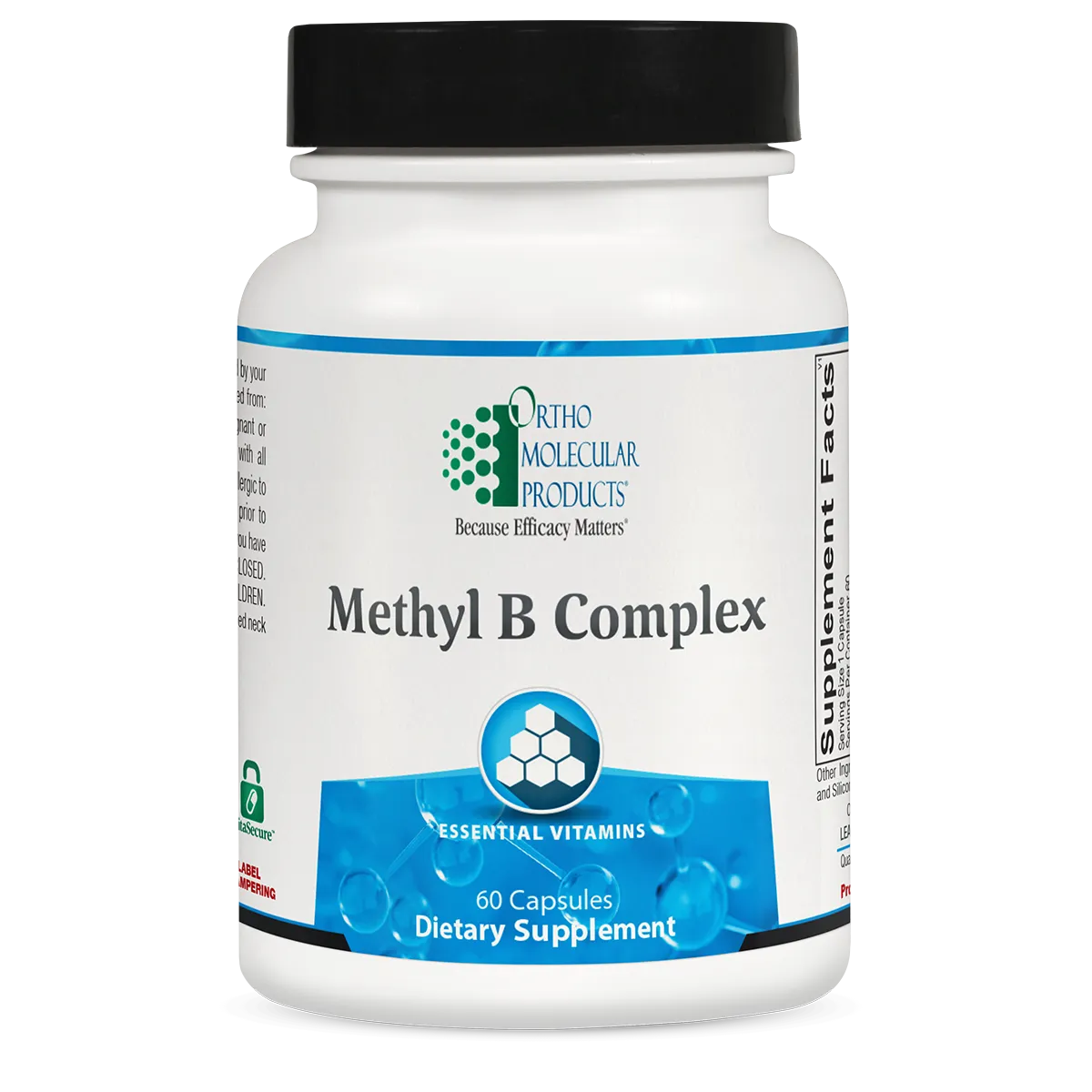
One of the most critical, yet frequently overlooked, factors in this cellular breakdown is the depletion of essential micronutrients, particularly B vitamins. These water-soluble vitamins are the fundamental "co-pilots" that drive cellular energy production, nerve repair, and immune regulation. However, due to genetic bottlenecks and the intense metabolic demands of chronic illness, standard over-the-counter vitamins often fail to bridge the gap. This is where targeted, highly bioavailable formulations like Methyl B Complex come into play. By providing pre-activated forms of these crucial nutrients, alongside nervous system supporters like choline and inositol, this comprehensive blend aims to bypass metabolic roadblocks and restore the body's foundational biochemical pathways.
What is Methyl B Complex?
The Essential "Co-Pilots" of Cellular Function
To understand the profound impact of Methyl B Complex, we must first look at how a healthy body generates energy at the microscopic level. Inside almost every cell in your body are mitochondria, often referred to as the cellular powerhouses. These organelles are responsible for the Krebs cycle (or citric acid cycle), a complex series of biochemical reactions that convert the carbohydrates, fats, and proteins from your diet into adenosine triphosphate (ATP). ATP is the universal energy currency that powers everything from muscle contractions to complex cognitive thought. However, the enzymes that drive the Krebs cycle cannot function on their own. They require specific nutritional cofactors to act as "co-pilots," and B vitamins fulfill this exact role.
Each B vitamin has a specific, non-negotiable job within this energy-producing engine. For instance, Thiamin (Vitamin B1) and Riboflavin (Vitamin B2) are strictly required to strip high-energy electrons from the food you eat and feed them into the electron transport chain. Niacin (Vitamin B3) acts as the precursor to NAD+, a crucial molecule that shuttles these electrons across the mitochondrial membrane. Meanwhile, Pantothenic Acid (Vitamin B5) is essential for synthesizing Coenzyme A, a molecule that directly initiates the Krebs cycle. Without an adequate, continuous supply of these water-soluble vitamins, the entire mitochondrial assembly line grinds to a halt, leading to a severe drop in cellular ATP production.
The Methylation Cycle and Genetic Bottlenecks
Beyond energy production, B vitamins are the primary drivers of the methylation cycle, one of the most important biochemical processes in the human body. Methylation involves the transfer of a single carbon atom and three hydrogen atoms (a methyl group) from one molecule to another. This seemingly simple transfer acts as a biological switch that turns genes on or off, repairs damaged DNA, processes environmental toxins, and synthesizes vital neurotransmitters like serotonin, dopamine, and GABA. The methylation cycle relies heavily on three specific B vitamins: Folate (Vitamin B9), Vitamin B12, and Vitamin B6.
In a perfectly functioning system, these vitamins work together to recycle a naturally occurring, yet highly toxic, amino acid called homocysteine. Active folate and B12 convert homocysteine back into methionine, which then becomes SAMe, the body's universal methyl donor. However, a significant portion of the population possesses a genetic polymorphism in the MTHFR gene, which drastically reduces the body's ability to convert dietary folic acid into its active, usable form. When this genetic bottleneck is present, the methylation cycle stalls, homocysteine builds up in the bloodstream, and the body is starved of the methyl groups required for tissue repair and nervous system maintenance. This is why the pre-methylated forms found in Methyl B Complex are so critical for clinical efficacy.
Choline and Inositol: The Nervous System Builders
While the eight essential B vitamins handle energy and methylation, choline and inositol play a specialized role in constructing and regulating the nervous system. Choline is a vital nutrient that serves as the direct biochemical precursor to acetylcholine, the primary neurotransmitter of the parasympathetic nervous system. This is the branch of your autonomic nervous system responsible for the "rest and digest" response, which slows the heart rate, stimulates digestion, and calms systemic inflammation. Choline is also a fundamental building block of phosphatidylcholine, a fat that makes up the protective membranes of every cell and mitochondrion in the body.
Inositol, often referred to as Vitamin B8 (though technically a carbohydrate isomer), works intimately alongside choline to facilitate nerve signaling. It acts as a "second messenger" inside the cells, helping to translate the signals from neurotransmitters like serotonin and acetylcholine into actual cellular action. Furthermore, normal cholinergic nerve transmission requires inositol to mediate the assembly and disassembly of microtubules, which are responsible for releasing neurotransmitters into the synaptic cleft. Together, choline and inositol ensure that the brain and the autonomic nervous system can communicate efficiently, maintaining a delicate balance between excitation and relaxation.
How Chronic Illness Impacts B Vitamin Pathways
The Viral "Methyl-Group Assault" in Long COVID
When an individual contracts a severe viral infection like SARS-CoV-2, the body's immune system launches a massive, energy-intensive counterattack. Researchers hypothesize that this intense viral replication and the subsequent immune response trigger a "methyl-group assault," drastically draining the body's reserves of methyl donors and B vitamins. The virus essentially hijacks the host's cellular machinery, consuming vast amounts of resources to replicate its own genetic material. This rapid depletion mimics the severe biochemical state of a clinical Vitamin B12 and folate deficiency, which perfectly aligns with the neurological and fatigue symptoms commonly seen in Long COVID and ME/CFS.
As the methylation cycle collapses under this viral stress, the body loses its ability to efficiently clear homocysteine. Elevated homocysteine is a potent inflammatory marker that actively damages the endothelial cells lining the blood vessels. This endothelial damage promotes microthrombosis—the formation of tiny blood clots—and restricts cerebral blood flow. For patients wondering how a doctor diagnoses Long COVID, these subtle vascular and metabolic changes are often the invisible culprits behind the debilitating "brain fog" and cognitive impairment that standard blood tests fail to detect. The accumulation of homocysteine also depletes glutathione, the body's master antioxidant, leaving tissues vulnerable to rampant oxidative stress.
Mitochondrial Dysfunction and the Krebs Cycle Blockade
In conditions like ME/CFS and Long COVID, the cellular energy crisis is further compounded by direct damage to the mitochondria. The massive inflammatory response generated by the immune system produces high levels of reactive oxygen species (ROS) and free radicals. When these free radicals interact with excess nitric oxide, they form peroxynitrite, an exceptionally toxic molecule that damages mitochondrial membranes and destroys the delicate enzymes of the Krebs cycle. Without the protective antioxidant shielding normally provided by a healthy methylation cycle, the mitochondria become sluggish and dysfunctional, unable to utilize B vitamins efficiently even if they are present in the diet.
Because the aerobic Krebs cycle is blocked or severely slowed down, the cells are forced to rely on anaerobic glycolysis—an emergency backup system that produces very little ATP and generates cellular byproducts like lactic acid. This metabolic shift explains the hallmark symptom of post-exertional malaise (PEM), where even minor physical or cognitive effort leads to a devastating energy crash. The damaged mitochondria simply cannot recycle ATP fast enough to meet the body's demands. Understanding this dynamic is crucial when exploring how you can live with long-term COVID, as pushing through the fatigue only generates more oxidative stress and further damages the mitochondrial engines.
Dysautonomia and the High-Adrenaline State
The depletion of B vitamins also has catastrophic effects on the autonomic nervous system, frequently leading to dysautonomia and POTS. Vitamin B1 (Thiamin) is heavily utilized by the brainstem, the control center for autonomic functions like heart rate and blood pressure. When thiamin is depleted by chronic illness or metabolic stress, the brainstem experiences localized "pseudohypoxia," leading to chaotic, misfiring autonomic signals. This can manifest as the rapid, unpredictable heart rates and severe dizziness that POTS patients experience every time they stand up. The nervous system becomes stuck in a hyper-vigilant, dysregulated loop.
Furthermore, patients with hyperadrenergic POTS suffer from massive spikes of norepinephrine and adrenaline upon standing. The body requires active methylation—specifically driven by Vitamin B12 and Folate—to power the COMT enzyme, which is responsible for breaking down and clearing these excess catecholamines from the bloodstream. When the methylation cycle is stalled due to B vitamin depletion or MTHFR mutations, adrenaline pools in the blood. This leaves the patient trapped in a prolonged "fight or flight" state, experiencing severe tremors, anxiety, and eventual adrenal exhaustion. The lack of choline further exacerbates this by preventing the vagus nerve from releasing enough acetylcholine to calm the system down.
Methyl B Complex: Supporting Energy and Autonomic Function
Restarting the Krebs Cycle for ATP Production
Supplementing with a comprehensive, highly bioavailable formula like Methyl B Complex provides the exact molecular "co-pilots" needed to bypass post-viral metabolic blockages and restart the Krebs cycle. By delivering therapeutic doses of Thiamin (B1), Riboflavin (B2), and Niacinamide (B3), the supplement ensures that the enzymes responsible for stripping electrons from food have the cofactors they require to function. This direct support of the mitochondrial assembly line helps shift the cells away from inefficient anaerobic glycolysis and back toward robust, aerobic ATP production. Over time, restoring this cellular energy currency can raise the threshold for post-exertional malaise, allowing patients to engage in daily activities with a reduced risk of severe crashes.
Additionally, the inclusion of Pantothenic Acid (B5) directly supports the synthesis of Coenzyme A, the critical initiator of the Krebs cycle. When combined with the energy-liberating effects of Biotin, these nutrients work synergistically to optimize macronutrient metabolism. For patients dealing with the complex intersection of diabetes and Long COVID, improving how the cells metabolize glucose and lipids is a vital step in managing systemic fatigue and metabolic dysfunction. By flooding the damaged mitochondria with these essential coenzymes, Methyl B Complex helps rebuild a healthy micronutrient reserve that can withstand the oxidative stress of chronic illness.
Clearing Homocysteine and Excess Catecholamines
One of the most profound therapeutic mechanisms of Methyl B Complex is its ability to forcefully restart the stalled methylation cycle. The formula utilizes Quatrefolic® 100% 5-MTHF, a highly bioavailable, pre-methylated form of folate that completely bypasses the defective MTHFR enzyme. Alongside Methylcobalamin (active B12) and Pyridoxine (B6), this active folate immediately goes to work converting toxic homocysteine back into beneficial methionine. By clearing homocysteine from the bloodstream, the supplement helps reduce endothelial inflammation, potentially improving cerebral blood flow and alleviating the heavy, suffocating brain fog that plagues so many patients.
Furthermore, restoring the methylation cycle directly addresses the high-adrenaline state seen in hyperadrenergic POTS. With an abundant supply of methyl donors from 5-MTHF and Methylcobalamin, the COMT enzyme can efficiently break down excess norepinephrine and adrenaline. This helps pull the autonomic nervous system out of its chronic "fight or flight" response, reducing the severity of tachycardia, tremors, and internal vibrations. The active B6 in the formula also acts as a mandatory cofactor for the synthesis of GABA, the brain's primary inhibitory neurotransmitter, providing a much-needed calming effect on an overstimulated central nervous system.
Toning the Vagus Nerve to Stabilize Mast Cells
The inclusion of choline and inositol in Methyl B Complex offers a unique, targeted approach to managing the frequent overlap of POTS and Mast Cell Activation Syndrome (MCAS). Choline acts as the direct precursor to acetylcholine, the neurotransmitter that powers the vagus nerve. By increasing acetylcholine availability, choline helps "tone" the vagus nerve, strengthening the parasympathetic nervous system's ability to slow the heart rate and regulate digestion. This is a critical mechanism for patients struggling with the severe gastrointestinal and cardiovascular dysregulation inherent to dysautonomia.
Crucially, this increase in acetylcholine also activates the cholinergic anti-inflammatory pathway. When acetylcholine binds to specific alpha-7 nicotinic receptors on the surface of mast cells, it acts as a stabilizing signal, inhibiting the mast cells from inappropriately degranulating and releasing histamine. By supporting this vagal-mast cell connection, the combination of choline and inositol helps calm the systemic allergic flares, flushing, and neuroinflammation characteristic of MCAS. Inositol further supports this process by ensuring that the cellular membranes and microtubule structures necessary for neurotransmitter release remain fluid, healthy, and responsive.

Symptoms Methyl B Complex May Help Manage
Energy and Cognitive Support
Profound Fatigue and Post-Exertional Malaise (PEM): By supplying the essential cofactors (B1, B2, B3, B5) required for the Krebs cycle, Methyl B Complex helps restore aerobic ATP production in the mitochondria, reducing the cellular energy deficits that trigger severe crashes after minor exertion.
Brain Fog and Cognitive Dysfunction: The active, methylated forms of Folate (5-MTHF) and B12 clear neurotoxic homocysteine from the bloodstream, reducing endothelial inflammation and improving the cerebral blood flow necessary for clear, focused thought.
Autonomic and Nervous System Support
Tachycardia and Hyperadrenergic POTS: By restoring the methylation cycle, the supplement provides the methyl donors needed by the COMT enzyme to efficiently break down and clear excess adrenaline and norepinephrine, calming the "fight or flight" response.
Mast Cell Activation (MCAS) Flares: The inclusion of choline boosts the production of acetylcholine, which stimulates the vagus nerve and activates the cholinergic anti-inflammatory pathway, helping to stabilize hyperactive mast cells and reduce histamine release.
Neuropathy and Nerve Pain: Methylcobalamin (B12) and Pyridoxine (B6) are fundamentally required for the synthesis and repair of myelin, the protective sheath surrounding peripheral nerves, helping to alleviate tingling, numbness, and nerve pain.
Anxiety and Nervous System Overstimulation: Inositol acts as a crucial second messenger for neurotransmitter signaling, while B6 is required to synthesize GABA, working together to calm an overactive central nervous system and promote emotional stability.
Practical Considerations: Forms, Dosing, and Absorption
The Importance of Bioavailable Forms
When dealing with complex chronic illnesses like ME/CFS and dysautonomia, the specific form of the vitamins you take is often more important than the dosage. Standard, over-the-counter supplements typically use synthetic forms like folic acid and cyanocobalamin. For the estimated 30% to 50% of the population with an MTHFR genetic mutation, synthetic folic acid cannot be efficiently converted into its active state. Instead, it pools in the bloodstream unmetabolized, potentially blocking cellular receptors and worsening fatigue. Methyl B Complex circumvents this issue entirely by utilizing Quatrefolic® 100% 5-MTHF, a patented, highly bioavailable form of folate that is ready for immediate cellular use, regardless of genetic bottlenecks.
Similarly, the supplement utilizes Methylcobalamin instead of synthetic cyanocobalamin. Cyanocobalamin requires the liver to expend energy stripping away a cyanide molecule before the B12 can be used—a metabolic tax that chronically ill patients can ill afford. Methylcobalamin, on the other hand, is the naturally occurring, active form of B12 that can immediately cross the blood-brain barrier to support myelin repair and neurotransmitter synthesis. For patients with the severe gastrointestinal motility issues common in dysautonomia, providing these pre-activated, highly absorbable forms ensures that the nutrients actually reach the tissues that desperately need them.
Dosing, Timing, and Co-Factors
The suggested use for Methyl B Complex is typically one or more capsules per day, as recommended by a healthcare professional. Because B vitamins are water-soluble and heavily involved in energy production, it is generally best to take this supplement in the morning or early afternoon with a meal. Taking B vitamins late in the evening can sometimes be overly stimulating and interfere with sleep architecture. Taking the capsule with food not only minimizes the risk of mild nausea—a common occurrence when taking B vitamins on an empty stomach—but also aids in the absorption of the fat-soluble components of the cellular membranes that choline and inositol help build.
It is also crucial to consider nutritional co-factors, particularly magnesium. Magnesium is an absolute requirement for all methyltransferase enzymes to function and for the mitochondria to synthesize ATP. Supplementing with high doses of B vitamins without sufficient magnesium can cause the methylation cycle to stall, limiting the supplement's effectiveness. Patients exploring metabolism and weight management in Long COVID should discuss with their provider whether adding a high-quality magnesium glycinate or malate alongside their B complex could optimize their metabolic recovery.
Potential Reactions and Pacing
When introducing a potent, methylated B complex, some patients with severe ME/CFS or Long COVID may experience a temporary exacerbation of symptoms, often referred to as a "paradoxical reaction" or "overmethylation." As the stalled biochemical pathways suddenly restart, the body may rapidly detoxify accumulated cellular waste or shift its neurotransmitter balance, leading to temporary increases in fatigue, jitteriness, or brain fog. This is why a "start low and go slow" approach is universally recommended in the chronic illness community. If you experience overstimulation, your provider may suggest opening the capsule and taking a fraction of the dose to allow your autonomic nervous system time to adjust to the new influx of cellular energy.

Follow the Science
Clinical Evidence in ME/CFS and Long COVID
The scientific literature strongly supports the use of targeted B vitamin therapy for post-viral fatigue syndromes. A systematic review and meta-analysis investigating the effectiveness of B-complex vitamins for Chronic Fatigue Syndrome found that supplementation positively impacted both fatigue severity and functional outcomes. The researchers noted that providing these specific coenzymes helped restore redox balance, repair altered central metabolism, and optimize the mitochondria's methylating potential. By addressing the root biochemical deficits, patients experienced a measurable reduction in the debilitating exhaustion that defines the condition.
Furthermore, a randomized double-blind study on B vitamin supplementation and epigenetics demonstrated that daily consumption of a B complex successfully raised serum B vitamin levels significantly (B6 increased by 101%, and B9 by up to 153%). The primary outcome of this trial showed that supplementation efficiently lowered toxic homocysteine blood levels, thereby rescuing the body's methylation status. For patients wondering if Long COVID can trigger ME/CFS, these studies highlight that the underlying mechanism—a virally induced collapse of the methylation cycle—is a shared pathway that can be actively supported through precise nutritional intervention.
B Vitamins in Postural Orthostatic Tachycardia Syndrome (POTS)
Research into dysautonomia has consistently revealed a high prevalence of B vitamin deficiencies among POTS patients. Studies evaluating adolescents with syncope and POTS have found significantly higher rates of B12 deficiency compared to healthy controls, particularly among children exhibiting the characteristic POTS heart-rate pattern. This data underscores the critical role that B12 plays in maintaining the myelin sheath and regulating the baroreceptors that control blood vessel constriction upon standing.
Additionally, clinical studies on Vitamin B1 (Thiamin) have shown promising results for autonomic dysfunction. A study reviewing 65 consecutive POTS patients found that a subset suffered from subclinical thiamin deficiency. When treated with supplemental B1, deficient patients experienced significant clinical improvements in their dysautonomia symptoms. This aligns with the theory that the brainstem, which controls autonomic function, is highly sensitive to thiamin depletion, and restoring this nutrient can help stabilize chaotic heart rates and blood pressure fluctuations.
Choline, Inositol, and Neuro-Immune Regulation
The emerging science on choline and inositol highlights their vital role in bridging the nervous and immune systems. A pilot study published in the American Journal of Physiology evaluated patients with Orthostatic Intolerance (POTS) and found significant abnormalities in choline and myo-inositol concentrations within the brainstem compared to healthy controls. These elevated markers indicated severe neuroinflammation and cellular membrane turnover, which inversely correlated with the patients' parasympathetic vagal tone. By supplementing with choline and inositol, clinicians aim to repair these cellular membranes and boost acetylcholine production, thereby enhancing the vagus nerve's ability to suppress mast cell activation via the cholinergic anti-inflammatory pathway.
The Path Forward
Validating the Cellular Struggle
Living with the unpredictable, systemic symptoms of Long COVID, ME/CFS, and dysautonomia can feel like navigating a maze in the dark. It is deeply validating to understand that your profound fatigue and rapid heart rates are not in your head—they are the direct result of microscopic engines stalling and biochemical pathways breaking down under the weight of chronic illness. Rebuilding these pathways takes time, patience, and precision. Supplements are not miracle cures, but rather foundational tools that provide your body with the raw materials it desperately needs to repair itself.
A Comprehensive Approach to Recovery
Methyl B Complex offers a sophisticated, science-backed approach to restoring the Krebs cycle and the methylation pathway. By delivering highly bioavailable, pre-activated B vitamins alongside the nervous-system-supporting power of choline and inositol, it bypasses genetic bottlenecks and directly targets cellular energy production and autonomic regulation. As part of a comprehensive management strategy that includes aggressive pacing, symptom tracking, and nervous system regulation, targeted nutritional support can be a vital step toward reclaiming your baseline.
Disclaimer: This article is for educational purposes only and is not intended to diagnose, treat, cure, or prevent any disease. Always consult with your healthcare provider before starting any new supplement, especially if you have a complex chronic condition, are taking prescription medications, or have known genetic mutations like MTHFR.