Can 7-Keto DHEA Support Metabolism and Weight Management in Long COVID and ME/CFS?
March 5, 2026
7-Keto DHEALong COVIDME/CFS
Share:
Disclaimer: The information provided here is for educational purposes only and is not intended as medical advice. It should not be used to diagnose, treat, cure, or prevent any medical condition. Instead, use it as a starting point for discussion with your healthcare provider. Always consult with a qualified healthcare provider before starting any new medication, supplement, device, or making changes to your health regimen.
Months, and sometimes years, after a viral infection, many patients find themselves trapped in a bewildering state of profound exhaustion, metabolic stalling, and immune dysregulation. Conditions like Long COVID, myalgic encephalomyelitis/chronic fatigue syndrome (ME/CFS), and dysautonomia often leave the body feeling like an engine that has completely run out of fuel. Patients frequently report that their metabolism has ground to a halt, leading to unexplained weight changes, while their energy reserves are so depleted that even minor physical or cognitive tasks trigger debilitating crashes known as post-exertional malaise (PEM). In the search for answers, researchers and functional medicine practitioners are increasingly looking at the intersection of mitochondrial health, adrenal function, and cellular metabolism.
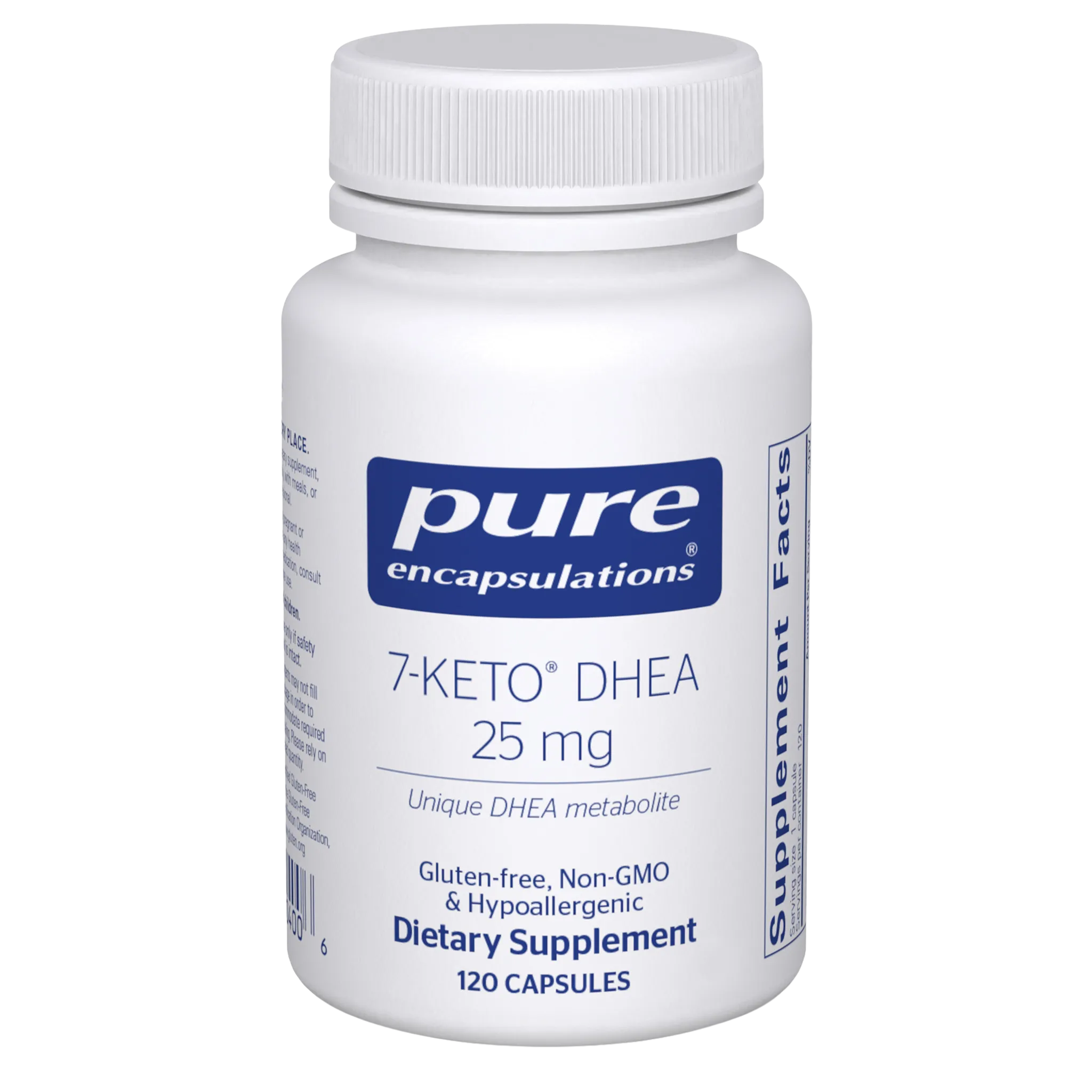
One compound that has garnered significant attention in this arena is 7-Keto DHEA (3-acetyl-7-oxo-dehydroepiandrosterone). While traditional DHEA has long been used to support adrenal health, its tendency to convert into sex hormones can cause unwanted side effects. 7-Keto DHEA offers a fascinating alternative: a naturally occurring metabolite that bypasses sex hormone conversion entirely while directly targeting the cellular mechanisms responsible for thermogenesis, cortisol regulation, and immune activation. For individuals navigating the complex web of Long COVID and metabolic dysfunction, understanding how this unique molecule interacts with the body's energy pathways may provide a crucial piece of the recovery puzzle.
TL;DR
7-Keto DHEA is a non-hormonal supplement that may support metabolism without affecting sex hormones.
It may help manage fatigue and metabolic stalling in conditions like Long COVID and ME/CFS.
Research suggests it supports thermogenesis and immune function by modulating local cellular stress responses.
Always consult your healthcare provider before starting, and take on an empty stomach for optimal absorption.
What is 7-Keto DHEA?
The Biochemistry of a Unique Metabolite
To understand 7-Keto DHEA, we must first look at its parent compound, dehydroepiandrosterone (DHEA). DHEA is one of the most abundant circulating steroid hormones in the human body, produced primarily by the adrenal glands, with smaller amounts synthesized in the brain and gonads. In a healthy physiological state, DHEA serves as a crucial precursor hormone, cascading down various metabolic pathways to support immune function, brain health, and energy production. However, a significant portion of DHEA is converted into androgenic and estrogenic sex hormones, such as testosterone and estrogen. While this conversion is natural and necessary, supplementing with standard DHEA can sometimes lead to hormonal imbalances, particularly in individuals whose endocrine systems are already destabilized by chronic illness.
This is where 7-Keto DHEA (chemically known as 3-acetyl-7-oxo-dehydroepiandrosterone) distinguishes itself. It is a naturally occurring, downstream metabolite of DHEA. The synthesis of 7-Keto DHEA in the body is a highly specific, two-step enzymatic process. First, DHEA is acted upon by an enzyme called cytochrome P450 7B1 (CYP7B1), and then further processed by 11β-hydroxysteroid dehydrogenase type 1 (11β-HSD1) to produce the 7-Keto metabolite. Because its molecular structure has already been altered by these enzymes, 7-Keto DHEA cannot be converted back into DHEA, nor can it be metabolized into testosterone or estrogen.
Much like its parent hormone, the endogenous production of 7-Keto DHEA is heavily age-dependent. Human blood levels of both DHEA and 7-Keto DHEA peak during early adulthood, typically around age 20 to 25, and then begin a steep, progressive decline. By the time an individual reaches age 40, circulating levels can drop by 40%, and urinary excretion studies indicate a nearly 50% decline by age 50. This age-related drop is strongly correlated with a slowing basal metabolic rate, increased fat accumulation, and a gradual weakening of the cellular immune response—a phenomenon known as immunosenescence. By supplementing with 7-Keto DHEA, the goal is to restore these youthful metabolic and immunological signals without disrupting the delicate balance of the body's sex hormones.
The Crucial Difference: Bypassing Sex Hormones
The inability of 7-Keto DHEA to aromatize (convert) into sex hormones is its most defining and clinically valuable feature. For many patients dealing with complex chronic conditions, the endocrine system is highly sensitive. Introducing exogenous hormones that convert to estrogen or testosterone can trigger a cascade of unwanted symptoms, ranging from acne and facial hair growth in women (hirsutism) to mood volatility and estrogen dominance. Because 7-Keto DHEA strictly avoids these pathways, it is widely utilized by integrative and functional medicine practitioners as a targeted tool for metabolic and adrenal support. It allows patients to harness the thermogenic and immune-modulating benefits of the DHEA lineage while maintaining a highly favorable safety profile.
Instead of interacting with androgen or estrogen receptors, 7-Keto DHEA exerts its primary effects by interacting with specific enzymes in the liver, adipose (fat) tissue, and the brain. It acts as a signaling molecule that tells the body to upregulate energy expenditure and modulate the local tissue stress response. According to technical data on its in vitro mechanisms, 7-Keto DHEA is actually estimated to be up to 2.5 times more potent than standard DHEA at stimulating thermogenic enzymes. This makes it a highly specialized, non-hormonal intervention for individuals whose primary struggles involve hypometabolism, chronic fatigue, and immune dysregulation, rather than a primary sex hormone deficiency.
How Chronic Illness Impacts Metabolism and the HPA Axis
The Cortisol Connection in Long COVID and ME/CFS
To comprehend why a metabolic supplement like 7-Keto DHEA is relevant to chronic illness, we must examine the profound impact that conditions like Long COVID and ME/CFS have on the body's stress response system. The hypothalamic-pituitary-adrenal (HPA) axis is the central command center for managing stress, primarily through the release of cortisol. In the acute phase of a viral infection, cortisol levels typically spike to manage inflammation and mobilize energy. However, when the infection triggers a chronic, systemic illness, this system often burns out. A landmark study led by Yale immunologist Akiko Iwasaki analyzed Long COVID patients and discovered that abnormally low circulating cortisol levels were the single most highly predictive factor for having Long COVID. The lower the systemic cortisol, the more severe the debilitating symptoms.
This profound drop in systemic cortisol is a defining feature that Long COVID shares with ME/CFS. When systemic cortisol plummets, patients experience profound exhaustion, orthostatic intolerance, and a complete lack of stress resilience. However, a paradoxical situation often occurs at the cellular level. While systemic (blood) cortisol is low, local tissue cortisol—specifically in adipose tissue and the brain—can remain inappropriately high due to localized enzymatic activity. This localized cellular stress contributes to neuroinflammation, brain fog, and the accumulation of visceral fat, even as the patient feels completely drained of energy. This dysregulation creates a vicious cycle where the body is simultaneously exhausted and biochemically stressed, unable to mount a proper immune response or generate sufficient cellular energy.
Mitochondrial Dysfunction and Hypometabolism
At the core of the severe fatigue seen in these conditions is mitochondrial dysfunction. Mitochondria are the powerhouses of our cells, responsible for converting the food we eat and the oxygen we breathe into adenosine triphosphate (ATP), the cellular currency of energy. In healthy individuals, this process is highly efficient. However, in ME/CFS this process becomes severely impaired. When cells struggle to transport long-chain fatty acids into the mitochondria, it effectively starves the cells of fuel. This forces the body to rely on inefficient, anaerobic energy pathways, leading to a rapid buildup of lactic acid and a state of systemic hypometabolism.
This hypometabolic state explains why patients with ME/CFS and Long COVID often experience unexpected weight gain or an inability to lose weight despite severe dietary restrictions. The basal metabolic rate (BMR) simply drops too low. The body, sensing a state of cellular starvation and chronic stress, shifts into a conservation mode. It downregulates thermogenesis (the production of heat) and holds onto adipose tissue as a survival mechanism. This metabolic gridlock not only affects physical body composition but also deprives the brain and immune system of the energy they need to function, leading to the cognitive impairment and immune exhaustion that characterize living with long-term COVID.
Dysautonomia and the Adrenal Burden
The situation is further complicated by dysautonomia, a dysfunction of the autonomic nervous system that affects up to 70% of Long COVID patients. Conditions like Postural Orthostatic Tachycardia Syndrome (POTS) leave the nervous system stuck in a perpetual "fight-or-flight" sympathetic state. Because the autonomic nervous system is misfiring, it places an immense, continuous burden on the adrenal glands to pump out adrenaline and noradrenaline just to maintain basic functions like standing up or digesting food. This constant adrenaline surge further depletes the adrenal reserves, exacerbating the HPA-axis dysfunction and the depletion of vital precursor hormones like DHEA. The body is effectively flooring the gas pedal while the gas tank is completely empty, resulting in severe autonomic crashes and a deepening of the metabolic crisis.
7-Keto DHEA: Supporting Thermogenesis and Immune Function
The 11β-HSD1 Enzyme and Local Cortisol Regulation
The primary mechanism through which 7-Keto DHEA exerts its therapeutic effects is its profound interaction with an enzyme called 11β-hydroxysteroid dehydrogenase type 1 (11β-HSD1). In human tissues, particularly in the liver, fat cells, and the brain, 11β-HSD1 acts as a reductase. Its main job is to convert inactive cortisone into active cortisol, thereby amplifying glucocorticoid (stress) signaling at the local cellular level. As mentioned earlier, chronic illness often leads to a paradoxical state where systemic cortisol is low, but local tissue cortisol remains destructively high, driving neuroinflammation and metabolic stalling. 7-Keto DHEA acts as a potent, competitive inhibitor of this exact enzyme.
3D-structural modeling reveals that 7-Keto DHEA occupies the exact same binding site in the 11β-HSD1 enzyme as cortisone. Because the enzyme has a remarkably high affinity for 7-Keto DHEA, it preferentially binds to the supplement instead of cortisone. This effectively "hijacks" the enzyme, diverting its reductive capacity away from cortisol production. By competitively inhibiting 11β-HSD1, 7-Keto DHEA dials down local tissue cortisol signaling. This localized reduction in cellular stress is crucial; it helps counteract the fat-storing, metabolism-slowing, and immune-suppressing effects of chronic cellular stress, providing a much-needed biochemical break for tissues overwhelmed by the inflammatory cascades of Long COVID.
Mitochondrial Uncoupling and the Proton Leak
Beyond cortisol regulation, 7-Keto DHEA directly targets mitochondrial function to reverse the hypometabolic state. It achieves this through a fascinating biochemical process known as mitochondrial uncoupling. Inside the mitochondria, the electron transport chain normally pumps protons across the inner mitochondrial membrane, creating a gradient. These protons then flow back through an enzyme called ATP synthase to create cellular energy (ATP). This process is usually tightly "coupled." However, 7-Keto DHEA induces a targeted "proton leak" across this membrane. It upregulates specific uncoupling proteins (UCPs) that allow protons to re-enter the mitochondrial matrix without passing through ATP synthase.
While this might sound counterproductive, it is actually a highly beneficial thermogenic mechanism. Because the energy from these leaking protons is not captured as ATP, it is instead dissipated as heat. To meet its baseline energy requirements, the cell is forced to burn more substrate—specifically, more fatty acids and stored calories. This targeted inefficiency forces the mitochondria to ramp up their overall metabolic rate. For patients with ME/CFS whose metabolism has stalled, this gentle induction of thermogenesis helps "jumpstart" the cellular engines, increasing the resting metabolic rate and promoting a healthier, more active mitochondrial network without relying on central nervous system stimulants like caffeine, which can trigger severe crashes.
Upregulating Hepatic Thermogenic Enzymes
In addition to mitochondrial uncoupling, 7-Keto DHEA acts heavily on the liver to upregulate key thermogenic enzymes. It functions somewhat similarly to thyroid hormone at the cellular level, driving fatty acid oxidation. Specifically, 7-Keto DHEA significantly increases the activity of Fatty Acyl CoA Oxidase, which is the rate-limiting enzyme in the peroxisomal β-oxidation of fatty acids. By increasing the concentration and activity of this enzyme, 7-Keto DHEA forces liver cells to actively break down and burn fat for energy, rather than storing it.
Furthermore, it elevates the levels of Mitochondrial Glycerol-3-Phosphate Dehydrogenase (mGPDH) and Cytosolic Malic Enzyme. These enzymes utilize a metabolically inefficient pathway known as the "glycerophosphate shuttle." This shuttle bypasses the standard NADH–ubiquinone sequence of the respiratory chain, leading to an even greater dissipation of energy as heat. By upregulating these three specific hepatic enzymes, 7-Keto DHEA directly counteracts the metabolic slowdown that occurs during periods of chronic illness, prolonged inactivity, or caloric restriction, helping to support a leaner body mass index and healthier body composition.
Reawakening T Cells and Natural Killer (NK) Cells
The benefits of 7-Keto DHEA extend far beyond metabolism; it is also a profound immune modulator. In chronic post-viral syndromes, the immune system often becomes exhausted, leading to a depletion of crucial defender cells and the potential reactivation of latent viruses (like Epstein-Barr Virus). Because 7-Keto DHEA lowers local tissue cortisol—which is naturally immunosuppressive—it effectively removes the brakes from the immune system. 7-Keto DHEA actively promotes the proliferation and functional capacity of CD4+ T cells, the "generals" of the adaptive immune system. It helps shift the immune system toward a Th1 profile, dramatically boosting the production of anti-microbial cytokines like Interferon-gamma (IFN-γ), which are essential for clearing persistent viral fragments.
Equally important is its effect on the innate immune system, specifically Natural Killer (NK) cells. NK cells patrol the body to directly attack virally infected cells on contact. In ME/CFS and Long COVID, NK cell function is notoriously impaired. Studies have shown that the DHEA metabolic pathway can increase NK cell numbers by up to 37% and boost their cytotoxic activity by a massive 45%. By preserving these immune-boosting properties without converting to sex hormones, 7-Keto DHEA provides vital support for patients fighting to restore their immune resilience and clear the lingering biological debris of a severe viral infection.

Symptoms 7-Keto DHEA May Help Manage
Targeting Metabolic and Fatigue Symptoms
Because 7-Keto DHEA acts on multiple systemic pathways—from mitochondrial uncoupling to hepatic enzyme upregulation and cortisol modulation—it can address a wide array of symptoms associated with chronic, complex illnesses. While it is not a cure for conditions like Long COVID or ME/CFS, it serves as a targeted tool to help manage the downstream metabolic and immunological fallout of these diseases. Patients utilizing 7-Keto DHEA often report improvements in areas related to energy expenditure, body composition, and overall vitality.
Unexplained Weight Gain and Metabolic Sluggishness: By upregulating thermogenic enzymes like Fatty Acyl CoA Oxidase and mGPDH, 7-Keto DHEA increases the resting metabolic rate. This helps counteract the hypometabolism and weight gain that frequently occur when patients are forced into prolonged inactivity due to severe fatigue or orthostatic intolerance.
Profound Cellular Fatigue: Through the induction of a mild mitochondrial proton leak, 7-Keto DHEA forces cells to increase their overall metabolic turnover. This can help "wake up" stalled mitochondria, potentially alleviating some of the deep, heavy cellular exhaustion that characterizes ME/CFS, without relying on nervous system stimulants that could trigger a crash.
Visceral Fat Accumulation: High local tissue cortisol, driven by the 11β-HSD1 enzyme, specifically promotes the storage of fat around the midsection (visceral adiposity). By competitively inhibiting this enzyme, 7-Keto DHEA lowers local cortisol signaling in adipose tissue, aiding in the reduction of stubborn belly fat and supporting a healthier lean-to-adipose ratio.
Addressing Immune and Cognitive Challenges
Beyond the physical and metabolic symptoms, the neuro-immune axis is heavily impacted by chronic viral persistence and HPA-axis dysfunction. The ability of 7-Keto DHEA to cross the blood-brain barrier and modulate immune cell proliferation makes it a valuable asset for addressing the cognitive and immunological symptoms that plague patients with post-viral syndromes.
Frequent Infections and Viral Reactivation: By boosting the proliferation of CD4+ T cells and significantly enhancing the cytotoxic activity of Natural Killer (NK) cells, 7-Keto DHEA strengthens the body's innate and adaptive immune defenses. This is crucial for patients who suffer from frequent secondary infections or the reactivation of latent viruses like EBV.
Brain Fog and Neuroinflammation: The 11β-HSD1 enzyme is highly active in the human brain, where elevated local cortisol can drive neurotoxicity and cognitive decline. By inhibiting this enzyme centrally, 7-Keto DHEA helps lower neuro-inflammatory stress, potentially alleviating the severity of brain fog, memory issues, and cognitive fatigue.
Stress Intolerance and "Wired but Tired" Sensations: By acting as a buffer against localized cortisol excess while supporting the broader DHEA metabolic pathway, 7-Keto DHEA helps stabilize the cellular stress response. This can reduce the sensation of being constantly stuck in a "fight-or-flight" state, providing a more grounded, resilient baseline for patients dealing with dysautonomia.
Practical Considerations: Forms, Dosing, and Absorption
Pharmacokinetics and the Empty Stomach Paradox
When incorporating 7-Keto DHEA into a supplement regimen, understanding its pharmacokinetics is vital for achieving optimal results. When taken orally, 7-Keto DHEA is rapidly absorbed through the gastrointestinal tract and metabolized by tissue esterases into its circulating active form, 7-oxo-DHEA-sulfate. Pharmacokinetic studies on healthy volunteers reveal that it reaches its peak plasma concentration quite quickly, typically within 2.2 hours of ingestion. It also has a relatively short half-life of approximately 2.17 hours. Because the compound does not accumulate in the bloodstream over time and is efficiently cleared, dosing strategies must be carefully managed to maintain steady therapeutic levels throughout the day.
One of the most unique practical considerations regarding 7-Keto DHEA is how it should be taken in relation to food. Steroid hormones and their metabolites are naturally lipophilic (fat-soluble), meaning they generally require a lipid environment to cross the intestinal wall efficiently. However, the clinical consensus for 7-Keto DHEA dictates a different approach: it is highly recommended to take it on an empty stomach. Taking it without food ensures faster gastric emptying, allowing for rapid uptake into the bloodstream without competition from other dietary nutrients. To solve the paradox of needing fat for a lipophilic molecule but taking it on an empty stomach, high-quality clinical formulations often include built-in emulsifiers, such as small amounts of lecithin or phosphatidylcholine, within the capsule itself to ensure maximum bioavailability.
Optimal Timing and Split Dosing Strategies
Because of its short half-life and its potent ability to upregulate the resting metabolic rate and thermogenesis, timing your doses correctly is critical. Integrative medicine practitioners typically recommend a daily dosage ranging from 100 mg to 200 mg for adults, though some patients with severe chronic illness may start at a lower dose (like 25 mg to 50 mg) to assess tolerance. To maintain steady blood levels, it is highly recommended to split the daily dose in two. The first dose should be taken first thing in the morning upon waking, approximately 30 to 60 minutes before breakfast. The second dose is usually optimal just before the midday meal (lunch), again on an empty stomach.
Crucially, patients should avoid taking 7-Keto DHEA in the late afternoon or evening. Because the supplement actively increases energy expenditure, mitochondrial thermogenesis, and cellular metabolic rate, taking it too close to bedtime can lead to overstimulation. Patients may experience jitteriness, a slight elevation in body temperature, or severe insomnia if the dose is taken late in the day. By restricting usage to the morning and early afternoon, patients can harness the metabolic and energy-boosting benefits during their active hours while allowing the body to naturally wind down for restorative sleep at night.
Safety Profile and Potential Interactions
One of the primary reasons 7-Keto DHEA is favored over standard DHEA is its exceptional safety profile regarding hormonal balance. Because it does not convert to testosterone or estrogen, it bypasses the risks of hormone-driven cancers, prostate enlargement, or estrogen dominance. However, it is not without potential interactions. Because it alters liver enzyme function and upregulates metabolism, it may interact with certain medications. For instance, it can theoretically alter the clearance rates of drugs metabolized by the liver, and its mild impact on active thyroid hormone (T3) efficiency means patients on thyroid replacement therapy should monitor their symptoms and lab work closely.
As with any potent metabolic modulator, there are contraindications. 7-Keto DHEA should not be taken by pregnant or lactating women. Additionally, patients with a history of hyperthyroidism or those currently experiencing severe, acute autonomic storms (where the heart rate is dangerously high and uncontrolled) should consult their physician before introducing a thermogenic compound. Always work with a healthcare provider to ensure that 7-Keto DHEA fits safely into your broader management strategy, especially if you are taking anticoagulants, antifungals, or other complex medication regimens for Long COVID or ME/CFS.

Follow the Science
Reversing Diet-Induced Metabolic Slowdown
The clinical efficacy of 7-Keto DHEA has been the subject of extensive research, particularly regarding its ability to modulate the resting metabolic rate (RMR) during periods of caloric restriction. When the human body is subjected to a reduced-calorie diet—a common scenario for patients trying to manage weight while largely bedbound or inactive due to chronic illness—the metabolism naturally drops as an evolutionary survival mechanism. In a 7-day trial, healthy adults were placed on a calorie-restricted diet. The placebo group experienced a predictable 3.9% decrease in their resting metabolic rate, burning roughly 75 fewer calories per day.
Conversely, the group receiving 7-Keto DHEA supplementation not only prevented this diet-induced drop in metabolism but actually experienced an increase in their RMR by 1.4% above their baseline. This translated to an extra 21 to 96 calories burned per day at rest, without any additional exercise. This study provided concrete clinical evidence that 7-Keto DHEA effectively overrides the body's starvation response, maintaining active thermogenesis and cellular energy expenditure even when caloric intake is reduced. For patients with ME/CFS whose metabolisms are chronically stalled, this mechanism offers a vital pathway to restoring baseline energy utilization.
Clinical Trials on Body Composition
The thermogenic properties of 7-Keto DHEA have also been validated in longer-term studies focusing on body composition and weight management. In a highly cited 8-week randomized, double-blind, placebo-controlled trial (Kalman et al.), 30 overweight adults were placed on a standardized calorie-restricted diet (1,800 kcal/day) and a moderate exercise program. The participants were divided into two groups, with the active group receiving 100 mg of 7-Keto DHEA twice daily (200 mg/day total). The results were statistically significant and clinically meaningful.
At the conclusion of the 8-week trial, the group taking 7-Keto DHEA lost an average of 6.3 lbs (2.88 kg), compared to a weight loss of just 2.1 lbs (0.97 kg) in the placebo group. Furthermore, the 7-Keto DHEA group experienced a 1.8% reduction in total body fat, versus a mere 0.57% reduction for those on the placebo. Systematic reviews evaluating the impact of 7-Keto DHEA have consistently highlighted this trial, noting that the supplement safely and effectively amplifies fat loss and improves the lean-to-adipose ratio when combined with basic lifestyle interventions, all without causing adverse hormonal shifts or cardiovascular stress.
Evidence for Immune Restoration in Aging and Infection
Beyond metabolism, the scientific literature strongly supports 7-Keto DHEA's role as a potent immune modulator, particularly in the context of immunosenescence (aging of the immune system) and chronic infection. A pivotal study presented at the Experimental Biology 2004 meeting observed the effects of 100 mg of 7-Keto DHEA taken twice daily by elderly adults over a four-week period. The researchers documented a significant increase in immune helper cells (CD4+ T cells), a notable decrease in immune suppressor cells (Tregs), and an increase in neutrophils. The study concluded that cellular immunity was significantly restored, effectively reversing markers of immune aging.
Research evaluating 7-oxo-DHEA in a complex model of human immunodeficiency virus (HIV) and tuberculosis (TB) coinfection found that 7-Keto DHEA was superior to standard DHEA in restoring impaired T-cell responses. It significantly enhanced lymphoproliferation, restricted mycobacterial growth, and provided a highly favorable cytokine profile (boosting IFN-γ) for pathogen clearance. These findings underscore the profound potential of 7-Keto DHEA to help reawaken an exhausted immune system, a critical mechanism for patients battling the persistent viral reservoirs and immune dysregulation associated with Long COVID.
The Path Forward
Integrating 7-Keto DHEA into Your Protocol
Living with the metabolic stall, profound fatigue, and immune dysregulation of conditions like Long COVID, ME/CFS, and dysautonomia can feel like an endless uphill battle. When your cells are starved for energy and your stress response is trapped in a dysfunctional loop, finding targeted, safe interventions is paramount. 7-Keto DHEA represents a unique and scientifically validated tool in this fight. By bypassing the unpredictable pathways of sex hormone conversion, it offers a direct route to supporting mitochondrial thermogenesis, lowering localized cellular stress, and reawakening exhausted immune defenses.
However, it is essential to remember that true recovery from complex chronic illness requires a comprehensive, multi-layered approach. Supplements like 7-Keto DHEA are most effective when integrated into a broader management strategy that includes aggressive pacing to avoid post-exertional malaise, nervous system regulation, targeted nutritional support, and careful symptom tracking. While 7-Keto DHEA can help "jumpstart" the metabolic engine, you must still ensure you are providing the body with the restorative rest and foundational nutrients it needs to rebuild.
A Hopeful Approach to Metabolic Recovery
Validating your experience is the first step toward healing. The metabolic gridlock and weight changes you may be experiencing are not a result of a lack of willpower; they are the physiological consequences of a body fighting a complex, systemic battle. Interventions like 7-Keto DHEA offer a hopeful path forward, providing the biochemical scaffolding necessary to help your cells produce energy efficiently once again. Always consult with your healthcare provider before starting any new supplement, especially if you are navigating the complexities of autonomic dysfunction or taking prescription medications. With patience, targeted science, and compassionate care, restoring your metabolic vitality is possible.