Can Bergamot and Curcumin Support Metabolic Health and Weight Management in Long COVID and ME/CFS?
March 6, 2026
Metabolic HealthLong COVIDME/CFS
Share:
Disclaimer: The information provided here is for educational purposes only and is not intended as medical advice. It should not be used to diagnose, treat, cure, or prevent any medical condition. Instead, use it as a starting point for discussion with your healthcare provider. Always consult with a qualified healthcare provider before starting any new medication, supplement, device, or making changes to your health regimen.
For many individuals living with complex chronic conditions like Long COVID, myalgic encephalomyelitis/chronic fatigue syndrome (ME/CFS), and dysautonomia, the physical toll extends far beyond profound fatigue and autonomic dysfunction. A deeply frustrating, yet highly common, symptom is sudden, unexplained weight gain, accompanied by shifts in body composition and new-onset metabolic issues. Patients often find themselves battling rising cholesterol levels, creeping blood sugar, and an accumulation of visceral fat, despite making no changes to their diet or activity levels. When traditional advice to "eat less and exercise more" is not only ineffective but potentially harmful due to post-exertional malaise (PEM), finding targeted, biologically appropriate support becomes crucial.
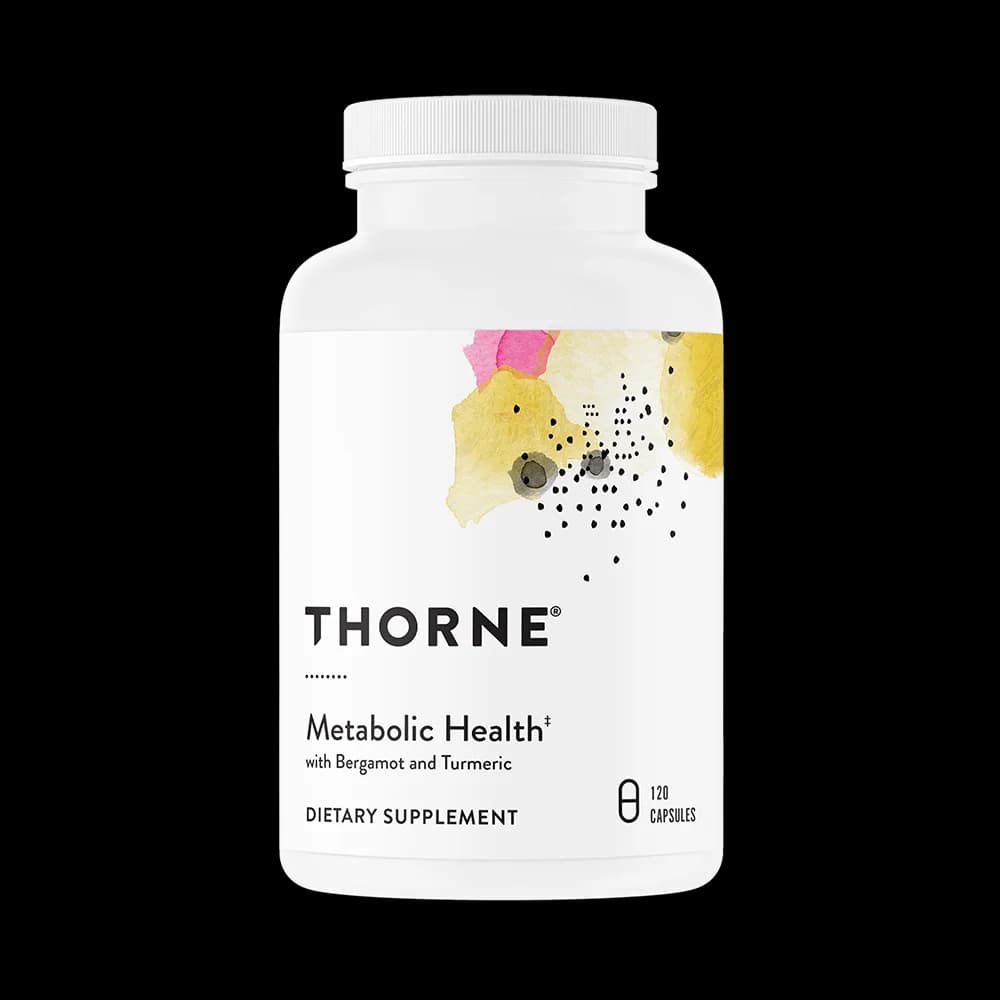
The reality is that these metabolic shifts are not a result of lifestyle choices; they are the downstream physiological fallout of severe viral insult, chronic inflammation, and mitochondrial dysfunction. The body's fundamental ability to process energy, regulate stress hormones, and manage lipids becomes deeply compromised. Thorne’s Metabolic Health is a targeted nutritional supplement designed to address these exact systemic disruptions. By combining two highly bioavailable botanical extracts—bergamot and curcumin phytosomes—this formula works at the cellular level to up-regulate fat metabolism, balance inflammatory responses, and down-regulate the localized stress hormones that drive metabolic syndrome. In this comprehensive guide, we will explore the intricate biochemistry behind these ingredients and how they may support metabolic recovery for those navigating post-viral illness.
What is Metabolic Health (Bergamot & Curcumin)?
The Power of Bergamot Polyphenols
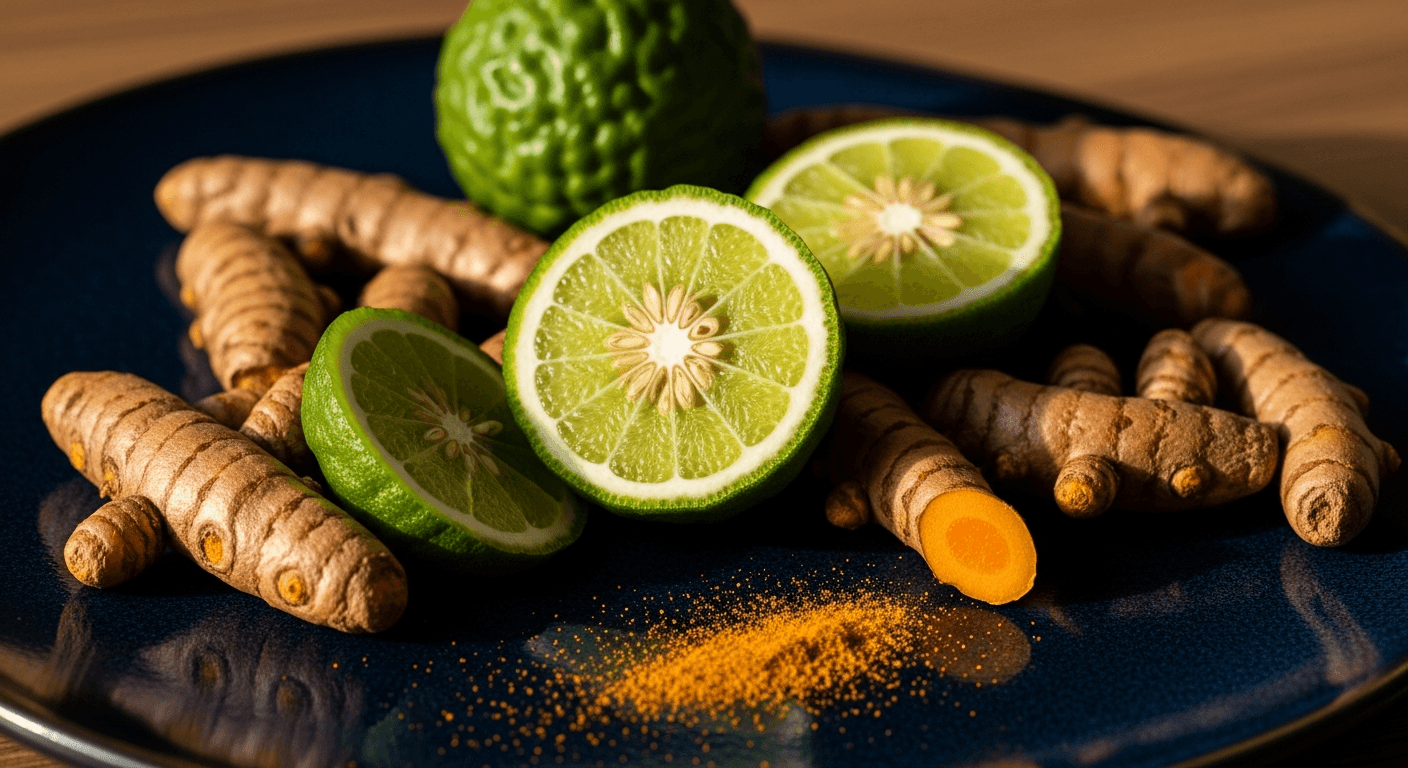
Bergamot (Citrus bergamia) is a fragrant citrus fruit native to the Calabria region of Southern Italy. While it is most famous for providing the distinctive flavor of Earl Grey tea, its true clinical value lies in its exceptionally dense concentration of unique polyphenols and flavonoids. In a healthy body, these bioactive compounds—specifically naringin, neoeriocitrin, and neohesperidin—act as powerful metabolic regulators. At the molecular level, bergamot polyphenols interact with key enzymatic pathways that govern how the body processes lipids (fats) and glucose (sugar). They are particularly adept at modulating the liver's production of cholesterol and supporting the clearance of low-density lipoprotein (LDL) from the bloodstream.
One of the primary mechanisms by which bergamot exerts its metabolic influence is through the activation of AMP-activated protein kinase (AMPK). Often referred to as the body's "metabolic master switch," AMPK is an enzyme that senses cellular energy levels. When activated by bergamot polyphenols, AMPK signals the body to stop storing fat and start burning it for energy. This process enhances fatty acid oxidation in the liver and skeletal muscles, while simultaneously inhibiting the synthesis of new cholesterol and triglycerides. By up-regulating this critical pathway, bergamot helps maintain healthy lipid profiles and supports optimal cardiovascular function, which is often compromised in states of chronic systemic stress.
Curcumin's Anti-Inflammatory Legacy
Curcumin is the principal bioactive curcuminoid found in turmeric (Curcuma longa), a root that has been a cornerstone of traditional Eastern medicine for centuries. In modern clinical biochemistry, curcumin is recognized as a profound modulator of the immune system and a potent antioxidant. Its primary function in a healthy physiological state is to regulate the body's inflammatory cascade. Curcumin achieves this by down-regulating the activation of nuclear factor kappa B (NF-κB), a transcription factor that controls the expression of numerous pro-inflammatory genes. By inhibiting NF-κB, curcumin effectively reduces the production of inflammatory cytokines such as tumor necrosis factor-alpha (TNF-α) and interleukin-6 (IL-6), which are heavily implicated in metabolic syndrome and chronic illness.
Beyond its broad anti-inflammatory capabilities, curcumin plays a highly specific and fascinating role in the endocrine system, particularly concerning stress hormones. Research has demonstrated that curcumin acts as a selective inhibitor of the enzyme 11β-hydroxysteroid dehydrogenase 1 (11β-HSD1). This specific enzyme is responsible for converting inactive cortisone into active cortisol directly within adipose (fat) tissue and the liver. By blocking this localized conversion, curcumin helps prevent the tissue-specific accumulation of cortisol that drives central obesity, insulin resistance, and metabolic dysfunction. This targeted hormonal modulation is what makes curcumin such a vital component in supporting healthy body composition and metabolic balance.
The Phytosome Advantage for Bioavailability
While the biochemical potential of both bergamot and curcumin is vast, their clinical utility has historically been severely limited by poor oral bioavailability. In their natural, unformulated states, both compounds are notoriously difficult for the human digestive tract to absorb. Standard bergamot polyphenols are highly water-soluble but lack the lipid solubility required to efficiently cross the lipid-rich membranes of the intestinal wall. Conversely, standard curcumin is highly lipophilic (fat-loving) but rapidly metabolizes and degrades in the aqueous environment of the gut, resulting in minimal systemic circulation. This means that consuming large amounts of standard extracts often yields negligible therapeutic results.
To solve this critical absorption barrier, Thorne’s Metabolic Health utilizes advanced phytosome technology developed by botanical researchers. A phytosome is created by binding the active botanical extract (either the bergamot polyphenolic fraction or curcuminoids) to dietary phospholipids, typically derived from sunflower lecithin. Because human cell membranes are also made of phospholipids, this complex effectively acts as a molecular chaperone, mimicking cellular structures to shuttle the active compounds directly through the intestinal wall and into the bloodstream. Pharmacokinetic studies have shown that this phytosome delivery system increases the absorption of these botanicals by up to 2.5 times compared to standard extracts, ensuring that the body receives a clinically relevant dose capable of driving systemic metabolic changes.
How Long COVID and ME/CFS Impact Metabolic Function
The "Adiponectin Crash" and Insulin Resistance
To understand why patients with Long COVID and ME/CFS frequently experience sudden metabolic shifts, we must examine how these conditions disrupt fundamental cellular processes. Current research indicates that severe viral infections, such as SARS-CoV-2, can directly infiltrate human adipocytes (fat cells). This viral invasion fundamentally alters the phenotype of the fat cells, leading to what researchers describe as an "adiponectin crash." Adiponectin is a crucial hormone secreted by healthy fat tissue that regulates glucose levels and fatty acid breakdown. It acts as an insulin sensitizer, ensuring that cells readily accept glucose from the bloodstream to use as fuel.
When adiponectin levels plummet due to viral damage and systemic inflammation, the body rapidly develops insulin resistance (IR). Research suggests that Long COVID is characterized by significantly elevated global insulin resistance, higher fasting blood glucose, and elevated HbA1c levels compared to healthy controls. Because the cells are no longer responding to insulin, glucose remains trapped in the bloodstream. The pancreas responds by pumping out even more insulin (hyperinsulinemia), creating a highly inflammatory environment that promotes the storage of excess glucose as fat, driving unexplained weight gain even in the absence of dietary changes.
Ectopic Fat Storage and Mitochondrial Dysfunction
In addition to insulin resistance, the way the body stores fat changes dramatically in post-viral syndromes. In a healthy state, excess energy is stored safely as subcutaneous fat (just under the skin). However, the profound systemic inflammation seen in Long COVID and ME/CFS drives a process known as ectopic fat deposition. This means fat is inappropriately stored deep within the abdomen (visceral fat), wrapped around vital organs, and even packed directly inside muscle tissue and the liver. This visceral adiposity is a primary driver of metabolic syndrome, creating a vicious cycle where the fat itself secretes pro-inflammatory cytokines that further worsen insulin resistance and autonomic dysfunction.
This metabolic chaos is intimately linked to the severe mitochondrial dysfunction that is a hallmark of both Long COVID and ME/CFS. Mitochondria are the cellular powerhouses responsible for converting glucose and fatty acids into adenosine triphosphate (ATP), the energy currency of the cell. Metabolomic studies reveal that patients with these conditions have an abnormally low capacity for fat oxidation. Instead of efficiently burning fat for sustained energy, the damaged mitochondria become trapped in a dysfunctional state. This forces the body to rely on inefficient, anaerobic energy production, leading to the rapid depletion of cellular energy, the buildup of lactic acid, and the profound exhaustion characteristic of post-exertional malaise (PEM). The unburned fatty acids are then shuttled back into storage, exacerbating weight gain.
The Cortisol Connection and Systemic Inflammation
The autonomic nervous system (ANS) dysregulation seen in dysautonomia and POTS also plays a massive role in metabolic disruption. The chronic physiological stress of living with a multi-system illness keeps the body locked in a state of sympathetic dominance (fight-or-flight). This chronic stress response triggers the continuous release of cortisol from the adrenal glands. While cortisol is necessary for acute survival, chronically elevated levels are highly catabolic and metabolically destructive. High circulating cortisol directly antagonizes insulin, raises blood sugar levels, and specifically directs the body to store fat in the abdominal region.
Furthermore, the localized production of cortisol within the tissues themselves becomes dysregulated. The enzyme 11β-HSD1, which converts inactive cortisone to active cortisol, becomes highly active in visceral fat and liver tissue during states of chronic inflammation. This localized cortisol amplification creates a localized metabolic syndrome, driving non-alcoholic fatty liver disease (NAFLD) and further impairing the liver's ability to clear toxins and manage cholesterol. This interconnected web of insulin resistance, mitochondrial failure, and localized cortisol overproduction highlights why comprehensive metabolic support is often necessary for patients navigating the complexities of Long COVID and ME/CFS.
Metabolic Health: Supporting Cellular Energy and Fat Metabolism
Bergamot's Role in Lipid Modulation and AMPK Activation
Thorne’s Metabolic Health intervenes in this cycle of metabolic dysfunction by delivering highly bioavailable bergamot phytosome directly to the cellular pathways that govern lipid and glucose metabolism. The primary mechanism of action for bergamot is the potent activation of the AMPK pathway. By turning on this "metabolic master switch," bergamot signals the liver to shift away from synthesizing new cholesterol and triglycerides, and instead begin oxidizing existing fatty acids for energy. This is particularly crucial for patients with ME/CFS and Long COVID who are struggling with impaired fat oxidation and the resulting cellular energy deficits. By supporting the mitochondria's ability to utilize fat as fuel, bergamot may help restore a more efficient energy production process.
Clinically, this AMPK activation translates into profound improvements in lipid profiles. Multiple clinical trials have demonstrated that bergamot phytosome significantly decreases Total Cholesterol and Low-Density Lipoprotein (LDL), while simultaneously increasing protective High-Density Lipoprotein (HDL). Furthermore, by improving insulin sensitivity at the cellular receptor level, bergamot helps clear excess glucose from the bloodstream. This dual action on both lipids and blood sugar directly combats the ectopic fat storage and insulin resistance that drive post-viral metabolic syndrome, helping to reduce dangerous visceral adipose tissue and support a healthier body composition.
Curcumin's Targeted Inhibition of Cortisol Production
While bergamot addresses the lipid and glucose aspects of metabolic dysfunction, the curcumin phytosome in Metabolic Health targets the inflammatory and hormonal drivers. Curcumin's most vital role in this formula is its ability to act as a selective inhibitor of the 11β-HSD1 enzyme. By blocking this enzyme, curcumin effectively halts the localized conversion of cortisone into active cortisol within fat and liver tissues. Research indicates that this targeted reduction in tissue-specific cortisol is profoundly beneficial for reversing central obesity and improving insulin sensitivity, as it removes the hormonal signal that constantly commands the body to store visceral fat.
Simultaneously, curcumin exerts its well-documented anti-inflammatory effects by down-regulating the NF-κB pathway. In the context of Long COVID and mast cell activation syndrome (MCAS), where systemic inflammation is rampant, reducing the circulation of pro-inflammatory cytokines like TNF-α and IL-6 is essential. By cooling this inflammatory fire, curcumin helps protect the delicate endothelial lining of the blood vessels and supports the restoration of normal cellular signaling. This reduction in systemic inflammation also directly benefits the mitochondria, as oxidative stress is a primary driver of mitochondrial damage and subsequent fatigue. For more information on supporting systemic inflammation, you can explore our guide on how EPA/DHA liquid helps calm the nervous system.
Synergistic Support for the Gut Microbiome and Liver
The combination of bergamot and curcumin phytosomes also offers powerful synergistic support for the gut microbiome and hepatic (liver) function. Post-viral illnesses frequently trigger a collapse in gut microbial diversity, leading to intestinal permeability (leaky gut) and the translocation of endotoxins into the bloodstream. Recent studies have shown that bergamot phytosome positively modulates the gut microbiota, specifically decreasing the Firmicutes/Bacteroidetes ratio, a microbial shift heavily associated with improved weight control and reduced systemic inflammation. This prebiotic-like effect helps restore a healthier gut environment, which is foundational for overall immune and metabolic recovery.
Furthermore, both botanicals provide significant hepatoprotective (liver-protecting) benefits. The liver is the central hub of metabolism, and in states of metabolic syndrome, it often becomes burdened with excess fat (hepatic steatosis). Curcumin's ability to lower localized cortisol and reduce oxidative stress, combined with bergamot's lipid-clearing properties, helps reduce the accumulation of fat within the liver cells. By lowering liver enzymes and supporting the organ's natural detoxification pathways, Metabolic Health ensures that the body can efficiently process and eliminate metabolic waste products, further supporting systemic recovery and energy production.
Symptoms Metabolic Health May Help Manage
Targeting Unexplained Weight Gain and Visceral Fat
For patients managing complex chronic illnesses, the metabolic shifts can manifest in a variety of distressing and stubborn symptoms. Thorne's Metabolic Health is formulated to target the underlying physiological mechanisms driving these issues. Here are the specific symptoms and clinical markers this supplement may help manage:
Unexplained Weight Gain: By activating the AMPK pathway and supporting fatty acid oxidation, bergamot helps the body shift away from fat storage and toward energy utilization, counteracting the metabolic slowdown common in post-viral illness.
Stubborn Visceral (Abdominal) Fat: Curcumin's targeted inhibition of the 11β-HSD1 enzyme reduces the localized production of cortisol in adipose tissue, directly addressing the hormonal driver of central obesity and belly fat accumulation.
Elevated LDL and Total Cholesterol: Bergamot phytosome modulates the liver's lipid processing pathways, helping to significantly lower circulating levels of "bad" cholesterol and triglycerides while promoting healthy lipid profiles.
Addressing Blood Sugar Dysregulation and Fatigue
Beyond body composition, the metabolic dysfunction seen in Long COVID and ME/CFS deeply impacts daily energy levels and systemic stability. By addressing insulin resistance and cellular energy production, Metabolic Health can support broader symptom management:
Blood Sugar Fluctuations and Insulin Resistance: By acting as an insulin sensitizer and improving the function of the adiponectin hormone, this formula helps cells efficiently absorb glucose, stabilizing blood sugar levels and preventing reactive hypoglycemic crashes.
Profound Fatigue and Low Energy: By supporting mitochondrial function and enhancing the body's ability to burn fat for fuel, bergamot helps address the cellular energy deficits that contribute to the crushing exhaustion of ME/CFS and Long COVID.
Liver Stress and Elevated Enzymes: The hepatoprotective properties of both bergamot and curcumin help clear ectopic fat from the liver, supporting normal liver enzyme levels and enhancing the body's natural detoxification capacity.
Modulating Systemic Inflammation and Brain Fog
The systemic inflammation that drives metabolic syndrome is also intimately connected to neurological and vascular symptoms. The anti-inflammatory actions of curcumin and bergamot provide secondary benefits for these interconnected systems:
Systemic Inflammation and Joint Pain: Curcumin's potent down-regulation of the NF-κB pathway reduces circulating pro-inflammatory cytokines, which may help alleviate the widespread body pain and joint aches frequently experienced by patients.
Brain Fog and Cognitive Dysfunction: By stabilizing blood sugar, reducing neuroinflammation, and supporting healthy vascular endothelial function, this formula helps ensure a steady supply of oxygen and glucose to the brain, potentially mitigating cognitive fatigue. For further vascular support, consider learning about how Arterosil HP supports endothelial health.
Chronic Stress and "Wired but Tired" Feelings: By balancing the cortisol response and reducing the localized amplification of stress hormones, curcumin helps calm the physiological stress loop that keeps the autonomic nervous system in a state of hyperarousal.
Practical Considerations: Forms, Dosing, and Absorption
Understanding Phytosome Technology
When considering botanical supplements like bergamot and curcumin, the most critical factor is bioavailability—the proportion of the active ingredient that actually enters systemic circulation and reaches the target tissues. As previously discussed, standard extracts of these botanicals suffer from notoriously poor absorption. Thorne’s Metabolic Health utilizes proprietary phytosome technology to overcome this barrier. The bergamot and curcumin extracts are complexed with a phospholipid matrix (derived from sunflower lecithin), which mimics the structure of human cell membranes.
This liposomal-like delivery system acts as a protective chaperone, preventing the active polyphenols from being destroyed by stomach acid or prematurely metabolized by the liver. Clinical pharmacokinetic studies have demonstrated that bergamot phytosome (often studied under the trademark Vazguard®) offers up to a 2.5-fold increase in absorption compared to standard bergamot extracts. Similarly, curcumin phytosome (often studied as Meriva® or Curserin®) has been shown to be absorbed up to 29 times more efficiently than unformulated curcumin. This means that patients can achieve significant clinical benefits at lower, more manageable dosages, without the gastrointestinal distress sometimes associated with massive doses of raw botanicals.
Optimal Dosing and Timing Strategies
Thorne’s Metabolic Health provides a clinically relevant dose of 500 mg of Bergamot Phytosome and 250 mg of Curcumin Phytosome per two-capsule serving. The standard suggested use is to take two capsules twice daily, or as recommended by your healthcare practitioner. Because the phytosome matrix utilizes dietary phospholipids to enhance absorption, these supplements are generally best taken with meals. Consuming the capsules alongside a meal that contains healthy fats (such as olive oil, avocado, or nuts) can further stimulate the release of bile salts and digestive enzymes, optimizing the uptake of the lipid-bound botanicals into the lymphatic system and bloodstream.
Consistency is key when using botanical interventions for metabolic support. Unlike pharmaceutical stimulants that alter physiology immediately, compounds that modulate enzymatic pathways (like AMPK) and gene expression (like NF-κB) require time to build up in the tissues and exert their effects. Clinical trials evaluating bergamot and curcumin for metabolic syndrome typically measure outcomes at the 30, 60, and 90-day marks. Patients should generally commit to a consistent daily regimen for at least 8 to 12 weeks before evaluating the full impact on their lipid panels, blood sugar markers, and body composition. Tracking symptoms and lab work alongside your provider is the best way to gauge efficacy.
Safety, Contraindications, and Drug Interactions
While bergamot and curcumin are generally well-tolerated, their potent effects on metabolic and enzymatic pathways mean they must be used with care, particularly for patients on complex medication regimens. Curcumin, in particular, can interact with several pharmaceutical drugs. It has been shown to reduce the therapeutic efficacy of certain chemotherapy agents, such as cyclophosphamide (Cytoxan) and irinotecan, and concurrent use should be strictly avoided. Additionally, because curcumin possesses mild blood-thinning properties, it should be used cautiously by individuals taking anticoagulant or antiplatelet medications, as it may increase the risk of bleeding.
Bergamot's ability to lower blood sugar and modulate lipids means it can potentially amplify the effects of hypoglycemic drugs (like metformin or insulin) and cholesterol-lowering medications (like statins). While some studies have successfully used bergamot alongside statins to enhance efficacy or mitigate statin intolerance, this must only be done under strict medical supervision to prevent hypoglycemia or excessive lipid lowering. Furthermore, this product carries a strict warning for pregnancy; if you are pregnant or nursing, you must consult your healthcare practitioner before use. Always discuss new supplements with your medical team to ensure they fit safely into your comprehensive care plan.

Follow the Science
Clinical Trials on Bergamot and Lipid Profiles
The clinical efficacy of Bergamot Phytosome in managing metabolic syndrome and lipid dysregulation is supported by robust, peer-reviewed clinical trials. A landmark 2020 randomized, double-blind, placebo-controlled trial evaluated the effects of Bergamot Phytosome on 64 overweight and obese participants with mild hypercholesterolemia. The subjects were administered 500 mg of the phytosome twice daily for 12 weeks. The results were highly significant: within just 30 days, the active group demonstrated a statistically significant reduction in Visceral Adipose Tissue (VAT), alongside measurable drops in overall body weight, BMI, and waist circumference. Furthermore, the bergamot group experienced profound reductions in total cholesterol and LDL cholesterol, confirming its potent lipid-modulating capabilities.
Another critical area of research involves using bergamot to support patients who cannot tolerate traditional pharmaceutical lipid-lowering therapies. A clinical review published in Endocrine, Metabolic & Immune Disorders analyzed data from patients who had discontinued statin therapy due to severe side effects, such as muscle pain (myopathy). The researchers found that after 30 days of bergamot supplementation, these statin-intolerant patients experienced approximately a 25% reduction in total cholesterol and a 27.6% reduction in LDL cholesterol, all without a recurrence of the debilitating side effects. This highlights bergamot phytosome as a highly viable, well-tolerated alternative for cardiovascular and metabolic support.
Curcumin's Impact on Cortisol and Metabolic Syndrome
The specific use of curcumin phytosomes to target the hormonal drivers of metabolic syndrome has also been thoroughly investigated. A pivotal double-blind, placebo-controlled clinical trial specifically investigated the effects of a highly bioavailable curcumin formulation on cortisolemia (blood cortisol levels) and insulin resistance. The study involved 80 overweight subjects with suboptimal fasting blood glucose who were given 800 mg/day of the phytosomal preparation for 8 weeks. The findings were remarkable: compared to the placebo group, the curcumin group experienced a direct, statistically significant reduction in serum cortisol levels.
This reduction in cortisol translated into profound metabolic improvements. The active group showed significant reductions in fasting plasma insulin (FPI) and the HOMA-IR index, which is the gold standard measurement for clinical insulin resistance. Furthermore, the subjects experienced decreased triglycerides, increased protective HDL cholesterol, lowered liver transaminases, and a reduced Fatty Liver Index (FLI). This trial provided concrete clinical evidence that by inhibiting the 11β-HSD1 enzyme and lowering localized cortisol, curcumin phytosome can effectively reverse multiple parameters of metabolic syndrome and support healthy body composition.
Emerging Research in Post-Viral Metabolic Dysfunction
While specific trials evaluating these botanicals exclusively in Long COVID populations are still ongoing, the foundational science connecting post-viral illness to metabolic syndrome is rapidly solidifying. Research suggests that Long COVID is intrinsically linked to new-onset insulin resistance, elevated fasting blood glucose, and dyslipidemia. Researchers are increasingly recognizing that the viral damage to adipocytes (fat cells) and the resulting "adiponectin crash" create a physiological environment identical to severe metabolic syndrome. As the medical community shifts its focus toward addressing these root metabolic dysfunctions, compounds that activate AMPK, improve insulin sensitivity, and reduce systemic inflammation—like bergamot and curcumin—are becoming central to emerging integrative treatment protocols for post-viral recovery.
The Path Forward
Validating the Metabolic Reality of Chronic Illness
Navigating the sudden and unexplained metabolic shifts associated with Long COVID, ME/CFS, and dysautonomia can be an incredibly isolating experience. It is profoundly frustrating to experience rapid weight gain, rising cholesterol, and blood sugar dysregulation when you are already fighting debilitating fatigue and autonomic instability. It is vital to understand and validate that these changes are not a reflection of your lifestyle, willpower, or diet. They are the direct, measurable physiological consequences of viral injury, mitochondrial dysfunction, and chronic systemic inflammation. Your body is navigating a complex metabolic crisis, and recognizing this reality is the first step toward finding effective, compassionate management strategies.
A Comprehensive Approach to Healing
Addressing post-viral metabolic syndrome requires a nuanced, multi-system approach. Supplements like Thorne’s Metabolic Health are powerful tools, but they are most effective when integrated into a comprehensive care plan. Because forced exercise can trigger severe post-exertional malaise (PEM) and further damage mitochondrial function, traditional weight-loss advice must be discarded. Instead, management should focus on radical resting (pacing), nervous system regulation, and stabilizing blood glucose through balanced, anti-inflammatory nutrition. For additional support in managing the autonomic and fatigue aspects of these conditions, you might explore how magnesium glycinate supports the nervous system or how potassium magnesium citrate helps manage POTS symptoms.
Exploring Metabolic Health Support
By targeting the root causes of metabolic dysfunction—activating the AMPK energy pathways, inhibiting localized cortisol production, and cooling systemic inflammation—the bergamot and curcumin phytosomes in Metabolic Health offer targeted, biologically appropriate support. If you are struggling with unexplained weight gain, insulin resistance, or lipid dysregulation as part of your chronic illness journey, this highly bioavailable formula may help support your body's return to metabolic balance. Always consult with your healthcare provider or RTHM clinician to ensure this supplement is a safe and appropriate addition to your specific treatment protocol.