Can EPA/DHA Liquid Help Clear Brain Fog and Calm the Nervous System in Long COVID and POTS?
March 5, 2026
EPA/DHAOmega-3Long COVID
Share:
Disclaimer: The information provided here is for educational purposes only and is not intended as medical advice. It should not be used to diagnose, treat, cure, or prevent any medical condition. Instead, use it as a starting point for discussion with your healthcare provider. Always consult with a qualified healthcare provider before starting any new medication, supplement, device, or making changes to your health regimen.
Months or even years after recovering from an initial viral infection, many individuals find themselves battling a relentless array of debilitating symptoms. Conditions like Long COVID, myalgic encephalomyelitis/chronic fatigue syndrome (ME/CFS), and dysautonomia can transform a previously active life into a daily struggle against profound fatigue, rapid heart rates, and a cognitive impairment commonly referred to as brain fog. When the body's immune system remains locked in a state of chronic alarm, and the autonomic nervous system struggles to maintain basic equilibrium, finding validating, science-backed strategies to support cellular healing becomes a paramount priority for patients and their healthcare providers.
In the search for targeted nutritional support, the role of omega-3 polyunsaturated fatty acids—specifically eicosapentaenoic acid (EPA) and docosahexaenoic acid (DHA)—has emerged as a focal point of intense clinical research. Far from being simple dietary fats, EPA and DHA are highly bioactive molecules that serve as the foundational building blocks for the brain's structural integrity and the immune system's resolution pathways. For patients navigating the complex, overlapping symptoms of post-viral syndromes and autonomic dysfunction, understanding how an ultra-pure, molecularly distilled EPA/DHA liquid can help modulate neuroinflammation and support cardiovascular health offers a critical piece of the management puzzle.
TL;DR
EPA and DHA omega-3s may help manage neuroinflammation and brain fog in post-viral conditions.
Liquid omega-3s offer higher absorption and easier dosing for patients with complex chronic illnesses.
Omega-3s support cardiovascular health and may help stabilize heart rate spikes in dysautonomia and POTS.
Taking EPA/DHA with a high-fat meal significantly improves absorption and therapeutic benefits.
What is EPA/DHA Liquid?
Omega-3 polyunsaturated fatty acids (PUFAs) are a specialized class of essential fats that the human body cannot synthesize efficiently on its own, meaning they must be obtained through diet or targeted supplementation. In a healthy physiological state, these fatty acids are seamlessly integrated into the phospholipid bilayer of nearly every cell membrane in the body. The structural configuration of omega-3s, characterized by multiple double bonds, imparts a unique flexibility and fluidity to these cellular membranes. This membrane fluidity is not merely a structural feature; it is a critical functional requirement that dictates how well cells can communicate with one another, how efficiently receptors bind to signaling molecules, and how effectively nutrients are transported across the cellular divide.
Within the complex architecture of the central nervous system, omega-3 fatty acids are heavily concentrated in specialized microdomains known as lipid rafts. These lipid rafts act as floating platforms within the cell membrane, organizing and clustering the various ion channels, neurotransmitter receptors, and enzymatic proteins required for rapid neuronal firing. When the body is deficient in high-quality omega-3s, these cellular membranes become rigid and compromised, heavily incorporating pro-inflammatory omega-6 fatty acids instead. This structural degradation impairs synaptic transmission, slows cognitive processing, and leaves the cell highly vulnerable to the oxidative stress and inflammatory damage that characterize complex chronic illnesses.
Eicosapentaenoic acid, commonly referred to as EPA, is a 20-carbon long-chain omega-3 fatty acid that plays a profound role in modulating the body's systemic immune response. While EPA is not stored in massive structural quantities within the brain tissue itself, it acts as a highly potent, transient signaling molecule that constantly patrols the bloodstream and cellular environment. At the molecular level, EPA structurally competes with arachidonic acid—a highly inflammatory omega-6 fatty acid—for access to the cyclooxygenase (COX) and lipoxygenase (LOX) enzymes. By successfully displacing arachidonic acid, EPA actively helps limit the overproduction of tissue-damaging prostaglandins and leukotrienes, effectively turning down the volume on systemic inflammation.
Beyond its competitive inhibition of inflammatory pathways, EPA is uniquely recognized for its profound impact on emotional well-being and psychiatric health. Clinical research has consistently demonstrated that EPA is particularly effective at crossing the blood-brain barrier during states of heightened neuroinflammation, where it acts to suppress the release of pro-inflammatory cytokines like interleukin-1 beta (IL-1β) and tumor necrosis factor-alpha (TNF-α). By calming this inflammatory storm, EPA helps to protect the delicate neurotransmitter networks responsible for mood regulation, making it a critical nutrient for individuals dealing with the anxiety, depression, and emotional volatility that frequently accompany chronic, invisible illnesses.
Docosahexaenoic acid, or DHA, is a 22-carbon long-chain omega-3 fatty acid that serves as the primary structural component of the human brain, cerebral cortex, skin, and retina. In fact, DHA accounts for up to 97% of the total omega-3 fatty acids found in the brain, making it an absolute prerequisite for optimal neurological function and cognitive acuity. DHA is heavily incorporated into the synaptic vesicles—the tiny cellular packages that store and release neurotransmitters like serotonin, dopamine, and acetylcholine. By maintaining the structural integrity and flexibility of these vesicles, DHA ensures that neurotransmitters are released efficiently and accurately, a process that is vital for memory formation, sustained attention, and the mitigation of cognitive fatigue.
Furthermore, DHA plays a critical neuroprotective role by upregulating the brain's endogenous antioxidant defense systems. At the cellular level, DHA has been shown to activate the Nrf2/HO-1 pathway, a master genetic switch that commands the cell to produce powerful antioxidant enzymes. These enzymes actively neutralize the neurotoxic reactive oxygen species (ROS) that are generated during periods of chronic metabolic stress or viral infection. By shielding the delicate neuronal structures from oxidative damage, DHA helps to preserve total brain volume and supports healthy cognitive aging, providing a vital structural defense against the neurological degradation seen in post-viral syndromes.
While omega-3 supplements are widely available in standard softgel capsules, the utilization of an ultra-pure, molecularly distilled liquid format offers distinct physiological and practical advantages. From a pharmacokinetic perspective, liquid fish oil bypasses the initial digestive barrier presented by gelatin or enteric-coated capsules. When a liquid emulsion enters the highly acidic environment of the stomach, it immediately begins to interact with gastric lipases and digestive enzymes, initiating the breakdown process much earlier than a capsule that must first dissolve. This rapid dispersion significantly increases the surface area of the lipid droplets, allowing for a more efficient and complete absorption of the EPA and DHA molecules into the bloodstream.
Additionally, liquid formulations provide unparalleled dosing flexibility, a crucial factor for patients managing complex chronic conditions who may require highly individualized therapeutic protocols. Achieving the robust, clinically significant doses of EPA and DHA often utilized in dysautonomia or neuroinflammation research can require swallowing upwards of five to eight large softgels daily, which can cause pill fatigue and gastrointestinal distress. A concentrated liquid format allows patients to easily titrate their dosage with a single teaspoon, delivering a massive payload of molecularly distilled, contaminant-free omega-3s while completely avoiding the unnecessary binders, fillers, and capsule materials that can trigger sensitivities in patients with mast cell activation syndrome (MCAS).
How Chronic Illness Impacts Neuroinflammation and Autonomic Function
In conditions like Long COVID and ME/CFS, the initial viral infection may clear from the respiratory tract, but it often leaves behind a devastating legacy of immune dysregulation and chronic neuroinflammation. At the center of this neurological disruption are microglia, the specialized resident immune cells of the central nervous system. In a healthy brain, microglia act as gentle housekeepers, quietly pruning synapses and clearing away cellular debris. However, when triggered by persistent viral antigens, spike proteins, or systemic inflammatory signals crossing a compromised blood-brain barrier, these microglia undergo a radical transformation. They shift into a highly aggressive, pro-inflammatory state known as the M1 phenotype, releasing a continuous barrage of neurotoxic cytokines and free radicals into the surrounding brain tissue.
This sustained microglial activation is a primary driver of the profound cognitive dysfunction frequently reported by patients. The continuous release of inflammatory mediators like interleukin-6 (IL-6) and TNF-α actively disrupts the delicate lipid rafts within neuronal membranes, impairing the transmission of vital neurotransmitters. This biochemical chaos manifests clinically as severe mental fatigue, memory deficits, and an inability to process complex information. For a deeper understanding of how this neuroinflammatory cascade affects daily cognitive function, readers can explore our detailed guide on What Is “Brain Fog” and Cognitive Dysfunction in Long COVID?.
Historically, the medical community viewed the end of an inflammatory response as a passive event—simply the fading away of immune signals once an infection was cleared. However, modern immunology has revealed that the resolution of inflammation is actually a highly active, biochemically orchestrated process that requires specific lipid mediators to "turn off" the immune alarm. In healthy individuals, dietary omega-3 fatty acids are enzymatically converted into Specialized Pro-Resolving Mediators (SPMs), which actively signal the immune system to stand down and begin tissue repair. Unfortunately, emerging research suggests that in severe post-viral conditions like ME/CFS, this critical resolution pathway becomes fundamentally broken or stalled.
When the NLRP3 inflammasome—a master regulator of the immune response—gets stuck in the "on" position due to chronic viral persistence or mitochondrial dysfunction, the body loses its ability to efficiently metabolize raw fatty acids into these vital SPMs. As a result, the immune system remains trapped in a vicious cycle of hyper-vigilance, unable to initiate the cleanup of damaged tissues or microclots. This failure to resolve inflammation explains why patients experience unrelenting post-exertional malaise (PEM) and systemic pain; their bodies are constantly fighting a war that never receives the biochemical signal to end. Understanding this broken resolution pathway highlights why restoring robust levels of foundational omega-3s is a necessary first step in attempting to reboot the immune system's natural off-switches.
The autonomic nervous system (ANS) operates entirely behind the scenes, unconsciously regulating vital functions such as heart rate, blood pressure, digestion, and respiratory rate. In healthy individuals, there is a seamless, dynamic balance between the sympathetic nervous system (the "fight-or-flight" accelerator) and the parasympathetic nervous system (the "rest-and-digest" brake, largely controlled by the vagus nerve). However, in patients suffering from dysautonomia and postural orthostatic tachycardia syndrome (POTS), this delicate autonomic equilibrium is violently disrupted. The system becomes heavily skewed toward sympathetic overdrive, while the calming vagal tone is severely diminished, leading to chaotic cardiovascular responses.
When a POTS patient stands up, the impaired autonomic network fails to properly constrict the blood vessels in the lower extremities, causing blood to pool in the legs and abdomen. To compensate for the sudden drop in blood return to the brain, the sympathetic nervous system floods the body with adrenaline and norepinephrine, triggering an aggressive, abnormal spike in heart rate (tachycardia). This constant state of sympathetic hyperarousal is incredibly taxing on the cardiovascular system and heavily depletes the body's cellular energy reserves. The chronic inflammation and oxidative stress associated with this autonomic dysfunction further degrade the endothelial lining of the blood vessels, exacerbating the blood pooling and perpetuating a debilitating cycle of dizziness, palpitations, and profound exhaustion.
The intersection of chronic neuroinflammation and autonomic dysfunction creates a highly destructive environment characterized by rampant oxidative stress. As the overactive immune cells and struggling mitochondria churn out excessive reactive oxygen species (ROS), these unstable molecules aggressively attack the lipid-rich membranes of surrounding cells in a process known as lipid peroxidation. Because the brain and the cardiovascular endothelium are incredibly dense with delicate polyunsaturated fats, they are particularly vulnerable to this form of oxidative damage. As the cellular membranes become oxidized and rigid, their ability to function properly plummets, leading to further cellular distress and the release of even more inflammatory alarm signals.
This vicious cycle of oxidative stress and membrane degradation fundamentally alters how cells interact with their environment. In the heart, damaged pacemaker cells struggle to maintain a steady rhythm, contributing to the erratic heart rates seen in dysautonomia. In the brain, the compromised blood-brain barrier becomes increasingly permeable, allowing systemic inflammatory molecules to freely enter the central nervous system and further agitate the already hyper-reactive microglia. Breaking this cycle requires a multi-targeted approach that not only suppresses the initial inflammatory triggers but also provides the specific structural lipids needed to rebuild and fortify the damaged cellular membranes against future oxidative assaults.
EPA/DHA: Supporting Brain Health, Mood, and the Cardiovascular System
While the cited study highlights that drugs like antihistamines suppress Kv1.3-channel activity in hyperactivated brain leukocytes, EPA and DHA are widely noted for their conversion into Specialized Pro-Resolving Mediators (SPMs). When the body is equipped with sufficient levels of these ultra-pure omega-3s, specific enzymes—such as lipoxygenases (LOX) and cyclooxygenases (COX)—synthesize them into highly bioactive molecules known as resolvins, protectins, and maresins. EPA is primarily converted into E-series resolvins (RvE), while DHA serves as the precursor for D-series resolvins (RvD), neuroprotectin D1 (NPD1), and maresins. These SPMs are not merely passive anti-inflammatory agents; they are the active biochemical commanders that instruct the immune system to cease its attack and begin the critical phase of tissue repair and homeostasis.
Once synthesized, these SPMs bind to specific G-protein-coupled receptors located on the surface of immune cells throughout the brain and body. For example, Resolvin E1 (derived from EPA) binds to the ChemR23 receptor, initiating a signaling cascade that actively halts the recruitment of further inflammatory neutrophils to the site of cellular stress. Simultaneously, these mediators stimulate macrophages to increase their rate of phagocytosis—the cellular process of engulfing and clearing away dead cells, viral debris, and neurotoxic proteins like amyloid-beta. By facilitating this vital cleanup process, the SPMs derived from EPA and DHA supplementation help to clear the biological wreckage left behind by chronic viral infections, paving the way for cellular recovery.
Furthermore, the production of these SPMs plays a crucial role in helping to reduce the excessive tissue scarring (fibrosis) that can occur after prolonged periods of inflammation. By actively downregulating the production of fibrotic signaling molecules, resolvins and protectins help maintain the structural integrity and elasticity of vital organs, including the lungs, heart, and blood vessels. This active resolution process is essential for patients with complex chronic illnesses, as it addresses the root cause of systemic symptomology rather than merely masking the downstream effects of an overactive immune response.
In the battle against post-viral cognitive dysfunction and brain fog, the ability of EPA and DHA to modulate microglial behavior is a game-changing mechanism. As previously established, chronic neuroinflammation is driven by microglia that are locked in a toxic, pro-inflammatory M1 state. Clinical research demonstrates that high concentrations of DHA and EPA can actively force these microglial cells to repolarize, shifting them away from the destructive M1 phenotype and toward the anti-inflammatory, tissue-repairing M2 phenotype. This phenotypic shift is a critical turning point in the management of neuroinflammation, as it fundamentally alters the chemical environment of the central nervous system.
At the molecular level, DHA and its derivative neuroprotectin D1 (NPD1) achieve this shift by heavily suppressing the NF-κB signaling pathway, which acts as the master genetic switch for inflammatory cytokine production. By blocking NF-κB from entering the cell nucleus, DHA effectively silences the genes responsible for producing neurotoxic mediators like IL-1β and TNF-α. Simultaneously, the M2 microglia begin to secrete anti-inflammatory cytokines, such as interleukin-10 (IL-10), and neurotrophic factors that actively promote the survival and regeneration of damaged neurons. This profound alteration in microglial behavior helps to restore the structural integrity of synaptic connections, directly combating the mental fatigue and cognitive slowing experienced by patients.
The neuroprotective effects of this microglial shift are further amplified by DHA's ability to upregulate the brain's endogenous antioxidant defenses. By activating the Nrf2/HO-1 pathway, DHA ensures that the newly repaired neurons are shielded from future oxidative damage. This comprehensive approach to neuro-resolution—halting the inflammatory attack, clearing the debris, and fortifying the cellular defenses—highlights why robust omega-3 supplementation is frequently recommended by functional medicine practitioners for individuals navigating the complexities of Long COVID and mental health challenges.
Beyond their profound neurological benefits, EPA and DHA play a highly targeted role in supporting the cardiovascular autonomic nervous system, making them a critical intervention for patients managing dysautonomia and POTS. One of the primary biomarkers for autonomic health is heart rate variability (HRV), which measures the subtle time differences between successive heartbeats. A high HRV indicates a flexible, resilient nervous system with strong parasympathetic (vagal) control, while a low HRV points to a system locked in rigid sympathetic overdrive. Clinical trials evaluating marine PUFAs have consistently demonstrated that targeted omega-3 supplementation significantly increases HRV parameters, indicating a powerful restoration of calming vagal tone.
This improvement in autonomic balance is achieved through several interacting mechanisms. First, EPA and DHA are directly incorporated into the phospholipid membranes of the heart's pacemaker cells (the sinoatrial node) and the surrounding myocardial tissue. By optimizing the fluidity of these membranes, omega-3s enhance the function of the specific ion channels (such as sodium and calcium channels) responsible for generating and regulating the electrical impulses of the heart. This structural stabilization helps to stabilize the erratic, rapid firing that characterizes inappropriate sinus tachycardia and the severe orthostatic heart rate spikes seen in POTS patients upon standing.
Furthermore, the potent anti-inflammatory properties of EPA and DHA directly benefit the endothelial cells that line the entire vascular system. By reducing systemic inflammation and oxidative stress, omega-3s promote optimal endothelial function and the healthy release of nitric oxide, a vital molecule that regulates blood vessel constriction and dilation. This improved vascular responsiveness is crucial for POTS patients, as it helps the blood vessels in the lower extremities constrict appropriately upon standing, thereby helping to reduce the abnormal blood pooling and ensuring a steady, reliable flow of oxygenated blood back to the brain.
To fully appreciate the systemic benefits of EPA/DHA liquid, it is essential to understand their role in the arachidonic acid cascade. Arachidonic acid is an omega-6 fatty acid that, when metabolized by the COX and LOX enzymes, produces highly inflammatory eicosanoids, including prostaglandin E2 (PGE2) and leukotriene B4 (LTB4). These molecules are potent drivers of pain, swelling, and systemic immune hyper-reactivity, and they are frequently found at elevated levels in patients with ME/CFS, Long COVID, and mast cell activation syndrome (MCAS). Because EPA shares a remarkably similar chemical structure to arachidonic acid, it actively competes for access to these exact same enzymes.
When a patient consumes a high-dose, ultra-pure EPA supplement, the EPA molecules effectively crowd out the arachidonic acid, monopolizing the attention of the COX and LOX enzymes. Instead of producing the highly inflammatory PGE2 and LTB4, the enzymes are forced to metabolize the EPA, resulting in the production of 3-series prostaglandins and 5-series leukotrienes. These EPA-derived eicosanoids are vastly less inflammatory—and in some cases, actively anti-inflammatory—compared to their arachidonic acid counterparts. This competitive inhibition acts as a systemic biochemical dampener, significantly reducing the overall inflammatory burden on the body and providing critical relief from the widespread joint pain, muscle aches, and connective tissue discomfort that plague many chronic illness patients.
By consistently lowering the ratio of arachidonic acid to EPA in the cellular membranes, patients can fundamentally alter their baseline inflammatory setpoint. This shift not only alleviates immediate physical symptoms but also creates a more stable, less reactive physiological environment. In this calmer state, the immune system is less likely to trigger the massive, inappropriate cascades of inflammation that lead to debilitating symptom crashes and post-exertional malaise, allowing patients to engage more safely in their daily activities and targeted rehabilitation protocols.

Symptoms EPA/DHA May Help Manage
The profound neuroprotective and anti-inflammatory mechanisms of EPA and DHA make them particularly well-suited for addressing the complex neurological manifestations of post-viral syndromes. By actively shifting microglia away from a toxic inflammatory state and supporting the structural integrity of neuronal lipid rafts, omega-3 supplementation targets the root biological causes of cognitive dysfunction. Patients utilizing high-quality EPA/DHA liquids often report improvements in several specific neurological areas:
Brain Fog and Mental Fatigue: By reducing the neurotoxic cytokine storms that disrupt synaptic transmission, EPA and DHA help restore mental clarity, allowing patients to process information more efficiently and sustain focus for longer periods without experiencing severe cognitive exhaustion.
Memory Impairment: DHA is heavily concentrated in the synaptic vesicles responsible for neurotransmitter release. By maintaining the flexibility of these membranes, DHA supports the accurate firing of acetylcholine and other neurotransmitters critical for short-term memory formation and recall.
Sensory Overload: By calming the hyper-reactive central nervous system and reducing overall neuroinflammation, omega-3s can help lower the neurological threshold, making patients less susceptible to the overwhelming sensory stimuli (light, sound, touch) often experienced during severe symptom crashes.
For individuals navigating the chaotic cardiovascular fluctuations of dysautonomia and POTS, EPA and DHA offer targeted support for both the heart's electrical system and the vascular network. By directly incorporating into the pacemaker cells and improving vagal tone, these structural lipids help stabilize the autonomic nervous system's response to orthostatic stress. The specific cardiovascular symptoms that may benefit from targeted omega-3 supplementation include:
Orthostatic Tachycardia (Heart Rate Spikes): By enhancing parasympathetic (vagal) control and stabilizing the ion channels within the heart's sinoatrial node, EPA and DHA help blunt the exaggerated, rapid heart rate spikes that occur when a POTS patient transitions from lying down to standing up.
Palpitations and Arrhythmias: The structural integration of omega-3s into the myocardial tissue improves the overall electrical stability of the heart, reducing the frequency and severity of the uncomfortable palpitations and skipped beats frequently reported in dysautonomia.
Blood Pooling and Dizziness: By reducing oxidative stress and supporting healthy endothelial function, EPA and DHA promote better vascular responsiveness, helping the blood vessels constrict properly to help reduce lower-extremity blood pooling and the subsequent lightheadedness upon standing.
The emotional toll of living with a complex, invisible chronic illness is immense, and it is frequently compounded by the direct biological impact of systemic inflammation on the brain's mood-regulating centers. EPA, in particular, has demonstrated a profound ability to cross the blood-brain barrier and suppress the specific inflammatory cytokines that disrupt serotonin and dopamine synthesis. By addressing this underlying neuroinflammation, EPA/DHA liquid can provide vital support for emotional well-being:
Depression and Low Mood: By competitively inhibiting the production of inflammatory prostaglandins and supporting the structural integrity of neurotransmitter receptors, EPA helps maintain healthy serotonin signaling, providing a biological foundation for a more positive, stable mood.
Anxiety and Nervous System Hyperarousal: The calming effect of increased vagal tone, combined with the reduction of sympathetic "fight-or-flight" overdrive, helps soothe the generalized anxiety and physical restlessness that often accompany autonomic dysfunction.
Emotional Volatility: By stabilizing the cellular membranes and reducing the erratic firing of hyper-inflamed neurons, omega-3s help smooth out the severe emotional peaks and valleys that can occur during intense symptom flare-ups or post-exertional crashes.
The benefits of EPA and DHA extend far beyond the brain and heart, offering systemic relief by fundamentally altering the body's inflammatory cascade. By displacing arachidonic acid and shifting the production of eicosanoids toward less inflammatory pathways, omega-3s provide comprehensive support for the physical pain and discomfort that characterize conditions like ME/CFS. The systemic symptoms targeted by this competitive inhibition include:
Joint Pain and Stiffness: By reducing the production of highly inflammatory leukotrienes (LTB4) and prostaglandins (PGE2) within the synovial fluid, EPA and DHA help alleviate the deep, aching joint pain and morning stiffness frequently experienced by chronic illness patients.
Muscle Aches and Myalgia: The enhanced microcirculation and reduced systemic oxidative stress promoted by omega-3s help improve oxygen delivery to struggling muscle tissues, reducing the severity of the widespread myalgia and heavy, leaden feeling associated with post-viral fatigue.
Systemic Inflammation: By serving as the direct precursors to Specialized Pro-Resolving Mediators (SPMs), EPA and DHA actively signal the immune system to halt its systemic attack, helping to lower overall inflammatory biomarkers and providing a crucial step toward cellular homeostasis.
Practical Considerations: Forms, Dosing, and Absorption
When selecting an omega-3 supplement, understanding the chemical form of the oil is paramount, as it directly dictates how efficiently the body can absorb and utilize the active EPA and DHA molecules. In nature, the fatty acids found in fish exist in a triglyceride (TG) form, where three fatty acid chains are attached to a single glycerol backbone. During the manufacturing process, many companies utilize a cheaper method that strips away this glycerol backbone and replaces it with an ethanol molecule, creating an Ethyl Ester (EE). While this allows for easy concentration of the oil, it fundamentally alters how the human digestive tract processes the supplement, leading to significantly lower bioavailability.
Clinical studies consistently demonstrate that the human body struggles to absorb Ethyl Esters efficiently because they require an extra, energy-intensive enzymatic step to cleave off the ethanol molecule before absorption can occur. In contrast, premium supplements like Pure Encapsulations EPA/DHA Liquid undergo a specialized, molecular distillation process that not only removes environmental contaminants but also ensures the final product is delivered in its highly bioavailable, natural triglyceride form. Research indicates that the absorption of EPA and DHA from triglyceride forms is up to 50% higher than that of ethyl esters, ensuring that patients receive the maximum therapeutic benefit from every dose without overburdening their digestive systems.
The absorption of omega-3 fatty acids is a complex physiological process that is heavily influenced by the presence of other macronutrients in the digestive tract, specifically dietary fat. When a patient consumes EPA and DHA, the presence of accompanying fats in the stomach triggers the gallbladder to release bile salts and the pancreas to secrete critical digestive enzymes known as pancreatic lipases. These bile salts act as emulsifiers, breaking the large pools of fish oil down into microscopic droplets called micelles. This massive increase in surface area allows the pancreatic lipases to efficiently cleave the fatty acids, preparing them for rapid absorption across the intestinal wall (enterocytes) and into the bloodstream.
Because of this biological requirement, taking an omega-3 supplement on a completely empty stomach drastically reduces its bioavailability, particularly for the EPA component. Clinical pharmacokinetic studies have shown that when taken without food, the absorption rate of EPA can plummet to as low as 20%. However, when the exact same dose is consumed alongside a high-fat meal (such as avocados, nuts, olive oil, or full-fat dairy), the absorption of EPA skyrockets to nearly 90%. Therefore, to maximize the therapeutic efficacy of EPA/DHA liquid, it is highly recommended that patients incorporate their daily dosage into their largest, most fat-dense meal of the day, ensuring the robust activation of the necessary digestive enzymes.
Determining the optimal dosage of EPA and DHA is a highly individualized process that must account for the specific severity of a patient's neuroinflammation, autonomic dysfunction, and overall inflammatory burden. While general health maintenance guidelines often suggest lower doses (around 500 mg to 1,000 mg of combined EPA/DHA daily), the therapeutic targets for complex chronic illnesses like Long COVID, ME/CFS, and POTS are typically much higher. Functional medicine practitioners and specialized dysautonomia clinics frequently utilize aggressive titration strategies, sometimes recommending therapeutic doses ranging from 2,000 mg to 4,000 mg of combined EPA and DHA per day to adequately suppress the arachidonic acid cascade and force the microglial M1 to M2 shift.
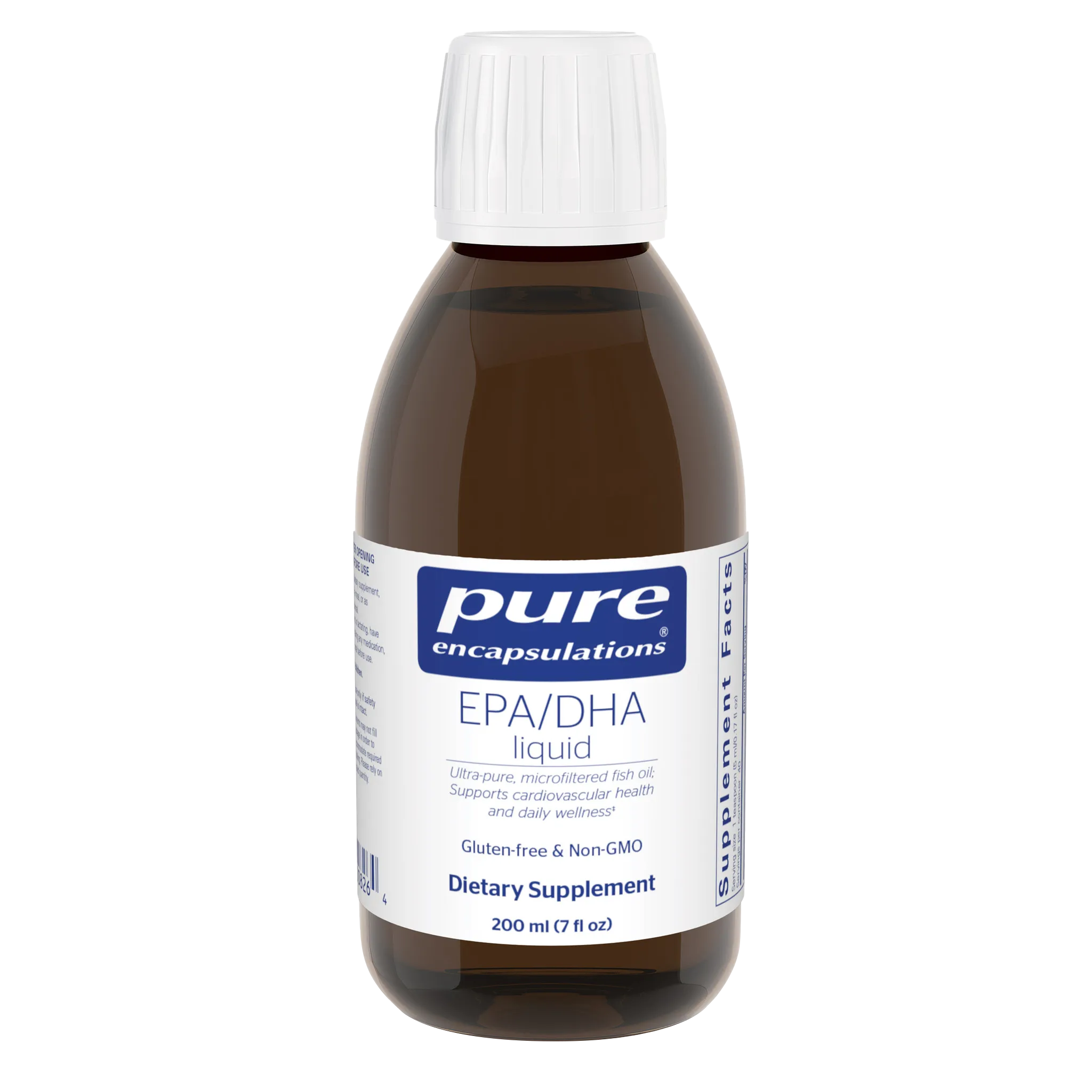
This is where the distinct advantage of a liquid formulation becomes apparent. Pure Encapsulations EPA/DHA Liquid provides a massive, concentrated payload of 740 mg of EPA and 460 mg of DHA in just a single teaspoon (5 ml). This high-density formulation allows patients to easily achieve robust, clinical-level dosing without the gastrointestinal distress or pill fatigue associated with swallowing handfuls of large softgels. When initiating a high-dose protocol, it is generally advisable to start with a lower dose (e.g., half a teaspoon) and gradually titrate upward over several weeks. This slow introduction allows the digestive system to acclimate to the increased lipid load, minimizing the risk of minor side effects such as loose stools or mild nausea.
While EPA and DHA are generally considered exceptionally safe and well-tolerated, their potent biological effects necessitate careful consideration of potential interactions, particularly for patients managing complex medication regimens. Because high doses of omega-3 fatty acids possess mild, natural blood-thinning properties—achieved by reducing platelet aggregation and improving endothelial function—they must be used with caution in individuals taking prescription anticoagulants (such as warfarin or Eliquis) or antiplatelet medications (like Plavix or high-dose aspirin). Patients on these medications should consult closely with their prescribing physician to monitor their clotting times (PT/INR) and ensure that the addition of high-dose fish oil does not excessively increase their risk of bruising or bleeding.
Furthermore, the purity and sourcing of the fish oil are of paramount importance, especially for patients with compromised immune systems or mast cell activation syndrome (MCAS) who are highly sensitive to environmental toxins. Pure Encapsulations EPA/DHA Liquid is sourced exclusively from small, cold-water fish (anchovies and sardines) that naturally reside lower on the food chain, inherently minimizing the accumulation of heavy metals. The oil then undergoes a rigorous molecular distillation process, ensuring it tests well below the strict limits for heavy metals, PCBs, dioxins, and microbial contaminants established by the Council for Responsible Nutrition (CRN). To maintain this pristine quality and prevent the delicate polyunsaturated fats from oxidizing (going rancid), the liquid must be strictly refrigerated after opening and consumed within 90 days.

Follow the Science
The scientific investigation into omega-3 fatty acids as a therapeutic intervention for post-viral syndromes has accelerated dramatically in recent years. One of the most compelling pieces of evidence emerged in late 2023 with the publication of a massive, 1-year retrospective cohort study in the journal Brain, Behavior, and Immunity. Researchers analyzed the electronic health records of nearly 34,000 adult patients to determine if omega-3 supplementation influenced the development of post-COVID psychiatric and neurological sequelae. Using rigorous propensity-score matching, the study compared 16,962 COVID-19 patients who took omega-3 supplements against a perfectly matched control group of non-users, providing a highly robust data set.
Other independent analyses have explored whether patients utilizing omega-3 supplements have a lower overall risk of developing psychiatric sequelae following their initial viral infection. While the broader discussion highlighted the potential protective effects of EPA and DHA on the brain's mood-regulating centers, it also underscored the complexity of "brain fog," noting that targeted, high-dose clinical trials are still required to fully isolate and reverse the specific cognitive deficits associated with post-viral neuroinflammation.
In the realm of autonomic dysfunction, targeted clinical research has demonstrated the profound ability of EPA and DHA to stabilize erratic cardiovascular responses. Dr. Reiner Buchhorn and colleagues have conducted extensive, highly regarded research on children and adolescents suffering from severe dysautonomia, including POTS and inappropriate sinus tachycardia (IST), many of which were triggered by Long COVID. In their clinical protocols, patients were administered targeted lifestyle advice alongside a robust supplementation of at least 800 mg of combined EPA and DHA per day. The goal was to assess whether these structural lipids could directly modulate the autonomic nervous system and calm the exaggerated sympathetic overdrive.
The results of these dysautonomia clinical trials provided quantifiable evidence of omega-3 efficacy. The initial 2022 data revealed that omega-3 supplementation, in addition to medications like propranolol or ivabradine, resulted in a significant reduction in orthostatic heart rate spikes. During an active standing test, the heart rate increases in children with POTS while standing were significantly lower after the intervention. A subsequent 2023 follow-up study confirmed these findings, demonstrating that omega-3s, when used alongside standard medications, successfully decreased elevated resting heart rates and significantly blunted the severe tachycardic increments that define the POTS experience, highlighting their role in restoring vital vagal tone.
The connection between systemic inflammation, severe fatigue, and lipid deficiencies has been a focal point of ME/CFS research for decades. A pivotal 2018 study led by Castro-Marrero and published in Prostaglandins, Leukotrienes and Essential Fatty Acids sought to establish a definitive biomarker for this connection by measuring the Omega-3 Index of Spanish ME/CFS patients. The Omega-3 Index is a highly accurate blood test that measures the exact percentage of EPA and DHA incorporated into the membranes of red blood cells, providing a long-term snapshot of a patient's systemic lipid status and overall inflammatory risk profile.
Other biomarker research has explored the Omega-3 Index in ME/CFS patients, suggesting many have a severely low mean Omega-3 Index. The broader literature concludes that this profound, systemic deficiency in essential fatty acids points directly to a highly pro-inflammatory state and an increased risk of cardiovascular complications in the ME/CFS population. This data strongly supports the clinical rationale that aggressive, high-quality EPA and DHA supplementation is not merely an optional wellness strategy, but a necessary intervention to correct a fundamental, measurable biological deficit in these patients.
As our understanding of post-viral immunology evolves, researchers are increasingly focusing on the "broken resolution" hypothesis—the concept that severe ME/CFS and Long COVID patients struggle to convert standard fish oil into the active Specialized Pro-Resolving Mediators (SPMs) needed to turn off the cytokine storm. This has led to the development of highly specialized clinical trials, such as the ARACOV-02 protocol published in PLOS One in 2024, which is actively investigating the use of standardized SPM supplements to directly bypass this metabolic bottleneck. These trials aim to prove that delivering the active resolvins and protectins directly can rapidly alleviate post-viral fatigue and cognitive dysfunction.
Furthermore, leading research organizations like the Open Medicine Foundation (OMF) are currently funding massive, collaborative studies at institutions like Harvard Medical School to track the 24-hour circadian profiles of ME/CFS patients. A primary goal of these intensive studies is to map exactly how the presence of endogenous SPMs fluctuates in relation to the unrefreshing sleep, severe neuroinflammation, and autonomic crashes that plague these individuals. As this cutting-edge research progresses through 2025 and beyond, it will continue to refine our understanding of how high-quality EPA and DHA liquids, and their downstream metabolites, can be optimally utilized to repair the broken immune pathways of complex chronic illness.
The Path Forward
Living with a complex, invisible illness like Long COVID, ME/CFS, or dysautonomia is an incredibly arduous journey, often marked by a frustrating lack of clear medical answers and the daily challenge of navigating unpredictable, debilitating symptoms. The profound mental fatigue of brain fog, the erratic cardiovascular spikes of POTS, and the heavy, leaden exhaustion of post-exertional malaise are not merely psychological manifestations; they are the direct result of measurable, physiological disruptions in the body's inflammatory and autonomic networks. Validating this biological reality is the first, crucial step toward finding effective, targeted management strategies that respect the immense physical toll these conditions take on the human body.
While the scientific understanding of these post-viral syndromes is advancing rapidly, it is essential to approach treatment with a realistic, grounded perspective. There is no single miracle cure or isolated supplement that can instantly reverse the deeply entrenched neuroinflammation and immune dysregulation characteristic of these conditions. However, by utilizing highly targeted, biologically active interventions like ultra-pure EPA and DHA, patients can begin to systematically address the root cellular dysfunctions—shifting aggressive microglia into repair mode, stabilizing erratic cardiac ion channels, and providing the foundational building blocks necessary to rebuild damaged cellular membranes.
The utilization of a high-quality, molecularly distilled EPA/DHA liquid should be viewed as one powerful tool within a much broader, comprehensive management strategy. To achieve the best possible outcomes, this targeted nutritional support must be integrated alongside meticulous pacing strategies to help mitigate severe symptom crashes, rigorous hydration and sodium loading protocols for dysautonomia management, and the careful guidance of a specialized medical team. By combining these foundational lifestyle modifications with potent, science-backed anti-inflammatory support, patients can create a more stable, resilient physiological environment that is better equipped to handle the daily stressors of chronic illness.
As you explore the potential benefits of omega-3 supplementation for your specific symptom profile, it is vital to prioritize purity, bioavailability, and appropriate clinical dosing. The natural triglyceride form and concentrated liquid delivery system of Pure Encapsulations EPA/DHA Liquid offer a highly efficient, customizable way to achieve the robust therapeutic doses often required to overcome systemic inflammation and autonomic imbalance, without the unnecessary burden of swallowing handfuls of synthetic capsules.
If you are struggling with the cognitive dysfunction, emotional volatility, or erratic cardiovascular symptoms associated with Long COVID, ME/CFS, or POTS, targeted omega-3 supplementation may offer a critical pathway toward cellular stabilization and symptom relief. We encourage you to discuss the extensive clinical research surrounding EPA, DHA, and neuro-resolution with your healthcare provider to determine the optimal dosing strategy for your unique physiological needs and to ensure it safely complements your current treatment regimen.