Can Lithium Synergy Support Brain Fog and Mood in Long COVID and ME/CFS?
March 6, 2026
Lithium OrotateLong COVIDME/CFS
Share:
Disclaimer: The information provided here is for educational purposes only and is not intended as medical advice. It should not be used to diagnose, treat, cure, or prevent any medical condition. Instead, use it as a starting point for discussion with your healthcare provider. Always consult with a qualified healthcare provider before starting any new medication, supplement, device, or making changes to your health regimen.
Months or even years after recovering from the initial acute phase of a SARS-CoV-2 infection, countless individuals find themselves trapped in a bewildering landscape of debilitating symptoms. The profound cognitive impairment, often described as a thick, suffocating "brain fog," combined with unpredictable mood swings and crushing chronic fatigue, can make daily life feel insurmountable. For those navigating the complexities of Long COVID, myalgic encephalomyelitis/chronic fatigue syndrome (ME/CFS), and dysautonomia, the search for validating, science-backed management strategies is a relentless journey. When standard medical evaluations return "normal" results despite profound suffering, it becomes crucial to look deeper into the cellular and biochemical mechanisms driving these invisible illnesses. Learn more about how doctors diagnose Long COVID.
One of the most promising areas of emerging research focuses on the intersection of neuroinflammation, cellular methylation, and essential trace minerals. The profound neurological symptoms experienced in these conditions are not merely psychological; they are rooted in tangible physiological disruptions, including hyperactive immune responses in the brain and stalled biochemical pathways. This is where targeted nutritional interventions can play a pivotal role. Lithium Synergy, a specialized formulation combining low-dose lithium orotate with Vitamin B12 and trimethylglycine (TMG), offers a unique, multi-mechanistic approach to supporting brain health. By addressing both the structural integrity of neurons and the dynamic chemical signaling required for clear cognition, this synergistic blend provides a compelling tool for those seeking to reclaim their mental clarity and emotional balance.
What is Lithium Synergy?
The Essential Trace Mineral and Methylation Support
Lithium is fundamentally a naturally occurring trace mineral found in soil, drinking water, and various foods, playing a subtle but vital role in human biology. While high-dose prescription lithium carbonate has been utilized for decades in psychiatry to manage bipolar disorder, the paradigm is rapidly shifting toward the neuroprotective benefits of "microdosing" lithium. In the context of complex chronic illnesses like Long COVID and myalgic encephalomyelitis/chronic fatigue syndrome (ME/CFS), low-dose lithium acts less like a pharmaceutical drug and more like an essential micronutrient. It serves as a foundational systems regulator for the central nervous system, promoting cellular resilience, modulating neuroinflammation, and supporting overall brain health.
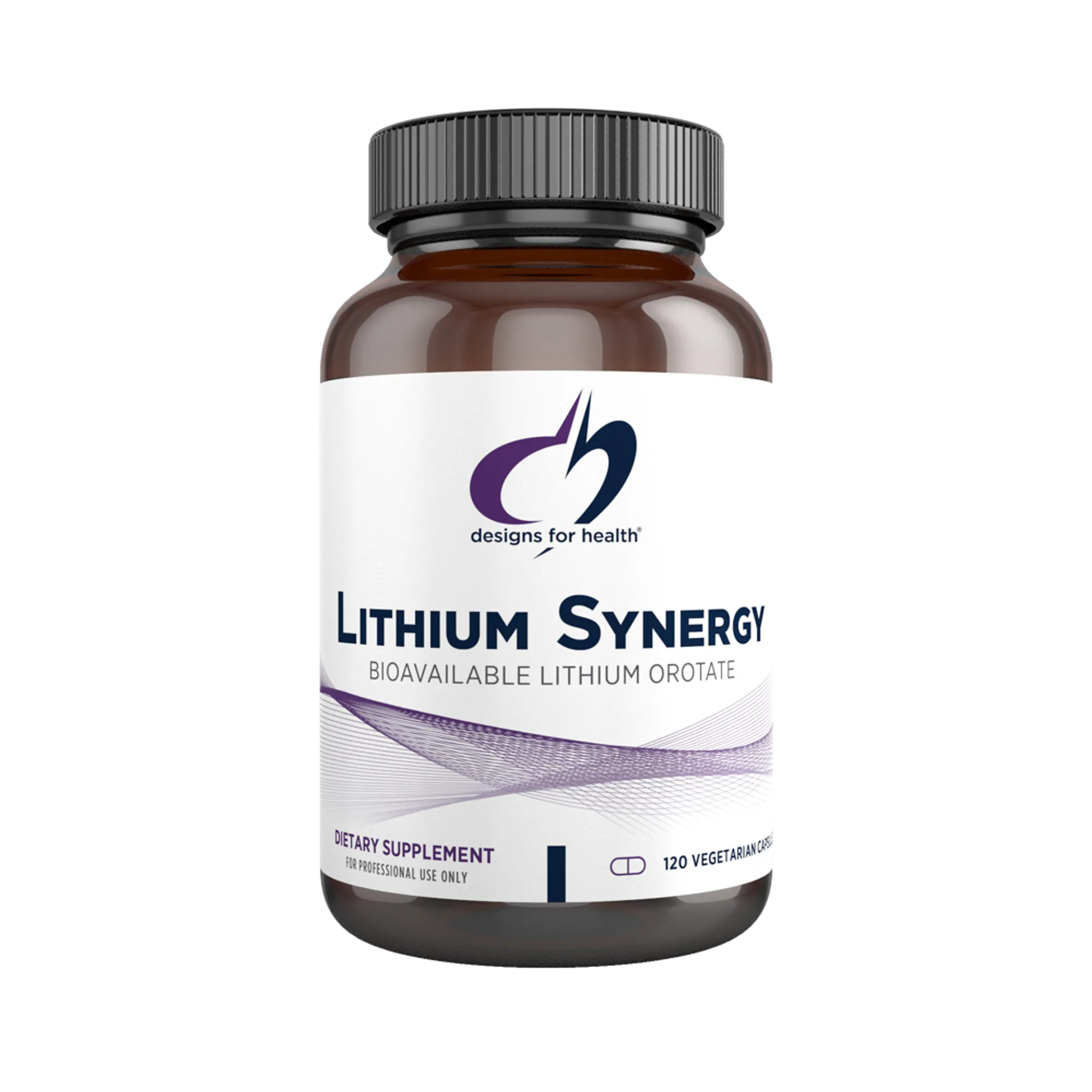
Lithium Synergy by Designs for Health is a specialized formulation designed to harness these neuroprotective benefits while simultaneously addressing the critical need for methylation support. It combines 5 mg of lithium (as highly bioavailable lithium orotate) with 250 mcg of Vitamin B12 (as methylcobalamin) and 200 mg of trimethylglycine (TMG). This synergistic trio is specifically engineered to target multiple interconnected pathways involved in cognitive function, mood stability, and neurological repair. By providing the body with the specific cofactors required for efficient methylation and intracellular signaling, Lithium Synergy offers a comprehensive approach to combating the debilitating brain fog and emotional dysregulation frequently experienced by patients with post-viral syndromes.
The Phosphoinositol Signaling Pathway
At the molecular level, one of lithium's primary mechanisms of action involves the modulation of the phosphoinositol signaling pathway, a critical communication network within brain cells. When neurotransmitters bind to G-protein coupled receptors on the surface of a neuron, they activate an enzyme called phospholipase C. This enzyme cleaves a membrane lipid known as phosphatidylinositol 4,5-bisphosphate (PIP2) into two crucial secondary messengers: inositol 1,4,5-trisphosphate (IP3) and diacylglycerol (DAG). These messengers are responsible for releasing intracellular calcium and activating protein kinases, which ultimately dictate the neuron's response to the initial stimulus, influencing everything from mood to memory formation.
Lithium exerts its stabilizing effect by inhibiting specific enzymes within this cycle, most notably inositol monophosphatase (IMPase). By slowing down the recycling of inositol, lithium prevents the overactivation of this signaling pathway, effectively acting as a biochemical brake on neuronal overstimulation. This mechanism is particularly relevant for patients dealing with the neurological sequelae of Long COVID, where the nervous system is often stuck in a state of hyper-excitability and chronic sympathetic overdrive. By stabilizing the phosphoinositol pathway, lithium helps to restore a sense of calm and balance to the central nervous system, mitigating the erratic mood swings and cognitive overload that characterize these complex conditions. Learn more about calming an overactive nervous system.
The Synergistic Trio: Lithium, B12, and TMG
The inclusion of Vitamin B12, specifically in its active form as methylcobalamin, elevates Lithium Synergy from a simple mineral supplement to a potent methylation modulator. Methylcobalamin serves as an essential cofactor for the enzyme methionine synthase, which is the primary driver of the methylation cycle. This cycle is responsible for converting the potentially neurotoxic amino acid homocysteine back into methionine, generating S-adenosylmethionine (SAMe) in the process. SAMe is the universal methyl donor required for the synthesis of key neurotransmitters like serotonin, dopamine, and norepinephrine, as well as for the maintenance of the protective myelin sheath that insulates nerve fibers.
Trimethylglycine (TMG), also known as betaine, provides a critical secondary pathway for methylation, ensuring that this vital biological process continues even when the primary folate/B12 pathway is compromised. TMG acts as a direct methyl donor via the betaine homocysteine methyltransferase (BHMT) enzyme, offering a biochemical "shortcut" to clear elevated homocysteine levels. In the context of ME/CFS and Long COVID, where genetic variations (like MTHFR mutations) and viral-induced oxidative stress frequently stall the primary methylation cycle, TMG provides a reliable alternative route. Together, lithium, B12, and TMG create a robust, multi-targeted intervention that addresses both the structural integrity of the brain and the dynamic chemical signaling required for optimal cognitive function.
How Long COVID and ME/CFS Impact the Brain and Methylation
Viral-Induced Neuroinflammation and Glial Activation
To understand how targeted supplements can aid in recovery, we must first examine the profound impact that post-viral syndromes have on the central nervous system. In conditions like Long COVID and ME/CFS, the initial viral infection—whether it be SARS-CoV-2 or a reactivated Epstein-Barr Virus (EBV)—triggers a cascade of chronic immune dysregulation. The virus, or its lingering spike proteins, can cross the blood-brain barrier or signal through the vagus nerve, initiating a state of persistent neuroinflammation. This inflammatory environment fundamentally alters the brain's delicate ecosystem, shifting it from a state of homeostasis and repair into a state of constant, exhausting defense. Research indicates that this chronic inflammation is a primary driver of the cognitive deficits seen in these patient populations.
At the cellular level, this neuroinflammation is largely mediated by glial cells, specifically microglia and astrocytes. In a healthy brain, microglia act as the resident immune cells and cellular "garbage collectors," pruning synapses and clearing away metabolic debris. However, in Long COVID and ME/CFS, these cells become chronically hyperactivated, locked in a pro-inflammatory phenotype. They continuously release a barrage of neurotoxic cytokines and chemokines, such as interleukin-6 (IL-6), tumor necrosis factor-alpha (TNF-α), and CCL11. This relentless chemical assault damages surrounding neurons, disrupts neurotransmitter synthesis, and severely impairs synaptic plasticity, manifesting clinically as the profound brain fog, memory loss, and sensory overload that patients find so debilitating.
The Methylation Cycle Block Hypothesis
Beyond direct neuroinflammation, complex chronic illnesses frequently involve severe disruptions to fundamental biochemical pathways, most notably the methylation cycle. Methylation is a ubiquitous cellular process involving the transfer of a methyl group (one carbon and three hydrogen atoms) to various molecules, acting as a biological switch that regulates gene expression, detoxification, and energy production. In ME/CFS, a prominent pathophysiological model known as the "methylation cycle block hypothesis" suggests that viral infections and subsequent oxidative stress can cause a partial block in the methionine synthase enzyme. This critical enzyme, which requires Vitamin B12 and folate to function, is responsible for keeping the entire methylation cycle turning.
When this pathway is stalled, the downstream consequences for the brain and body are catastrophic. The production of S-adenosylmethionine (SAMe), the body's universal methyl donor, plummets. Without adequate SAMe, the brain cannot synthesize crucial neurotransmitters like serotonin, dopamine, and melatonin, leading to severe mood instability, depression, and disrupted sleep architecture. Furthermore, a blocked methylation cycle severely impairs the transsulfuration pathway, drastically reducing the production of glutathione, the body's master intracellular antioxidant. This leaves the central nervous system entirely vulnerable to unchecked oxidative stress, allowing latent viruses to reactivate and perpetuating a vicious cycle of fatigue and neuroimmune dysfunction. Learn more about how Long COVID can trigger ME/CFS.
Elevated Homocysteine and Cognitive Dysfunction
One of the most dangerous biochemical consequences of a stalled methylation cycle is the accumulation of homocysteine. Homocysteine is a naturally occurring amino acid produced during the metabolism of methionine, but it must be rapidly recycled or converted to prevent toxicity. When the primary B12-dependent pathway fails, homocysteine levels rise significantly in the bloodstream and the brain. Elevated homocysteine is a potent neurotoxin and a well-established risk factor for cognitive decline, neurodegeneration, and cerebrovascular disease. It induces severe oxidative stress, damages the delicate endothelial cells lining the blood vessels, and compromises the integrity of the blood-brain barrier.
In the context of Long COVID and ME/CFS, elevated homocysteine exacerbates existing neuroinflammation and vascular damage. It promotes the formation of microclots and impairs cerebral blood flow, starving the brain of essential oxygen and nutrients. This chronic cerebral hypoperfusion directly contributes to the characteristic symptoms of brain fog, difficulty concentrating, and the profound mental exhaustion that occurs after even minor cognitive exertion. Furthermore, homocysteine toxicity directly damages neurons by overstimulating NMDA receptors, leading to excitotoxicity and neuronal cell death. Addressing this toxic accumulation is paramount for restoring cognitive clarity and protecting long-term brain health in patients with complex chronic illnesses.
Lithium Synergy: Supporting Cognitive Function and Mood
Inhibiting GSK-3β and Calming Neuroinflammation
Lithium's most profound neuroprotective mechanism lies in its ability to inhibit an enzyme known as glycogen synthase kinase-3 beta (GSK-3β). In a healthy brain, GSK-3β regulates various cellular functions, but when overactivated by viral infections or chronic stress, it becomes a primary driver of neurodegeneration. Overactive GSK-3β promotes the hyperphosphorylation of tau proteins (leading to neurofibrillary tangles) and activates the NF-κB inflammatory pathway, which triggers the massive release of pro-inflammatory cytokines. By directly binding to and inhibiting GSK-3β, lithium effectively shuts down this destructive inflammatory cascade at its source, protecting neurons from cytokine-induced damage and halting the progression of neuroinflammation.
Beyond merely stopping damage, inhibiting GSK-3β allows lithium to actively promote brain repair and regeneration. This inhibition upregulates the production of Brain-Derived Neurotrophic Factor (BDNF) and B-cell lymphoma 2 (BCL-2), proteins that are absolutely critical for neurogenesis—the growth of new neurons, particularly in the hippocampus. The hippocampus is the brain region responsible for memory consolidation and emotional regulation, and it is frequently targeted by the neuroinflammation seen in Long COVID. By stimulating BDNF production, lithium helps to rebuild damaged neural networks, enhance synaptic plasticity, and restore the cognitive functions that have been compromised by prolonged illness. Explore how 5-HTP supports mood and brain fog.
TMG's Role in Lowering Neurotoxic Homocysteine
The inclusion of Trimethylglycine (TMG) in Lithium Synergy provides a highly targeted intervention for the elevated homocysteine levels that plague patients with methylation cycle blocks. As a potent methyl donor, TMG bypasses the frequently stalled folate/B12 pathway and utilizes the betaine homocysteine methyltransferase (BHMT) enzyme to directly remethylate homocysteine back into methionine. This biochemical "shortcut" is incredibly efficient at clearing toxic homocysteine from the bloodstream and the central nervous system. By removing this neurotoxin, TMG rapidly reduces the oxidative stress and endothelial damage that contribute to cerebral hypoperfusion and the suffocating sensation of brain fog.
Furthermore, by restoring the production of methionine, TMG reignites the synthesis of S-adenosylmethionine (SAMe). This restoration is a critical turning point for patients suffering from the mood instability and depression associated with ME/CFS and Long COVID. With an adequate supply of SAMe, the brain can finally resume the optimal production and breakdown of essential neurotransmitters like serotonin, dopamine, and norepinephrine. This renewed chemical balance translates clinically into improved emotional resilience, enhanced focus, and a significant reduction in the neurological fatigue that makes daily tasks feel impossible.
Vitamin B12 as an Epigenetic Modulator
Vitamin B12, particularly in its active methylcobalamin form, operates not just as a metabolic cofactor, but as a powerful epigenetic modulator—an "epidrug" capable of altering gene expression without changing the underlying DNA sequence. In the context of post-viral neuroinflammation, the virus often leaves behind epigenetic "scars," causing pro-inflammatory genes to remain switched on long after the acute infection has cleared. Methylcobalamin provides the essential methyl groups required for DNA methylation, a process that can effectively silence or "turn off" these hyperactive inflammatory genes. By restoring normal epigenetic regulation, B12 helps to dismantle the chronic inflammatory state that perpetuates Long COVID symptoms.
Additionally, Vitamin B12 is indispensable for the synthesis and maintenance of the myelin sheath, the protective fatty layer that insulates nerve fibers and ensures rapid, efficient transmission of electrical signals. In conditions like dysautonomia and ME/CFS, neuroinflammation and oxidative stress can degrade this myelin, leading to neuropathic pain, autonomic dysfunction, and slowed cognitive processing. By driving the production of SAMe and facilitating the proper metabolism of fatty acids, methylcobalamin actively supports myelin repair and regeneration. This structural healing is vital for restoring the integrity of the autonomic nervous system and alleviating the complex neurological symptoms associated with these chronic conditions.

Symptoms Lithium Synergy May Help Manage
Targeted Relief for Complex Chronic Illness
While no single supplement can cure complex neuroimmune conditions like Long COVID or ME/CFS, targeting the underlying mechanisms of neuroinflammation, methylation dysfunction, and oxidative stress can provide profound symptom relief. By combining the neuroprotective power of low-dose lithium with the methylation support of B12 and TMG, Lithium Synergy addresses multiple facets of post-viral neurological dysfunction. Here are the specific symptoms this synergistic blend may help manage:
Severe Brain Fog and Cognitive Dysfunction: By inhibiting GSK-3β, reducing microglial activation, and clearing neurotoxic homocysteine via TMG, Lithium Synergy helps clear the inflammatory pathways that cloud thinking, improving memory retrieval and mental clarity.
Mood Instability and Depression: The restoration of the methylation cycle ensures adequate production of SAMe, which is essential for synthesizing mood-regulating neurotransmitters like serotonin and dopamine, helping to stabilize emotional volatility.
Neurological Fatigue and PEM: While not a direct stimulant, supporting the methylation cycle indirectly bolsters mitochondrial function and cellular energy production, helping to mitigate the crushing exhaustion and post-exertional malaise (PEM) that follows cognitive effort.
Nervous System Dysregulation: Vitamin B12 supports the repair and maintenance of the myelin sheath, which is crucial for proper nerve signaling and can help alleviate the autonomic dysfunction and neuropathic symptoms seen in dysautonomia and POTS.
Chronic Neuroinflammation: Low-dose lithium acts as a direct anti-inflammatory agent in the brain, suppressing the release of toxic cytokines and promoting the production of neurotrophic factors like BDNF to heal damaged neural networks.
Practical Considerations: Forms, Dosing, and Absorption
The Bioavailability of Lithium Orotate vs. Carbonate
When discussing lithium supplementation, it is critical to distinguish between the different forms available, as their pharmacokinetics and safety profiles vary dramatically. Prescription lithium, typically in the form of lithium carbonate, is poorly absorbed by the cells and must be administered in massive doses (often 300 to 1200 mg per day) to force the lithium ion into the brain. These high serum levels carry a significant risk of toxicity, requiring constant blood monitoring to prevent severe renal (kidney) damage and thyroid suppression. In stark contrast, Lithium Synergy utilizes lithium orotate, a complex where the lithium ion is bound to orotic acid.
Orotic acid is a naturally occurring biochemical carrier that easily penetrates cell membranes. This unique binding allows the lithium ion to be transported directly across the blood-brain barrier and into the mitochondria and lysosomes of the cells with remarkable efficiency. Because of this superior bioavailability, lithium orotate can achieve the desired neuroprotective and intracellular effects at a mere fraction of the dose—often just 1 to 20 mg per day. This "microdosing" approach provides the profound neurological benefits of lithium without elevating blood serum levels to toxic ranges, making it an exceptionally safe option for long-term brain health support.
Dosing: Microdosing vs. Psychiatric Doses
The safety profile of low-dose lithium orotate cannot be overstated when compared to its pharmaceutical counterpart. At the 5 mg dose provided in Lithium Synergy, the compound acts more like an essential trace mineral than a psychiatric medication. Clinical observations and toxicological studies have consistently shown that these microdoses do not induce the polyuria, tremors, or metabolic disruptions associated with high-dose lithium carbonate. Patients can safely integrate this level of lithium into their daily regimen to support neurogenesis and mood stability without the need for invasive, continuous blood monitoring.
For optimal results, the suggested use for Lithium Synergy is 2 capsules per day in the evening with food, or as directed by a healthcare practitioner. Taking the supplement in the evening can be particularly beneficial, as lithium's ability to stabilize neurotransmitters and support melatonin production can aid in restorative sleep—a critical component of recovery for ME/CFS and Long COVID patients. It is also important to note the specific manufacturer warning: for best absorption and efficacy, Lithium Synergy should not be taken within 6 hours of a Vitamin E supplement containing D-alpha-tocopherol, as they may compete for specific metabolic pathways.
Navigating Methylation Sensitivities and MCAS
While the inclusion of methylcobalamin and TMG makes Lithium Synergy incredibly powerful, patients with Mast Cell Activation Syndrome (MCAS) or specific genetic mutations (like slow COMT) must navigate methylation support with care. In these highly sensitized individuals, a sudden influx of methyl groups can sometimes trigger a "histamine trap." The body relies on the HNMT enzyme to break down histamine, a process that requires methyl donors. However, pushing the methylation cycle too rapidly can abruptly alter the balance of excitatory neurotransmitters, acting as a physiological stressor that forces mast cells to degranulate, potentially causing temporary anxiety, flushing, or insomnia.
Because of these complex biochemical nuances, it is always recommended to "start low and go slow" when introducing a potent methylation supplement like Lithium Synergy. Patients with known MCAS or severe chemical sensitivities should work closely with a functional medicine practitioner to monitor their response. In some cases, practitioners may recommend starting with a partial dose or alternating days to allow the nervous system to acclimate to the increased availability of methyl donors and the subsequent shifts in neurotransmitter production. Learn more about managing mental health and stress resilience in Long COVID.

Follow the Science
The "Amyloid Sponge" and Neuroprotection
The scientific understanding of low-dose lithium has been completely revolutionized by recent breakthroughs in neurobiology. A landmark August 2025 study published in Nature by researchers at Harvard Medical School discovered the "amyloid sponge" effect, fundamentally shifting how we view cognitive decline. The researchers found that as toxic amyloid-beta proteins begin to accumulate in the brain, they actively bind to and sequester the brain's natural, endogenous lithium. This stripping of lithium accelerates cellular damage and neuroinflammation. Crucially, the study revealed that lithium orotate uniquely evades capture by these plaques, allowing it to freely enter brain cells, halt neuroinflammation, and reverse memory loss in animal models at roughly one-thousandth of the standard psychiatric dose.
These findings align with ongoing clinical trials investigating lithium for post-viral cognitive dysfunction. A 2024 trial published in JAMA Network Open explored low-dose lithium for Long COVID brain fog and fatigue. While the ultra-low doses (10-15 mg/day) showed mixed results, the dose-finding phase revealed that patients who achieved slightly higher serum lithium levels (via 40-45 mg/day) experienced significant, meaningful relief of cognitive dysfunction and fatigue, with zero evidence of renal or thyroid toxicity. This underscores the potent anti-inflammatory and neuroprotective capabilities of lithium when dosed appropriately.
B12's Impact on Long COVID Biomarkers
The role of Vitamin B12 in reversing post-viral neuroinflammation has also gained massive scientific validation. A breakthrough March 2025 study published in Scientific Reports investigated B12 as an "epidrug" in patients suffering from Long COVID-associated cognitive and visuoconstructive deficits. The researchers discovered that these patients had sustained upregulation of inflammatory chemokines, particularly CCL11, a biomarker linked to neurodegeneration. Astonishingly, introducing just 1 nM of Vitamin B12 into the blood cultures completely normalized the mRNA levels of the inflammatory CCL11 gene by structurally altering its DNA methylation patterns.
This study provides concrete, molecular proof that B12 supplementation can directly "turn off" the systemic hyperinflammation driving Long COVID symptoms. Furthermore, the B12 intervention successfully upregulated HGF, a powerful neuroprotective factor, while downregulating other inflammatory markers like CSF2 and CXCL10. This epigenetic modulation confirms that providing the body with adequate methyl donors is not just supportive, but actively corrective at the genetic level, helping to dismantle the vicious cycle of post-viral immune activation.
Epigenetics and TMG in ME/CFS
The connection between methylation dysfunction and ME/CFS is heavily supported by modern epigenetic research. A comprehensive study published in PLoS One performed genome-wide methylation profiling on ME/CFS patients and identified over 17,000 differentially methylated sites compared to healthy controls. The vast majority of these genes were hypomethylated and mapped directly to immune and cell-signaling pathways, proving that epigenetic deregulation is a core component of the disease's pathology. This widespread methylation failure explains the profound immune exhaustion and metabolic collapse seen in these patients.
To combat this, compounds like Trimethylglycine (TMG) are heavily researched for their ability to force the methylation cycle forward. Recent studies on TMG (Betaine) have demonstrated its powerful neuroprotective effects in animal models of cognitive impairment. By acting as a direct methyl donor via the BHMT pathway, TMG successfully lowers neurotoxic homocysteine, reduces reactive oxygen species, and stops microglial pyroptosis (inflammatory cell death in the brain). This robust clinical data highlights why the combination of Lithium, B12, and TMG is such a scientifically sound approach to treating complex neuroimmune conditions.
The Path Forward
A Comprehensive Approach to Brain Health
Living with the unpredictable, invisible symptoms of Long COVID, ME/CFS, and dysautonomia is an incredibly isolating and frustrating experience. The profound brain fog, emotional volatility, and crushing fatigue are not signs of weakness; they are the direct result of complex, physiological disruptions in the brain's immune and biochemical pathways. Validating this reality is the first step toward true healing. While the journey to recovery is rarely linear, understanding the cellular mechanisms driving these symptoms empowers patients to make informed, targeted decisions about their health and treatment strategies.
Lithium Synergy represents a highly sophisticated tool in this management arsenal. By combining the neuroprotective, GSK-3β-inhibiting power of microdosed lithium orotate with the potent epigenetic modulation of Vitamin B12 and TMG, it directly addresses the neuroinflammation and methylation blocks that keep the nervous system trapped in a state of dysfunction. This synergistic blend provides the essential building blocks the brain needs to clear toxic homocysteine, rebuild neural networks, and restore the delicate balance of mood-regulating neurotransmitters.
Integrating Supplements with Pacing and Care
However, it is crucial to remember that supplements are just one piece of a comprehensive, holistic management puzzle. True recovery from complex chronic illness requires a multi-faceted approach that respects the body's severe energy limitations. Foundational strategies like strict pacing, aggressive rest, symptom tracking, and nervous system regulation techniques must be utilized alongside nutritional interventions to prevent post-exertional malaise (PEM) and allow the brain the space it needs to heal. Learn more about whether Long COVID is considered a disability.
Because conditions like Long COVID and ME/CFS involve highly individualized biochemical sensitivities, particularly regarding methylation and mast cell activation, personalized medical guidance is non-negotiable. Always consult with a knowledgeable healthcare provider or functional medicine practitioner before introducing new supplements like Lithium Synergy into your regimen. A professional can help you navigate potential interactions, determine the optimal dosage for your specific genetic makeup, and monitor your progress safely and effectively.
Explore Lithium Synergy
Reclaiming your cognitive clarity and emotional balance is a challenging but entirely possible goal. By targeting the root causes of neuroinflammation and supporting your body's vital methylation pathways, you can provide your brain with the precise support it needs to begin the repair process. If you are struggling with the debilitating neurological symptoms of post-viral syndromes, it may be time to explore how targeted nutritional synergy can support your recovery journey.
Sources
Harvard Medical School: The Amyloid Sponge Effect and Lithium Orotate (2025)
JAMA Network Open: Low-Dose Lithium for Long COVID Brain Fog and Fatigue (2024)
PLoS One: Identification of ME/CFS-associated DNA Methylation Patterns
MDPI Microorganisms: Predisposing Factors in EBV-Caused ME/CFS and Neuroinflammation
Psychosomatic Medicine: DNA Methylation Signatures of Functional Somatic Syndromes
Health Rising: TMG, Betaine, and the Methylation Cycle in ME/CFS