Can Inflammatone™ Support Microcirculation and Manage Inflammation in Long COVID and ME/CFS?
March 6, 2026
InflammatoneLong COVIDProteolytic Enzymes
Share:
Disclaimer: The information provided here is for educational purposes only and is not intended as medical advice. It should not be used to diagnose, treat, cure, or prevent any medical condition. Instead, use it as a starting point for discussion with your healthcare provider. Always consult with a qualified healthcare provider before starting any new medication, supplement, device, or making changes to your health regimen.
For many individuals living with complex chronic illnesses, the sensation of systemic inflammation is not just an abstract medical concept—it is a daily, physical weight. It manifests as the deep, aching muscle pain that makes getting out of bed feel like running a marathon, the dense "brain fog" that obscures simple thoughts, and the unpredictable heart rate spikes that accompany simply standing up. When you are navigating the overlapping realities of Long COVID, myalgic encephalomyelitis/chronic fatigue syndrome (ME/CFS), dysautonomia, and mast cell activation syndrome (MCAS), your body can feel like it is locked in a perpetual state of high alert. The immune system, designed to protect you, becomes caught in a hyperactive loop, while the vascular system struggles to deliver vital oxygen to your starved tissues.
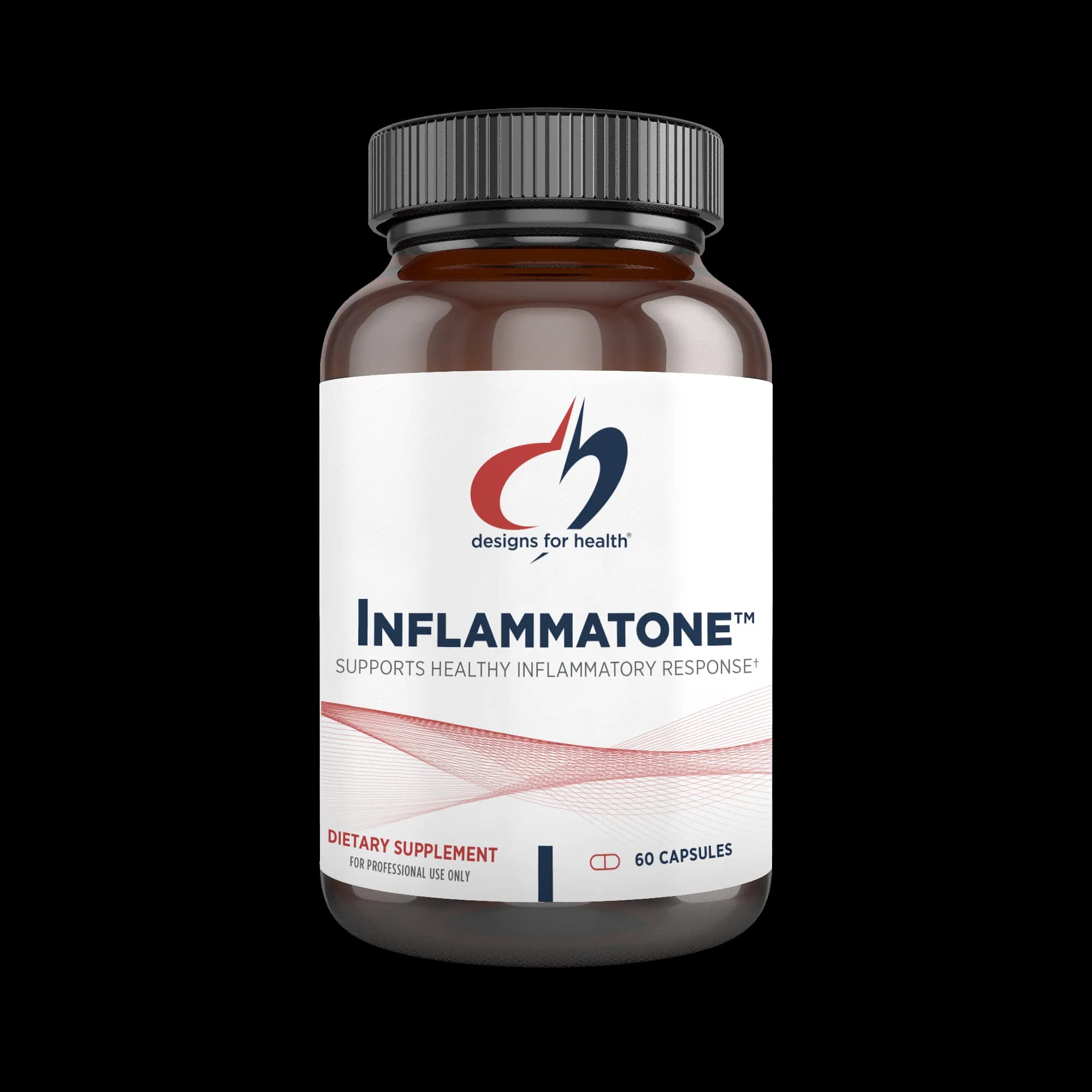
In the search for answers, many patients and practitioners are turning their attention to the microscopic level—specifically looking at how persistent viral fragments, hypercoagulation, and oxidative stress disrupt the body's delicate equilibrium. This is where targeted, multi-mechanistic nutritional support becomes a crucial part of the management puzzle. Inflammatone™, a specialized formulation by Designs for Health, has emerged as a compelling tool in functional medicine. By combining potent proteolytic enzymes with highly researched botanical extracts like curcumin, boswellia, and resveratrol, it aims to address the root drivers of vascular and systemic inflammation. But how exactly do these compounds work, and what does the latest science say about their role in post-viral recovery? Let's explore the deep cellular mechanisms behind this comprehensive supplement.
TL;DR
Inflammatone™ combines proteolytic enzymes and botanicals to support microcirculation and modulate systemic inflammation.
Take proteolytic enzymes on an empty stomach to ensure they reach your systemic circulation.
Botanicals like curcumin and boswellia may help manage neuroinflammation and mast cell activation.
Always consult your healthcare provider, as systemic enzymes can interact with blood-thinning medications.
What is Inflammatone™?
A Comprehensive Approach to Systemic Inflammation
To understand the value of a supplement like Inflammatone™, we must first understand the natural, biological purpose of inflammation. In a healthy body, acute inflammation is a vital, life-saving response. When you sustain an injury or encounter a pathogen, your immune system deploys a highly orchestrated cascade of chemical messengers, including cytokines, prostaglandins, and leukotrienes. These molecules signal blood vessels to dilate, allowing white blood cells to rush to the site of damage, neutralize the threat, and initiate tissue repair. Once the danger has passed, a healthy immune system releases anti-inflammatory mediators to resolve the swelling and return the body to a state of homeostasis.
However, in complex chronic conditions, this resolution phase fails to occur. The immune system remains stuck in the "on" position, leading to chronic, systemic inflammation. This persistent state of alarm damages healthy tissues, exhausts cellular energy reserves, and disrupts the delicate lining of blood vessels. Inflammatone™ is designed specifically to address this dysregulation. Rather than acting as a blunt instrument that completely suppresses the immune response—which can carry significant side effects—it utilizes a synergistic blend of natural compounds to gently modulate the inflammatory cascade, helping the body transition from a state of chronic alarm back toward equilibrium.
What makes this particular formulation unique is its multi-targeted approach. It does not rely on a single mechanism of action. Instead, it combines the structural, tissue-clearing properties of specialized enzymes with the genetic and cellular signaling modulation provided by potent plant polyphenols. This dual-action strategy is highly valued by functional medicine practitioners who recognize that chronic illness cannot be managed by addressing only one biochemical pathway in isolation.
The Power of Proteolytic Enzymes
At the core of Inflammatone™ is InflammENZ™, a proprietary blend of proteolytic enzymes that includes serratiopeptidase, trypsin, and chymotrypsin. Proteolytic enzymes, or proteases, are biological catalysts whose primary function is to break down proteins into smaller polypeptides or individual amino acids. In the human digestive tract, endogenous proteases help us extract nutrients from our food. However, when specific, highly resilient proteases are taken on an empty stomach, they bypass the digestive process, enter the bloodstream, and exert profound systemic effects throughout the body.
Once in the systemic circulation, these enzymes act as the body's microscopic cleanup crew. They specifically target and cleave the peptide bonds of damaged, dead, or anomalous proteins that accumulate during chronic inflammatory states. For example, serratiopeptidase—originally isolated from the intestine of the silkworm—is renowned for its powerful fibrinolytic (clot-dissolving) and mucolytic properties. It actively breaks down fibrin, a tough, stringy protein involved in blood clotting, and kinin, a polypeptide that induces severe pain and localized swelling at sites of tissue damage.
Trypsin and chymotrypsin, which are naturally produced in the human pancreas, complement serratiopeptidase by further degrading cellular debris and supporting healthy lymphatic drainage. The lymphatic system relies on fluid dynamics and muscle movement to clear waste from tissues; when tissues are engorged with inflammatory proteins, lymphatic vessels can become sluggish and congested. By breaking down these large, obstructive protein complexes, proteolytic enzymes help restore the smooth flow of lymphatic fluid, facilitating the efficient removal of metabolic waste and reducing deep tissue edema.
Botanical Antioxidants and Cellular Defense
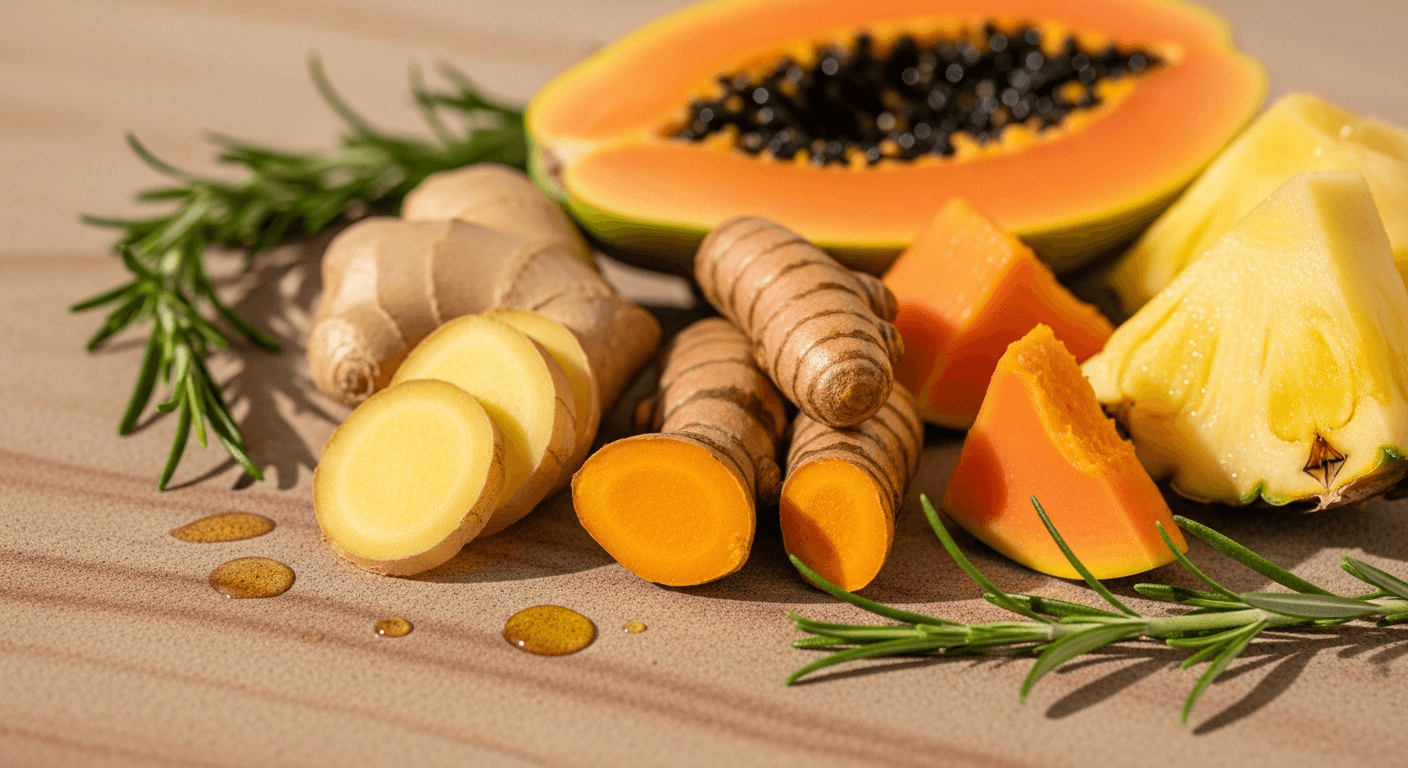
Beyond enzymes, Inflammatone™ delivers a robust profile of standardized botanical extracts, including Turmeric (95% curcuminoids), Boswellia (70% boswellic acids), and Ginger (5% gingerol). These compounds operate at the genetic and molecular level to downregulate the production of inflammatory mediators. Curcumin, for instance, is a master regulator of the NF-κB (Nuclear Factor kappa-light-chain-enhancer of activated B cells) pathway. NF-κB is a protein complex that controls the transcription of DNA, cytokine production, and cell survival. By inhibiting NF-κB activation, curcumin effectively shuts off the genetic "faucet" that pours out pro-inflammatory cytokines like IL-6 and TNF-α.
Similarly, Boswellia and Ginger target specific enzymatic pathways that drive pain and swelling. Boswellic acids are highly specific inhibitors of the 5-LOX (5-lipoxygenase) enzyme, which is responsible for synthesizing leukotrienes—inflammatory molecules heavily involved in allergic responses and mast cell activation. Gingerols, on the other hand, inhibit the COX-2 (cyclooxygenase-2) enzyme, which produces pain-inducing prostaglandins. By simultaneously inhibiting both the 5-LOX and COX-2 pathways, these botanicals provide comprehensive modulation of the inflammatory cascade without disrupting the protective COX-1 enzymes that maintain the stomach lining.
Finally, the inclusion of Quercetin, Rutin, Resveratrol, and Rosemary Extract (carnosic acid) provides unparalleled antioxidant defense for the vascular system. These polyphenols neutralize reactive oxygen species (ROS) before they can damage the lipid membranes of cells. Resveratrol stimulates the production of endothelial nitric oxide, promoting healthy blood vessel dilation, while rutin strengthens capillary walls to prevent the leakage of fluids into surrounding tissues. Together, these ingredients create a formidable shield against the oxidative stress that drives chronic illness.
How Long COVID and Chronic Illness Impact the Vascular and Immune Systems
The Threat of Fibrinaloid Microclots
To grasp why the ingredients in Inflammatone™ are so relevant to modern chronic illness, we must examine What Causes Long COVID and how viral infections fundamentally alter the vascular system. One of the most groundbreaking discoveries in post-viral research, spearheaded by scientists like Resia Pretorius and Douglas Kell, is the presence of "fibrinaloid microclots" in the blood of Long COVID and ME/CFS patients. When the SARS-CoV-2 spike protein enters the bloodstream, it interacts abnormally with fibrinogen, a primary clotting protein. This interaction causes the fibrinogen to misfold and polymerize into a dense, amyloid structure.
Unlike normal blood clots, which the body can easily break down using its own plasmin enzymes once an injury has healed, these amyloid microclots are highly resistant to natural fibrinolysis. They persist in the circulation for months or even years. As they circulate, they trap inflammatory molecules, autoantibodies, and cellular debris within their sticky web. More critically, these microclots physically lodge in the smallest blood vessels of the body—the microcapillaries—creating microscopic roadblocks that completely disrupt normal blood flow.
This widespread capillary blockage leads to a state of chronic cellular hypoxia (oxygen starvation). When the mitochondria—the energy-producing powerhouses of the cells—are deprived of oxygen, they cannot produce adenosine triphosphate (ATP) efficiently. Instead, they shift into a highly inefficient, inflammatory metabolic state, generating massive amounts of oxidative stress. This systemic hypoxia is a primary driver of the profound, crushing fatigue, severe muscle pain, and post-exertional malaise (PEM) that define the daily reality of ME/CFS and Long COVID.
Endothelial Dysfunction and Dysautonomia
The presence of persistent microclots and chronic inflammation takes a devastating toll on the endothelium, the delicate, single-cell-thick lining of the blood vessels. The endothelium is not just a passive pipe; it is a highly active endocrine organ responsible for regulating vascular tone, blood pressure, and immune cell trafficking. In a healthy state, endothelial cells produce nitric oxide (NO), a signaling molecule that tells the smooth muscles surrounding the blood vessels to relax and dilate, ensuring smooth blood flow to the brain and extremities.
In post-viral syndromes, the endothelium becomes deeply inflamed—a condition known as endothelialitis. The massive influx of reactive oxygen species (ROS) generated by struggling mitochondria aggressively scavenges and destroys nitric oxide before it can do its job. Without sufficient nitric oxide, the blood vessels lose their ability to dynamically constrict and dilate in response to the body's needs. This endothelial dysfunction is a critical underlying mechanism in dysautonomia and Postural Orthostatic Tachycardia Syndrome (POTS).
When a patient with POTS stands up, their damaged, unresponsive blood vessels fail to constrict adequately. Gravity pulls the blood down, causing it to pool heavily in the legs and abdomen. To compensate for the sudden drop in blood returning to the heart and brain, the autonomic nervous system panics, dumping adrenaline into the bloodstream and triggering a rapid, pounding heart rate. This cycle of blood pooling, cerebral hypoperfusion (lack of blood to the brain), and adrenaline surges creates the dizziness, brain fog, and severe orthostatic intolerance that make standing or walking so difficult for dysautonomia patients.
Neuroinflammation and Mast Cell Activation
The vascular damage seen in these conditions does not stop at the neck; it extends directly into the central nervous system. The blood-brain barrier (BBB) is a highly selective semipermeable border of endothelial cells that protects the brain from circulating pathogens and toxins. However, chronic systemic inflammation and the constant bombardment of cytokines can degrade the tight junctions that hold the BBB together, making it "leaky." When pro-inflammatory cytokines and viral remnants cross this compromised barrier, they trigger a profound state of neuroinflammation.
Once inside the brain, these inflammatory signals activate microglia, the brain's resident immune cells. Instead of performing their normal maintenance duties, the microglia shift into a hyper-aggressive, neurotoxic state, releasing a continuous stream of inflammatory chemicals that disrupt neural signaling. This microglial activation is heavily implicated in the severe cognitive dysfunction, memory loss, and sensory overload commonly referred to as "brain fog." Recent literature reviews have confirmed that this central nervous system abnormality is a shared pathology between ME/CFS and Long COVID.
Compounding this neuroinflammation is the role of mast cells. As explored in our discussion on Autoimmunity and Immune Dysregulation in Long COVID, mast cells are immune cells situated near blood vessels and nerves throughout the body, including the brain. In Mast Cell Activation Syndrome (MCAS), these cells become hyper-sensitized, inappropriately degranulating and dumping massive amounts of histamine, leukotrienes, and proteases into the surrounding tissues. This mast cell degranulation further damages the blood-brain barrier, exacerbates endothelial dysfunction, and perpetuates a vicious, self-sustaining cycle of systemic and neurological inflammation.
Inflammatone™: Supporting Circulation and Inflammatory Balance
Breaking Down Fibrin and Kinin
When managing conditions characterized by persistent microclots and chronic inflammation, therapeutic interventions must address the structural blockages in the vascular system. This is where the InflammENZ™ blend in Inflammatone™ plays a pivotal role. The systemic proteolytic enzymes—specifically serratiopeptidase, trypsin, and chymotrypsin—act as direct antagonists to the fibrinaloid microclots that choke the microcapillaries. By aggressively cleaving the peptide bonds within the amyloid fibrin structures, these enzymes help to physically dismantle the clots that the body's natural plasmin system cannot break down.
Clinical research into combined antiplatelet and anticoagulant therapy suggests that targeting fibrin amyloid microclots and platelet pathology is crucial for restoring microcirculation. As serratiopeptidase breaks apart the fibrin mesh, it releases the trapped inflammatory cytokines and cellular debris, allowing the lymphatic system to finally clear them from the body. This restoration of capillary blood flow is essential for reversing the deep tissue hypoxia that drives post-exertional malaise and severe muscle fatigue in ME/CFS and Long COVID patients.
Furthermore, serratiopeptidase has a profound impact on pain signaling. When tissues are damaged or inflamed, the body produces bradykinin, a potent peptide that binds to nerve receptors and triggers the sensation of pain. Serratiopeptidase actively degrades kinin molecules, effectively silencing the pain signals at their source. This mechanism provides a natural, non-pharmaceutical avenue for managing the widespread, aching joint and muscle pain that frequently accompanies systemic immune dysregulation, offering relief without the gastrointestinal risks associated with chronic NSAID use.
Modulating the Inflammatory Cascade
While enzymes clear the structural debris, the botanical extracts in Inflammatone™ work to quiet the hyperactive immune signaling that drives the continuous production of inflammation. Curcumin, the active compound in turmeric, is arguably one of the most thoroughly researched natural anti-inflammatories in the world. While recent literature discusses advancements in gene and cell therapy, curcumin is widely recognized in other research for intercepting the inflammatory cascade at the genetic level, preventing the transcription of the very cytokines (like IL-6 and TNF-α) that cause the blood-brain barrier to leak and the microglia to become neurotoxic.
For patients dealing with the overlapping complexities of MCAS, the inclusion of Boswellia extract is particularly significant. Mast cells release leukotrienes, which are potent lipid mediators that cause severe vascular inflammation, bronchoconstriction, and brain fog. Boswellic acids are unique in their ability to selectively inhibit the 5-LOX enzyme, effectively halting the synthesis of these damaging leukotrienes. This targeted 5-LOX inhibition makes Boswellia a vital tool for stabilizing the downstream effects of mast cell degranulation, acting synergistically with other mast cell stabilizers.
Ginger extract complements this by targeting the COX-2 pathway. While COX-1 enzymes are necessary for protecting the mucosal lining of the stomach, COX-2 enzymes are induced specifically during states of inflammation and are heavily involved in driving neuroinflammation and deep muscle pain. By selectively inhibiting COX-2, gingerols help to reduce the inflammatory signaling between the central nervous system and the peripheral muscles, directly addressing the "brain-muscle axis" of fatigue that plagues so many individuals with post-viral syndromes.
Strengthening Capillaries and Microcirculation
Restoring blood flow is only half the battle; the damaged blood vessels themselves must be healed and fortified. Rutin, a powerful bioflavonoid, is highly regarded in vascular medicine for its ability to decrease capillary permeability. In conditions like POTS, where leaky, fragile capillaries contribute to severe blood pooling in the lower extremities, rutin acts as a structural reinforcement. By strengthening the endothelial walls, rutin helps keep blood volume within the vascular system, supporting better venous return to the heart and reducing orthostatic tachycardia.
Resveratrol works in tandem with rutin by directly addressing endothelial dysfunction. It is a potent stimulator of endothelial nitric oxide synthase (eNOS), the enzyme responsible for producing the nitric oxide needed for healthy vasodilation. By boosting NO production, resveratrol helps restore the dynamic flexibility of the blood vessels, allowing them to appropriately constrict and dilate. This improved vascular tone is critical for overcoming the cerebral hypoperfusion that causes the dizziness and cognitive impairment associated with dysautonomia.
Finally, Rosemary extract, standardized to contain carnosic acid, provides highly specialized antioxidant protection. Carnosic acid is uniquely lipid-soluble, allowing it to easily cross the blood-brain barrier and penetrate the fatty membranes of cells. Once inside, it activates the Nrf2 pathway, the body's master antioxidant defense system. While recent reviews detail Long COVID mechanisms and therapies, other studies suggest carnosic acid significantly improves flow-mediated dilation (FMD), a key marker of endothelial health, by neutralizing the specific free radicals that destroy nitric oxide and damage autonomic nerve fibers.

Symptoms Inflammatone™ May Help Manage
Vascular and Cognitive Symptoms
By targeting microclots, endothelial dysfunction, and neuroinflammation, the ingredients in Inflammatone™ may help manage several debilitating symptoms associated with compromised circulation and brain health:
Brain Fog and Cognitive Impairment: By supporting the clearance of microclots and utilizing resveratrol to boost nitric oxide, the formula helps restore cerebral blood flow, delivering vital oxygen to the brain while curcumin and rosemary extract combat the microglial activation driving neuroinflammation.
Orthostatic Intolerance and Dizziness: Rutin strengthens capillary walls to reduce the peripheral blood pooling that triggers POTS symptoms, while resveratrol supports the vascular tone necessary to maintain blood pressure upon standing.
Deep Muscle and Joint Pain: Serratiopeptidase actively degrades pain-inducing kinin molecules, and gingerols inhibit the COX-2 enzymes responsible for generating inflammatory prostaglandins in the muscle tissue.
Immune and Systemic Symptoms
The comprehensive modulation of inflammatory pathways provided by the botanical extracts can also support the management of broader systemic immune dysregulation:
Post-Exertional Malaise (PEM): By dismantling the microclots that block capillaries, proteolytic enzymes help reverse the cellular hypoxia that forces mitochondria into inefficient, fatigue-inducing metabolic states during physical or cognitive exertion.
MCAS Flares and Allergic Responses: Boswellia acts as a targeted 5-LOX inhibitor, directly suppressing the synthesis of the leukotrienes that mast cells release during degranulation, while quercetin provides natural mast cell stabilization.
Systemic Swelling and Edema: Trypsin and chymotrypsin break down the large, obstructive protein complexes that congest the lymphatic system, promoting healthy fluid drainage and reducing localized tissue swelling.
Practical Considerations: Forms, Dosing, and Absorption
Timing is Everything: The Empty Stomach Rule
When utilizing a supplement that contains proteolytic enzymes like Inflammatone™, the timing of administration is arguably the most critical factor for success. If you take proteases alongside a meal, your body will simply use those enzymes to digest the proteins in your food. They will remain in the gastrointestinal tract, acting as a standard digestive aid, and will never reach the systemic circulation to perform their tissue-clearing duties.
To achieve the systemic, fibrinolytic effects necessary for addressing microclots and vascular inflammation, Inflammatone™ must be taken on an empty stomach. Practitioners typically recommend taking it at least 45 minutes to an hour before eating, or two hours after a meal. When taken without food, the enzymes survive the acidic environment of the stomach, pass into the small intestine, and are absorbed directly into the bloodstream. Once in the blood, they bind to alpha-2-macroglobulin, a transport protein that carries them throughout the body to sites of inflammation and amyloid deposition.
Establishing this routine can be challenging for patients dealing with severe fatigue or cognitive dysfunction. Setting specific daily alarms or keeping the supplement on a bedside table to take immediately upon waking (before breakfast) or right before sleep can help ensure consistent, empty-stomach dosing. Consistency is key; breaking down resilient fibrinaloid microclots and modulating deep-seated inflammatory pathways is a gradual process that requires sustained, daily enzymatic support.
Bioavailability of Botanical Extracts
A common challenge with plant-based polyphenols like curcumin and resveratrol is their notoriously poor baseline bioavailability. In their raw form, these compounds are rapidly metabolized by the liver and excreted before they can reach therapeutic levels in the blood and brain. Designs for Health addresses this by utilizing highly standardized extracts in Inflammatone™. The Turmeric extract is standardized to contain 95% curcuminoids, ensuring a dense concentration of the active molecules, while the Boswellia is standardized to 70% boswellic acids.
Furthermore, the inclusion of multiple synergistic flavonoids within the same capsule can naturally enhance absorption. For example, quercetin is known to inhibit the specific sulfotransferase enzymes in the liver that rapidly degrade resveratrol and curcumin. By combining these polyphenols, the formula creates a natural "entourage effect," slowing down the hepatic metabolism of the active ingredients and allowing them to circulate in the bloodstream for longer periods. The lipid-soluble nature of the rosemary extract (carnosic acid) also ensures excellent penetration across the blood-brain barrier, maximizing its neuroprotective benefits.
Safety, Contraindications, and Interactions
While natural, the potent mechanisms of Inflammatone™ require careful clinical consideration, particularly regarding its effects on blood coagulation. Because serratiopeptidase and other proteolytic enzymes actively dissolve fibrin and possess mild blood-thinning properties, this supplement carries a significant risk of interaction with pharmaceutical anticoagulants (like Warfarin, Eliquis, or Xarelto) and antiplatelet medications (like Aspirin or Plavix). Combining these therapies can excessively thin the blood and increase the risk of dangerous bleeding or bruising.
Additionally, because the botanical extracts actively modulate immune function and vascular tone, individuals with bleeding disorders, a history of gastrointestinal ulcers, or those preparing for surgery should avoid this supplement. It is also generally contraindicated for pregnant or nursing women due to a lack of safety data regarding systemic enzymes during fetal development. As with any powerful functional medicine tool, it is imperative to consult with a healthcare provider before introducing Inflammatone™ into your regimen, especially if you are managing complex conditions like Long COVID or ME/CFS with multiple prescription medications.
Follow the Science
Proteolytic Enzymes and Microclot Research
The scientific rationale for using systemic enzymes in post-viral syndromes is rapidly expanding, driven largely by the urgent need to address the vascular pathology of Long COVID. Groundbreaking research published in Science Direct has extensively documented the mechanisms by which the SARS-CoV-2 spike protein induces the formation of degradation-resistant fibrinaloid microclots. These studies highlight that these microclots trap inflammatory molecules and block oxygen delivery, creating a pro-thrombotic state that drives the core symptoms of the disease.
Further clinical investigations into combined dual antiplatelet and anticoagulant therapy have demonstrated that targeting fibrin amyloid microclots and platelet hyperactivation can lead to significant symptom resolution in Long COVID patients. While pharmaceutical anticoagulants carry high bleeding risks, this research provides the mechanistic validation for utilizing natural fibrinolytic agents. Systemic proteases like serratiopeptidase, found in Inflammatone™, offer a targeted, natural approach to degrading these specific amyloid structures without the severe systemic risks associated with aggressive pharmaceutical blood thinners, making them a cornerstone of integrative microclot protocols.
To explore more about how specific enzyme formulations target these vascular blockages, you can read our deep dive into whether A.I. Enzymes Help Manage Joint Pain and Microclots in Long COVID and ME/CFS.
Polyphenols in Post-Viral Syndromes
The role of botanical polyphenols in combating neuroinflammation and immune dysregulation is equally well-supported by recent literature. While a recent editorial detailed the 2023 pipeline for gene and cell therapy, other literature explores the anti-inflammatory and neuroprotective capabilities of compounds like curcumin, quercetin, and resveratrol in the context of Long COVID. These polyphenols are thought to effectively cross the blood-brain barrier to inhibit the NF-κB pathway, drastically reducing the pro-inflammatory cytokines (IL-1β, IL-6, TNF-α) that drive microglial activation and brain fog.
Additionally, research focusing on the neuropathology of ME/CFS and Long COVID has confirmed the profound overlap in central nervous system abnormalities between the two conditions, noting that physical exertion exacerbates this neuroinflammation. The ability of compounds like ginger (via COX-2 inhibition) and boswellia (via 5-LOX inhibition) to intercept these inflammatory signals at the source provides a strong scientific basis for their use in managing post-exertional symptom exacerbation and deep muscle fatigue.
Endothelial Healing in Dysautonomia
Finally, the specific vascular benefits of the ingredients in Inflammatone™ have been demonstrated in clinical trials focusing on endothelial function. A notable review of Long COVID explores various mechanisms and therapeutical approaches, though separate research investigates whether oral supplementation with rosemary extract (rich in carnosic acid) significantly improves flow-mediated dilation (FMD) in human subjects. By activating the Nrf2 antioxidant pathway, carnosic acid actively reversed early-stage endothelial dysfunction.
This endothelial healing is crucial for patients with dysautonomia and POTS. When combined with the capillary-strengthening properties of rutin and the nitric oxide-boosting effects of resveratrol, these compounds work synergistically to restore the vascular tone and flexibility required to prevent orthostatic blood pooling. For more insights into managing the complex overlapping symptoms of these conditions, explore our article on Ketotifen and the Hidden Battles of MCAS, Long COVID, and Dysautonomia.
The Path Forward
Validating Your Experience
Living with the relentless, invisible weight of systemic inflammation, microclots, and vascular dysfunction is an exhausting reality. When your symptoms fluctuate wildly from day to day, and standard medical tests fail to capture the profound cellular hypoxia and neuroinflammation you are experiencing, it is easy to feel dismissed or overwhelmed. Please know that your symptoms are real, they are rooted in complex, documented physiological mechanisms, and you are not alone in navigating this challenging landscape. The emerging science surrounding post-viral syndromes is finally catching up to what patients have known for years: these are deep, multi-systemic conditions that require nuanced, multi-systemic solutions.
A Multi-System Approach to Healing
While Inflammatone™ offers a powerful, scientifically grounded combination of proteolytic enzymes and botanical modulators to support microcirculation and inflammatory balance, it is not a standalone cure. True management of Long COVID, ME/CFS, dysautonomia, and MCAS requires a comprehensive, holistic approach. Supplements must be integrated alongside rigorous symptom tracking, radical pacing to avoid post-exertional malaise, nervous system regulation techniques, and ongoing guidance from a medical professional who understands the intricacies of chronic illness.
If you are exploring ways to support your body's natural ability to clear inflammatory debris and restore vascular health, discuss this formulation with your healthcare provider to ensure it aligns safely with your current treatment plan.