Can HistaEze™ Support Immune Balance and Manage Histamine in Long COVID and MCAS?
March 6, 2026
HistaEzeImmune SupportMCAS
Share:
Disclaimer: The information provided here is for educational purposes only and is not intended as medical advice. It should not be used to diagnose, treat, cure, or prevent any medical condition. Instead, use it as a starting point for discussion with your healthcare provider. Always consult with a qualified healthcare provider before starting any new medication, supplement, device, or making changes to your health regimen.
Months or even years after a viral infection, many individuals find themselves battling a bewildering array of unpredictable symptoms. From sudden flushing and rapid heart rates to crushing fatigue and profound brain fog, these systemic issues often point to a highly reactive immune system. In conditions like Long COVID, myalgic encephalomyelitis/chronic fatigue syndrome (ME/CFS), and mast cell activation syndrome (MCAS), the body's natural defense mechanisms remain locked in a state of chronic high alert. This persistent immune dysregulation can make even the most basic daily tasks feel insurmountable, leaving patients searching for ways to calm the storm within their own bodies.
One of the primary drivers of this systemic chaos is the inappropriate release and accumulation of histamine, triggered by hyperactive mast cells. When conventional antihistamines fall short or cause unwanted side effects, patients and practitioners often look toward comprehensive, multi-mechanistic nutritional support. HistaEze™ by Designs for Health is formulated specifically to address these complex immune challenges. By combining potent natural mast cell stabilizers, immune modulators, and histamine-clearing cofactors, this targeted supplement aims to restore immune balance, promote healthy inflammatory responses, and help patients reclaim their quality of life.
TL;DR
HistaEze™ combines quercetin, nettle leaf, and Vitamin C to support immune balance and histamine metabolism.
Targeted ingredients may help stabilize mast cells and support the body's natural histamine-clearing pathways.
Designed to help manage systemic inflammation and histamine overload in complex chronic conditions.
What is HistaEze™?
A Synergistic Approach to Immune Balance
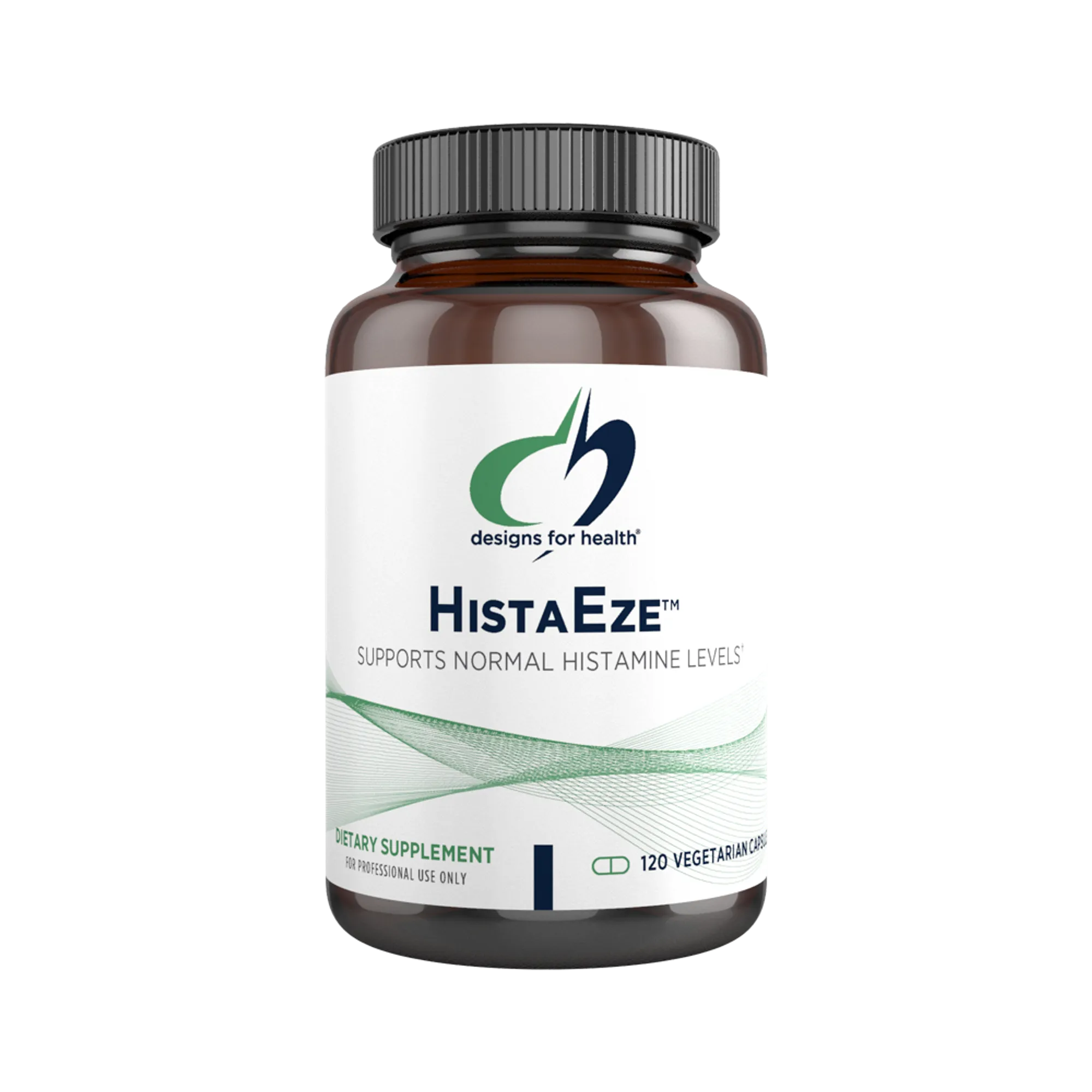
HistaEze™ is a specialized, multi-ingredient nutritional supplement designed to promote a balanced immune response and support healthy histamine metabolism. Rather than relying on a single mechanism to suppress symptoms, it utilizes a synergistic blend of botanical extracts, bioflavonoids, vitamins, and minerals to address immune dysregulation at multiple cellular checkpoints. The formula features a robust 600 mg dose of quercetin, a well-documented bioflavonoid known for its potent mast cell-stabilizing properties, alongside 600 mg of nettle leaf extract (Urtica dioica), which acts as a natural antagonist to histamine receptors.
Beyond these foundational ingredients, HistaEze™ incorporates 900 mg of Tinofend®, a proprietary and clinically researched extract of the Ayurvedic botanical Tinospora cordifolia. This specific extract is standardized to provide active polysaccharides that modulate immune cell activity, helping to shift the body away from a hyper-reactive allergic state. To further support the body's ability to clear excess histamine, the formula includes 500 mg of Vitamin C (as ascorbic acid) and a 600 mg blend of bicarbonate salts (sodium and potassium bicarbonate). Together, these components work to neutralize oxidative stress, buffer tissue pH, and provide the necessary cofactors for enzymatic histamine degradation.
The Role of Histamine in a Healthy Body
To understand how HistaEze™ works, it is essential to first understand the natural role of histamine in a healthy body. Histamine is a biogenic amine—a vital signaling molecule that acts as a neurotransmitter in the brain, a trigger for stomach acid production in the gut, and a primary mediator of the immune response. It is synthesized from the amino acid histidine and stored in the granules of mast cells and basophils, which are stationed throughout the body's connective tissues, skin, respiratory tract, and gastrointestinal lining.
When the body encounters a pathogen, allergen, or injury, mast cells undergo a process called degranulation. They burst open, releasing their stored histamine into the surrounding tissues. This localized histamine release causes blood vessels to dilate and become more permeable, allowing white blood cells and other immune factors to quickly reach the site of the threat. In a healthy, balanced system, this inflammatory response is acute and self-limiting. Once the threat is neutralized, the body employs specific enzymes—primarily diamine oxidase (DAO) in the gut and histamine N-methyltransferase (HNMT) in the central nervous system—to rapidly break down and clear the excess histamine, returning the system to a state of calm homeostasis.
How Long COVID and MCAS Impact Immune and Histamine Pathways
The Vicious Cycle of Mast Cell Activation
In complex chronic illnesses like Long COVID, ME/CFS, and dysautonomia, the immune system's delicate balance is profoundly disrupted. Viral infections, such as SARS-CoV-2, can trigger a prolonged state of immune hyper-reactivity, leading to autoimmunity and immune dysregulation in Long COVID. One of the most significant consequences of this dysregulation is the development or exacerbation of mast cell activation syndrome (MCAS). In MCAS, mast cells become structurally unstable and hyper-responsive, reacting not just to genuine threats, but to everyday stimuli like temperature changes, stress, certain foods, and mild exertion.
This chronic instability leads to continuous, inappropriate degranulation. Instead of a controlled, localized release of histamine, the body is flooded with a constant stream of inflammatory mediators, including histamine, tryptase, leukotrienes, and cytokines like interleukins (IL-6, IL-8) and tumor necrosis factor-alpha (TNF-α). This systemic flood of inflammatory chemicals creates a vicious cycle: the inflammation triggers more mast cells to degranulate, which in turn causes more inflammation. This continuous immune activation drives many of the debilitating, multi-system symptoms experienced by patients, from profound neuroinflammation and brain fog to gastrointestinal distress and unpredictable allergic-like reactions.
Histamine Overload and DAO Dysfunction
Compounding the issue of excessive histamine release is a frequent breakdown in the body's ability to clear it. For many individuals with Long COVID and ME/CFS, chronic inflammation and gut dysbiosis severely impair the production and function of the diamine oxidase (DAO) enzyme. DAO is primarily produced in the microvilli of the small intestine, and when the gut lining is inflamed or damaged, DAO levels plummet. Without sufficient DAO, the body cannot effectively break down the histamine naturally present in foods or the histamine constantly being released by hyperactive mast cells.
This creates a state of systemic histamine overload, often referred to as histamine intolerance. When histamine levels exceed the body's capacity to degrade it, the molecule binds to H1, H2, H3, and H4 receptors throughout the body, triggering widespread dysfunction. In the cardiovascular system, this can lead to vasodilation, blood pooling, and the rapid heart rates characteristic of postural orthostatic tachycardia syndrome (POTS). In the nervous system, excess histamine acts as an excitatory neurotransmitter, contributing to insomnia, anxiety, and severe cognitive fatigue. Breaking this cycle requires a multi-targeted approach that not only stabilizes the mast cells but also supports the enzymatic pathways responsible for clearing the histamine backlog.
HistaEze™: Supporting Mast Cell Stability and Histamine Degradation
Quercetin: The Natural Mast Cell Stabilizer
The cornerstone of HistaEze™ is quercetin, a potent bioflavonoid that acts as a foundational mast cell stabilizer. At the molecular level, quercetin interrupts the degranulation process before it can even begin. For a mast cell to release its inflammatory contents, it requires a massive influx of cytosolic calcium. Research indicates that quercetin effectively inhibits this calcium ion influx through the PLCγ-IP3R signaling pathway, essentially cutting off the biochemical trigger required for histamine release. By physically stabilizing the cellular membrane, quercetin prevents the mast cell from dumping its payload into the bloodstream.
Furthermore, recent clinical studies have demonstrated that quercetin acts as a high-affinity agonist for CLM-1 (CMRF35-like molecule-1) on mast cells. By binding to this receptor, quercetin induces SHP-1 phosphorylation, which actively inhibits the downstream MyD88/IKK/NF-κB inflammatory signaling pathway. It also forces the internalization of the MRGPRX2 receptor, profoundly blunting mast cell degranulation. Beyond just histamine, quercetin is highly effective at suppressing the release of tryptase—an enzyme that degrades connective tissue—making it highly protective for tissue integrity in hypermobile patients with MCAS.
Nettle Leaf and Tinofend®: Modulating the Allergic Response
While quercetin prevents histamine release, the nettle leaf extract (Urtica dioica) in HistaEze™ works downstream to block the histamine that has already escaped. In vitro studies using mass spectrometry have shown that nettle extract acts as a direct antagonist against the Histamine-1 (H1) receptor, preventing histamine from binding and triggering symptoms. Additionally, nettle acts as a negative (inverse) agonist at the H1 receptor, down-regulating the receptor's baseline activity. It also strongly inhibits the COX-1, COX-2, and HPGDS enzymes, which are responsible for forming inflammatory prostaglandins that exacerbate allergic responses.
Tinofend® (Tinospora cordifolia) adds a unique immunomodulatory dimension to the formula. Unlike conventional antihistamines that simply block receptors, Tinofend fundamentally alters the body's immune behavior. By modulating leukocyte populations, Tinofend is thought to help shift the immune system away from a state of chronic, inappropriate reactivity, providing deep, systemic support for patients dealing with environmental sensitivities and immune dysregulation.
Vitamin C and Bicarbonates: Clearing Histamine and Buffering pH
To address the breakdown of histamine, HistaEze™ provides 500 mg of Vitamin C (ascorbic acid). Vitamin C is a critical, non-negotiable cofactor for the diamine oxidase (DAO) enzyme. By supplying ample ascorbic acid, the formula helps stimulate the body's natural DAO activity, accelerating the degradation of extracellular histamine. Additionally, electrophysiological studies show that Vitamin C acts as a potent antioxidant, neutralizing the reactive oxygen species (ROS) that frequently trigger mast cell degranulation. For a deeper dive into this mechanism, you can explore how ascorbic acid powder supports immune health.
Finally, the inclusion of bicarbonate salts (sodium and potassium bicarbonate) provides a highly specialized mechanism for mast cell stabilization. Mast cell enzymatic homeostasis is highly dependent on an acidic environment; acidity primes mast cells, making them hyper-reactive. In a buffered environment, the threshold for mast cell degranulation is thought to be significantly raised. Furthermore, studies indicate that oral sodium bicarbonate can activate a splenic anti-inflammatory reflex, shifting macrophages from an aggressive (M1) to a calming (M2) state, thereby reducing the systemic inflammatory signals that keep mast cells on high alert.
Symptoms HistaEze™ May Help Manage
Targeting Systemic Inflammation and Histamine Excess
Because histamine receptors are located throughout the entire body—from the brain and blood vessels to the skin and digestive tract—histamine overload can manifest in a bewildering variety of ways. By stabilizing mast cells, blocking H1 receptors, and supporting DAO enzyme function, the synergistic ingredients in HistaEze™ may help manage a wide spectrum of symptoms associated with Long COVID, MCAS, and dysautonomia.
Patients utilizing comprehensive immune support protocols often report improvements in both acute allergic-like reactions and chronic, systemic inflammatory symptoms. Here are some of the specific symptoms that the mechanisms of HistaEze™ target:
Unpredictable Skin Reactions: By preventing mast cell degranulation and blocking H1 receptors, quercetin and nettle leaf can help reduce the frequency and severity of hives, chronic itching (pruritus), dermatographia, and sudden flushing.
Brain Fog and Cognitive Fatigue: Histamine acts as an excitatory neurotransmitter in the brain. By supporting DAO clearance and reducing systemic inflammation, HistaEze™ may help calm neuroinflammation, improving mental clarity and reducing cognitive crashes.
Nasal Congestion and Rhinitis: Tinofend® and nettle leaf have been clinically shown to reduce eosinophil counts and inhibit prostaglandin formation, which can significantly alleviate chronic runny nose, sinus pressure, and excessive mucus production.
Post-Exertional Malaise (PEM): Exercise naturally lowers tissue pH (increasing acidity) and triggers histamine release. The bicarbonate salts in HistaEze™ help buffer this exercise-induced acidity, potentially raising the threshold for mast cell degranulation during mild exertion.
Gastrointestinal Distress: The gut is highly populated with mast cells. Stabilizing these cells with quercetin and supporting histamine breakdown with Vitamin C can help manage histamine-driven bloating, cramping, and food sensitivities.
Tachycardia and Palpitations: Excess histamine causes vasodilation, which forces the heart to beat faster to maintain blood pressure—a common trigger for POTS symptoms. By lowering systemic histamine levels, cardiovascular stability may improve.
Practical Considerations: Forms, Dosing, and Absorption
Maximizing Bioavailability and Timing
When incorporating HistaEze™ into a chronic illness management plan, understanding bioavailability and optimal timing is crucial for achieving the best therapeutic results. Quercetin, while highly effective at the cellular level, is notorious for its relatively poor oral bioavailability. To maximize its absorption, it is often recommended to take quercetin-containing supplements alongside a source of healthy dietary fat, such as a small amount of olive oil, avocado, or a high-quality omega-3 supplement. This can significantly enhance the transport of the bioflavonoid across the intestinal wall and into systemic circulation.
Timing also plays a critical role, particularly because of the bicarbonate salts included in the formula. Bicarbonates are alkaline and naturally neutralize stomach acid (hydrochloric acid). While this is excellent for buffering systemic pH and calming mast cells, stomach acid is absolutely necessary for the proper digestion of proteins and the absorption of certain minerals. Therefore, to avoid interfering with digestion, HistaEze™ should ideally be taken away from meals—at least 30 to 60 minutes before eating, or two hours after a meal. Taking it on an empty stomach also allows the active botanicals to be absorbed more rapidly.
Synergistic Nutrient Stacking
For patients with severe MCAS or profound histamine intolerance, HistaEze™ can be part of a broader, synergistic nutrient stack. Because Vitamin C is a critical cofactor for the DAO enzyme, pairing this supplement with additional DAO support—such as a dedicated DAO enzyme supplement taken just before meals—can provide comprehensive coverage for both systemic mast cell stabilization and dietary histamine clearance. Additionally, ensuring adequate levels of Vitamin B6, copper, and zinc can further potentiate the body's natural histamine-degrading pathways. You can learn more about comprehensive immune strategies in our guide to Aller-Essentials for immune dysregulation.
Potential Interactions and Safety
While the ingredients in HistaEze™ are generally well-tolerated, there are important safety considerations to keep in mind. The inclusion of 120 mg of potassium (from potassium bicarbonate) and 80 mg of sodium (from sodium bicarbonate) per serving means that patients on strict sodium-restricted diets, or those taking potassium-sparing diuretics or ACE inhibitors for blood pressure, should consult their physician to ensure these mineral levels fit safely within their overall metabolic picture.
Furthermore, quercetin can inhibit certain cytochrome P450 enzymes in the liver, particularly CYP3A4, which is responsible for metabolizing a wide variety of pharmaceutical medications. This means high doses of quercetin could potentially alter the blood levels of certain prescription drugs. As always, patients with complex chronic conditions should introduce new supplements slowly, tracking their symptoms carefully, and must consult with their healthcare provider before adding HistaEze™ to their regimen.
Follow the Science
Clinical Evidence for Quercetin and Nettle Leaf
The individual components of HistaEze™ have been the subject of numerous clinical trials and laboratory studies, validating their use in managing allergic and inflammatory conditions. A landmark PLOS One study compared quercetin directly to Cromolyn Sodium, the only FDA-approved pharmaceutical mast cell stabilizer. The researchers found that quercetin was actually more effective than cromolyn at inhibiting the release of pro-inflammatory cytokines like IL-8 and TNF from human cultured mast cells. Furthermore, a 2020 randomized, placebo-controlled trial in Japan demonstrated that repeated oral intake of a quercetin supplement significantly reduced ocular itching and nasal discomfort in adults suffering from seasonal allergic rhinitis.
Similarly, Urtica dioica (nettle leaf) has strong clinical backing. A randomized, double-blind study conducted by Mittman et al. evaluated the use of freeze-dried nettle leaf in patients with allergic rhinitis. The study found that Urtica dioica was rated higher than placebo in global assessments, though diary data showed it was rated only slightly higher. More recently, a 2017 clinical trial demonstrated that patients treated with nettle extract saw a statistically significant reduction in their mean nasal smear eosinophil count, providing objective laboratory evidence of its ability to calm the localized immune response.
The Proven Efficacy of Tinofend® and Vitamin C
The proprietary Tinospora cordifolia extract, Tinofend®, is often cited for its clinical data.
Finally, the role of Vitamin C in histamine degradation is well-established in the literature. Additionally, clinical studies utilizing intravenous Vitamin C have shown that high-dose ascorbic acid can reduce overall serum histamine concentrations by roughly 50% in patients with severe allergic diseases, confirming its vital role in clearing systemic histamine overload.
The Path Forward
Reclaiming Immune Stability
Living with the unpredictable, multi-system chaos of Long COVID, ME/CFS, dysautonomia, and MCAS is an exhausting and deeply frustrating experience. When your own immune system feels like it is constantly working against you, reacting to the most mundane aspects of daily life, it is easy to feel overwhelmed. Validating the physiological reality of these symptoms is the first step toward healing; your symptoms are not in your head, they are the result of measurable, biochemical dysregulation.
While there is no single miracle cure for complex chronic illness, targeted nutritional support can be a powerful tool in your management arsenal. By stabilizing hyper-reactive mast cells, blocking histamine receptors, and providing the necessary cofactors for enzymatic histamine clearance, HistaEze™ offers a comprehensive, multi-mechanistic approach to calming the immune storm. When combined with careful symptom tracking, pacing, a low-histamine diet, and the guidance of a knowledgeable medical team, supplements like this can help you regain a sense of stability and improve your daily quality of life. For more insights into comprehensive immune support, explore how Balanced Immune can support cellular recovery.
Disclaimer: This article is for educational purposes only and does not constitute medical advice. Supplements can interact with medications and may not be suitable for everyone. Always consult your healthcare provider before starting any new supplement regimen, especially if you have a complex chronic condition like Long COVID, ME/CFS, dysautonomia, or MCAS.
Sources
Quercetin Is More Effective than Cromolyn in Blocking Human Mast Cell Cytokine Release - PLOS One
Quercetin and Its Anti-Allergic Immune Response - Nutrients
Quercetin attenuates MRGPRX2-mediated mast cell degranulation via the MyD88/IKK/NF-κB pathway - Journal of Inflammation Research
Effects of repeated oral intake of a quercetin-containing supplement on allergic reaction: a randomized, placebo-controlled trial - European Review for Medical and Pharmacological Sciences
Nettle extract (Urtica dioica) affects key receptors and enzymes associated with allergic rhinitis - Phytotherapy Research
Randomized, double-blind study of freeze-dried Urtica dioica in the treatment of allergic rhinitis - Planta Medica
Efficacy of Supportive Therapy of Allergic Rhinitis by Stinging Nettle (Urtica dioica) root extract: a Randomized, Double-Blind, Placebo-Controlled, Clinical Trial - Iranian Journal of Pharmaceutical Research
Intravenous infusion of ascorbic acid decreases serum histamine concentrations - Journal of International Medical Research
Oral sodium bicarbonate activates a splenic anti-inflammatory reflex - Journal of Immunology / ScienceDaily