Can Heart Health Complex Support Cardiovascular Function and Energy in Long COVID and POTS?
March 6, 2026
CoQ10DysautonomiaLong COVID
Share:
Disclaimer: The information provided here is for educational purposes only and is not intended as medical advice. It should not be used to diagnose, treat, cure, or prevent any medical condition. Instead, use it as a starting point for discussion with your healthcare provider. Always consult with a qualified healthcare provider before starting any new medication, supplement, device, or making changes to your health regimen.
Months or even years after a mild acute SARS-CoV-2 infection, many individuals find themselves battling a relentless array of cardiovascular and autonomic symptoms. From a heart that races simply from standing up, to a profound, crushing fatigue that makes basic daily tasks feel like running a marathon, the reality of living with Long COVID, Postural Orthostatic Tachycardia Syndrome (POTS), and Myalgic Encephalomyelitis/Chronic Fatigue Syndrome (ME/CFS) is both complex and debilitating. When standard lab tests come back "normal," patients are often left frustrated, searching for validating answers and targeted strategies to manage their unpredictable symptoms.
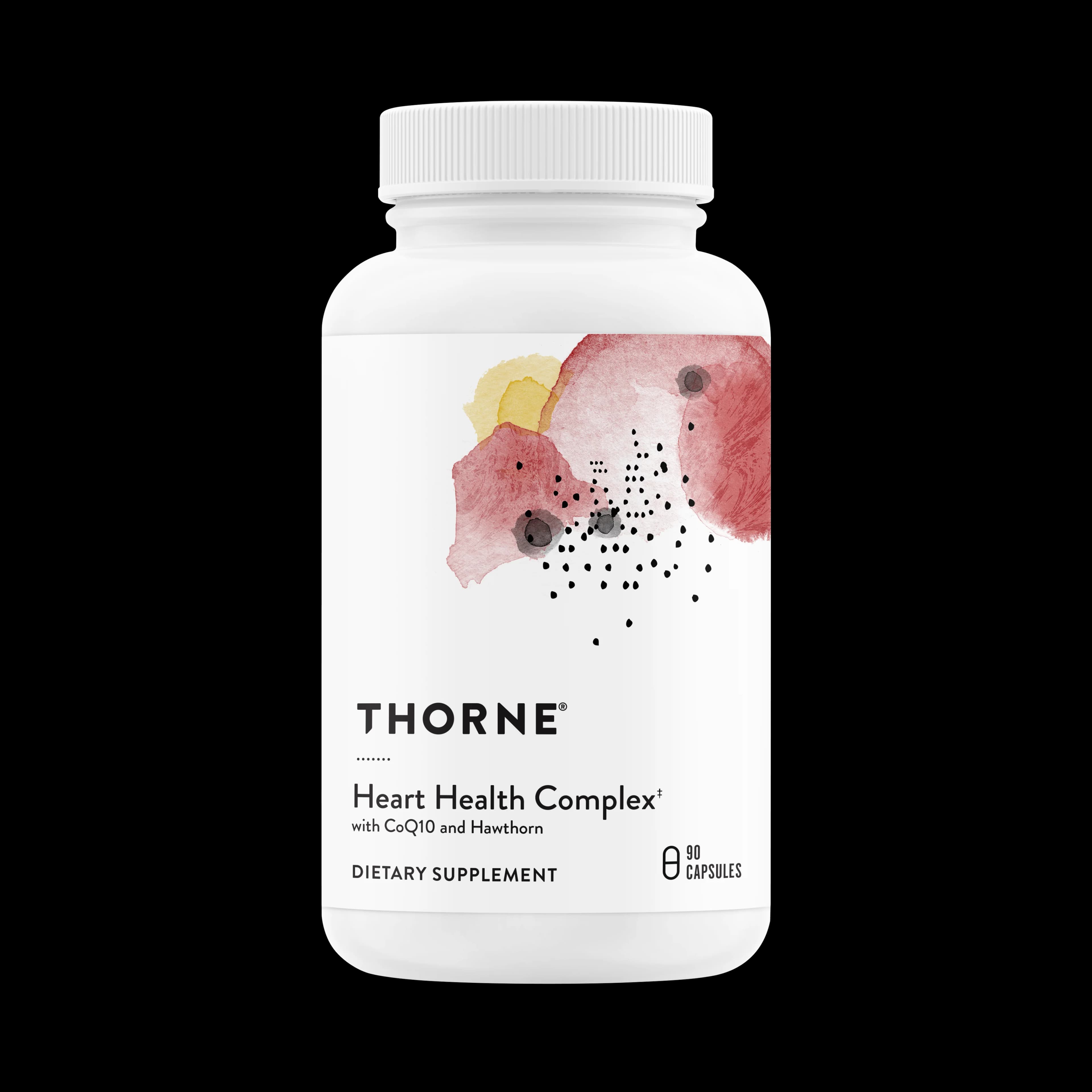
The cardiovascular system and the autonomic nervous system are deeply interconnected, and in post-viral conditions, they frequently become dysregulated together. This dysregulation is not merely a sensation; it is rooted in measurable physiological changes, including mitochondrial energy failure, endothelial dysfunction, and severe metabolic derangement. Addressing these root causes requires a comprehensive approach. Thorne’s Heart Health Complex is a targeted formulation designed to provide the heart muscle and blood vessels with the exact nutritional cofactors they need to function optimally. By combining Coenzyme Q10 (CoQ10), taurine, hawthorn extract (Crataegus oxycantha), magnesium, and potassium, this blend offers synergistic support for cellular energy production, vascular integrity, and healthy cardiac rhythm.
TL;DR
Heart Health Complex combines CoQ10, taurine, hawthorn, magnesium, and potassium to support cardiovascular and autonomic function.
Targeted nutrients may help manage rapid heart rate, fatigue, and blood pressure instability in post-viral conditions.
CoQ10 supports cellular energy production, addressing the profound mitochondrial exhaustion often seen in Long COVID.
Always consult a healthcare provider before starting new supplements, especially if taking blood pressure medications.
What is Heart Health Complex?
The Power of Synergistic Nutrients
To understand the physiological value of Heart Health Complex, we must first look at the immense metabolic demands of the human cardiovascular system. The heart is an organ that never rests; it beats approximately 100,000 times a day, requiring a massive and continuous supply of adenosine triphosphate (ATP), the cellular currency of energy. This formulation brings together five specific compounds that act as critical cofactors, antioxidants, and structural regulators to support this relentless workload. Rather than targeting a single pathway, this blend addresses cardiovascular health from multiple angles, including mitochondrial ATP generation, vascular relaxation, and electrical conduction.
At the core of this formula is Coenzyme Q10 (CoQ10), a fat-soluble, vitamin-like compound found in virtually every cell of the body, but most highly concentrated in organs with the greatest energy demands: the heart, liver, and kidneys. CoQ10 is an indispensable component of the inner mitochondrial membrane, where it functions as a mobile electron carrier in the electron transport chain. Without adequate CoQ10, the mitochondria cannot efficiently convert the food we eat into usable ATP. Furthermore, CoQ10 acts as a potent lipid-soluble antioxidant, protecting delicate cellular membranes and circulating lipids from oxidative damage caused by free radicals.
The Role of Taurine and Hawthorn
Taurine is the most abundant free amino acid in the heart muscle, making up over 50% of the heart's total free amino acid pool. Unlike most amino acids, taurine is not used to build proteins; instead, it remains free in the intracellular fluid where it acts as a vital osmoregulator and neuromodulator. It helps balance the flow of water, sodium, potassium, and calcium in and out of cardiac cells, which is essential for maintaining a stable, healthy cardiac rhythm. Research also indicates that taurine supports already normal levels of cholesterol by facilitating the conversion of cholesterol into bile acids in the liver, promoting healthy lipid metabolism.
Hawthorn extract, derived from the flowering tops of the Crataegus oxycantha plant, has been utilized for centuries in traditional herbal medicine for cardiovascular support. Modern pharmacological research has identified that hawthorn is exceptionally rich in oligomeric proanthocyanidins (OPCs) and flavonoid compounds, such as vitexin-4-rhamnoside. These bioactive molecules interact directly with the endothelial cells that line the inside of our blood vessels. By promoting the release of nitric oxide, hawthorn helps to relax and widen blood vessels, which supports healthy blood pressure, improves coronary blood flow, and strengthens the overall structural integrity of the vascular system.
The Electrical Anchors: Magnesium and Potassium
Finally, the inclusion of magnesium (as Albion® DiMagnesium Malate) and potassium (as Potassium Citrate) provides the essential macrominerals required for electrical conduction and muscle contraction. The heart's rhythm is dictated by the precise exchange of sodium and potassium ions across the cell membrane, a process heavily dependent on the sodium-potassium pump (Na+/K+-ATPase). Potassium is the primary intracellular cation that regulates this electrical signaling. Without adequate potassium, the heart's electrical impulses can become erratic. You can learn more about the role of potassium in managing post-viral symptoms in our guide to Potassium Aspartate.
Magnesium acts as the physiological counterbalance to calcium. While calcium triggers muscle fibers to contract, magnesium is required for them to relax. This applies not only to the heart muscle itself but also to the smooth muscle tissue lining the arteries. Magnesium deficiency can lead to vascular spasms, increased blood pressure, and heightened neuromuscular excitability. By providing these minerals in highly bioavailable, chelated forms, Heart Health Complex ensures that the cardiovascular system has the foundational elements necessary to maintain a steady rhythm and optimal vascular tone. For a deeper dive into how magnesium supports the nervous system, explore our Magnesium Glycinate supplement guide.
How Long COVID and Dysautonomia Impact Cardiovascular Health
Endothelial Dysfunction and Vascular Damage
In conditions like Long COVID, the cardiovascular system is often under siege from chronic, systemic inflammation. The SARS-CoV-2 virus is increasingly recognized not just as a respiratory pathogen, but as an endothelial disease. The endothelium is the delicate, single-cell layer lining the entire vascular system. When the virus or the subsequent hyperactive immune response damages these cells, it triggers a state known as endothelial dysfunction. This condition is characterized by a severe reduction in the production of nitric oxide, a molecule essential for keeping blood vessels relaxed and flexible.
When endothelial dysfunction occurs, blood vessels become stiff, inflamed, and prone to micro-clotting. Recent research utilizing laser speckle imaging has demonstrated that fibrinaloid microclots severely impair microcirculation in Long COVID patients, leading to tissue hypoxia (oxygen starvation). This lack of oxygen delivery to the brain and muscles is a primary driver of the severe brain fog and muscle fatigue experienced by patients. Furthermore, studies have shown that peripheral endothelial dysfunction is highly prevalent in ME/CFS, correlating directly with the severity of immune-related symptoms and post-exertional malaise (PEM). To explore more about supporting the endothelial glycocalyx, see our post on Arterosil HP.
Autonomic Nervous System Overdrive
This vascular damage is intimately linked to the development of dysautonomia, particularly Postural Orthostatic Tachycardia Syndrome (POTS). A 2025 study by the Karolinska Institutet found that up to 31% of highly symptomatic Long COVID patients developed clinical POTS. In a healthy body, standing up prompts the autonomic nervous system to gently constrict blood vessels in the legs, preventing gravity from pooling blood in the lower extremities. In POTS, this mechanism fails. The damaged, dysfunctional blood vessels do not constrict properly, leading to severe hypovolemia (low blood volume) in the upper body.
To compensate for the lack of blood reaching the brain, the sympathetic nervous system kicks into overdrive, dumping adrenaline and noradrenaline into the bloodstream. This causes the heart to beat excessively fast (tachycardia) in a desperate attempt to pump blood upward. This constant state of "fight or flight" is incredibly taxing on the heart muscle and rapidly depletes the body's reserves of essential osmoregulators like taurine, as well as electrolytes like magnesium and potassium. The heart is forced to work overtime, yet the tissues remain starved of oxygen and nutrients.
Mitochondrial Exhaustion and Metabolic Derangement
Compounding the vascular and autonomic issues is the profound mitochondrial dysfunction seen in post-viral syndromes. Recent biomarker studies have identified significant structural abnormalities in the mitochondria of Long COVID patients, including disrupted cristae and impaired mitochondrial recycling. When the mitochondria are damaged, they cannot efficiently utilize the electron transport chain to produce ATP. This leads to a catastrophic energy deficit at the cellular level.
Because the heart muscle has the highest concentration of mitochondria of any tissue in the body, it is acutely vulnerable to this energy failure. When ATP production drops, the heart struggles to maintain its forceful contractions and steady rhythm. Furthermore, dysfunctional mitochondria leak high levels of reactive oxygen species (mtROS), creating a vicious cycle of oxidative stress that further damages the endothelial lining and depletes the body's natural antioxidant stores, including CoQ10. This metabolic derangement leaves patients feeling physically crushed, as their cells literally lack the chemical energy required to function.
Heart Health Complex: Supporting Vascular Tone and Cellular Energy
CoQ10 and the Electron Transport Chain
Supplementing with the nutrients in Heart Health Complex aims to interrupt these vicious cycles of energy failure and vascular inflammation at the cellular level. CoQ10 plays a non-negotiable role in the mitochondrial electron transport chain (ETC). The ETC consists of four protein complexes located on the inner mitochondrial membrane. As electrons are passed down this chain, their energy is used to pump protons across the membrane, creating an electrochemical gradient that ultimately drives the synthesis of ATP. CoQ10 acts as the essential mobile shuttle, carrying electrons from Complex I and Complex II over to Complex III.
In the context of Long COVID and ME/CFS, where mitochondrial function is severely impaired, supplying exogenous CoQ10 helps to optimize this electron flow, effectively "un-bottlenecking" ATP production. By restoring the efficiency of the ETC, CoQ10 helps alleviate the profound cellular energy deficit that drives chronic fatigue and post-exertional malaise. Additionally, in its reduced form (ubiquinol), CoQ10 acts as a powerful antioxidant, neutralizing the excess mitochondrial reactive oxygen species (mtROS) that cause oxidative damage to the delicate endothelial cells lining the blood vessels.
Taurine as an Osmoregulator and Neuromodulator
Taurine offers a completely different, yet highly complementary, mechanism of action. In patients with POTS and dysautonomia, maintaining blood volume and cellular hydration is a constant struggle. Taurine functions as a potent osmoregulator. It helps manage the osmotic pressure inside cells, ensuring that water, sodium, and potassium are properly balanced. This is critical for preventing the drastic blood pressure fluctuations and cellular dehydration often seen in dysautonomia.
Furthermore, taurine acts as an inhibitory neuromodulator in the central nervous system. It binds to GABA receptors, helping to calm the overactive sympathetic nervous system (the "fight or flight" response) that drives the rapid heart rate and anxiety-like physical symptoms in POTS. By suppressing excess adrenaline release and regulating intracellular calcium levels, taurine helps the heart muscle maintain a steady, calm rhythm, reducing the frequency of palpitations and premature ventricular contractions.
Hawthorn's Impact on Nitric Oxide and eNOS
Hawthorn extract directly targets the endothelial dysfunction that plagues post-viral patients. The flavonoid compounds in hawthorn, particularly OPCs, work by phosphorylating the enzyme endothelial nitric oxide synthase (eNOS) at specific activation sites. This biochemical action significantly upregulates the production and release of nitric oxide (NO) into the smooth muscle cells surrounding the blood vessels. Nitric oxide is a potent vasodilator; it signals the blood vessels to relax and widen.
By enhancing NO production, hawthorn helps to counteract the vascular stiffness and impaired microcirculation associated with Long COVID. This vasodilation improves blood flow to oxygen-starved tissues, including the brain and muscles, which can help mitigate brain fog and exercise intolerance. Additionally, hawthorn exerts a positive inotropic effect on the heart muscle by mildly inhibiting the sodium-potassium pump, which slightly increases intracellular calcium, allowing the heart to pump more efficiently without increasing its oxygen demand.
The Electrical Anchors: Magnesium and Potassium
The minerals magnesium and potassium act as the physiological anchors for all of these processes. Potassium is required to maintain the resting membrane potential of cardiac cells, ensuring that electrical signals fire at the correct intervals. Magnesium is the essential cofactor for over 300 enzymatic reactions, including the binding of ATP to its active sites. Without magnesium, the ATP produced by CoQ10 cannot actually be utilized by the cells.
Separate foundational knowledge suggests that active supplementation with potassium and magnesium supports heart rate variability (HRV) and helps manage premature cardiac contractions. Magnesium also acts as a natural calcium channel blocker, helping to relax the vascular smooth muscle and prevent the arterial spasms that can contribute to blood pressure instability. Together, these minerals provide the structural and electrical stability the cardiovascular system needs to heal. For more on comprehensive electrolyte support, consider reading about our Electrolyte/Energy Formula.

Symptoms Heart Health Complex May Help Manage
Targeting Autonomic Dysfunction
By addressing cardiovascular health at the cellular and molecular levels, Heart Health Complex targets several overlapping symptoms commonly experienced by patients with Long COVID, ME/CFS, and dysautonomia. While supplements are not cures, they can be powerful tools for symptom management.
Rapid Heart Rate (Tachycardia): Taurine acts as an inhibitory neuromodulator to calm sympathetic nervous system overdrive, while magnesium and potassium stabilize the heart's electrical conduction system, helping to manage the exaggerated heart rate spikes seen in POTS.
Heart Palpitations and Premature Beats: The combination of magnesium, potassium, and taurine helps regulate intracellular calcium and sodium levels, reducing neuromuscular excitability and the frequency of premature ventricular contractions (PVCs).
Blood Pressure Instability: Hawthorn extract promotes the release of nitric oxide, which helps relax and dilate blood vessels, supporting the maintenance of already normal blood pressure and counteracting vascular spasms.
Addressing Metabolic and Energy Deficits
Beyond autonomic regulation, this complex provides critical support for the profound energy deficits that characterize post-viral syndromes.
Profound Fatigue and Muscle Weakness: CoQ10 acts as a direct cofactor in the mitochondrial electron transport chain, helping to restore cellular ATP production and address the root metabolic cause of chronic exhaustion.
Post-Exertional Malaise (PEM): By improving the efficiency of cellular energy generation and reducing mitochondrial oxidative stress, CoQ10 and hawthorn may help raise the threshold at which physical or cognitive exertion triggers a debilitating crash.
Brain Fog and Cognitive Dysfunction: By supporting endothelial health and promoting vasodilation via hawthorn and magnesium, this complex helps improve cerebral blood flow, ensuring the brain receives the oxygen and nutrients it needs to function clearly.
Exercise Intolerance: Hawthorn has been shown in clinical trials to improve exercise capacity by enhancing the heart's pumping efficiency (positive inotropic effect) and improving peripheral microcirculation.
Practical Considerations: Forms, Dosing, and Absorption
Optimizing Absorption of Fat-Soluble Nutrients
To get the most out of Heart Health Complex, it is important to understand how its ingredients are absorbed and utilized by the body. CoQ10 is a highly lipophilic (fat-soluble) molecule. Its large molecular size and insolubility in water mean that its absorption in the gastrointestinal tract can be notoriously poor if taken on an empty stomach. To maximize the bioavailability of the CoQ10 in this formulation, it is highly recommended to take the capsules alongside a meal that contains healthy fats, such as avocados, olive oil, nuts, or fatty fish. Taking it with an omega-3 supplement, such as EPA/DHA Liquid, can also significantly enhance its absorption into the bloodstream.
Patients often wonder about the difference between the two forms of CoQ10: ubiquinone (the oxidized form) and ubiquinol (the reduced, antioxidant form). While some marketing suggests ubiquinol is vastly superior, the body naturally and continuously converts CoQ10 back and forth between these two states depending on cellular needs. Once absorbed, the ubiquinone in this complex is readily converted into ubiquinol by enzymatic action in the body, allowing it to perform both its energy-producing and antioxidant functions effectively.
Understanding the Forms: Malate and Citrate
The mineral forms chosen for this complex are specifically designed for high absorption and targeted benefits. Magnesium is provided as Albion® DiMagnesium Malate. Malic acid (malate) is a key intermediate in the Krebs cycle (citric acid cycle), which is the metabolic pathway that produces ATP. By binding magnesium to malate, this form not only ensures excellent gastrointestinal absorption with a lower risk of the laxative effects common to magnesium oxide, but it also provides a dual-action benefit for cellular energy production, making it ideal for patients battling profound fatigue.
Potassium is included as Potassium Citrate. Citrate is another crucial component of the Krebs cycle. Furthermore, potassium citrate acts as a mild systemic alkalizer. In post-viral conditions where cellular metabolism is often shifted toward anaerobic glycolysis (producing excess lactic acid), providing citrate can help buffer metabolic acidity, supporting optimal enzymatic function throughout the body.
Safety and Potential Interactions
While the ingredients in Heart Health Complex are generally well-tolerated, there are important safety considerations. Because hawthorn extract promotes vasodilation and acts as a mild ACE inhibitor, it can have an additive effect when combined with prescription blood pressure medications (antihypertensives), beta-blockers, or vasodilators. This could potentially lead to an excessive drop in blood pressure (hypotension). Similarly, taurine's calming effect on the nervous system and blood vessels may interact with certain cardiovascular drugs.
Additionally, while DiMagnesium Malate is gentle on the stomach, high doses of any magnesium supplement can occasionally cause gas, bloating, or loose stools in sensitive individuals. If this occurs, reducing the dosage usually resolves the issue. As always, because these ingredients actively influence cardiac rhythm and vascular tone, it is imperative to consult with your healthcare provider or cardiologist before starting this supplement, especially if you are pregnant, nursing, or managing a complex condition like dysautonomia.

Follow the Science
CoQ10 in Post-Viral Fatigue
The scientific community is actively investigating the role of mitochondrial and endothelial support in post-viral syndromes. A massive 2025 observational study published in PNAS evaluated patient-reported outcomes across thousands of Long COVID and ME/CFS patients. The data revealed that supplementation with CoQ10 was significantly associated with self-reported improvements in debilitating fatigue, brain fog, and post-exertional malaise (PEM). While the study noted that CoQ10 did not directly reverse POTS tachycardia, it profoundly mitigated the crushing exhaustion that makes dysautonomia so difficult to live with.
Furthermore, clinical interest in combining CoQ10 with other antioxidants shows promise. A 2024 review published in Viruses explored various alternative therapies for Long COVID, underscoring the growing clinical interest in targeting mitochondrial oxidative stress and other non-viral pathways to support recovery.
Taurine and the Metabolomics of ME/CFS
Taurine and cellular metabolism are also at the forefront of research. Research on pancreatic β-cells has demonstrated how chronic exposure to toxins can alter mitochondrial morphology and function, illustrating the vulnerability of cellular energy systems. Recognizing the need for broad research into complex conditions, global initiatives like the Pandemic PACT Tracker are currently monitoring billions of dollars in research funding for diseases with pandemic potential, helping to coordinate future therapeutic approaches.
Hawthorn and Electrolytes in Cardiovascular Trials
The cardiovascular benefits of hawthorn and essential minerals are well-documented in traditional and foundational literature.
The Path Forward
A Comprehensive Approach to Healing
Living with Long COVID, ME/CFS, or dysautonomia often feels like navigating a maze without a map. The symptoms are unpredictable, invisible to many standard medical tests, and profoundly disruptive to daily life. It is important to validate that the racing heart, the crushing fatigue, and the brain fog are not in your head—they are the result of measurable physiological disruptions in your vascular and autonomic systems. While there is no single miracle cure for these complex conditions, understanding the underlying mechanisms of mitochondrial dysfunction and endothelial damage provides a clear pathway for targeted support.
Supplements like Heart Health Complex are designed to be one piece of a comprehensive, holistic management strategy. By providing the specific molecular cofactors your heart and blood vessels need—CoQ10 for energy, taurine for autonomic calming, hawthorn for vascular relaxation, and magnesium/potassium for electrical stability—you are giving your body the foundational tools it needs to begin repairing the damage. However, this nutritional support must be paired with other essential management techniques, such as aggressive pacing to avoid PEM, adequate hydration, sodium loading (if prescribed for POTS), and careful symptom tracking.
Listening to Your Body
Healing from post-viral illness is rarely a linear journey. It requires patience, self-compassion, and a willingness to listen closely to your body's signals. What works perfectly for one patient may need adjustment for another. Always work collaboratively with a dysautonomia specialist or a healthcare provider who understands the nuances of complex chronic illness to ensure that any new supplement fits safely into your broader treatment protocol.
Disclaimer: This blog is for educational purposes only and does not constitute medical advice. Always consult your healthcare provider before starting any new supplement, especially if you are pregnant, nursing, taking prescription medications, or managing a chronic medical condition.