The Gut Microbiome in ME/CFS: Research, Diet, and the Gut-Brain Axis
March 10, 2026
ME/CFSLong COVIDGut Microbiome
Share:
Disclaimer: The information provided here is for educational purposes only and is not intended as medical advice. It should not be used to diagnose, treat, cure, or prevent any medical condition. Instead, use it as a starting point for discussion with your healthcare provider. Always consult with a qualified healthcare provider before starting any new medication, supplement, device, or making changes to your health regimen.
For many individuals living with Myalgic Encephalomyelitis/Chronic Fatigue Syndrome (ME/CFS) and Long COVID, the daily reality is a profound, unpredictable exhaustion that goes far beyond ordinary tiredness. You might find yourself meticulously pacing your activities, only to be hit with a debilitating wave of brain fog, systemic pain, and gastrointestinal distress that leaves you bedbound. When standard blood tests come back "normal," it is incredibly frustrating to feel so fundamentally unwell without a clear physiological explanation. However, a quiet revolution has been happening in the world of chronic illness research, and it points directly to the center of your body: the gut microbiome.
Recent landmark studies have fundamentally shifted how we understand these complex chronic conditions. Scientists have discovered that the trillions of bacteria residing in your digestive tract are not just passive passengers; they are active directors of your immune system, your brain function, and your cellular energy production. In ME/CFS and Long COVID, this delicate microbial ecosystem often falls into a state of severe imbalance, known as dysbiosis. This comprehensive guide will explore the fascinating science of the gut-brain axis, how a "leaky gut" contributes to systemic inflammation and post-exertional malaise (PEM), and the actionable dietary strategies—from fermented foods to targeted supplements—that may help you support your microbiome and improve your quality of life.
TL;DR
Gut microbiome imbalances (dysbiosis) are central to ME/CFS and Long COVID symptoms like fatigue and brain fog.
A "leaky gut" drives systemic inflammation, depleting cellular energy and worsening post-exertional malaise (PEM).
Restoring butyrate-producing bacteria through targeted prebiotics and fermented foods may help reduce neuroinflammation.
Work with a healthcare provider to safely pace dietary changes and supplement protocols.
The Nutritional Challenge of ME/CFS and Long COVID
The Microbiome and Systemic Energy Depletion
To understand the nutritional and biological challenges of ME/CFS and Long COVID, we must first look at the profound disruption that occurs within the gastrointestinal tract. The human gut microbiome consists of trillions of microorganisms, including bacteria, viruses, and fungi, which work synergistically to digest food, produce essential vitamins, and regulate the immune system. In a healthy state, this ecosystem is highly diverse and balanced. However, recent high-resolution multi-omic studies have revealed that individuals with ME/CFS suffer from a severe loss of microbial diversity. This state of imbalance, known as dysbiosis, fundamentally alters how the body extracts and utilizes energy from food, creating a systemic nutritional deficit that contributes to the debilitating fatigue experienced by patients.
When the microbiome is depleted of beneficial bacteria, the body loses its primary mechanism for breaking down complex carbohydrates and dietary fibers. Normally, these fibers are fermented by specific bacterial strains into vital metabolic byproducts that fuel the cells lining the colon and support mitochondrial function throughout the body. Without these beneficial microbes, patients with ME/CFS and Long COVID often experience a state of cellular starvation, even if they are consuming a nutrient-dense diet. This microbial energy crisis forces the body to rely on less efficient metabolic pathways, generating excessive oxidative stress and further depleting the body's already limited energy reserves. The result is a vicious cycle where poor gut health directly exacerbates the core symptom of post-exertional malaise (PEM).
Intestinal Permeability and "Leaky Gut"
One of the most significant consequences of microbiome dysbiosis in ME/CFS is the degradation of the intestinal barrier, a condition commonly referred to as "leaky gut" or increased intestinal permeability. The gut lining is remarkably thin—composed of a single layer of epithelial cells held together by tight junction proteins like zonulin and occludin. Beneficial gut bacteria play a crucial role in maintaining the integrity of these tight junctions. When these protective microbes are lost and pro-inflammatory bacteria overgrow, the tight junctions loosen. Research published in Frontiers in Immunology has confirmed that ME/CFS patients frequently exhibit elevated blood markers of intestinal permeability, including high levels of zonulin and lipopolysaccharides (LPS).
When the gut barrier becomes permeable, it allows undigested food particles, microbial toxins like LPS, and harmful pathogens to escape the digestive tract and enter the systemic bloodstream. The immune system immediately recognizes these foreign invaders and mounts an aggressive inflammatory response. This chronic, low-grade endotoxemia keeps the immune system in a constant state of hyperactivation, draining massive amounts of cellular energy. For patients with ME/CFS and Long COVID, this ongoing immune battle manifests as systemic pain, flu-like symptoms, swollen lymph nodes, and a profound worsening of fatigue following physical or cognitive exertion. The constant immune surveillance required to manage a leaky gut leaves very little energy available for normal daily functioning.
The Gut-Brain Axis and Neuroinflammation
The connection between the gut and the brain is not merely metaphorical; it is a hardwired, bidirectional communication network known as the gut-brain axis. This axis operates through the vagus nerve, the immune system, and the circulatory system, allowing the gut microbiome to directly influence central nervous system function. In the context of ME/CFS and Long COVID, the systemic inflammation triggered by a leaky gut does not stay confined to the body. Pro-inflammatory cytokines, such as Interleukin-6 (IL-6) and Tumor Necrosis Factor-alpha (TNF-alpha), travel through the bloodstream and can cross the blood-brain barrier. Once inside the brain, these inflammatory molecules activate microglia, the brain's resident immune cells, leading to a state of chronic neuroinflammation.
This neuroinflammatory cascade is widely believed to be the primary driver of the severe cognitive impairments—often described as "brain fog"—that plague individuals with these conditions. Patients frequently report difficulties with memory, concentration, word-finding, and sensory processing. Furthermore, the gut microbiome is responsible for producing or regulating numerous neurotransmitters, including serotonin, dopamine, and gamma-aminobutyric acid (GABA). When dysbiosis disrupts the production of these critical signaling molecules, it can lead to the mood disturbances, sleep disruptions, and autonomic nervous system dysfunction (dysautonomia) frequently seen in ME/CFS and Long COVID. Healing the gut, therefore, is not just about resolving digestive distress; it is a critical step in calming the inflamed brain and restoring cognitive clarity.
Key Nutrients: What They Are and Why They Matter
Butyrate and Short-Chain Fatty Acids (SCFAs)
At the very heart of the microbiome's influence on ME/CFS is a critical class of molecules known as short-chain fatty acids (SCFAs), with butyrate being the most important. Butyrate is produced exclusively when specific beneficial bacteria in the colon ferment indigestible dietary fibers. It serves as the primary energy source for colonocytes (the cells lining the colon), providing up to 70% of their energy requirements. Beyond fueling the gut lining, butyrate is a master regulator of the immune system. It promotes the generation of regulatory T-cells (Tregs), which help calm excessive immune responses, and it actively suppresses the production of pro-inflammatory cytokines. In essence, butyrate is the chemical messenger that tells the immune system to stand down and allows the gut lining to repair itself.
Recent multi-omic studies have consistently shown that patients with ME/CFS and Long COVID have a profound, measurable deficiency in butyrate-producing bacteria, specifically strains like Faecalibacterium prausnitzii and Eubacterium rectale. This deficiency creates a catastrophic domino effect: without enough butyrate, the colon cells starve, the tight junctions degrade (causing leaky gut), and the immune system loses its primary anti-inflammatory brake. Restoring butyrate levels—either through targeted dietary fibers that feed these specific bacteria or through specialized supplementation—is currently one of the most heavily researched therapeutic targets for managing the systemic inflammation and fatigue associated with these post-infectious syndromes.
Tryptophan and Neurotransmitter Precursors
Another vital nutrient heavily regulated by the gut microbiome is tryptophan, an essential amino acid that must be obtained through the diet. Tryptophan is most famous as the precursor to serotonin, the "feel-good" neurotransmitter that regulates mood, sleep, and gastrointestinal motility. Remarkably, over 90% of the body's serotonin is produced in the gut, and this production is directly influenced by microbial signals. In a healthy microbiome, specific bacteria help convert dietary tryptophan into serotonin and other beneficial neuroactive compounds. However, in the dysbiotic gut of an ME/CFS or Long COVID patient, the metabolism of tryptophan is often severely shunted down an alternative pathway known as the kynurenine pathway.
When systemic inflammation and leaky gut are present, immune signaling molecules force tryptophan to convert into kynurenine rather than serotonin. Research indicates that elevated levels of kynurenine and its downstream metabolites, such as quinolinic acid, are highly neurotoxic. These compounds can cross the blood-brain barrier, overstimulate brain cells, and drive severe neuroinflammation and oxidative stress. This "tryptophan steal" not only deprives the patient of much-needed serotonin—leading to sleep disturbances and depression—but actively generates toxins that worsen brain fog and central fatigue. Supporting the microbiome to restore proper tryptophan metabolism is essential for protecting the brain from these neurotoxic byproducts.
Essential Micronutrients and Antioxidants
The chronic inflammation and intestinal permeability seen in ME/CFS also severely impair the body's ability to absorb essential micronutrients from food. Even patients who consume a highly nutritious diet often show clinical signs of malabsorption and intracellular nutrient deficiencies. Key nutrients that are frequently depleted include magnesium, zinc, B-vitamins (particularly B12 and folate), and essential omega-3 fatty acids. Magnesium and B-vitamins are absolute requirements for the mitochondrial production of adenosine triphosphate (ATP), the cellular energy currency. When the gut cannot properly absorb these nutrients, mitochondrial function stalls, directly contributing to the profound physical exhaustion and exercise intolerance that define post-exertional malaise.
Furthermore, the systemic oxidative stress generated by a leaky gut rapidly depletes the body's endogenous antioxidant reserves, such as glutathione. Antioxidants are necessary to neutralize the free radicals produced during normal cellular metabolism and immune responses. When antioxidant levels fall, free radicals damage cellular membranes, proteins, and mitochondrial DNA, further impairing energy production. Addressing these deficiencies requires more than just taking a standard multivitamin; it requires healing the gut lining to restore proper absorptive capacity and utilizing highly bioavailable forms of nutrients that can bypass compromised digestive pathways to reach the cells where they are desperately needed.
What the Research Shows
The 2023 Landmark Microbiome Studies
The year 2023 marked a watershed moment in the scientific understanding of ME/CFS, largely due to the publication of two major, NIH-funded studies in the prestigious journal Cell Host & Microbe. These studies provided the most comprehensive, high-resolution maps of the ME/CFS gut microbiome to date. The first study, led by researchers at Columbia University, analyzed fecal and blood samples from 106 ME/CFS patients and 91 healthy controls. Their findings were striking: ME/CFS patients exhibited a massive reduction in gut microbiome diversity and a distinct lack of health-promoting, butyrate-producing bacteria. Most importantly, the researchers found a direct, inverse correlation between the abundance of Faecalibacterium prausnitzii and disease severity—meaning the lower the levels of this specific bacterium, the more severe the patient's fatigue.
The second landmark study, conducted by The Jackson Laboratory, added a crucial temporal dimension to our understanding of the disease. Researchers categorized 154 ME/CFS patients into "short-term" (diagnosed less than 4 years ago) and "long-term" (diagnosed more than 10 years ago) cohorts. They discovered that short-term patients had the most severe losses in microbial diversity and extreme deficits in butyrate production. Interestingly, in long-term patients, the gut microbiome appeared to stabilize and look somewhat more like that of healthy controls, but these patients exhibited severe, progressive metabolic irregularities in their blood plasma. This suggests that profound gut dysbiosis acts as an early driver of the disease, eventually triggering cascading metabolic and immune dysfunctions that persist even if the microbiome partially recovers over time.
AI Diagnostics and Metabolic Disruptions
Building on these foundational discoveries, researchers have begun utilizing advanced artificial intelligence and machine learning to translate these microbiome signatures into practical diagnostic tools. Historically, ME/CFS has been a "diagnosis of exclusion," requiring patients to undergo years of testing to rule out other conditions. However, recent AI-driven research has demonstrated that combining gut microbiome profiles with blood metabolite data can accurately distinguish individuals with ME/CFS from healthy controls with remarkable precision. These models rely heavily on the presence of specific microbial markers, such as the depletion of butyrate producers and the elevation of pro-inflammatory species like Ruminococcus gnavus.
These advanced analytical techniques have also shed light on the shared pathophysiology between ME/CFS and Long COVID. Longitudinal studies tracking patients recovering from acute SARS-CoV-2 infections have revealed that while most people recover their baseline gut microbiomes within a few months, those who go on to develop Long COVID maintain persistent gut dysbiosis. Crucially, the exact same depletion of butyrate-producing Eubacterium rectale and Faecalibacterium prausnitzii observed in ME/CFS is also found in Long COVID patients. This overlapping microbial signature strongly suggests that post-acute infection syndromes, regardless of the initial viral trigger, share a common mechanism of microbiome-mediated immune dysfunction and energy impairment, opening the door for shared therapeutic interventions.
The Stanford Fermented Foods Trial
While observational studies have clearly defined the problem, clinical trials are beginning to illuminate potential solutions. A highly relevant 2021 clinical trial conducted by Stanford University explored the impact of different dietary interventions on the gut microbiome and systemic inflammation. The researchers compared a high-fiber diet to a diet rich in fermented foods (such as kefir, kimchi, and kombucha) over a 10-week period. The results were highly illuminating for the chronic illness community: participants consuming the fermented food diet experienced a steady, significant increase in overall gut microbiome diversity and a marked decrease in 19 different markers of systemic inflammation, including Interleukin-6 (IL-6).
Perhaps the most fascinating finding from the Stanford study was that high-fiber diets alone did not universally increase microbial diversity or lower inflammation in participants who started with heavily depleted microbiomes. In fact, adding high amounts of fiber to a dysbiotic gut sometimes caused increased immune reactivity. This suggests a crucial clinical insight for ME/CFS and Long COVID management: patients may first need to reseed their microbiome diversity and reduce baseline inflammation using fermented foods or targeted probiotics before their bodies can properly process and benefit from high-fiber prebiotics. This sequential approach to gut healing is now becoming a cornerstone of functional nutritional therapy for complex chronic conditions.
Supplements: What Evidence Supports
Probiotics, Prebiotics, and Gut Integrity Support
When navigating the complex world of supplements for ME/CFS and Long COVID, targeting gut integrity and microbiome balance is often the most foundational step. Probiotics—live beneficial bacteria—can help temporarily modulate the immune system and reduce intestinal inflammation, though they rarely permanently colonize the gut. Spore-based probiotics and specific strains of Bifidobacterium and Lactobacillus have shown promise in clinical settings for reducing the severity of leaky gut and calming the hyperactive immune response. Prebiotics, on the other hand, are specialized fibers (like inulin, partially hydrolyzed guar gum, or galacto-oligosaccharides) that selectively feed the beneficial, butyrate-producing bacteria already present in your gut, helping them multiply and thrive.
To directly address the physical damage of a leaky gut, many practitioners recommend comprehensive gut-healing formulas. For instance, InflammaCORE® is a specialized medical food designed to support gastrointestinal integrity and soothe mucosal inflammation. It contains key nutrients like L-glutamine, which serves as a primary fuel source for the rapidly dividing cells of the intestinal lining, helping to physically rebuild the tight junctions. Additionally, Glucosamine Complex has emerged as a valuable tool; while traditionally known for joint support, glucosamine plays a critical role in the synthesis of glycosaminoglycans, which form the protective mucous layer lining the gastrointestinal tract, thereby defending against bacterial translocation and systemic immune activation.
Combating Inflammation and Brain Fog
Once the gut barrier is supported, it is crucial to address the systemic inflammation and neuroinflammation that have already escaped into the bloodstream and crossed the blood-brain barrier. Botanical anti-inflammatories can be highly effective in this regard. Curcumin, the active compound found in turmeric, is one of the most extensively researched natural anti-inflammatories available. It works by inhibiting the COX-2 and LOX inflammatory pathways and suppressing the release of TNF-alpha and IL-6. Because standard curcumin is poorly absorbed by the gut, utilizing highly bioavailable forms or formulas paired with absorption enhancers is essential for patients with compromised digestion to ensure the compound reaches the brain to help support cognitive function.
Omega-3 fatty acids are another critical intervention for managing the downstream effects of gut dysbiosis. The systemic inflammation driven by leaky gut rapidly depletes cellular membranes of healthy fats, replacing them with rigid, pro-inflammatory omega-6s. Supplementing with a high-quality, concentrated EPA Fish Oil helps to rebuild these cellular membranes, improving cellular communication and reducing the neuroinflammation that drives cognitive dysfunction. EPA (eicosapentaenoic acid) specifically acts as a precursor to specialized pro-resolving mediators (SPMs), which actively signal the immune system to resolve ongoing inflammation and return to a state of homeostasis, which may help support patients struggling with post-exertional symptom exacerbation.
Supporting Cellular Energy and Cognition
Because gut dysbiosis severely impairs nutrient absorption, targeted supplementation is often required to bypass the digestive tract and directly support mitochondrial energy production. B-vitamins are notoriously difficult to absorb in an inflamed gut, yet they are absolutely critical for the Krebs cycle and ATP generation. Utilizing a sublingual or highly bioavailable Methyl B12 ensures that this essential nutrient enters the bloodstream directly, bypassing gastrointestinal barriers. Methylcobalamin not only supports cellular energy but also plays a vital role in neurological health, aiding in the synthesis of myelin (the protective sheath around nerves) and supporting the production of neurotransmitters that are often disrupted by the gut-brain axis breakdown.
For targeted cognitive support, complex formulations that address both vascular health and neuroprotection can be incredibly beneficial for lifting the heavy veil of brain fog. Membrin is designed to support healthy cerebral blood flow and cognitive function, which is particularly relevant given that many ME/CFS and Long COVID patients suffer from endothelial dysfunction and reduced blood flow to the brain (cerebral hypoperfusion) secondary to systemic inflammation. By combining ingredients like Ginkgo biloba and Vinpocetine, such supplements help deliver vital oxygen and nutrients to oxygen-starved brain tissue, complementing the foundational work of healing the gut and reducing systemic immune activation.
Food Sources and Dietary Strategies
The Power of Fermented Foods
Translating microbiome research into daily dietary practices often begins with the introduction of fermented foods. As highlighted by the Stanford Gut Study, fermented foods are unique because they provide a complex matrix of live, diverse microbial cultures alongside the beneficial organic acids and peptides produced during the fermentation process. These foods act as a daily, gentle reseeding mechanism for the gut ecosystem. Excellent sources include traditional milk kefir, water kefir, raw unpasteurized sauerkraut, kimchi, kombucha, and high-quality cultured yogurts. Unlike isolated probiotic capsules, the microbes in fermented foods are adapted to survive the harsh, acidic environment of the stomach, ensuring a higher survival rate as they travel to the lower intestines.
However, for individuals with ME/CFS and Long COVID, introducing fermented foods requires a highly strategic approach. Because these conditions frequently overlap with Mast Cell Activation Syndrome (MCAS) and histamine intolerance, the high histamine content naturally found in aged and fermented foods can trigger severe symptom flares, including rashes, tachycardia, and worsened brain fog. If you suspect histamine intolerance, it is crucial to start with extremely small amounts—perhaps just a teaspoon of sauerkraut juice or a tablespoon of kefir—and monitor your body's response carefully. Alternatively, some patients find success with low-histamine probiotic strains (such as Bifidobacterium infantis or Lactobacillus rhamnosus) before attempting whole-food ferments.
Prebiotic Fibers and Resistant Starches
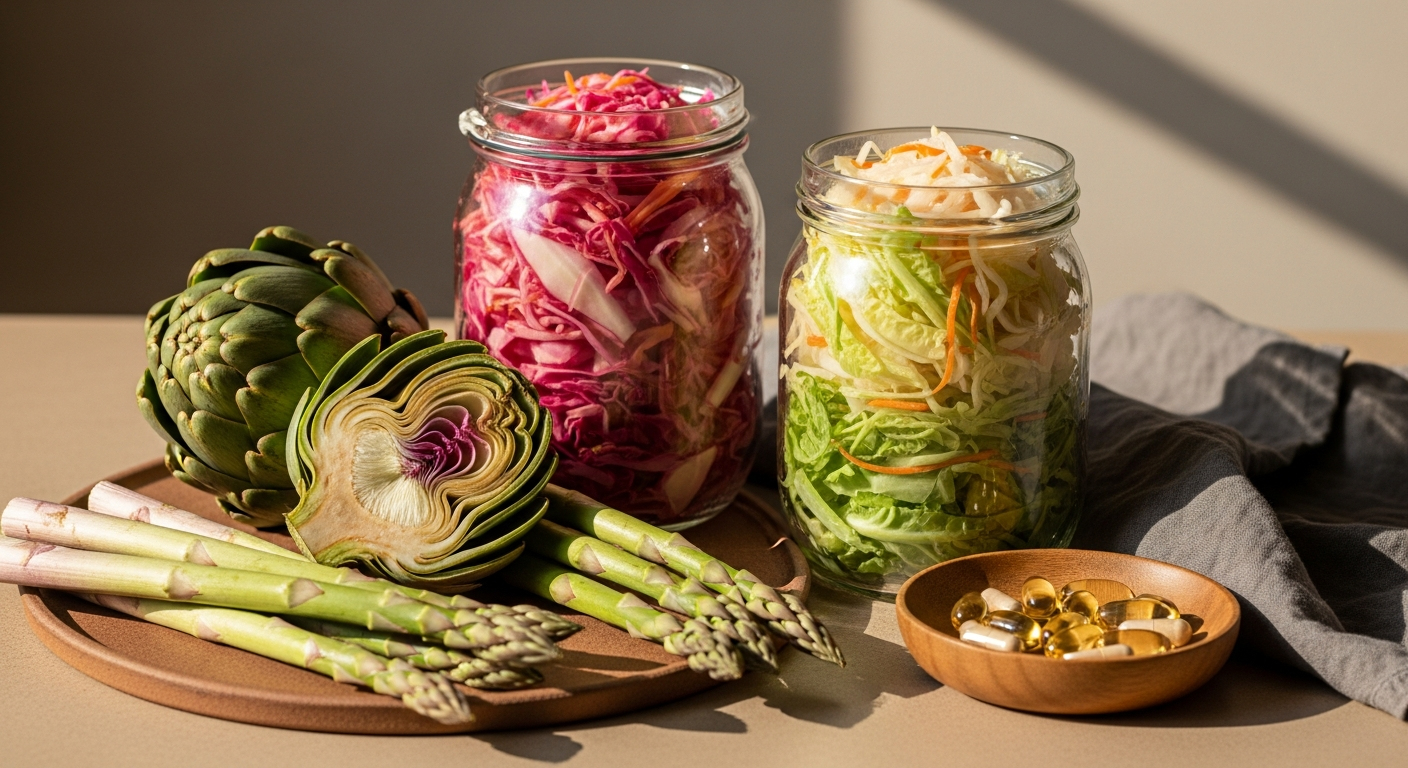
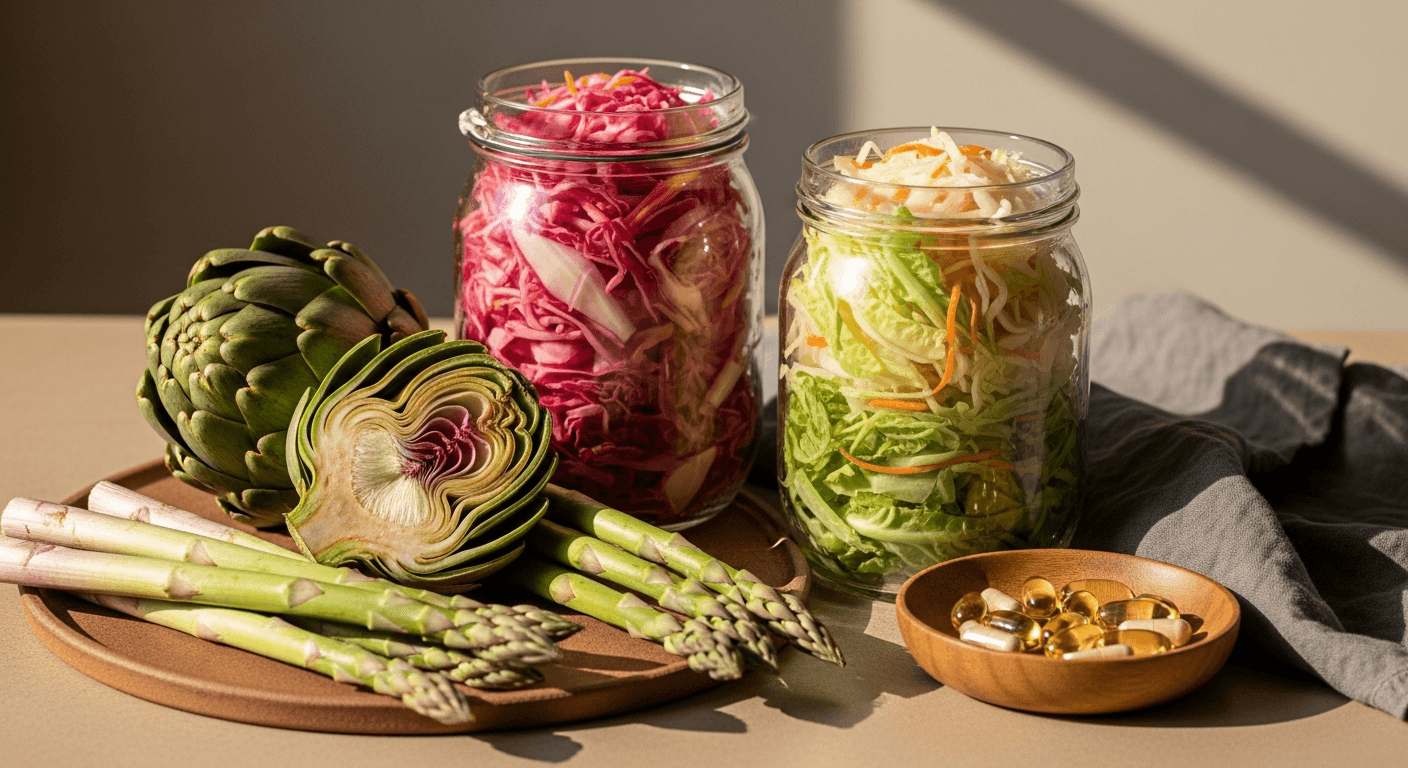
Once the gut is primed and inflammation is somewhat managed, introducing prebiotic fibers is the next critical step to sustain the growth of butyrate-producing bacteria. Prebiotics are non-digestible carbohydrates that pass through the upper gastrointestinal tract intact, arriving in the colon to serve as a targeted food source for beneficial microbes. Excellent whole-food sources of prebiotics include alliums (garlic, onions, leeks), asparagus, Jerusalem artichokes, dandelion greens, and slightly underripe bananas. Incorporating a diverse array of these plant fibers ensures that various strains of beneficial bacteria receive the specific types of fuel they need to thrive and produce anti-inflammatory short-chain fatty acids.
Resistant starch is another powerful, often overlooked category of prebiotics. Unlike regular starches that spike blood sugar, resistant starches resist digestion and function similarly to soluble fiber. You can easily increase the resistant starch content of your diet by cooking and then completely cooling carbohydrate-rich foods like potatoes, white rice, and oats before eating them. The cooling process alters the chemical structure of the starches, turning them into a highly effective fuel for butyrate-producing bacteria like Faecalibacterium prausnitzii. As with fermented foods, prebiotics and resistant starches should be introduced slowly to prevent excessive gas, bloating, and discomfort as the microbial community adjusts to the new food supply.
Elimination Protocols and Anti-Inflammatory Diets
While adding beneficial foods is important, removing dietary triggers that actively damage the gut lining is equally crucial. Many patients with ME/CFS and Long COVID find significant symptom relief by adopting specific elimination protocols to identify food sensitivities that drive systemic inflammation. Gluten and conventional dairy are two of the most common culprits. Gluten contains a protein called gliadin, which has been shown to trigger the release of zonulin in the gut, directly contributing to the loosening of tight junctions and exacerbating leaky gut, even in individuals without Celiac disease. Removing gluten and highly processed, sugar-laden foods can drastically reduce the inflammatory burden on the immune system.
The Mediterranean diet is widely considered one of the most evidence-based, anti-inflammatory dietary patterns for chronic illness management. This approach emphasizes whole, unprocessed foods, abundant vegetables, low-glycemic fruits, high-quality proteins (like wild-caught fish and pasture-raised poultry), and healthy fats (such as extra virgin olive oil, avocados, and nuts). The high polyphenol content in olive oil and colorful berries acts as a powerful antioxidant, neutralizing the free radicals generated by a dysbiotic gut. By focusing on nutrient density and eliminating synthetic additives, emulsifiers, and refined seed oils—which are known to disrupt the mucosal lining—patients can create a gastrointestinal environment highly conducive to microbial healing and systemic recovery.
Practical Considerations
Navigating IBS, SIBO, and Histamine Intolerance
Implementing dietary changes and supplement protocols for ME/CFS and Long COVID is rarely a straightforward process due to the high prevalence of overlapping gastrointestinal comorbidities. A significant percentage of patients also suffer from Irritable Bowel Syndrome (IBS) or Small Intestinal Bacterial Overgrowth (SIBO). In SIBO, bacteria that normally reside in the large intestine inappropriately migrate and colonize the small intestine. If a patient with SIBO consumes high amounts of prebiotic fibers or fermented foods, these bacteria will rapidly ferment the carbohydrates in the wrong part of the digestive tract, leading to severe bloating, pain, and a worsening of systemic fatigue. In these cases, a temporary Low-FODMAP diet or specific antimicrobial therapies may be required before microbiome restoration can begin.
Similarly, Mast Cell Activation Syndrome (MCAS) and histamine intolerance require careful navigation. The gut lining is rich in mast cells, which can become hyper-reactive in a dysbiotic environment, releasing histamine and other inflammatory mediators in response to certain foods or microbial shifts. If you experience flushing, hives, rapid heart rate, or sudden brain fog after eating fermented foods, leftovers, or high-histamine foods like avocados and tomatoes, you may need to adopt a strict low-histamine diet while focusing on gut-barrier repair (using compounds like L-glutamine or quercetin) before attempting to introduce complex prebiotics or probiotics. Personalization is the key to safely managing these overlapping sensitivities.
Pacing Your Dietary Changes
Just as physical pacing is essential for managing post-exertional malaise (PEM) in ME/CFS, "dietary pacing" is crucial when altering your microbiome. The gut ecosystem is highly sensitive, and rapid changes in diet or the sudden introduction of high-dose supplements can trigger a "die-off" reaction (Herxheimer reaction). This occurs when pathogenic bacteria or yeast are rapidly killed off, releasing a flood of endotoxins into the bloodstream that the liver and immune system must process. This toxic burden can cause a severe, temporary exacerbation of fatigue, muscle aches, and cognitive dysfunction, mimicking a severe viral crash.
To avoid these setbacks, the golden rule of microbiome modulation in complex chronic illness is "start low and go slow." If a supplement protocol calls for a full scoop of a gut-healing powder, start with a quarter scoop for several days and monitor your symptoms. If you are introducing a new prebiotic fiber, begin with a pinch rather than a full serving. Keep a detailed symptom and food diary to track how your body responds to specific interventions over a 48-to-72-hour window, as immune reactions to food and microbial shifts are often delayed. Patience is vital; rebuilding a depleted microbiome is a marathon, not a sprint, and gentle, consistent interventions are far more effective than aggressive protocols that trigger crashes.
Working with Your Healthcare Provider
Given the immense complexity of the gut-brain axis and the highly individualized nature of ME/CFS and Long COVID, attempting to overhaul your microbiome without professional guidance can be overwhelming and potentially counterproductive. It is imperative to work closely with a knowledgeable healthcare provider, ideally one experienced in functional medicine, gastroenterology, or complex chronic conditions. A qualified provider can order advanced functional stool testing, organic acids tests, or SIBO breath tests to precisely identify your specific microbial imbalances, malabsorption issues, and metabolic deficits, allowing for a highly targeted, data-driven treatment plan.
Furthermore, many supplements and dietary protocols can interact with prescription medications or exacerbate underlying conditions. For example, certain strains of probiotics can increase histamine levels, while high doses of omega-3 fatty acids can interact with blood-thinning medications. Always consult your healthcare provider before starting or stopping any treatment, supplement, or restrictive diet. A collaborative approach ensures that your nutritional strategies are safely integrated into your broader medical management plan, maximizing the potential for symptom relief while minimizing the risk of adverse reactions or nutritional deficiencies.
The Path Forward
Rebuilding the Gut-Brain Connection
The emerging science surrounding the gut microbiome offers a profound message of validation and hope for individuals living with ME/CFS and Long COVID. The debilitating fatigue, brain fog, and systemic pain you experience are not in your head; they are deeply rooted in the complex, physiological interactions between your microbial ecosystem, your immune system, and your cellular energy pathways. Understanding that dysbiosis and a leaky gut are central drivers of neuroinflammation and post-exertional malaise empowers you to view your digestive health as a primary target for systemic healing. While there is no single miracle cure for these complex conditions, strategically supporting your microbiome is a powerful, evidence-based tool for improving your quality of life.
By focusing on restoring beneficial, butyrate-producing bacteria, repairing the intestinal barrier, and calming the systemic immune response through targeted nutrition and supplementation, you can begin to rewrite the signals traveling along the gut-brain axis. Whether it involves carefully introducing fermented foods, utilizing specific prebiotic fibers, or leveraging highly bioavailable supplements to bypass compromised digestive pathways, every small, well-paced step toward gut health is a step toward better cellular energy and cognitive clarity. The journey requires patience, personalization, and a willingness to listen closely to your body's unique responses.
Next Steps in Your Management Plan
As you navigate this complex terrain, remember that you do not have to do it alone. Integrating these dietary and supplemental strategies into a comprehensive pacing and medical management plan is the most effective way to manage ME/CFS and Long COVID. We encourage you to discuss these microbiome research findings and potential interventions with your healthcare provider to determine the safest and most effective approach for your specific presentation of symptoms.
To discover more evidence-based tools and specialized formulations designed to support gut integrity, combat systemic inflammation, and enhance cellular energy, explore RTHM's comprehensive supplement options. By combining cutting-edge clinical insights with targeted, high-quality nutritional support, you can take an active role in supporting your body's foundational systems and moving toward a more stable, energized future.
Sources
Guo, C., et al. (2023). Deficient butyrate-producing capacity in the gut microbiome is associated with bacterial network disturbances and fatigue symptoms in ME/CFS. Cell Host & Microbe. https://pubmed.ncbi.nlm.nih.gov/36758522/
Xiong, R., et al. (2023). Multi-'omics of gut microbiome-host interactions in short- and long-term Myalgic Encephalomyelitis/Chronic Fatigue Syndrome. Cell Host & Microbe. https://pubmed.ncbi.nlm.nih.gov/36758521/
The Jackson Laboratory. (2023). Microbiome changes may be a signature for ME/CFS. https://www.jax.org/news-and-insights/2023/february/microbiome-changes-may-be-a-signature-for-me-cfs
Wastyk, H. C., et al. (2021). Gut-microbiota-targeted diets modulate human immune status. Cell. https://www.healthrising.org/blog/2021/09/23/fermenting-health-stanford-fermented-foods-high-fiber-gut-study-fibromyalgia-chronic-fatigue-syndrome/
Frontiers in Immunology. (2023). Increased gut permeability and bacterial translocation associated with ME/CFS. https://www.frontiersin.org/articles/10.3389/fimmu.2023.1253121/full
The Jackson Laboratory. (2025). Gut microbiome predicts chronic fatigue syndrome. https://www.jax.org/news-and-insights/2025/july/gut-microbiome-predicts-chronic-fatigue-syndrome
MDPI. (2023). Insights into the Biological Network Underlying ME/CFS: The Gut-Brain Axis. https://www.mdpi.com/1422-0067/24/18/13810
ME Research UK. (2024). The Gut Microbiome and ME/CFS – What is the link? https://www.meresearch.org.uk/the-gut-microbiome-and-me-cfs-what-is-the-link/