Gut Health and Long COVID: How the Microbiome Connects to Persistent Symptoms
March 10, 2026
long-covidgut-healthmicrobiome
Share:
Disclaimer: The information provided here is for educational purposes only and is not intended as medical advice. It should not be used to diagnose, treat, cure, or prevent any medical condition. Instead, use it as a starting point for discussion with your healthcare provider. Always consult with a qualified healthcare provider before starting any new medication, supplement, device, or making changes to your health regimen.
Months or even years after recovering from an initial SARS-CoV-2 infection, many people still fight debilitating, unpredictable symptoms with what we call Long COVID. While respiratory issues and profound fatigue are common hallmarks, a growing body of scientific evidence points to an unexpected origin for many of these systemic symptoms: the gastrointestinal tract. The gut is no longer viewed merely as a digestive organ; it is now recognized as a primary battleground where viral persistence, immune dysregulation, and metabolic exhaustion converge to keep the body in a state of chronic illness.
In the wake of the COVID-19 pandemic, researchers have discovered that the virus fundamentally alters the gut microbiome, stripping away beneficial bacteria and damaging the delicate intestinal lining. This disruption, known as dysbiosis, sets off a cascade of inflammation that travels far beyond the stomach, directly impacting the brain, the immune system, and cellular energy production. For patients dealing with severe brain fog, post-exertional malaise (PEM), and unpredictable gastrointestinal distress, understanding the profound connection between gut health and Long COVID is often the first step toward finding validating answers and actionable management strategies.
TL;DR
Long COVID symptoms are strongly linked to gut microbiome disruption and intestinal hyperpermeability (leaky gut).
Viral persistence and inflammation deplete beneficial bacteria, reducing essential short-chain fatty acids like butyrate.
Targeted synbiotics and nutrients like L-glutamine may help support the gut barrier and reduce systemic inflammation.
Work with a healthcare provider to personalize gut restoration, especially if you have MCAS or dysautonomia.
The Nutritional Challenge of Long COVID
To understand why the gut is so deeply impacted by Long COVID, we must look at how the virus enters our cells in the first place. The Angiotensin-Converting Enzyme 2 (ACE2) receptor is abundantly expressed on the surface of intestinal epithelial cells, known as enterocytes. While ACE2 serves as the primary entry point for the SARS-CoV-2 virus, it also plays a vital, everyday role in maintaining the health and integrity of the gastrointestinal tract. When the virus binds to these receptors to infect the gut, it causes the ACE2 receptors to be drastically down-regulated and degraded via lysosomal pathways, fundamentally impairing their normal biological functions.
In a healthy gut, the ACE2 receptor acts as a crucial chaperone for amino acid transporters, specifically the one responsible for absorbing tryptophan. The sudden loss of ACE2 surface expression leads to severe tryptophan malabsorption, which has devastating downstream effects on the entire body. Tryptophan is an essential building block required for the production of antimicrobial peptides in the gut and the synthesis of peripheral serotonin. According to research published in the Archives of Microbiology and Immunology, this deficiency directly alters the microbial flora, while the resulting drop in systemic serotonin contributes heavily to the neuropsychiatric symptoms of Long COVID, including depression, anxiety, and severe cognitive dysfunction.
The local inflammatory response triggered by the virus, combined with the loss of ACE2-mediated antimicrobial peptides, causes a profound and lasting shift in the gut microbiome. This condition, known as gut dysbiosis, is characterized by a sharp decline in beneficial, health-promoting bacteria and an overgrowth of opportunistic pathogens. Specifically, SARS-CoV-2 infection results in the depletion of bacteria responsible for producing short-chain fatty acids (SCFAs) like butyrate, which are highly anti-inflammatory and essential for nourishing the gut lining. As these beneficial populations crash, the void is rapidly filled by pathogenic bacteria that perpetuate chronic, localized inflammation and further degrade the intestinal environment.
Adding to this complex challenge is the phenomenon of viral persistence within the gastrointestinal tissues. The gut can act as a long-term reservoir for the virus, with studies from the Global Virus Network showing that SARS-CoV-2 RNA and viral spike proteins can persist in the intestinal tissue and feces for many months after the virus has been cleared from the respiratory tract. This hidden viral reservoir provides a constant, low-level trigger for immune activation, forcing the body's defense systems to remain on high alert. This unyielding immune response drains cellular energy reserves and prevents the microbiome from naturally rebalancing itself, locking patients into a cycle of chronic symptoms.
A healthy intestinal barrier relies on specialized proteins called "tight junctions" to act as a gatekeeper, preventing harmful bacteria and toxins from entering the bloodstream. In Long COVID, this critical barrier breaks down due to direct viral cell death, spike-protein-induced inflammation, and the severe deficiency of protective SCFAs. This disruption widens the microscopic spaces between enterocytes, creating a condition medically known as intestinal hyperpermeability, or "leaky gut." When the gut becomes hyper-permeable, it loses its ability to selectively filter what passes from the digestive tract into the systemic circulation.
Because of this hyper-permeability, pathogen-associated molecular patterns (PAMPs)—such as bacterial lipopolysaccharides (LPS) and fungal toxins—escape the gut lumen and flood into the bloodstream. Once in systemic circulation, these microbial toxins trigger widespread, chronic immune activation via aggressive inflammatory pathways like the NF-κB and NLRP3 inflammasomes. Research in the International Journal of Molecular Sciences highlights that this constant state of low-grade systemic inflammation is a primary driver of Long COVID symptoms. The circulating toxins cross the blood-brain barrier to cause neuroinflammation, travel to the lungs to sustain respiratory distress, and flood the musculoskeletal system, resulting in chronic, widespread joint and tissue pain.
Key Nutrients: What They Are and Why They Matter
To combat the systemic inflammation driven by Long COVID, the body desperately needs specific nutrients and metabolic byproducts to repair the damage. Chief among these are Short-Chain Fatty Acids (SCFAs), particularly butyrate, acetate, and propionate. SCFAs are not typically consumed directly in large amounts through food; rather, they are produced when beneficial gut bacteria ferment dietary fibers in the colon. These fatty acids serve as the primary energy source for colonocytes (the cells lining the colon) and are absolutely essential for maintaining the structural integrity of the intestinal barrier.
Beyond acting as cellular fuel, SCFAs are powerful signaling molecules that actively orchestrate the body's immune response. They bind to specific receptors on immune cells to increase the production of Regulatory T cells (Tregs), which are responsible for calming overactive immune responses and preventing autoimmunity. By nourishing the gut lining and promoting tight junction protein expression, SCFAs physically seal the leaks in the intestinal wall, halting the flow of bacterial endotoxins into the bloodstream. When Long COVID depletes the bacteria that make SCFAs, the gut barrier starves, making the restoration of these compounds a top priority for recovery.
While colonocytes rely on butyrate, the enterocytes that line the small intestine have a different preferred fuel source: the amino acid L-glutamine. Enterocytes are rapidly dividing cells that require an immense amount of energy to maintain the mucosal barrier and absorb nutrients. Unlike most cells in the body that rely on glucose for energy, enterocytes preferentially consume L-glutamine. During severe physical stress, viral infections, or chronic inflammation, the body enters a catabolic state, consuming L-glutamine at a rate that vastly exceeds its natural ability to synthesize it.
This metabolic crisis leads to a profound "glutamine depletion," literally starving the intestinal lining and preventing the microscopic gaps in the gut wall from healing. Clinical literature on bovine colostrum demonstrates that it can support gut barrier integrity, while replenishing amino acids like L-glutamine provides a direct, rate-limiting precursor required to synthesize glutathione, the body’s master antioxidant. By boosting glutathione levels, L-glutamine helps neutralize the localized oxidative stress that damages the gut lining, making it a cornerstone nutrient for addressing leaky gut in complex chronic illnesses.
To rebuild a devastated microbiome, the body requires both the seeds to plant a new garden and the fertilizer to help it grow. Probiotics are live, beneficial microorganisms that, when administered in adequate amounts, confer a health benefit to the host. In the context of Long COVID, specific strains of probiotics—particularly from the Bifidobacterium and Lactobacillus families—act as the architects of gut restoration. They competitively exclude pathogenic bacteria, lower the pH of the colon to create an inhospitable environment for opportunistic overgrowth, and actively secrete anti-inflammatory compounds that soothe the irritated mucosal lining.
However, introducing probiotics without providing them the proper fuel is often ineffective. This is where prebiotics come into play. Prebiotics are specialized, non-digestible plant fibers and compounds that selectively stimulate the growth and activity of beneficial bacteria. Common prebiotics include fructooligosaccharides (FOS), galactooligosaccharides (GOS), and resistant starches. When prebiotics and probiotics are combined into a single therapy, known as a synbiotic, they work synergistically to ensure the newly introduced bacteria can successfully colonize the gut, survive the harsh digestive environment, and begin producing the vital SCFAs needed to reverse Long COVID dysbiosis.
What the Research Shows
The theoretical connection between gut health and Long COVID has recently been validated by robust, large-scale clinical trials. The most significant of these is the SIM01 trial, conducted by the Chinese University of Hong Kong and published in The Lancet Infectious Diseases. This randomized, double-blind, placebo-controlled trial involved 463 patients suffering from Long COVID. The intervention group received SIM01, a highly specific synbiotic preparation containing three Bifidobacterium strains (B. adolescentis, B. bifidum, B. longum) combined with prebiotic compounds like galacto-oligosaccharides and resistant dextrin, administered daily for six months.
The results of the SIM01 trial were highly encouraging for patients struggling with persistent, debilitating symptoms. At the six-month mark, the synbiotic group showed a remarkable 62% improvement in difficulty concentrating (brain fog), a 56% improvement in memory loss, and a 47% improvement in profound fatigue compared to the placebo group. Fecal analysis confirmed that the intervention successfully increased overall bacterial diversity, replenished depleted Bifidobacteria populations, and fostered the coexistence of other beneficial SCFA-producing bacteria. This trial provided concrete clinical evidence that targeted microbiome restoration can directly alleviate the neurological and physical exhaustion associated with Long COVID.
Beyond the SIM01 trial, other research teams have focused specifically on the intersection of gut dysbiosis and post-viral chronic fatigue. A recent trial published in the European Journal of Nutrition investigated the effects of a targeted synbiotic blend on adults suffering from post-COVID Chronic Fatigue Syndrome (CFS). The three-month randomized controlled trial utilized a formulation containing four specific probiotic strains alongside prebiotic fructooligosaccharides (FOS) and zinc. The researchers aimed to determine if modulating the gut-brain axis could rescue the broken energy metabolism seen in these patients.
The findings revealed that the synbiotic group experienced significant improvements in post-exercise recovery, a critical metric for patients dealing with post-exertional malaise (PEM). Furthermore, metabolic profiling showed an increase in brain-health-boosting metabolites circulating in the blood, correlating with a strong trend toward reduced concentration difficulties. These clinical outcomes suggest that by repairing the gut barrier and restoring SCFA production, targeted synbiotics can reduce the systemic inflammatory load that drains cellular energy, offering a viable management strategy for profound post-infectious fatigue.
While synbiotics address the bacterial balance, other clinical trials have focused on physically repairing the structural damage of leaky gut using high-dose amino acids. A comprehensive 2024 systematic review and meta-analysis published in the journal Amino Acids evaluated 12 randomized clinical trials comprising 352 participants to determine the exact efficacy of L-glutamine on gut permeability. The researchers sought to establish clear clinical thresholds for when and how this nutrient actually seals the intestinal barrier in states of severe metabolic stress and chronic illness.
The meta-analysis revealed a highly significant clinical finding: L-glutamine supplementation successfully reduced intestinal permeability, but primarily when administered at high doses (exceeding 30 grams per day) for short, acute durations of less than two weeks. Lower doses were found to be less effective at rapidly reversing severe hyper-permeability, suggesting that acute leaky gut requires transient, high-dose interventions to force tight junction repair. This data is now informing new Long COVID clinical trials, such as the ViTAL-SCAN19 trial, which is utilizing massive 14-gram daily doses of L-glutamine paired with other metabolic modulators to rescue broken energy metabolism and drastically reduce inflammatory markers in post-acute COVID-19 cohorts.
Supplements: What Evidence Supports
When considering supplements for microbiome restoration, the clinical evidence makes one thing abundantly clear: generic, off-the-shelf probiotics are rarely sufficient for complex conditions like Long COVID. Success relies heavily on strain specificity and the inclusion of appropriate prebiotic fibers. Based on the landmark trials, formulations that heavily feature Bifidobacterium strains (such as B. adolescentis and B. longum) have shown the most promise in alleviating neuroinflammation and fatigue. These specific strains are uniquely adept at modulating the gut-brain axis and reducing the systemic inflammatory cytokines that drive persistent symptoms.
To ensure these beneficial bacteria survive and thrive, they must be paired with high-quality prebiotics. Look for synbiotic blends that include well-tolerated fibers like partially hydrolyzed guar gum (PHGG), galactooligosaccharides (GOS), or specific resistant starches. It is important to note that introducing prebiotics can initially cause bloating or gastrointestinal discomfort as the microbiome rapidly shifts. Patients are generally advised to start with very low doses and slowly titrate up over several weeks, allowing the gut environment to adapt to the new bacterial activity without triggering severe symptom flares.
For patients specifically targeting leaky gut and the resulting systemic immune activation, L-glutamine is a foundational intervention. As the primary fuel source for the rapidly dividing cells of the intestinal lining, L-glutamine provides the exact raw materials needed to physically rebuild degraded tight junctions. Clinical evidence suggests that while low doses (1-5 grams) may support general maintenance, reversing severe intestinal hyper-permeability often requires targeted, higher-dose protocols under medical supervision. By sealing these microscopic leaks, L-glutamine helps stop the constant influx of bacterial endotoxins that trigger mast cell activation and profound fatigue.
Because L-glutamine plays such a pivotal role in immune regulation and gut integrity, it is frequently utilized in protocols for complex chronic illnesses. If you are struggling with severe gastrointestinal distress, post-exertional malaise, or cognitive dysfunction, exploring how this amino acid supports cellular energy is a crucial step. You can learn more about the specific mechanisms, dosing strategies, and clinical applications in our comprehensive L-Glutamine supplement guide, which details how this powerful nutrient helps heal the gut and reduce fatigue in both Long COVID and ME/CFS.
Repairing the gut microbiome is only one half of the equation; the other half involves actively quenching the systemic inflammation that leaky gut has already triggered. Omega-3 fatty acids, specifically EPA and DHA, are powerful tools for this purpose. According to research in the European Journal of Nutrition, Omega-3s not only reduce inflammatory cytokines but also actively increase the abundance of beneficial Bifidobacterium and strengthen tight junction proteins. For targeted support, exploring a high-quality fish oil like O.N.E. Omega can provide the concentrated EPA and DHA needed to support heart rate variability, clear brain fog, and resolve gut-driven inflammation.
Similarly, curcumin—the highly active polyphenol found in turmeric—has been extensively studied for its ability to modulate the gut microbiome and inhibit the aggressive NF-κB inflammatory pathway. Curcumin acts as a potent antioxidant within the gastrointestinal tract, soothing the mucosal lining and reducing the localized oxidative stress that damages enterocytes. Because standard curcumin is poorly absorbed, specialized formulations are required to achieve clinical benefits. Patients dealing with severe neuroinflammation may benefit from targeted options; you can learn more about how these formulations cross the blood-brain barrier in our Curcumin supplement guide or explore specific cognitive support in our guide on cognitive dysfunction and brain fog.
Food Sources and Dietary Strategies
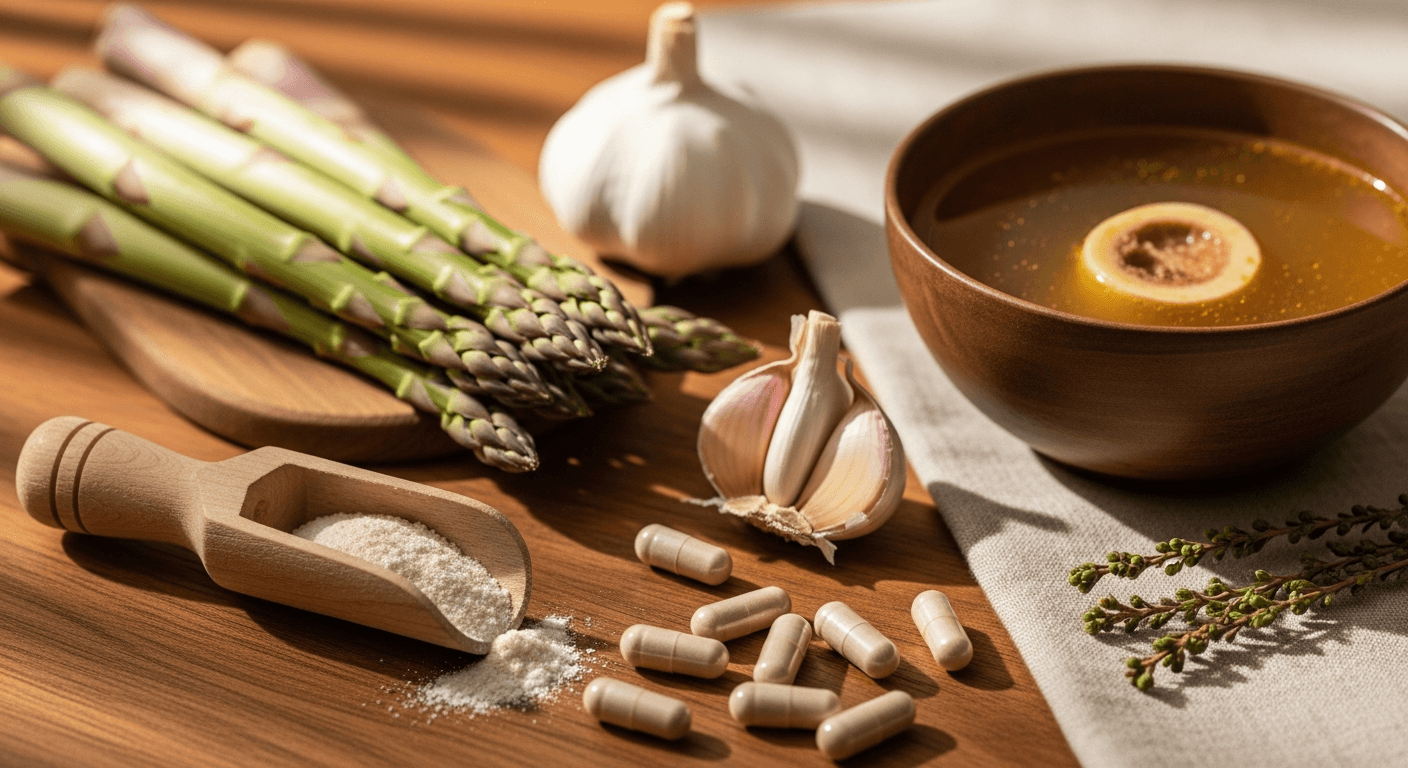
While targeted supplements are powerful tools for acute repair, long-term microbiome restoration requires a foundational shift in daily dietary habits. The most effective way to cultivate a diverse, resilient gut microbiome is through the consistent intake of prebiotic fibers and polyphenols. Prebiotic fibers, found abundantly in foods like asparagus, Jerusalem artichokes, garlic, onions, and slightly underripe bananas, pass undigested through the small intestine. Once they reach the colon, they serve as the primary food source for beneficial bacteria, stimulating the massive production of healing short-chain fatty acids (SCFAs) like butyrate.
Polyphenols, the vibrant compounds that give fruits and vegetables their rich colors, act as a secondary, highly potent form of prebiotic fuel. Foods high in polyphenols—such as wild blueberries, pomegranate seeds, dark cocoa, and green tea—have been shown to actively suppress the growth of pathogenic, LPS-producing bacteria while simultaneously encouraging the proliferation of protective Akkermansia species. By incorporating a wide, colorful variety of plant-based foods into your daily meals, you provide the complex matrix of nutrients required to maintain a robust intestinal barrier and keep systemic inflammation at bay.
In traditional functional nutrition, fermented foods like kimchi, sauerkraut, kefir, and kombucha are widely celebrated as the ultimate dietary intervention for gut health. These foods are naturally rich in diverse, live probiotic cultures and organic acids that support digestion. For a healthy individual, incorporating generous amounts of fermented foods is an excellent strategy for maintaining microbial diversity and reinforcing the gut barrier against everyday stressors. However, for patients navigating the complexities of Long COVID, this traditional advice often requires careful modification.
Many individuals with Long COVID develop secondary conditions like Mast Cell Activation Syndrome (MCAS) or severe histamine intolerance. Fermented foods are inherently extremely high in histamine, and the bacteria used in the fermentation process often produce additional histamine in the gut. For a patient with a compromised mucosal barrier and hyperactive mast cells, eating a bowl of sauerkraut can trigger a massive inflammatory cascade, resulting in hives, tachycardia, severe brain fog, and gastrointestinal distress. If you suspect immune dysregulation or MCAS, it is critical to approach fermented foods with extreme caution, often opting for low-histamine, targeted probiotic supplements instead.
Beyond specific foods, the overall pattern of your diet plays a crucial role in managing the symptoms of Long COVID and supporting gut integrity. Diets high in refined sugars, heavily processed foods, and saturated fats have been clinically shown to rapidly degrade tight junction proteins and promote the overgrowth of pro-inflammatory bacteria. This dietary pattern exacerbates leaky gut, allowing more bacterial endotoxins to enter the bloodstream and further draining the body's limited cellular energy reserves. Transitioning away from these inflammatory triggers is a necessary step in halting the cycle of immune hyperactivation.
Conversely, adopting an anti-inflammatory dietary pattern—often modeled after the Mediterranean diet—provides the structural components needed for cellular repair. This approach emphasizes high-quality lean proteins, abundant omega-3 fatty acids from wild-caught fish or flaxseeds, and a diverse array of fiber-rich vegetables. For patients dealing with severe post-exertional malaise or cognitive dysfunction, stabilizing blood sugar through balanced, nutrient-dense meals prevents the metabolic spikes and crashes that can trigger symptom flares. By treating food as foundational medicine, you create an internal environment that actively supports healing rather than constant immune warfare.
Practical Considerations
When implementing a gut restoration protocol, particularly one involving high-dose amino acids or complex probiotics, it is vital to understand your unique biological sensitivities. A major consideration for Long COVID patients is the risk of glutamate excitotoxicity when using L-glutamine. In the body, L-glutamine naturally converts into glutamate, an excitatory neurotransmitter. While healthy individuals easily convert excess glutamate into calming GABA, many patients with Long COVID, dysautonomia, or MCAS have impaired conversion pathways, leading to a dangerous buildup of excitatory signals in the brain.
If this conversion pathway is blocked, high doses of L-glutamine can cause severe neurological and physical side effects, including intense anxiety, insomnia, heart palpitations, and a paradoxical worsening of brain fog. Furthermore, in highly sensitive individuals, concentrated L-glutamine can directly provoke intestinal mucosal mast cells to degranulate, releasing a flood of histamine into the system. Because of these complex biochemical interactions, patients with known mast cell issues or severe neurological symptoms must approach gut-healing supplements with extreme care, often starting with micro-doses to assess tolerance before slowly titrating up.
The efficacy of gut-targeted supplements is heavily dependent on how and when they are taken. For amino acids like L-glutamine to effectively reach and repair the enterocytes lining the intestinal wall, they must not be forced to compete with other proteins for absorption. Clinical best practices dictate that L-glutamine should be taken on an empty stomach, typically 30 to 60 minutes before a meal or at least two hours after eating. This ensures the amino acid is rapidly assimilated by the gut mucosa rather than being digested alongside dietary proteins or destroyed by excessive stomach acid.
Probiotics and prebiotics also require strategic timing to maximize their survival and colonization rates. While specific product instructions vary, many synbiotics are best taken with a small amount of food—particularly food containing healthy fats or complex fibers—to buffer stomach acid and provide an immediate food source for the live bacteria as they transit through the harsh gastric environment. Additionally, if you are currently taking antibiotics or antimicrobial herbs, it is crucial to space your probiotic doses at least two to four hours apart from these medications to prevent the beneficial strains from being eradicated before they can colonize the gut.
The interconnected nature of the gut microbiome, the immune system, and the nervous system makes treating Long COVID an incredibly complex endeavor. What works miraculously for one patient may trigger a severe flare in another due to hidden variables like opportunistic infections, underlying autoimmunity, or specific genetic mutations in metabolic pathways. Because of this high degree of biochemical individuality, attempting to self-treat severe intestinal hyper-permeability or profound dysbiosis with high-dose supplements can be risky and counterproductive.
It is absolutely essential to collaborate with a knowledgeable healthcare provider—ideally one experienced in complex chronic illnesses, functional medicine, or post-viral syndromes—before starting or stopping any treatment regimen. A qualified practitioner can order specialized comprehensive stool analyses to identify your specific microbial imbalances, test for leaky gut markers like zonulin, and monitor your inflammatory markers throughout the process. By utilizing objective clinical data, your provider can tailor a precise, safe, and effective gut restoration protocol that addresses the root cause of your symptoms without provoking further immune dysregulation.
The Path Forward
Living with Long COVID often feels like navigating a maze without a map, especially when debilitating symptoms like profound fatigue, unpredictable gastrointestinal distress, and severe cognitive dysfunction seem to arise without a clear cause. However, the rapidly expanding body of scientific research offers a validating and hopeful perspective: these symptoms are not in your head; they are deeply rooted in physiological disruptions, particularly within the gastrointestinal tract. The viral degradation of the ACE2 receptor, the resulting shift in the microbiome, and the cascade of leaky gut provide a clear, biological explanation for the systemic inflammation driving this complex condition.
Understanding the profound connection between the gut and the brain empowers you to take actionable steps toward managing your health. By focusing on microbiome restoration—through targeted synbiotics, high-dose L-glutamine for barrier repair, and anti-inflammatory dietary strategies—you can begin to address the root causes of systemic immune activation. While rebuilding a devastated gut ecosystem requires patience, consistency, and careful navigation of individual sensitivities like MCAS, the clinical evidence demonstrates that restoring this vital barrier can significantly improve your quality of life and reduce the severity of persistent post-viral symptoms.
As you move forward in your recovery journey, remember that healing is rarely a linear process, and finding the right combination of therapies requires a personalized approach. Whether you are exploring the cognitive benefits of targeted polyphenols, seeking to calm neuroinflammation with high-quality omega-3s, or looking to seal the intestinal barrier with specific amino acids, prioritizing your foundational gut health is a critical piece of the puzzle. Always ensure you are working closely with a healthcare provider to tailor these interventions to your unique biochemical needs and to safely navigate any potential sensitivities.
If you are ready to explore evidence-based options for supporting your gut health, cellular energy, and cognitive function, we invite you to Explore RTHM's virtual care options. By combining clinically backed formulations with a comprehensive, medically supervised approach, you can take meaningful steps toward calming the immune storm, restoring your microbiome, and reclaiming your vitality in the face of Long COVID.
Sources
Brogna, C., et al. (2025). Role of Gut Microbiota in Long COVID: Impact on Immune Function and Organ System Health. Archives of Microbiology and Immunology. URL: https://fortunejournals.com/articles/role-of-gut-microbiota-in-long-covid-impact-on-immune-function-and-organ-system-health.html
Global Virus Network. (2024). COVID-19 and the Gut Microbiome. URL: https://gvn.org/covid-19-and-the-gut-microbiome/
Zhang, L., et al. (2023). Microbiome and Long COVID-19: Current Evidence and Insights. International Journal of Molecular Sciences. URL: https://www.mdpi.com/1422-0067/25/1/123
Guberti, M., et al. (2021). Bovine Colostrum Applications in Sick and Healthy People: A Systematic Review. Nutrients. URL: https://www.ncbi.nlm.nih.gov/pmc/articles/PMC8308243/
Lau, K. S., et al. (2024). Efficacy of a synbiotic preparation (SIM01) for post-acute COVID-19 syndrome in Hong Kong (RECOVERY): a randomised, double-blind, placebo-controlled trial. The Lancet Infectious Diseases. URL: https://www.thelancet.com/journals/laninf/article/PIIS1473-3099(23)00685-0/fulltext
European Journal of Nutrition. (2024). Synbiotic supplementation improves post-exercise recovery and cognitive trends in post-COVID Chronic Fatigue Syndrome. URL: https://link.springer.com/article/10.1007/s00394-024-03350-w
Amino Acids. (2024). The effect of glutamine supplementation on intestinal permeability: a systematic review and meta-analysis. URL: https://link.springer.com/article/10.1007/s00726-024-03388-w
European Journal of Nutrition. (2023). Omega-3 polyunsaturated fatty acids improve intestinal barrier integrity—albeit to a lesser degree than short-chain fatty acids: an exploratory analysis of the randomized controlled LIBRE trial. URL: https://link.springer.com/article/10.1007/s00394-023-03172-2