Can Foresterol™ Support Healthy Cholesterol and Vascular Function in Long COVID and ME/CFS?
March 5, 2026
ForesterolPlant SterolsLong COVID
Share:
Disclaimer: The information provided here is for educational purposes only and is not intended as medical advice. It should not be used to diagnose, treat, cure, or prevent any medical condition. Instead, use it as a starting point for discussion with your healthcare provider. Always consult with a qualified healthcare provider before starting any new medication, supplement, device, or making changes to your health regimen.
In the wake of a viral infection, many patients expect a linear path to recovery. However, for those living with complex chronic conditions like Long COVID, myalgic encephalomyelitis/chronic fatigue syndrome (ME/CFS), and dysautonomia, the reality is far more complicated. Beyond the debilitating fatigue, post-exertional malaise (PEM), and brain fog, a hidden battle is often waging within the cardiovascular system. Routine blood work may suddenly reveal elevated cholesterol levels, leaving patients confused as to how a viral trigger or a neuroimmune condition could suddenly impact their metabolic health.
The truth is that chronic illness is deeply intertwined with vascular inflammation and metabolic disruption. When the body is locked in a state of chronic immune activation, it alters how we process lipids, leading to dyslipidemia and damage to the delicate lining of our blood vessels. This is where targeted nutritional support becomes a vital piece of the management puzzle. Foresterol™, a specialized supplement containing plant-derived phytosterols and stanols, offers a clinically backed mechanism to support healthy cholesterol metabolism and support vascular health. By understanding the intricate biochemistry of how these plant compounds interact with our digestive and cardiovascular systems, patients can take an empowered step toward managing their long-term cardiometabolic risk.
TL;DR
Foresterol™ uses plant-based free sterols to help block cholesterol absorption in the gut.
It supports healthy lipid levels, which are often disrupted in Long COVID and ME/CFS.
By managing cholesterol, it may help reduce vascular inflammation and support endothelial function.
Take with meals for optimal absorption and consult your doctor if you are on statins.
What is Foresterol™ (Plant Sterols)?
The Plant-Based Cholesterol Mimic
To understand how Foresterol™ works, we must first look at its core ingredients: phytosterols and stanols. These are naturally occurring steroid compounds found in the cell membranes of plants, including vegetables, fruits, legumes, and trees. Structurally, phytosterols are almost identical to mammalian cholesterol, which is the waxy, fat-like substance produced by our liver and found in animal-based foods. The primary difference lies in a slight variation in their side-chain structure, typically the addition of an extra methyl or ethyl group. This tiny structural divergence is the key to their profound therapeutic benefits in the human body.
Because of this structural mimicry, the human digestive system struggles to differentiate between the cholesterol found in a morning egg and the phytosterols derived from a plant. When consumed, phytosterols enter the digestive tract and actively compete with dietary and biliary cholesterol for absorption. However, while the human body is highly efficient at absorbing and utilizing animal cholesterol to build cell membranes and synthesize hormones, it heavily discriminates against plant sterols. We absorb roughly 50% to 60% of the cholesterol we ingest, but we absorb less than 5% of dietary phytosterols. This unique biological quirk allows phytosterols to act as a natural blockade, safely lowering systemic cholesterol levels without accumulating in the bloodstream.
The Free Sterol Advantage
Foresterol™ is specifically formulated using a concentrated mixture of four major phytosterols: beta-sitosterol, campesterol, campestanol, and sitostanol. Crucially, these compounds are sourced from the non-GMO tall oil of coniferous pine trees, providing a highly pure and sustainable plant-based extract. In the world of clinical nutrition, the source and chemical state of a supplement dictate how effectively the body can utilize it. Foresterol™ provides these compounds in their free sterol form, rather than as sterol esters, which is a critical distinction for optimal bioavailability and safety.
In many commercial fortified foods, such as cholesterol-lowering margarines, plant sterols are chemically bound to fatty acids to create sterol esters. This is done primarily to make the sterols more fat-soluble and easier to mix into processed food matrices. However, the human body cannot utilize sterol esters in this bound state. When sterol esters enter the small intestine, they must first be cleaved apart (hydrolyzed) by a specific digestive enzyme called pancreatic cholesterol esterase. Only after this enzymatic cleavage can they be converted back into free sterols and begin their work of blocking cholesterol absorption.
By providing plant sterols in their natural, unesterified free form, Foresterol™ bypasses this necessary enzymatic step entirely. The free sterols are immediately available to interact with the digestive environment and begin competing with cholesterol. Furthermore, clinical research published in the American Journal of Clinical Nutrition has demonstrated that while both forms effectively lower cholesterol, free sterols are significantly gentler on the absorption of other vital nutrients. Sterol esters have been shown to aggressively interfere with the body's ability to absorb fat-soluble antioxidants, particularly beta-carotene and Vitamin E. By utilizing the free sterol form, Foresterol™ maximizes cholesterol-blocking efficacy while minimizing the disruption of essential antioxidant absorption, a crucial benefit for patients managing chronic oxidative stress.
How Long COVID and ME/CFS Impact Vascular and Lipid Health
The Vicious Cycle of Inflammation and Dyslipidemia
For individuals living with Long COVID, ME/CFS, and mast cell activation syndrome (MCAS), the immune system remains in a prolonged state of high alert. This chronic immune activation does more than just cause debilitating fatigue; it fundamentally alters the body's metabolic pathways. When viral fragments persist or the immune system becomes dysregulated, immune cells release a constant stream of pro-inflammatory cytokines, such as Interleukin-6 (IL-6) and Tumor Necrosis Factor-alpha (TNF-α). These inflammatory signaling molecules travel to the liver, where they directly interfere with lipid metabolism.
Specifically, chronic inflammation impairs the activity of lipoprotein lipase, the enzyme responsible for clearing triglycerides and low-density lipoprotein (LDL, or "bad" cholesterol) from the bloodstream. Simultaneously, emerging research on ME/CFS suggests a dysfunction in Reverse Cholesterol Transport, a process governed by the enzyme LCAT (Lecithin-Cholesterol Acyltransferase). When LCAT is impaired, the body struggles to form high-density lipoprotein (HDL, or "good" cholesterol), which normally acts as a scavenger to remove excess cholesterol from the blood. The result is a dangerous metabolic profile: elevated LDL, elevated triglycerides, and suppressed HDL. This phenomenon, known as dyslipidemia, is increasingly recognized as a major secondary complication of post-acute infection syndromes.
Endothelial Dysfunction: The Root of Circulation Issues
The consequences of dyslipidemia in chronic illness extend far beyond numbers on a lipid panel. When excess LDL cholesterol circulates in a highly inflammatory environment, it becomes oxidized by free radicals. This oxidized LDL (ox-LDL) is highly toxic to the endothelium, the delicate, single-cell layer that lines the inside of our blood vessels. The endothelium is responsible for regulating blood pressure, supporting normal clotting mechanisms, and ensuring adequate blood flow to the brain and muscles. In conditions like Long COVID, the SARS-CoV-2 virus directly attacks these endothelial cells, and the subsequent bombardment by ox-LDL acts like microscopic sandpaper, further degrading the vascular lining.
This endothelial dysfunction is a primary driver of the most debilitating symptoms experienced by patients. When the blood vessels cannot properly dilate and constrict, it leads to the severe orthostatic intolerance and blood pooling seen in postural orthostatic tachycardia syndrome (POTS). Furthermore, a damaged endothelium becomes "sticky," promoting the formation of microclots that clog tiny capillaries, restricting oxygen delivery to tissues. This cellular hypoxia is a major contributor to the profound brain fog and muscle fatigue that characterize post-exertional malaise (PEM). By failing to address the underlying dyslipidemia, the cycle of vascular damage and symptom exacerbation continues unabated.
Foresterol™: Supporting Healthy Cholesterol and Endothelial Function
Micellar Competition in the Gut
Foresterol™ exerts its primary therapeutic effect not in the bloodstream, but within the lumen of the small intestine. Because cholesterol is highly hydrophobic (water-repelling), it cannot simply float through the watery environment of the digestive tract. To be absorbed, dietary and biliary cholesterol must be packaged into microscopic transport vehicles called "mixed micelles," which are composed of bile acids, fatty acids, and phospholipids. These micelles act as biological ferries, carrying the cholesterol across the unstirred water layer to the brush border membrane of the intestinal wall.
This is where the phytosterols in Foresterol™ intervene. Phytosterols are even more hydrophobic than human cholesterol. When you consume Foresterol™ with a meal, the plant sterols aggressively compete with cholesterol for the limited space inside these mixed micelles. Because of their superior affinity for the micellar structure, the phytosterols physically displace the cholesterol, kicking it out of the transport vehicles. The displaced cholesterol, unable to reach the intestinal lining, is simply flushed through the digestive tract and excreted in the feces. This mechanism, known as micellar solubilization competition, is the first and most crucial step in how Foresterol™ lowers systemic cholesterol levels.
The NPC1L1 Gatekeeper and ABCG5/8 Efflux Pump
If a phytosterol successfully hitches a ride on a micelle and reaches the intestinal wall, it encounters a highly specialized cellular machinery. The apical membrane of the enterocyte (the intestinal absorptive cell) contains a transmembrane transport protein called NPC1L1 (Niemann-Pick C1-Like 1). NPC1L1 acts as a gatekeeper, actively pulling sterols from the gut lumen into the cell. Because phytosterols look so similar to cholesterol, they competitively bind to the NPC1L1 receptor. By occupying these receptors, phytosterols physically block actual cholesterol from entering the cell, further reducing cholesterol absorption.
Once inside the enterocyte, the body's defense mechanisms against plant sterols activate. The human body utilizes an ATP-binding cassette transporter complex known as ABCG5 and ABCG8. This complex functions as a highly selective cellular bouncer. It recognizes that phytosterols are not human cholesterol and actively pumps them back out of the enterocyte and into the intestinal lumen. Research published in the journal Nutrients demonstrates that this rapid efflux mechanism is why less than 5% of plant sterols ever make it into systemic circulation. By constantly cycling through the NPC1L1 and ABCG5/8 pathways, Foresterol™ keeps the intestinal machinery occupied, drastically reducing the amount of cholesterol that can be packaged into chylomicrons and sent to the liver.
Neutralizing Oxidative Stress and Protecting Blood Vessels
Beyond its mechanical blockade of cholesterol in the gut, Foresterol™ offers profound secondary benefits for the cardiovascular system, particularly for patients battling chronic inflammation. A comprehensive 2026 systematic review in Lipids in Health and Disease highlighted that phytosterols possess significant "pleiotropic" (multi-faceted) effects, acting as mild free-radical scavengers. By neutralizing reactive oxygen species (ROS) in the body, phytosterols help reduce the oxidation of LDL cholesterol. Lowering the levels of toxic ox-LDL is paramount for supporting long-term cardiovascular health and supporting the delicate vascular lining.
Furthermore, clinical data indicates that therapeutic doses of phytosterols can modulate systemic immune responses. A 2024 meta-analysis published in High Blood Pressure & Cardiovascular Prevention demonstrated that plant sterol supplementation significantly reduces levels of high-sensitivity C-Reactive Protein (hs-CRP), a primary biomarker for systemic cardiovascular inflammation. By lowering both ox-LDL and hs-CRP, Foresterol™ helps soothe the inflamed endothelium. This reduction in vascular inflammation supports better nitric oxide bioavailability, allowing blood vessels to dilate more effectively. For patients with dysautonomia and Long COVID, improving endothelial function is a critical step toward restoring healthy blood flow, reducing microclot formation, and alleviating the burden of orthostatic intolerance.

Symptoms Foresterol™ May Help Manage
Targeting Metabolic and Vascular Symptoms
When considering a supplement like Foresterol™, it is helpful to understand exactly which symptoms and underlying mechanisms it is designed to address. While it is primarily known for its lipid-lowering capabilities, its secondary effects on vascular inflammation make it a valuable tool for patients managing complex chronic conditions. By addressing the root causes of endothelial stress, Foresterol™ may help manage several interconnected issues.
Elevated LDL Cholesterol: By aggressively competing for space in intestinal micelles and blocking the NPC1L1 transporter, Foresterol™ physically blocks the absorption of dietary and biliary cholesterol, leading to a clinically proven reduction in circulating LDL levels.
Endothelial Dysfunction and Poor Circulation: By reducing the amount of oxidized LDL (ox-LDL) in the bloodstream, Foresterol™ helps protect the delicate endothelial lining from oxidative damage, supporting better blood vessel dilation and healthier microcirculation.
Systemic Cardiovascular Inflammation: Phytosterols have been shown to act as mild antioxidants and immune modulators, helping to lower inflammatory biomarkers like high-sensitivity C-Reactive Protein (hs-CRP), which is often chronically elevated in post-acute infection syndromes.
Orthostatic Intolerance (POTS Symptoms): While not a direct way to manage dysautonomia, supporting endothelial health and reducing vascular inflammation can improve the blood vessels' ability to properly constrict and dilate, potentially easing the severity of blood pooling and orthostatic stress.
Brain Fog and Cognitive Fatigue: By helping protect the microvasculature from inflammatory damage and microclot-promoting ox-LDL, Foresterol™ supports healthier cerebral blood flow, ensuring that the brain receives the oxygen and nutrients necessary for cognitive function.
Supporting Broader Systemic Health
It is important to view these symptom improvements as part of a broader systemic recovery strategy. When the cardiovascular system is bogged down by high cholesterol and inflamed blood vessels, every other system in the body struggles to function optimally. For example, poor microcirculation directly impairs the delivery of oxygen to the cells, which can severely limit mitochondrial energy production. By utilizing Foresterol™ to clear the metabolic roadblocks of dyslipidemia and endothelial stress, you are laying a healthier foundation for your body's overall cellular metabolism and energy recovery.
Practical Considerations: Forms, Dosing, and Absorption
Free Sterols vs. Sterol Esters
When selecting a phytosterol supplement, the chemical form is just as important as the dosage. As previously discussed, Foresterol™ utilizes the free sterol form rather than the esterified form commonly found in functional foods. This distinction plays a major role in how the supplement interacts with your overall nutritional status. Because patients with complex chronic conditions often struggle with nutrient malabsorption and gastrointestinal dysfunction, preserving the uptake of essential vitamins is paramount.
Clinical studies comparing the two forms have shown that while both free sterols and sterol esters reduce cholesterol absorption by roughly 60%, sterol esters cause a significantly greater disruption to the absorption of fat-soluble antioxidants. Specifically, sterol esters can reduce the bioavailability of beta-carotene by up to 50% and alpha-tocopherol (Vitamin E) by 20%. Because free sterols do not require the same aggressive enzymatic breakdown in the gut, they are considered the safer option for long-term use, allowing patients to manage their cholesterol without severely compromising their antioxidant defenses. It is still generally recommended to consume a diet rich in colorful fruits and vegetables while taking any plant sterol supplement to ensure adequate carotenoid intake.
Optimal Dosing and Timing
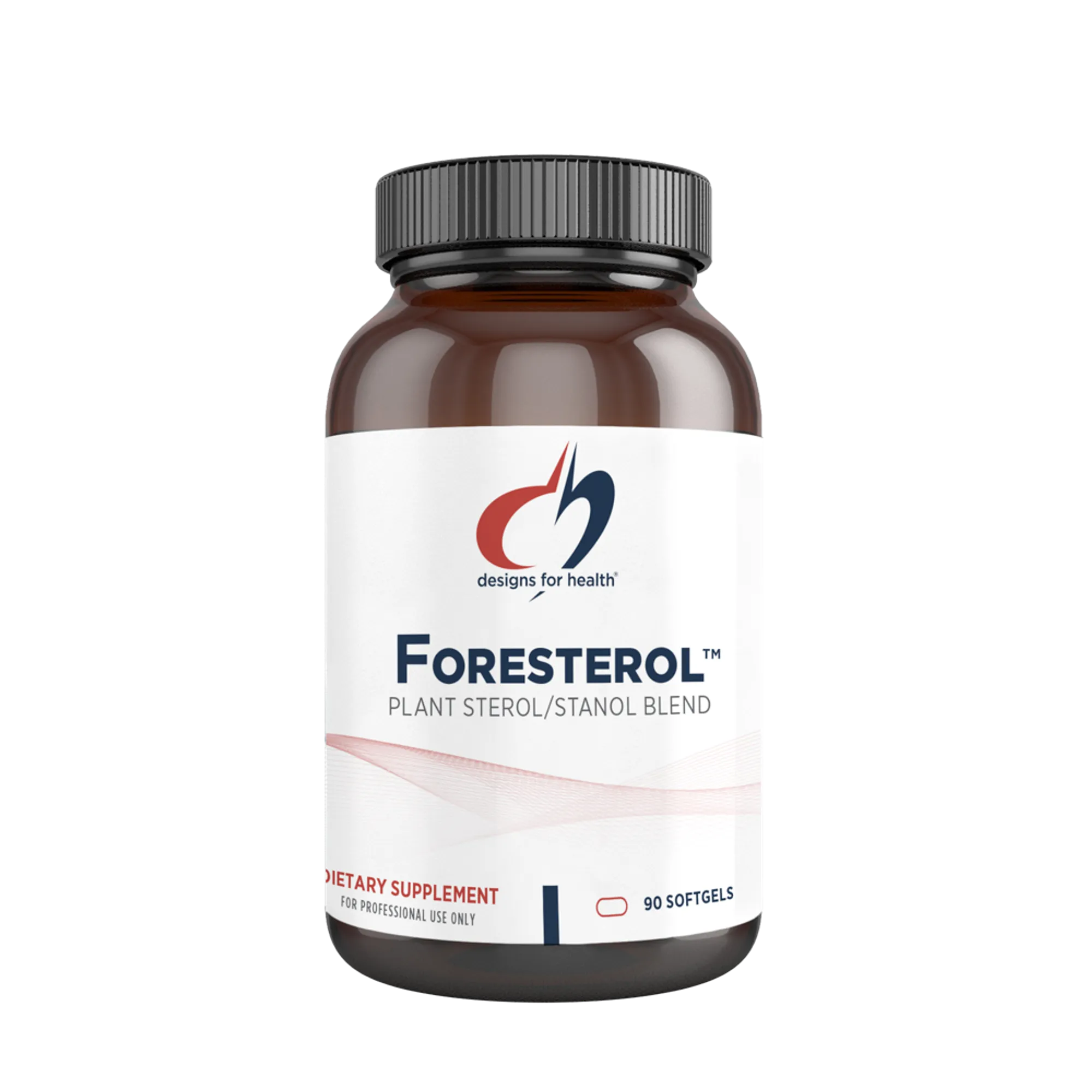
To achieve the therapeutic benefits observed in clinical trials, dosage and timing must be carefully managed. The cardiovascular guidelines generally recommend a daily intake of 1.5 to 3.0 grams of phytosterols to achieve an 8% to 11% reduction in LDL cholesterol. The standard Western diet only provides about 300 milligrams per day, making supplementation necessary for those looking to actively manage their lipid profiles. Each softgel of Foresterol™ provides 600 mg of plant sterols and stanols.
The suggested use is to take one softgel three times per day, yielding a total daily dose of 1,800 mg (1.8 grams). This places the dosage squarely within the clinically proven therapeutic window. Crucially, because Foresterol™ works by blocking cholesterol in the digestive tract, it must be taken with meals. Taking the supplement on an empty stomach will render it largely ineffective, as there will be no dietary cholesterol or bile-induced micelles in the gut for the phytosterols to compete with. For optimal results, take one softgel alongside your largest, fat-containing meals of the day.
Safety and Interactions
Plant sterols possess an excellent safety profile for the general population, largely because they are not absorbed into the systemic circulation in significant amounts. However, there are important clinical considerations. Patients who are already taking prescription statin medications should consult their healthcare provider before starting Foresterol™. While studies show that phytosterols can safely be combined with statins to achieve an additional reduction in LDL cholesterol, the combined therapy should be monitored by a physician to ensure lipid levels do not drop too low and to adjust medication dosages if necessary.
There is one strict contraindication for phytosterol supplementation: a rare genetic disorder known as sitosterolemia. Individuals with this condition have mutations in their ABCG5 or ABCG8 genes, meaning their cellular "bouncers" are broken. Instead of pumping plant sterols back into the gut, their bodies hyper-absorb them, leading to dangerous accumulations of plant sterols in the blood and premature atherosclerosis. If you have a family history of sitosterolemia or unexplained severe cardiovascular disease at a young age, you must avoid plant sterol supplements. As always, discuss any new supplement regimen with your healthcare team to ensure it aligns with your specific medical history.
Follow the Science
Clinical Efficacy in Cholesterol Reduction
The cholesterol-lowering efficacy of plant sterols is one of the most rigorously documented mechanisms in clinical nutrition. Decades of research have consistently demonstrated their ability to safely modulate lipid profiles. A massive meta-analysis comparing dozens of clinical trials confirmed that daily consumption of 1.5 to 3.0 grams of phytosterols reliably reduces circulating LDL cholesterol by 8% to 11%. This reduction is achieved entirely through the mechanical blockade of intestinal absorption, making it a highly targeted therapy that avoids the systemic side effects often associated with pharmaceutical lipid-lowering drugs.
Furthermore, research has clarified the debate between different forms of sterols. A comprehensive review published in Nutrients analyzed the pharmacokinetics of both free sterols and sterol esters. The data confirmed that when properly formulated, free sterols are just as effective at inhibiting the NPC1L1 transporter and displacing cholesterol from mixed micelles as their esterified counterparts. This validates the use of free sterols in supplements like Foresterol™, providing the full cardiovascular benefit without the need for complex enzymatic hydrolysis in the gut.
Emerging Data on Vascular Health in Chronic Illness
While the lipid-lowering effects are well-established, modern research is increasingly focused on how phytosterols impact the broader vascular environment, which is highly relevant for patients with Long COVID and ME/CFS. A landmark 2026 systematic review of 37 clinical trials published in Lipids in Health and Disease provided groundbreaking insights into the pleiotropic effects of plant sterols. The researchers found that phytosterol supplementation significantly lowered levels of oxidized LDL (ox-LDL) and improved key markers of endothelial dysfunction, specifically reducing Endothelin-1 (a potent vasoconstrictor) and E-selectin (an inflammatory adhesion molecule).
These findings are supported by a 2024 dose-response meta-analysis in High Blood Pressure & Cardiovascular Prevention, which focused on systemic inflammation. The analysis revealed that therapeutic doses of phytosterols significantly reduced high-sensitivity C-Reactive Protein (hs-CRP) by an average of -0.25 mg/L to -0.36 mg/L. For patients trapped in a cycle of viral-induced inflammation and vascular damage, these data points are incredibly validating. They suggest that by managing dyslipidemia at the gut level, phytosterols can have a profound downstream effect, cooling the inflammatory fire within the blood vessels and supporting the restoration of healthy endothelial function.
The Path Forward
Validating the Metabolic Struggle
Navigating the complexities of Long COVID, ME/CFS, and dysautonomia often feels like fighting a battle on multiple fronts. When routine lab work reveals new metabolic challenges like dyslipidemia, it can be incredibly frustrating and overwhelming. However, it is important to remember that these changes are a documented physiological response to chronic immune activation and vascular stress—they are not your fault, and they are not in your head. Just as you might focus on gut microbiome health to support your immune system, addressing your lipid profile is a proactive way to support your body's long-term resilience. By understanding the intricate connections between inflammation, endothelial health, and cholesterol metabolism, you can take targeted, science-backed steps to support your body's recovery.
A Comprehensive Approach to Vascular Health
Supplements like Foresterol™ offer a clinically validated mechanism to help manage cholesterol levels and help protect the delicate lining of your blood vessels. By utilizing the highly bioavailable free sterol form, it provides targeted cardiovascular support while respecting your body's need for essential fat-soluble antioxidants. However, no supplement is a standalone solution. Foresterol™ should be integrated into a comprehensive management strategy that includes aggressive pacing, nervous system regulation, and ongoing medical supervision. Always consult with your healthcare provider before starting a new supplement, especially if you are currently taking statins or other cardiovascular medications. With the right tools and compassionate care, you can support your vascular health and improve your quality of life.