Can FemGuard+Balance™ Support Hormone Health and Ease Menstrual Flare-Ups in Long COVID?
March 6, 2026
FemGuard+BalanceWomen's HealthLong COVID
Share:
Disclaimer: The information provided here is for educational purposes only and is not intended as medical advice. It should not be used to diagnose, treat, cure, or prevent any medical condition. Instead, use it as a starting point for discussion with your healthcare provider. Always consult with a qualified healthcare provider before starting any new medication, supplement, device, or making changes to your health regimen.
For many women living with complex chronic conditions like Long COVID, Myalgic Encephalomyelitis/Chronic Fatigue Syndrome (ME/CFS), and Mast Cell Activation Syndrome (MCAS), the menstrual cycle is not just an inconvenience—it is a predictable trigger for severe, debilitating symptom flare-ups. You might track your symptoms meticulously, only to find that in the days leading up to your period, your brain fog thickens, your fatigue deepens into profound post-exertional malaise (PEM), and your autonomic nervous system seems to go haywire. This phenomenon is incredibly common, yet it is frequently overlooked in standard medical appointments. The hormonal fluctuations of the menstrual cycle intricately interact with the immune system, the autonomic nervous system, and cellular energy production, creating a perfect storm for symptom exacerbation.
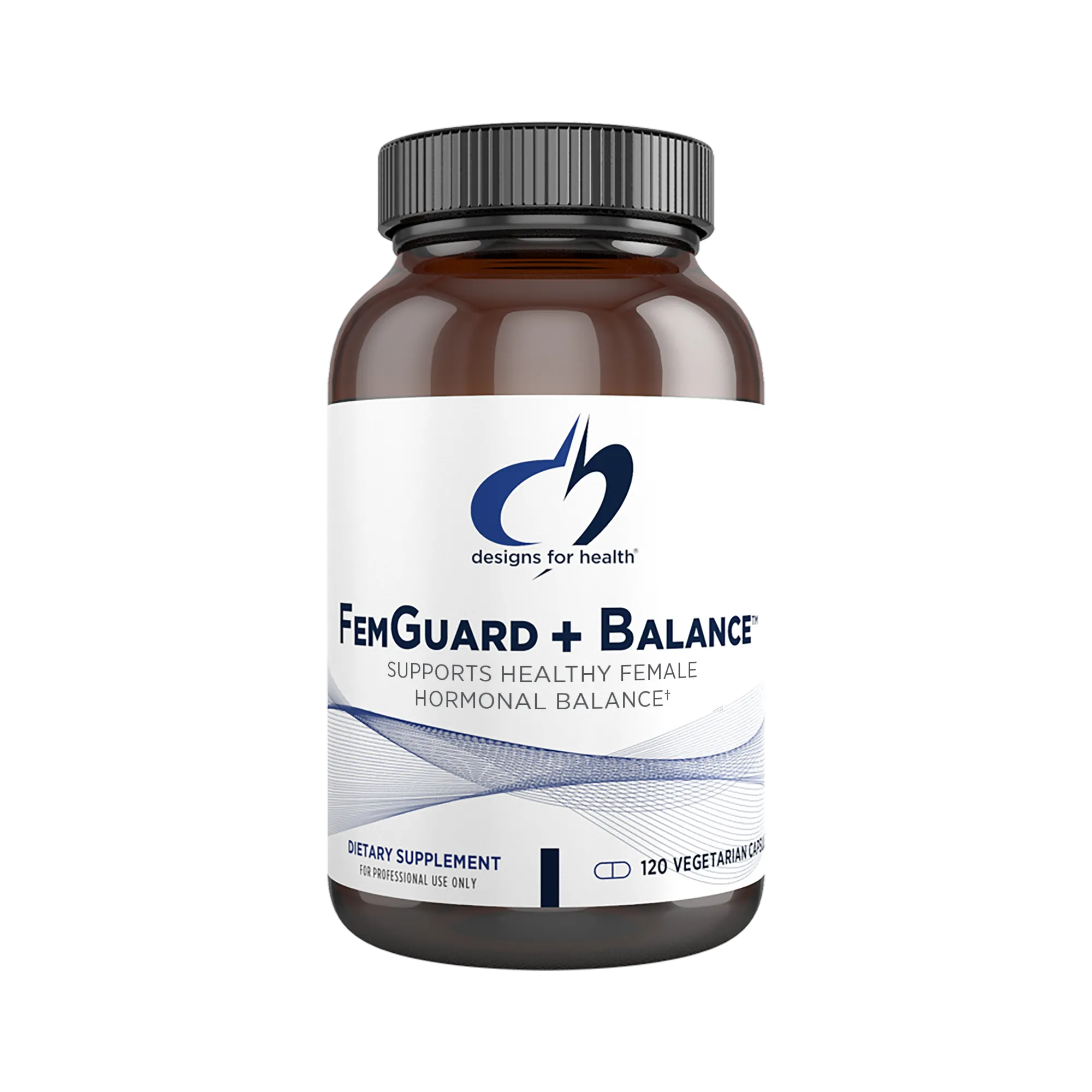
Understanding the biological mechanisms behind these cyclical crashes is the first step toward reclaiming your quality of life. When your body is already burdened by viral persistence, chronic inflammation, or mast cell hyperactivity, the natural shifts in estrogen and progesterone can overwhelm your system's delicate balance. This is where targeted nutritional support comes into play. FemGuard+Balance™ by Designs for Health is a comprehensive, science-backed formulation designed to support healthy hormone metabolism, facilitate estrogen detoxification, and provide potent antioxidant defense. By addressing the root causes of hormonal imbalance and systemic oxidative stress, this supplement offers a multifaceted approach to stabilizing the body and potentially easing the severity of menstrual flare-ups in chronic illness.
TL;DR
Hormonal fluctuations can trigger severe symptom flares in chronic conditions like Long COVID, ME/CFS, and MCAS.
FemGuard+Balance™ supports healthy estrogen metabolism and detoxification to help manage these cyclical crashes.
Ingredients like Vitex, DIM, and Calcium-D-Glucarate may help stabilize mast cells and autonomic function.
Always consult your healthcare provider before starting new supplements, especially if taking medications.
What is FemGuard+Balance™?
A Comprehensive Approach to Female Hormone Health
FemGuard+Balance™ is a specialized nutritional supplement formulated to support the complex web of female hormone metabolism. In a healthy body, hormones like estrogen and progesterone exist in a delicate, dynamic balance. Estrogen is not a single entity; it is a group of hormones (estrone, estradiol, estriol) that must be continuously synthesized, utilized, and then safely broken down and excreted by the body. When this process functions optimally, it supports reproductive health, bone density, cardiovascular function, and cognitive clarity. However, the modern environment, chronic stress, and complex illnesses can disrupt these pathways, leading to a state often referred to as "estrogen dominance"—where estrogen levels are either absolutely high or elevated relative to progesterone.
To combat this, FemGuard+Balance™ utilizes a synergistic blend of botanical extracts and targeted nutrients. The formulation includes well-researched herbs like Vitex agnus-castus (Chaste Tree) and Black Cohosh, which have been traditionally and clinically used to support ovarian function and central nervous system regulation. It also features specific phytonutrients like Diindolylmethane (DIM) and Calcium-D-Glucarate, which act as master regulators of liver detoxification and intestinal excretion. By combining these elements, the supplement does not simply add hormones to the body; rather, it provides the biochemical raw materials necessary for the body to regulate its own endocrine production and clearance.
The Core Pillars: Detoxification and Ovarian Support
At the molecular level, healthy hormone balance relies heavily on the liver and the gut. Estrogen metabolism occurs in two primary phases. Phase I detoxification happens in the liver, where cytochrome P450 enzymes convert circulating estrogen into various metabolites. Some of these metabolites are benign and protective, while others are highly reactive and can cause cellular damage if left unchecked. Phase II detoxification involves a process called glucuronidation, where the liver binds these metabolites to a molecule called glucuronic acid, packaging them safely for excretion through the bile and into the digestive tract. FemGuard+Balance™ is specifically designed to support both of these critical phases, ensuring that estrogen is converted into safe metabolites and successfully eliminated from the body without being reabsorbed.
Simultaneously, the supplement supports the upstream production of hormones via the hypothalamic-pituitary-ovarian (HPO) axis. The inclusion of Vitex targets the pituitary gland, helping to regulate the secretion of prolactin and luteinizing hormone (LH). This central regulation is crucial for encouraging the ovaries to produce adequate progesterone during the luteal phase (the second half of the menstrual cycle). Progesterone acts as the natural counterbalance to estrogen, providing a calming effect on the nervous system and stabilizing immune cells. By supporting both the clearance of excess estrogen and the production of stabilizing progesterone, FemGuard+Balance™ addresses both sides of the hormonal equation.
Antioxidant Defense and Cellular Health
Beyond direct hormone modulation, FemGuard+Balance™ incorporates a robust profile of cellular antioxidants, including Sulforaphane (from broccoli seed extract), Epigallocatechin gallate (EGCg) (from green tea), and Trans Resveratrol. In a healthy physiological state, cellular metabolism naturally produces reactive oxygen species (ROS), which are promptly neutralized by the body's endogenous antioxidant systems. However, hormonal fluctuations and environmental stressors can increase ROS production. The phytonutrients in this formula are designed to activate the body's master antioxidant pathways, protecting delicate cellular structures, including mitochondrial membranes and DNA, from oxidative damage.
Finally, the inclusion of essential micronutrients—Vitamins B6, B12, Folate, Magnesium, and Calcium—provides the necessary cofactors for countless enzymatic reactions. B-vitamins are essential for the methylation pathways that assist in hormone clearance and neurotransmitter synthesis, while magnesium plays a vital role in muscle relaxation, nerve transmission, and the stabilization of ATP (cellular energy). Together, these ingredients form a comprehensive safety net for female physiology, promoting resilience against the physiological stressors that drive chronic symptoms.
How Chronic Illness Impacts Hormone Balance and the Menstrual Cycle
The Estrogen-Histamine Vicious Cycle in MCAS
For individuals living with mast cell activation syndrome (MCAS), the intersection of hormones and immunology is a daily battleground. Mast cells are the frontline defenders of the immune system, responsible for releasing histamine and other inflammatory mediators in response to threats. However, in MCAS, these cells become hyper-reactive. Research has revealed a profound, bidirectional relationship between estrogen and mast cells, often referred to as the Estrogen-Histamine Cycle. Mast cells possess estrogen receptors, specifically Estrogen Receptor-alpha (ER-α). When physiological levels of estrogen (estradiol) bind to these receptors, it triggers a rapid influx of extracellular calcium into the mast cell, forcing it to degranulate and release pre-stored histamine into the bloodstream.
This biological loop becomes a vicious cycle. Not only does estrogen stimulate histamine release, but it also actively downregulates the production of Diamine Oxidase (DAO), the primary enzyme in the gut responsible for breaking down dietary and systemic histamine. To make matters worse, high levels of circulating histamine can stimulate the ovaries to produce even more estrogen. For women with MCAS, this explains why the days leading up to ovulation (when estrogen spikes) and the pre-menstrual luteal phase (when progesterone drops, removing its natural mast-cell stabilizing effect) are characterized by severe migraines, hives, gastrointestinal distress, and profound neuroinflammation. The body becomes trapped in a self-amplifying loop of hormonal and immunological reactivity.
Peri-Menstrual "Crashes" in Long COVID and ME/CFS
The impact of the menstrual cycle on post-viral conditions is staggering. A landmark September 2025 study published in Nature Communications tracked daily symptoms in women with Long COVID and found that core symptoms—including brain fog, shortness of breath, fatigue, and muscle pain—reached their absolute peak severity during the "peri-menstrual phase" (the days immediately before, during, and just after menstruation). Similarly, a January 2025 retrospective analysis of patients with Long COVID and ME/CFS using the Visible symptom-tracking app revealed that sudden, severe worsening of symptoms (crashes or PEM) were significantly more frequent during menstruation than in any other phase of the cycle.
The pathophysiology behind these crashes is rooted in systemic inflammation and altered immune responses. During the late luteal phase, progesterone levels rapidly decline to trigger the shedding of the uterine lining. This hormone withdrawal initiates a natural inflammatory cascade. However, in patients with Long COVID and ME/CFS—whose immune systems are already dysregulated and whose baseline inflammation is abnormally high—this natural process acts like a match dropped in dry brush. It results in heightened systemic cytokines, disrupted immune cell clustering, and a body-wide symptom flare. Furthermore, studies show that women with Long COVID are at a significantly higher risk for abnormal uterine bleeding, including heavier and longer periods, which can lead to iron deficiency anemia, further exacerbating profound fatigue and shortness of breath.
Dysautonomia, POTS, and Autonomic Misfires
Many patients with Long COVID and ME/CFS also suffer from dysautonomia, particularly Postural Orthostatic Tachycardia Syndrome (POTS). The autonomic nervous system (ANS) controls involuntary functions like heart rate, blood pressure, and temperature regulation. Hormonal fluctuations have a direct and profound impact on autonomic stability. Estrogen and progesterone heavily influence blood volume, vascular tone (vasodilation and vasoconstriction), and fluid retention. As these hormones shift dramatically during the menstrual cycle, patients often experience worsened blood pooling in their lower extremities, leading to exaggerated heart rate spikes, severe dizziness, and pre-syncope (feeling faint) right before their periods.
Additionally, hormonal disruptions can narrow the brain's "thermoneutral zone"—the tiny temperature window in which you neither sweat nor shiver. When estrogen levels fluctuate, the hypothalamus becomes hyper-sensitive to minute changes in core body temperature. A tiny increase in heat can trigger a massive, disproportionate sympathetic nervous system (fight-or-flight) response, resulting in rapid vasodilation, intense sweating, and a racing heart. This is the physiological mechanism behind hot flashes and night sweats, which are not only hallmarks of perimenopause but are also frequently reported by younger dysautonomia patients experiencing cyclical autonomic misfires.
FemGuard+Balance™: Supporting Hormone Metabolism and Symptom Relief
Vitex and the Dopamine-Prolactin Axis
Vitex agnus-castus (Chaste Tree Extract) is one of the most powerful botanical interventions for correcting luteal phase defects and severe premenstrual syndrome (PMS). Its mechanism of action is deeply rooted in neuroendocrinology. The bioactive compounds in Vitex, specifically diterpenes with a clerodadienol scaffold, act as direct agonists to dopamine D2 receptors in the anterior pituitary gland. In the human body, dopamine is the primary inhibitor of prolactin. By mimicking dopamine, Vitex strongly suppresses the pituitary gland's secretion of excess prolactin. This is critical because many women with chronic illness suffer from "latent hyperprolactinemia"—unphysiologically high spikes of prolactin in response to stress or during deep sleep, which overstimulate the mammary glands and cause severe cyclical breast pain and fluid retention.
By lowering these abnormal prolactin spikes, Vitex triggers a cascade of hormonal corrections. Elevated prolactin normally suppresses the secretion of Luteinizing Hormone (LH) and inhibits the full development of the corpus luteum in the ovaries. With prolactin suppressed by Vitex, normal LH surges can occur, promoting a healthy corpus luteum. A robust corpus luteum is essential for secreting adequate progesterone during the luteal phase. By naturally raising mid-luteal progesterone levels, Vitex helps correct the estrogen-to-progesterone ratio, providing the biological "brake pedal" needed to stabilize mast cells and calm the nervous system before menstruation.
DIM and the Shift to Protective Estrogen Pathways
Diindolylmethane (DIM) is a bioactive compound formed during the digestion of cruciferous vegetables. Its primary role in FemGuard+Balance™ is to modulate Phase I liver detoxification of estrogen. Estrogen is metabolized by Cytochrome P450 (CYP) enzymes into various hydroxylated metabolites. The two most clinically significant pathways are the 2-Hydroxyestrone (2-OHE1) pathway, which is protective and benign, and the 16-alpha-Hydroxyestrone (16α-OHE1) pathway, which is highly reactive, proliferative, and associated with estrogen dominance symptoms and cancer risk. DIM directly induces specific CYP enzymes (particularly CYP1A1 and CYP1A2) while inhibiting others, consistently shifting the metabolism of estrogen away from the dangerous 16α-OHE1 pathway and toward the protective 2-OHE1 pathway.
Furthermore, DIM acts as a mild, natural aromatase inhibitor. Aromatase is the enzyme responsible for converting circulating androgens (like testosterone) into estrogens. By gently downregulating aromatase activity, DIM may help manage the overproduction of estrogen in peripheral tissues, which is particularly beneficial for patients dealing with systemic inflammation and histamine-driven estrogen surges. This dual action—improving clearance pathways and gently reducing synthesis—makes DIM a cornerstone for managing estrogen dominance in complex chronic illness.
Calcium-D-Glucarate and Beta-Glucuronidase Inhibition
While DIM optimizes Phase I detoxification, Calcium-D-Glucarate (CDG) is the master regulator of Phase II detoxification and intestinal excretion. When the liver packages estrogen for removal, it binds it to glucuronic acid (glucuronidation). However, in patients with gut dysbiosis—a common feature of Long COVID and ME/CFS—certain pathogenic gut bacteria produce an enzyme called beta-glucuronidase. This enzyme acts like a pair of chemical scissors, cutting the bond between the estrogen and the glucuronic acid in the intestines. This deconjugates the estrogen, allowing it to be reabsorbed through the intestinal wall and recycled back into the bloodstream (enterohepatic recirculation), leading to a toxic buildup of hormones.
When ingested, Calcium-D-Glucarate is metabolized into an active compound called D-glucaro-1,4-lactone. This specific metabolite is a powerful, direct inhibitor of beta-glucuronidase. By neutralizing this problematic gut enzyme, CDG ensures that the packaged estrogen remains bound and is successfully eliminated from the body via feces. This mechanism is vital for breaking the estrogen-histamine cycle, as it physically removes the excess estrogen that would otherwise continue to stimulate mast cell degranulation.
Black Cohosh for Autonomic Stability and Hot Flashes
Black Cohosh (Actaea racemosa) is traditionally known for managing menopausal hot flashes, but its mechanism is highly relevant for dysautonomia patients. Current research indicates that Black Cohosh is largely non-estrogenic; instead, it acts directly on the central nervous system to soothe autonomic hyperactivity. It interacts with serotonergic and dopaminergic receptors in the thermoregulatory center of the hypothalamus. By modulating these neurotransmitters, Black Cohosh helps to widen the narrowed "thermoneutral zone" and reduces the overactivity of the sympathetic nervous system. This dampens the exaggerated "fight-or-flight" heat-dissipation response, effectively reducing the frequency and severity of hot flashes, night sweats, and sudden autonomic flushing.
Nrf2 Activation via Sulforaphane, EGCg, and Resveratrol
The persistent symptoms of Long COVID and ME/CFS are heavily driven by unchecked oxidative stress and mitochondrial dysfunction. FemGuard+Balance™ addresses this with a triad of potent phytochemicals: Sulforaphane (from broccoli seed), EGCg (from green tea), and Trans Resveratrol. These compounds are powerful activators of the Nrf2 (Nuclear Factor Erythroid 2-related Factor 2) pathway, the body's master regulator of antioxidant defense. Sulforaphane works by inhibiting Keap1, a sensor protein that normally degrades Nrf2. By freeing Nrf2, these antioxidants allow it to enter the cell nucleus and upregulate cytoprotective genes and detoxifying enzymes (like HO-1).
Simultaneously, Resveratrol acts as a potent activator of SIRT1 (Sirtuin 1), an enzyme crucial for mitochondrial biogenesis and tissue repair. By activating SIRT1, resveratrol helps suppress leftover cytokine storms and promotes the healing of damaged endothelial (blood vessel) tissues. EGCg complements this by scavenging free radicals and inhibiting the release of Neutrophil Extracellular Traps (NETs), which are implicated in the micro-clotting pathology of Long COVID. Together, these antioxidants work synergistically to clear reactive oxygen species, calm neuroinflammation, and restore the cellular energy production pathways that are severely compromised in chronic fatigue conditions.
Symptoms FemGuard+Balance™ May Help Manage
Targeting the Intersection of Hormones and Chronic Illness
By addressing estrogen metabolism, central nervous system regulation, and oxidative stress, FemGuard+Balance™ targets a wide array of symptoms that frequently overlap between hormonal imbalances and complex chronic conditions. Here are the specific symptoms this formulation may help manage:
Peri-Menstrual "Crashes" and PEM: By supporting the clearance of excess estrogen and promoting stabilizing progesterone via Vitex, the formula helps mitigate the severe systemic inflammation and immune hyper-reactivity that trigger post-exertional malaise in the days leading up to menstruation.
Histamine Flares and MCAS Symptoms: Calcium-D-Glucarate and DIM work together to excrete excess estrogen, breaking the estrogen-histamine cycle. Lowering circulating estrogen reduces the constant stimulation of mast cell ER-alpha receptors, leading to fewer cyclical hives, migraines, and gastrointestinal flares.
Cyclical Breast Pain and Fluid Retention: Vitex acts as a dopamine D2 receptor agonist to suppress the abnormal prolactin spikes responsible for severe premenstrual mastodynia (breast tenderness) and the uncomfortable bloating associated with "PMS Type H" (Hyperhydration).
Vasomotor Symptoms (Hot Flashes and Night Sweats): Black Cohosh interacts with serotonergic receptors in the hypothalamus to calm sympathetic nervous system overactivity, widening the thermoneutral zone and reducing the frequency of sudden autonomic flushing and sweating.
Brain Fog and Neuroinflammation: The potent Nrf2 activators in the formula—Sulforaphane, EGCg, and Resveratrol—cross the blood-brain barrier to neutralize reactive oxygen species, supporting mitochondrial energy production in neurons and helping to lift the cognitive dysfunction characteristic of Long COVID and ME/CFS.
Heavy and Irregular Menstrual Cycles: By shifting estrogen metabolism toward the protective 2-OHE1 pathway and supporting the luteal phase, the formulation helps regulate the buildup and shedding of the uterine lining, potentially easing the abnormally heavy bleeding frequently reported by Long COVID patients.
Practical Considerations: Forms, Dosing, and Absorption
Bioavailability and Optimal Absorption
To maximize the therapeutic benefits of FemGuard+Balance™, understanding how its ingredients are absorbed is crucial. The formulation utilizes highly bioavailable forms of essential nutrients, such as Pyridoxal-5-Phosphate (P5P) for Vitamin B6, Methylcobalamin for Vitamin B12, and Quatrefolic® for folate. These active, methylated forms bypass the need for enzymatic conversion in the liver, making them immediately available for cellular use—a critical feature for patients with MTHFR genetic mutations or compromised liver function.
However, certain phytonutrients in the blend, particularly Diindolylmethane (DIM) and Trans Resveratrol, are lipophilic (fat-soluble). Their natural absorption rate in the human gastrointestinal tract is relatively poor without the presence of dietary fats. Therefore, it is highly recommended to take FemGuard+Balance™ alongside a meal that contains healthy fats (such as avocados, olive oil, nuts, or fatty fish) to stimulate bile release and significantly enhance the intestinal absorption of these crucial estrogen-modulating compounds.
Dosing Strategies and Timing
The suggested use for FemGuard+Balance™ is 4 capsules per day, or as directed by your healthcare practitioner. Because the formula contains B-vitamins and green tea extract (which can have a mild, natural energizing effect), many practitioners recommend splitting the dose—taking two capsules with breakfast and two capsules with lunch. Avoiding evening doses may help avoid any potential interference with sleep architecture, which is often already fragile in patients with ME/CFS and dysautonomia.
When starting a comprehensive hormone-modulating supplement, patience is essential. Unlike fast-acting antihistamines or pain relievers, botanical and nutritional interventions that alter enzymatic pathways and receptor expression take time to manifest clinical results. Most functional medicine practitioners advise patients to commit to a protocol for at least two to three full menstrual cycles (approximately 60 to 90 days) before fully evaluating its efficacy in reducing cyclical flare-ups and PMS symptoms.
Potential Interactions and Contraindications
Because FemGuard+Balance™ actively alters the cytochrome P450 enzyme system (specifically CYP3A4, CYP1A1, and CYP1A2) via DIM and accelerates glucuronidation via Calcium-D-Glucarate, it can speed up the clearance of various prescription medications. This means it may decrease the clinical effectiveness of certain drugs. It should be used with extreme caution, or avoided entirely, by women taking oral contraceptives (birth control pills) or Menopausal Hormone Therapy (MHT/HRT), as it may clear the exogenous hormones too quickly, potentially leading to breakthrough bleeding or reduced symptom relief.
Furthermore, patients with a history of estrogen-sensitive cancers who are taking medications like Tamoxifen must consult their oncologist before using DIM-containing products, as research indicates DIM can alter the metabolism of these vital pharmaceutical drugs. Finally, while rare, Black Cohosh has been associated with isolated reports of hepatotoxicity (liver damage). Patients with pre-existing liver disease or those taking hepatotoxic medications should monitor their liver enzymes (AST/ALT) regularly when utilizing formulas containing Black Cohosh. Always consult with your primary care provider or a specialist familiar with your complex chronic illness before introducing new supplements.

Follow the Science
Clinical Evidence for Vitex and PMS Relief
The botanical ingredients in FemGuard+Balance™ are supported by decades of pharmacological research and clinical trials. Vitex agnus-castus is one of the most robustly proven phytotherapeutic agents for female reproductive disorders.
Validating DIM and Calcium-D-Glucarate for Estrogen Clearance
The capacity of DIM and Calcium-D-Glucarate to alter estrogen metabolism in humans is well-documented. A monograph on Calcium-D-Glucarate published in the Alternative Medicine Review highlights its association with beta-glucuronidase, estrogen, and detoxification, though the provided text does not confirm specific percentages of serum estrogen reduction.
The Latest Research on Menstrual Exacerbation in Long COVID
The connection between chronic illness, mast cell activation, and the menstrual cycle is rapidly gaining recognition in mainstream literature. A pivotal September 2025 study published in Nature Communications tracked over 10,000 women and confirmed that Long COVID core symptoms peak during the peri-menstrual phase, and that these patients are at a significantly higher risk for abnormal uterine bleeding. Furthermore, a January 2025 retrospective analysis utilizing the Visible app analyzed 948 users with Long COVID and ME/CFS, proving statistically that "crashes" (PEM) occur most frequently during menstruation.
The Path Forward
Validating the Hormonal Reality of Chronic Illness
If you have spent years feeling like your body turns against you every month, your experience is entirely valid. The severe symptom flares, the deepening brain fog, and the autonomic crashes that accompany your menstrual cycle are not in your head—they are the result of complex, measurable physiological interactions between your endocrine and immune systems. Living with conditions like Long COVID, ME/CFS, and MCAS means navigating a body that is hyper-vigilant and easily overwhelmed by natural hormonal shifts. Acknowledging this reality is the first step toward regaining a sense of control over your unpredictable symptoms.
Integrating FemGuard+Balance™ into Your Protocol
Supplements are just one piece of a comprehensive, holistic management strategy. While FemGuard+Balance™ offers powerful, targeted support for estrogen metabolism, mast cell stability, and antioxidant defense, it works best when integrated into a broader protocol. Cycle-synced pacing—proactively scaling back your physical and cognitive activities in the days leading up to your period—is essential for mitigating the severity of a menstrual crash. Combined with meticulous symptom tracking and a supportive medical team, addressing your hormonal health can be a transformative step in your healing journey. Always consult with your healthcare provider to ensure this supplement aligns with your specific medical needs and prescription regimen.