Can EstroDIM Support Hormone Balance and Mast Cell Stability in Long COVID and ME/CFS?
March 6, 2026
EstroDIMHormone SupportLong COVID
Share:
Disclaimer: The information provided here is for educational purposes only and is not intended as medical advice. It should not be used to diagnose, treat, cure, or prevent any medical condition. Instead, use it as a starting point for discussion with your healthcare provider. Always consult with a qualified healthcare provider before starting any new medication, supplement, device, or making changes to your health regimen.
For many individuals living with complex chronic conditions like Long COVID, myalgic encephalomyelitis/chronic fatigue syndrome (ME/CFS), and mast cell activation syndrome (MCAS), symptoms are rarely static. Instead, they often follow a frustrating, cyclical pattern, violently flaring and subsiding in tandem with hormonal shifts. Patients frequently report that their debilitating brain fog, profound fatigue, and autonomic dysfunction peak right around ovulation or during the premenstrual luteal phase. This is not a coincidence, nor is it merely a secondary symptom; it is a direct reflection of the profound biochemical crosstalk between the endocrine system and the immune system. When hormones, particularly estrogen, fall out of balance, they can act as powerful catalysts for systemic inflammation and immune dysregulation.
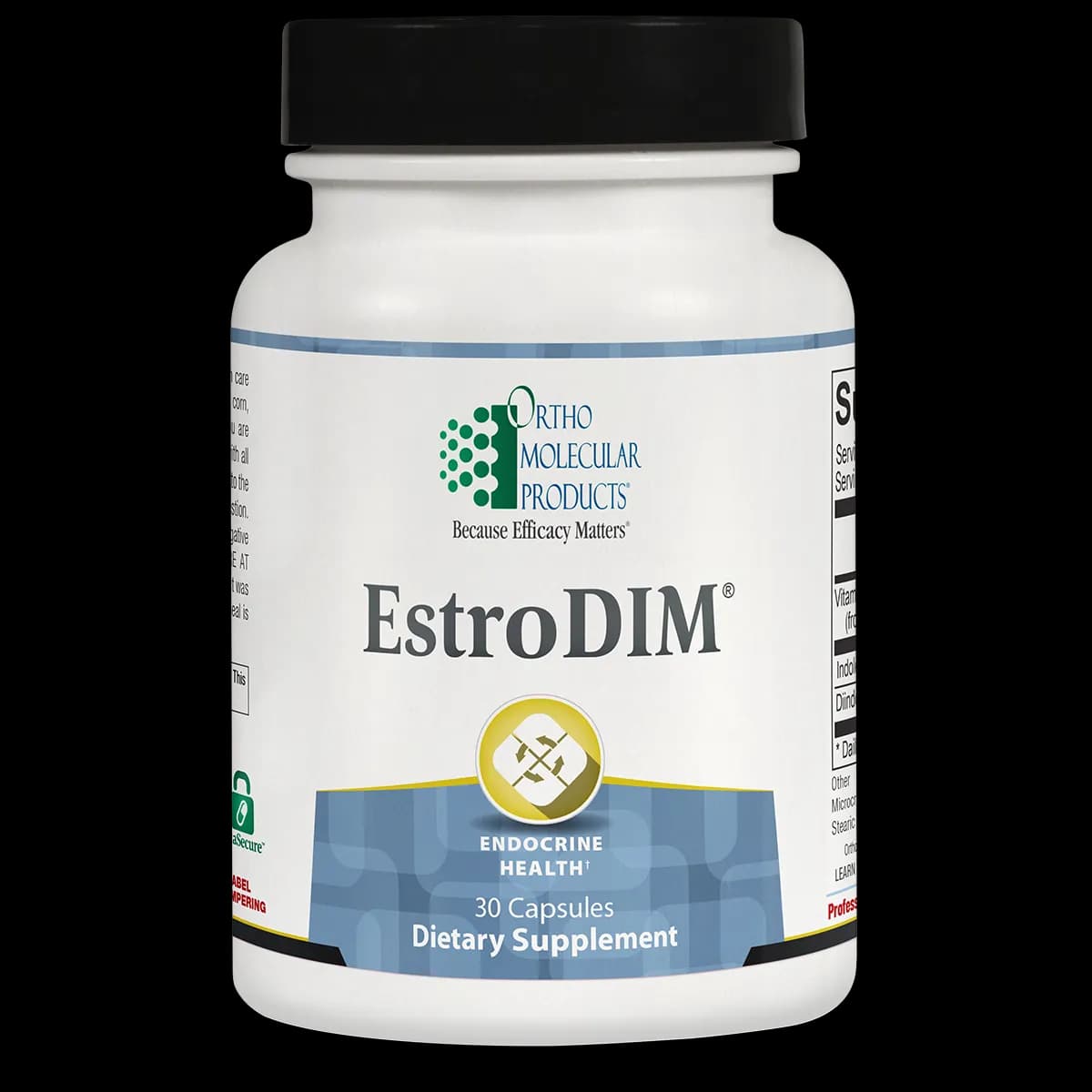
EstroDIM® is a targeted nutritional supplement designed to address this exact intersection of hormonal and cellular health. By combining the synergistic power of two highly researched cruciferous vegetable metabolites—indole-3-carbinol (I3C) and 3,3’-diindolylmethane (DIM)—alongside Vitamin E, this formulation is engineered to optimize how the liver processes and detoxifies estrogen. While traditionally utilized in functional medicine to support breast and prostate health, the ability of I3C and DIM to favorably shift estrogen metabolism holds immense potential for patients with complex chronic illnesses. By promoting the safe breakdown of estrogen, EstroDIM® may help break the vicious cycle of hormone-driven mast cell activation, offering a foundational tool for stabilizing both the immune system and overall cellular health.
TL;DR
EstroDIM® supports estrogen metabolism, which may help stabilize immune responses in chronic conditions like MCAS and Long COVID.
It combines I3C, DIM, and Vitamin E to promote the protective 2-OH estrogen pathway.
Balancing estrogen may help reduce cyclical symptom flares, brain fog, and fatigue.
Always consult a doctor before use, as it can interact with medications and hormone therapies.
What is EstroDIM?
The Power of Cruciferous Vegetable Metabolites
To understand how EstroDIM® functions, we must first look at its foundational ingredients: indole-3-carbinol (I3C) and its primary active metabolite, 3,3’-diindolylmethane (DIM). These naturally occurring bioactive compounds are derived from the breakdown of glucosinolates, specifically a compound called glucobrassicin, which is found abundantly in cruciferous vegetables like broccoli, cabbage, cauliflower, and Brussels sprouts. When you chew or digest these vegetables, an enzyme called myrosinase is released, converting glucobrassicin into I3C. In the highly acidic environment of the human stomach, I3C rapidly condenses and bonds with itself to form DIM, which is responsible for the vast majority of the compound's physiological and therapeutic effects in the body.
While eating a diet rich in cruciferous vegetables is highly beneficial, achieving therapeutic, clinically relevant doses of I3C and DIM through food alone is exceptionally difficult. It would require consuming several pounds of raw broccoli or cabbage daily to yield the 200 mg of I3C and 100 mg of DIM provided in a single capsule of EstroDIM®. By isolating and concentrating these dietary indoles, the supplement provides a potent, targeted dose designed to interact directly with the body's enzymatic pathways. Over the past few decades, these compounds have gained significant attention in both functional medicine and oncology for their unique ability to favorably modulate how the body processes steroid hormones, particularly estrogen and testosterone, at the molecular level.
Understanding Phase I Liver Detoxification
The primary mechanism of action for both I3C and DIM occurs in the liver, specifically within the Cytochrome P450 (CYP450) enzyme system. This complex network of enzymes is responsible for Phase I detoxification, the process by which the liver begins to break down endogenous hormones, environmental toxins, and pharmaceutical drugs so they can be safely excreted from the body. When it comes to estrogen metabolism, parent estrogens like estrone (E1) and estradiol (E2) must undergo a process called hydroxylation by specific CYP enzymes. This Phase I process yields three primary downstream estrogen metabolites, each possessing vastly different biological profiles and impacts on cellular health.
The first pathway, governed by the enzymes CYP1A1 and CYP1A2, converts estrogens into 2-hydroxyestrone (2-OH). This is widely considered the "protective" or "weak" estrogen pathway, as 2-OH metabolites have a very low affinity for estrogen receptors, do not stimulate significant tissue proliferation, and are easily cleared from the body. Conversely, the CYP3A4 enzyme converts estrogen into 16α-hydroxyestrone (16-OH), a highly estrogenic metabolite that binds tightly to receptors and strongly stimulates cellular proliferation, increasing the risk of estrogen-dominant conditions. Finally, the CYP1B1 enzyme produces 4-hydroxyestrone (4-OH), a highly reactive and genotoxic metabolite that can directly damage cellular DNA. The ratio of protective 2-OH to proliferative 16-OH is a critical biomarker for hormonal health, and improving this ratio is the exact biochemical target of EstroDIM®.
The Role of Vitamin E in the Formula
EstroDIM® is uniquely formulated with 33.5 mg of Vitamin E (as d-Alpha Tocopherol Succinate USP), which serves multiple critical functions in this specific supplement. First and foremost, DIM is a highly lipophilic (fat-soluble) molecule, meaning it naturally struggles to dissolve in the watery environment of the human gastrointestinal tract. Clinical research on DIM bioavailability consistently demonstrates that standard, crystalline DIM has notoriously poor oral absorption. By pairing the dietary indoles with Vitamin E, a fat-soluble antioxidant, the formulation significantly enhances the micellization and intestinal absorption of the active ingredients, ensuring that the I3C and DIM can effectively enter systemic circulation and reach the liver.
Beyond its role as an absorption enhancer, Vitamin E provides vital antioxidant support during the estrogen detoxification process. When the liver converts estrogen into the protective 2-OH metabolite, this molecule can temporarily become an unstable catechol. If the body is under high oxidative stress, these catechols can oxidize into reactive quinones before they are fully excreted, potentially causing localized cellular damage. Vitamin E acts as a potent free radical scavenger, neutralizing oxidative stress and protecting cellular membranes while the liver safely processes and eliminates these hormonal byproducts. This synergistic combination ensures that the estrogen metabolism process is not only efficient but also safe for surrounding tissues.
How Hormone Imbalance Impacts Long COVID, ME/CFS, and MCAS
The Estrogen-Histamine Vicious Cycle
To understand why a hormone-balancing supplement like EstroDIM® is highly relevant for post-viral syndromes, we must explore the profound biochemical overlap between estrogen dominance and mast cell activation syndrome (MCAS). Mast cells are the immune system's "first responders," located in the skin, gut, lungs, and blood vessels. In MCAS, these cells become hyper-reactive, inappropriately releasing a flood of inflammatory mediators like histamine, prostaglandins, and cytokines. Crucially, mast cells contain estrogen receptors (specifically alpha and beta receptors). When estrogen levels are high—or disproportionately high compared to progesterone, a state known as estrogen dominance—estrogen binds directly to these receptors, stimulating the mast cells to degranulate and release massive amounts of histamine into the bloodstream.
This initial release of histamine triggers a self-perpetuating, vicious cycle that wreaks havoc on the body. Research published in the Journal of Immunology Research demonstrates that not only does estrogen trigger histamine release, but high levels of circulating histamine travel to the ovaries and stimulate them to produce even more estrogen. Furthermore, estrogen actively down-regulates the production of Diamine Oxidase (DAO), the primary gut enzyme responsible for breaking down dietary and systemic histamine. This means that in an estrogen-dominant state, the body is simultaneously producing more histamine and losing its ability to clear it, leading to a toxic accumulation of inflammatory mediators that drive the severe symptoms seen in complex chronic illnesses.
Viral Triggers and Mast Cell Destabilization
If the estrogen-histamine loop is the engine of chronic inflammation, viral infections are often the spark that ignites it. Recent immunological studies on Long COVID have shown that the SARS-CoV-2 virus, as well as reactivated viruses common in ME/CFS like Epstein-Barr Virus (EBV), directly bind to and activate mast cells. In the case of COVID-19, the viral spike protein binds to ACE2 receptors on mast cells, triggering a massive, sustained release of histamine and inflammatory cytokines. This post-viral mast cell activation creates a state of chronic neuroinflammation, leading to the classic "brain fog," profound fatigue, and post-exertional malaise (PEM) that define these debilitating syndromes.
When a patient with Long COVID or ME/CFS already has underlying estrogen dominance or poor estrogen metabolism, this viral trigger is exponentially magnified. The excess estrogen constantly primes the mast cells, keeping them in a highly volatile, hair-trigger state. Even minor triggers—such as a slight change in temperature, mild physical exertion, or eating a high-histamine food—can cause a massive degranulation event. This is why many patients find that their traditional MCAS treatments, such as H1 and H2 antihistamines, only provide partial relief; unless the underlying hormonal primer (estrogen) is addressed and properly metabolized, the mast cells will remain inherently unstable and hyper-reactive.
The Female Predominance in Post-Viral Syndromes
The intricate relationship between estrogen and immune function helps solve one of the most enduring mysteries in post-viral medicine: why conditions like ME/CFS, dysautonomia (specifically POTS), and Long COVID feature a striking female predominance, often affecting 70% to 80% women, primarily of reproductive age. Clinical observations from Harvard Health and numerous patient surveys reveal that up to 67% of female ME/CFS patients experience severe exacerbations of their symptoms during the luteal phase (pre-menstruation) or right around ovulation. These are the exact points in the menstrual cycle when estrogen levels naturally spike, pouring fuel on the smoldering fire of mast cell activation.
Furthermore, estrogen inherently possesses hypercoagulable (blood-clotting) properties. Recent breakthrough research in Long COVID and ME/CFS has discovered the presence of "fibrinaloid microclots" in the blood of patients, which trap inflammatory molecules and block oxygen transfer to tissues, driving severe fatigue. Researchers suspect that the naturally pro-thrombotic nature of excess estrogen may synergize with post-viral clotting pathology, making women significantly more susceptible to these vascular and endothelial issues. By failing to clear excess estrogen efficiently, the body remains locked in a state of heightened immune reactivity, vascular permeability, and systemic inflammation, making recovery nearly impossible without targeted metabolic intervention.
EstroDIM: Supporting Estrogen Metabolism and Cellular Health
Upregulating the Protective 2-OH Pathway
EstroDIM® supports patients with complex chronic illnesses by directly intervening in the liver's Phase I detoxification process, effectively "hacking" the CYP450 enzyme system to restore hormonal balance. The primary mechanism by which I3C and DIM achieve this is through the activation of the Aryl Hydrocarbon Receptor (AhR). When the dietary indoles in EstroDIM® bind to the AhR in the liver, they strongly upregulate the expression and activity of the CYP1A1 and CYP1A2 enzymes. Research from the Linus Pauling Institute demonstrates that this upregulation acts like a biochemical switch, actively diverting the metabolism of parent estrogens (estrone and estradiol) down the protective 2-hydroxyestrone (2-OH) pathway.
By forcing estrogen to break down into the 2-OH metabolite, EstroDIM® helps neutralize the hormone's proliferative and inflammatory potential. Because 2-OH estrogen has an incredibly weak affinity for estrogen receptors, it cannot effectively bind to the receptors on mast cells. This means that even if total estrogen levels are fluctuating, the specific metabolites circulating in the blood are no longer capable of triggering massive histamine release. For patients with Long COVID and MCAS, shifting the estrogen burden to the 2-OH pathway effectively removes the hormonal "primer" from their mast cells, allowing the immune system to stabilize and reducing the severity of cyclical symptom flares.
Downregulating Proliferative and Genotoxic Pathways
Simultaneously, the I3C and DIM in EstroDIM® work to suppress the dangerous, highly estrogenic metabolic pathways. By shifting the metabolic burden heavily toward the CYP1A1 and CYP1A2 enzymes, the supplement competitively starves the CYP3A4 and CYP1B1 pathways. This results in a marked, clinically significant decrease in the production of the highly proliferative 16α-hydroxyestrone (16-OH) and the DNA-damaging 4-hydroxyestrone (4-OH). Clinical studies on DIM supplementation consistently show that this dual action—increasing 2-OH while decreasing 16-OH—dramatically improves the 2-OH/16-OH ratio, transitioning the body from an estrogen-dominant, proliferative state to a balanced, anti-inflammatory state.
This reduction in 16-OH is particularly crucial for cellular health and breast tissue integrity. Because 16-OH binds persistently to estrogen receptors, it continuously stimulates breast tissue, leading to cyclical breast tenderness, fibrocystic breasts, and a higher long-term risk of estrogen-sensitive cellular changes. By clearing this aggressive metabolite from circulation, EstroDIM® not only alleviates the immediate physical discomfort associated with estrogen dominance but also provides profound long-term support for breast health, ensuring that cellular replication remains highly controlled and regulated.
Anti-Androgenic Effects for Prostate Health
While often viewed strictly as a women's health supplement, EstroDIM® provides equally profound benefits for men, particularly regarding prostate health. In men, as testosterone levels naturally decline with age, estrogen levels often rise due to the aromatization of testosterone in fat tissues. This relative estrogen dominance in men can stimulate the proliferation of prostate cells, contributing to benign prostatic hyperplasia (BPH) and lower urinary tract symptoms. By optimizing estrogen metabolism, the DIM in EstroDIM® helps clear this excess estrogen, reducing the inflammatory burden on the prostate gland and supporting healthy urinary flow.
Furthermore, DIM acts as a potent, natural anti-androgen at the cellular level. Research published in the Journal of Biomedical Research has shown that DIM physically downregulates the androgen receptor (AR) in prostate cells and may prevent the receptor from translocating into the cell nucleus. By blocking this receptor, DIM may help prevent excess dihydrotestosterone (DHT) and other androgens from feeding potential prostate tissue overgrowth. This dual-action approach—clearing proliferative estrogen while blocking excessive androgen receptor activation—makes EstroDIM® a highly effective, targeted tool for maintaining optimal prostate volume and cellular health in men, particularly those managing the systemic inflammation associated with Long COVID and dysautonomia.
Symptoms EstroDIM May Help Manage
Targeted Symptom Relief for Chronic Illness
By fundamentally altering how the liver processes steroid hormones and reducing the overall burden of proliferative estrogen metabolites, EstroDIM® can help manage a wide array of interconnected symptoms. For patients dealing with the complex overlap of Long COVID, ME/CFS, MCAS, and hormonal imbalances, optimizing the 2-OH/16-OH ratio can provide systemic relief. Here are the specific symptoms this targeted supplement may help alleviate:
Cyclical MCAS Flares and Allergic Reactions: By reducing the levels of 16-OH estrogen that bind to mast cells, EstroDIM® removes the hormonal trigger that causes massive histamine degranulation, helping to stabilize allergic-type symptoms, unexplained rashes, and food sensitivities that worsen around ovulation or menstruation.
Hormonal "Brain Fog" and Cognitive Impairment: Excess histamine in the brain causes severe neuroinflammation and cognitive slowing. By breaking the estrogen-histamine cycle, EstroDIM® helps lower systemic histamine levels, reducing the neurotoxic burden and improving mental clarity and focus.
Pre-Menstrual Fatigue and Post-Exertional Malaise (PEM): For patients whose ME/CFS or Long COVID crashes are triggered by hormonal spikes in the luteal phase, clearing excess estrogen through the 2-OH pathway may help prevent the immune system overreaction that drives profound, cyclical energy depletion.
Breast Tenderness and Fibrocystic Changes: By drastically lowering the levels of the highly proliferative 16-OH estrogen metabolite, EstroDIM® may help reduce the persistent stimulation of breast tissue, alleviating cyclical pain, swelling, and the development of benign fibrocystic lumps.
Prostate Enlargement and Urinary Symptoms in Men: DIM acts as a natural anti-androgen, helping to prevent the androgen receptor from translocating to the nucleus while simultaneously clearing excess estrogen. This dual action reduces prostate tissue proliferation, helping to alleviate frequent urination, weak stream, and nighttime waking (nocturia).
Heavy, Painful Menstrual Cycles (Menorrhagia): Estrogen dominance thickens the uterine lining excessively, leading to heavy, painful, and prolonged periods. By upregulating the protective 2-OH pathway, EstroDIM® helps thin the endometrial lining, resulting in lighter, more manageable menstrual cycles.
Autonomic Dysfunction and POTS Exacerbations: Estrogen acts as a mild ACE inhibitor, increasing bradykinin levels which dilate blood vessels and worsen POTS (Postural Orthostatic Tachycardia Syndrome). By balancing estrogen levels, EstroDIM® helps stabilize vascular tone, reducing episodes of dizziness, tachycardia, and blood pooling.
Practical Considerations: Forms, Dosing, and Absorption
Overcoming Bioavailability Challenges
One of the most critical practical considerations when utilizing cruciferous vegetable metabolites is their inherent lack of bioavailability. Standard, crystalline DIM is highly lipophilic (fat-soluble) and is notoriously difficult for the human gastrointestinal tract to absorb. If taken in a standard powder form without any absorption enhancers, the vast majority of the DIM will pass through the digestive tract unabsorbed, providing little to no clinical benefit. This is why the specific formulation of a supplement matters immensely when trying to modulate complex liver enzyme pathways.
EstroDIM® addresses this bioavailability challenge by incorporating 33.5 mg of Vitamin E (as d-Alpha Tocopherol Succinate) directly into the capsule. The presence of this fat-soluble vitamin acts as a natural emulsifier, significantly enhancing the micellization of the I3C and DIM in the gut. To further maximize absorption, it is highly recommended that patients take EstroDIM® alongside a meal that contains healthy fats, such as avocado, olive oil, nuts, or fatty fish. Clinical data suggests that consuming DIM with a fat-containing meal can improve its bioavailability by up to 40%, ensuring that the active metabolites reach the liver in sufficient concentrations to upregulate the CYP1A1 enzymes.
Dosage and Timing Strategies
The suggested use for EstroDIM® is typically 1 capsule per day, which provides a potent blend of 200 mg of I3C and 100 mg of DIM. For general hormone balance, cellular health maintenance, and mild estrogen dominance, this standard daily dose is often highly effective. However, patients dealing with severe, cyclical MCAS flares, advanced endometriosis, or significant prostate issues may require customized dosing strategies under the guidance of a functional medicine practitioner. Because the goal is to maintain a steady modulation of liver enzymes, consistency is key; the supplement should be taken daily, rather than just during the symptomatic phases of the menstrual cycle.
When initiating EstroDIM®, patients should be aware of a common, completely harmless side effect: a noticeable darkening of the urine to an orange, pink, or slightly brownish hue. This color change is strictly a result of the body successfully excreting the newly formed estrogen metabolites and the breakdown products of the dietary indoles. It is a sign that the supplement is actively working in the liver. Some individuals may also experience mild, transient gastrointestinal upset or headaches during the first few days of use; ensuring the supplement is taken with a substantial meal and plenty of water usually resolves these issues quickly.
Crucial Safety and Drug Interaction Warnings
Because I3C and DIM are incredibly potent modulators of the liver's Cytochrome P450 system, they carry significant safety considerations regarding drug-drug interactions. Clinical pharmacology studies demonstrate that these compounds strongly induce the CYP1A2 and CYP3A4 enzymes. CYP3A4 alone is responsible for metabolizing roughly 60% of all prescription medications. By speeding up these enzymes, EstroDIM® can cause the body to clear certain medications much faster than normal, potentially rendering them ineffective. This includes a wide range of drugs such as statins, calcium channel blockers, certain anti-epileptics, and psychiatric medications like antipsychotics and muscle relaxants.
Most importantly, EstroDIM® actively alters estrogen metabolism, meaning it can directly interfere with hormonal therapies. Women utilizing combined oral contraceptive pills or hormone replacement therapy (HRT) should consult their prescribing physician before use, as DIM may decrease the efficacy of these treatments. Furthermore, patients undergoing active treatment for breast cancer with drugs like Tamoxifen must exercise extreme caution. A randomized controlled trial found that DIM supplementation significantly decreased serum endoxifen, the active, tumor-fighting metabolite of Tamoxifen. Due to its mild anti-thrombotic properties, it should also be used cautiously alongside blood thinners like Warfarin. Always consult your healthcare provider to review your current medication list before initiating any supplement that alters liver detoxification pathways.
Follow the Science
Clinical Evidence for Breast Health and Estrogen Ratios
The ability of I3C and DIM to favorably alter estrogen metabolism is one of the most well-documented phenomena in functional nutrition. A landmark pilot study published in Nutrition and Cancer by Dalessandri et al. (2004) evaluated postmenopausal women with a history of early-stage breast cancer. The participants were administered 108 mg of a highly absorbable DIM formulation daily for 30 days. The researchers found that DIM significantly increased 2-hydroxyestrone (2-OHE1) levels and yielded a remarkable 47% increase in the protective 2-OH/16-OH ratio, shifting the baseline from 1.46 to a highly protective 2.14. This study provided concrete, in-vivo evidence that DIM successfully shunts estrogen away from proliferative pathways in human subjects.
Further validating these findings, early human trials on I3C demonstrated its rapid efficacy. Research by Michnovicz et al. showed that participants taking 400 to 500 mg of I3C daily for just one week experienced a massive increase in estradiol 2-hydroxylation, jumping from 29.3% to 45.6%. More recently, a double-blind trial (NCT02525159) evaluated premenopausal women with dangerously low 2-OH/16-OH ratios (below 0.9). After receiving just 75 mg of DIM for 30 days, the participants saw a highly effective increase in the 2-OH pathway, demonstrating the utility of cruciferous metabolites as an early supportive tool for estrogen-dominant conditions.
Prostate Health and Androgen Receptor Modulation
The clinical evidence supporting DIM for men's health is equally compelling, particularly regarding its anti-androgenic properties. A pivotal study evaluated 36 prostate cancer patients who were administered 225 mg of DIM twice daily (450 mg/day total) for 2 to 10 weeks prior to undergoing a prostatectomy. Analysis of the excised prostate tissue revealed that the DIM intervention successfully excluded the androgen receptor from the cell nucleus in an astonishing 96% of the patients. Furthermore, 71% of the participants experienced a documented decline in their Prostate-Specific Antigen (PSA) levels, highlighting DIM's potent ability to halt androgen-driven tissue proliferation.
In another double-blind, randomized, placebo-controlled trial, researchers investigated the effects of DIM on patients with High-Grade Prostatic Intraepithelial Neoplasia (HGPIN), a known precursor to prostate cancer. The patients were treated with a high-dose DIM therapy for 12 months. The results were highly significant: researchers noted a profound reduction in the morphological index of the prostate, with complete regression of HGPIN lesions in 45.5% of the treated group. This data firmly establishes DIM not just as an estrogen modulator, but as a critical therapeutic agent for maintaining long-term prostate cellular health.
Genetic Modulation and BRCA Research
Beyond enzyme modulation, emerging research suggests that DIM may exert protective effects at the genetic level. Women who carry inherited BRCA1 mutations have a significantly elevated lifetime risk of developing breast and ovarian cancers due to impaired DNA repair mechanisms. A clinical study evaluating 13 healthy women with the BRCA1 mutation found that taking 300 mg of DIM daily for 4 to 6 weeks resulted in a 34% average increase in BRCA1 mRNA expression. While more large-scale trials are needed, this suggests that DIM may actively upregulate the body's innate tumor-suppressor genes, providing an additional layer of cellular defense alongside its estrogen-clearing capabilities.
The Path Forward
Breaking the Cycle of Hormonal Flares
Living with Long COVID, ME/CFS, dysautonomia, or MCAS is an incredibly complex journey, made exponentially more difficult when symptoms violently fluctuate with your hormonal cycle. It is profoundly validating to understand that these cyclical crashes are not in your head; they are the direct result of a biochemical tug-of-war between estrogen and your immune system. When estrogen dominance constantly primes your mast cells to release histamine, achieving baseline stability can feel impossible. By utilizing targeted nutritional interventions like EstroDIM®, you can actively intervene in this process, supporting your liver's ability to safely clear the proliferative hormones that drive systemic inflammation.
Building a Comprehensive Management Strategy
It is important to remember that while EstroDIM® is a powerful tool for modulating the CYP450 enzyme system, it is just one piece of a comprehensive, multi-system management strategy. True hormonal and immune stability requires a holistic approach. This includes supporting Phase II liver detoxification (methylation) with adequate B-vitamins and magnesium, adhering to a low-histamine diet during severe flares, utilizing targeted mast cell stabilizers, and practicing rigorous energy pacing to avoid post-exertional malaise. By addressing the root biochemical drivers of your symptoms, you can begin to reclaim control over your health and reduce the severity of unpredictable hormonal crashes.
As always, because of the profound impact that I3C and DIM have on liver enzymes and prescription medications, it is critical to consult with your healthcare provider or a functional medicine specialist before adding this supplement to your protocol. Together, you can determine the optimal dosage and ensure it safely integrates with your current treatment plan.
Sources
Harvard Health Publishing. (2023). Menopause and Long COVID: What's the connection? Harvard Medical School.
WebMD. (2023). Diindolylmethane (DIM) - Uses, Side Effects, and More.