Exercise Reconditioning for POTS: The Evidence-Based Approach to Getting Moving Again
March 10, 2026
POTSExercise ReconditioningDysautonomia

Share:
Disclaimer: The information provided here is for educational purposes only and is not intended as medical advice. It should not be used to diagnose, treat, cure, or prevent any medical condition. Instead, use it as a starting point for discussion with your healthcare provider. Always consult with a qualified healthcare provider before starting any new medication, supplement, device, or making changes to your health regimen.
For individuals living with Postural Orthostatic Tachycardia Syndrome (POTS), the simple act of standing up can feel like running a marathon. The rapid heartbeat, dizziness, brain fog, and profound fatigue that characterize this condition make traditional exercise seem not just daunting, but physically impossible. When your body's autonomic nervous system struggles to regulate blood flow against gravity, the standard medical advice to "just exercise more" can feel dismissive, frustrating, and out of touch with your daily reality. Yet, specialized exercise reconditioning remains one of the most effective, evidence-based management strategies for POTS when executed correctly.
The key difference lies in the approach. Traditional upright exercise triggers the very symptoms that make POTS debilitating, leading to a vicious cycle of inactivity and further cardiovascular deconditioning. However, specialized programs like the Levine Protocol and the CHOP Modified Protocol bypass this orthostatic trigger by starting entirely in a horizontal or seated position. By utilizing a recumbent bike, a rowing machine, or swimming, patients can slowly rebuild their cardiovascular capacity, expand their blood volume, and strengthen their lower-body "muscle pump" without triggering severe tachycardia. In this comprehensive guide, we will explore the science behind POTS exercise reconditioning, provide actionable steps for implementing these protocols, and crucially, discuss how to distinguish POTS fatigue from the post-exertional malaise (PEM) seen in ME/CFS, where forced exercise can be actively harmful.
TL;DR
Start POTS exercise horizontally (e.g., recumbent bike) to build tolerance without triggering severe symptoms.
Gradually transition to upright exercise over several months to safely expand blood volume and heart strength.
Distinguish POTS fatigue from ME/CFS post-exertional malaise (PEM); graded exercise is harmful if you have PEM.
Stay hydrated and consume adequate sodium before and after workouts to support your cardiovascular system.
Why Exercise Reconditioning Matters for POTS
The Vicious Cycle of Orthostatic Intolerance
To understand why a specialized pots exercise program is so critical, we must first look at the mechanics of orthostatic intolerance. When a healthy person stands up, gravity naturally pulls a significant amount of blood down into the lower extremities and abdomen. The autonomic nervous system immediately compensates by tightening blood vessels and slightly increasing the heart rate to ensure adequate blood flow returns to the brain and upper body. In individuals with Postural Orthostatic Tachycardia Syndrome (POTS), this compensatory mechanism is dysfunctional. The blood vessels do not constrict properly, leading to excessive blood pooling in the lower half of the body.
Because blood is pooling in the legs, the heart receives less venous return, which means it has less blood to pump out with each beat. The brain senses this drop in blood flow and sends panic signals to the heart, demanding that it beat faster and harder to make up for the lack of volume. This results in the hallmark symptom of POTS: a rapid, often terrifying increase in heart rate upon standing. This phenomenon is explored deeply in our guide on Heart Rate Spikes in POTS. Because standing and moving upright cause such severe discomfort, dizziness, and fatigue, patients naturally and understandably begin to limit their physical activity to avoid triggering these debilitating symptoms.
This reduction in activity leads to a secondary problem: cardiovascular deconditioning. As the patient spends more time resting or lying down to manage symptoms, their heart muscle begins to lose mass, their total blood volume decreases, and the muscles in their legs begin to atrophy. This deconditioning is not the fault of the patient; it is a direct, unavoidable biological consequence of living with an untreated orthostatic disorder. However, this deconditioning creates a vicious cycle. The weaker the heart and leg muscles become, the harder the body has to work to pump blood when the patient does try to stand, making the POTS symptoms even more severe over time.
Deconditioning is a Symptom, Not the Cause
Historically, some medical professionals mistakenly believed that deconditioning was the primary cause of POTS, leading to the harmful and dismissive assumption that patients were simply "out of shape." Modern research and clinical consensus have thoroughly debunked this myth. POTS is a complex neurological and cardiovascular disorder, often triggered by viral infections (such as in Long COVID), trauma, or underlying conditions like hypermobility or autoimmunity. Deconditioning is a downstream effect—a symptom of the disease's impact on a person's ability to remain upright, not the root cause of the autonomic dysfunction itself.
Understanding this distinction is incredibly validating for patients who have been told their illness is just a lack of fitness. It also changes the clinical approach to treatment. If deconditioning were the only issue, any standard gym routine would fix it. But because the root issue involves dysautonomia and severe orthostatic intolerance, throwing a POTS patient onto a treadmill will only trigger a massive symptom flare and potentially lead to syncope (fainting). The exercise must be carefully tailored to accommodate the broken autonomic responses while simultaneously addressing the secondary deconditioning.
This is why specialized pots exercise reconditioning protocols were developed. By acknowledging that upright posture is the trigger, researchers designed programs that allow patients to exercise their cardiovascular system without triggering the orthostatic reflex. This approach respects the physiological limitations of the disease while actively working to reverse the secondary deconditioning that makes daily functioning so difficult. It is a delicate balance of pushing the body's cardiovascular limits while strictly protecting its postural vulnerabilities.
The Goal of Reconditioning
The primary goal of a structured POTS exercise program is not to turn patients into elite athletes or to "cure" the underlying autonomic neuropathy. Instead, the goal is to optimize the body's compensatory mechanisms so that it can better handle the stress of gravity. By systematically training the heart and muscles in a safe, horizontal environment, patients can build a stronger internal infrastructure. This stronger infrastructure can then mask or mitigate the underlying autonomic dysfunction, leading to a significant reduction in daily symptoms and a profound improvement in quality of life.
Specifically, reconditioning aims to achieve three measurable physiological changes: expanding total blood volume, increasing the physical size and stroke volume of the heart muscle, and strengthening the skeletal muscles of the lower body. When these three factors are optimized, the heart does not have to beat nearly as fast to maintain blood pressure when the patient stands up. This translates to fewer palpitations, less dizziness, and a greater ability to perform activities of daily living, such as cooking, showering, or walking through a grocery store.
Furthermore, exercise reconditioning helps regulate the autonomic nervous system over time. Regular, moderate-intensity cardiovascular exercise has been shown to decrease resting sympathetic nervous system activity (the "fight or flight" response) and increase parasympathetic tone (the "rest and digest" response). For POTS patients, whose sympathetic nervous systems are often stuck in overdrive, this autonomic balancing act is a crucial component of long-term symptom management. It helps quiet the constant adrenaline surges that many patients experience even while at rest.
The Science Behind POTS Exercise Programs
Rebuilding the "Second Heart" (The Muscle Pump)
One of the most fascinating and critical mechanisms behind POTS exercise reconditioning is the enhancement of the skeletal "muscle pump." In a healthy human body, the heart is not solely responsible for circulating blood. When you stand or walk, gravity pulls blood down into the veins of your legs. To get that blood back up to the chest and brain, the body relies on the contraction of the lower body muscles—specifically the calves, quadriceps, and glutes. As these muscles contract during movement, they physically squeeze the veins, acting as a "second heart" that pumps blood upward against gravity.
In many individuals with POTS, this muscle pump is either underutilized due to inactivity or physically weakened by muscle atrophy. Furthermore, research has shown that some POTS patients have overly compliant (stretchy) blood vessels in their lower extremities, which allows even more blood to pool than normal. A study published in the American Physiological Society Journal investigated patients with "low-flow POTS" and found that they had significantly reduced calf circumferences compared to healthy controls. More importantly, the "ejection fraction" of their calf muscle pump—the percentage of pooled blood successfully squeezed out during a contraction—was severely impaired.
This is why lower body strength training is a non-negotiable pillar of the Levine protocol pots program. By engaging in targeted resistance training for the legs and core, patients physically hypertrophy (grow) these muscle groups. A larger, stronger calf muscle exerts more external pressure on the veins even at rest, and provides a much more powerful squeezing action during movement. This robust muscle pump effectively counteracts venous pooling, forcing blood back up to the heart and short-circuiting the need for the heart rate to spike dramatically upon standing.
Expanding Blood Volume and Heart Size
Another core scientific principle behind POTS exercise programs is the physiological adaptation of the cardiovascular system to sustained aerobic training. A significant subset of POTS patients suffer from hypovolemia, meaning they have a lower-than-normal total blood volume. When you have less blood in your system, any amount of blood pooling in the legs has a magnified, detrimental effect on the amount of blood returning to the heart. While Salt and Fluid Loading for POTS is the primary dietary way to address this, exercise is the most potent physiological trigger for long-term blood volume expansion.
When you engage in consistent cardiovascular exercise, your body responds to the increased oxygen demand by manufacturing more blood plasma and red blood cells. According to landmark clinical trials conducted by Dr. Benjamin Levine and Dr. Qi Fu, patients who completed a 3-month recumbent exercise program experienced a remarkable 6% to 7% increase in total blood volume. This exercise-induced hypervolemia gives the cardiovascular system a larger buffer; with more total fluid in the pipes, the heart doesn't have to panic and beat as rapidly when some of that fluid pools in the legs upon standing.
In addition to expanding blood volume, structured exercise physically changes the heart itself. Because POTS patients often experience a decrease in heart size due to deconditioning, their heart's "stroke volume" (the amount of blood pumped per beat) is reduced. To maintain cardiac output, the heart has to beat faster. Clinical studies on the Levine Protocol have demonstrated that consistent, zone-targeted exercise leads to an 8% to 12% increase in cardiac mass, specifically in the left ventricle. A stronger, slightly larger heart can pump more blood with every single beat, naturally lowering the resting and standing heart rate.
Retraining the Autonomic Nervous System
Beyond the mechanical changes to muscles and blood volume, exercise reconditioning has a profound impact on the autonomic nervous system's signaling pathways. In POTS, the autonomic nervous system is highly reactive, often dumping excessive amounts of norepinephrine (adrenaline) into the bloodstream in response to minor postural changes. This hyperadrenergic state causes the tremors, anxiety-like physical sensations, and severe palpitations that patients know all too well. While supplements like Magnesium Glycinate can help calm the nervous system, exercise provides a structural reset.
Regular aerobic exercise acts as a form of autonomic training. Over time, it desensitizes the heart's beta-receptors to circulating adrenaline, meaning the heart becomes less reactive to the nervous system's panic signals. Furthermore, cardiovascular fitness is strongly correlated with increased vagal tone. The vagus nerve is the primary driver of the parasympathetic (calming) nervous system. By strengthening vagal tone through consistent exercise, the body becomes better equipped to hit the "brakes" on the runaway heart rate, leading to faster recovery times after standing or experiencing a symptom flare.
It is important to note that this autonomic retraining takes time. During the first few weeks of a pots exercise reconditioning program, the autonomic nervous system is being challenged and stressed, which is why symptoms often temporarily worsen. The body is essentially being forced to recalibrate its broken baroreceptors (pressure sensors) and chemical signaling pathways. However, for those who can safely persist through this initial adaptation phase, the long-term result is a more resilient, less reactive autonomic nervous system that is better equipped to handle the demands of gravity and daily life.
How to Implement the Levine and CHOP Protocols: Step by Step
Month 1-2: Strict Recumbent Cardio
The most famous and widely utilized framework for POTS exercise is the Levine Protocol, often adapted into the CHOP Modified Protocol by the Children's Hospital of Philadelphia. The absolute golden rule of these programs is that the first one to two months must be completed in a strictly recumbent (horizontal or seated) position. This means no treadmills, no stair climbers, and no upright brisk walking. The goal is to train the heart without triggering the orthostatic tachycardia that occurs when standing.
Patients are instructed to use equipment like a pots rowing machine, a recumbent bike, or to engage in lap swimming. These modalities allow the legs to be elevated or parallel to the heart, eliminating the gravity-induced blood pooling that triggers POTS symptoms. During these first few weeks, the workouts are relatively short, often starting at just 10 to 15 minutes of active cardiovascular work, preceded by a thorough warm-up and followed by a cool-down. The focus is entirely on consistency and keeping the heart rate within specific, calculated zones rather than pushing for speed or high resistance.
It is completely normal for patients to feel exhausted during this phase. The CHOP protocol explicitly warns that patients may feel worse before they feel better. This is known as "autonomic fatigue," as the broken nervous system is being forced to work and adapt. Patients must carefully monitor their symptoms and use the provided CHOP calendar to track their progress. If a particular week's workouts are too exhausting, the protocol encourages patients to repeat that week rather than forcing a progression they aren't ready for. Listening to the body while maintaining the recumbent posture is the key to surviving the initial phase.
Incorporating Lower Body Strength Training
Alongside the recumbent cardiovascular work, the Levine and CHOP protocols mandate 1 to 2 days per week of targeted strength training. As discussed in the science section, building the lower body "muscle pump" is essential for mitigating Orthostatic Intolerance. However, just like the cardio, this strength training must initially be performed in a seated or lying down position to prevent symptom flares and dizziness. Free weights like dumbbells or barbells are generally discouraged early on, as balancing them requires upright postural control and core stabilization that can trigger tachycardia.
Instead, patients should utilize seated weight machines, resistance bands, or floor-based Pilates exercises. Key exercises include the seated leg press, seated leg extensions, lying hamstring curls, and seated calf raises. Core strength is also vital, as the abdominal muscles help compress the splanchnic (gut) blood vessels, preventing blood from pooling in the stomach. Floor-based core exercises like crunches, dead bugs, or bridges are excellent choices. The goal is to perform 2 to 3 sets of 10 to 15 repetitions, using a weight that feels challenging by the last few reps but does not cause the patient to hold their breath or strain excessively.
Consistency in strength training yields compounding benefits. As the leg muscles grow stronger, patients often notice that they can stand for slightly longer periods without their heart rate skyrocketing. It is crucial to remember that strength training days should be separated by cardio days or rest days to allow for adequate muscle recovery. Overtraining the legs can lead to excessive muscle soreness, which can temporarily worsen POTS symptoms due to the inflammatory response associated with muscle repair. Gradual, steady progression is the name of the game.
Month 3-4: The Gradual Upright Transition
If a patient has successfully navigated the first few months of recumbent training, their blood volume has likely expanded, their heart muscle has strengthened, and their muscle pump is more efficient. Around month 3 or 4 of the CHOP protocol, patients begin the delicate process of transitioning to upright exercise. This is not an abrupt shift; it is a highly calculated, gradual introduction of orthostatic stress. The protocol usually introduces semi-upright machines first, such as an elliptical trainer or a stationary upright bike, before progressing to walking on a treadmill.
During this transition, patients must closely monitor their heart rate. Because they are now upright, their heart rate will naturally be higher than it was on the recumbent bike at the same level of exertion. The protocol provides adjusted heart rate zones for upright exercise to account for this orthostatic shift. If a patient finds that their heart rate immediately spikes into the maximum zone upon using the elliptical, they may need to spend a few more weeks on the recumbent machines before trying again. The transition requires patience and a willingness to step back if the body signals it is not yet ready.
By months 5 and 6, the goal is for the patient to be performing the majority of their cardiovascular exercise in an upright position, such as brisk walking, jogging, or using a stair climber. At this stage, many patients experience a profound reduction in their daily POTS symptoms. They often find that they no longer meet the clinical criteria for POTS during a standing test, as their reconditioned cardiovascular system can now effectively handle the demands of gravity. However, reaching this stage requires months of unwavering dedication to the gradual progression.
Heart Rate Zones and Duration
A defining feature of the Levine protocol pots program is its strict adherence to heart rate zones. Patients do not simply exercise based on how they feel; they exercise based on mathematical calculations of their Maximum Heart Rate (Max HR). The protocol typically divides workouts into several zones: Recovery Pace, Base Pace, Maximal Steady State (MSS), and Interval training. Base Pace, where the majority of the early months are spent, is usually calculated as 75% to 85% of the patient's Max HR. This ensures the heart is working hard enough to adapt, but not so hard that it triggers a severe symptom crash.
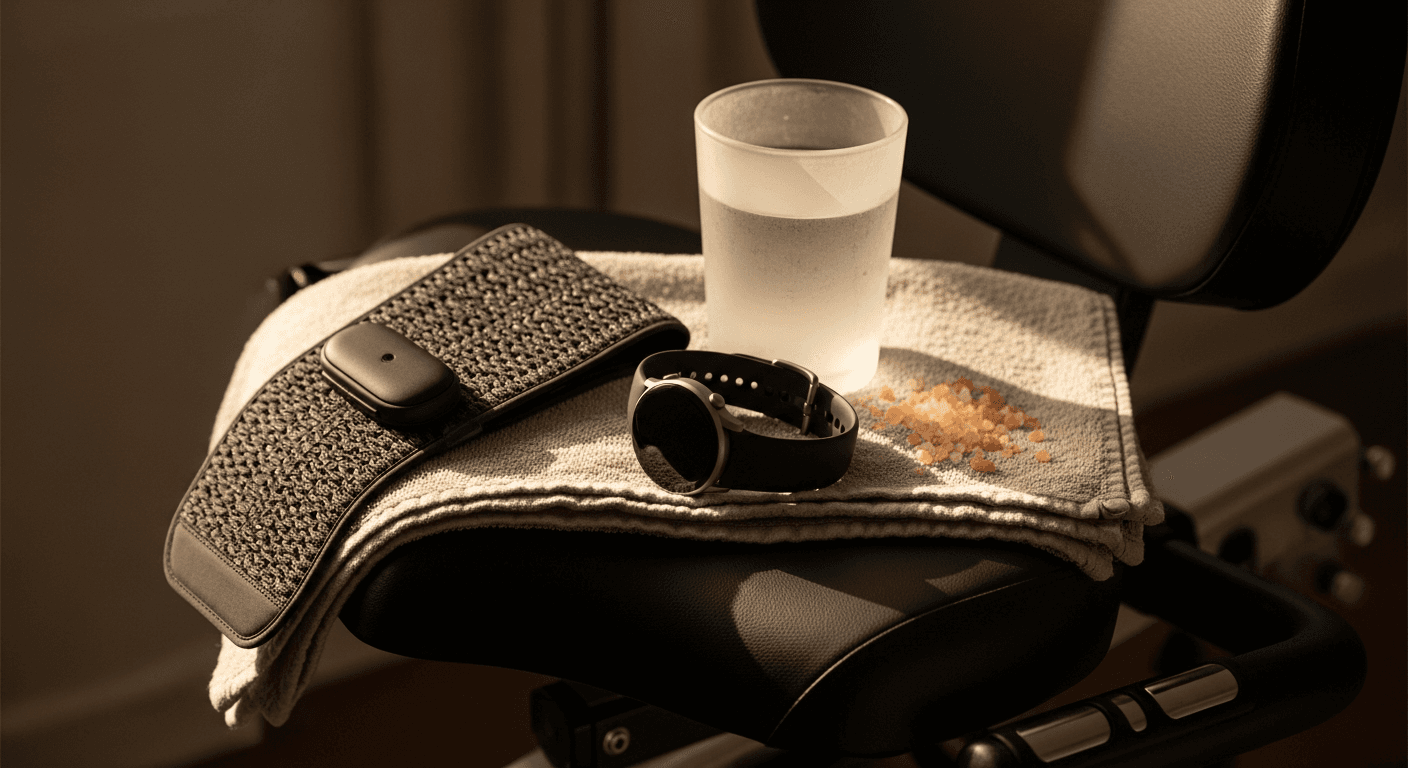
To calculate these zones accurately, patients often perform a baseline stress test or use age-based formulas provided in the CHOP manual. Wearing a reliable heart rate monitor, such as a chest strap or a high-quality smartwatch, is absolutely essential. During a Base Pace workout, if the patient's heart rate drifts above the target zone, they must reduce their resistance or speed until it falls back into range. Conversely, if it drops too low, they must increase their effort. This precision prevents the overexertion that commonly leads to setbacks in dysautonomia patients.
As the months progress, the duration of the workouts slowly increases, and higher-intensity Interval training is introduced. Intervals involve short bursts of intense effort (pushing the heart rate near its maximum) followed by periods of active recovery. This type of training is highly effective at increasing cardiovascular capacity and stroke volume, but it is only introduced after a solid foundation of Base Pace fitness has been established. The strict adherence to these zones and durations is what separates a successful clinical reconditioning program from a haphazard, symptom-triggering gym routine.
Common Mistakes and Pitfalls
The Crucial Difference Between POTS and ME/CFS (PEM)
Perhaps the most critical and potentially dangerous mistake in POTS management is failing to distinguish between standard POTS deconditioning and the presence of Myalgic Encephalomyelitis/Chronic Fatigue Syndrome (ME/CFS). An estimated 50% to 70% of individuals with ME/CFS also have comorbid POTS. While the Levine and CHOP protocols are the gold standard for "pure" POTS, they are strictly contraindicated and can cause severe, permanent harm to patients who also have ME/CFS. This is due to a hallmark symptom of ME/CFS known as Post-Exertional Malaise (PEM).
As outlined by the Centers for Disease Control and Prevention (CDC), PEM is a disproportionate, systemic worsening of symptoms following minor physical or cognitive exertion. Unlike the immediate autonomic fatigue seen in POTS, PEM typically has a delayed onset of 12 to 48 hours and presents as a severe "crash" featuring flu-like malaise, profound exhaustion, severe brain fog, and muscle pain. For a patient with pure POTS, pushing through initial workout fatigue is necessary for reconditioning. For a patient with ME/CFS, pushing through triggers a biological cascade that can permanently lower their baseline of functioning, leaving them bedbound.
If you experience delayed-onset crashes, flu-like symptoms after exertion, or if exercise consistently makes your baseline worse rather than better over time, you must stop the graded exercise protocol immediately. Organizations like the Bateman Horne Center emphasize that for patients with PEM, the focus must shift entirely to "pacing" and staying within their energy envelope. In these cases, POTS must be managed primarily through medications, Electrolytes and POTS management, and strictly sub-symptom-threshold movement, rather than forced cardiovascular reconditioning.
Starting Upright Too Soon
For patients who do have pure POTS and are safe to proceed with reconditioning, the most common mechanical mistake is abandoning the recumbent requirement too early. It is incredibly tempting, especially for patients who were previously active runners or weightlifters, to jump back onto a treadmill or try to perform standing squats. They may feel that a pots rowing machine or a recumbent bike is not a "real" workout. However, this impatience almost always leads to a massive symptom flare and a setback in the program.
The entire physiological premise of the protocol relies on removing gravity from the equation while the heart and blood volume adapt. When a patient stands up to exercise prematurely, their compromised autonomic nervous system immediately redirects its energy to fighting gravity, causing the heart rate to spike uncontrollably. This deprives the muscles of oxygen, triggers severe adrenaline dumps, and leaves the patient exhausted and symptomatic for days. Trusting the process and remaining horizontal for the full prescribed duration (usually 2 to 4 months) is non-negotiable for long-term success.
Even when transitioning to upright exercise in the later months, the shift must be microscopic. Moving from a recumbent bike to an upright stationary bike is a safe first step. Jumping straight from a rowing machine to a 5k run is a recipe for disaster. Patients must check their ego at the door and respect the profound physiological limitations that dysautonomia places on their body. Slow, steady, and horizontal is the fastest way to the finish line in POTS rehabilitation.
Quitting During the "Brutal First Month"
The dropout rate for POTS exercise programs is notoriously high. In community-based studies, up to 59% of patients fail to complete the protocol. The primary reason for this is the sheer difficulty of the first four to six weeks. During this initial phase, the body is being forced to adapt, and patients often experience an increase in fatigue, muscle soreness, and general autonomic instability. It is easy to interpret this temporary worsening of symptoms as a sign that the program is failing or causing harm.
This is where patient education and clinical support are vital. Patients need to be forewarned that the first month will likely be grueling. As long as they have ruled out ME/CFS and PEM, this initial "autonomic fatigue" is a normal and expected part of the reconditioning process. The body is effectively throwing a tantrum as its broken systems are forced to recalibrate. Quitting during this phase means enduring all the pain without reaping any of the cardiovascular rewards that typically begin to manifest in months two and three.
To survive this phase, patients must lean heavily on the flexibility built into the CHOP protocol. If week 3 is too exhausting, the patient should not quit; they should simply repeat week 2 until their body adapts. There is no penalty for taking 8 weeks to complete the first 4 weeks of the calendar. The goal is consistent, tolerable exposure to the exercise stimulus, not a race to the end of the manual. Building a support system, whether through a physical therapist or an online POTS community, can provide the encouragement needed to push through the initial autonomic fatigue.
Forgetting Pre-Workout Hydration and Salt
Exercise induces sweating, which leads to fluid and sodium loss. For a healthy person, this is easily managed. For a POTS patient, who already struggles with low blood volume and poor fluid retention, entering a workout dehydrated is a critical error. Attempting to complete a CHOP protocol session without properly pre-loading fluids and electrolytes will result in an exaggerated heart rate spike, severe dizziness, and a much longer recovery time post-workout. The cardiovascular system simply cannot adapt if it is running on empty.
Patients should aim to consume 16 to 20 ounces of water mixed with a high-quality electrolyte supplement 30 to 60 minutes before beginning their exercise session. Supplements that provide a robust dose of sodium, potassium, and magnesium are ideal for expanding blood volume acutely before physical exertion. Our guide on Can the Electrolyte/Energy Formula Support Hydration offers insights into choosing the right balance of minerals for dysautonomia management. Maintaining this hydration strategy ensures the heart has enough physical fluid to pump during the workout.
Furthermore, post-workout recovery is just as dependent on sodium and fluids. After completing a session on the recumbent bike, patients should immediately replenish the fluids lost through sweat. Wearing compression garments (like abdominal binders or compression tights) during the workout and in the hours following can also help stabilize blood pressure and prevent post-exercise blood pooling. Treating the workout as a medical intervention that requires precise pre- and post-care is essential for minimizing symptom flares and maximizing the benefits of the reconditioning program.
Tools, Apps, and Resources for Success
Essential Equipment for Recumbent Exercise
Successfully implementing a pots exercise program requires access to specific equipment that allows for cardiovascular exertion without orthostatic stress. The most accessible and commonly recommended tool is a recumbent stationary bike. Unlike an upright bike, a recumbent bike features a bucket seat with back support and places the pedals out in front of the user, keeping the legs roughly parallel to the heart. This setup minimizes blood pooling in the lower extremities while allowing for intense cardiovascular work. Many patients find it helpful to purchase an affordable, foldable recumbent bike for home use to ensure consistency on days when traveling to a gym is too fatiguing.
Another excellent option is a pots rowing machine. Rowing is highly praised in dysautonomia rehabilitation because it provides a full-body cardiovascular workout while keeping the user seated close to the ground. Furthermore, the pushing motion of the legs on a rowing machine heavily engages the calves, quadriceps, and glutes, providing an excellent stimulus for the skeletal muscle pump. For those who have access to a pool, swimming or water aerobics are also top-tier choices. The hydrostatic pressure of the water acts as a full-body compression garment, naturally forcing blood back to the heart and making it one of the most symptom-free ways for POTS patients to exercise.
For patients who are severely symptomatic or bedbound, even a recumbent bike may be too challenging initially. In these cases, a simple under-desk pedal exerciser can be used while lying flat on the floor or propped up in bed. Resistance bands are also an essential, low-cost tool for home-based lower body strength training. The key is to find equipment that removes the barrier of gravity, allowing the patient to focus entirely on their heart rate and muscle engagement without fighting dizziness or pre-syncope.
Wearables and Heart Rate Tracking
Because the Levine and CHOP protocols are entirely dictated by heart rate zones, accurate tracking is not optional—it is a mandatory requirement for safety and success. Relying on perceived exertion (how hard you feel you are working) is notoriously inaccurate for dysautonomia patients, as their heart rates often spike much higher than their physical exertion would suggest. A reliable heart rate monitor allows patients to stay strictly within their prescribed Base Pace or Recovery zones, preventing accidental overexertion.
The gold standard for accuracy during exercise is a chest strap heart rate monitor (such as those made by Polar or Garmin). Chest straps measure the electrical activity of the heart directly, providing real-time, highly accurate data even during intense movement. While smartwatches (like the Apple Watch or Fitbit) are incredibly useful for daily symptom tracking and monitoring resting heart rate, their optical sensors can sometimes lag or drop readings during sweaty, vigorous exercise. If using a smartwatch, ensure it is strapped tightly to the wrist to improve sensor accuracy during workouts.
Many modern wearables also offer features that track Heart Rate Variability (HRV) and "Body Battery" or recovery scores. While these metrics should not override how a patient physically feels, they can provide valuable insights into the autonomic nervous system's recovery status. If a wearable indicates a severely depleted recovery score or a drastically lowered HRV, it may be a sign that the patient needs to take an extra rest day or repeat a lighter week of the protocol, rather than pushing into a higher intensity zone.
Protocol Calendars and Worksheets
Attempting to memorize the progression of a multi-month reconditioning program is a recipe for errors, especially for patients dealing with the cognitive dysfunction (brain fog) common in Long COVID and POTS. Utilizing structured, printed calendars is essential for tracking progress, calculating heart rate zones, and maintaining motivation. The most widely used resource is the free, comprehensive PDF provided by Dysautonomia International.
The Dysautonomia International CHOP Protocol PDF includes detailed instructions on how to calculate your specific maximum heart rate and target training zones based on your age. It provides a month-by-month, day-by-day calendar that tells you exactly how many minutes to spend in each zone, when to incorporate strength training, and when to take rest days. Printing this calendar and physically crossing off completed days provides a tangible sense of accomplishment and ensures strict adherence to the gradual progression model.
In addition to the calendar, patients should keep a daily symptom log. Tracking metrics such as pre-workout hydration, sleep quality, and post-workout symptom severity can help identify patterns and triggers. For example, a patient might notice that their heart rate zones are much harder to maintain on days they consume less sodium. This data empowers patients to make informed adjustments to their lifestyle and supplement routines, such as incorporating Can Iron Supplementation Help Manage Fatigue if blood tests reveal underlying deficiencies exacerbating their exhaustion.
What Clinical Research Shows About POTS and Exercise
Landmark Trials and Remission Rates
The clinical evidence supporting exercise reconditioning for POTS is robust and highly encouraging for those able to tolerate the protocols. The foundational research was conducted by Dr. Benjamin Levine and Dr. Qi Fu at the Institute for Exercise and Environmental Medicine in Dallas. In a landmark 2011 clinical trial, researchers compared the efficacy of a 3-month exercise program to the use of beta-blockers (propranolol) in 19 POTS patients. The results, published in the journal Hypertension, demonstrated that exercise was profoundly effective at remodeling the cardiovascular system and reducing symptoms.
The study found that the exercise group experienced a 12% increase in left ventricular mass (indicating a stronger, more efficient heart) and a 7% increase in total blood volume. The original Fu et al. study cemented exercise reconditioning as a gold-standard, non-pharmacological intervention capable of producing structural, disease-modifying results.
Subsequent studies have continued to validate these findings. Research consistently shows that structured, recumbent-to-upright exercise programs not only lower standing heart rates but also significantly improve peak oxygen uptake (VO2 max) and the efficiency of the skeletal muscle pump. For patients who feel trapped by their dysautonomia, this clinical data offers a beacon of hope: the cardiovascular system is highly plastic, and with the right stimulus, it can be retrained to handle the demands of gravity once again.
Real-World Community Outcomes
While tightly controlled clinical trials are valuable, it is equally important to look at how these protocols perform in real-world, community settings. In 2016, a larger registry study evaluated the efficacy of the Levine protocol among POTS patients utilizing the program outside of a specialized research laboratory. The findings, published in the Journal of the American College of Cardiology, were incredibly promising for those who managed to adhere to the regimen.
Among the 103 patients who successfully completed the multi-month program, a staggering 71% went into remission, meaning their heart rate no longer increased by the required 30 beats per minute upon standing. The average increase in heart rate from a supine to a 10-minute stand was slashed in half, dropping from an average increase of 46 bpm down to just 23 bpm. Furthermore, these patients reported dramatic improvements in their quality of life scores, including reductions in brain fog, fatigue, and daily dizziness.
These real-world outcomes prove that you do not need to be in a multi-million-dollar research facility to benefit from the Levine protocol pots program. With access to a recumbent bike, a heart rate monitor, and a printed PDF calendar, patients can achieve life-changing results in their own homes or local gyms. The physiological adaptations triggered by the exercise are universal, provided the patient follows the strict guidelines regarding heart rate zones and gradual upright transition.
The Challenge of High Dropout Rates
Despite the overwhelming evidence of its efficacy, clinical research also highlights a significant hurdle: the protocols are incredibly difficult to complete. The same 2016 community registry study that boasted a 71% remission rate for completers also noted that only about 41% of the initial participants actually finished the program. This highlights a dropout rate of nearly 59%, underscoring the intense physical and mental toll the first few months take on dysautonomia patients.
Researchers attribute this high dropout rate to several factors. First, the initial exacerbation of symptoms (autonomic fatigue) during month one causes many patients to believe the program is harming them. Second, the time commitment required to exercise 5 to 6 days a week is daunting for individuals already struggling to manage basic daily tasks. Finally, the lack of proper screening for comorbid ME/CFS means that some patients in these real-world settings may have been experiencing true Post-Exertional Malaise (PEM), making the program physiologically impossible and actively detrimental for them to continue.
This data emphasizes the need for personalized, medically supervised approaches to reconditioning. Patients should not be handed a PDF and left to fend for themselves. They require ongoing support, education about the difference between normal training fatigue and PEM, and the flexibility to modify the protocol's timeline to suit their individual tolerance. When patients are properly supported and screened, their chances of joining the successful completion statistics rise dramatically.
The Path Forward
Setting Realistic Expectations
Embarking on a pots exercise reconditioning journey requires a profound shift in mindset. It is vital to set realistic expectations from day one. This is not a quick fix, nor is it a linear path to recovery. There will be weeks where you feel stronger and weeks where a minor virus, a poor night's sleep, or a change in weather causes a massive symptom flare, forcing you to step back to an earlier week in the protocol. Progress in dysautonomia rehabilitation is measured in months and years, not days and weeks.
It is also important to understand that while exercise can induce remission for many, it is not a "cure" for the underlying autonomic neuropathy or the conditions that triggered it, such as Long COVID or hypermobility. Even patients who successfully complete the CHOP protocol and no longer meet the criteria for POTS must maintain a baseline level of fitness to keep their symptoms at bay. If they stop exercising, the cardiovascular deconditioning will return, and the orthostatic intolerance will likely follow. Exercise becomes a lifelong, essential management tool, much like a daily medication.
Celebrate the small, non-scale victories along the way. A victory might be standing long enough to cook a meal without needing to sit on the floor, or noticing that your heart rate only spiked to 110 bpm in the shower instead of 140 bpm. These functional improvements are the true markers of success. By focusing on improved quality of life rather than absolute perfection, you can maintain the motivation needed to sustain this challenging but rewarding protocol.
Building a Sustainable Routine
To make exercise a permanent part of your POTS management strategy, it must be sustainable. This means integrating it into your life in a way that minimizes friction and respects your energy envelope. If driving to a gym and walking across a large parking lot consumes half of your daily energy, investing in a home-based recumbent bike or resistance bands is a necessary adaptation. The easier it is to access your equipment, the more likely you are to adhere to the program on low-energy days.
Sustainability also means knowing when to rest. The CHOP protocol is a guide, not a dictator. If your body is screaming for a break, or if you are experiencing signs of an impending crash, taking an extra rest day is the medically responsible choice. Pushing through severe symptom flares often leads to longer setbacks. Learning to listen to your body's subtle cues and differentiating between "safe" workout fatigue and "danger" dysautonomia flares is a skill that takes time to develop, but it is crucial for long-term success.
Finally, remember that exercise is just one pillar of a comprehensive management plan. It works synergistically with high sodium intake, aggressive hydration, compression garments, and targeted supplementation. For example, ensuring adequate iron levels with products discussed in our Liquid Iron Supplement Guide or managing nervous system hyper-reactivity with EPA/DHA Liquid can provide the physiological support your body needs to tolerate the exercise stimulus. A holistic approach yields the best results.
How RTHM Can Support Your Journey
Navigating the complexities of POTS, Long COVID, and comorbid conditions like ME/CFS is incredibly challenging to do alone. Determining whether your fatigue is standard deconditioning or dangerous PEM requires nuanced clinical expertise. At RTHM, our specialized medical providers understand the intricate biology of dysautonomia and the critical importance of personalized, safe rehabilitation strategies. We do not believe in a one-size-fits-all approach to complex chronic illness.
If you are struggling with orthostatic intolerance, extreme fatigue, or rapid heart rate spikes, we are here to help you build a comprehensive, evidence-based management plan. From advanced diagnostics and pharmacological management to tailored lifestyle and pacing guidance, our team is dedicated to helping you reclaim your quality of life. Explore RTHM's clinical services and resources to learn how we can support your unique health journey.
Disclaimer: Always consult with a healthcare provider before starting or stopping any exercise program, supplement, or treatment, especially if you have a complex chronic condition like POTS or ME/CFS. Graded exercise is strictly contraindicated for individuals experiencing Post-Exertional Malaise (PEM).
Sources
Dysautonomia International. (n.d.). CHOP Modified Dallas POTS Exercise Program. Retrieved from http://www.dysautonomiainternational.org/pdf/CHOP_Modified_Dallas_POTS_Exercise_Program.pdf
George, S. A., Bivens, T. B., Howden, E. J., et al. (2016). The international POTS registry: Evaluating the efficacy of an exercise training intervention in community settings. Heart Rhythm, 13(4), 943-950. Retrieved from https://pubmed.ncbi.nlm.nih.gov/26690066/
Centers for Disease Control and Prevention (CDC). (n.d.). Treatment of ME/CFS. Retrieved from https://www.cdc.gov/me-cfs/management/index.html
Bateman Horne Center. (2023). When Exercise Doesn't Help: Recognizing PEM. Retrieved from https://batemanhornecenter.org/wp-content/uploads/2023/12/When-Exercise-Doesnt-Help.pdf
MEpedia. (n.d.). Post-exertional malaise. Retrieved from https://me-pedia.org/wiki/Post-exertional_malaise
The EDS Clinic. (n.d.). Exercise with POTS: Dallas Protocol, Levine Protocol, and CHOP Protocol. Retrieved from https://www.theedsclinic.com/articles/exercise-with-pots-dallas-protocol-levine-protocol-and-chop-protocol
National Institutes of Health (NIH). (n.d.). Postural Orthostatic Tachycardia Syndrome (POTS).